Tim's Kitchen in Wan Chai occupies a specific niche in Hong Kong's Cantonese dining hierarchy: a neighbourhood address with the kind of loyal following that milestone meals demand. Located on Jaffe Road, it draws both local families and visiting food travellers who treat Cantonese cuisine as an occasion in itself, not merely a backdrop to it.
Pearl is the En Primeur Club membership app — saves, bookings, and concierge access live there. Same editors, same standards.
- Address
- Hong Kong, Wan Chai, Jaffe Rd, 148號號地下A舖
- Phone
- +85225272982
- Website
- seewide.com
- Directions
- Get directions
 Saves & bookings on Pearl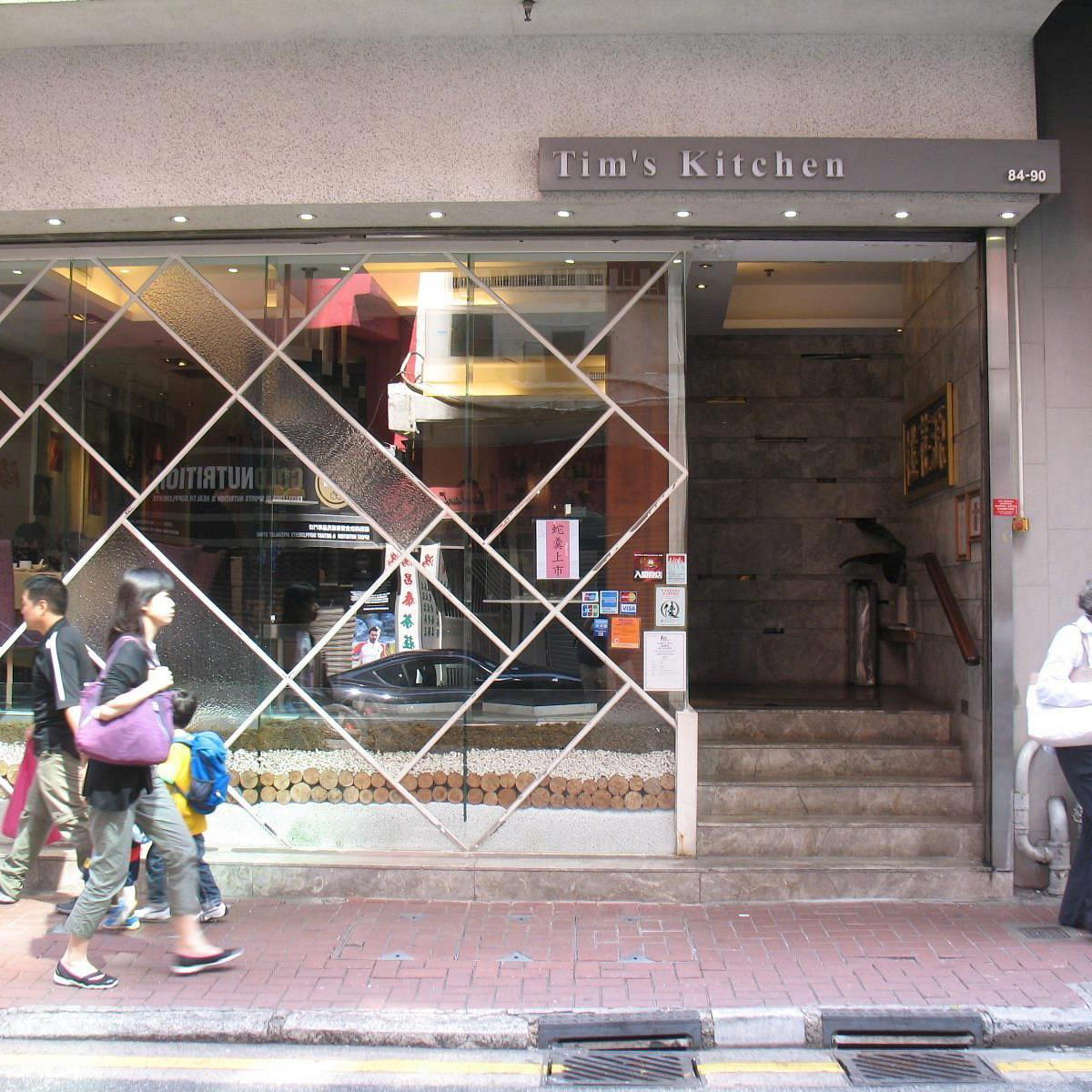
Wan Chai and the Architecture of a Cantonese Occasion
Wan Chai is one of Hong Kong's most layered districts, compressed between the financial formality of Admiralty and the night-market density of Causeway Bay. Its dining character reflects that position: Jaffe Road and the streets around it carry a working mix of old-school Cantonese houses, newer casual formats, and the kind of mid-tier restaurants that serious locals return to across decades rather than seasons. Tim's Kitchen, at 148 Jaffe Road, sits in that established category, the sort of Cantonese address that earns its reputation through repetition and precision rather than seasonal press cycles.
That context matters when you are choosing where to mark a significant meal. In a city where Cantonese cooking at the high end is represented by formally structured rooms at hotels and multi-starred destinations, neighbourhood-rooted addresses occupy a different register. They are chosen not for theatre but for trust, and in Hong Kong, trust in a Cantonese kitchen is measured in years of consistency, not in recent award cycles.
Cantonese Cooking as Occasion Cuisine
Cantonese cuisine, at its most considered, is already structured around occasion. The tradition of gathering a table for multi-course shared meals, with dishes sequenced by texture, weight, and technique, maps almost perfectly onto how milestone celebrations are eaten across Hong Kong. A birthday dinner, an anniversary, a reunion of family members arriving from different cities: these are not events that call for a tasting menu in the Western sense. They call for a table of dishes arrived at by consensus, with a host who knows the room well enough to order ahead.
This is the dining grammar that addresses like Tim's Kitchen are built to serve. Cantonese roasting, steamed fish timed to the minute, braised preparations that require hours of kitchen attention, cold platters assembled as a first course: each of these is a gesture of care that registers differently when shared across a full table than when plated individually. The format is inherently social, and inherently ceremonial, which is precisely why it anchors so many of Hong Kong's most significant meals.
For comparison, the multi-starred Cantonese options in Hong Kong, including Forum in Causeway Bay, operate at price points and formality levels that serve a different occasion tier. International fine dining addresses such as Amber, Caprice, and 8 1/2 Otto e Mezzo Bombana draw diners seeking European frameworks. Ta Vie occupies a hybrid register. Tim's Kitchen positions itself in the category of Cantonese houses where the cooking tradition itself is the draw, rather than the dining format built around it.
The Jaffe Road Address: What the Location Signals
Wan Chai's Jaffe Road is not a destination street in the way that, say, the Lan Kwai Fong area positions itself. It is a working urban artery, which in Hong Kong's restaurant culture is often a more reliable signal of longevity than a curated dining block. Restaurants on streets like this survive on repeat business, on the families and professional networks that return across years, not on foot traffic from tourists or first-time visitors drawn by ambiance.
The restaurant's presence on this street places it in a lineage of Cantonese houses that have earned their standing through kitchen output rather than room design. Reaching it is direct from either Wan Chai MTR station or the Admiralty interchange, which makes it a practical choice when assembling a group arriving from different parts of the city, a common logistical reality for family gatherings in Hong Kong.
Planning the Meal: What a Cantonese Occasion Dinner Requires
A Cantonese occasion meal at this level of restaurant requires advance thought. Group size should be confirmed early because Cantonese menus are designed for shared dishes proportioned to a table, and arriving as an odd-numbered small party at a table that seats eight changes the economics and the rhythm of the meal. One important logistical step is securing the booking itself. Cantonese restaurants with established followings in Hong Kong fill quickly for Friday and Saturday evenings and for the lunar calendar's significant dates, including the lead-up to Chinese New Year and Mid-Autumn Festival, when family dinners are a structural expectation rather than a casual plan.
Midweek evenings typically offer more availability and a quieter room, which some diners prefer for smaller milestone occasions where conversation matters as much as the food. Arriving with a clear sense of what the table wants, whether that is the classic roasted preparations that anchor a Cantonese banquet, or a lighter seafood-led sequence, makes the ordering process more efficient in a kitchen that benefits from knowing what to prioritise.
Hong Kong's broader restaurant geography offers useful reference points for planning. If Wan Chai does not suit a particular group's location, other Cantonese addresses across the city serve comparable traditions: Lei Garden in Sha Tin serves the New Territories corridor, while the wider EP Club city guide at our full Hong Kong restaurants guide maps options across neighbourhoods from Aberdeen to Tuen Mun. For those with specific culinary interests in other traditions, One-ThirtyOne in Tai Po and Hoi Tin Garden in Tuen Mun reflect the range of dining options across the wider metropolitan area.
Comparable Venues
Comparable venues nearby, for context on price, style, and recognition.
| Venue | Cuisine | Price | Notes |
|---|---|---|---|
| Tim's KitchenThis venue — the venue you are viewing | Traditional Cantonese | $$$ | Not listed |
| Lee Lo Mei | Modern Cantonese Fusion | $$$ | Central |
| The Royal Garden Chinese Restaurant | Authentic Cantonese | $$$ | Yau Tsim Mong South |
| RÙN (The St. Regis Hong Kong) | Modern Cantonese Fine Dining | $$$ | Wan Chai |
| Tai Hing | Hong Kong Roast Meats & Comfort Food | $$ | Tsim Sha Tsui |
| Hutong | Northern Chinese Fine Dining | $$$$ | Yau Tsim Mong South |
Continue exploring
More in Hong Kong
Restaurants in Hong Kong
Browse all →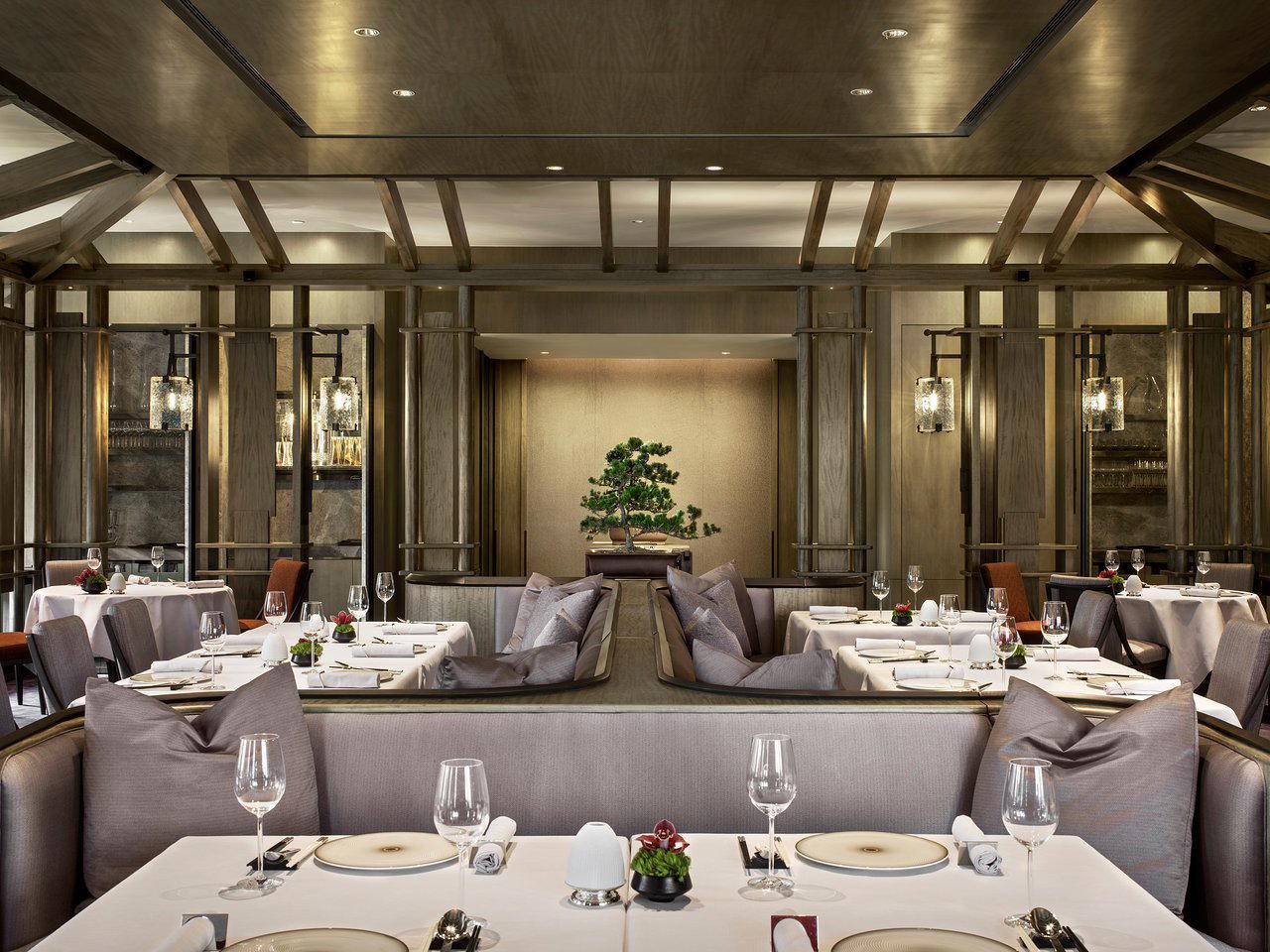
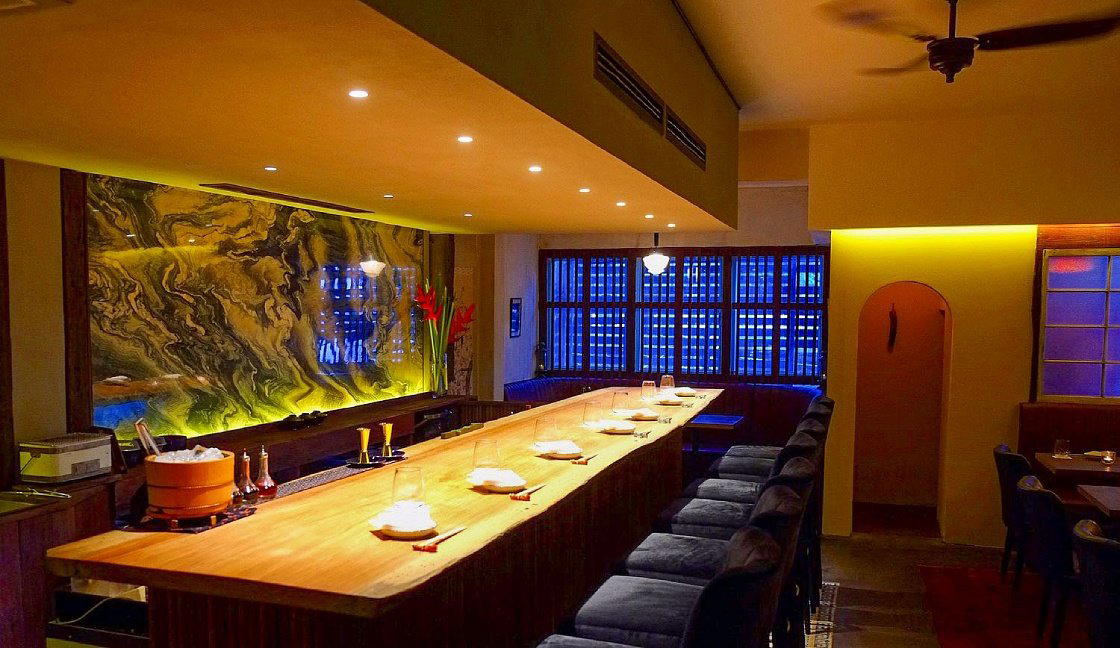
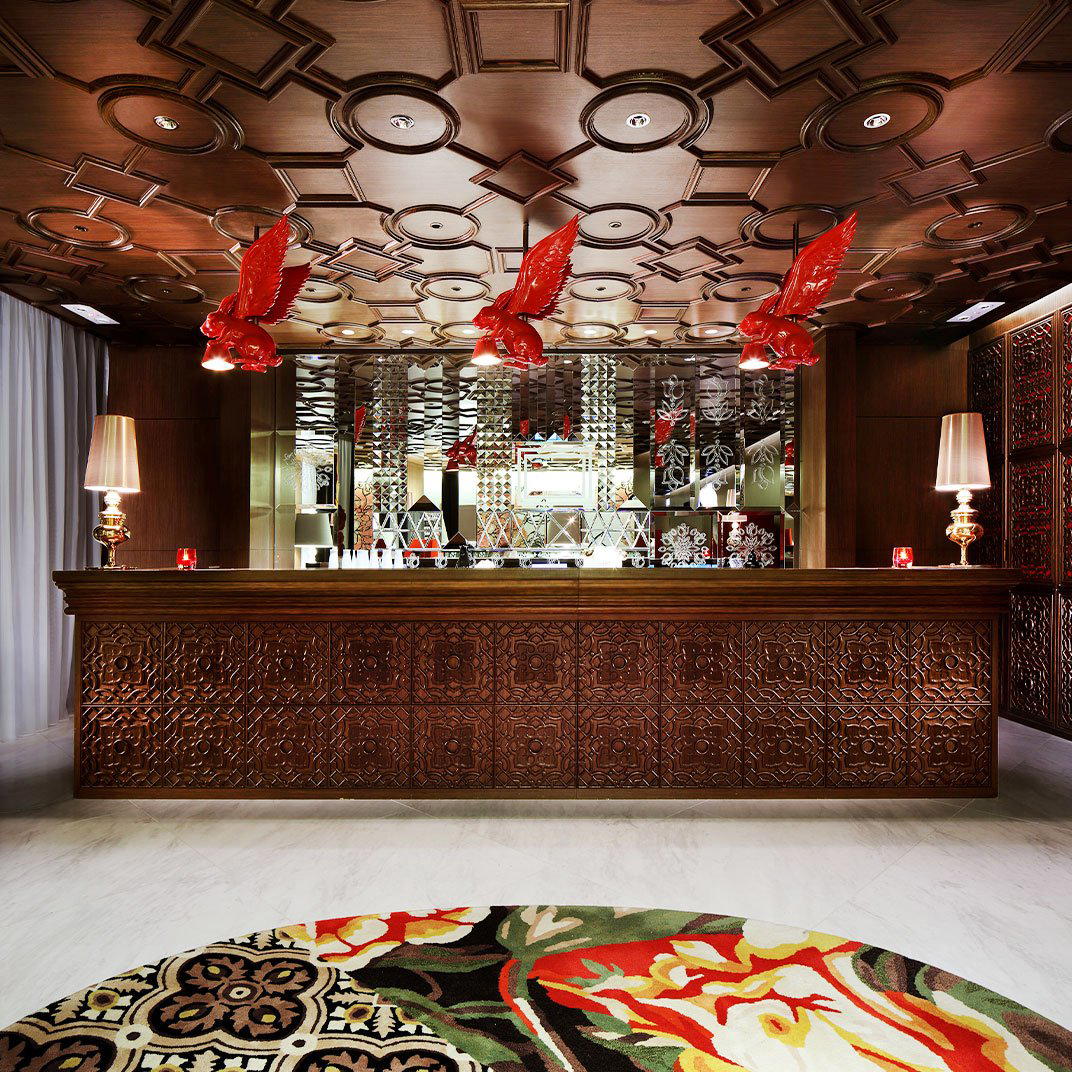
Bars in Hong Kong
Browse all →
At a Glance
- Classic
- Elegant
- Business Dinner
- Special Occasion
- Open Kitchen
Current opening hours
- Monday
- 6:30 AM–9 PM
- Tuesday
- 6 AM–9 PM
- Wednesday
- 6 AM–9 PM
- Thursday
- 6 AM–9 PM
- Friday
- 6 AM–9 PM
- Saturday
- 6 AM–6 PM
- Sunday
- 6:30 AM–3 PM
Hours can change for holidays and private events. Last verified .
Busy and crowded classical Cantonese setting with cramped tables during peak times.