Our verdict
Neue Zukunft occupies a converted space on Alt-Stralau 68 in Berlin's Stralau peninsula, one of the city's quieter post-industrial pockets. The venue sits at a remove from the central dining circuit, positioning it among Berlin's growing tier of neighbourhood-anchored spots where the setting carries as much weight as the plate. For those willing to cross the water, it rewards the detour.

Pearl is the En Primeur Club membership app, where members save venues, book tables and use the concierge.

Where the City Thins Out
Berlin's dining geography has always been uneven. The concentrated prestige circuit runs through Mitte, Kreuzberg, and Charlottenburg, where Michelin-decorated rooms like Rutz, Nobelhart & Schmutzig, and FACIL operate within a few kilometres of each other. The Stralau peninsula is a different proposition. Extending into the Spree on the eastern edge of Friedrichshain, it is one of the few areas in inner Berlin that still reads as genuinely peripheral: warehouses converted to apartments, long stretches of waterfront, and a street-level quiet that disappears fast once you cross back onto the mainland. Neue Zukunft, at Alt-Stralau 68, sits in that pocket.
The address alone signals intent. Venues that choose Stralau are not competing for foot traffic or proximity to hotel concierges. They are betting that what happens inside justifies the journey, and that the journey itself becomes part of the experience. In a city where so many dining rooms perform a version of industrial-chic accessibility, that bet carries editorial weight.
The Sensory Register of a Peripheral Address
Arriving at Alt-Stralau 68 on foot from Ostbahnhof, the shift in atmosphere is gradual and then sudden. The noise of the rail corridor drops away, replaced by the low ambient sound of water and the particular kind of urban stillness you find only at the edge of things. The building itself sits within a stretch of the peninsula where the scale stays low and the light, especially in the later afternoon, comes in at an angle that is specific to waterside Berlin: flat, slightly diffuse, and longer than you expect.
This physical context is not incidental to how a venue like Neue Zukunft functions. In Berlin's post-industrial dining scene, the container has consistently mattered as much as the contents. The city's most discussed rooms over the past decade, from the early days of Kantine to more recent creative formats, have all understood that atmosphere is compositional, not decorative. A venue in Stralau is making a claim about the relationship between location and experience that a room in Mitte simply cannot replicate, regardless of what arrives on the plate.
The materials and acoustics of converted industrial spaces in this part of the city tend toward exposed concrete, high ceilings, and a sound profile that rewards conversation rather than suppressing it. Whether Neue Zukunft follows that template or departs from it, the neighbourhood establishes expectations that the interior either confirms or deliberately subverts.
Berlin's Creative Dining Tier: Where Neue Zukunft Sits
Berlin's creative dining scene has developed a recognisable structure over the past decade. At the formally decorated end, rooms like CODA Dessert Dining and Restaurant Tim Raue operate within the Michelin framework and price accordingly. A second tier, represented by venues like Nobelhart & Schmutzig, carries institutional credibility while maintaining a more explicitly local, sometimes confrontational, editorial identity. Below that, and considerably more numerous, are smaller neighbourhood-anchored rooms that trade on atmosphere, value, and the sense of discovery that the decorated tier can no longer reliably provide.
Neue Zukunft operates outside the immediate competitive set of Berlin's Michelin circuit. Its Stralau address places it in a category where discovery, access, and setting are the primary value propositions, rather than tasting menu architecture or sommelier depth. That is not a diminishment. Some of the most consequential dining experiences in any major city happen in rooms that have opted out of the formal recognition apparatus entirely, and Berlin, more than most European capitals, has a long tradition of exactly that kind of venue.
For context on the range of formal dining available across Germany, the decorated circuit extends well beyond Berlin: Aqua in Wolfsburg, JAN in Munich, Schwarzwaldstube in Baiersbronn, and Vendôme in Bergisch Gladbach represent a very different kind of investment and expectation. Closer to Berlin's own register, ES:SENZ in Grassau, Victor's Fine Dining by Christian Bau in Perl, Waldhotel Sonnora in Dreis, Restaurant Haerlin in Hamburg, Schanz in Piesport, and Bagatelle in Trier illustrate how broadly the country's serious dining is distributed. Berlin punches unevenly in that national picture, with its strength lying less in three-star formalism and more in format experimentation and neighbourhood character.
Internationally, the shift toward location-as-content is visible across major cities. Le Bernardin in New York City and Atomix in New York City represent the formal end of that city's spectrum, but the venues generating the most critical attention in any given year are often operating at the edges of their respective geographies, physically and conceptually.
Planning a Visit
Stralau is reachable from central Berlin by a combination of S-Bahn to Ostbahnhof and a walk along the peninsula, or by bus routes that serve the Friedrichshain waterfront. Allow more transit time than a central address would require. The neighbourhood is walkable once you arrive, and the waterfront approach is part of the experience rather than a logistical obstacle.
For a fuller picture of Berlin's dining scene across price tiers and neighbourhoods, see our full Berlin restaurants guide.
Know Before You Go
- Address: Alt-Stralau 68, 10245 Berlin, Germany
- Neighbourhood: Stralau peninsula, eastern Friedrichshain
- Getting there: S-Bahn to Ostbahnhof, then on foot or bus along the peninsula
- Phone: Not publicly listed
- Website: Not publicly listed
- Booking: Contact; check current listings before visiting
Frequently asked questions
What's the must-try dish at Neue Zukunft?
Should I book Neue Zukunft in advance?
What kind of atmosphere does Neue Zukunft offer compared to other Berlin dining destinations?
At-a-Glance Comparison
Comparable venues nearby, for context on price, style, and recognition.
| Venue | Cuisine | Price | Notes |
|---|---|---|---|
| Neue ZukunftThis venue (the venue you are viewing) | German Beer Garden Pub | Not listed | Not listed |
| Altensteiner Krug | Traditional German Hausmannskost | $20–30 | Dahlem |
| Brauhaus Spandau | Traditional German Brewery | $20–30 | Spandau |
| Hops & Barley | German Craft Beer Pub | $10–20 | Friedrichshain |
| Georgbraeu | Traditional German Brewery | $20–30 | Mitte |
| Restauration 1840 | Traditional German Cuisine | $30–50 | Mitte |
Continue exploring
More in Berlin
Restaurants in Berlin
All restaurants in Berlin →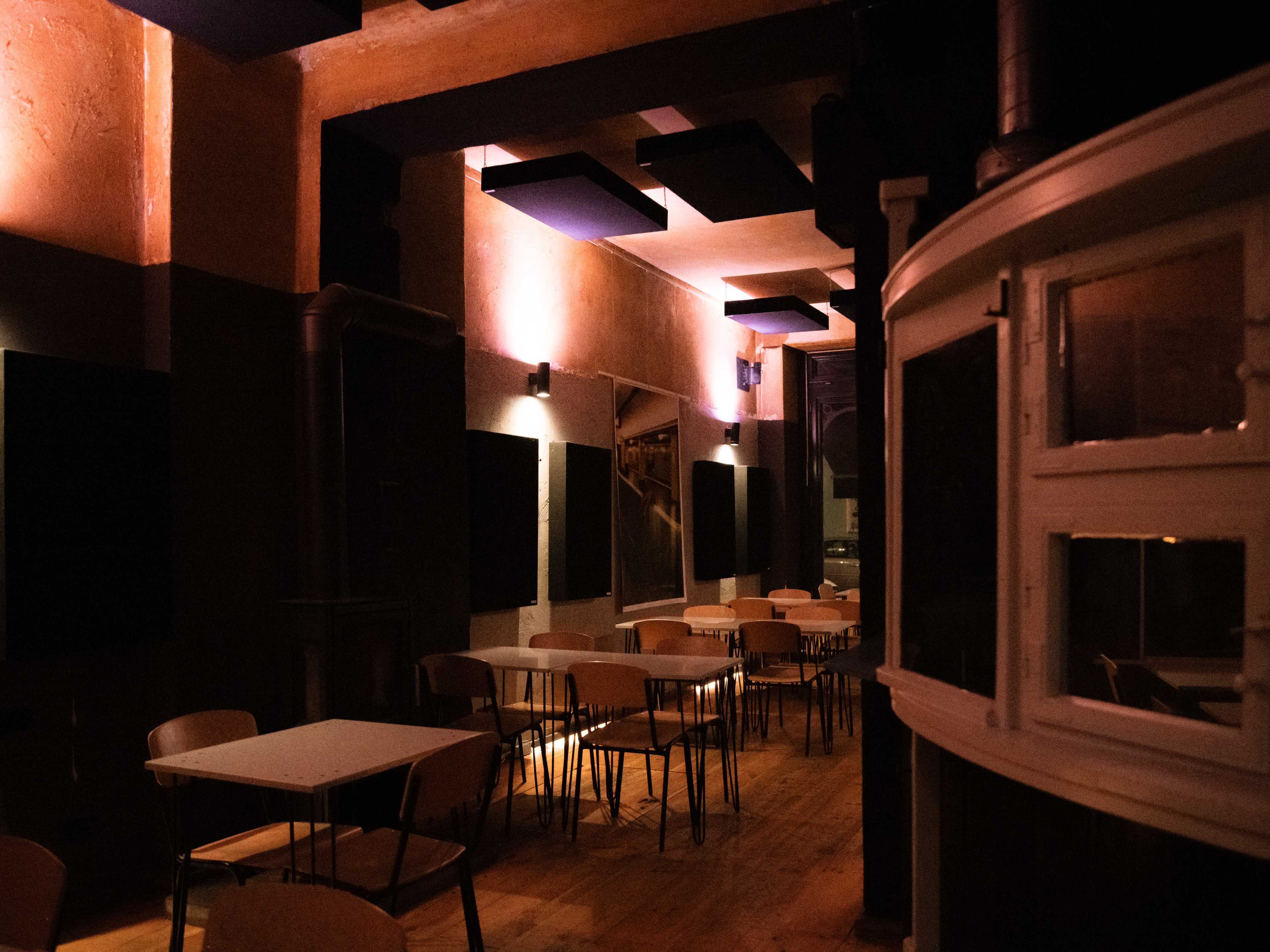
Bars in Berlin
All bars in Berlin →
Details
- Lively
- Trendy
- Industrial
- Casual Hangout
- After Work
- Late Night
- Live Music
- Open Kitchen
- Terrace
- Beer Program
- A La Carte
- Beer
- Vegetarian Friendly
Current opening hours
- Monday
- 5:30 PM–1 AM
- Tuesday
- 5:30 PM–1 AM
- Wednesday
- 5:30 PM–1 AM
- Thursday
- 5:30 PM–1 AM
- Friday
- 5:30 PM–1 AM
- Saturday
- 3:30 PM–1 AM
- Sunday
- 3:30 PM–1 AM
Hours can change for holidays and private events. Hours as of .
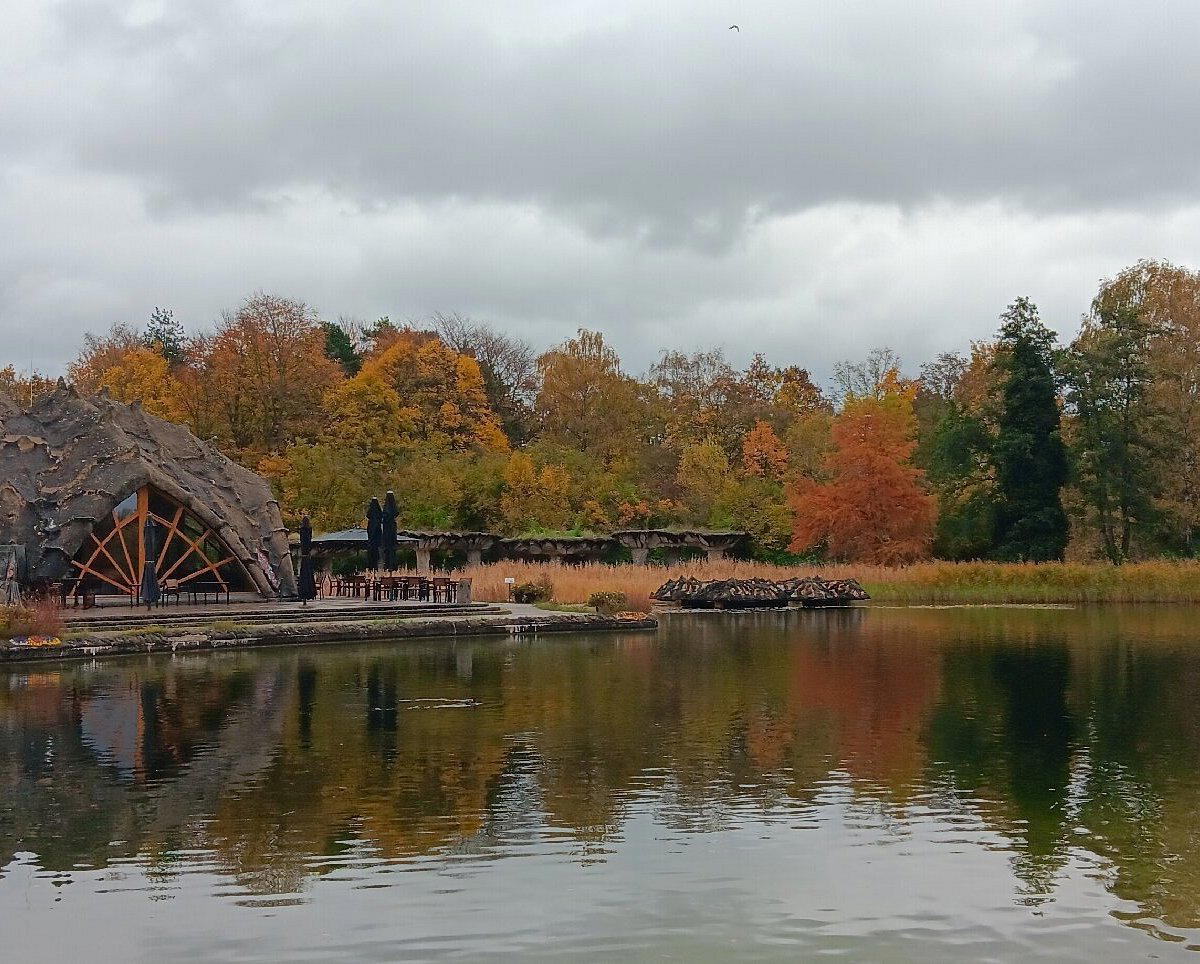
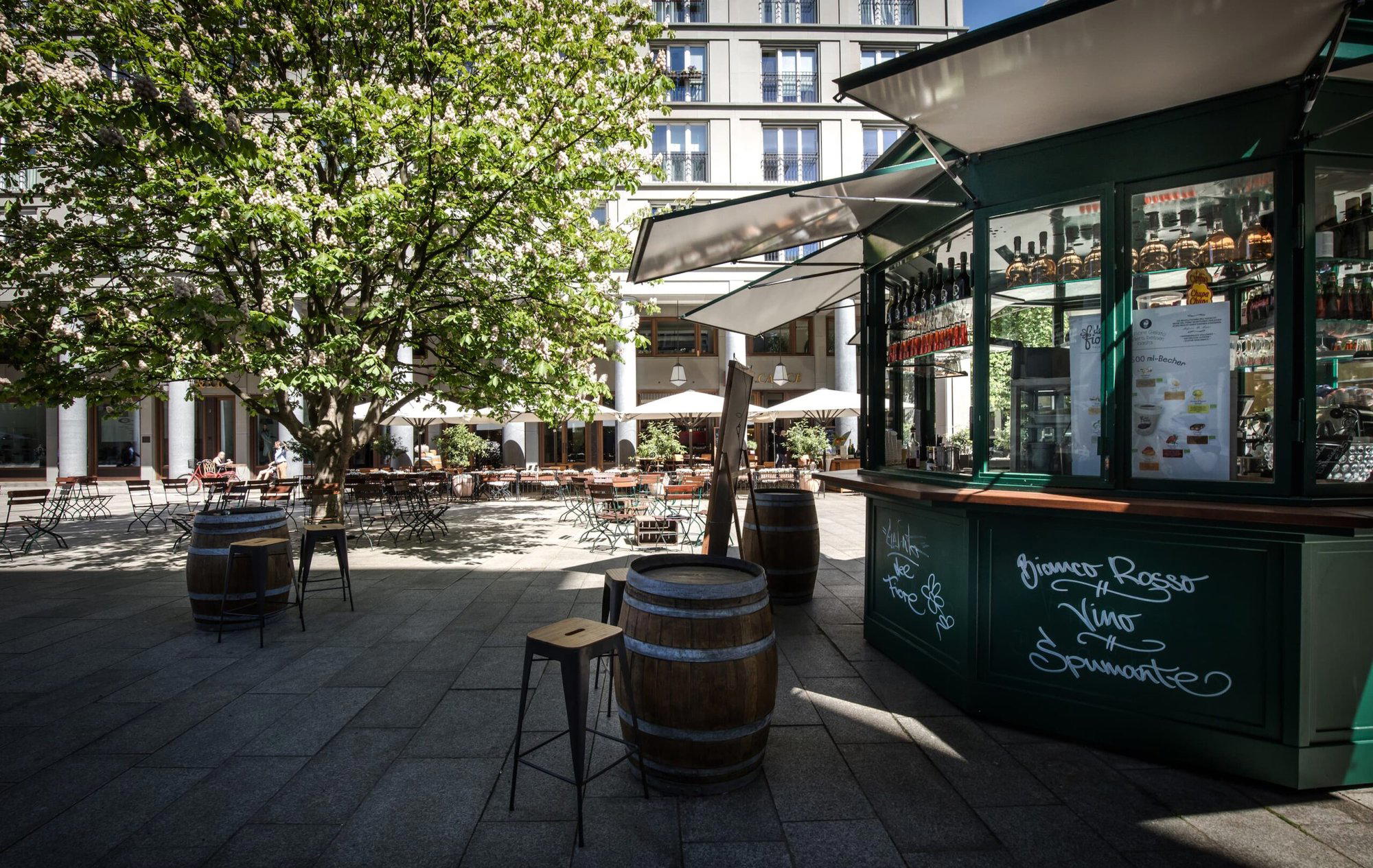
Relaxed outdoor atmosphere under treetops with live music and a casual, energetic indoor club vibe.