Le Signal 2108
Our verdict
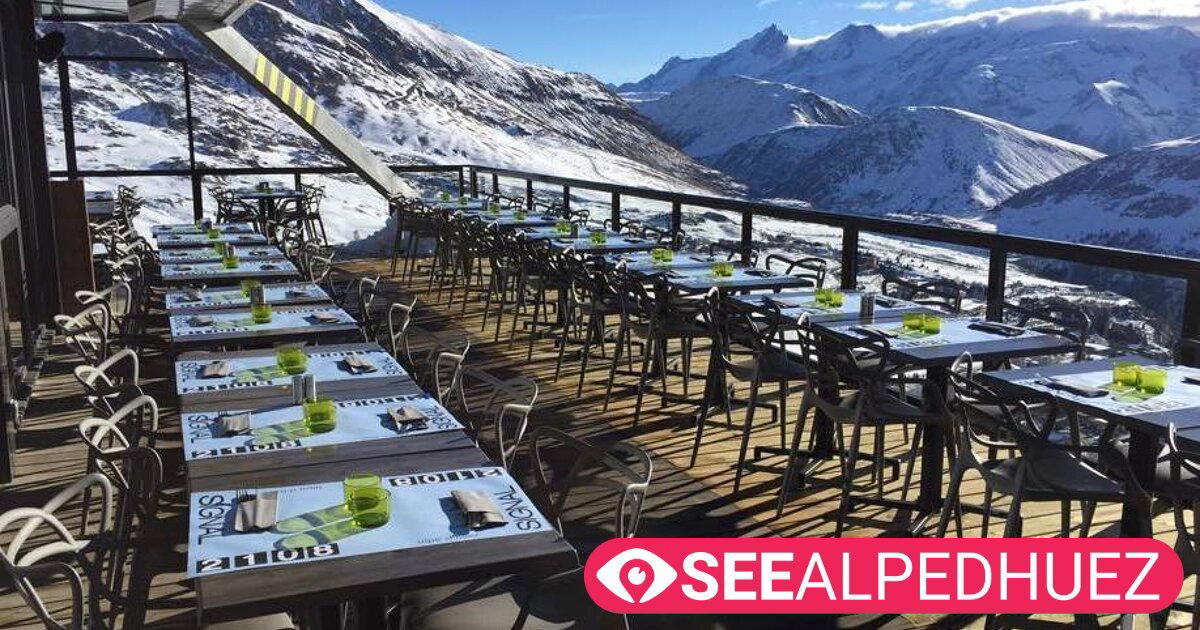
At 2,108 metres on the Signal plateau above L'Alpe d'Huez, this mountain restaurant operates in a category defined by altitude and access rather than urban dining convention. The setting frames the editorial question that matters here: what does serious cooking look like when the pantry is the surrounding alpine terrain, and the dining room is perched above the treeline of the Isère valley.

Pearl is the En Primeur Club membership app — saves, bookings, and concierge access live there. Same editors, same standards.
- Address
- route du Signal
- Directions
- Get directions
The menu
What to order
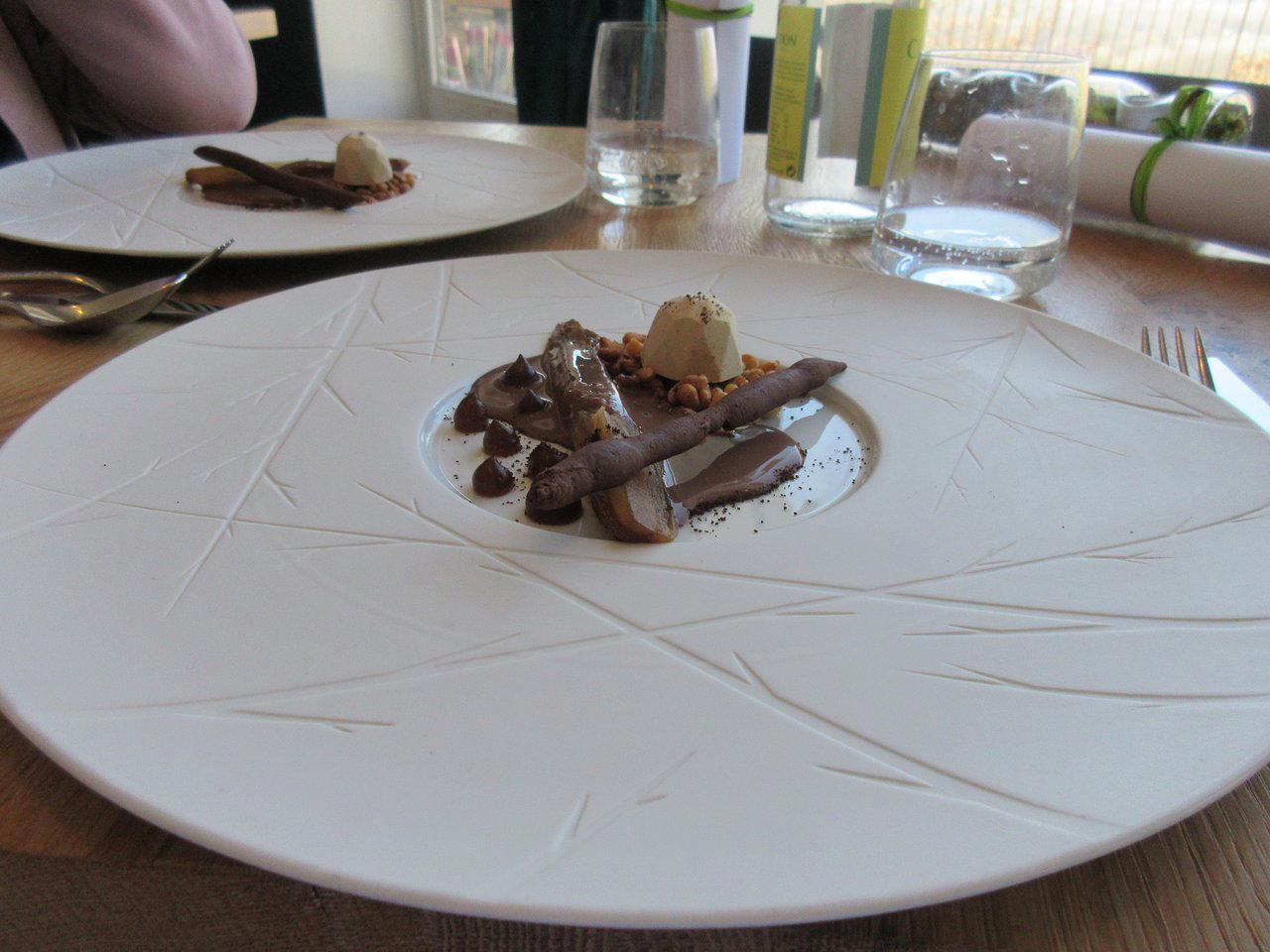
- Homemade desserts
- Homemade burger
Where the Plateau Sets the Terms
Mountain restaurants in the French Alps divide roughly into two operational tiers. The first is the high-volume piste-side canteen, built around speed, carbohydrate, and a captive audience of skiers. The second is a smaller, less predictable category: restaurants that happen to occupy exceptional altitude and choose to do something more considered with it. Le Signal 2108, positioned on the Signal plateau above L'Alpe d'Huez, sits in that second tier, where the 2,108-metre address on the route du Signal is less a marketing detail than a logistical fact that shapes everything from ingredient transport to the rhythm of service.
The approach matters. Whether you arrive by lift or on foot from the resort, the altitude transition is physical. The air is thinner, the light is harder, and the panorama across the Isère valley and into the surrounding massif becomes the dominant sensory reality before you have touched a menu. Restaurants at this elevation operate inside that reality rather than despite it, and the more serious ones treat it as a curatorial condition: the sourcing must justify the setting, or the setting exposes the cooking.
Alpine Sourcing at Elevation: Why Provenance Is the Point
The editorial angle that matters most for a restaurant at 2,108 metres is not decor or chef lineage — it is where the food comes from and what it costs logistically to get it there. French alpine cooking has a long relationship with hyper-local sourcing born partly of necessity: high passes, seasonal road closures, and the short growing window above 1,800 metres historically forced mountain kitchens to work with what the surrounding terrain produced. That tradition — cheeses from transhumant herds, cured meats from valley farms, foraged herbs from the upper meadows, did not disappear with modern road infrastructure. It became, instead, a marker of seriousness.
In the broader French context, this sourcing logic is well documented. The farm-to-table philosophy that animates celebrated kitchens like Bras in Laguiole, where Michel and Sébastien Bras built a culinary identity around the specific flora of the Aubrac plateau, represents one end of a spectrum. At the mountain-resort end, fewer kitchens have made that commitment with comparable rigour. Those that do occupy a specific position: not competing with urban tasting-menu temples like Alléno Paris au Pavillon Ledoyen or Mirazur in Menton, but making a different, terrain-specific argument about what French cooking can be when it operates in fidelity to a particular geography.
For Le Signal 2108, the route du Signal address places it inside the upper resort zone, above the main village infrastructure of L'Alpe d'Huez. That physical fact means supply logistics are genuinely constrained by season and access. Winter service runs parallel to the ski season; the shoulder months before snowfall and after melt create a distinct operational tempo. A kitchen that works seriously within those constraints, sourcing Savoie cheeses, Grenoble walnuts, locally grazed lamb, and the wild herbs that survive at this elevation, is making a legible argument about alpine identity that no amount of imported produce from Rungis can replicate.
The Resort Dining Context: Where Le Signal Sits
L'Alpe d'Huez is a major resort, which means its dining offer spans a wide range. At the informal end, the mountain is well supplied with raclette bars and fondue houses oriented toward après-ski. At the more considered end, a handful of restaurants make a case for mountain cooking as something more than fuel. Chantebise 2100, which sits at a comparable altitude, represents the same category of refined-position dining in the resort.
Compared to the Michelin-recognised mountain kitchens in neighbouring departments, Flocons de Sel in Megève operates at three stars and sets the technical ceiling for what alpine French cooking can achieve, Le Signal 2108 occupies a different register. The question is not whether it competes in the same awards tier as Flocons de Sel or regionally celebrated addresses like Georges Blanc in Vonnas or Auberge de l'Ill in Illhaeusern. It is whether the altitude and access create a dining proposition that stands independently of award validation, and for a certain kind of traveller, the answer is yes.
France's most decorated restaurants cluster in cities and accessible countryside: Troisgros, Paul Bocuse, Assiette Champenoise, Au Crocodile, Auberge du Vieux Puits, L'Oustau de Baumanière, Christopher Coutanceau, AM par Alexandre Mazzia. The high-altitude resort kitchen is a structurally different proposition, and the benchmarks shift accordingly. International reference points like Le Bernardin or Atomix in New York operate in urban dining ecosystems that make the mountain-restaurant question almost irrelevant by comparison. Le Signal 2108 is measured against what it is possible to do seriously at 2,108 metres in the Isère, not against the canon of French fine dining at sea level.
Planning a Visit
Access to Le Signal 2108 is tied to the resort's operational rhythm. The restaurant sits on the route du Signal in the upper resort zone, reachable via the Signal gondola or telecabine from the main village during ski season. Outside the core winter period, access and opening status should be confirmed directly, as high-altitude venues in L'Alpe d'Huez operate on schedules aligned with snow conditions and tourist flow rather than fixed calendar dates. No website or phone number is currently listed in public directories, which means the practical approach is to confirm opening and service hours through the resort's central information office or on arrival in the village. Timing a visit for mid-morning or early afternoon, when the piste traffic is lighter and the plateau is not at peak capacity, tends to produce a more considered experience of what the restaurant is doing.
Frequently asked questions
Is Le Signal 2108 suitable for children?
A mountain restaurant on the route du Signal in the upper resort zone of L'Alpe d'Huez sits naturally within a family skiing context, and piste-adjacent dining at this altitude is routinely used by families mid-mountain. Access depends on resort operations, so visit timing should be coordinated with lift and piste schedules rather than restaurant-specific hours.
Is Le Signal 2108 formal or casual?
At 2,108 metres in an active ski resort, the operational setting at Le Signal 2108 points toward relaxed, activity-appropriate dress. L'Alpe d'Huez's mountain dining tier at this elevation is structured around guests arriving on skis or foot, which sets the register well below formal. Ski boots and outerwear are the practical reality of the room.
Can you reach Le Signal 2108 without skis, and when does it operate?
Le Signal 2108 is positioned on the route du Signal in L'Alpe d'Huez's upper resort zone, meaning access is tied to the resort's seasonal and daily operational rhythm rather than independent pedestrian access. In practice, the restaurant functions within the ski season calendar, and guests arriving on foot should confirm whether the upper lifts are running on a given day. Checking L'Alpe d'Huez resort schedules before planning a visit is the reliable approach.
What should I order at Le Signal 2108?
The editorial focus at this elevation is provenance: Alpine sourcing is the defining principle of the upper-resort dining tier in the French Alps, and that typically means regional dairy, cured meats, and mountain-raised proteins. For a restaurant sitting above 2,000 metres in L'Alpe d'Huez, the most substantive choices are usually tied to what local producers can deliver at altitude. Specific menu details are best confirmed directly with the venue before visiting.
At-a-Glance Comparison
Comparable venues nearby, for context on price, style, and recognition.
| Venue | Cuisine | Price | Awards | Notes |
|---|---|---|---|---|
| Le Signal 2108This venue — the venue you are viewing | Bistronomic French with Regional Alpine Specialties | $30–50 | Not listed | Not listed |
| Chantebise 2100 | Traditional French Alpine Brasserie | $30–50 | Not listed | L'Alpe d'Huez |
| Au Chamois d'Or | Alpine French Bistro | $50–100 | Michelin Plate | L'Alpe d'Huez |
| La Table BioEthik | Organic Farm-to-Table French Bistro | Not listed | Not listed | Cadillac-sur-Garonne |
| Les Copains D'abord | Traditional Southwestern French Bistro | $50–100 | Not listed | Bonhoure / Guilheméry / Château de l'Hers / Limayrac / Côte Pavée |
| Lou Balico | Authentic Niçoise | $20–30 | Not listed | Cœur de Nice |
Continue exploring
More in L'Alpe d'Huez
Restaurants in L'Alpe d'Huez
Browse all →
Bars in L'Alpe d'Huez
Browse all →
Hotels in L'Alpe d'Huez
Browse all →
Wineries in L'Alpe d'Huez
Browse all →

Details
- Scenic
- Cozy
- Rustic
- Casual Hangout
- Family
- Date Night
- Special Occasion
- Panoramic View
- Terrace
- Standalone
- Local Sourcing
- Mountain
- A La Carte
- Vegetarian Friendly
- Vegan Options
- Gluten Free Options
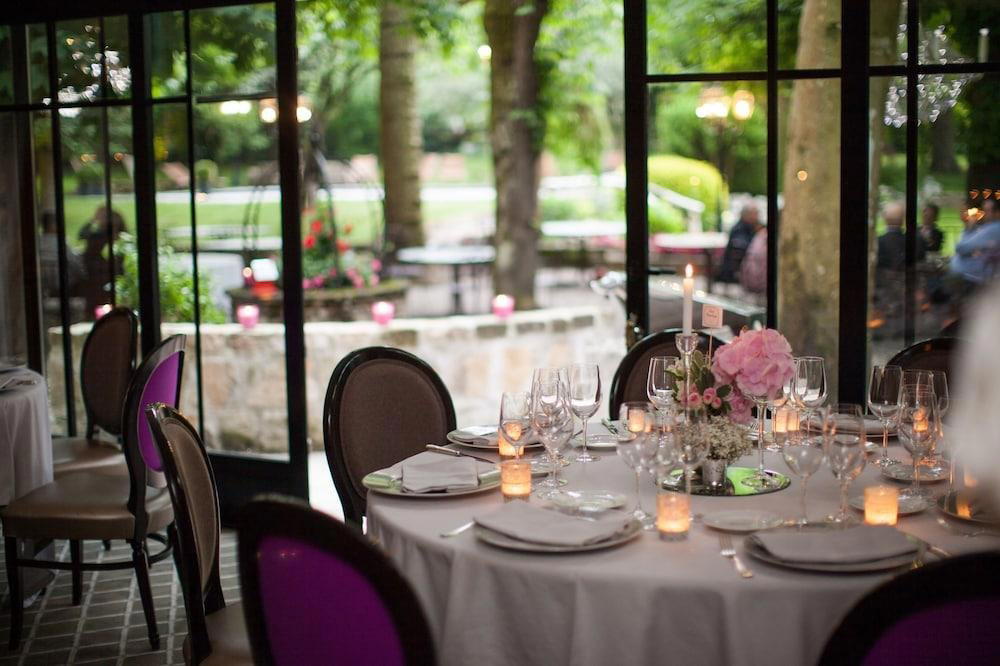
Cosy mountain atmosphere with alpine views, suited to sunny daytime lunches and special evening dinners at altitude.