Café.Germain
Our verdict
A village café at the foot of the Sainte-Victoire massif in Pourrières, Provence, Café. Germain occupies a square-side address that places it squarely within the region's tradition of market-driven, terroir-anchored cooking. For travellers moving through the Var or approaching from Aix-en-Provence, it represents the kind of deeply local stop that the Provence dining circuit rarely publicises but consistently rewards.

Pearl is the En Primeur Club membership app — saves, bookings, and concierge access live there. Same editors, same standards.
- Address
- 5 Grand Place, 83910 Pourrières, France
- Phone
- +33617023381
- Hours
- Mon 9 AM–3 PMTue ClosedWed 9 AM–5 PMThu 8:30 AM–2 PMFri 8:30 AM–2 PM, 5–10:30 PMSat 8:30 AM–2:30 PM, 5–10:30 PMSun 9 AM–3 PM
- Website
- pourrieres.bistrotdepays.com
- Directions
- Get directions
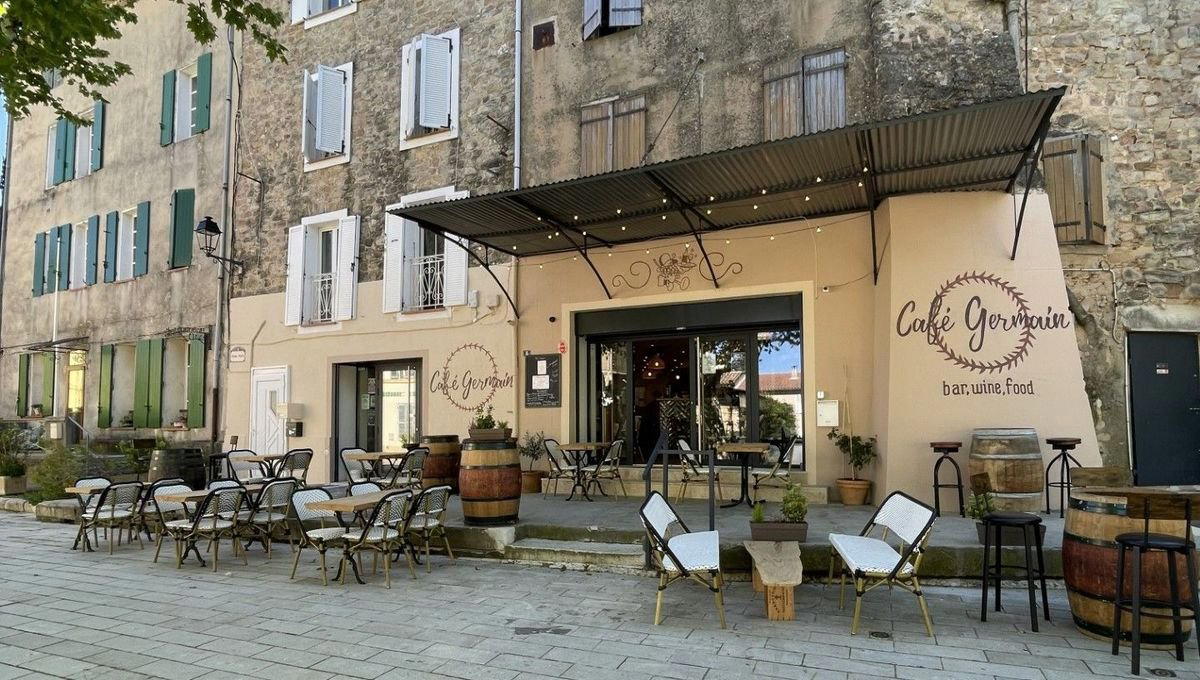
A Square in Pourrières, and What That Address Means
The Grand Place in Pourrières is not a destination in the promotional sense. It is a working village square in the Var department, ringed by plane trees, positioned between the Sainte-Victoire limestone ridge to the northwest and the Regagnas hills to the south. This is Cézanne country in the agricultural sense rather than the museum sense: the painter returned to this plateau obsessively not because it was picturesque but because the light here does something specific to ochre rock and green scrub that rewards sustained looking. Café. Germain, at 5 Grand Place, sits within that same material reality. The address alone sets expectations: this is village-square dining, not destination-resort dining, and the two categories operate under entirely different rules in Provence.
Provence's restaurant culture has long split between two modes. One serves the coastal circuit — the tables at Saint-Tropez, the hotel dining rooms of the Luberon, the tasting-menu operations that attract the same international clientele as Mirazur in Menton or La Vague d'Or in Saint-Tropez. The other serves the villages themselves, and it runs on a logic that has not materially changed in decades: proximity to the market, trust in local producers, menus that shift with what arrived that morning rather than what the brand demands year-round. For travellers willing to move inland from the coastal corridor, the Var plateau offers the second mode in concentrated form. Café. Germain operates within that tradition.
The Ingredient Logic of the Var Interior
The case for sourcing-led cooking in this part of Provence is not sentimental. The Var department produces some of the most agriculturally specific ingredients in southern France: the olive oils pressed around Draguignan, the lamb raised on the garrigue scrubland east of Aix, the stone fruits grown in the Arc valley, the truffle grounds that extend from the Vaucluse into the Var's northern communes. A village café on this plateau has access, by sheer geography, to a supply chain that a Paris restaurant would need a dedicated procurement team to replicate. The sourcing argument in Provence is really a proximity argument: ingredients travel shorter distances, and the gap between harvest and plate compresses accordingly.
This is the operational logic that defines how places like Café. Germain sit within a broader regional tradition. France's grands restaurants — Bras in Laguiole, L'Oustau de Baumanière in Les Baux, Auberge du Vieux Puits in Fontjoncouse, have built their reputations in part by anchoring menus to the terrain immediately around them. The principle scales downward. At the village level, the same logic applies without the infrastructure of a starred kitchen: the cook knows the market vendors by name, the menu is short because it reflects what is available rather than what a full brigade could produce, and the cooking serves the ingredient rather than transforming it beyond recognition.
Contrast this with the approach at France's most technically ambitious tables. At Alléno Paris au Pavillon Ledoyen or Flocons de Sel in Megève, the sourcing is equally intentional but the ambition is different: ingredients are transformed through technique into something that requires the full context of the dining room, the service, and the progression of courses to read correctly. Village café cooking in Provence makes a different argument, that the ingredient, handled with minimum interference, is already the point. Both positions are defensible. They are simply addressing different questions about what food is for.
Where Pourrières Fits in the Regional Circuit
Pourrières sits roughly equidistant between Aix-en-Provence to the west and Brignoles to the east, on the D6 that crosses the plateau below Sainte-Victoire. It is a commune of under 3,000 people, and it does not appear on the standard Provence itinerary that routes visitors through Gordes, Les Baux, and the Luberon villages. That absence from the circuit is functional rather than accidental: there is no single landmark anchoring it to the tourist map, and the village's appeal is structural rather than photogenic in the postcard sense. For that reason, it draws a different kind of traveller, one oriented toward the Var's wine country, toward walking the Sainte-Victoire trails, or toward the kind of provincial French quietness that the more-visited hill villages have largely surrendered.
The regional dining context worth noting is proximity to some serious Provençal cooking. La Table du Castellet operates to the south. L'Oustau de Baumanière is accessible to the west. For travellers building a Provence itinerary that mixes formal dining with local stops, Pourrières and its square-side café represent the local counterpoint: a place to eat within the village rather than travel to a destination table. Our full Pourrières restaurants guide maps the broader eating options in the commune and the surrounding plateau.
Planning a Visit: Practical Notes
Pourrières is most directly reached by car from Aix-en-Provence, with the drive across the plateau taking under thirty minutes. Public transport connections to the village are limited, which makes the car the default option for most visitors approaching from the TGV station at Aix. The Grand Place address is central within the village and findable without navigation beyond the square itself. Contact details for Café. Given the village scale and the café format, opening patterns here tend to follow the French provincial rhythm of lunch service and, on certain evenings, dinner, but this should be confirmed rather than assumed.
For travellers whose Provence itinerary is anchored around the region's more formally recognised tables, Café. Germain represents the kind of stop that rounds out a trip rather than headlining it. The serious Provençal cooking conversation runs through venues like L'Oustau de Baumanière and extends nationally through institutions like Paul Bocuse's Auberge du Pont de Collonges, Auberge de l'Ill in Illhaeusern, Maison Lameloise in Chagny, Georges Blanc in Vonnas, Les Prés d'Eugénie in Eugénie-les-Bains, and Troisgros in Ouches. Internationally, the sourcing-led café format finds different but conceptually adjacent expressions in places like Lazy Bear in San Francisco and the ingredient-first philosophy that runs through Le Bernardin in New York at a very different price tier. The comparison is not equivalence, it is a reminder that the question of where food comes from, and how close the kitchen sits to its sources, is one that animates dining across every format and price point.
Frequently asked questions
Would Café. Germain be comfortable with kids?
Café. Germain sits on the Grand Place in Pourrières, a working village square in the Var rather than a formal dining room, which typically makes for a relaxed, low-formality setting well-suited to families. The open square environment means children have room to move.
Is Café. Germain better for a quiet night or a lively one?
Pourrières is a small Var village rather than a market town or resort, so the pace at Café. Germain on the Grand Place reflects that: expect a neighbourhood rhythm rather than a high-energy room. The square setting can animate during warmer months when outdoor seating fills, but the default register is closer to quiet than lively. It suits an unhurried evening over a meal rather than a late night out.
Is Café. Germain a good stop when driving between Aix-en-Provence and Brignoles?
Pourrières sits on the D6 corridor that runs between Aix-en-Provence to the west and Brignoles to the east, placing Café. Germain at 5 Grand Place directly on one of the more logical route breaks across the Var plateau. The drive from Aix takes under thirty minutes by car, making it a practical midpoint rather than a detour.
What's the best thing to order at Café. Germain?
Specific menu details for Café. Given its address in the Var interior, the broader regional produce context is strong: the department is known for olive oil, stone fruit, and proximity to Côtes de Provence wines. What the kitchen emphasises from that supply is best confirmed on arrival or by reaching out to the café directly.
What's the address for Café. Germain?
Café. Germain is located at 5 Grand Place, 83910 Pourrières, France, Pourrieres.
Should I book Café. Germain in advance?
Pourrières is a small village on the plateau below Sainte-Victoire, and the Grand Place addresses a local rather than tourist-volume crowd for most of the year. During summer weekends, when the Provence interior draws more visitors travelling between Aix-en-Provence and Brignoles, contacting the café ahead of your visit is the practical approach.
How It Stacks Up
| Venue | Cuisine | Price | Awards | Notes |
|---|---|---|---|---|
| Café. GermainThis venue — the venue you are viewing | Provençal French Bistro | $20–30 | Not listed | Not listed |
| Mirazur | Modern French Fine Dining | $300–500 | 3 Michelin Stars · World's 50 Best #1 | Modern French, Creative |
| Alléno Paris au Pavillon Ledoyen | Modern French Fine Dining | $150–200 | 3 Michelin Stars · World's 50 Best #79 | Creative |
| Kei | Modern French with Japanese Influences | $300–500 | 3 Michelin Stars · World's 50 Best #93 | Contemporary French, Modern Cuisine |
| L'Ambroisie | Classic French Haute Cuisine | $300–500 | 2 Michelin Stars · World's 50 Best #23 | French, Classic Cuisine |
| Le Cinq - Four Seasons Hôtel George V | Modern French Fine Dining | $300–500 | 3 Michelin Stars · World's 50 Best #24 | French, Modern Cuisine |
Continue exploring
More in Pourrieres
Restaurants in Pourrieres
Browse all →
Bars in Pourrieres
Browse all →
Hotels in Pourrieres
Browse all →
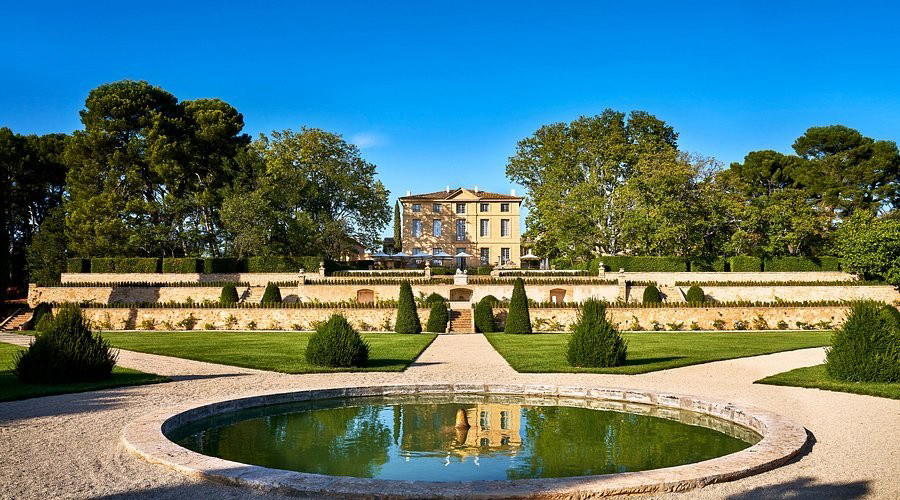
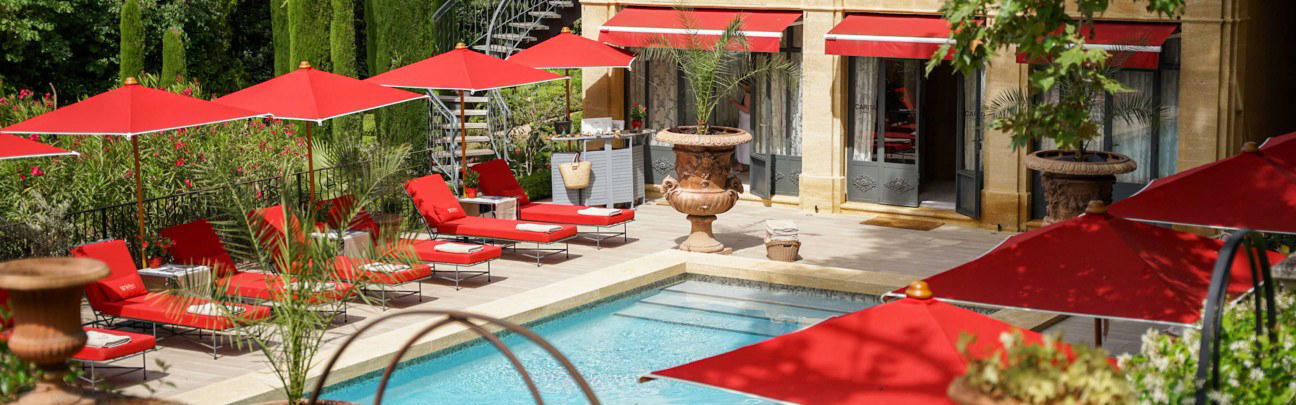
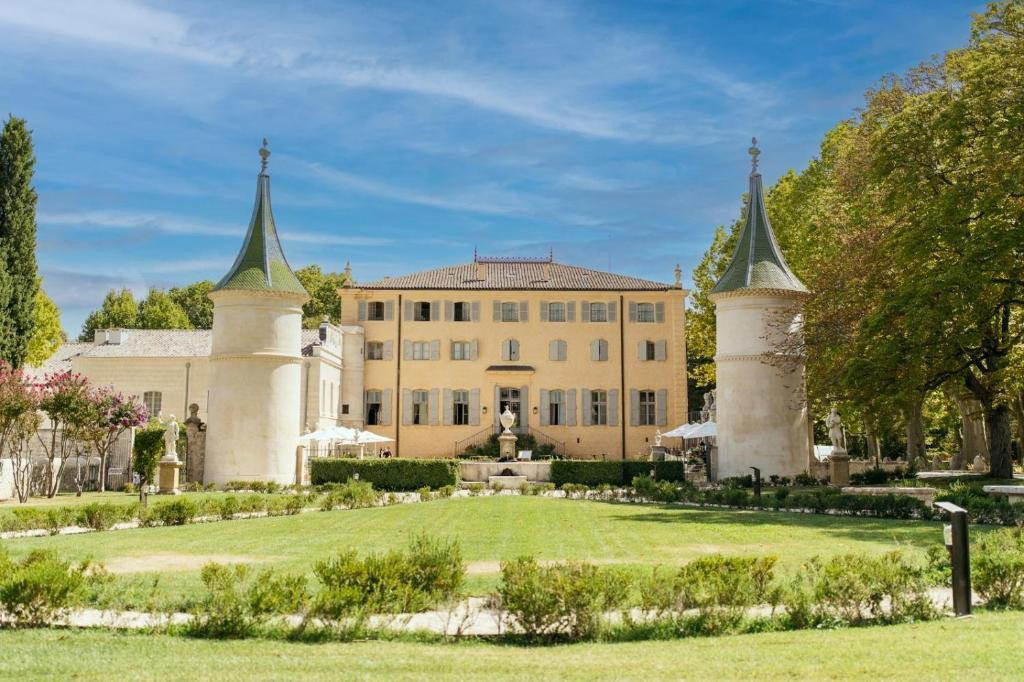
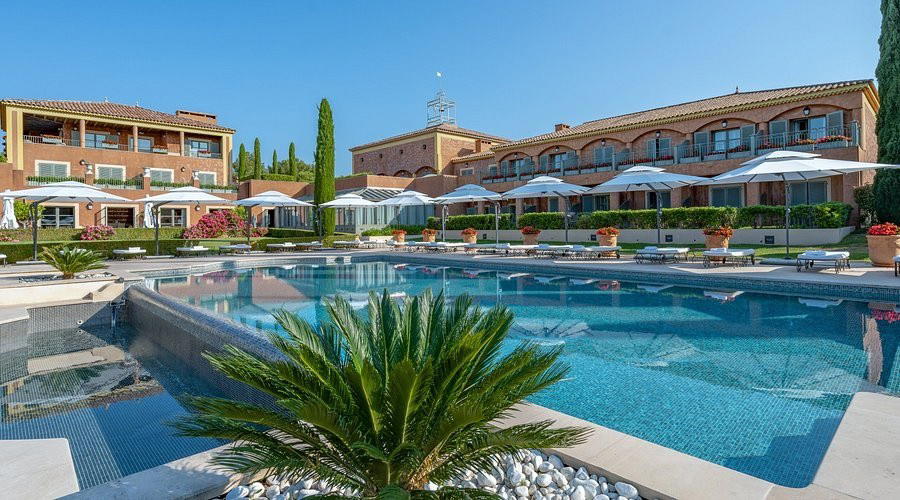

Café.Germain
The wine
- Wine program
- Curated wine list
- Extensive wine list
Details
- Cozy
- Rustic
- Industrial
- Brunch
- Casual Hangout
- Family
- Terrace
- Extensive Wine List
- Local Sourcing
- A La Carte
- Small Plates
Current opening hours
- Monday
- 9 AM–3 PM
- Tuesday
- Closed
- Wednesday
- 9 AM–5 PM
- Thursday
- 8:30 AM–2 PM
- Friday
- 8:30 AM–2 PM, 5–10:30 PM
- Saturday
- 8:30 AM–2:30 PM, 5–10:30 PM
- Sunday
- 9 AM–3 PM
Hours can change for holidays and private events. Last verified .
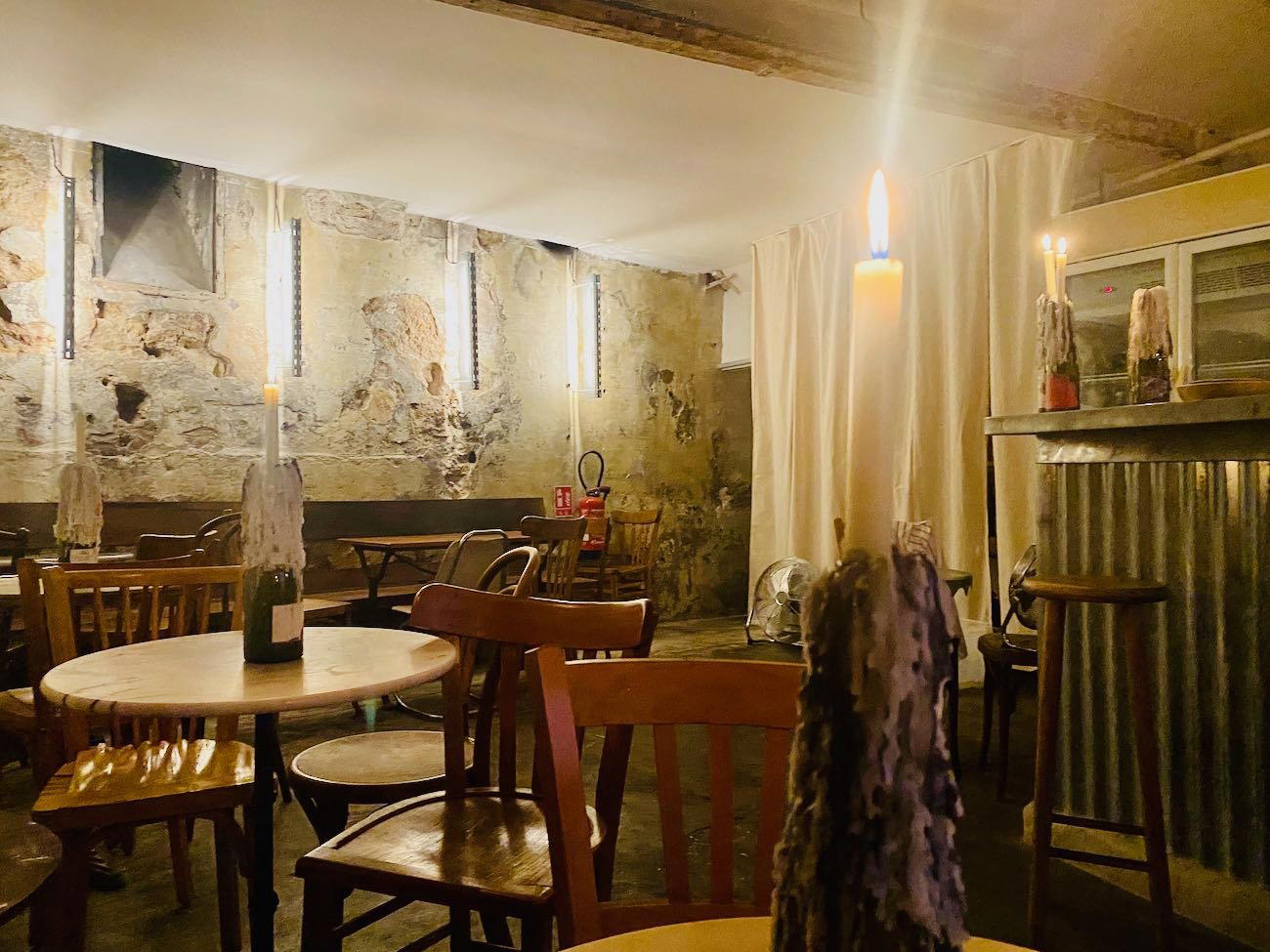
Warm and authentic atmosphere with a mix of raw wood, nature elements, and industrial style decor featuring curated objects.