La Fontaine occupies a square address in Le Val, a quiet Var village that sits at a remove from the Côte d'Azur's more trafficked dining circuits. In a region where Provençal cooking is often filtered through resort-facing menus, a village restaurant tied to its place offers a different register entirely. Le Val rewards the traveller who looks beyond the coast.
 Discover on Pearl
Pearl is the En Primeur Club membership app — saves, bookings, and concierge access live there. Same editors, same standards.
- Address
- 2 place consul Debergue, 83143 Le Val, France
- Phone
- +33494807518
- Website
- facebook.com
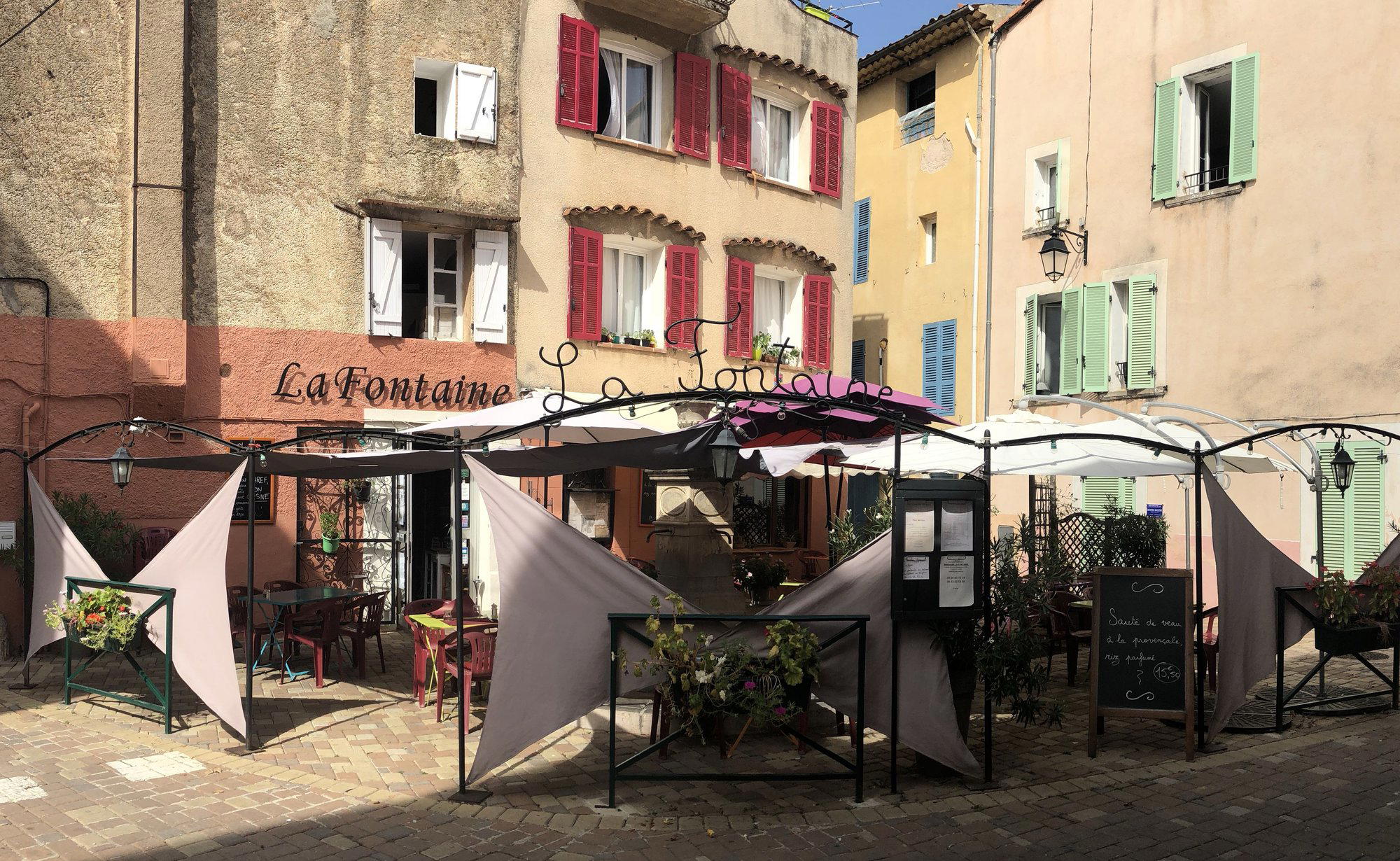
A Village Square and What It Tells You About Provençal Cooking
La Fontaine is a Traditional French Bistro in Le Val, France, with a Google rating of 4.6 and an average price of about $20 per person. Arrive at the place consul Debergue in Le Val and the first thing you register is the quiet. The Var interior operates at a different tempo from the coastal strip, and Le Val, sitting inland from Brignoles and well clear of the autoroute, has the character of a village that has not organised itself around tourism. A restaurant on the main square here is a restaurant for the place itself, not for passing trade. That context matters when you are trying to read what a kitchen is doing and why.
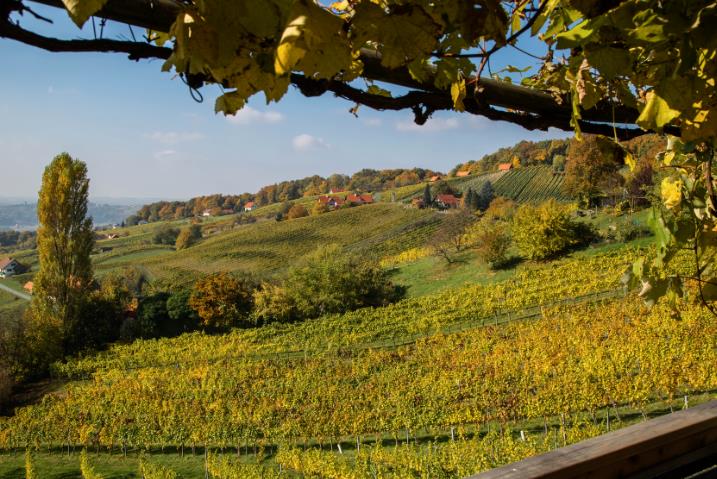
Le Val belongs to the Var département, where the land shifts from maritime to limestone garrigue as you move north from the coast. The olive groves are older, the markets are smaller, and the supply chains are shorter by necessity. French Provence has two distinct culinary registers: the one assembled for the summer influx along the Riviera, and the one that functions year-round in the interior villages, built around what the surrounding terrain actually produces. La Fontaine, addressed to that village square, sits in the second category.
Sourcing as Structure: What the Var Interior Produces
The Var is one of France's most agriculturally diverse départements. Honey from the garrigue, lamb from the Plateau de Valensole to the north, charcuterie from inland producers, early-season asparagus, courgettes, and tomatoes from the valley floors, and olives processed in mills that have operated for generations: this is the raw material available to any kitchen rooted in the area. In the coastal resort belt, the same ingredients are often supplemented or displaced by supply chains built for volume and consistency. In the interior, a kitchen either works with what is close or it works against its own context.
This distinction matters because it determines the character of the food before any chef makes a single decision. Regional French cooking in this part of Provence, at its most grounded, is not a style imposed on ingredients but a set of techniques developed to handle specific seasonal surpluses and scarcities. The tapenade, the daube, the slow-braised lamb, the soupe au pistou: these are answers to questions the landscape asked before the restaurant industry existed. A village address in Le Val places a kitchen inside that tradition rather than adjacent to it.
For comparison, the most discussed addresses in the South of France at the high end, including Mirazur in Menton and AM par Alexandre Mazzia in Marseille, work in a creative mode that references regional produce but operates well beyond its traditional grammar. L'Oustau de Baumanière in Les Baux sits closer to the Provençal tradition but with a guest profile and price point oriented to an international clientele. A village restaurant in Le Val has a different brief entirely.
The Village Restaurant Format in France's Interior
Across France, the small-town restaurant on the main square has been under pressure for two decades. The format that once anchored the French dining week, the reliable mid-week lunch, the Sunday family table, the local vignerons eating together on a Tuesday, has thinned considerably as population patterns shifted and the economics of running a kitchen in a small commune became harder. What remains in the leading cases is not a vestige but a clarified version: kitchens that have stripped back to what they can actually source and execute, rather than maintaining a range built for a larger or wealthier clientele.
This is the category in which the most interesting regional French cooking now happens, away from the Michelin-starred addresses that attract the critical establishment. Restaurants such as Bras in Laguiole and Auberge du Vieux Puits in Fontjoncouse occupy the starred end of this tradition, where the rural address and the seasonal sourcing have been developed into a complete creative argument. The village restaurant without stars operates in the same spirit but without the curatorial apparatus, which can make the cooking feel more genuinely placed in its territory.
Further afield, the principle holds in different regional registers: Auberge de l'Ill in Illhaeusern in Alsace and Georges Blanc in Vonnas in the Bresse both began as deeply local propositions before their recognition widened their guest base considerably. The starting point, a kitchen tied to its agricultural surroundings and its community, is shared across all of them.
Getting to Le Val and What to Expect on Arrival
Le Val sits roughly 45 kilometres northeast of Toulon and is most practically reached by car. The village has the compact geometry common to Var hilltop settlements: a church, a square, a fountain, and streets that narrow quickly as you leave the centre.
Reservations are advisable for any small-format village restaurant, particularly at weekends and during the summer months when the Var's population swells with visitors from Marseille, Lyon, and further north. Reservations are recommended, and the restaurant is open Mon to Thu 12 to 1:45 PM, Fri 12 to 1:45 PM and 7 to 8:45 PM, Sat 7 to 8:45 PM, with Sunday closed.
For those building a wider Provence and southern France itinerary around serious eating, the region connects well to several significant addresses: Flocons de Sel in Megève represents the alpine end of terroir-driven French cooking, while Christopher Coutanceau in La Rochelle shows what coastal sourcing looks like when applied with similar rigour in a different French maritime context. At the haute cuisine end of the French spectrum, Alléno Paris au Pavillon Ledoyen, Troisgros in Ouches, Assiette Champenoise in Reims, Au Crocodile in Strasbourg, Paul Bocuse in Collonges-au-Mont-d'Or, and La Marine in Noirmoutier-en-l'île each represent the range of what serious French cooking means at different price points and with different sourcing philosophies. For those travelling from or to the United States, Le Bernardin in New York City and Atomix in New York City provide useful calibration points for what precision-driven tasting menus look like in an international register.
Comparable Spots, Quickly
Comparable venues nearby, for context on price, style, and recognition.
| Venue | Cuisine | Price | Awards | Notes |
|---|---|---|---|---|
| La FontaineThis venue — the venue you are viewing | Traditional French Bistro | $$ | , | |
| Le Pradeau Plage | French Mediterranean Beachside | $$ | , | Giens |
| La cuisine des halles | French Market Bistro | $$ | , | Salernes |
| Café Paradis | Traditional French Bistro with Provençal and Mediterranean Influences | $$ | , | centre of town |
| Café Maxime | French Brasserie & Café | $$ | , | centre of town |
| L'Emblème | Mediterranean Bistro | $$ | , | Sophia Antipolis |
Continue exploring
More in Le Val
Restaurants in Le Val
Browse all →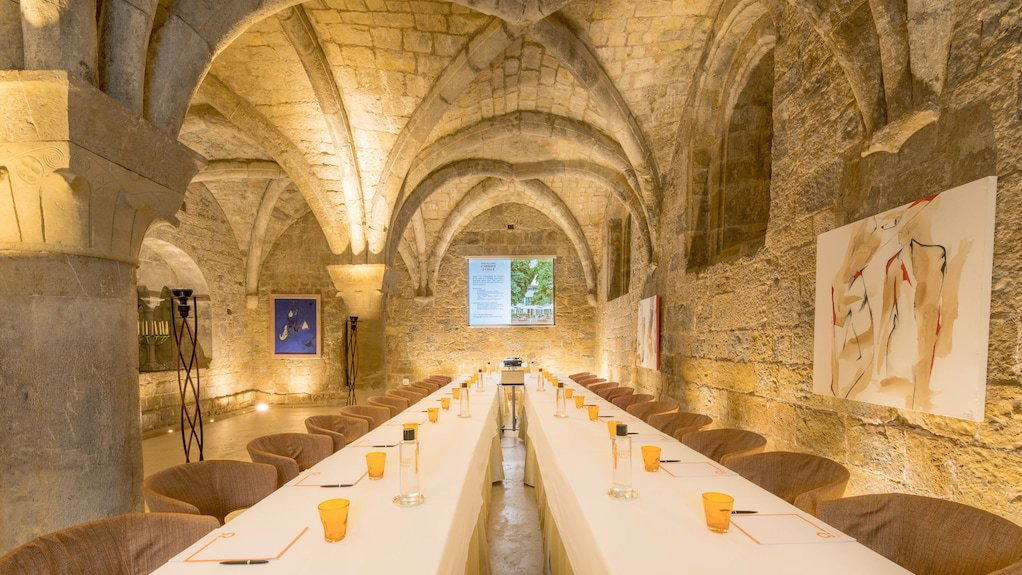
Bars in Le Val
Browse all →
Hotels in Le Val
Browse all →
At a Glance
- Cozy
- Rustic
- Classic
- Family
- Casual Hangout
- Group Dining
- Terrace
- Local Sourcing
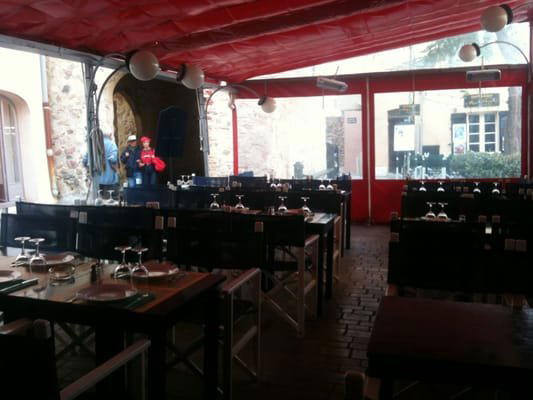
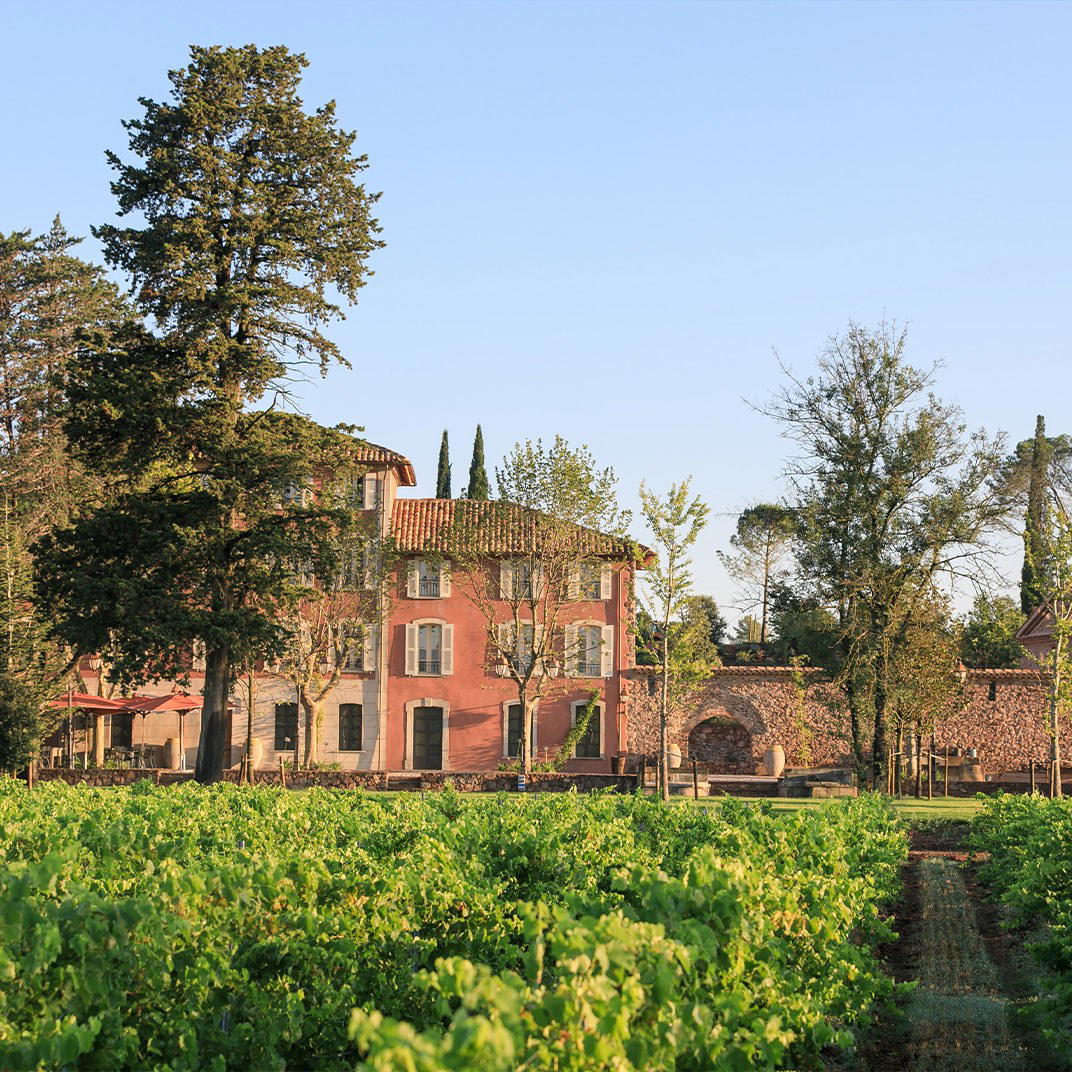
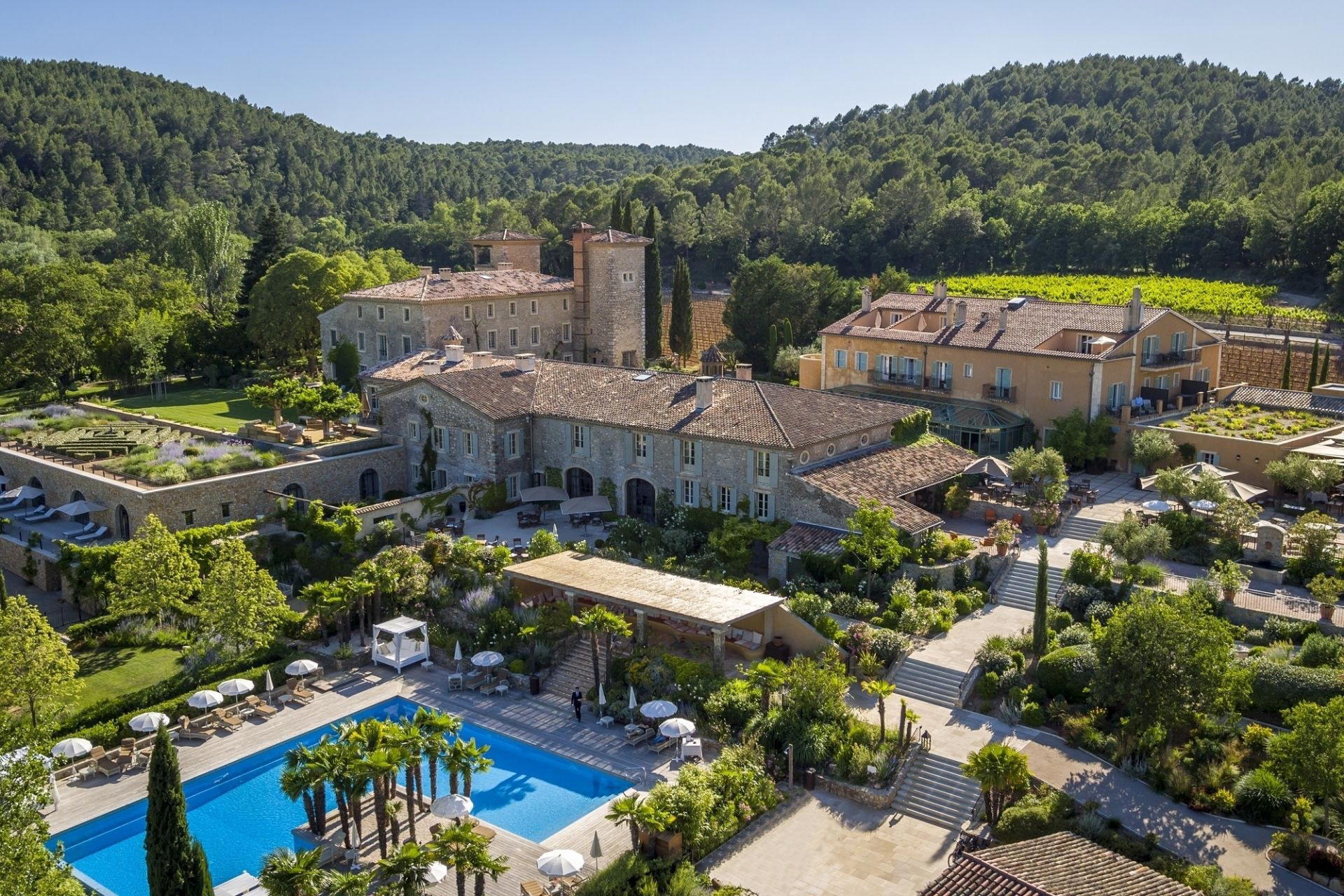
Warm and welcoming atmosphere with stone walls and rustic charm, creating an intimate village dining experience.