Le Mont-à-Gourmet
On the Place Communale in Courcelles, a small Walloon commune in Hainaut province, Le Mont-à-Gourmet occupies the kind of town-square address that Belgian restaurant culture has long favoured for serious cooking served without metropolitan pretension. The kitchen draws on the agricultural richness of the Charleroi hinterland, placing it within a tradition of ingredient-led dining that defines the better tables of rural Wallonia.
 Discover on Pearl
Pearl is the En Primeur Club membership app — saves, bookings, and concierge access live there. Same editors, same standards.
- Address
- Pl. Communale 12, 6181 Courcelles, Belgium
- Phone
- +3271847415
- Website
- lemontagourmet.be
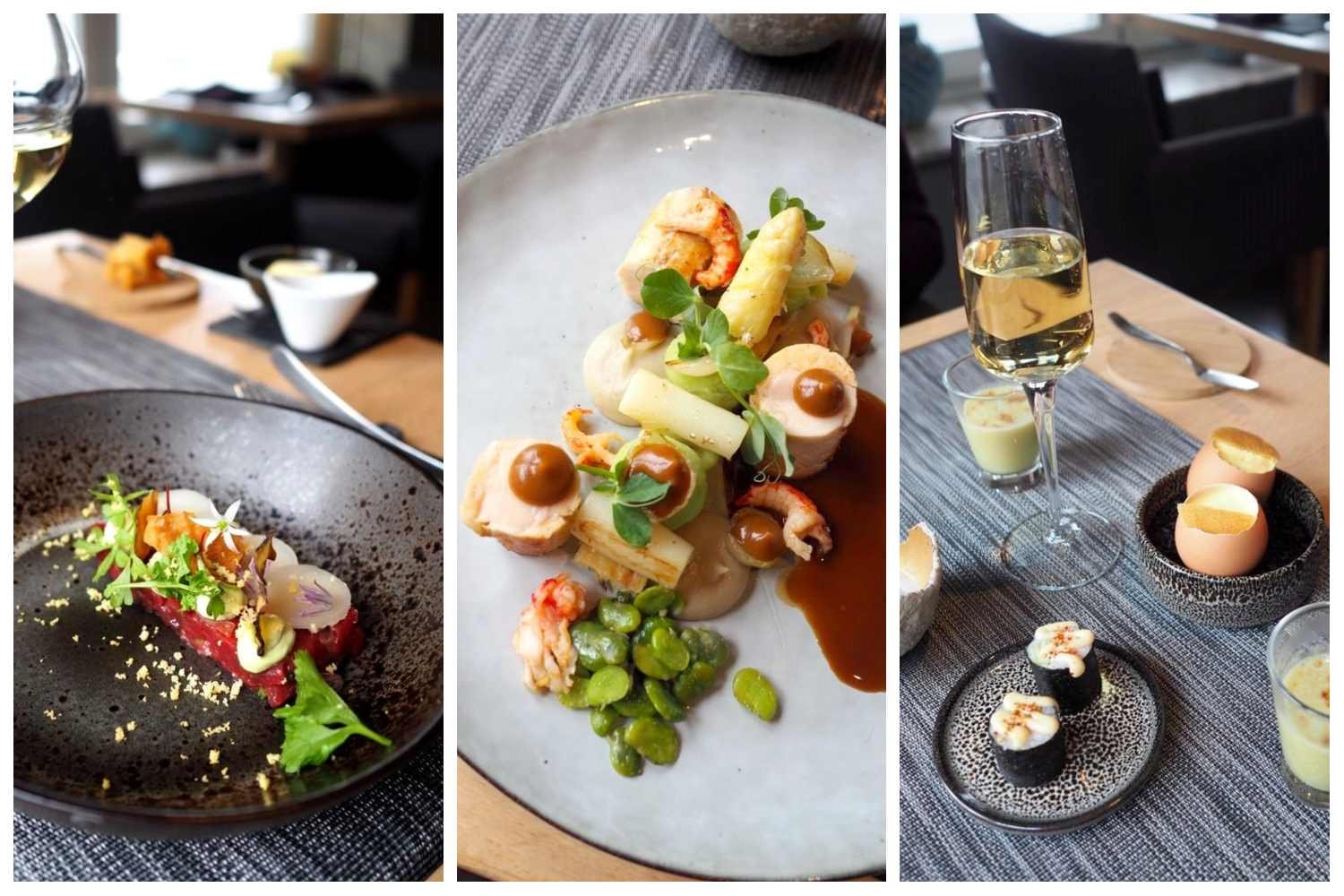
Where Hainaut's Produce Ends Up on the Plate
Belgium's most compelling restaurant arguments rarely happen in Brussels. They happen in the communes, along market squares and canal-side streets, in rooms where the sourcing relationship between kitchen and land is short enough to show in the cooking. Courcelles, a Hainaut commune south of Charleroi, is not the obvious address for serious dining. That friction between setting and ambition is precisely what makes the address at Place Communale 12 worth understanding in context.
Le Mont-à-Gourmet sits on that central square in the manner of a traditional Belgian maison de bouche: the kind of establishment where the room itself does not announce itself through design, and the cooking is expected to carry the full weight of the visit. This is a format with deep roots in Wallonia, where the bistrot gastronomique and the restaurant de terroir have long coexisted without the sharp distinction that French critics apply. The point, in both cases, is that the ingredient speaks before the technique does.
Hainaut's Agricultural Identity and Why It Matters Here
The province of Hainaut sits within one of Belgium's most productive agricultural zones. The Sambre-et-Meuse corridor, which runs east from Charleroi through Namur province, supplies game, dairy, root vegetables, and early-season brassicas to the tables of the region. Further south, the Gaume and Fagne edges contribute wild herbs, foraged material, and small-farm pork traditions that have shaped the Walloon kitchen for generations. A kitchen operating in Courcelles is, geographically, well-positioned to draw on all of it.
This matters because ingredient-led cooking in Belgium is not a recent trend borrowed from Nordic fine dining. It is the baseline logic of the Walloon culinary tradition, in which the stoemp, the waterzooi, and the carbonnade all begin with what the land around a specific commune reliably produces. The country's top-end kitchens, whether L'air du Temps in Liernu or Le Chalet de la Forêt in Uccle, make that tradition explicit in their sourcing credits and tasting menu formats. The smaller, less publicised tables of Hainaut do the same thing more quietly, without the press apparatus.
The Commune Square Setting and What It Signals
The Place Communale address is a locational signal in Belgian dining shorthand. It places the restaurant within the civic rhythm of the town: the Saturday market, the communal aperitif culture, the rhythms of a working commune rather than a tourist destination. Belgian diners who book a table on a town square in Hainaut carry different expectations than those booking a converted farmhouse in the Ardennes or a canal-side address in Ghent. They expect cooking that is grounded, that respects the season, and that does not require a tasting menu to justify the price.
That positioning puts Le Mont-à-Gourmet in a comparable set that is less about peer restaurants and more about a mode of dining. For comparison, consider how d'Eugénie à Emilie in Baudour or La Table de Maxime in Our occupy similar civic-square or village-centre settings in the Hainaut and Luxembourg provinces, operating with serious culinary intent in addresses that foreground community over spectacle. The format is a Walloon constant: the table that serves the commune first and the destination diner second.
Belgian Fine Dining's Regional Split
Belgian restaurant culture has sorted itself into a recognisable geography over the past two decades. Flemish kitchens, from Hof van Cleve in Kruishoutem to Boury in Roeselare, have attracted sustained international recognition and a tier of dining tourism that routes visitors into West Flanders and the Leie valley. The Walloon tables, including the Namur corridor around L'air du Temps, and the Hainaut cluster around Charleroi and Mons, receive less coverage in international food media despite operating at comparable levels of ambition.
That asymmetry is partly linguistic, partly infrastructural, and partly a function of the French-language food press being oriented toward Paris rather than Brussels or Liège. The result is that Walloon kitchens with genuine sourcing depth and technical commitment often serve a more local audience than their Flemish counterparts at equivalent price points. Places like Nuance in Duffel or Castor in Beveren generate attention in Antwerp restaurant circles; the Hainaut equivalents circulate within a tighter regional radius.
For the visiting diner, this gap represents a practical advantage. The tables of Hainaut are booked by a smaller audience, priced for a regional market, and not yet indexed to the kind of destination dining that drives up wait times at addresses like Zilte in Antwerp or Bozar in Brussels. Internationally, the comparison might be drawn with the gap between celebrated urban addresses like Le Bernardin in New York or Atomix and the serious regional kitchens operating at comparable technical levels in smaller American cities.
Planning a Visit
Courcelles sits approximately 15 kilometres south of Charleroi and is accessible by road from both Brussels (roughly 60 kilometres via the E19 and N90 corridor) and Mons (roughly 35 kilometres east). The commune is not served by high-frequency rail connections that would make it a practical day-trip from Brussels without a car, so this is an address for the visitor who is already in the Charleroi-Hainaut zone, whether for business, the broader regional circuit, or a deliberate detour. The Place Communale is a compact square; parking in the immediate vicinity is typical of small Belgian communes, manageable outside market hours. For current opening hours, reservation availability, and menu formats, contact through local directory services or visit in person, as no online booking platform or website is currently indexed for this address. See our full Courcelles restaurants guide for broader context on dining in the commune. Further afield, the Walloon fine dining circuit extends to La Durée in Izegem and Maison Colette in Tongerlo for those building a regional itinerary. For Flemish coastal cooking in a similar vein, Bartholomeus in Heist and Willem Hiele in Oudenburg provide strong comparison points, and De Jonkman in Sint-Kruis rounds out a Flemish circuit worth building around.
Quick Comparison
Comparable venues nearby, for context on price, style, and recognition.
| Venue | Cuisine | Price | Awards | Notes |
|---|---|---|---|---|
| Le Mont-à-GourmetThis venue — the venue you are viewing | Modern French Fine Dining | $$$$ | , | |
| 't Parksken | French-Belgian Gastronomic | $$$$ | , | Balegem |
| Auberge du Château de Leignon | Refined French Market Cuisine | $$$$ | , | Leignon |
| La Frairie | French Gastronomic | $$$$ | , | Perwez |
| Les Marronniers | French Bistro | $$$$ | , | Saint-Sauveur |
| Vicomté | Modern French Gastronomic | $$$$ | , | Domaine d'Arondeau |
Continue exploring
More in Courcelles
Restaurants in Courcelles
Browse all →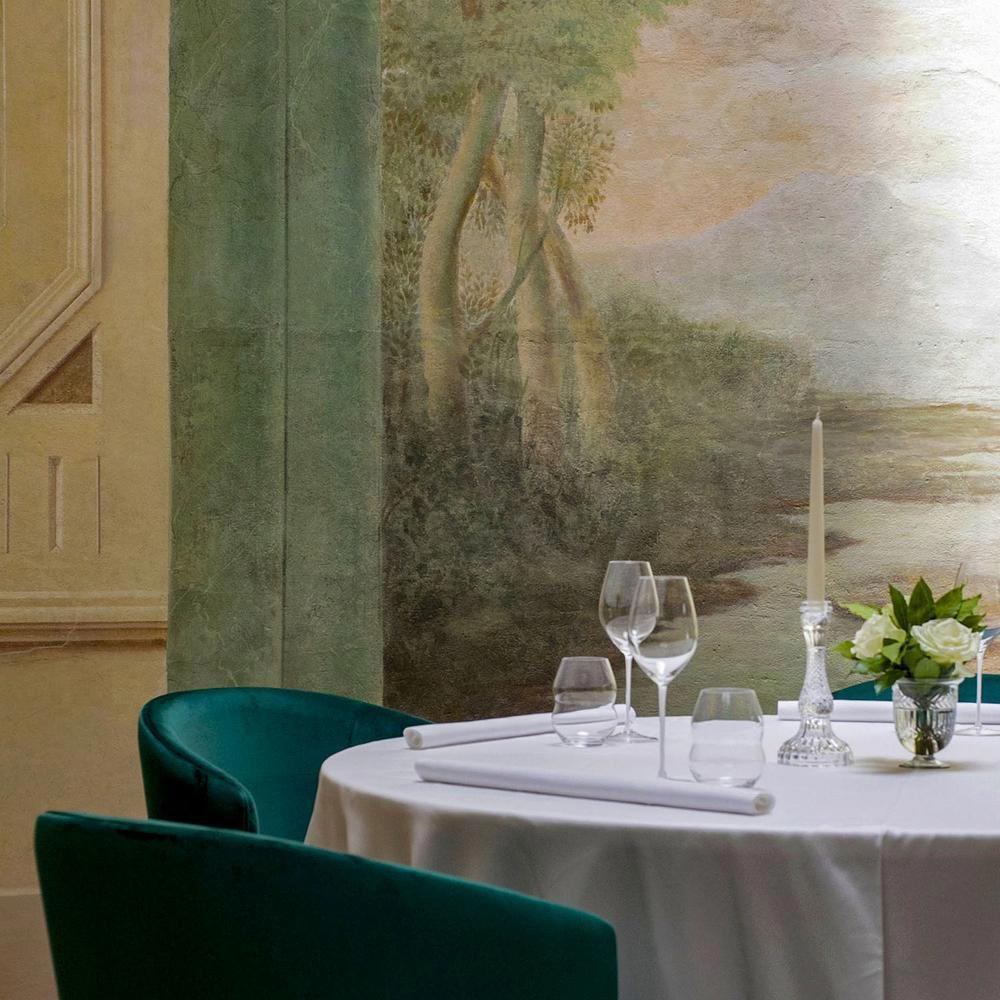
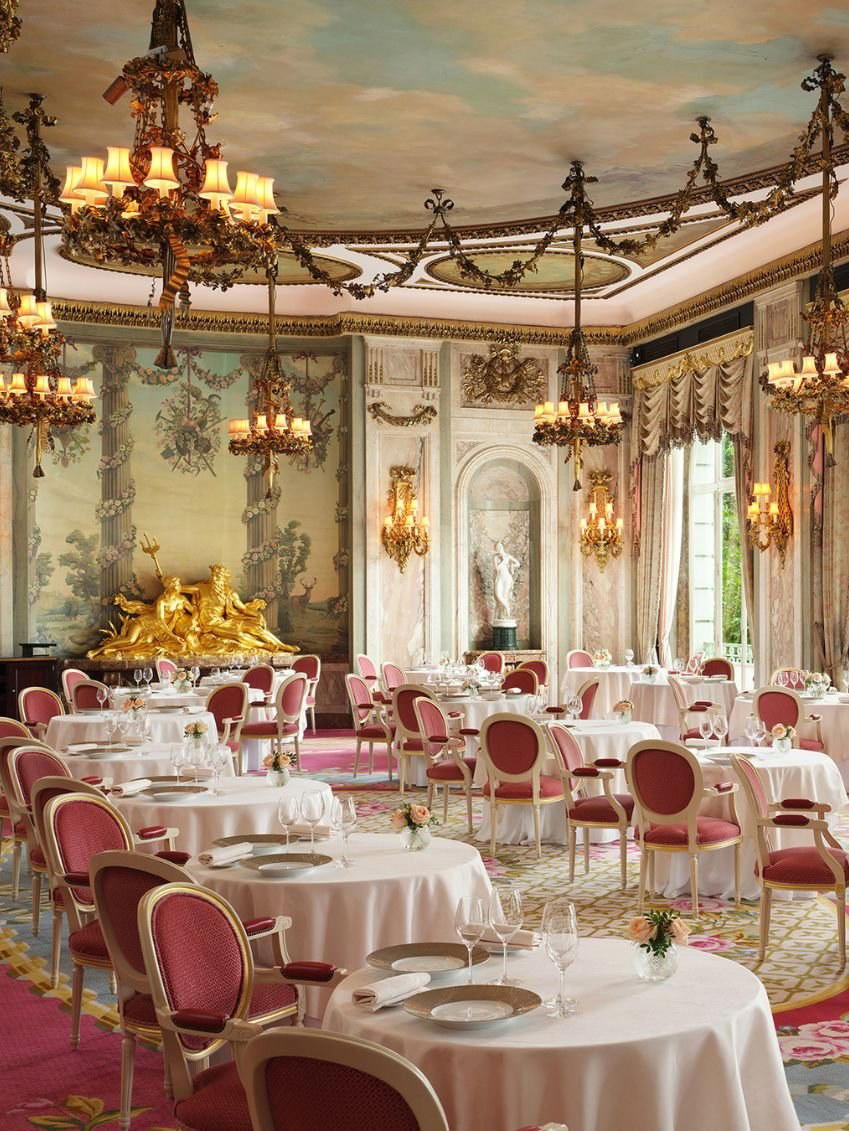
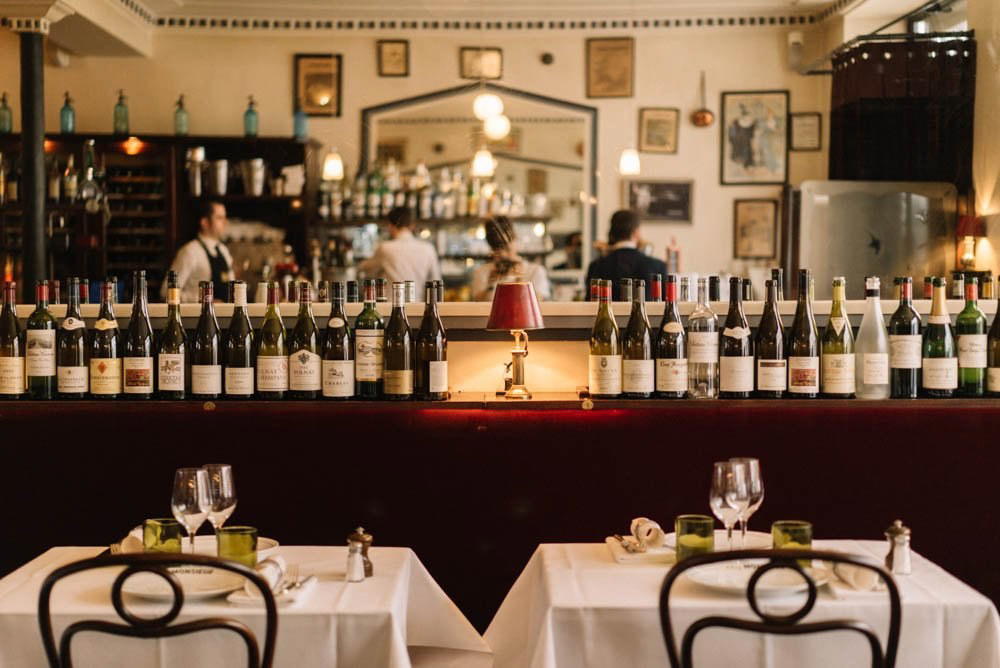
Bars in Courcelles
Browse all →
At a Glance
- Elegant
- Cozy
- Sophisticated
- Business Dinner
- Special Occasion
- Open Kitchen
- Extensive Wine List
- Local Sourcing
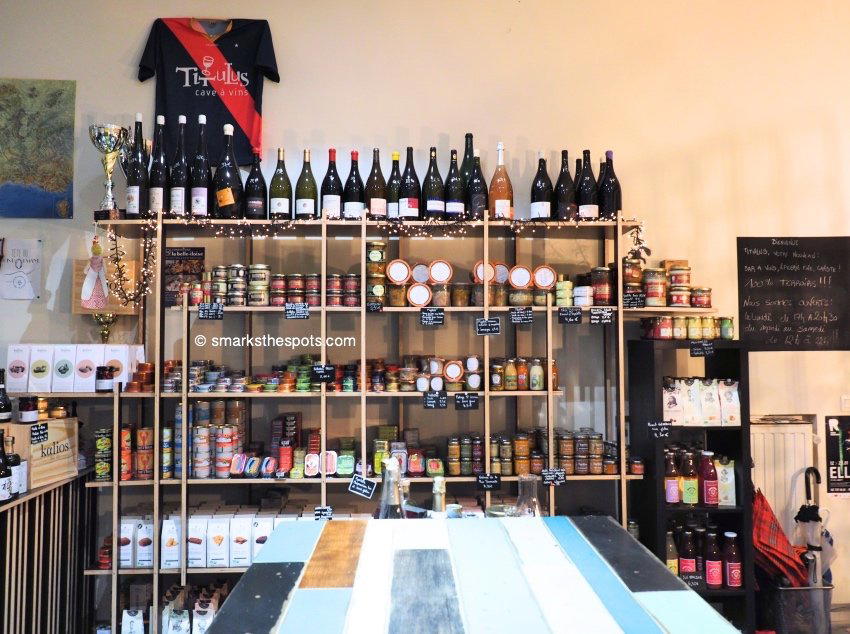
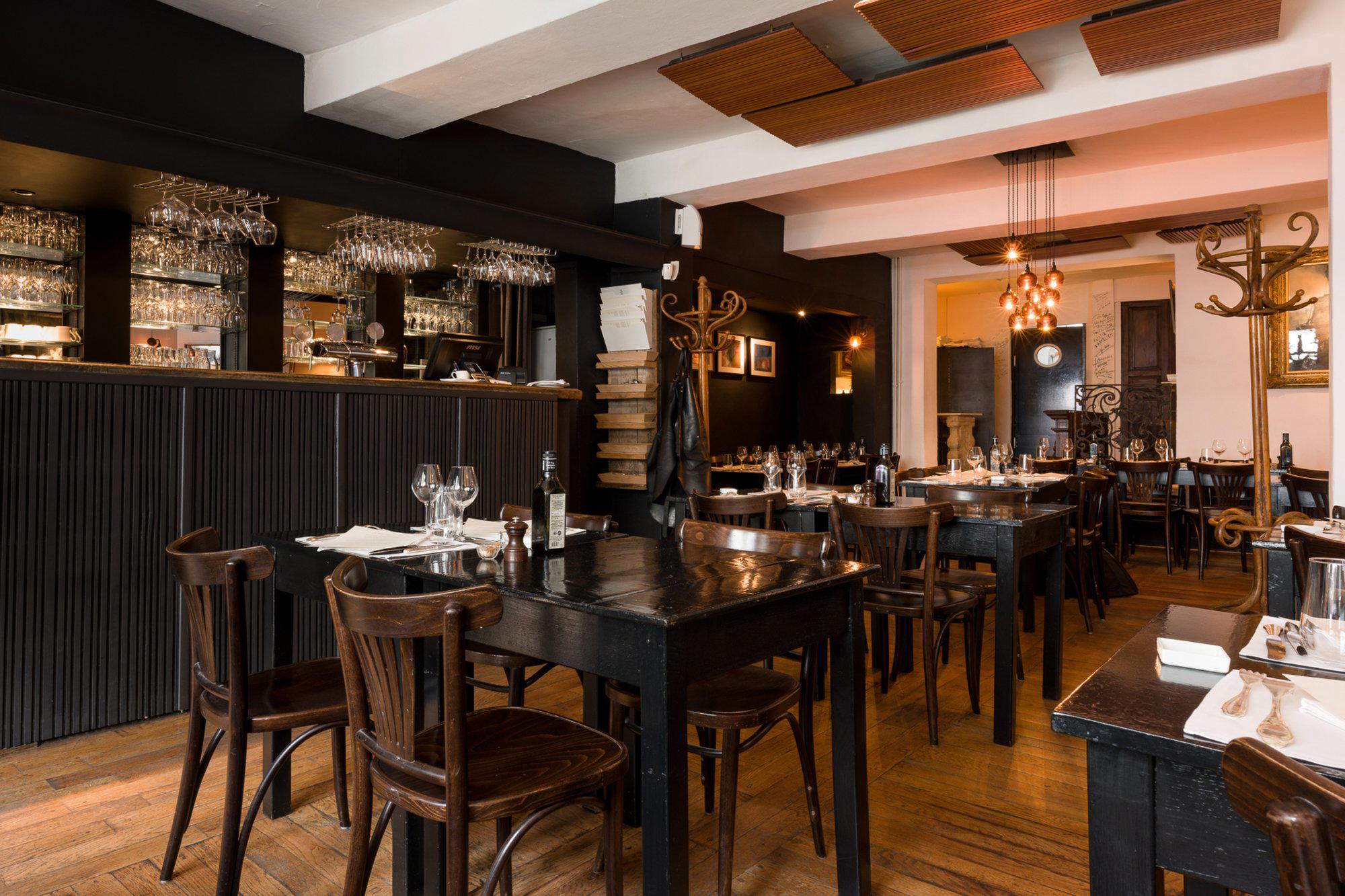
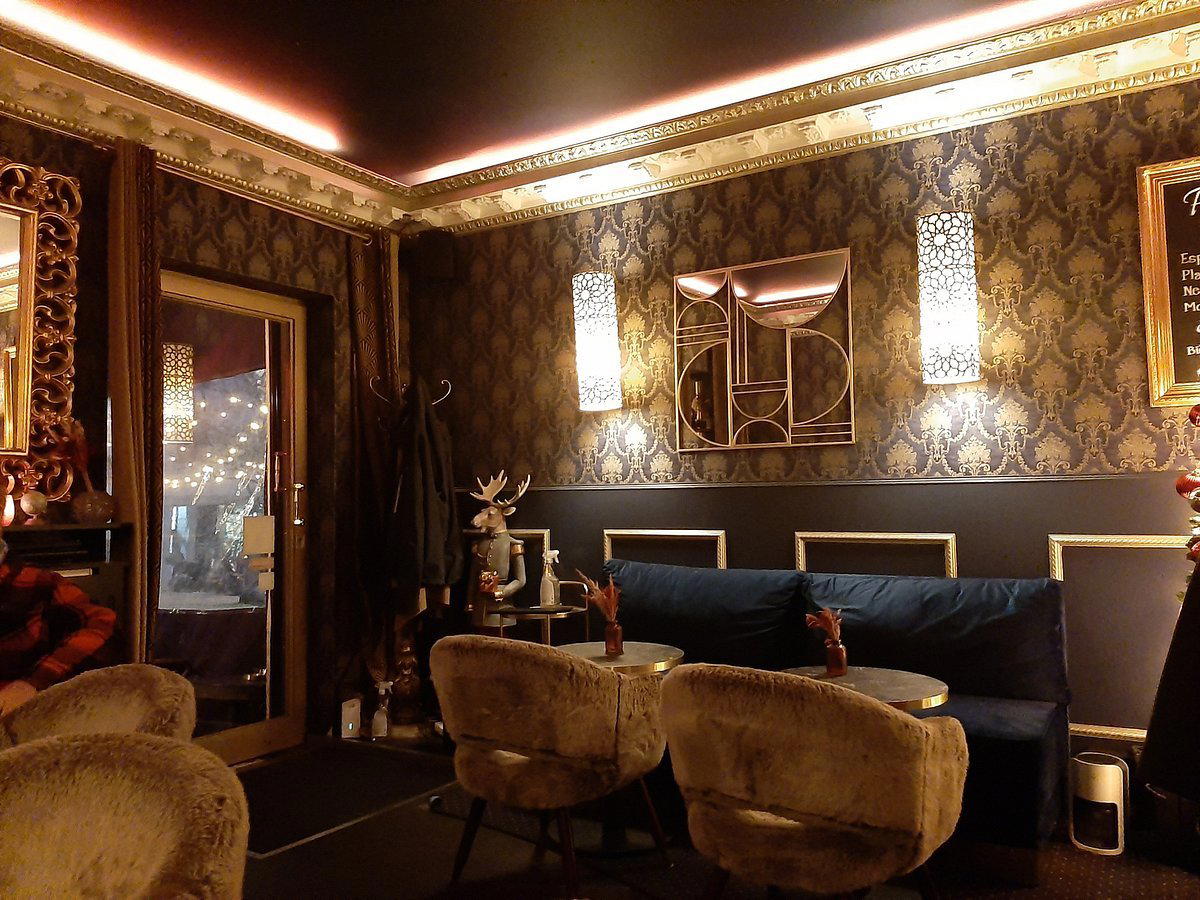
Welcoming interior where foodies feel at home with a friendly and refined atmosphere.