La Frairie sits on Avenue de la Roseraie in Perwez, a small Brabant Wallon town that sits at a modest distance from Brussels yet operates in an entirely different register. The address places it among the quieter end of Wallonia's serious restaurant circuit, where the sourcing story and the agricultural surroundings tend to shape the plate more directly than they do in the capital. For the broader Perwez dining picture, see our full Perwez restaurants guide.
Pearl is the En Primeur Club membership app — saves, bookings, and concierge access live there. Same editors, same standards.
- Address
- Av. de la Roseraie 9, 1360 Perwez, Belgium
- Phone
- +32467050172
- Website
- lafrairie.be
- Directions
- Get directions
 Saves & bookings on Pearl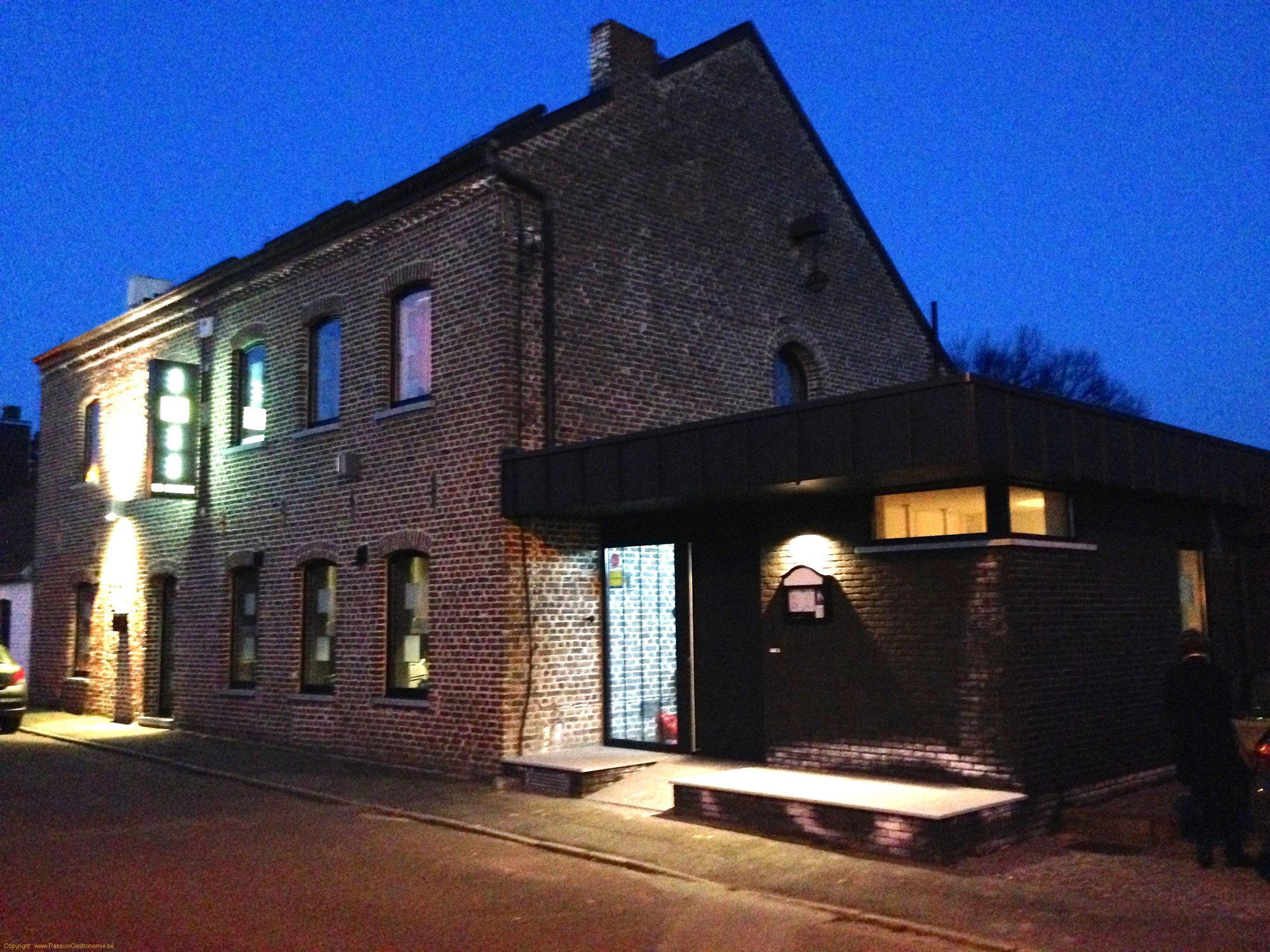
Perwez and the Brabant Wallon Table
Brabant Wallon occupies a position in Belgian dining that is easy to underestimate. The province lacks the brand recognition of Brussels or the Flemish coast, but its agricultural character, rolling farmland, and proximity to the capital have produced a cluster of serious restaurants that source close to home in ways that urban kitchens cannot replicate with the same ease. Perwez sits within that cluster. The town itself is small, and Avenue de la Roseraie is a residential address rather than a restaurant row, which makes La Frairie the kind of destination that requires intent to reach. You arrive there deliberately.
That geographical remove is relevant to understanding how kitchens in this part of Wallonia tend to operate. When a restaurant's immediate surroundings include working farms, kitchen gardens, and the seasonal rhythms of a rural commune, the sourcing logic shifts. Proximity to the ingredient is not a marketing position; it is a practical reality that determines what appears on the menu and when. The broader Belgian fine-dining tradition, exemplified by addresses such as L'air du temps in Liernu and La Table de Maxime in Our, has consistently rewarded this kind of regional rootedness at the upper end of the recognition spectrum.
Where La Frairie Sits in the Local Field
Within Perwez itself, La Frairie shares the restaurant map with Le 1900, giving the town two addresses worth a deliberate visit rather than one. That dual presence is notable for a commune of this size, and it positions Perwez as a minor but genuine stop on any thoughtful tour of Brabant Wallon's eating.
The broader Walloon dining field includes d'Eugénie à Emilie in Baudour and Le Chalet de la Forêt in Uccle, both of which operate in the French-rooted Belgian tradition where classical technique and regional produce form the foundation. On the Flemish side of the country's serious restaurant circuit, the comparison set extends to addresses like Boury in Roeselare, Castor in Beveren, and De Jonkman in Sint-Kruis, all of which sit in the €€€€ tier and share a commitment to sourcing as a structural element of the menu rather than a decorative one.
Ingredient Sourcing as the Organising Principle
The ingredient-sourcing story in Brabant Wallon restaurants is not a recent trend imported from Nordic cooking or copied from international fine-dining playbooks. It is a continuation of a much older relationship between French-speaking Belgian kitchens and their agricultural hinterland. The Hesbaye plateau to the east and the Gette valley to the north of Perwez are productive agricultural zones, and the commune itself sits in a part of the province where market gardening and small-scale livestock farming remain economically active. This is the context in which a kitchen at this address makes sourcing decisions.
Belgian restaurants that have drawn sustained critical attention in recent decades, from Hof van Cleve in Kruishoutem to Zilte in Antwerp and Willem Hiele in Oudenburg, have each built a sourcing logic that is specific to their geography. A restaurant in Perwez operates with a different set of raw material relationships than one on the Flemish coast or in the Scheldt estuary, and those differences show up in the seasonal profile of the plate. The absence of seafood proximity, for instance, tends to shift emphasis toward game, freshwater fish, dairy, and root vegetables, all of which the Brabant Wallon interior produces in quantity.
This sourcing orientation also connects La Frairie to the French-Belgian classical tradition that institutions like Bozar Restaurant in Brussels represent in a more urban register, and that the highest-profile Belgian address internationally, Le Bernardin in New York City, transplanted with a different ingredient base entirely. In each case, the sourcing geography is the beginning of the story, not an afterthought.
The Experience at Avenue de la Roseraie
Arriving at a residential avenue in a small Belgian town sets a particular tone. There is no valet queue, no street-level theatre, and no cluster of competitor restaurants to anchor expectations. The setting signals that the meal is the reason for the journey, not the neighbourhood around it. This is a pattern common across the more serious rural Belgian addresses: the physical modesty of the approach heightens the contrast with what the kitchen delivers. Maison Colette in Tongerlo and La Durée in Izegem operate on a similar logic, where the destination quality of the address is asserted through the cooking rather than through visual spectacle at the entrance.
The practical implication for anyone planning a visit is that Perwez rewards the kind of trip built around a single meal rather than a loose afternoon of browsing. Driving from Brussels takes under an hour from most parts of the city, and the route through Brabant Wallon's secondary roads is agricultural rather than scenic in any dramatic sense, which reinforces the sense of purposeful travel. Booking ahead is the default assumption for a restaurant of this type in this location; walk-in availability is the exception rather than the rule for serious rural Belgian tables, particularly on weekend evenings.
Belgian Fine Dining Beyond the Capital
One of the consistent features of Belgium's restaurant geography is that its most discussed kitchens are frequently not in Brussels. Bartholomeus in Heist draws from the North Sea. The Flemish interior around Ghent and Kortrijk has produced multiple internationally recognised addresses. And in Wallonia, the corridor between Brussels and Namur, which passes through Brabant Wallon, has generated a number of restaurants that operate in a French-rooted classical tradition with strong local sourcing. The restaurant in Perwez belongs to this geography. It is not a capital-city anomaly or a tourist-facing flagship; it is a working part of a regional restaurant culture that takes provenance seriously and whose comparable set is spread across the Belgian countryside rather than concentrated in any single urban centre. Venues like Atomix in New York City demonstrate that serious cooking can thrive far from obvious hospitality corridors, and the same principle applies, at a different scale, to the Brabant Wallon interior.
Planning Your Visit
The restaurant is at Avenue de la Roseraie 9, 1360 Perwez, Belgium. The address is residential and the town is small, so navigation by GPS is the practical approach. Perwez sits southeast of Brussels and is accessible by car in under an hour from the city centre. Public transport connections to Perwez are limited, making the drive the default option for most visitors. Given the restaurant's position in the local fine-dining tier and the destination nature of any trip to this part of Brabant Wallon, advance reservation is the standard expectation.
Fast Comparison
Comparable venues nearby, for context on price, style, and recognition.
| Venue | Cuisine | Price | Notes |
|---|---|---|---|
| La FrairieThis venue — the venue you are viewing | French Gastronomic | $$$$ | Not listed |
| Le 1900 | French Dorpsbistro | $$ | Perwez center |
| Pré de chez vous | Modern French Locavore | $$$$ | Bouge |
| La Table de Mus | Modern French Fine Dining | $$$$ | Pl. de Brouckere |
| Quartier Latin | French Brasserie with Ardennes Terroir | $$$$ | Marche-en-Famenne |
| Vivendum | Modern French-Belgian with Asian Influences | $$$$ | Dilsen-Stokkem |
At a Glance
- Elegant
- Cozy
- Intimate
- Date Night
- Special Occasion
- Terrace
- Local Sourcing
- Garden
Current opening hours
- Monday
- Closed
- Tuesday
- Closed
- Wednesday
- Closed
- Thursday
- 12:30–11:30 PM
- Friday
- 12:30–11:30 PM
- Saturday
- 12:30–11:30 PM
- Sunday
- 12:30–5 PM
Hours can change for holidays and private events. Last verified .
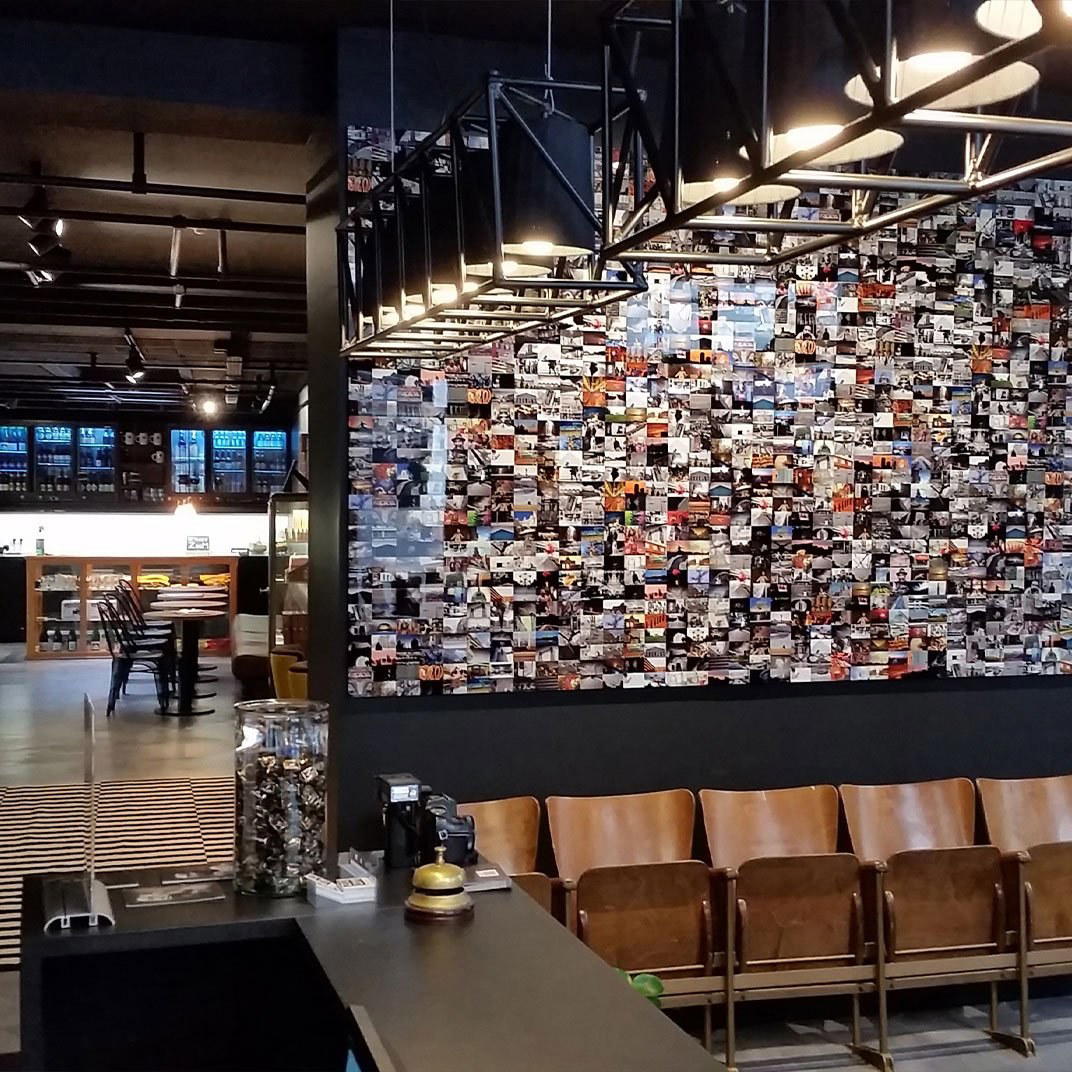
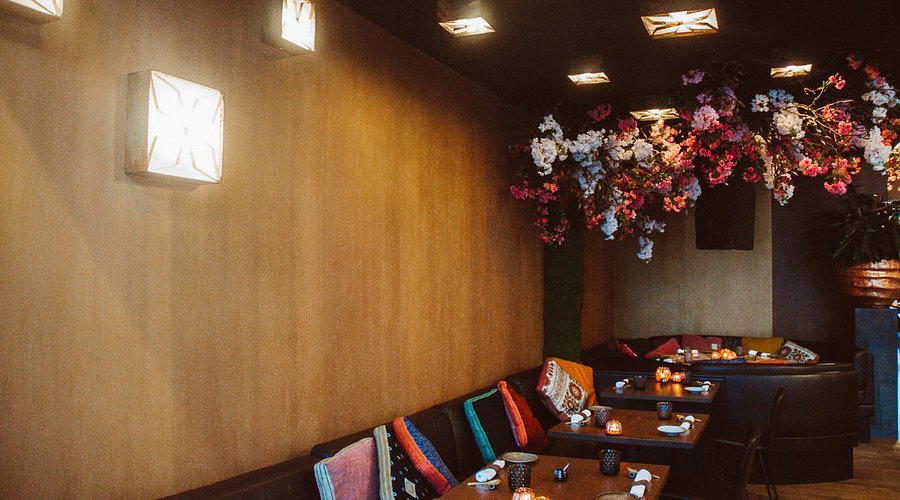
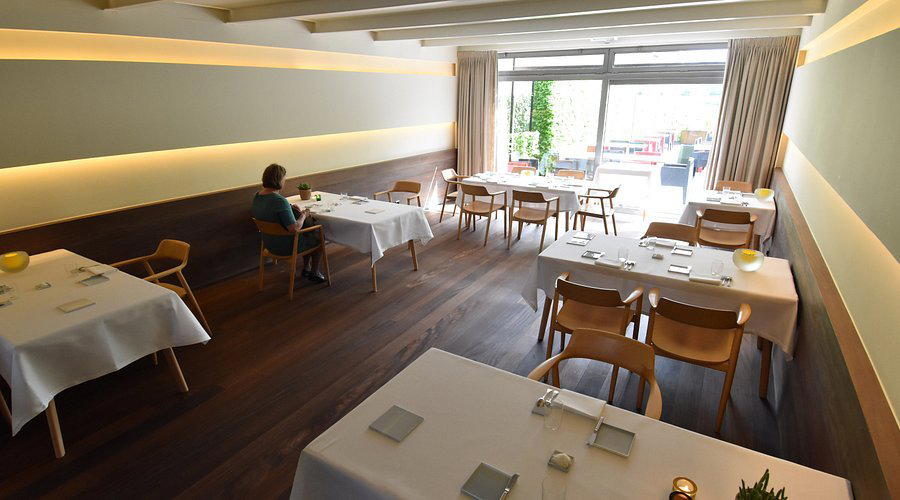
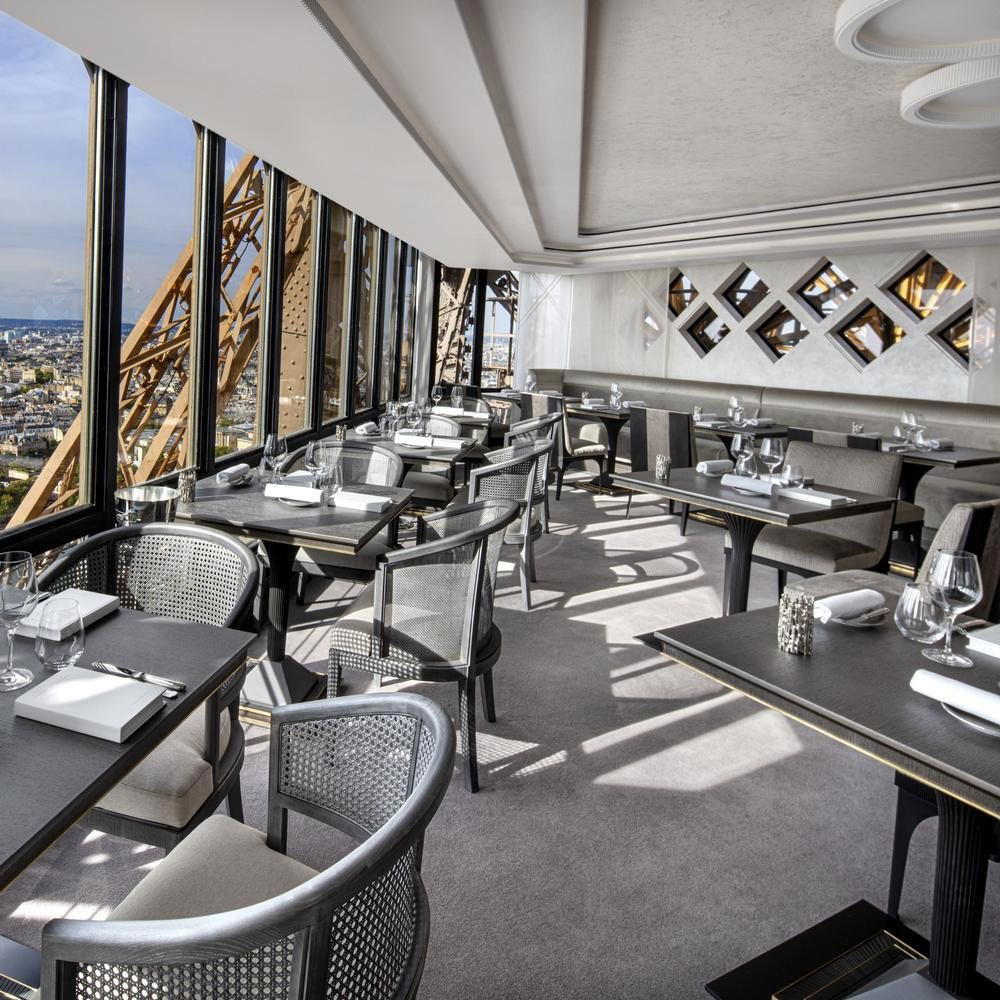
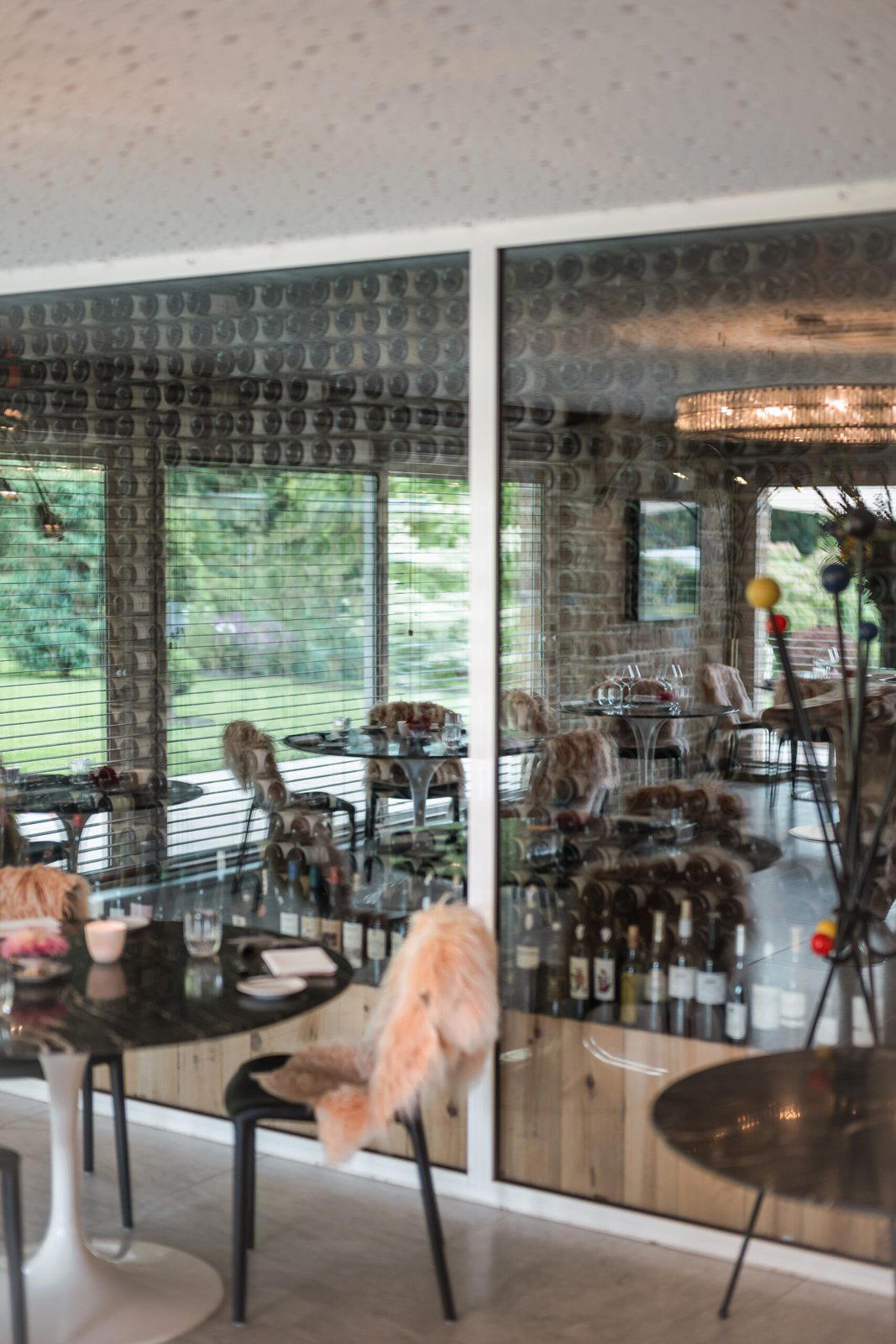
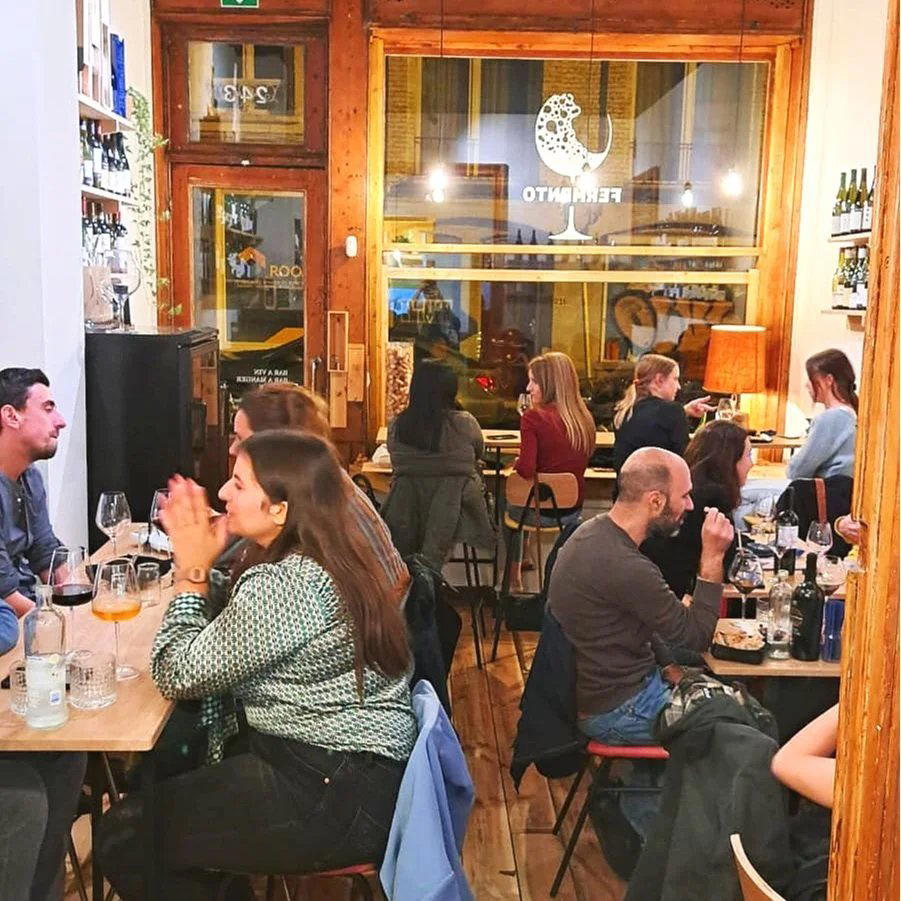
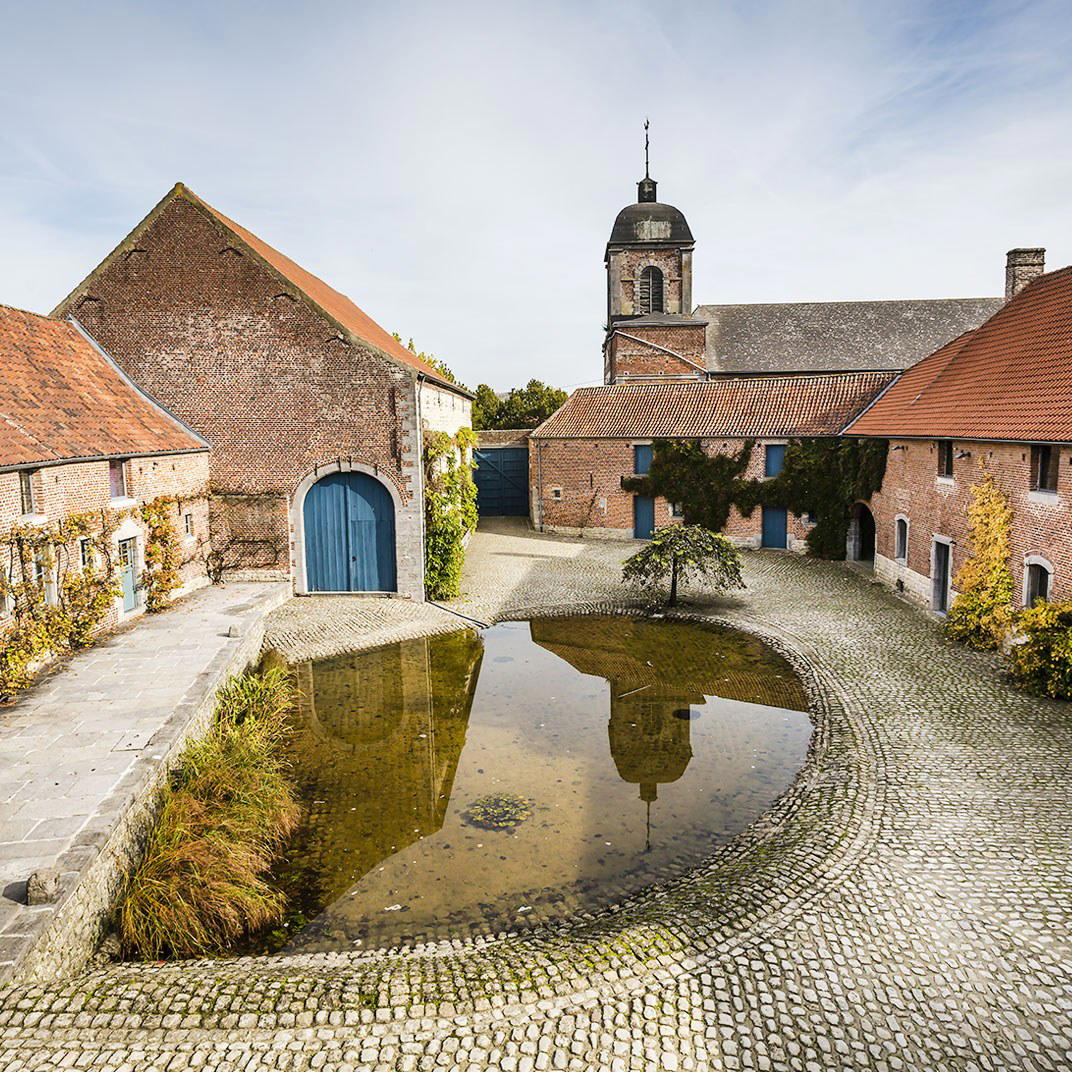
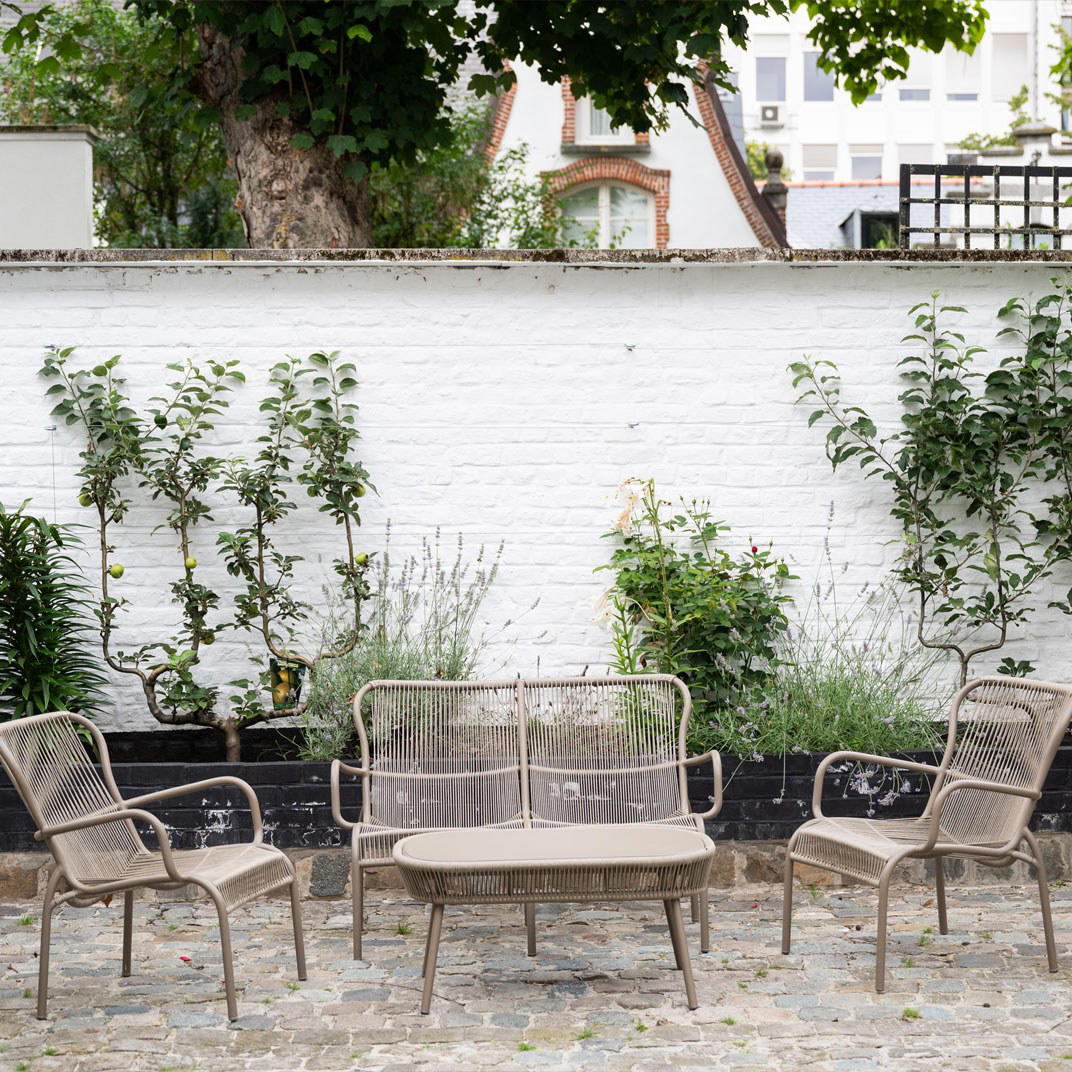
Cozy and comfortable dining room with a relaxing terrace surrounded by greenery, plants, and herbs, offering a homey yet refined atmosphere.