<h2>The Rue Haute Approach</h2><p>Rue Haute is one of Les Marolles' principal arteries, a long, uneven street that runs from the Place du Jeu de Balle flea market down through the lower city, lined with antique dealers, secondhand shops, and the kind of neighbourhood restaurants that have outlasted several rounds of gentrification. It is not a street designed to reward casual browsing. The storefronts blur into one another, and unless you already know what you are looking for, you will walk past most of the interesting things without registering them. Le Wine Bar des Marolles, at number 198, belongs to this category of places that the street absorbs rather than advertises.</p><p>That quality of inconspicuousness is not a flaw in this part of Brussels. The Marolles has operated for generations as a counterweight to the more polished neighbourhoods to the north, and the bars and wine spots that have lasted here tend to be ones that serve the neighbourhood rather than perform for it. The wine bar format in Brussels has proliferated considerably over the past decade, splitting between accessible, high-volume spots oriented around natural wine lists and smaller, more considered rooms where the selection is narrower but the sourcing is deliberate. Rue Haute 198 sits in the latter register.</p><h2>Wine Bars and the Brussels Drinking Culture</h2><p>Brussels occupies a specific position in European drinking culture that is frequently underestimated. The city is understood abroad primarily through its beer tradition, but the wine bar scene has been building steadily since the early 2010s, driven partly by a younger professional population with exposure to the Paris and Amsterdam natural wine circuits and partly by the proximity of Burgundy, the Rhone, and the Loire, which keeps sourcing costs and delivery times manageable for small operators. The result is a city where a serious wine list does not require a destination-restaurant price point to sustain itself.</p><p>Within that Brussels context, the Marolles carries its own character. The neighbourhood's wine bars tend to run leaner operations than those in Ixelles or Saint-Gilles, with shorter lists that rotate more frequently and an atmosphere calibrated toward regulars rather than first-timers. That compression can work in a drinker's favour: fewer bottles means more deliberate choices, and the staff at this scale of venue typically know each producer on the list rather than reading from a wholesaler's notes. For reference points elsewhere in the city, <a href="https://www.enprimeurclub.com/bars/babs-wine-to-share-brussels-bar">Bab's wine to share</a>, <a href="https://www.enprimeurclub.com/bars/fermento-wine-bar-brussels-bar">Fermento Wine Bar</a>, <a href="https://www.enprimeurclub.com/bars/oeno-tk-brussels-bar">Oeno TK</a>, and <a href="https://www.enprimeurclub.com/bars/plumette-brussels-bar">Plumette</a> each represent a different posture within the same category, ranging from convivial sharing formats to more technical programmes. Le Wine Bar des Marolles occupies a position informed by the character of its street and its neighbourhood rather than by any aspiration to compete in that wider peer set directly.</p><h2>What the Format Signals</h2><p>A wine bar on Rue Haute is making a statement by its location alone. The Marolles does not attract the overflow crowd from the European Quarter or the after-work circuit from the business districts to the east. Visitors to this part of the city tend to arrive with intention, either because of the flea market, because of a specific shop or restaurant, or because someone has told them specifically to come. That self-selecting audience shapes how venues in the area operate: there is less pressure to be visible and more room to be consistent.</p><p>The wine bar format itself, as it functions in Brussels, has moved away from the earlier model of extensive cellar lists and toward something more immediate. Producers from the natural and low-intervention categories now dominate most independent wine bar lists in the city, not as an ideological position but as a practical one: smaller importers with access to these producers can supply Brussels efficiently, and the style matches what younger drinkers here are seeking. Whether Le Wine Bar des Marolles aligns fully with this tendency or maintains a broader selection is not confirmed in available data, but the neighbourhood context and format suggest a curated rather than comprehensive approach.</p><h2>Arriving and Planning</h2><p>The address at Rue Haute 198 places the bar toward the upper end of the street, closer to the transition into the lower Sablon area than to the Place du Jeu de Balle end where the flea market concentration is densest. On foot from central Brussels, the walk from the Bourse or Grand-Place takes around fifteen minutes through the lower city. The nearest metro access is via Gare du Midi or Porte de Hal, from which Rue Haute is reachable in under ten minutes on foot. The street has limited parking and is more naturally approached as a walking destination within a broader Marolles itinerary that might include the Saturday or Sunday flea market and one of the neighbourhood's longer-standing lunch spots before moving to a late-afternoon wine session.</p><p>No booking data, hours, or pricing information is confirmed in the available record for this venue. The bar's low-profile character on a busy street suggests it functions primarily as a walk-in space, but arrival timing matters in a room of this type. Early evening, before the neighbourhood's dinner service begins, is generally the easiest window in which to find space and attention in Brussels wine bars of this format. Visitors planning a wider Brussels evening might anchor around <a href="https://www.enprimeurclub.com/bars/brussels">our full Brussels bars guide</a> to structure their route. For broader trip planning, <a href="https://www.enprimeurclub.com/restaurants/brussels">our full Brussels restaurants guide</a> and <a href="https://www.enprimeurclub.com/hotels/brussels">our full Brussels hotels guide</a> cover the city's wider scene. Belgium's other cities are worth folding into a longer itinerary: <a href="https://www.enprimeurclub.com/bars/bar-burbure-antwerp-bar">Bar Burbure in Antwerp</a> and <a href="https://www.enprimeurclub.com/bars/restaurant-sans-cravate-bruges-bar">Restaurant Sans Cravate in Bruges</a> represent the kind of considered drinking and eating programmes that reward a day trip from Brussels. Further afield, <a href="https://www.enprimeurclub.com/bars/bar-leather-apron-honolulu">Bar Leather Apron in Honolulu</a> shows how the small, technique-led bar format operates in a very different market context. For those interested in the wine production side of Belgium's drinking culture, <a href="https://www.enprimeurclub.com/wineries/brussels">our full Brussels wineries guide</a> covers what is a small but growing domestic scene. The <a href="https://www.enprimeurclub.com/experiences/brussels">experiences guide for Brussels</a> rounds out options for visitors who want to structure their time beyond eating and drinking.</p><h2>Frequently Asked Questions</h2><dl><dt>What drink is Le Wine Bar des Marolles famous for?</dt><dd>The venue's available record does not confirm a specific signature drink or house speciality. As a wine bar operating in the Marolles neighbourhood of Brussels, the emphasis is on wine service rather than a cocktail programme. The bar's sourcing and selection specifics are not documented in confirmed data, but the format and location point toward a curated list rather than a broad cellar.</dd><dt>What is Le Wine Bar des Marolles leading at?</dt><dd>Based on the venue's character and location in one of Brussels' most established neighbourhood streets, the bar's consistent appeal comes from its low-key presence in a neighbourhood that rewards repeat visitors over casual foot traffic. No award documentation or price data is available in the confirmed record, but within the Brussels wine bar category, venues of this type tend to hold their position through quality of selection and the regularity of their clientele rather than through volume or visibility.</dd><dt>Can I walk in to Le Wine Bar des Marolles?</dt><dd>No booking data is confirmed for this venue, and the bar's positioning on a busy neighbourhood street suggests it operates primarily as a walk-in space. No phone number or website is on record. As with most Brussels wine bars of this scale, arriving during quieter periods, particularly early evening before the dinner rush, gives the leading chance of finding space without a reservation.</dd><dt>Is Le Wine Bar des Marolles the kind of place worth seeking out specifically, or is it better as part of a Marolles walk?</dt><dd>The venue's own available record notes it as a place you could easily pass without noticing on Rue Haute, and that characterisation positions it well within the Marolles' wider offering. It functions leading as a deliberate stop within a neighbourhood itinerary that takes in the flea market area and the street's antique concentration, rather than as a standalone destination requiring a separate journey. The Marolles rewards this kind of slow, sequential approach more than most Brussels neighbourhoods.</dd></dl>

The Rue Haute Approach
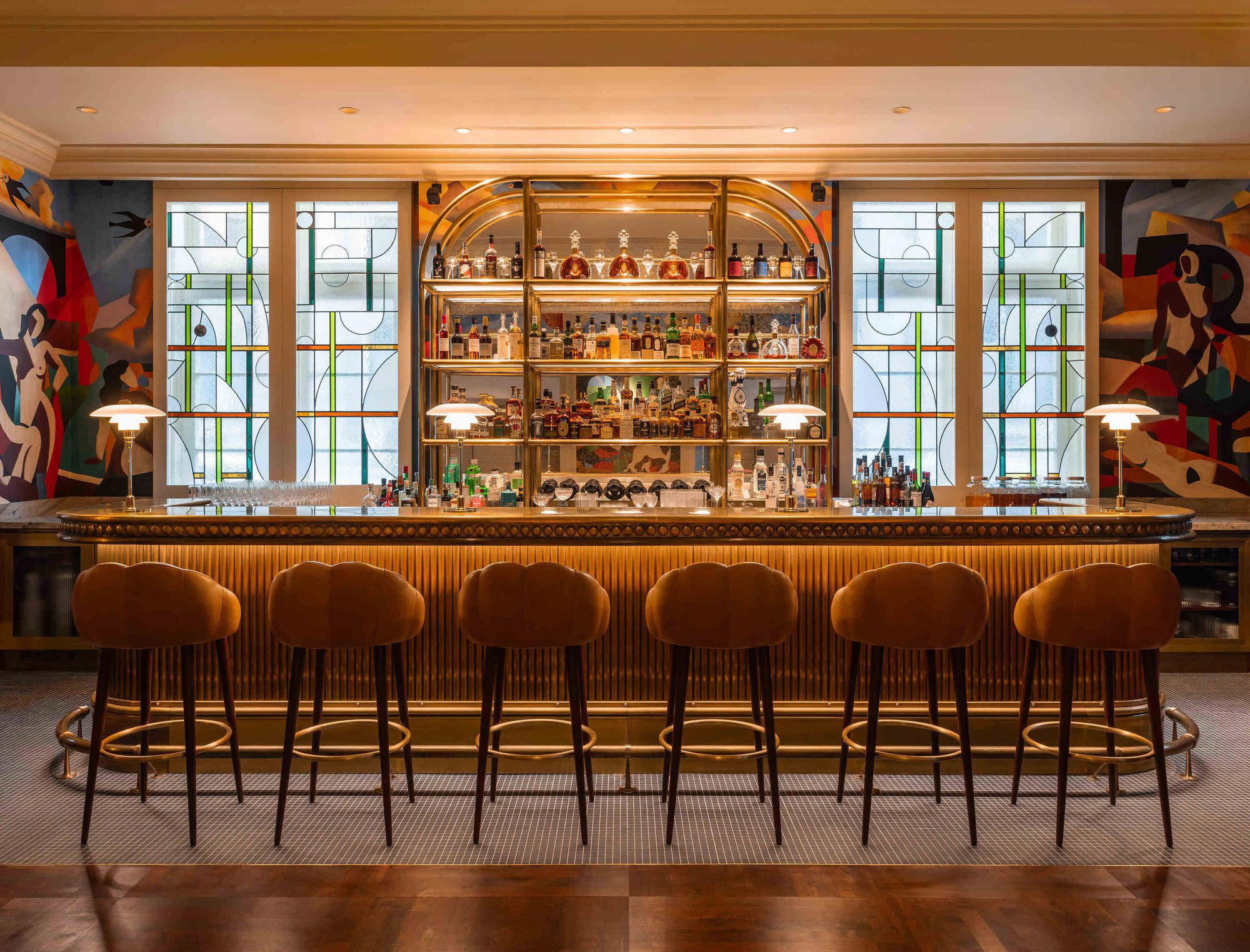
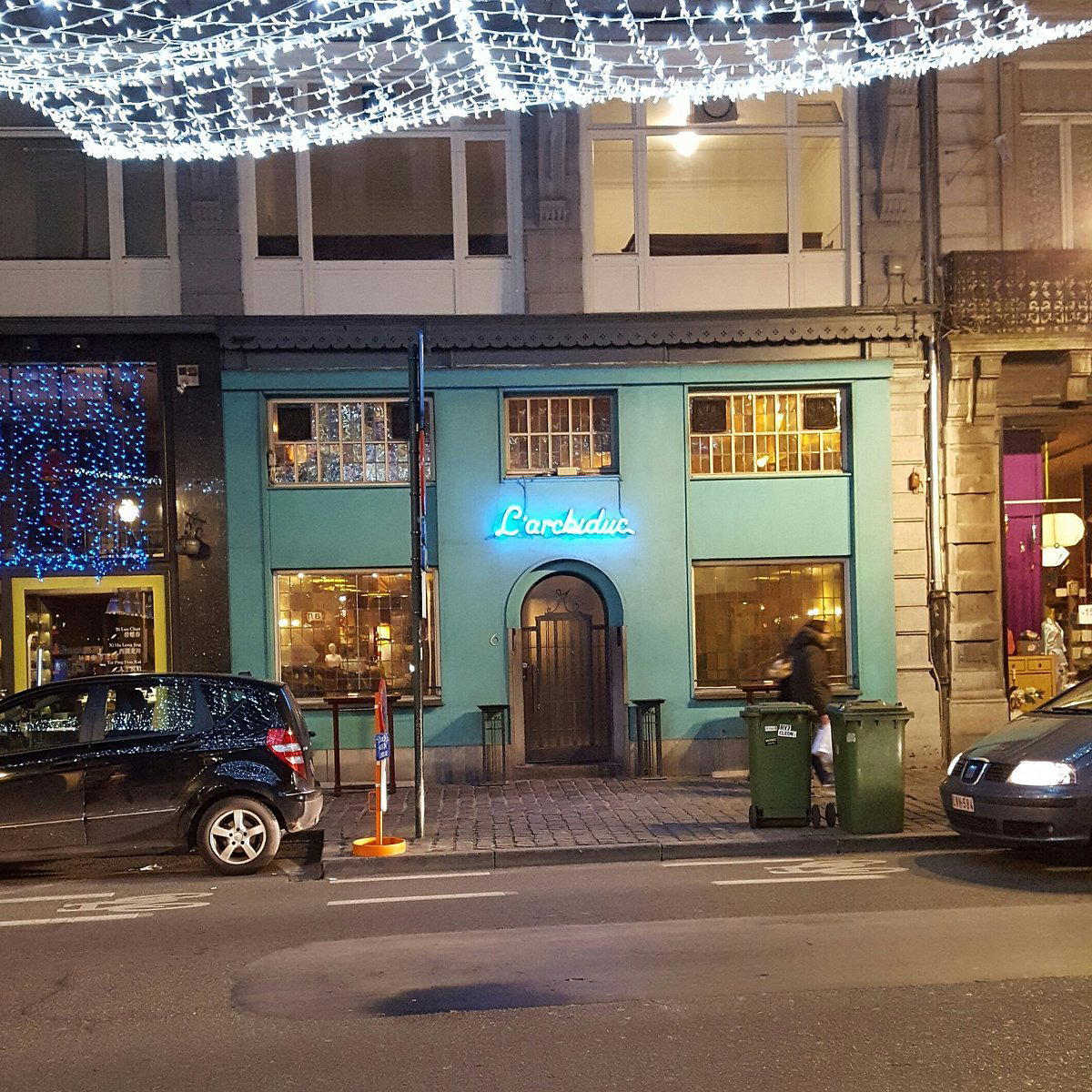
Rue Haute is one of Les Marolles' principal arteries, a long, uneven street that runs from the Place du Jeu de Balle flea market down through the lower city, lined with antique dealers, secondhand shops, and the kind of neighbourhood restaurants that have outlasted several rounds of gentrification. It is not a street designed to reward casual browsing. The storefronts blur into one another, and unless you already know what you are looking for, you will walk past most of the interesting things without registering them. Le Wine Bar des Marolles, at number 198, belongs to this category of places that the street absorbs rather than advertises.
That quality of inconspicuousness is not a flaw in this part of Brussels. The Marolles has operated for generations as a counterweight to the more polished neighbourhoods to the north, and the bars and wine spots that have lasted here tend to be ones that serve the neighbourhood rather than perform for it. The wine bar format in Brussels has proliferated considerably over the past decade, splitting between accessible, high-volume spots oriented around natural wine lists and smaller, more considered rooms where the selection is narrower but the sourcing is deliberate. Rue Haute 198 sits in the latter register.
Wine Bars and the Brussels Drinking Culture
Brussels occupies a specific position in European drinking culture that is frequently underestimated. The city is understood abroad primarily through its beer tradition, but the wine bar scene has been building steadily since the early 2010s, driven partly by a younger professional population with exposure to the Paris and Amsterdam natural wine circuits and partly by the proximity of Burgundy, the Rhone, and the Loire, which keeps sourcing costs and delivery times manageable for small operators. The result is a city where a serious wine list does not require a destination-restaurant price point to sustain itself.
Within that Brussels context, the Marolles carries its own character. The neighbourhood's wine bars tend to run leaner operations than those in Ixelles or Saint-Gilles, with shorter lists that rotate more frequently and an atmosphere calibrated toward regulars rather than first-timers. That compression can work in a drinker's favour: fewer bottles means more deliberate choices, and the staff at this scale of venue typically know each producer on the list rather than reading from a wholesaler's notes. For reference points elsewhere in the city, Bab's wine to share, Fermento Wine Bar, Oeno TK, and Plumette each represent a different posture within the same category, ranging from convivial sharing formats to more technical programmes. Le Wine Bar des Marolles occupies a position informed by the character of its street and its neighbourhood rather than by any aspiration to compete in that wider peer set directly.
What the Format Signals
A wine bar on Rue Haute is making a statement by its location alone. The Marolles does not attract the overflow crowd from the European Quarter or the after-work circuit from the business districts to the east. Visitors to this part of the city tend to arrive with intention, either because of the flea market, because of a specific shop or restaurant, or because someone has told them specifically to come. That self-selecting audience shapes how venues in the area operate: there is less pressure to be visible and more room to be consistent.
The wine bar format itself, as it functions in Brussels, has moved away from the earlier model of extensive cellar lists and toward something more immediate. Producers from the natural and low-intervention categories now dominate most independent wine bar lists in the city, not as an ideological position but as a practical one: smaller importers with access to these producers can supply Brussels efficiently, and the style matches what younger drinkers here are seeking. Whether Le Wine Bar des Marolles aligns fully with this tendency or maintains a broader selection is not confirmed in available data, but the neighbourhood context and format suggest a curated rather than comprehensive approach.
Arriving and Planning
The address at Rue Haute 198 places the bar toward the upper end of the street, closer to the transition into the lower Sablon area than to the Place du Jeu de Balle end where the flea market concentration is densest. On foot from central Brussels, the walk from the Bourse or Grand-Place takes around fifteen minutes through the lower city. The nearest metro access is via Gare du Midi or Porte de Hal, from which Rue Haute is reachable in under ten minutes on foot. The street has limited parking and is more naturally approached as a walking destination within a broader Marolles itinerary that might include the Saturday or Sunday flea market and one of the neighbourhood's longer-standing lunch spots before moving to a late-afternoon wine session.
No booking data, hours, or pricing information is confirmed in the available record for this venue. The bar's low-profile character on a busy street suggests it functions primarily as a walk-in space, but arrival timing matters in a room of this type. Early evening, before the neighbourhood's dinner service begins, is generally the easiest window in which to find space and attention in Brussels wine bars of this format. Visitors planning a wider Brussels evening might anchor around our full Brussels bars guide to structure their route. For broader trip planning, our full Brussels restaurants guide and our full Brussels hotels guide cover the city's wider scene. Belgium's other cities are worth folding into a longer itinerary: Bar Burbure in Antwerp and Restaurant Sans Cravate in Bruges represent the kind of considered drinking and eating programmes that reward a day trip from Brussels. Further afield, Bar Leather Apron in Honolulu shows how the small, technique-led bar format operates in a very different market context. For those interested in the wine production side of Belgium's drinking culture, our full Brussels wineries guide covers what is a small but growing domestic scene. The experiences guide for Brussels rounds out options for visitors who want to structure their time beyond eating and drinking.
Frequently Asked Questions
- What drink is Le Wine Bar des Marolles famous for?
- The venue's available record does not confirm a specific signature drink or house speciality. As a wine bar operating in the Marolles neighbourhood of Brussels, the emphasis is on wine service rather than a cocktail programme. The bar's sourcing and selection specifics are not documented in confirmed data, but the format and location point toward a curated list rather than a broad cellar.
- What is Le Wine Bar des Marolles leading at?
- Based on the venue's character and location in one of Brussels' most established neighbourhood streets, the bar's consistent appeal comes from its low-key presence in a neighbourhood that rewards repeat visitors over casual foot traffic. No award documentation or price data is available in the confirmed record, but within the Brussels wine bar category, venues of this type tend to hold their position through quality of selection and the regularity of their clientele rather than through volume or visibility.
- Can I walk in to Le Wine Bar des Marolles?
- No booking data is confirmed for this venue, and the bar's positioning on a busy neighbourhood street suggests it operates primarily as a walk-in space. No phone number or website is on record. As with most Brussels wine bars of this scale, arriving during quieter periods, particularly early evening before the dinner rush, gives the leading chance of finding space without a reservation.
- Is Le Wine Bar des Marolles the kind of place worth seeking out specifically, or is it better as part of a Marolles walk?
- The venue's own available record notes it as a place you could easily pass without noticing on Rue Haute, and that characterisation positions it well within the Marolles' wider offering. It functions leading as a deliberate stop within a neighbourhood itinerary that takes in the flea market area and the street's antique concentration, rather than as a standalone destination requiring a separate journey. The Marolles rewards this kind of slow, sequential approach more than most Brussels neighbourhoods.
At-a-Glance Comparison
A fast peer set for context, pulled from similar venues in our database.
| Venue | Cuisine | Price | Awards | Notes |
|---|---|---|---|---|
| Le Wine Bar des Marolles | In one of the busiest street in the area of Les Marolles, you would easily walk… | This venue | ||
| Plumette | ||||
| Bab's wine to share | ||||
| Fermento Wine Bar | ||||
| Oeno TK | ||||
| Titulus Pictus |
Need a Table?
Our members enjoy priority alerts and concierge-led booking support for the world's most difficult bars and lounges.
Get Exclusive Access