
A Michelin Selected hotel set in the Belgian Pajottenland countryside, Hof Te Spieringen at Langestraat 42 in Vollezele represents the quieter register of Belgian rural hospitality: stone architecture, agricultural heritage, and a pace that contrasts sharply with Brussels, less than an hour to the northeast.
Pearl is the En Primeur Club membership app — saves, bookings, and concierge access live there. Same editors, same standards.
- Address
- Langestraat 66, 1570 Pajottegem, Belgium
- Phone
- +32 477 32 47 82
- Website
- hoftespieringen.be
- Directions
- Get directions
 Saves & bookings on Pearl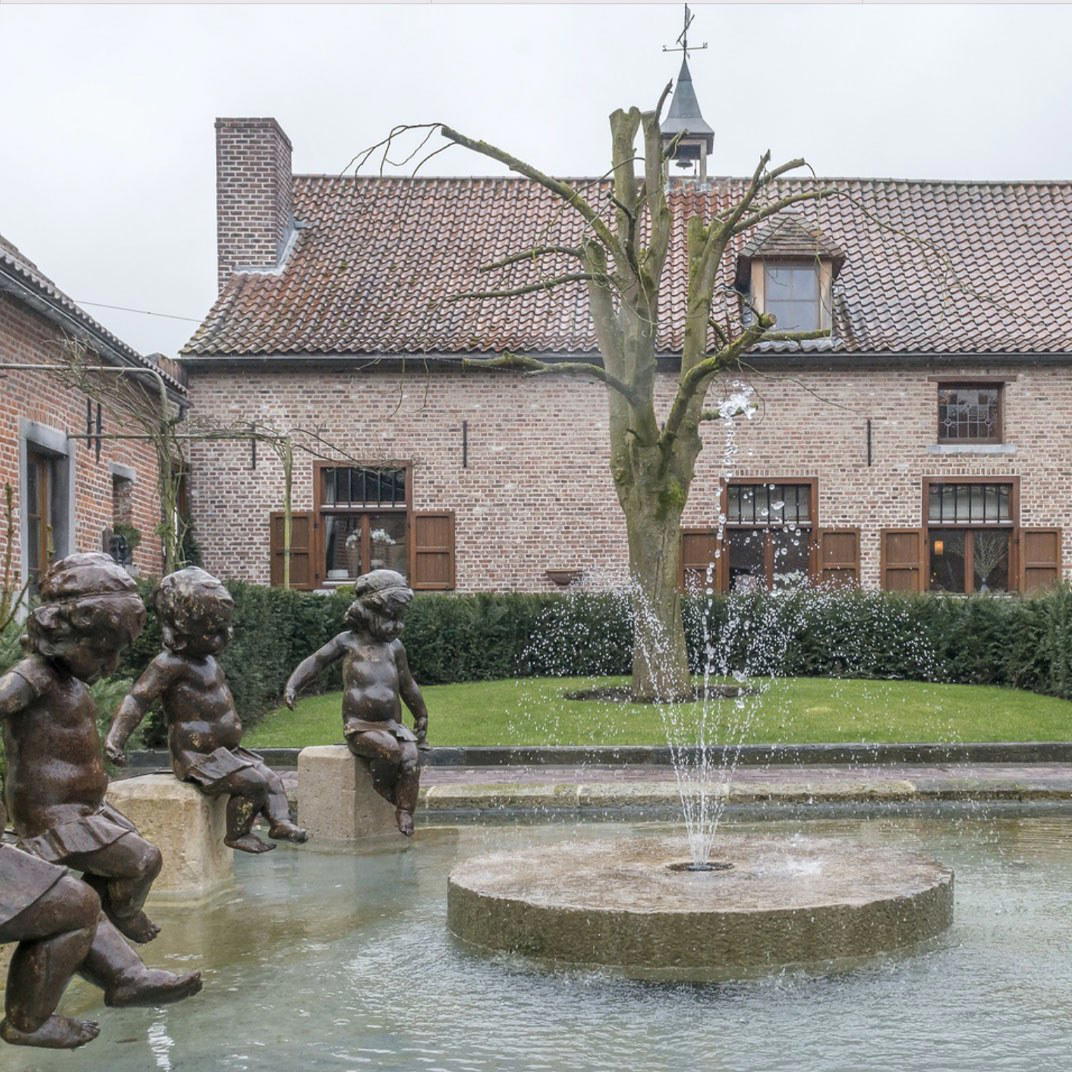
Stone, Silence, and the Pajottenland Register
The rural hotel tradition in the Belgian countryside operates on a different frequency from the city properties that dominate most itineraries. Where Brussels draws visitors toward grand boulevards and art nouveau interiors, the Pajottenland, the gently rolling agricultural region southwest of the capital, offers something harder to manufacture: genuine quietness, fieldstone architecture, and a landscape that has resisted the kind of development pressure that flattens character. Hof Te Spieringen, on Langestraat in Vollezele, sits inside that tradition. The address alone signals the register: a village road in a commune most international travelers have never encountered, which is precisely the point.
Michelin's hotel selection process, applied here as it is to a growing number of Belgian rural properties, rewards places that express a coherent sense of place. That framing is useful context for understanding who this property competes with and who it appeals to. It is not a resort competing with La Réserve Knokke-Heist on the coast, nor a city hotel in the mold of Juliana Hotel Brussels. It belongs to a smaller category of Belgian properties where the physical setting and the building's history do most of the atmospheric work.
The Architecture as the Argument
In the Pajottenland, the dominant building type is the hoeve, the traditional Flemish farmstead, typically arranged around a central courtyard with thick masonry walls, low-pitched roof lines, and an economy of ornament that reflects agricultural purpose rather than aristocratic display. The hoeve is not decorative vernacular; it is functional architecture that happens to age well. Hof Te Spieringen, as the name suggests (hof means court or farm in Dutch), belongs to this typology. The structure at Langestraat 42 carries the proportions and material logic of that tradition, and the conversion to a hospitality use has preserved rather than smoothed the building's original character.
This matters because it positions the property differently from the castle-hotel format found elsewhere in Belgium. Properties like Le Château de Mirwart in the Ardennes or Manoir de Lébioles near Liège draw their identity from aristocratic architecture and the associations that come with it. The hoeve conversion operates on a more grounded aesthetic register: thick walls, courtyard proportions, and a relationship to the surrounding farmland that a château cannot replicate. Across Belgium, this type of conversion has become a coherent sub-category of rural hospitality, with properties like Kasteelhoeve de Kerckhem in Wijer and Martin's Rentmeesterij in Bilzen occupying similar territory in Limburg. Hof Te Spieringen represents the Pajottenland expression of that format.
Vollezele and the Pajottenland Context
Vollezele is a sub-municipality of Galmaarden, in Flemish Brabant. The region's identity in Belgian cultural life is tied to lambic brewing, the spontaneously fermented beer tradition centered on the Zenne valley, and to a genre of Flemish landscape painting that found its subjects in these same fields and skies. Neither of these associations is incidental to the experience of staying here: they shape what is available to drink, what the light looks like in the late afternoon, and what kind of traveler finds the area worth the detour from the more obvious circuits.
Brussels is accessible from Vollezele in under an hour by car, making the property a plausible base for visitors who want capital-city access without capital-city noise. The programming logic is similar to what drives demand for properties like Louis1924 in Dilbeek, which occupies a comparable position relative to Brussels, close enough to use the city but far enough to feel detached from it. For travelers arriving from abroad, Brussels Airport is the logical entry point, with the drive to Vollezele adding manageable time to the journey. For those exploring wider Belgium, the Pajottenland connects naturally to Ghent to the northwest, where Ganda Rooms & Suites offers a complementary urban counterpart, and to Bruges beyond that, with Hotel De Orangerie representing the canal-city register of Belgian hospitality.
For a broader sense of what the region offers in terms of dining and local producers, our full Vollezele restaurants guide covers the local scene in detail.
Where It Sits in Belgian Rural Hospitality
Belgium's Michelin Selected hotel list for 2025 includes a range of rural properties that share a preference for architectural authenticity over amenity accumulation. The selection signal here is about curation, not scoring: Michelin is indicating that the property meets a threshold of character and quality without necessarily competing on the facilities matrix that defines resort or spa hotels. Properties in this tier, including Villa Copis in Borgloon and Château Beausaint in La Roche-en-Ardenne, are chosen because the experience is coherent and the sense of place is genuine, not because they offer the broadest menu of services.
That positioning suits a specific traveler profile: one who books rural properties for the building, the setting, and the surrounding region rather than for spa access or conference facilities. The Pajottenland, with its intact agricultural character and relative obscurity on the international travel circuit, reinforces that proposition. Hof Te Spieringen is not trying to compete with Botanic Sanctuary Antwerp on scale or NE5T Hotel & Spa in Namur on wellness programming. The comparison set is narrower and more specific: converted farm properties in Flemish Brabant where the architecture and the countryside are the primary draw.
Planning Your Stay
Hof Te Spieringen is at Langestraat 42 in Vollezele, Belgium. The property does not publish booking or contact details through the standard digital channels that larger hotel groups maintain, which is consistent with the smaller-scale, character-driven tier of Belgian rural hospitality it occupies. The surrounding Pajottenland is leading explored by car; public transport options to Vollezele are limited, and the region's appeal, including its lambic producers, small churches, and open farmland routes, is most accessible with independent transport. Spring and early autumn bring the most favorable conditions for the area, with harvest-season timing in September and October adding a layer of agricultural activity to the countryside.
How Hof Te Spieringen Vollezele compares with similar nearby venues.
| Venue | Awards |
|---|---|
| Hof Te Spieringen | MICHELIN Guide, Hotels Selected (2025) |
Recognition history
Dated appearances from independent guides and award organizations, with the underlying list record or original source where available.
Michelin Selected
Michelin
Continue exploring
More in Vollezele
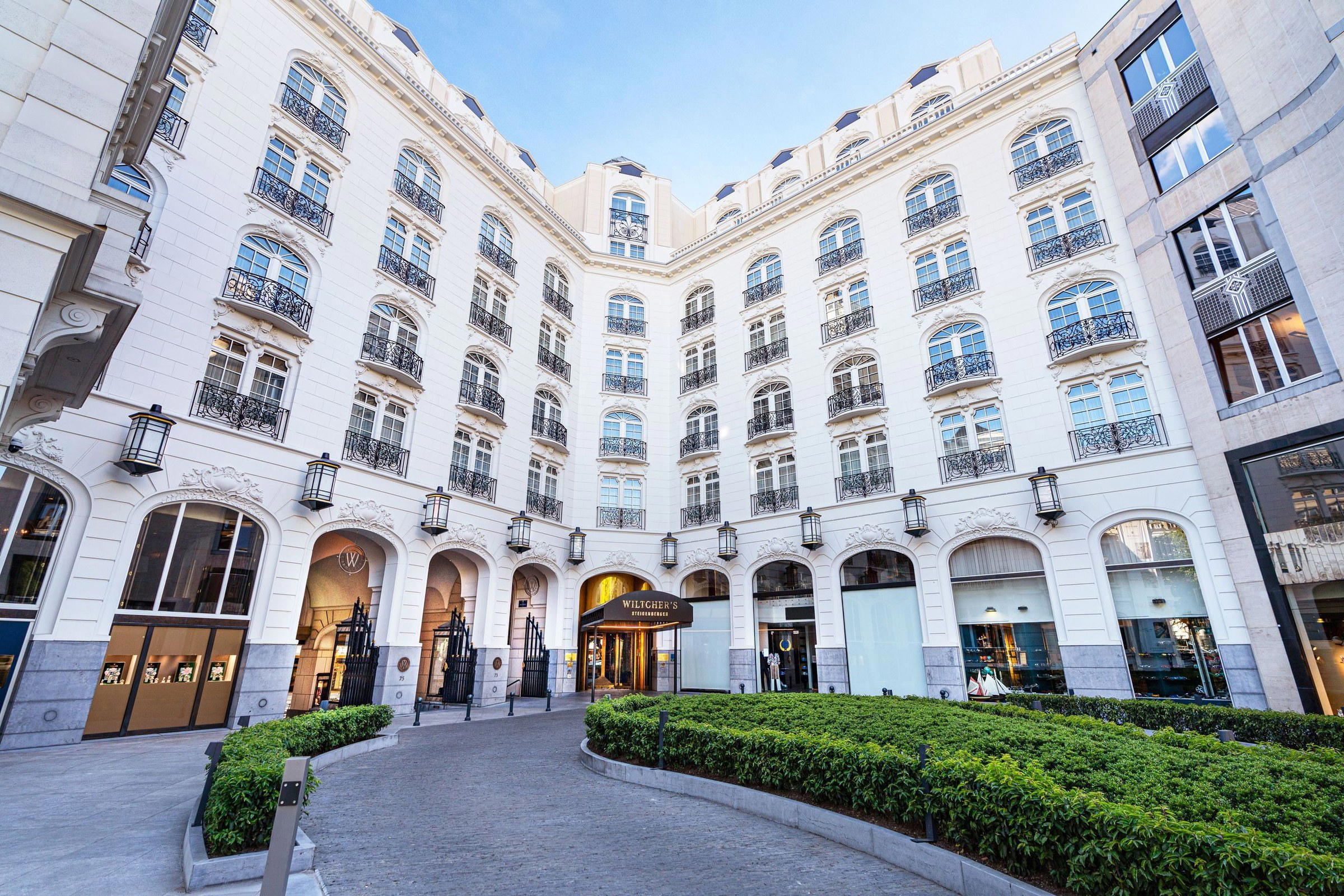
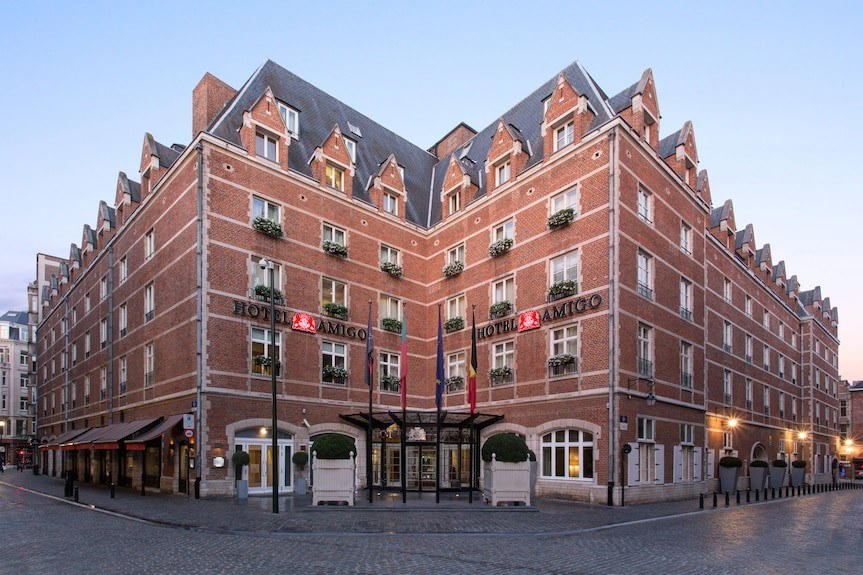
Hotels in Vollezele
Browse all →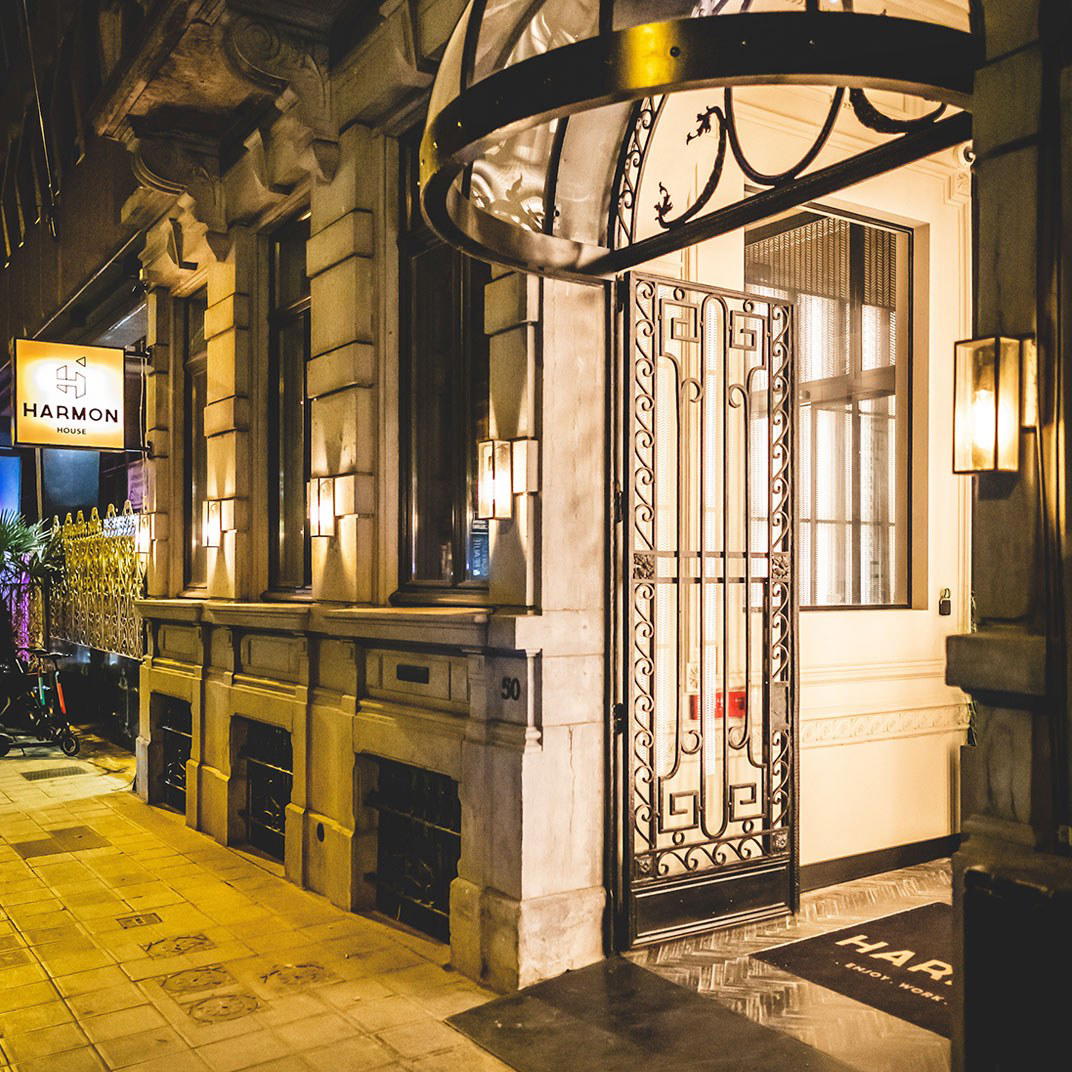
Bars in Vollezele
Browse all →
Restaurants in Vollezele
Browse all →
Wineries in Vollezele
Browse all →
At a Glance
- Quiet
- Classic
- Cozy
- Rustic
- Intimate
- Romantic Getaway
- Weekend Escape
- Historic Building
- Garden
- Terrace
- Fitness Center
- Air Conditioning
- Garden
- Fitness Center
- Air Conditioning
Warm and welcoming with natural light, wooden flooring, and traditional countryside charm enhanced by an open fire and period furnishings.
Know Before You Go
- Getting there
- Langestraat 66, 1570 Pajottegem, Belgium