Les Marronniers
Our verdict
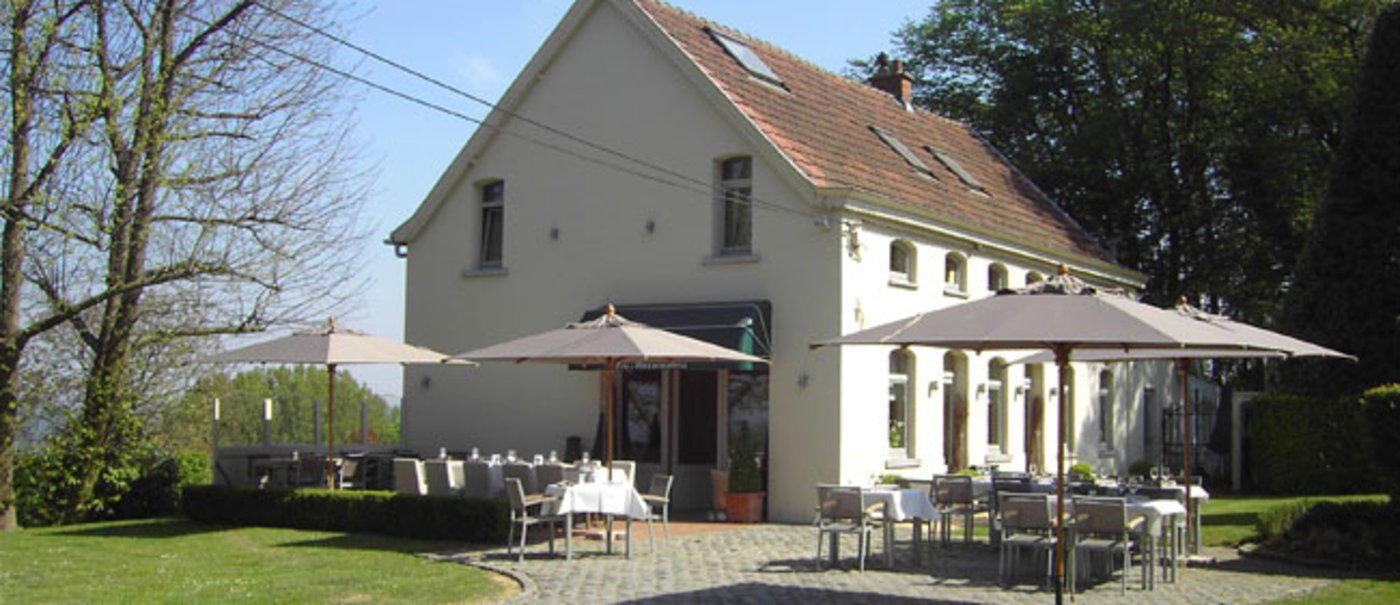
Les Marronniers sits on Rue des Vertes Feuilles in Frasnes-lez-Anvaing, a quiet Hainaut commune that represents a distinct strand of Belgian rural dining: serious cooking at a remove from the city circuit. Precise details on cuisine, pricing, and booking are best confirmed directly with the restaurant, but its address places it in a corner of Wallonia where table-focused hospitality has long outpaced the local population size.

Pearl is the En Primeur Club membership app — saves, bookings, and concierge access live there. Same editors, same standards.
The menu
What to order
- Croquettes de Crevettes Grises
- Scampis à l'Ail
- Brouillade d'œufs à la truffe
Rural Hainaut and the Belgian Tradition of Destination Dining
Belgium has a long-established habit of rewarding the drive. From the polders of the Flemish coast to the forested edges of the Ardennes, the country's most committed dining rooms have never clustered exclusively in its cities. Frasnes-lez-Anvaing, a small commune in the province of Hainaut roughly midway between Tournai and Ath, belongs to that tradition. It is the kind of place where the cooking tends to be the reason for the trip, not an afterthought to a broader itinerary. Les Marronniers, at Rue des Vertes Feuilles 7, occupies that position in the local geography: a restaurant whose address is itself a signal about the seriousness of purpose.
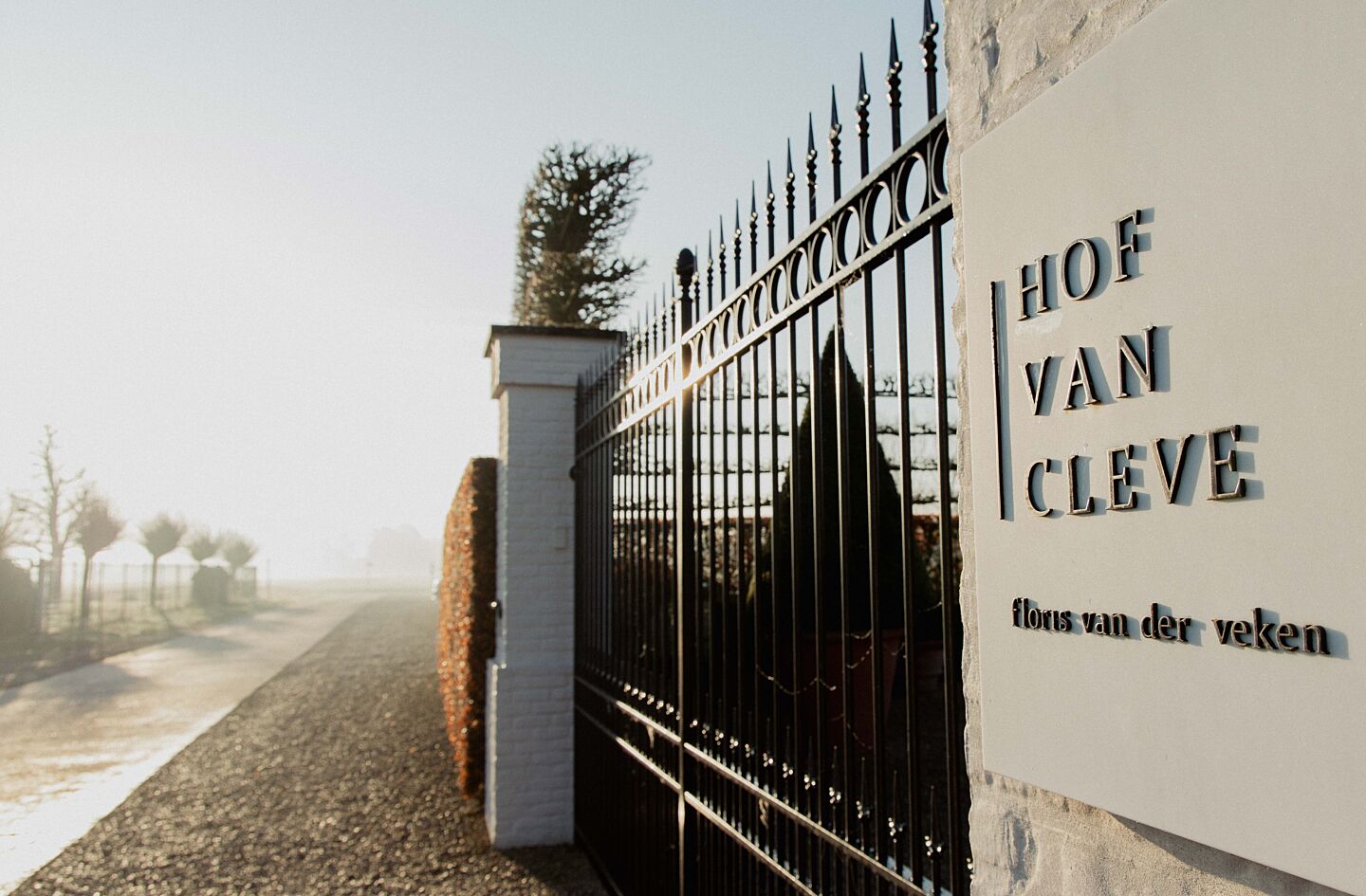
The street name alone — Vertes Feuilles, green leaves — suggests something of the setting. Hainaut's agricultural interior is markedly different from the urban density of Brussels or the port energy of Antwerp. Dining here operates on different social rhythms: longer lunches, tables booked weeks rather than days ahead, a clientele that has made a deliberate choice to come this far. Across Belgium, this model of rural destination dining has produced some of the country's most consequential addresses. Hof van Cleve - Floris Van Der Veken in Kruishoutem and Willem Hiele in Oudenburg both demonstrate that a rural postal code is no impediment to serious recognition, provided the cooking justifies the journey.
The Walloon Dining Register
Wallonia's culinary identity sits at the intersection of French technical tradition and Belgian regional specificity. The classic preparations, carbonnade, waterzooi, game from the Ardennes, exist alongside a more recent wave of creative cooking that draws on French foundations while asserting local ingredient logic. Restaurants in this southern half of Belgium tend to read more formally than their Flemish counterparts, with an emphasis on structured menus and wine lists weighted toward Burgundy and the northern Rhône. That formality is not stiffness; it is the expression of a region that has absorbed French culinary culture without simply replicating it.
In Hainaut specifically, the dining scene has historically operated below the recognition radar that Michelin and the 50 Best circuits tend to train on Brussels and Ghent. That relative obscurity has not prevented serious cooking from taking root. The province borders both France and the Flemish interior, which means its better restaurants draw on multiple culinary reference points simultaneously. The result, at the addresses that execute well, is a kind of cooking that is harder to categorise but often more genuinely regional in character than restaurants that perform a more legible style for an international audience.
For broader context on what Walloon dining can look like at the highest level, L'air du temps in Liernu and La Table de Maxime in Our both represent the region's capacity to sustain ambitious cooking in non-metropolitan settings. Closer to the French border, d'Eugénie à Emilie in Baudour offers another point of reference for what committed Walloon hospitality looks like in practice.
How Les Marronniers Fits the Map
Les Marronniers sits within this broader pattern of Belgian rural dining rather than outside it. The address on Rue des Vertes Feuilles places it in a residential and agricultural setting typical of the Hainaut interior, with none of the institutional density of a city centre. That setting conditions the experience before a single dish arrives: you are somewhere that requires deliberate choice, and the restaurant knows it. The name itself, the chestnut trees, reinforces the sense of a place rooted in its local environment rather than performing a metropolitan identity from a provincial address.
Specific details on the current menu format, pricing, and chef at Les Marronniers are best confirmed directly, as the restaurant's public profile is limited. What the address and context suggest is a dining room pitched at the local tradition of serious, unhurried hospitality: the kind of place where the rhythm of the meal is structured around the guest's time rather than table turnover. For comparable dining in the surrounding region, Vertes Feuilles operates in the same commune and provides a useful point of local comparison.
Placing It in Belgium's Wider Dining Circuit
Belgium's premium dining circuit extends well beyond its three major cities, and the addresses that matter most are not always the ones with the highest public profiles. Boury in Roeselare and Zilte in Antwerp represent the more visible end of the country's fine dining spectrum, with sustained critical recognition and booking windows that reflect their reputation. At the other end of the geography, places like Les Marronniers occupy a quieter register: they serve a regional clientele, they operate without the same international visibility, and they reflect a set of dining values, locality, consistency, unhurried service, that the city circuit can find difficult to sustain at scale.
That distinction matters when planning a route through Belgium's serious eating. Bozar Restaurant in Brussels, Le Chalet de la Forêt in Uccle, and De Jonkman in Sint-Kruis each serve a different kind of dining purpose. So do the smaller regional addresses in Hainaut and Wallonia. The circuit works well when treated as a geography of complementary registers rather than a single hierarchy of starred restaurants. Maison Colette in Tongerlo, Castor in Beveren, Bartholomeus in Heist, and La Durée in Izegem all demonstrate the breadth of that geography across Flanders. The Walloon interior, where Les Marronniers sits, adds its own register to that picture. For travellers willing to cross the Atlantic for comparison, Le Bernardin in New York City and Atomix in New York City represent what the upper bracket of serious cooking looks like in a very different market context.
Planning a Visit
Les Marronniers is located at Rue des Vertes Feuilles 7, 7912 Frasnes-lez-Anvaing, in the province of Hainaut. The commune is accessible by road from both Tournai (roughly 20 kilometres to the west) and Ath (to the north), and sits within manageable driving distance of the Brussels ring for those combining the visit with time in the capital. Rural Belgian restaurants at this level of seriousness typically operate on a reservation-only or predominantly booked basis, particularly for weekend service, so confirming availability in advance is the practical starting point. For a fuller view of what Frasnes-lez-Anvaing offers at the table, see our full Frasnes Lez Anvaing restaurants guide.
Frequently asked questions
How do I find Les Marronniers?
Les Marronniers is located at îRue des Vertes Feuilles 7, 7912 Frasnes-lez-Anvaing, Belgium, Frasnes Lez Anvaing.
Is Les Marronniers worth the drive from Brussels or Mons for a special occasion?
Frasnes-lez-Anvaing sits in the province of Hainaut, roughly equidistant between Mons and Tournai, and accessible by road from Brussels in under 90 minutes. Belgium has a well-documented habit of placing serious restaurants in rural communes — addresses that only make sense if the kitchen justifies the detour. Les Marronniers follows that geography, and the Walloon dining circuit regularly includes Hainaut tables among its notable provincial stops.
What's the best thing to order at Les Marronniers?
Given its position within the Walloon dining tradition — a register built on French technical foundations and Belgian regional produce — the kitchen is most likely oriented around seasonal, locally sourced preparations. check the venue's official channels at Rue des Vertes Feuilles 7 for current menu information.
Do they take walk-ins at Les Marronniers?
Restaurants of this type in rural Hainaut typically operate on a reservation basis, particularly at weekends when destination diners drive out from Tournai, Mons, or Brussels. Calling or emailing ahead before making the journey to Frasnes-lez-Anvaing is the practical approach.
What has Les Marronniers built its reputation on?
Les Marronniers sits within Belgium's long tradition of rewarding rural dining addresses — places that draw guests out of the cities on the strength of the table rather than the postcode. Its location in Frasnes-lez-Anvaing, in the agricultural heart of Hainaut province, places it in a peer group of Walloon restaurants where the kitchen, not the setting, carries the argument.
What if I have allergies at Les Marronniers?
No specific allergen or dietary accommodation policy is documented for Les Marronniers. The address is Rue des Vertes Feuilles 7, 7912 Frasnes-lez-Anvaing — reach out in advance of your visit to discuss requirements directly with the team, which is standard practice across Belgian destination restaurants of this type.
Budget and Context
Comparable venues nearby, for context on price, style, and recognition.
| Venue | Cuisine | Price | Awards | Notes |
|---|---|---|---|---|
| Les MarronniersThis venue — the venue you are viewing | French Bistro | $50–100 | Not listed | Not listed |
| Vertes Feuilles | Modern Belgian-French Farm-to-Table | Not listed | Not listed | Saint-Sauveur, Belgian Gastronomic |
| Chambre Séparée | Modern Fire-Driven Fine Dining | Not listed | Not listed | Binnenstad, Modern Fire-Driven Fine Dining |
| Benoit & Bernard Dewitte | Modern French Fine Dining | $150–200 | 1 Michelin Star · We're Smart World 4 Radishes | Kruisem (Ouwegem), Modern Belgian Fine Dining |
| Le Coup Vert | Modern French-Mediterranean Bistro | $50–100 | Not listed | Het Zoute, Modern French-Mediterranean Bistro |
| David Selen | Modern French Bistronomie | Not listed | Not listed | Waregem, Modern French Bistronomie |
Continue exploring
More in Frasnes Lez Anvaing
Restaurants in Frasnes Lez Anvaing
All restaurants in Frasnes Lez Anvaing →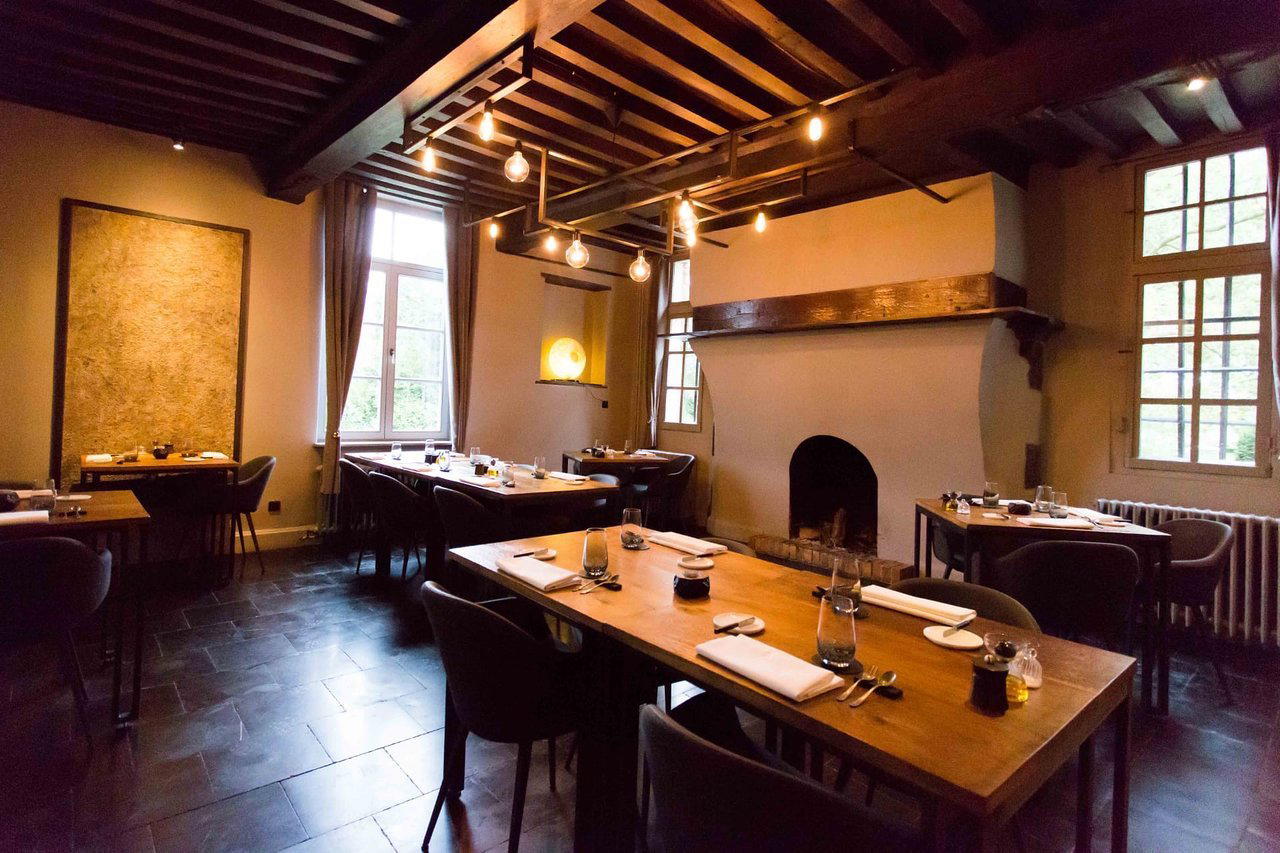
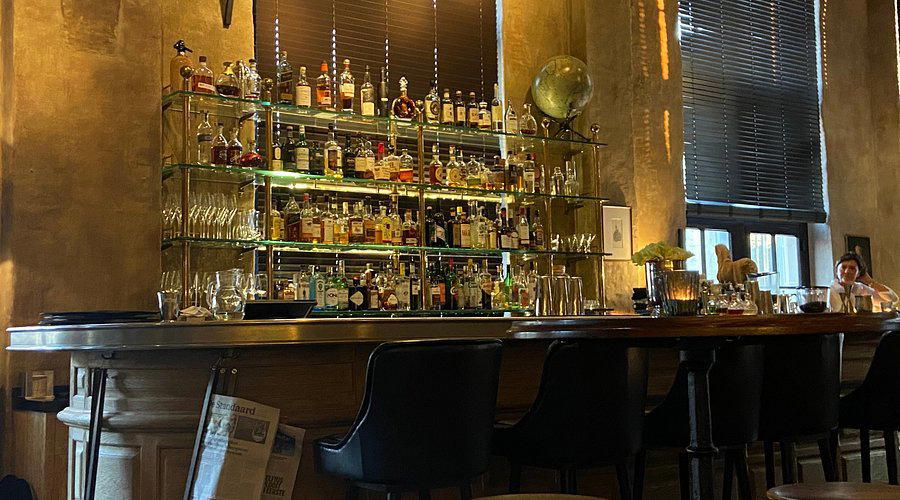
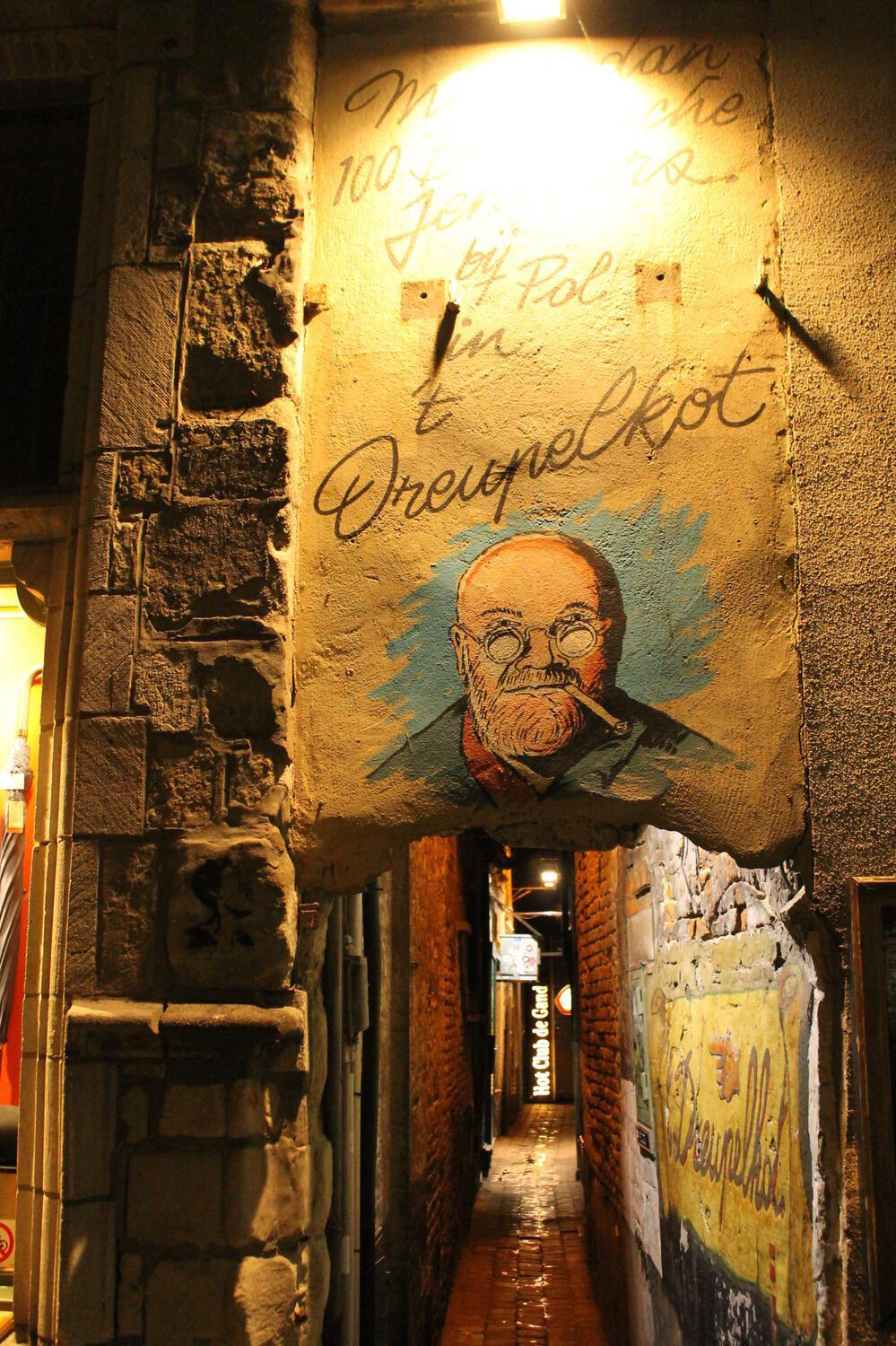
Bars in Frasnes Lez Anvaing
Browse all →
Hotels in Frasnes Lez Anvaing
Browse all →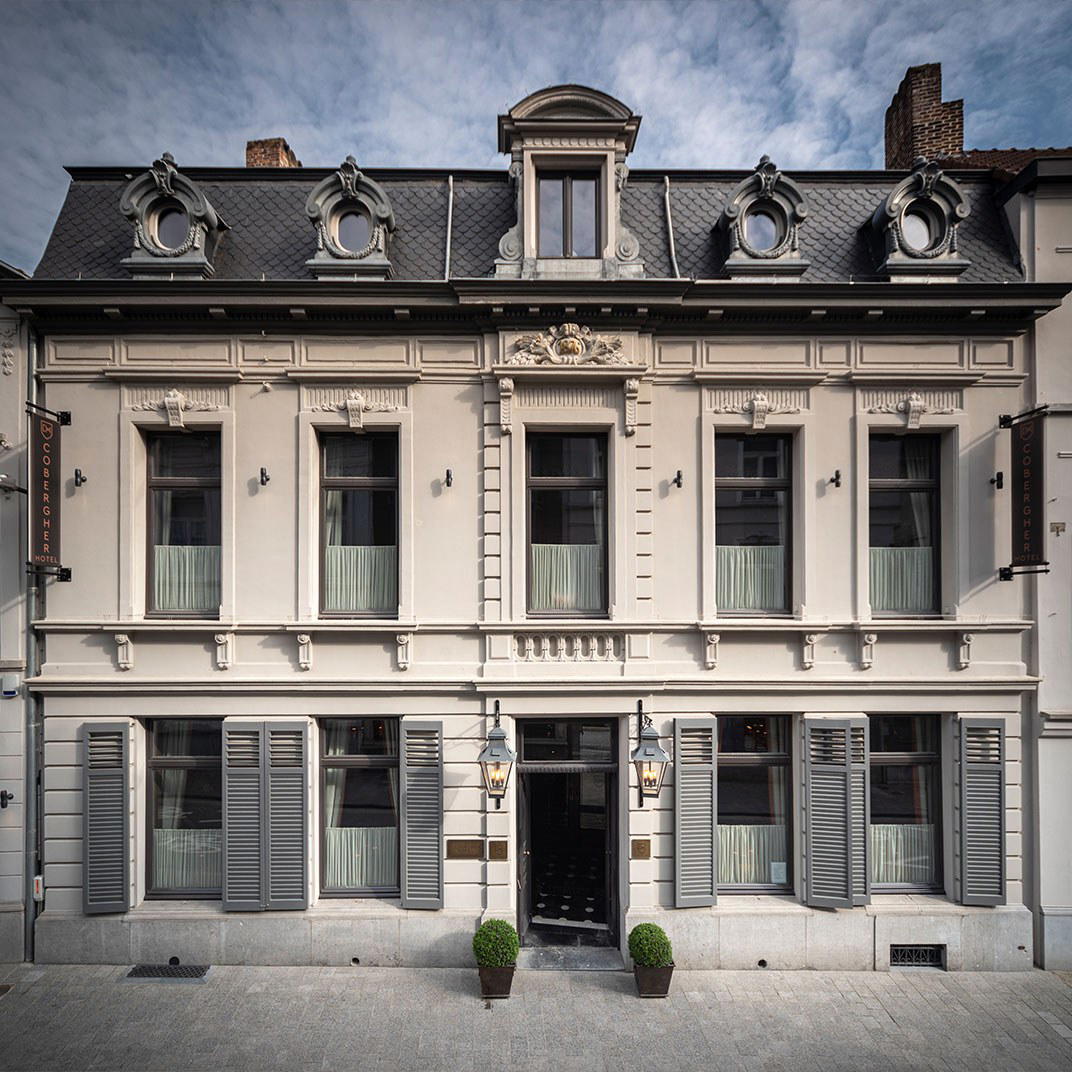
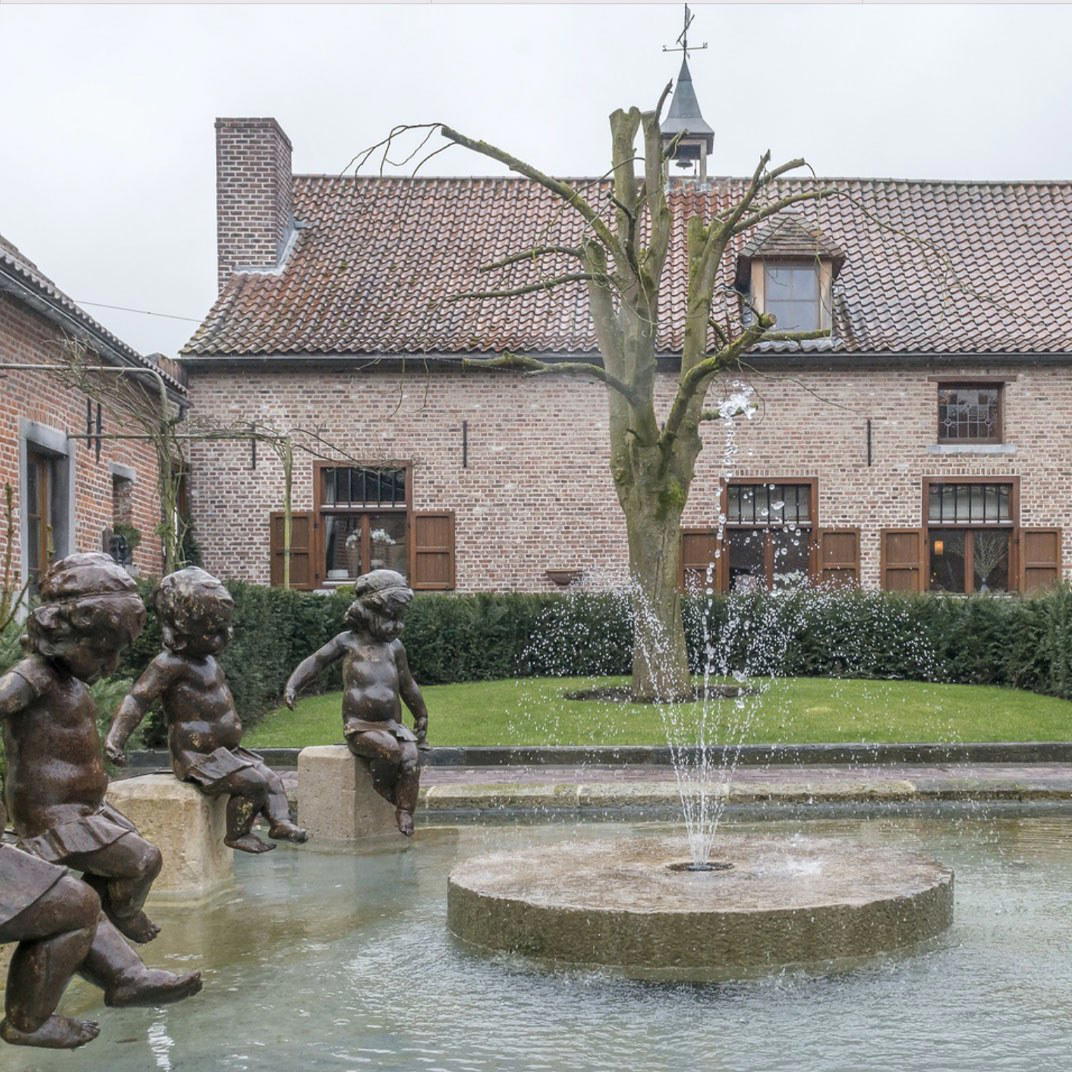
Wineries in Frasnes Lez Anvaing
Browse all →
Details
- Cozy
- Elegant
- Date Night
- Special Occasion
- Terrace
- Local Sourcing
- Garden
- A La Carte
Current opening hours
- Monday
- Closed
- Tuesday
- Closed
- Wednesday
- 12–2 PM, 6:30–9 PM
- Thursday
- 12–2 PM, 6:30–9 PM
- Friday
- 12–2 PM, 6:30–9 PM
- Saturday
- 12–2 PM, 6:30–9 PM
- Sunday
- Closed
Hours can change for holidays and private events. Last verified .
Pleasant interior ambiance with a welcoming atmosphere as noted by guests.