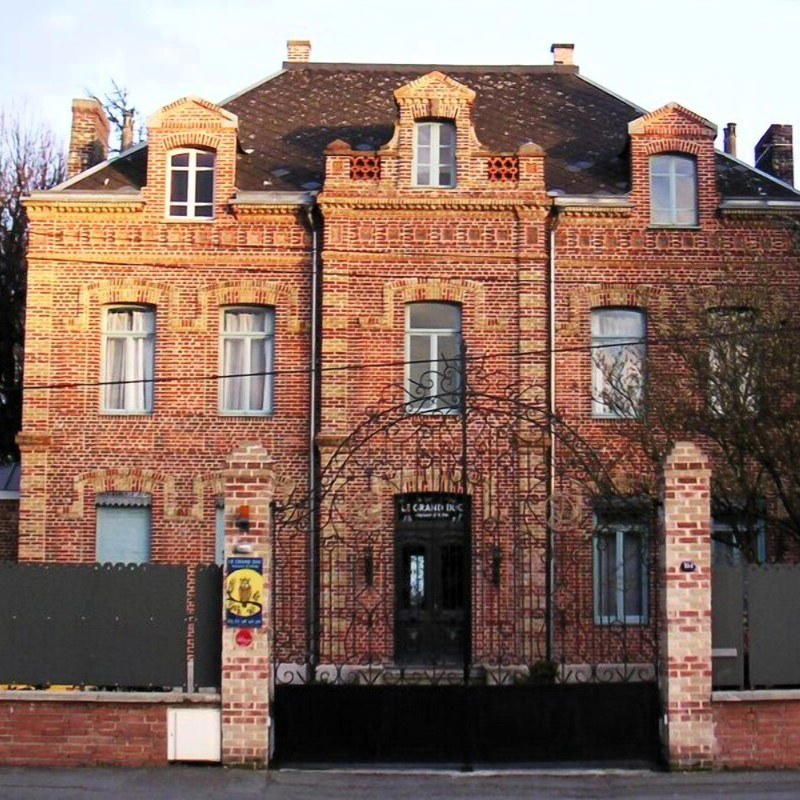
Vicomté occupies a quiet address on Rue d'Arondeau in Péruwelz, a small Walloon town in the Hainaut province close to the French border. The restaurant operates in a regional dining tradition that prizes locally sourced ingredients and classical French technique, placing it within a broader network of destination restaurants across Belgium's less-visited south. For travellers willing to leave Brussels or the Flemish coast, Péruwelz rewards the detour with a more intimate scale than the country's headline dining rooms.
 Discover on Pearl
Pearl is the En Primeur Club membership app — saves, bookings, and concierge access live there. Same editors, same standards.
- Address
- Rue d'Arondeau 29, 7601 Péruwelz, Belgium
- Phone
- +3269221689
- Website
- levicomte.be
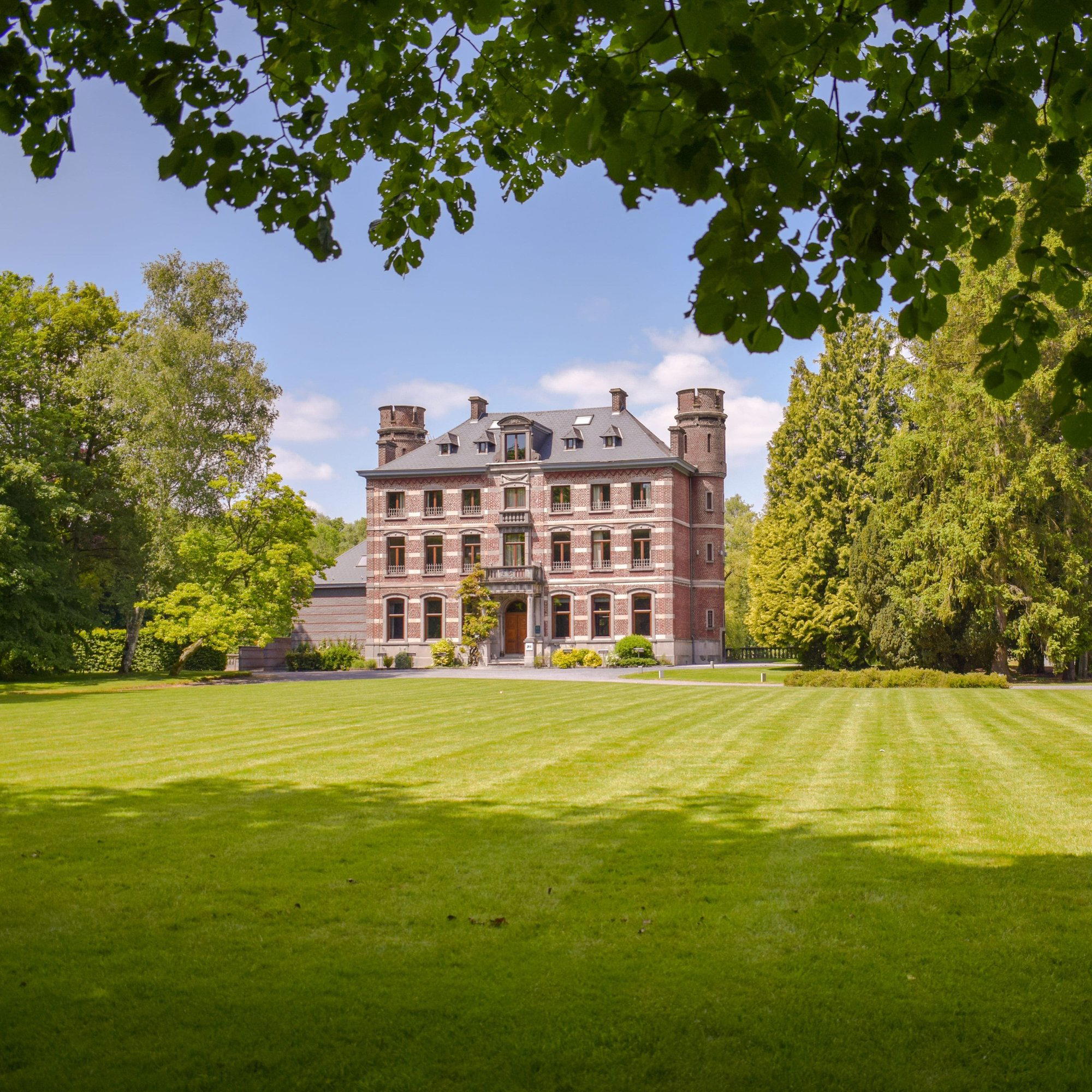
Péruwelz and the Case for Hainaut Dining
Belgium's restaurant conversation defaults quickly to Brussels, Ghent, and the Flemish coast, where press coverage, Michelin inspectors, and culinary tourism concentrate. Hainaut, the French-speaking province that runs along the French border in the country's southwest, receives considerably less attention, which means the restaurants operating there do so without the competitive noise that surrounds addresses like Zilte in Antwerp or Boury in Roeselare. That quieter context matters for how you read Vicomté.
Péruwelz itself sits roughly 70 kilometres southwest of Brussels, close enough to the French border that its culinary references lean toward northern France as readily as they do toward Belgian tradition. The town is small, the restaurant density low, and the kind of hospitality that survives in that environment tends to be rooted in local relationships and repeat custom rather than destination tourism. That dynamic shapes what arrives on the plate more than any stated philosophy would.
The Sourcing Logic of Border Country
Hainaut's agricultural profile is one of the more underappreciated factors in Belgian regional cooking. The province sits within reach of productive farmland, market gardens, and small producers who supply both sides of the Franco-Belgian border. Restaurants in this part of Belgium have historically drawn on that proximity, building menus around what the surrounding countryside and nearby French markets offer rather than importing ingredients from further afield.
That sourcing logic is not incidental to Vicomté; it defines what the kitchen can credibly attempt. In regions where the supply chain runs through a handful of trusted local producers, menus tend to be shorter, more seasonal, and more legible in their relationship to place. Compare this with the creative-French or French-Asian approaches operating further north, such as L'air du Temps in Liernu, where global pantry access is part of the kitchen's explicit vocabulary. Border-country restaurants in Hainaut often occupy a different register: classical technique applied to what the immediate region grows, raises, and forages.
That same logic runs through some of Belgium's most closely watched addresses. Willem Hiele in Oudenburg and Castor in Beveren both draw critical attention in part because of how deliberately they anchor their menus to specific geographic supply. In Hainaut, that anchoring happens with less fanfare but no less discipline.
What to Expect at Rue d'Arondeau 29
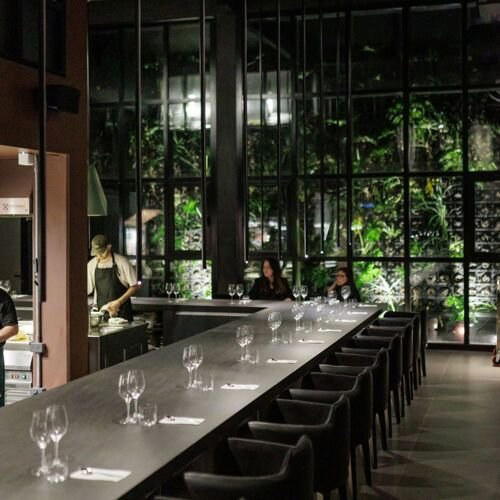
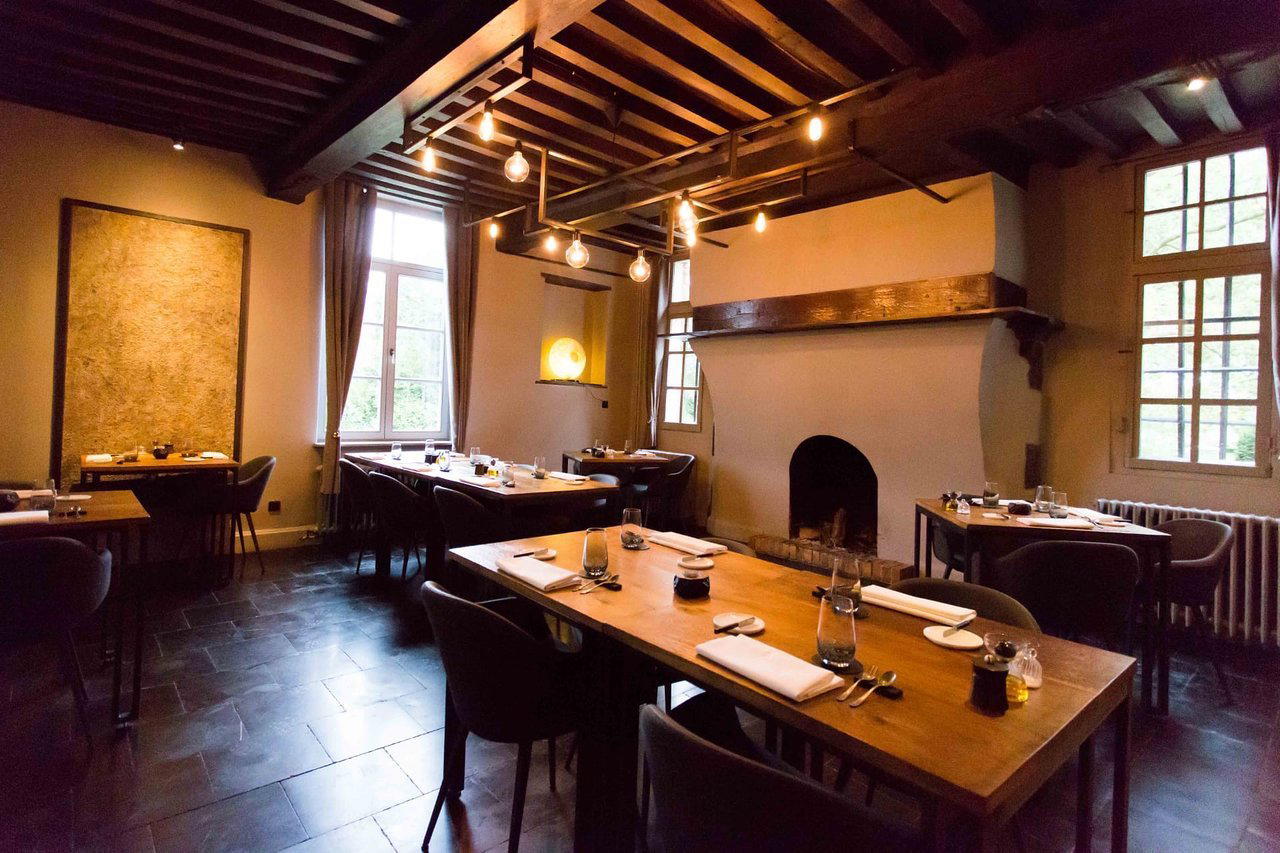
Vicomté occupies an address at Rue d'Arondeau 29 in the centre of Péruwelz. The scale of the town means the restaurant operates without the footfall that urban dining rooms rely on, which typically translates into a more considered pacing and a dining room atmosphere that prioritises the table over the turn. Guests arriving from Brussels or Lille, both reachable within roughly an hour, will find a setting that reflects Hainaut's understated character rather than performing any particular design statement.
The regional pattern for restaurants of this type, particularly those operating in smaller Walloon towns, is one of kitchen-forward hospitality: the room exists to serve the food, not the reverse. That contrasts with the more theatrically staged environments you find at addresses like Le Chalet de la Forêt in Uccle or Bozar Restaurant in Brussels, where the architecture is itself part of the offer.
For comparable southern Belgian dining at a similar remove from the major cities, d'Eugénie à Emilie in Baudour provides a useful reference point, also operating in Hainaut with a classically grounded approach. And for those exploring the Ardennes corridor, La Table de Maxime in Our represents a similar philosophy of regional anchoring at the other end of Wallonia.
Belgium's Distributed Fine Dining Map
One of the defining characteristics of Belgium's restaurant scene is how widely its serious cooking is distributed. Unlike France, where a handful of cities concentrate most of the critical attention, or the United Kingdom, where London absorbs a disproportionate share, Belgium has a long tradition of destination restaurants in towns and villages that would not register on most international travellers' maps. Hof van Cleve in Kruishoutem, De Jonkman in Sint-Kruis, and Maison Colette in Tongerlo are all cases in point: serious kitchens operating in locations that require a deliberate journey.
Vicomté fits this distributed pattern. The drive or train connection to Péruwelz is the price of admission, and the reward is access to a dining room that functions for its community rather than for passing tourist trade. That difference in orientation produces a different dining experience from the capital's more polished, visitor-facing rooms. Le Bernardin in New York, a room built substantially for an international clientele, and a small French-influenced address operating for its regional regulars. Or, in a more contemporary register, the gap between Atomix in New York and the kind of neighbourhood-anchored Korean restaurant that feeds the same borough without seeking the same audience.
La Durée in Izegem follows a similar logic in West Flanders.
Planning Your Visit
Péruwelz is accessible by train from Brussels via Tournai, with the journey running approximately 90 minutes depending on connection. From Lille, the cross-border route is shorter. Because reservations are essential and the opening schedule is limited, contacting the restaurant directly before making a journey is the safest approach.
Side-by-Side Snapshot
Comparable venues nearby, for context on price, style, and recognition.
| Venue | Cuisine | Price | Awards | Notes |
|---|---|---|---|---|
| VicomtéThis venue — the venue you are viewing | Modern French Gastronomic | $$$$ | , | |
| Joels | French-Belgian Fine Dining | $$$$ | , | Groot-Vorst |
| Chef & Zus | French Fine Dining with International Accents | $$$$ | , | Eeklo |
| Cloche | Modern French Fine Dining | $$$ | , | Hofstade |
| Atelier de Bossimé | Modern French Farm-to-Table | $$$$ | , | Loyers |
| Agnes | Modern French Sharing | $$$ | , | Sint-Martens-Bodegem |
At a Glance
- Elegant
- Romantic
- Cozy
- Sophisticated
- Date Night
- Business Dinner
- Special Occasion
- Historic Building
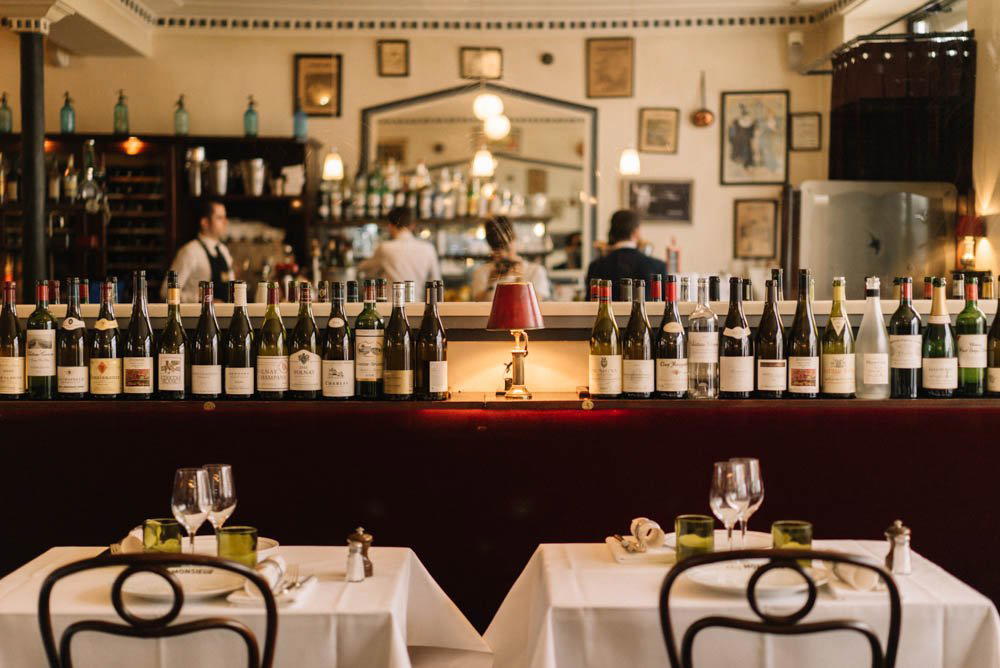
- Extensive Wine List
- Local Sourcing
- Waterfront
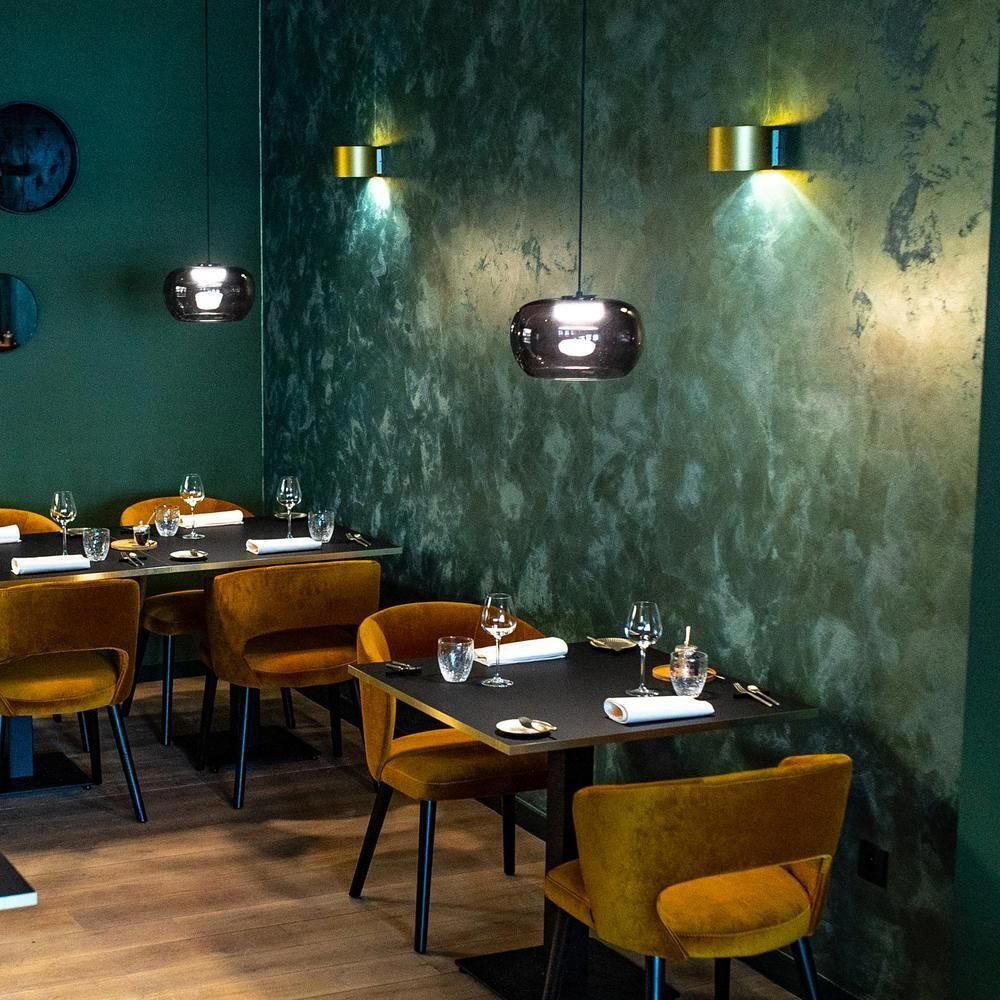
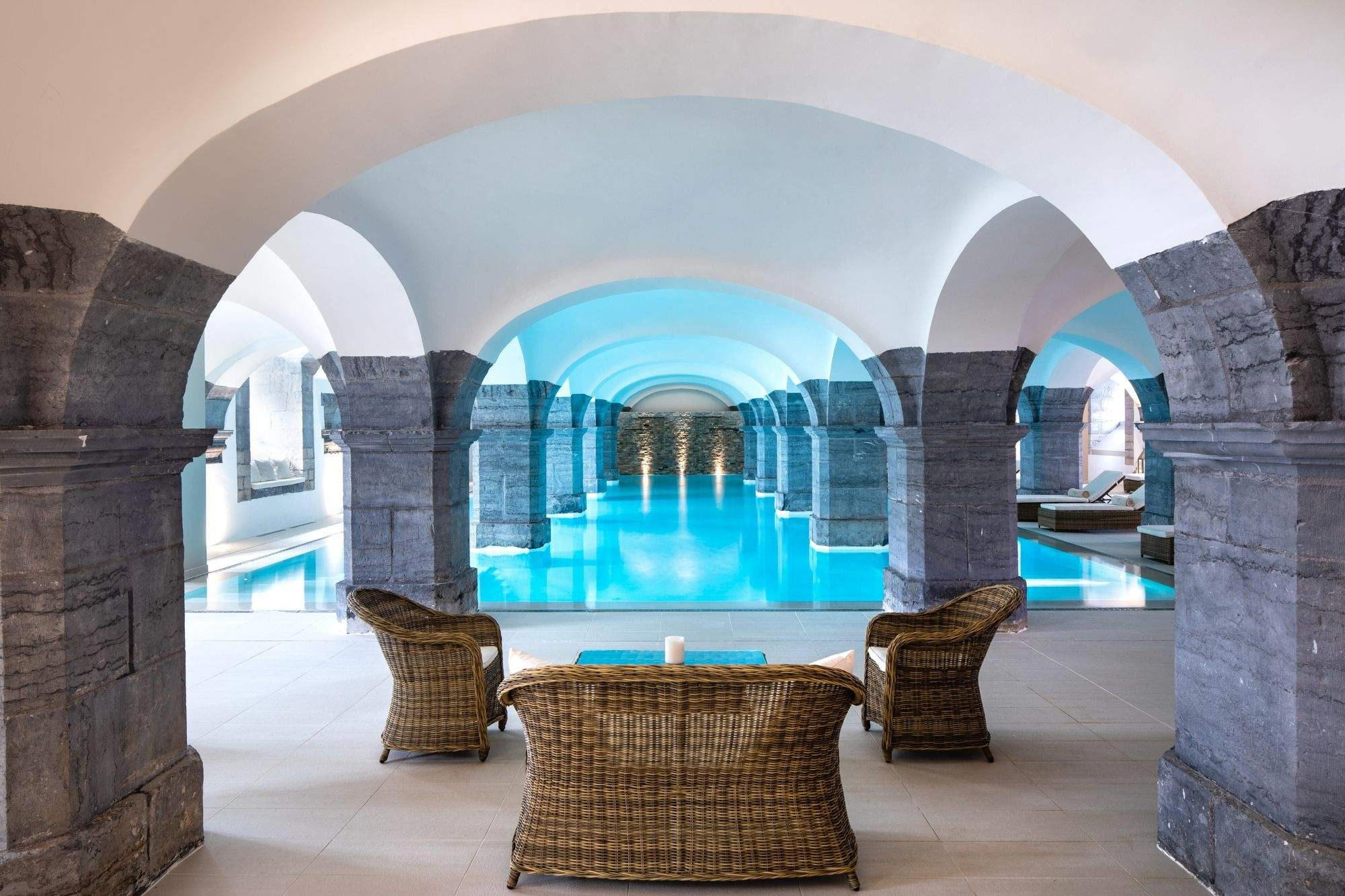
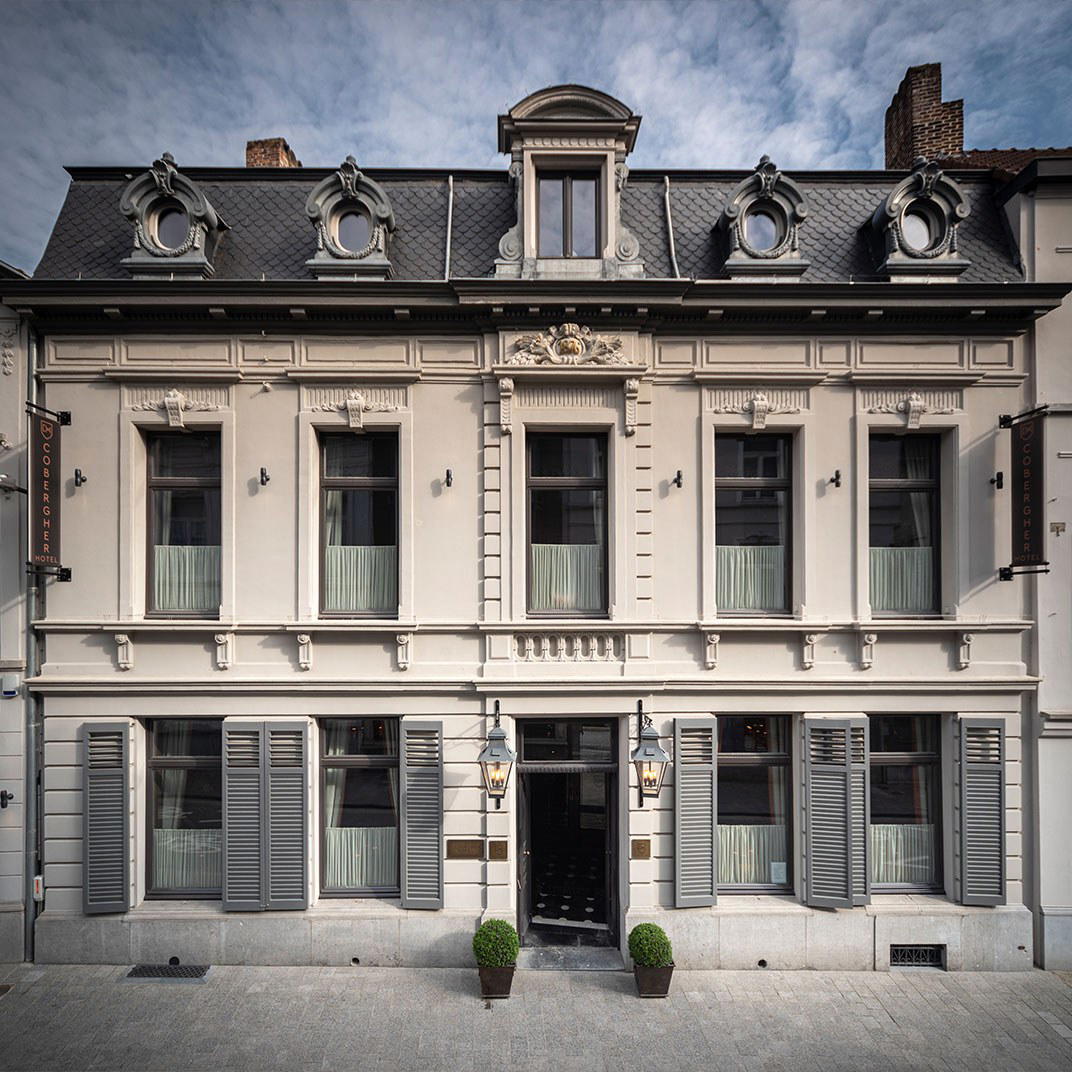
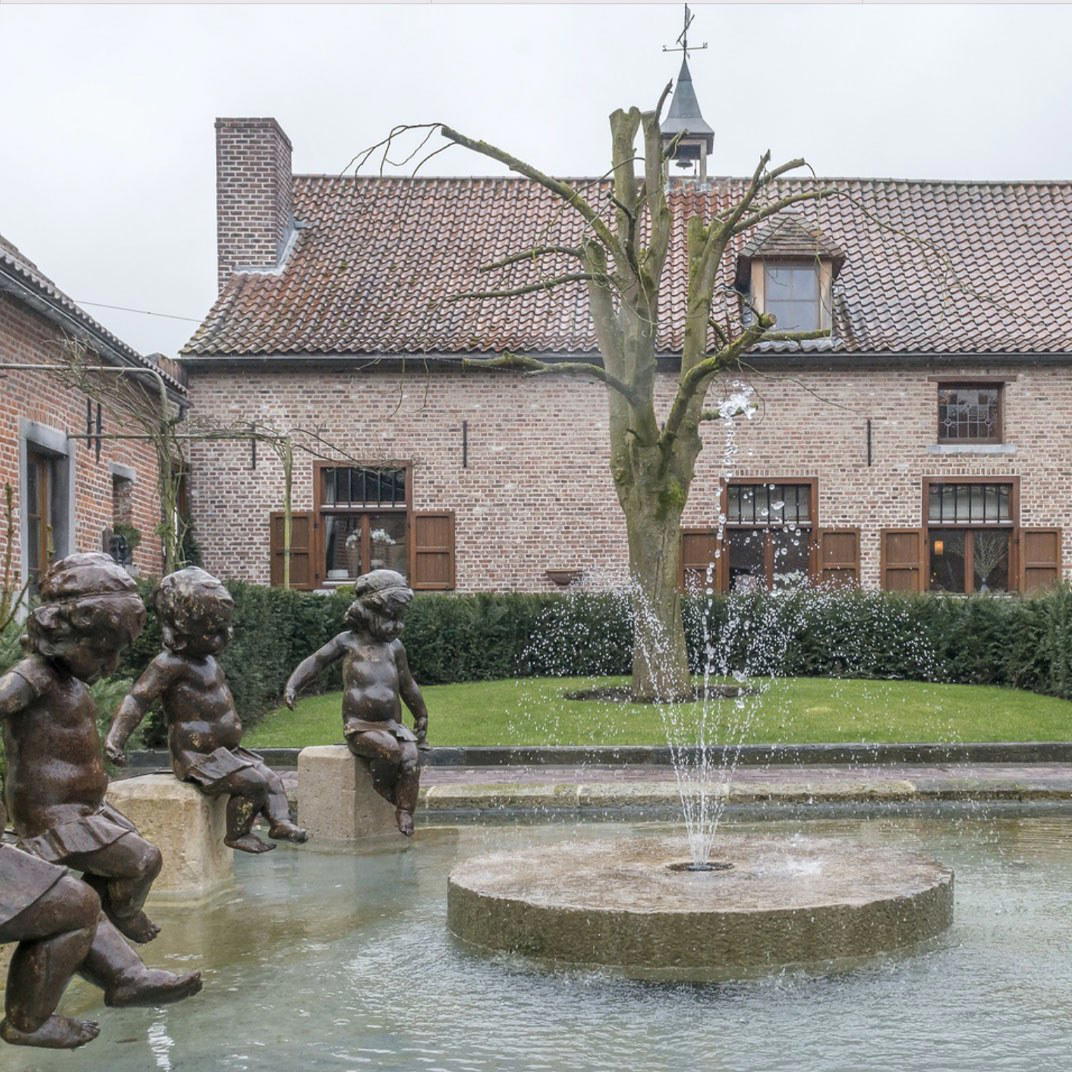
Contemporary and warm decor creating an elegant and refined atmosphere with soft lighting and serene surroundings.