
Michelin Selected
The address places guests within reach of the city's art institutions and neighbourhood restaurants without the noise of the Grand Place corridor. A considered choice for visitors who prefer character over corporate scale.

Pearl is the En Primeur Club membership app, where members save venues, book tables and use the concierge.
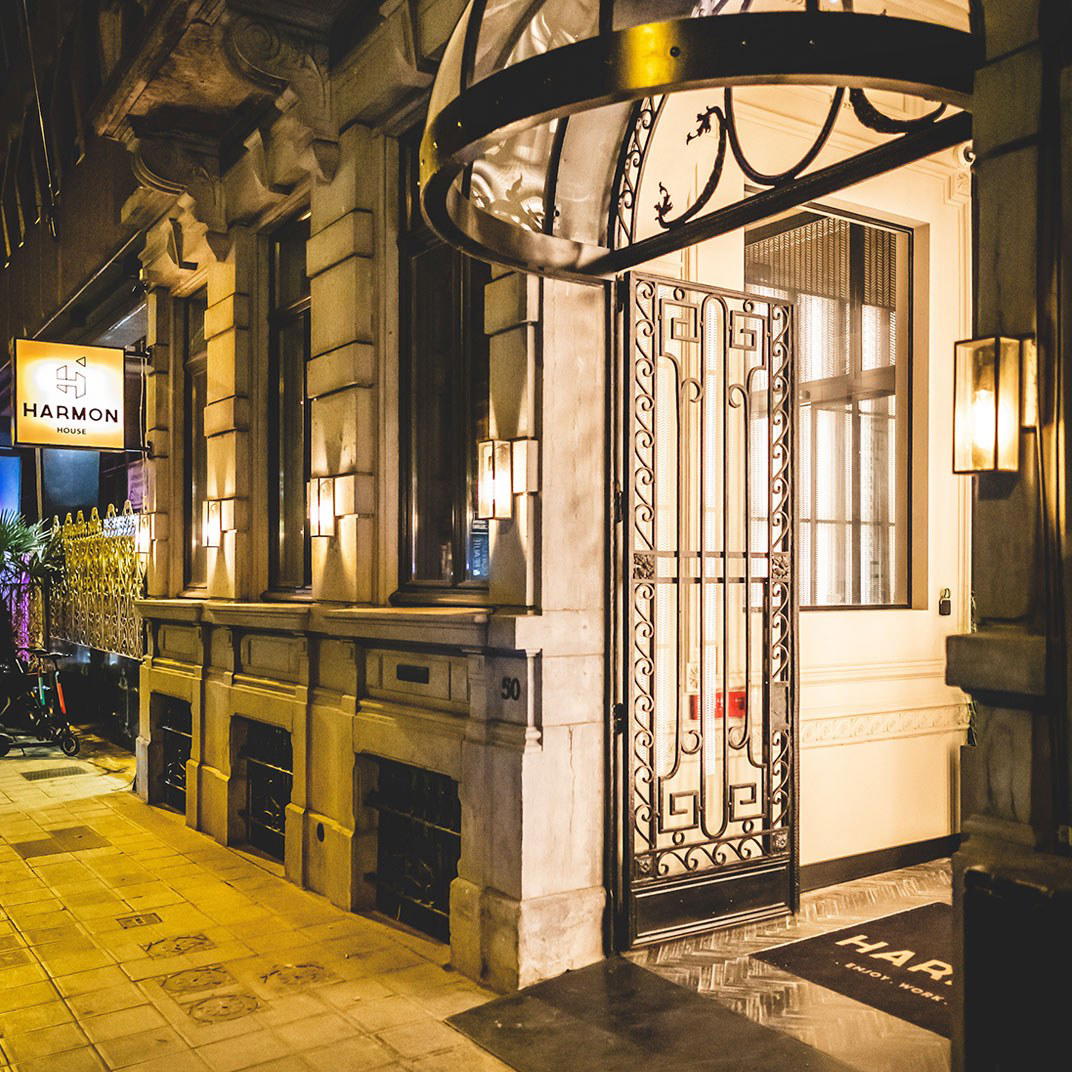
A Quieter Register of Brussels Hospitality
Brussels has long split its hotel offer between two poles: the Grand Place corridor, where international chains and grand historic properties compete for the tourist trade, and the quieter residential neighbourhoods to the south, where a smaller tier of boutique properties operates on a different logic entirely. The street runs through Ixelles, one of the more textured parts of the city, where art nouveau facades line blocks of independent restaurants, wine bars, and neighbourhood institutions that have little interest in the tourist economy. Arriving here feels different from arriving in the Grand Place cluster, and that difference is the point.
The MICHELIN hotel selection operates on criteria that weight personal service, physical character, and the coherence of the guest experience, which makes it a meaningful credential for a property that does not appear to compete on room count or amenity volume. For comparison within Brussels, properties like Made in Louise and Juliana Hotel Brussels operate in a similar residential-boutique tier, while Hotel Amigo, a Rocco Forte Hotel and Corinthia Grand Hotel Astoria Brussels anchor the grander, more central end of the market.
The Ixelles Address and What It Signals
Hotel location in Brussels carries more editorial weight than in cities with more uniform neighbourhoods. It is a residential and commercial artery that connects the Midi station area to the Place Flagey, passing through a stretch that concentrates some of the city's more credible independent dining. Guests based here are within walking distance of the Châtelain square, which functions on weekend mornings as one of Brussels's better street markets, and within easy reach of the Ixelles ponds area, where the density of wine bars and small restaurants gives the neighbourhood a distinct evening character.
For visitors whose primary interest is Brussels's food and drink scene rather than its monuments, this positioning is an advantage. Properties in this part of the city tend to draw a guest profile that is repeat-visitor heavy or professionally motivated, people who already know Brussels well enough to choose a neighbourhood over a landmark. For a broader sense of what the city's dining and hospitality offers, the EP Club Brussels guide maps the full range across neighbourhoods.
Service Orientation in the Boutique Tier
In European boutique hotels of this character, the service model tends to operate differently from large branded properties. Where a major hotel distributes guest interaction across concierge desks, front office teams, and F&B; departments, smaller properties at this level concentrate it: the person who checks you in often knows the neighbourhood well enough to give restaurant recommendations that reflect actual knowledge rather than partnership agreements. This is the structural advantage of the boutique tier, and it is what the MICHELIN selection criteria are partly designed to identify.
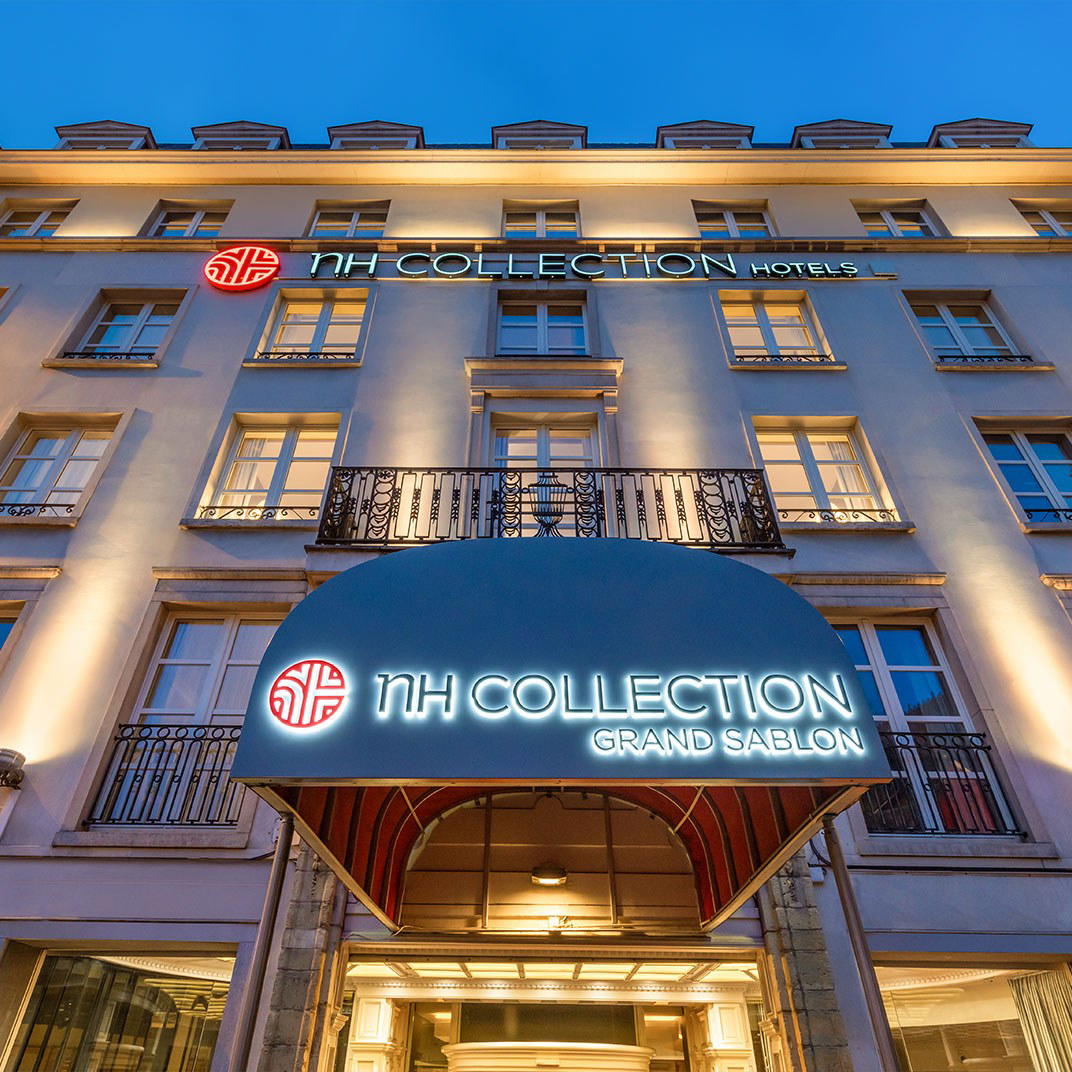
The anticipatory quality of service at properties in this category, where staff tend to work closer to a smaller guest population, often produces a more calibrated experience than volume hotels can sustain. It means that the interaction between guest and staff is more likely to be responsive to the individual stay than to a standardised script. For travellers who have spent time at properties like NH Collection Brussels Grand Sablon or La Plaza Brussels and found the experience slightly impersonal, this is the structural difference a smaller property offers. Properties like Ganda Rooms & Suites in Ghent, Botanic Sanctuary Antwerp, and Manoir de Lébioles in Liège each demonstrate that the country's hospitality offer is no longer dominated by the large international chains that shaped the sector through the 1990s and early 2000s. Design sensibility, neighbourhood integration, and a preference for smaller guest counts have become defining traits of a cohort that the MICHELIN hotel guide increasingly reflects in its selections. Harmon House sits in this trend rather than outside it.
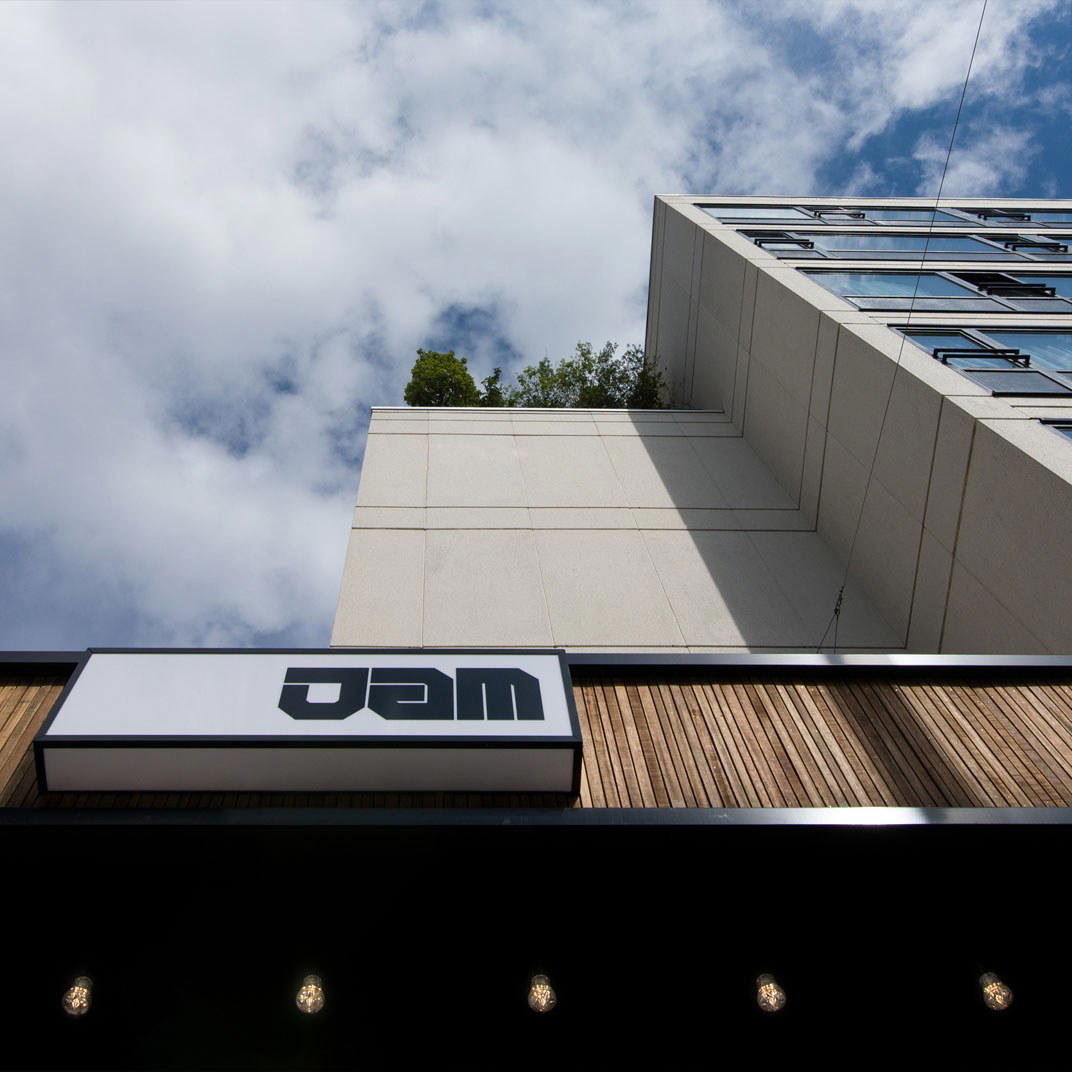
For those planning a wider Belgian itinerary, the contrast between Brussels's urban boutique offer and the rural or coastal alternatives is worth considering. Properties like Château Beausaint in La Roche-en-Ardenne, La Réserve Knokke-Heist, and Craves and JAM Hotel offer further points of reference in the city's more design-forward, independently minded hotel tier.
Cuisine Context
Comparable venues nearby, for context on price, style, and recognition.
| Venue | Cuisine | Price | Awards | Notes |
|---|---|---|---|---|
| Harmon HouseThis venue (the venue you are viewing) | Contemporary boutique mansion with members' club vibe | Not listed | Michelin Selected | Not listed |
| Made in Louise | Renovated 20th-century Brussels townhouse in Art Nouveau district | $100–200 | Michelin Selected | Louise |
| The Hoxton, Brussels | Contemporary design hotel blending corporate brutalism with playful 1970s nostalgia in a repurposed office tower. | $100–200 | Michelin Selected · Mr & Mrs Smith Seal of Approval | Northern Quarter (Saint-Josse-ten-Noode) |
| Zoom Hotel | Contemporary boutique in a townhouse with industrial-cosy charm. | $100–200 | Michelin Selected | Ixelles |
| Nhow Brussels Bloom | Contemporary art-inspired design hotel positioned as a creative social hub blending accommodation with cultural experiences and street food dining. | $100–200 | Michelin Selected | Botanique |
| Sofitel Brussels Europe | Luxury urban hotel with Belgian design flair | Not listed | Michelin Selected · World Luxury Hotel Awards WLHA Country Winner | European Quarter |
Recognition history
Dated appearances from independent guides and award organizations, with the underlying list record or original source where available.
Michelin Selected
Michelin
Continue exploring
More in Brussels
Hotels in Brussels
All hotels in Brussels →
Bars in Brussels
All bars in Brussels →
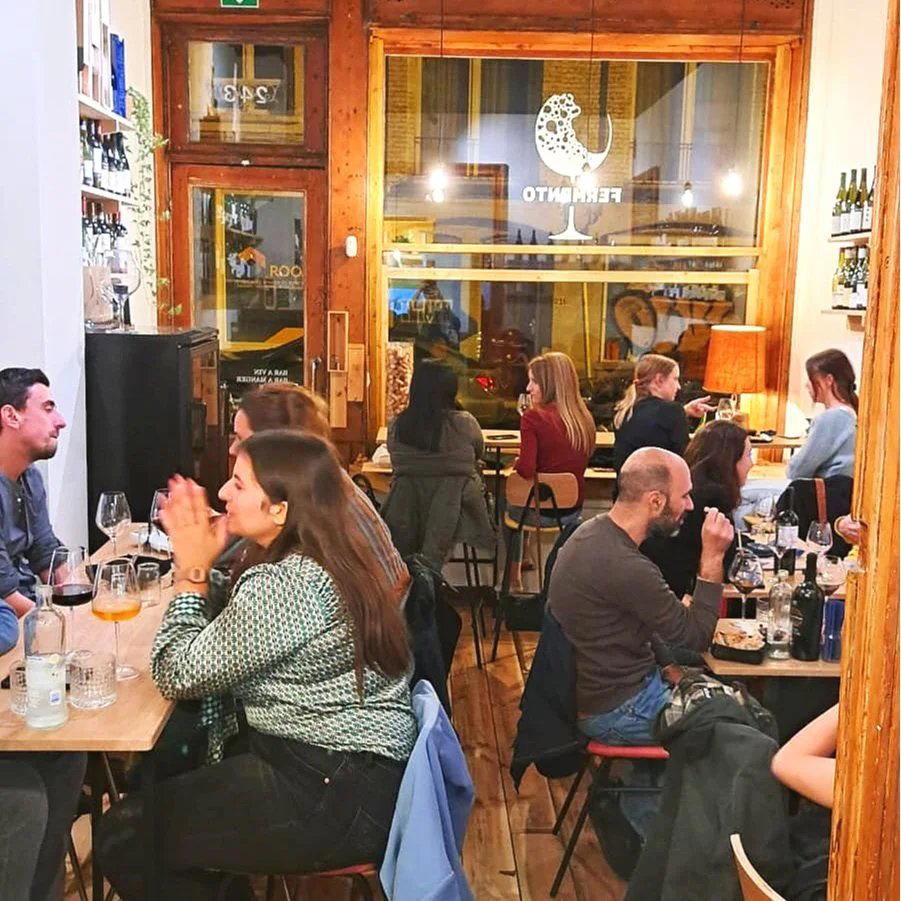
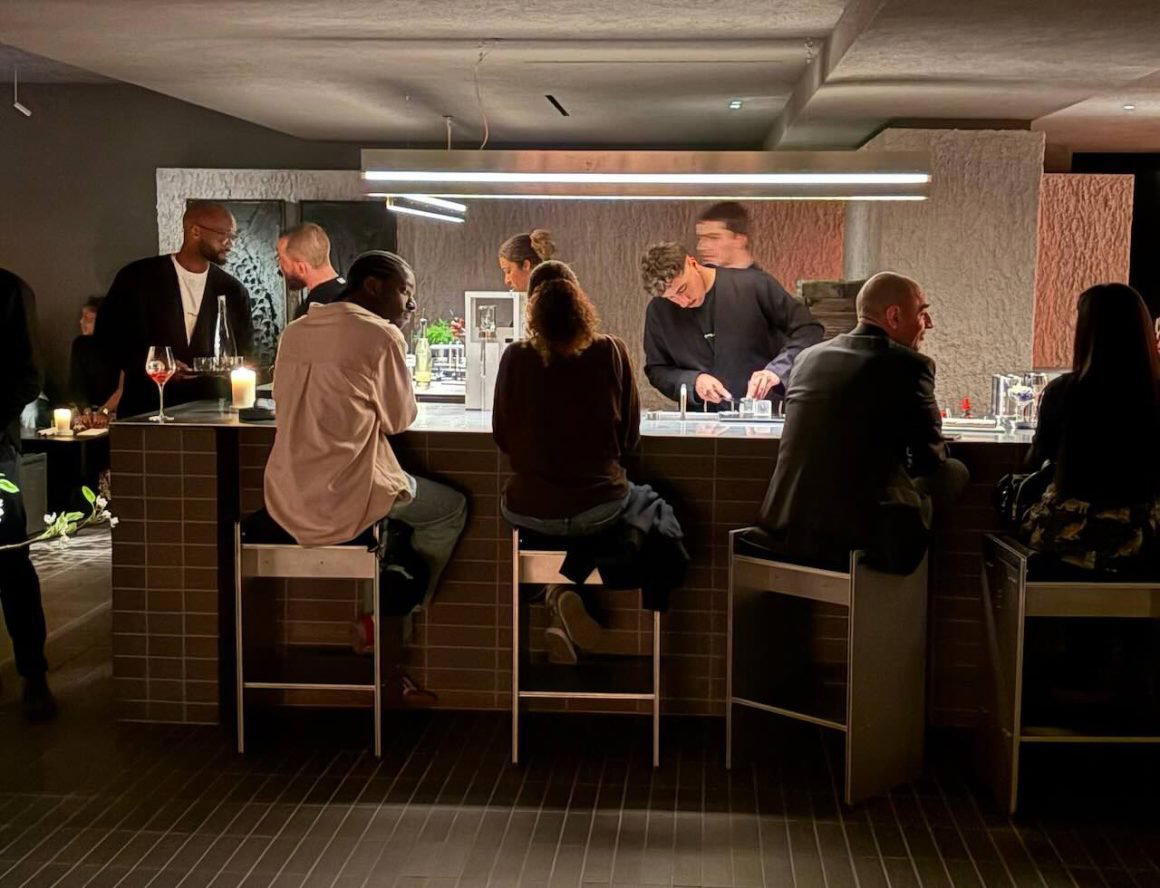
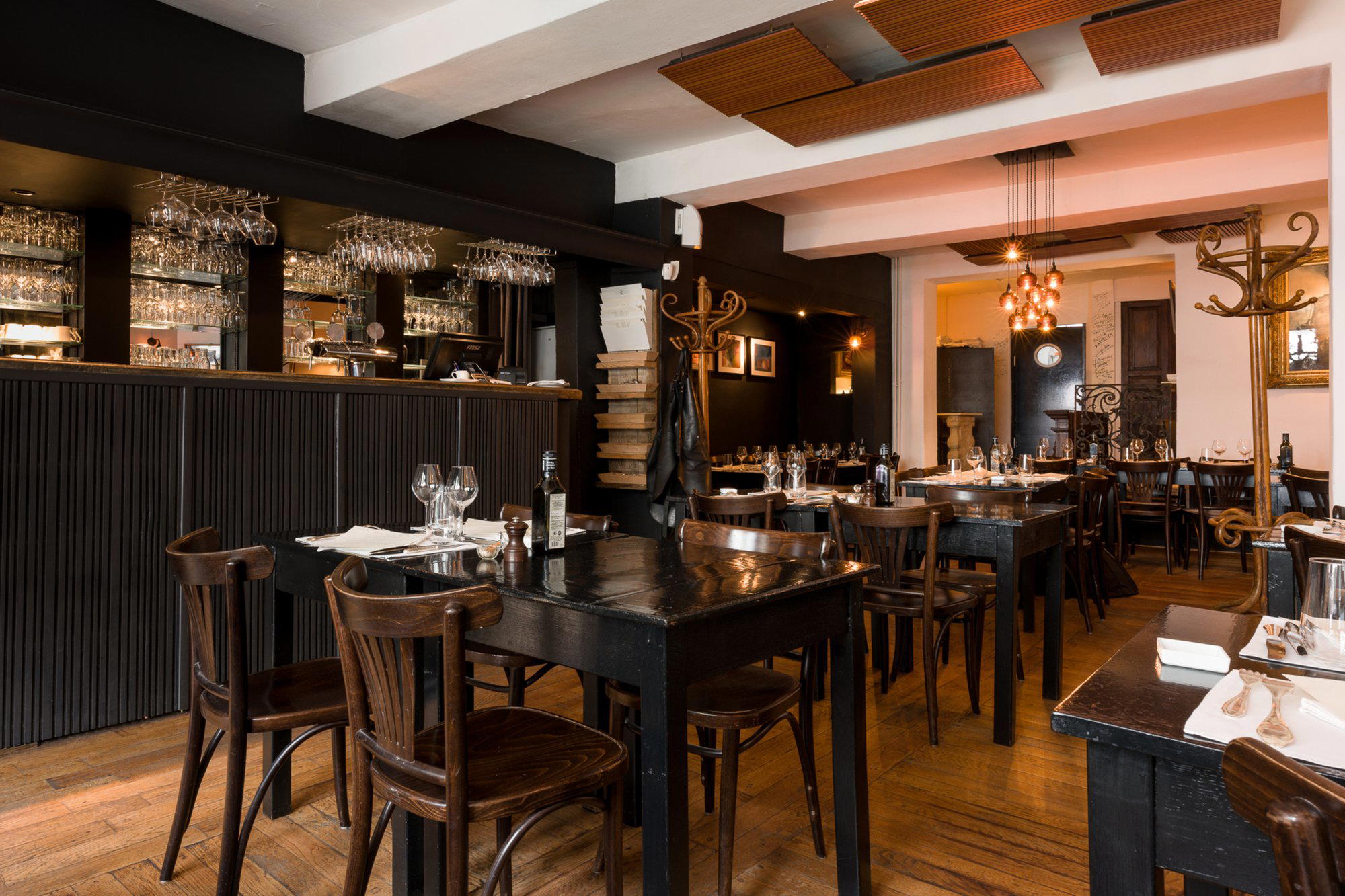
Restaurants in Brussels
All restaurants in Brussels →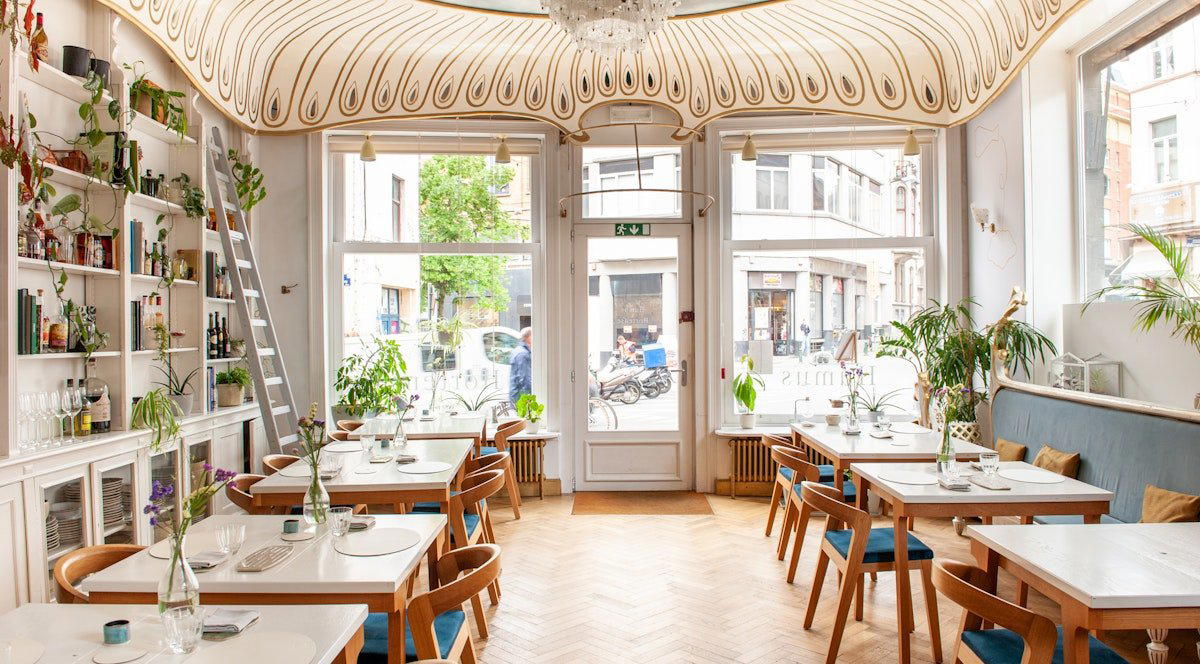
Wineries in Brussels
Browse all →
Details
- Modern
- Lively
- Cozy
- Elegant
- Sophisticated
- Romantic Getaway
- Business Trip
- Weekend Escape
- Wi Fi
- Pool
- Spa
- Sauna
- Hot Tub
- Fitness Center
- Bar
- Skyline
Modern design with warm, cozy atmosphere featuring color-balanced tones, hot and cold lighting, and lively social spaces blending co-working and entertainment.