't Parksken
't Parksken sits along the Geraardsbergsesteenweg in Oosterzele, a commune in the East Flemish countryside where rural character shapes the dining culture as much as any kitchen philosophy. The address places it within a small but serious local restaurant scene, alongside neighbours like De Keukentafel and Marlou, in a region where proximity to farmland and Flemish culinary tradition consistently inform what arrives at the table.
Pearl is the En Primeur Club membership app — saves, bookings, and concierge access live there. Same editors, same standards.
- Address
- Geraardsbergse steenweg 233, 9860 Oosterzele, Belgium
- Phone
- +3293625220
- Website
- parksken.be
- Directions
- Get directions
 Saves & bookings on Pearl
Where East Flanders Eats Close to the Source
The road between Oosterzele and Geraardsbergen runs through the kind of agricultural terrain that defines East Flanders at its most functional: gentle gradients, open fields, and villages that have never needed to announce themselves. 't Parksken sits at Geraardsbergse steenweg 233 in Oosterzele, and the address matters more than it might first appear. This is a part of Belgium where the gap between producer and plate is measured in kilometres rather than supply-chain steps, and where restaurants have built credibility through their relationship with what grows and grazes nearby.
What it has is a tightly defined local restaurant culture in which a handful of addresses earn their place through consistency and sourcing discipline rather than through positioning. 't Parksken occupies that terrain, alongside De Keukentafel and Marlou as part of a small scene that rewards visitors willing to come out from the larger Flemish cities for something more grounded.
The Flemish Countryside Sourcing Pattern
Belgium's most referenced fine-dining addresses tend to concentrate their sourcing stories around specific producer relationships, and the East Flemish tradition has long leaned on that framework. Restaurants in the Ghent hinterland and the agricultural belt running toward Geraardsbergen have had access to quality that larger urban operations often have to work harder to secure: small-scale vegetable growers, local dairy producers, and a poultry and pork tradition that predates any contemporary nose-to-tail rhetoric by several generations.
This matters for understanding what 't Parksken represents within its postcode. The address on the Geraardsbergse steenweg suggests a venue embedded in that agricultural context rather than one that has imported an urban dining model into a rural setting. Across Belgium, the restaurants that have built durable reputations in non-metropolitan locations, from Hof van Cleve in Kruishoutem to Willem Hiele in Oudenburg, have done so by treating geographic position as an asset rather than a limitation. The logic is consistent: proximity to producers shortens the chain, and a shorter chain tends to produce more honest cooking.
The broader Belgian fine-dining circuit demonstrates how geography shapes both sourcing and ambition. Boury in Roeselare and Zilte in Antwerp operate at the higher end of the national price tier, while countryside addresses in East Flanders tend to sit in a more accessible bracket, one that reflects lower overhead and a dining culture less oriented toward international visitors. Bartholomeus in Heist and Castor in Beveren demonstrate that serious cooking at this scale does not require a metropolitan postcode. The pattern holds in Wallonia too: L'air du temps in Liernu and La Table de Maxime in Our have both built their cases from rural positions, making the argument that Belgium's most interesting cooking is not concentrated in its capitals.
Reading the Oosterzele Scene
Within Belgium's wider restaurant geography, Oosterzele represents a specific type of dining address: the village restaurant that serves a local clientele with enough regularity and seriousness to warrant attention from visitors further afield. These are not destination restaurants in the imported sense, they do not rely on a visiting media cycle or an awards campaign for their continuity. They rely on being consistently worth the drive for people who know what they are looking for.
That model is common across the Flemish interior, and it produces a distinctive dining register: less theatrical than the Michelin-chasing addresses in Ghent or Brussels, more attentive to seasonal rhythm than most urban menus can sustain, and priced in a way that reflects the economics of cooking for a regular local base rather than an expense-account audience. Oosterzele operates under different assumptions entirely.
Venues like De Jonkman in Sint-Kruis, La Durée in Izegem, and d'Eugénie à Emilie in Baudour each illustrate how Belgian regional cooking holds its own against the country's better-publicised addresses. Le Chalet de la Forêt in Uccle anchors a different tier again: a Brussels forest-edge address with a long critical record. The range suggests that Belgium's dining culture is more geographically distributed than its Michelin star count in any single city might imply. Internationally, the precision-driven sourcing models at Le Bernardin in New York City and the produce-first approach at Atomix reflect a different scale of operation, but the underlying discipline, knowing where the ingredient comes from and why it matters, is the same instinct that drives the better Flemish countryside kitchens.
Planning a Visit
The restaurant is located at Geraardsbergse steenweg 233 in Oosterzele, reachable by car from Ghent in under twenty minutes and from Brussels in roughly forty-five. Oosterzele has no rail station, so a car is the practical choice for most visitors. The local restaurant scene is small enough that a single closed evening affects options significantly.
Comparable Venues
Comparable venues nearby, for context on price, style, and recognition.
| Venue | Cuisine | Price | Notes |
|---|---|---|---|
| 't ParkskenThis venue — the venue you are viewing | French-Belgian Gastronomic | $$$$ | Not listed |
| Marlou | French-Belgian Brasserie | $$ | Oosterzele |
| De Keukentafel | Organic Farm-to-Table Fine Dining | $$$ | Oosterzele |
| Nic's | Contemporary French-Belgian Fine Dining | $$$$ | Hageland |
| Anobesia | French-Belgian Seasonal Fine Dining | $$$$ | Affligem |
| EST | Modern French Fine Dining | $$$$ | Heverlee |
Continue exploring
More in Oosterzele
Restaurants in Oosterzele
Browse all →
Bars in Oosterzele
Browse all →
At a Glance
- Elegant
- Sophisticated
- Special Occasion
- Business Dinner
- Open Kitchen
- Extensive Wine List
Current opening hours
- Monday
- Closed
- Tuesday
- Closed
- Wednesday
- 12–2 PM, 7–9:30 PM
- Thursday
- 12–2 PM, 7–9:30 PM
- Friday
- 12–2 PM, 7–9:30 PM
- Saturday
- 12–2 PM, 7–9:30 PM
- Sunday
- 12–2:30 PM
Hours can change for holidays and private events. Last verified .
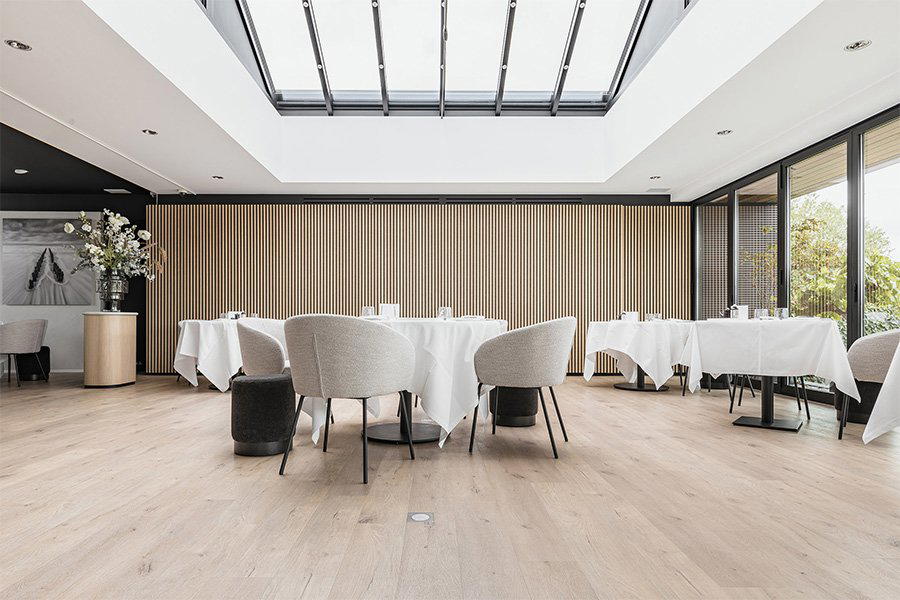
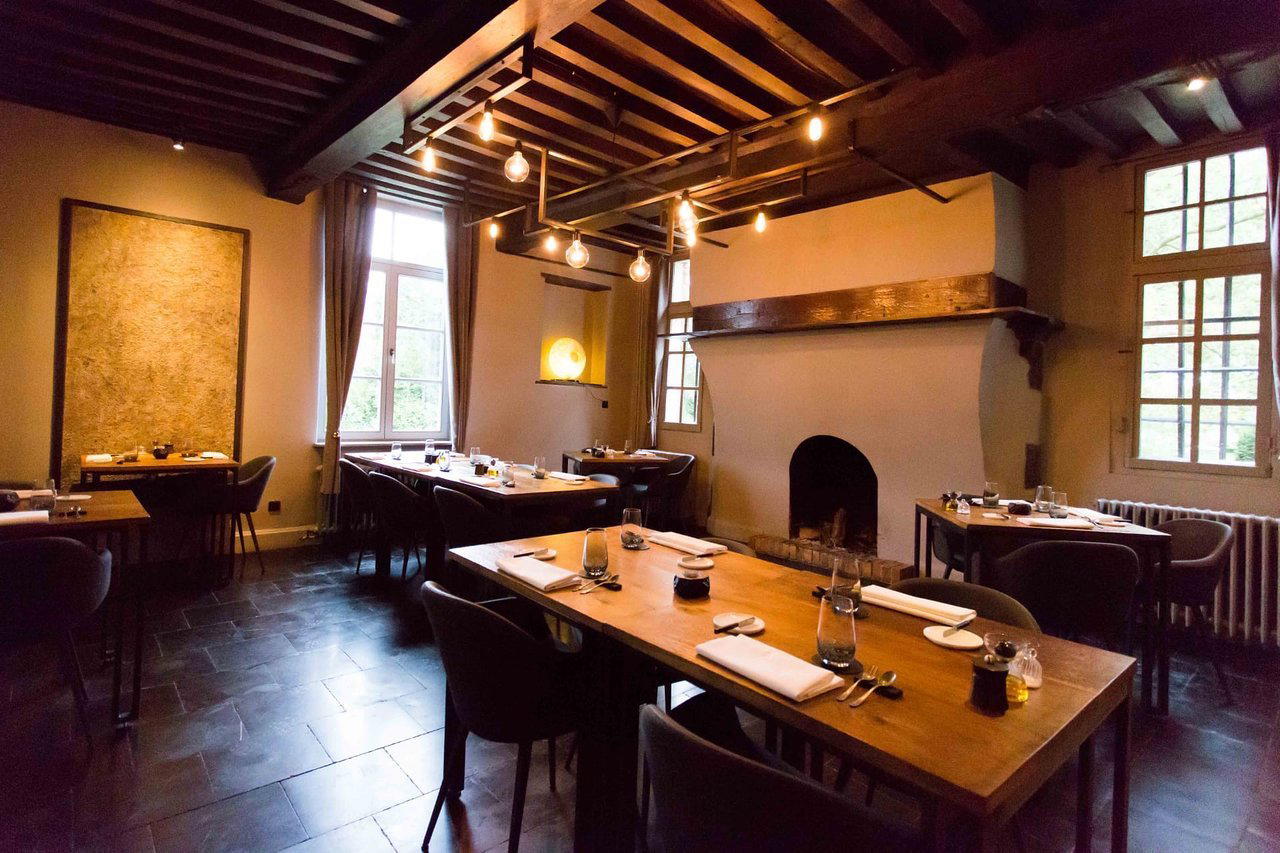
Attentive service in a classic gastronomic setting with product-driven amuses and generous portions.