Le Lapin Sauté
Le Lapin Sauté occupies among the more recognizable addresses in Old Quebec, 52 Rue du Petit Champlain, at the foot of the funicular and deep in the pedestrian quarter that defines the city's tourist circuit. The restaurant has built a steady reputation among visitors and locals for traditional Quebec cooking in a setting that leans hard into the charm of the Lower Town. Plan ahead: walk-ins are rarely direct in this part of the city, particularly in high season.
Pearl is the En Primeur Club membership app — saves, bookings, and concierge access live there. Same editors, same standards.
- Address
- 52 Rue du Petit Champlain, Québec, QC G1K 4H4, Canada
- Phone
- +14186925325
- Website
- lapinsaute.com
- Directions
- Get directions
 Saves & bookings on Pearl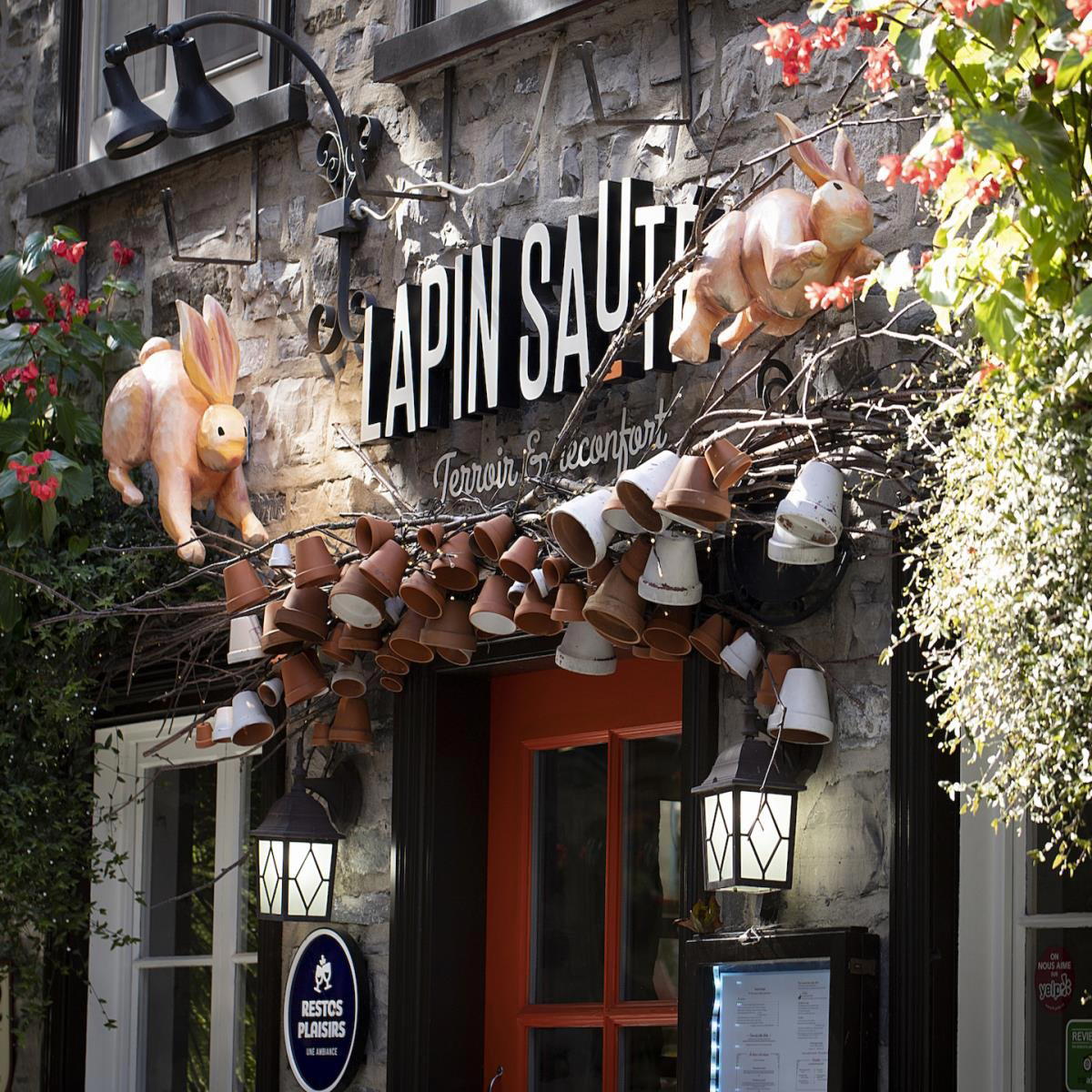
Where Petit Champlain Places You Before You Even Sit Down
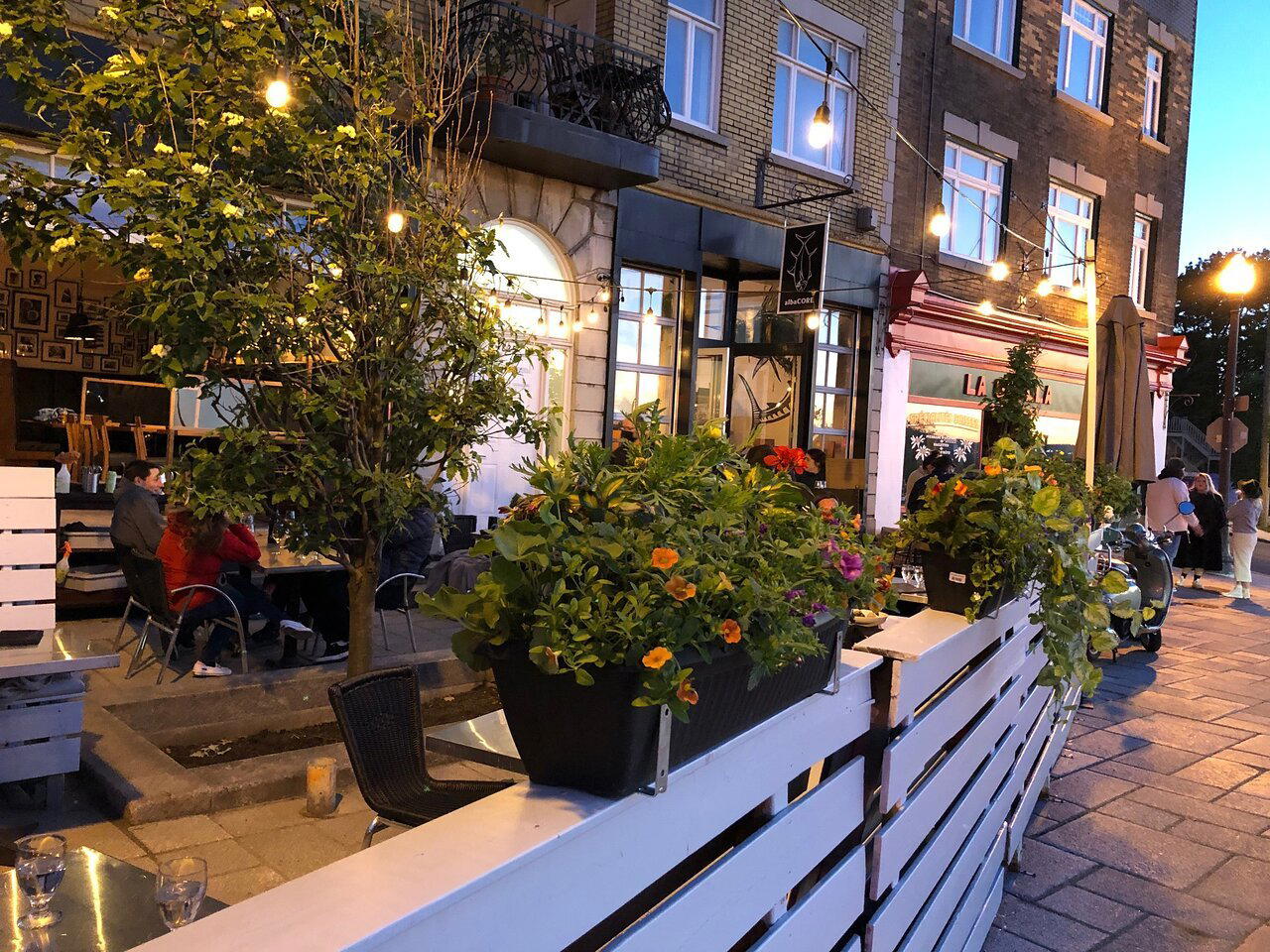
Rue du Petit Champlain operates as among the more compressed hospitality corridors in Canada. The street runs narrow and steep below the cliff face of Cap Diamant, its stone facades and wrought-iron lanterns doing exactly what the postcard version of Quebec City promises. Le Lapin Sauté sits at 52 Rue du Petit Champlain, well within the pedestrian core, which means arriving on foot from the funicular or the breakneck staircase of l'Escalier Casse-Cou (Breakneck Steps). That approach, cobblestones underfoot, the Upper Town visible above the cliff edge, frames the meal before it begins. Few dining addresses in Canada front-load atmosphere so efficiently, and that context matters when understanding why this address draws the volume it does.
The Lower Town's dining scene has historically skewed toward tourist comfort rather than culinary ambition, with a handful of exceptions. Le Lapin Sauté occupies a middle ground between the heritage set-piece restaurants like Aux Anciens Canadiens, which leans into costumed service and 17th-century tradition, and the more contemporary kitchens that have emerged in the Saint-Roch district and along the Upper Town. That positioning gives it a particular usefulness for visitors who want Quebec cooking with neighbourhood character, without committing to a formal tasting format.
What Petit Champlain Traffic Actually Means for Booking
This stretch of Rue du Petit Champlain is among the highest-footfall pedestrian zones in the province, particularly from late June through the Quebec Winter Carnival in February, when the Lower Town fills with visitors doing both the summer festival circuit and the ice sculpture circuit. Demand for tables across every restaurant on this street spikes sharply during those windows.
Walk-in prospects depend heavily on the time of year and the time of day. In peak summer, the restaurant draws steady foot traffic simply by virtue of location, passers-by convert to diners at a rate that keeps tables occupied. Off-season or at shoulder hours (early lunch, late dinner), the picture changes. The sensible approach for visitors with a fixed itinerary is to treat a reservation as non-optional during July, August, and the Winter Carnival period.
By comparison, the city's more technically ambitious rooms operate on different booking timelines. Tanière³, which runs one of Quebec City's most discussed creative tasting formats, books substantially further ahead. ARVI operates in a similar stratum, where reservation lead times are measured in weeks rather than days. Kebec Club Privé and Laurie Raphaël sit in the upper tier of the city's dining hierarchy, where format, price, and prestige collectively extend lead times. Le Lapin Sauté operates at a more accessible register, which keeps its booking window shorter, but that does not mean availability is reliable during peak season without planning.
The Restaurant in Its Competitive Context
Quebec City's dining scene has developed two distinct tracks over the past decade. One runs through the gastronomy-focused rooms of Saint-Jean-Baptiste, Saint-Roch, and the Upper Town, where chefs trained in international kitchens have built menus that compete with Montreal's more publicised restaurant culture, the kind of ambition you find at Jérôme Ferrer's Europea in Montreal or at Alo in Toronto. The other track runs through heritage Quebec cooking anchored in the tourist corridors, leaning on tourtière, sugar pie, pea soup, and braised meats as reference points for visitors encountering the province's food culture for the first time.
The restaurant belongs closer to the second track. That is not a criticism. The demand for approachable traditional Quebec cooking in a high-atmosphere setting is genuine, and the restaurant's longevity on a competitive street is its own credential. Auberge Saint-Antoine serves a similar audience but operates at a higher price tier within a hotel context. The gap between these two options illustrates how Quebec City's Old Town hospitality market has stratified: heritage experience available at multiple price points, with atmosphere as the common denominator.
Visitors calibrating their Quebec City itinerary against broader Canadian dining options might note that the province's most technically serious cooking now extends well beyond the city. Narval in Rimouski has built a profile that punches well above its city's size. Restaurant Pearl Morissette in Lincoln and Eigensinn Farm in Singhampton represent the rurally-anchored end of Canadian fine dining, where destination logic overrides convenience. AnnaLena in Vancouver and The Pine in Creemore show how regional Canadian cooking has spread across format types. The restaurant is not competing in that register, its competition is the next-door table on Rue du Petit Champlain.
Planning a Visit: What to Know Before You Go
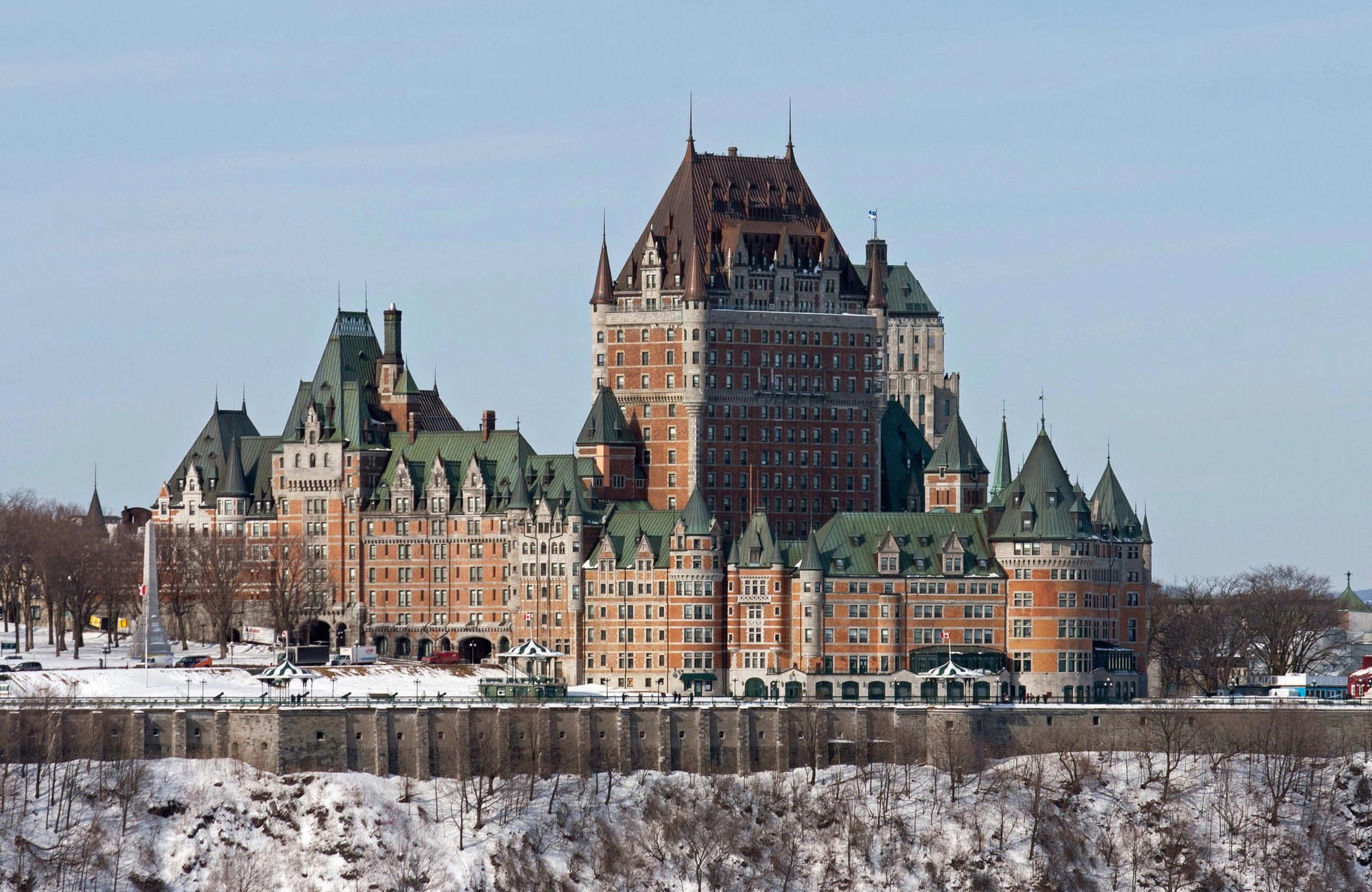
The address at 52 Rue du Petit Champlain is pedestrian-only, which means arriving by car requires parking in the Lower Town and walking in. The funicular from the Upper Town deposits you at the summit of Rue du Petit Champlain in under two minutes and runs regularly throughout the day and evening, making it one efficient route from Place d'Armes or the Château Frontenac area. Walking the Breakneck Steps from Rue du Petit Champlain to Rue du Trésor takes roughly three to four minutes and is especially atmospheric exit after dinner, though it requires reasonable footing on uneven stone.
For visitors building a multi-day Quebec City itinerary, the Lower Town and Petit Champlain work well as a lunch or early-evening destination, before peak dinner rush compresses the narrow street with foot traffic. The Upper Town's restaurant options, including the more ambitious rooms, are easier to access after dark for those staying in the Old City.
- Rabbit Cassoulet
- Maple Syrup Crème Brûlée
- Cheese Fondue
- French Onion Soup
- Tout Lapin/Tout Canard Platter
- Rabbit Rillettes
Quick Comparison
Comparable venues nearby, for context on price, style, and recognition.
| Venue | Cuisine | Price | Notes |
|---|---|---|---|
| Le Lapin SautéThis venue — the venue you are viewing | Traditional French-Canadian Game Cuisine | $$ | Not listed |
| Bistro St-Malo | Traditional French Bistro with Mediterranean Touch | $$ | Vieux-Québec, Cap-Blanc, Colline parlementaire |
| Que Sera Sera | French-Canadian Bistro | $$ | Vieux-Québec, Cap-Blanc, Colline parlementaire |
| Ciel | Modern French Bistro with Quebec Influences | $$$ | Vieux-Québec, Cap-Blanc, Colline parlementaire |
| Le Bedeau | Modern French Wine Bar Tapas | $$$ | Vieux-Québec, Cap-Blanc, Colline parlementaire |
| Nina Pizza Napolitaine St-Roch | Authentic Neapolitan Pizza | $$ | Saint-Roch |
Continue exploring
More in Quebec City
Restaurants in Quebec City
Browse all →
Bars in Quebec City
Browse all →

At a Glance
- Cozy
- Rustic
- Classic
- Intimate
- Whimsical
- Date Night
- Group Dining
- Family
- Casual Hangout
- Brunch
- Terrace
- Historic Building
- Standalone
- Extensive Wine List
- Local Sourcing
Current opening hours
- Monday
- 11 AM–9 PM
- Tuesday
- 11 AM–9 PM
- Wednesday
- 11 AM–9 PM
- Thursday
- 11 AM–9 PM
- Friday
- 11 AM–9 PM
- Saturday
- 10 AM–9 PM
- Sunday
- 10 AM–9 PM
Hours can change for holidays and private events. Last verified .
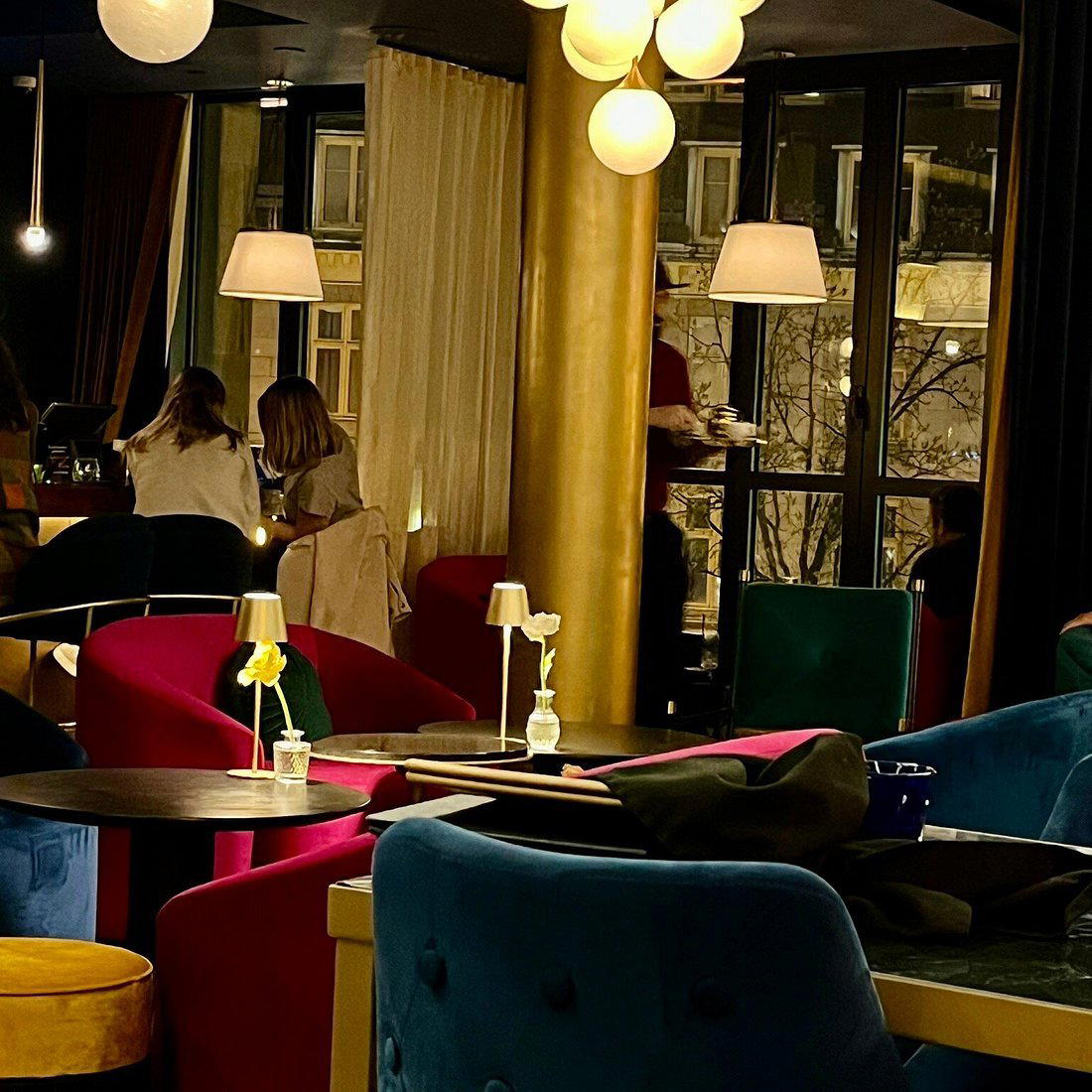
Warm European ambience with a crisply burning fireplace, soothing French ballads, rustic countryside décor with rabbit-themed elements, and Parisian café-style seating that evokes a family-friendly French-Canadian setting from the last century.