Bistro St-Malo
Our verdict
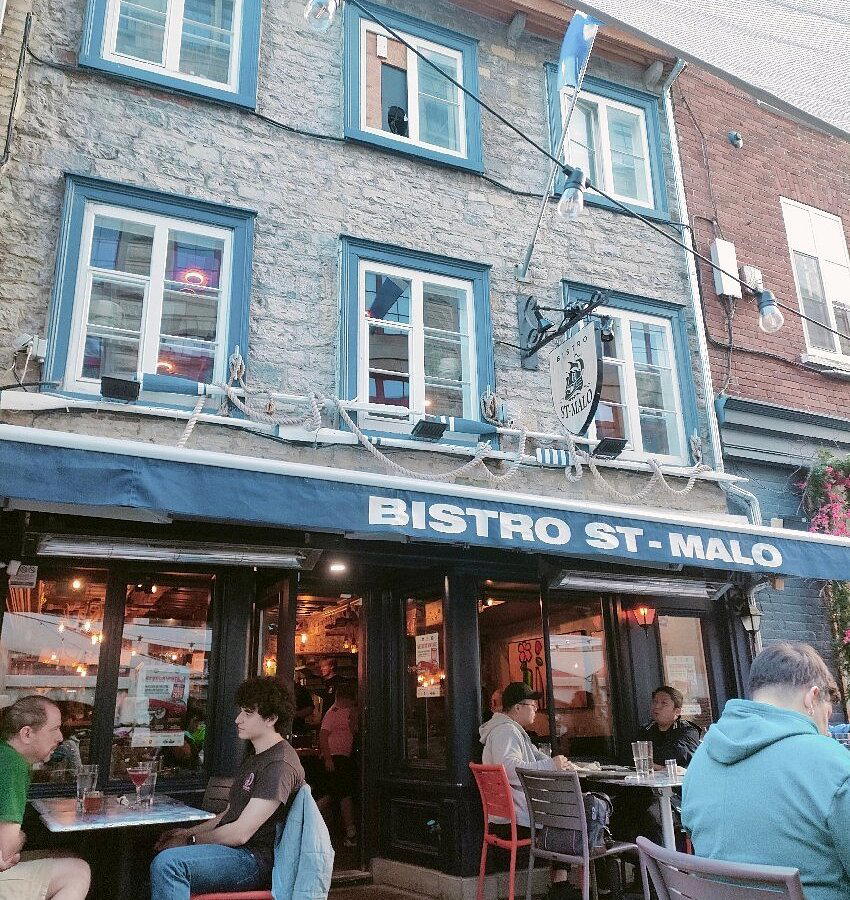
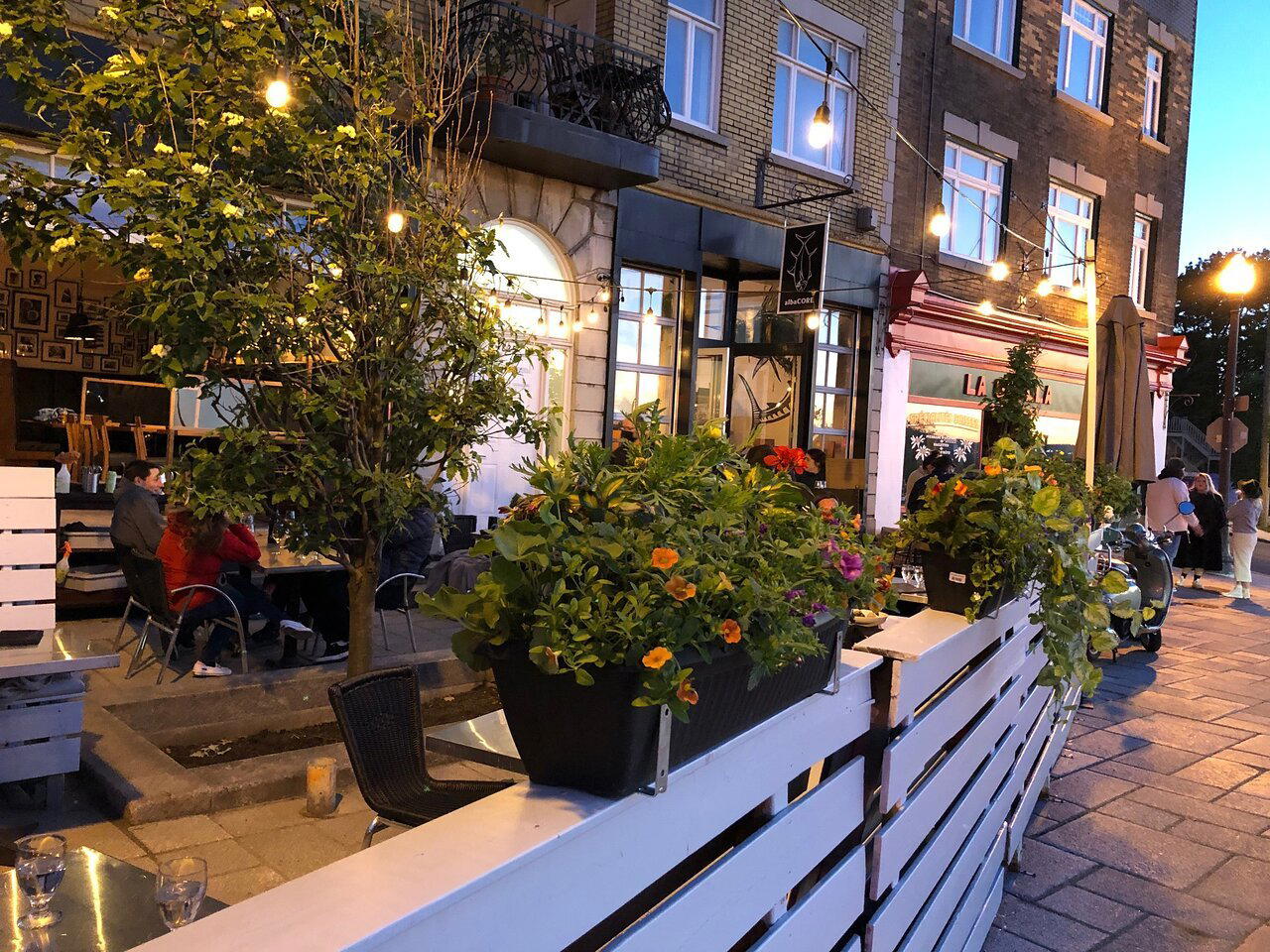
Bistro St-Malo serves traditional French bistro cooking with a Mediterranean touch in a historic building on Rue Saint-Paul, with terrace seating and street-scene views.

Pearl is the En Primeur Club membership app — saves, bookings, and concierge access live there. Same editors, same standards.
- Address
- 75 Rue Saint-Paul, Québec, QC G1K 3V8, Canada
- Phone
- (418) 692-2004
- Hours
- Mon–Tue ClosedWed–Sun 5–8:30 PM
- Website
- bistrostmalo.com
- Directions
- Get directions
- Booking
- Book on the venue's website
The menu
What to order
- Duck confit
- Cassoulet
- Steak frites
- Mussels
- Beef cheeks
- Seafood stew
Rue Saint-Paul and the Old Port Bistro Tradition
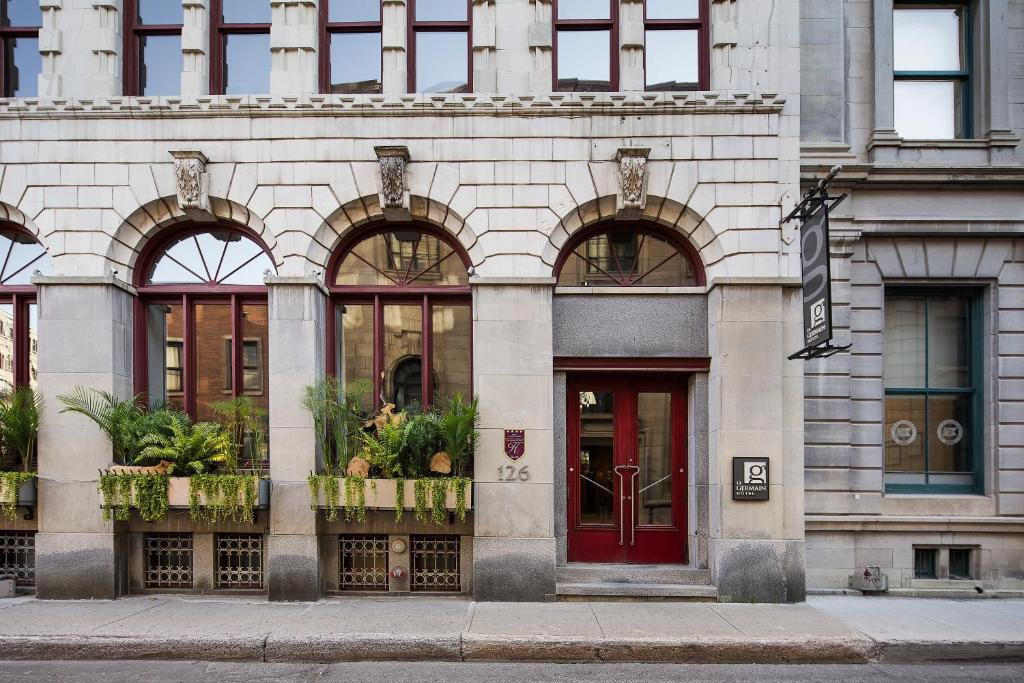
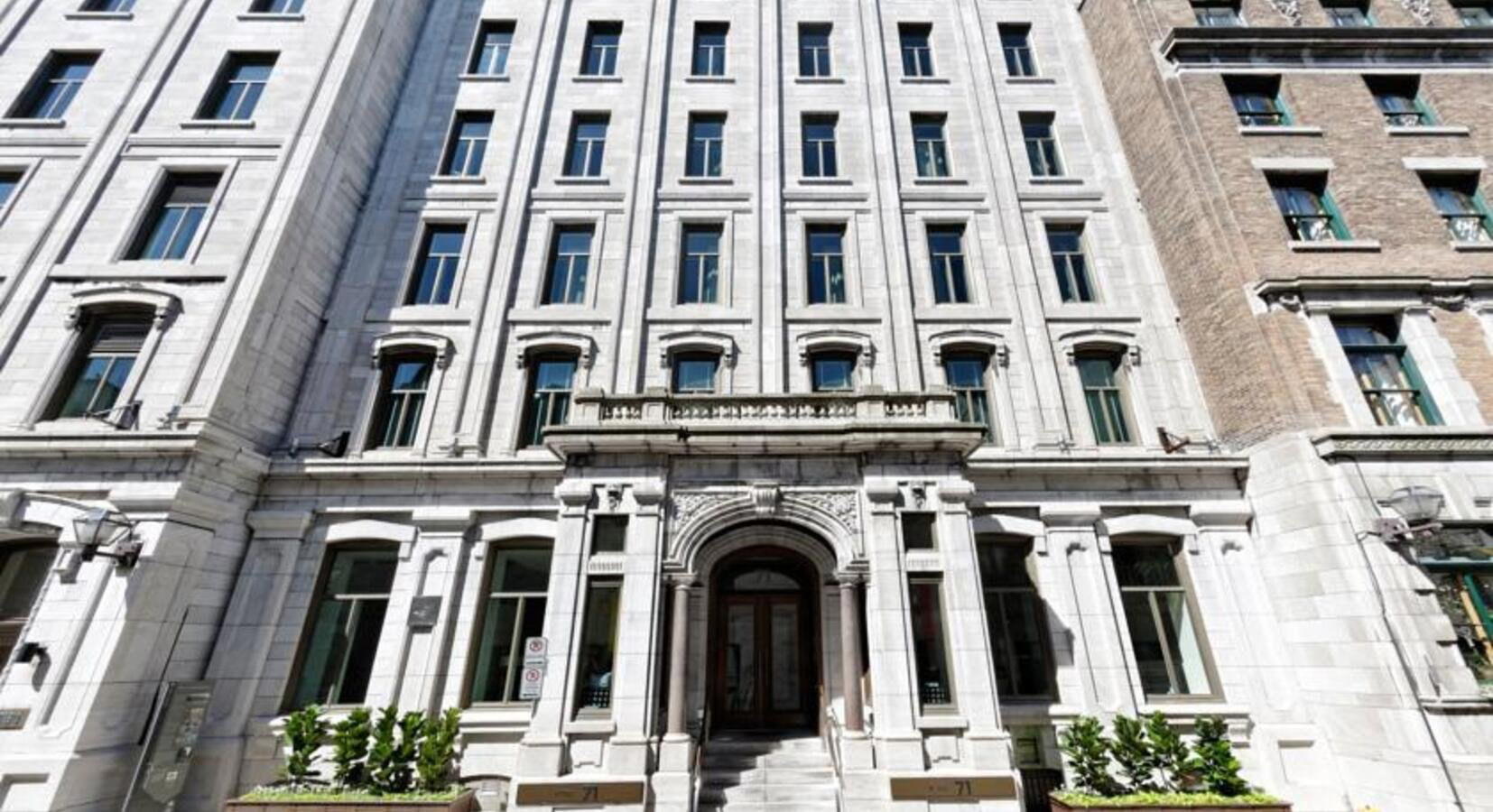
Rue Saint-Paul runs along the lower edge of Old Quebec, a street where stone warehouses converted into restaurant spaces carry the weight of centuries of river trade. The address at number 75 places Bistro St-Malo squarely in that corridor, a stretch where the architectural fabric alone does editorial work before a single plate arrives. In a city where the division between Haute-Ville and Basse-Ville structures everything from real estate to restaurant ambition, this lower-town positioning carries meaning: it aligns the bistro with the neighbourhood's more informal, market-adjacent tradition rather than with the formal dining rooms that occupy the upper city near the Chateau.
Quebec City's dining scene has matured considerably over the past decade. The city now sustains a top tier of ambitious restaurants — Tanière³ in its subterranean creative register, ARVI working through a modern tasting format at the $$$$ level — alongside a broader mid-market of neighbourhood bistros and regional tables. Bistro St-Malo occupies the Basse-Ville's bistro tier, where the expectation is honest cooking tied to season and place rather than elaborate technique for its own sake.
The French-Quebec Bistro as Cultural Form
The bistro format in Quebec carries a different charge than it does in France. In Paris, the bistro is a category under pressure, squeezed between brasserie volume and neo-bistro ambition. In Quebec City, it functions as a keeper of a particular culinary identity: French technique filtered through the St. Lawrence watershed, where game, root vegetables, maple, and river fish have shaped a regional palate that doesn't map neatly onto European precedent.
The name itself signals orientation. Saint-Malo is the walled Breton port from which Jacques Cartier departed in 1534, the literal embarkation point of the French colonial relationship with this territory. Naming a bistro after that city of origin is a cultural statement about lineage, about the Atlantic crossing that sits at the base of Quebec's French identity. It is not nostalgia so much as acknowledgment: the food traditions here have roots that run from Brittany and Normandy through four centuries of adaptation to a harsher, wilder climate and a more demanding larder.
That lineage shows up consistently in Quebec's stronger bistros: charcuterie built around local pork and game, bread that takes sourdough fermentation seriously, sauces that honor the French mother-sauce tradition without being enslaved to it, and an approach to dairy, particularly aged local cheeses and Quebec butter, that positions the province's producers as central rather than peripheral. Auberge Saint-Antoine, operating at a higher price point with Canadian cuisine as its explicit frame, represents one end of this tradition. A street-level bistro on Rue Saint-Paul represents another: less formal, more daily, equally rooted.
Where Bistro St-Malo Sits in the Quebec City Scene
Quebec City's competitive restaurant set has grown more defined in recent years. At the upper end, places like Kebec Club Privé and Laurie Raphaël operate in a register of deliberate elaboration, where tasting menus and extensive wine programs position them against Canada's broader fine-dining circuit. Chez Boulay - Bistro Boréal, at the $$ tier, has built its identity explicitly around boreal pantry ingredients. Le Clan works a regional cuisine framework at $$$. Bistro St-Malo on Rue Saint-Paul sits within this spectrum as a Basse-Ville address, where proximity to the Old Port's foot traffic and the street's own hospitality density create a particular kind of dining energy, more spontaneous than the upper-city institutions, more embedded in the neighbourhood's daily rhythm.
For visitors orienting within the Quebec City scene, the useful comparison is to understand what the Basse-Ville bistro format offers that higher-tier venues do not: the possibility of arriving without months of advance planning, a price register calibrated for repeat visits rather than special occasions, and a physical environment shaped by the stone and timber of genuinely old commercial buildings rather than designed renovation. These are not small distinctions. Canada's more ambitious dining addresses, Alo in Toronto, Restaurant Pearl Morissette in Lincoln, AnnaLena in Vancouver, require forward planning and commitment. A well-run street bistro in Old Quebec requires only the decision to turn up.
The Seasonal Logic of Old Quebec Dining
Rue Saint-Paul's bistros operate under the pressure of Quebec City's tourism calendar in a way that shapes their year considerably. Summer brings the city's largest crowds, concentrated in the weeks around the Festival d'été and the shoulder months of June and September. Winter, which in Quebec is a genuine climatic event rather than a mild inconvenience, thins the tourist population but sustains a local dining culture that leans heavily into warming preparations: braises, gratins, game dishes, and the kind of stock-based cooking that takes cold weather as its premise rather than its obstacle.
For a visitor, the winter visit to Old Quebec's Basse-Ville bistros offers a different city than summer does: less crowded, more local in its rhythm, and often more honest in its cooking priorities. The summer menu must satisfy a wider range of expectations. The winter menu can afford to commit to the region's actual seasonal logic. This is true across Quebec's bistro tier, from the Rue Saint-Paul corridor to establishments like Narval in Rimouski along the lower St. Lawrence, where the relationship between season and plate is even more direct.
Quebec's broader dining ambition also connects outward to Canada's most geographically committed restaurants, Eigensinn Farm in Singhampton, Fogo Island Inn Dining Room in Joe Batt's Arm, where the argument for place-driven cooking is made with the same insistence, if through very different formats and price registers.
Planning a Visit
Bistro St-Malo is at 75 Rue Saint-Paul in Quebec City's Basse-Ville, within walking distance of the Old Port waterfront and the funicular connecting the lower and upper cities. Rue Saint-Paul is a restaurant-dense street, which means that if timing or availability doesn't align with one address, adjacent options exist within a short walk. Current booking details, hours, and pricing are best confirmed directly through the venue or through our full Quebec City restaurants guide, which maps the city's dining options across price tiers and neighbourhoods. For reference on what Quebec City's higher-ambition tables look like at the same address type, Jérôme Ferrer's Europea in Montreal and Le Bernardin in New York City represent the French-technique tradition operating at its most formal North American register, useful benchmarks for understanding how much interpretive range exists within that single culinary lineage.
For visitors spending multiple days in Quebec City, a meal on Rue Saint-Paul fits naturally alongside the city's other Basse-Ville experiences: the Marché du Vieux-Port, the antique dealers and galleries that share the street with its restaurants, and the particular quality of evening light on the river-facing side of the old city. The The Pine in Creemore, Cafe Brio in Victoria, and Busters Barbeque in Kenora each demonstrate how Canada's regional dining traditions operate at the neighbourhood scale, Bistro St-Malo belongs in that same conversation about place-committed cooking outside the country's main metropolitan cores. The address alone, on one of Old Quebec's most established hospitality streets, positions this as a natural stop for anyone spending time in the Basse-Ville.
Frequently asked questions
How do I find Bistro St-Malo?
Bistro St-Malo is located at 75 Rue Saint-Paul, Québec, QC G1K 3V8, Canada, Quebec City.
How does Bistro St-Malo fit into the broader Rue Saint-Paul dining scene in Quebec City?
Rue Saint-Paul functions as one of Quebec City's most concentrated stretches of restaurant-converted heritage architecture, with stone buildings that date to the 18th-century merchant trade lining the lower edge of Basse-Ville. Bistro St-Malo at number 75 sits within this corridor, placing it in direct conversation with the other French-Quebec bistros and casual dining rooms that have made the street a consistent draw for both locals and visitors to Old Quebec. The street's identity as a dining destination is shaped as much by its physical fabric as by any individual kitchen.
What's the best thing to order at Bistro St-Malo?
Without a current published menu on record, the safest approach is to ask your server what is running from local seasonal suppliers that week. Quebec City bistros on Rue Saint-Paul tend to anchor their menus around what is arriving from the Laurentian and Charlevoix regions, so the kitchen's daily specials usually reflect that supply chain more honestly than the printed card.
What's the best way to book Bistro St-Malo?
Bistro St-Malo is located at 75 Rue Saint-Paul in Quebec City's Basse-Ville. No dedicated booking platform or phone number is listed in current directories, so arriving directly or checking for a reservation link on any active social media presence is the practical route. Old Port bistros at this address tier tend to fill quickly on Friday and Saturday evenings, particularly during the summer tourism peak.
What's the standout thing about Bistro St-Malo?
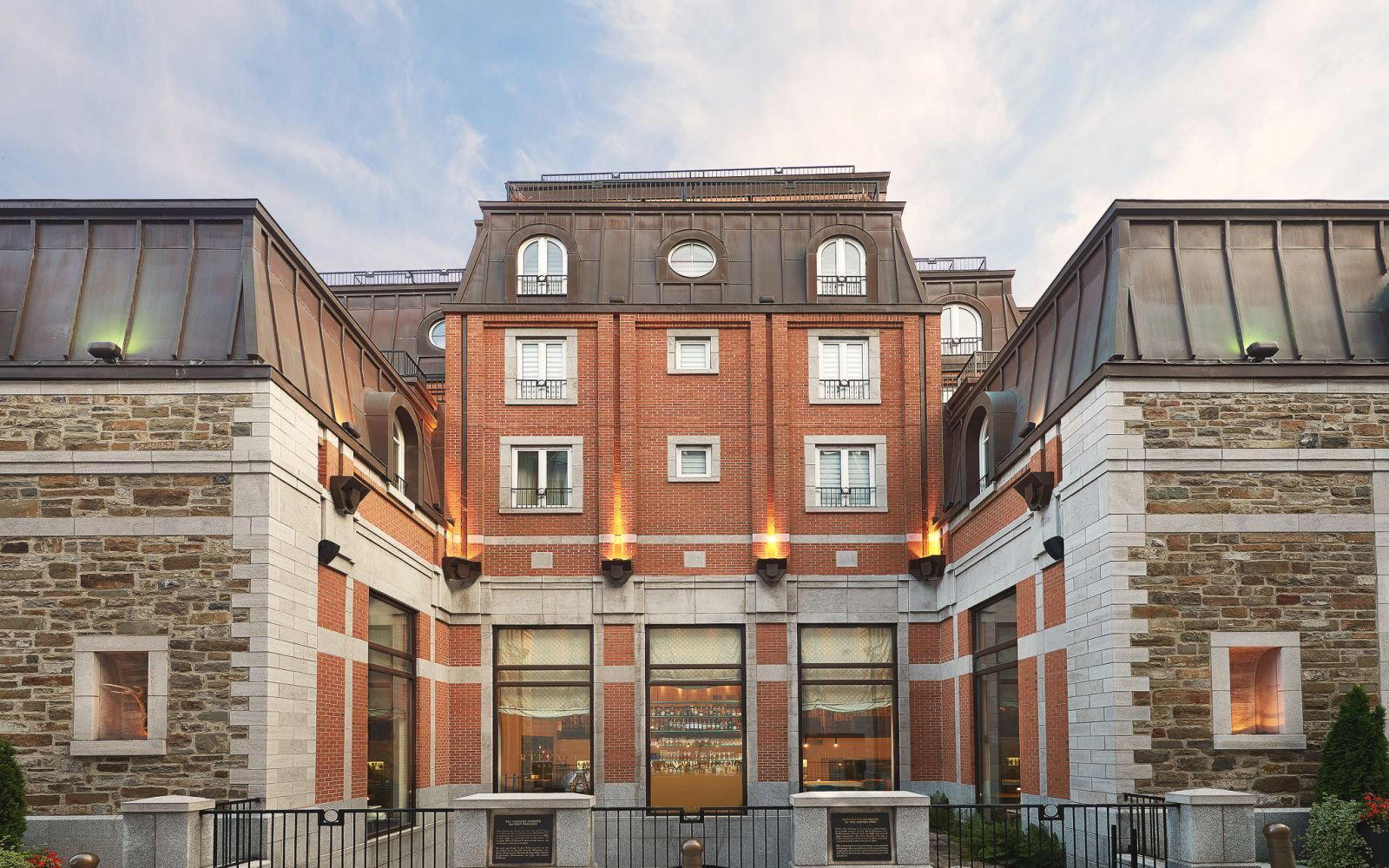
The address itself carries considerable weight. Rue Saint-Paul's converted stone warehouse buildings give Bistro St-Malo a physical context that newer restaurant districts in Quebec City cannot replicate. Among the French-Quebec bistros operating in Basse-Ville, the combination of Old Port proximity and the architectural character of the street sets the room apart before the food arrives.
Is Bistro St-Malo good for vegetarians?
No menu is publicly documented for Bistro St-Malo, so a definitive answer on vegetarian coverage is not possible here. It is worth calling ahead or checking their current menu before visiting, as Quebec City bistros in this neighbourhood vary considerably in how they handle plant-forward options depending on the season and the chef's sourcing priorities.
Is Bistro St-Malo worth it?
For visitors staying in or near Old Quebec, the Rue Saint-Paul location at number 75 puts Bistro St-Malo within walking distance of the Old Port waterfront and the funicular to the Upper Town, which makes it a logical choice on geographic grounds alone. Whether the cooking justifies the visit depends on what the kitchen is running at the time; no awards or price tier are currently documented, so expectations should be calibrated to the neighbourhood's general bistro register rather than a flagship dining destination.
Cost Snapshot
Comparable venues nearby, for context on price, style, and recognition.
| Venue | Cuisine | Price | Awards | Notes |
|---|---|---|---|---|
| Bistro St-MaloThis venue — the venue you are viewing | Traditional French Bistro with Mediterranean Touch | $30–50 | Not listed | Not listed |
| Le Lapin Sauté | Traditional French-Canadian Game Cuisine | $30–50 | Not listed | Vieux-Québec, Cap-Blanc, Colline parlementaire, Traditional French-Canadian Game Cuisine |
| Que Sera Sera | French-Canadian Bistro | $30–50 | Not listed | Vieux-Québec, Cap-Blanc, Colline parlementaire, French-Canadian Bistro |
| Graffiti | French-Italian Fine Dining | $50–100 | Not listed | Montcalm, French-Italian Fine Dining |
| Le Bedeau | Modern French Wine Bar Tapas | $50–100 | Star Wine List | Vieux-Québec, Cap-Blanc, Colline parlementaire, Modern French Wine Bar Tapas |
| CAFÉLIA | Café | Not listed | Not listed | Saint-Louis, Café |
Continue exploring
More in Quebec City
Restaurants in Quebec City
Browse all →
Bars in Quebec City
Browse all →

Bistro St-Malo
The wine
- Wine program
- Curated wine list
- Extensive wine list
Details
- Cozy
- Classic
- Romantic
- Intimate
- Date Night
- Special Occasion
- Historic Building
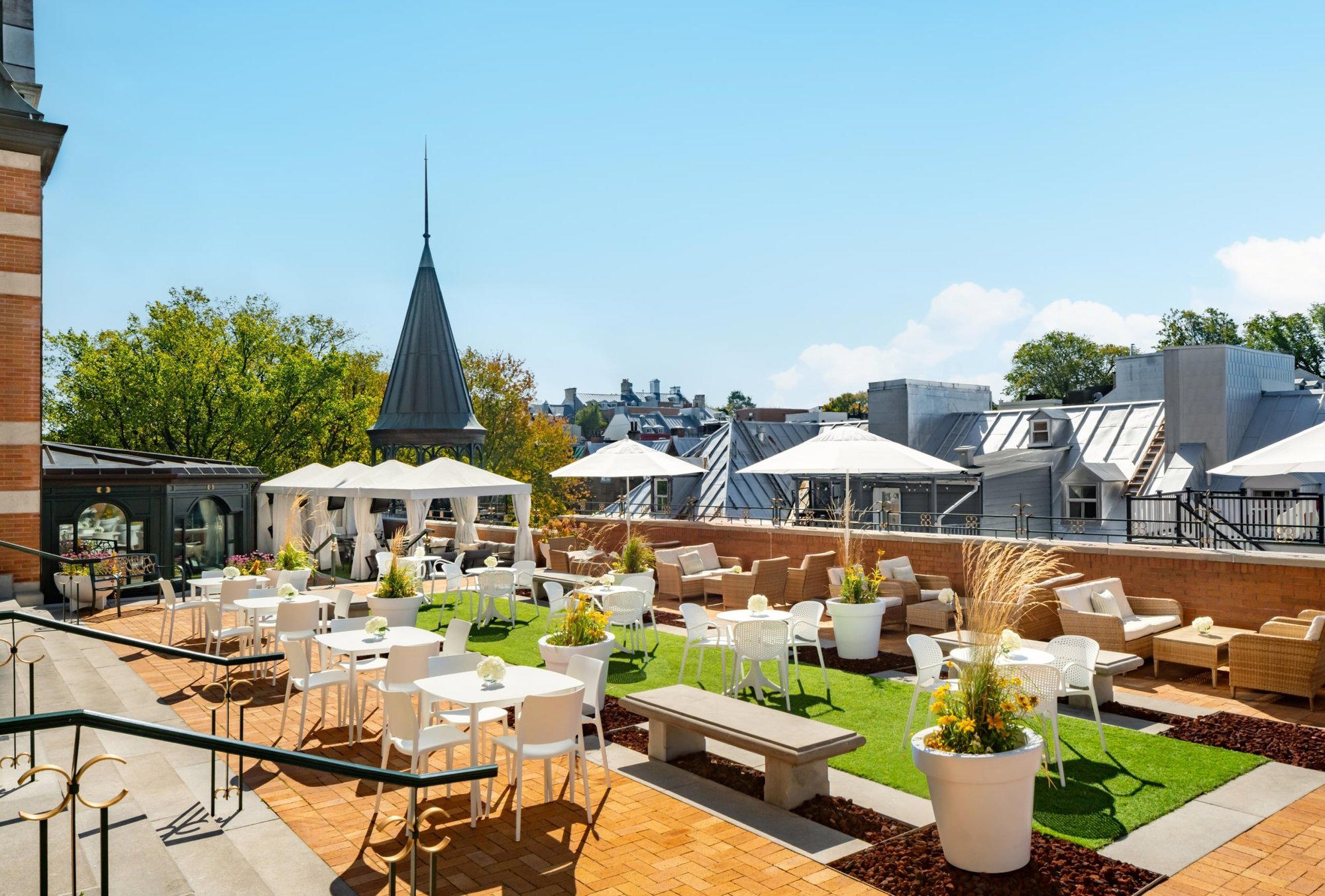
- Terrace
- Private Dining
- Extensive Wine List
- Local Sourcing
- Street Scene
- A La Carte
- Vegetarian Friendly
- Gluten Free Options
Current opening hours
- Monday
- Closed
- Tuesday
- Closed
- Wednesday
- 5–8:30 PM
- Thursday
- 5–8:30 PM
- Friday
- 5–8:30 PM
- Saturday
- 5–8:30 PM
- Sunday
- 5–8:30 PM
Hours can change for holidays and private events. Last verified .
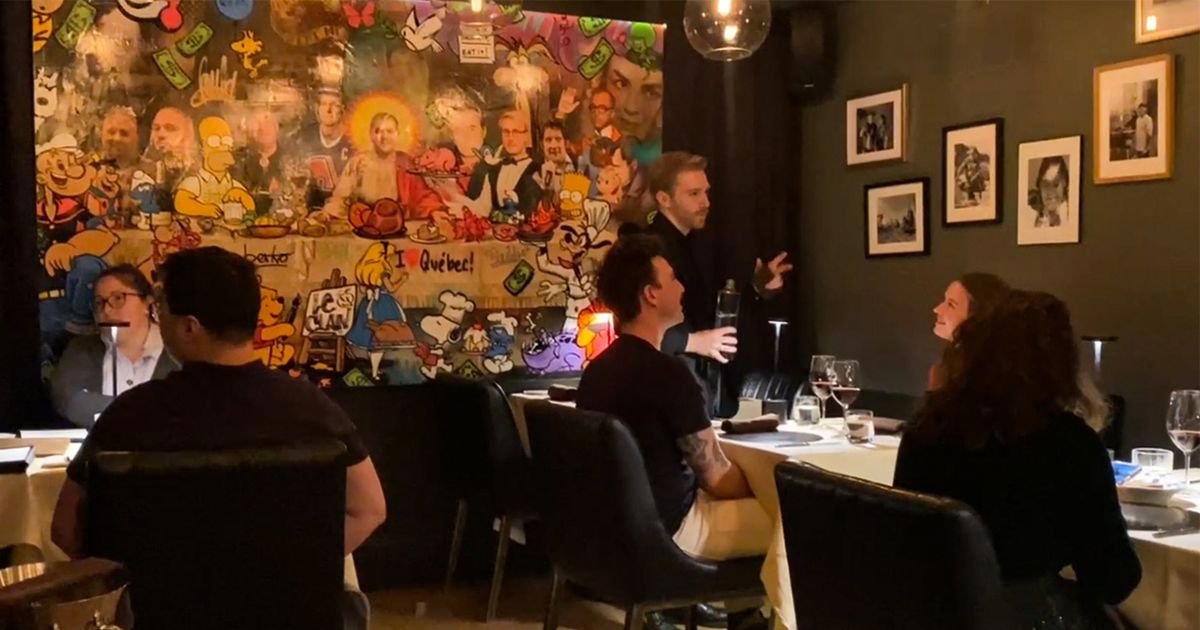
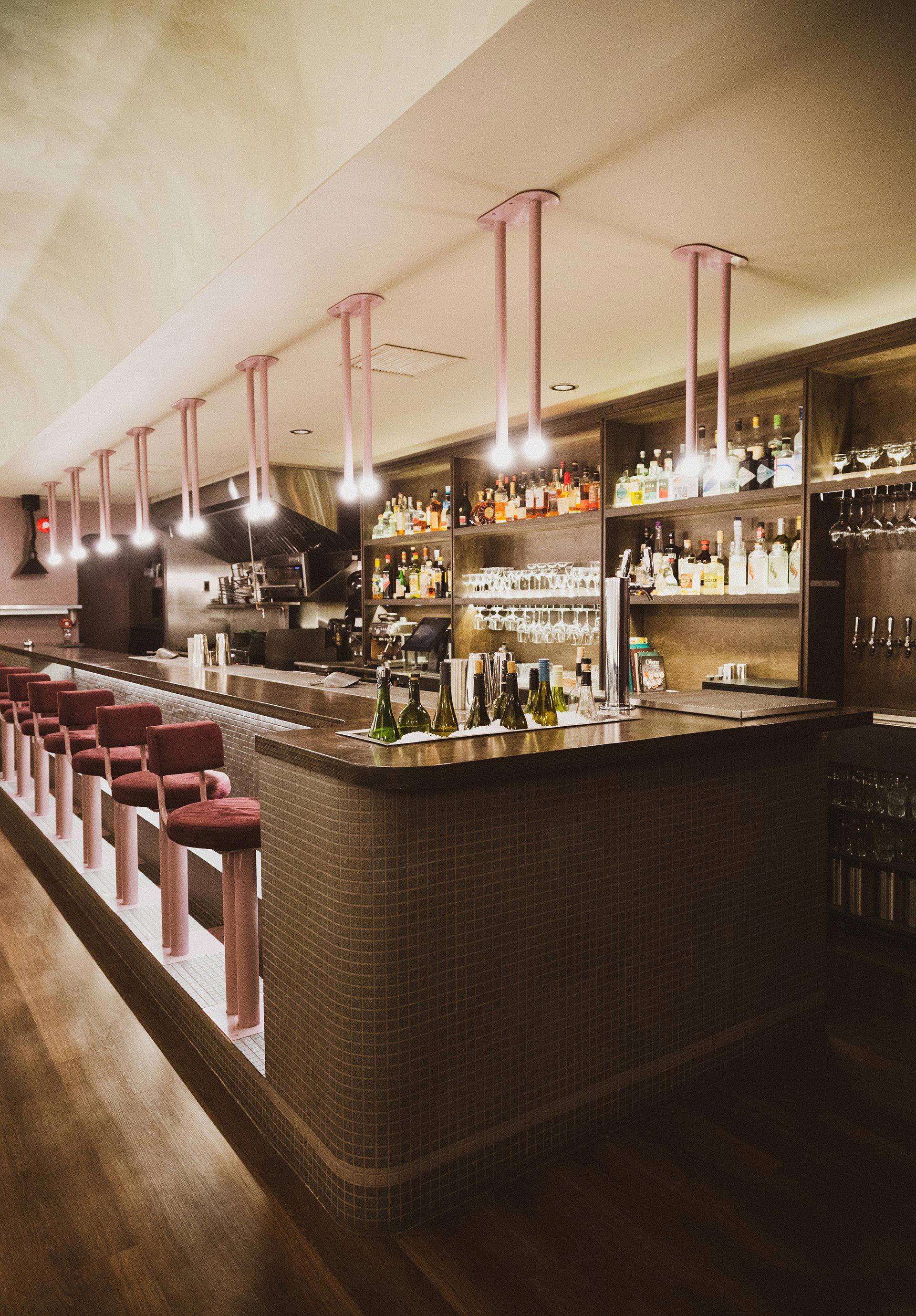
Cozy atmosphere with exposed stone walls, wooden beams, oil paintings, and knickknacks creating a romantic, antique shop-like charm.