Albacore

The fifth venue from the L'Affaire est Ketchup group, Albacore sits on Côte d'Abraham with a seafood-forward menu and a relaxed atmosphere that sets it apart from Quebec City's more formal dining rooms. The room draws a local crowd looking for casual plates and a drinks list that rewards attention. A neighbourhood address with real group pedigree behind it.
Pearl is the En Primeur Club membership app — saves, bookings, and concierge access live there. Same editors, same standards.
- Address
- 819 Côte d'Abraham, Québec, QC G1R 1A4, Canada
- Phone
- +1 418-914-6441
- Website
- restaurantalbacore.ca
- Directions
- Get directions
 Saves & bookings on Pearl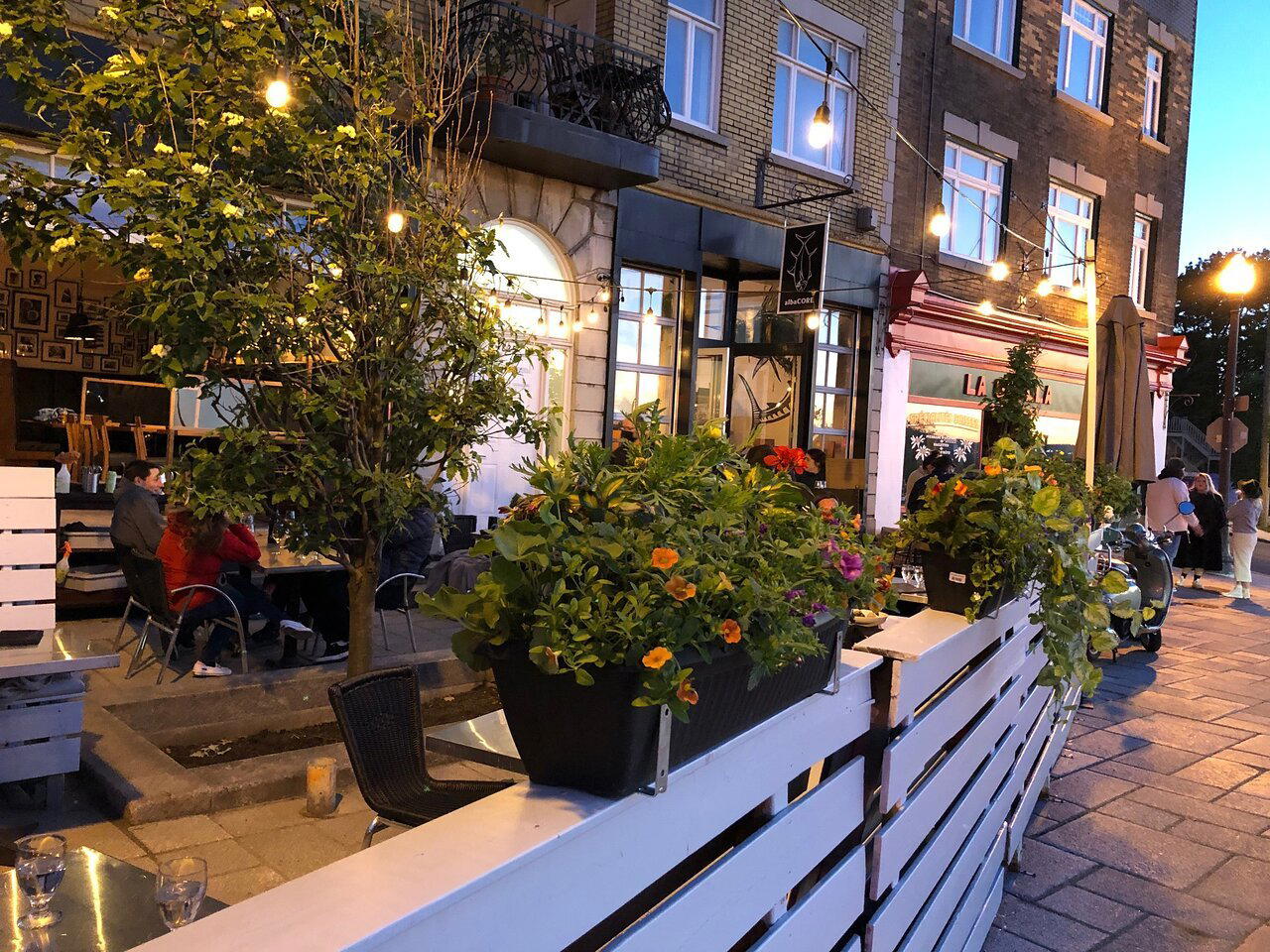
Côte d'Abraham and the Casual End of Quebec City Dining
Quebec City's dining scene has always carried a formality that other Canadian cities don't quite replicate. The Old City's stone walls and centuries of French administrative culture produce restaurants that take themselves seriously, sometimes too seriously. The corrective has come from a cluster of neighbourhood-facing addresses on and around Côte d'Abraham, a slope that connects the upper town to Saint-Roch and functions as the city's informal dining spine. It is here, at 819 Côte d'Abraham, that Albacore occupies its corner of the city.
Albacore is the fifth venue from the group behind L'Affaire est Ketchup, a name that has become shorthand in Quebec City for a particular kind of approachable, quality-conscious hospitality. Groups that reach a fifth address have either standardised everything into a formula or developed a clear editorial instinct for what each room should do. Albacore takes a narrower focus than its siblings: the menu runs primarily on seafood, the name taken directly from the fish, and the atmosphere is deliberately relaxed. That combination — tight product focus, casual register — sits inside a broader Canadian dining trend where ingredient-led simplicity has replaced tasting-menu ambition as the marker of serious cooking.
What the Drinks List Says About the Room
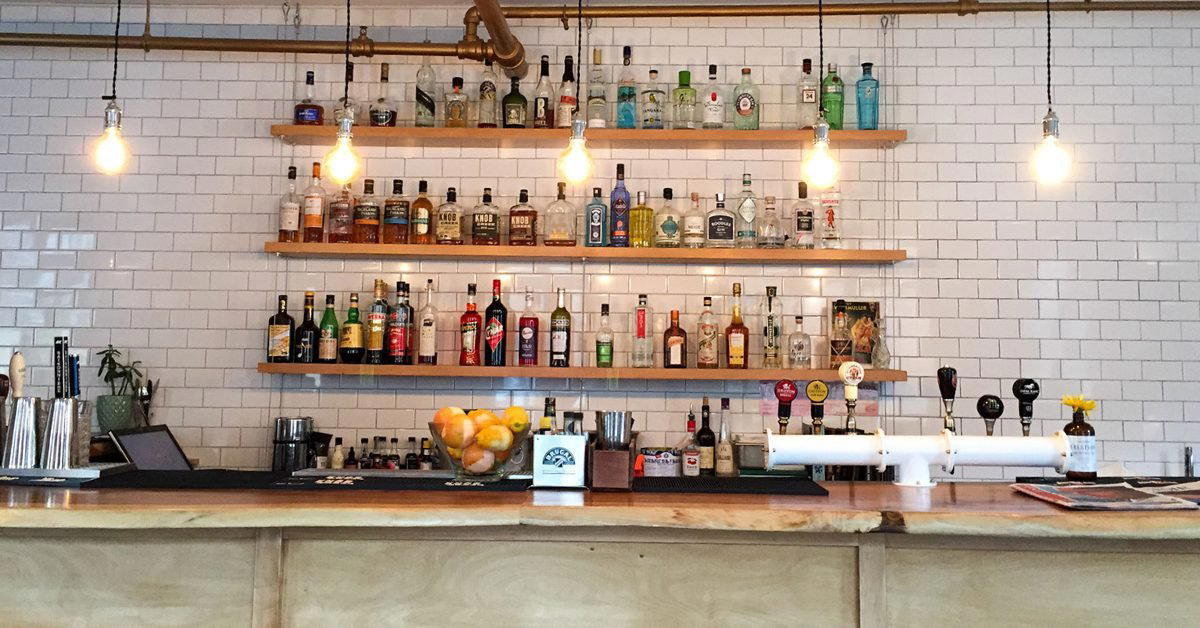
The editorial angle of a drinks list reveals what a room thinks of its guests. At addresses that take the back bar seriously, the curation signals confidence: the assumption that the person sitting down is capable of following somewhere interesting. Quebec City has a handful of such addresses. 1608 operates in the formal register of the Château Frontenac. Jjacques and Chez Tao! approach things from different stylistic angles. Karibu, Vins du Québec et Buvette Asiatique brings a wine-regional identity that anchors it firmly to Quebec's own production.
Albacore's positioning within this set is shaped by its group DNA. A hospitality group operating five venues develops purchasing relationships, supplier networks, and a collective palate that a single-site operator takes years to build. That infrastructure tends to show up most clearly in the drinks: access to interesting bottles, the budget to carry slow-moving inventory, the confidence to list something unusual without worrying that it will confuse the room. The seafood focus of the food menu creates a natural pairing logic, one that in comparable seaside-oriented rooms across Canada and France tends to favour mineral whites, coastal wines, and low-intervention producers who work with saline or iodic terroirs.
Canada's bar scene, nationally, has moved toward technical depth and curation. Atwater Cocktail Club in Montreal represents one end of that spectrum, a program built around clarification techniques and formal recognition. Bar Mordecai in Toronto and Botanist Bar in Vancouver each define distinct city-specific idioms. On the West Coast, Humboldt Bar in Victoria and Bearfoot Bistro in Whistler bring different tonal registers to the same technical seriousness. In Calgary, Missy's operates in a neighbourhood-bar mode with genuine depth. Even internationally, addresses like Bar Leather Apron in Honolulu demonstrate that the appetite for considered drinking has spread well past the major metros.
What distinguishes the Quebec City context is that the city's French inheritance creates a wine-first culture that many other Canadian cities lack at the street level. The SAQ's provincial retail structure means everyone is drawing from the same supply pool, so differentiation comes from selection instinct and staff knowledge rather than exclusive allocations. A group with five venues and an established market reputation has both.
Seafood as a Menu Discipline
The decision to anchor a menu around seafood in a landlocked city is a considered one. Quebec City sits on the St. Lawrence, and the river's maritime identity becomes more pronounced the further downstream you travel, but the city itself is not a coastal address in the way that Halifax or Vancouver are. Committing to seafood here is a statement about sourcing priority and kitchen focus rather than a reflection of immediate geography. The albacore species itself, a tuna variety prized for its firm texture and clean flavour, suggests a kitchen comfortable with fish that requires technical confidence to handle correctly: temperature control, slicing precision, and the restraint to leave quality product alone.
In the broader context of Quebec's food culture, this kind of ingredient discipline connects to a longer tradition of taking the St. Lawrence's bounty seriously, shrimp from Matane, scallops from the Îles-de-la-Madeleine, snow crab from the Gulf.
Atmosphere and the Relaxed Register
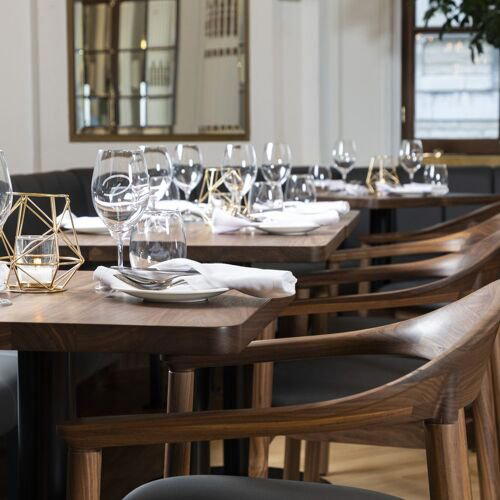
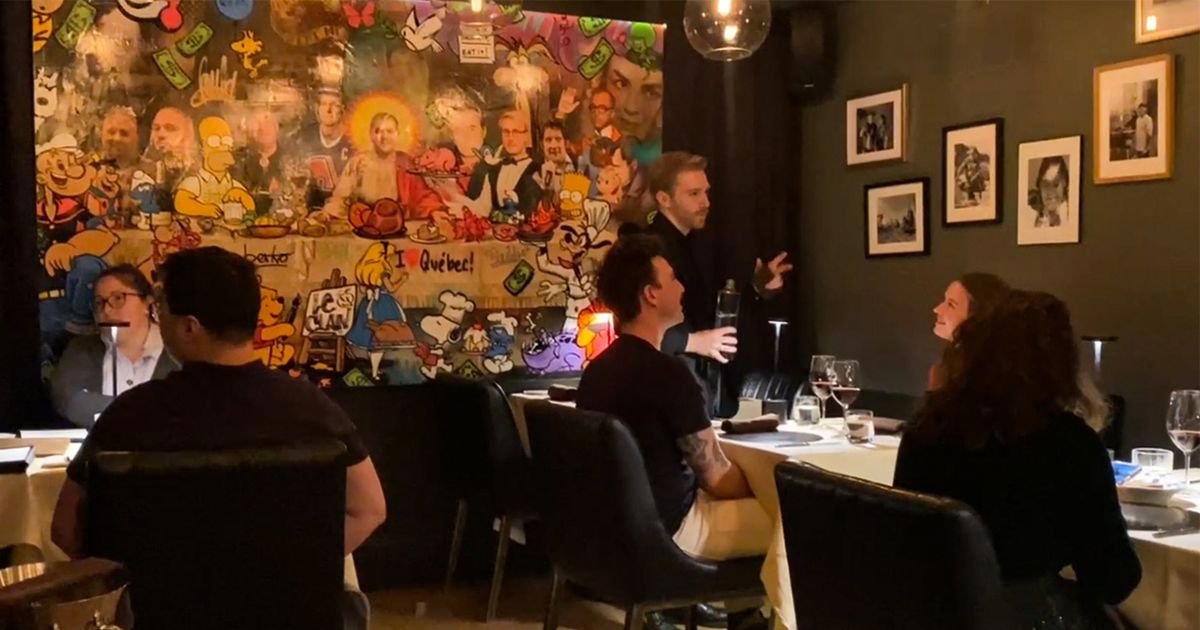
The relaxed atmosphere documented for Albacore is a deliberate product decision, not a default setting. In a city where formal French dining rooms remain a competitive option, choosing to operate in a casual register means betting that a substantial audience wants good product and good drinks without the ceremony. That bet has proven correct across multiple markets: the success of wine-bar formats in Paris, Sydney, and Toronto over the past decade demonstrates that stripping formality from quality product does not reduce the customer's sense of occasion. It changes what that occasion means.
On Côte d'Abraham, the physical setting supports this approach. The street's gradient and architecture create a neighbourhood feel distinct from the Old City's tourist-facing character. Locals use this corridor differently: it is where the city eats for itself rather than for visitors. An address here carries a different social code than one inside the walls, and Albacore's relaxed atmosphere fits that code accurately.
Planning a Visit
Albacore is located at 819 Côte d'Abraham, Quebec City, QC G1R 1A4. Reservations and current hours are best confirmed directly through the venue or via the group's existing channels, as specific booking details are not published in a centralised format at the time of this writing. For broader context on where Albacore sits within Quebec City's wider dining and drinking options, see our full Quebec City restaurants guide. Given the address's neighbourhood positioning and informal register, drop-in is plausible on quieter evenings, but a group with five venues and an established following will fill on weekends. Arriving early or confirming ahead is the practical approach.
How Albacore Quebec City compares with similar nearby venues.
| Venue | Awards |
|---|---|
| Albacore | Star Wine List (2026) |
Recognition history
Dated appearances from independent guides and award organizations, with the underlying list record or original source where available.
Star Wine List
Star Wine List
Continue exploring
More in Quebec City
Bars in Quebec City
Browse all →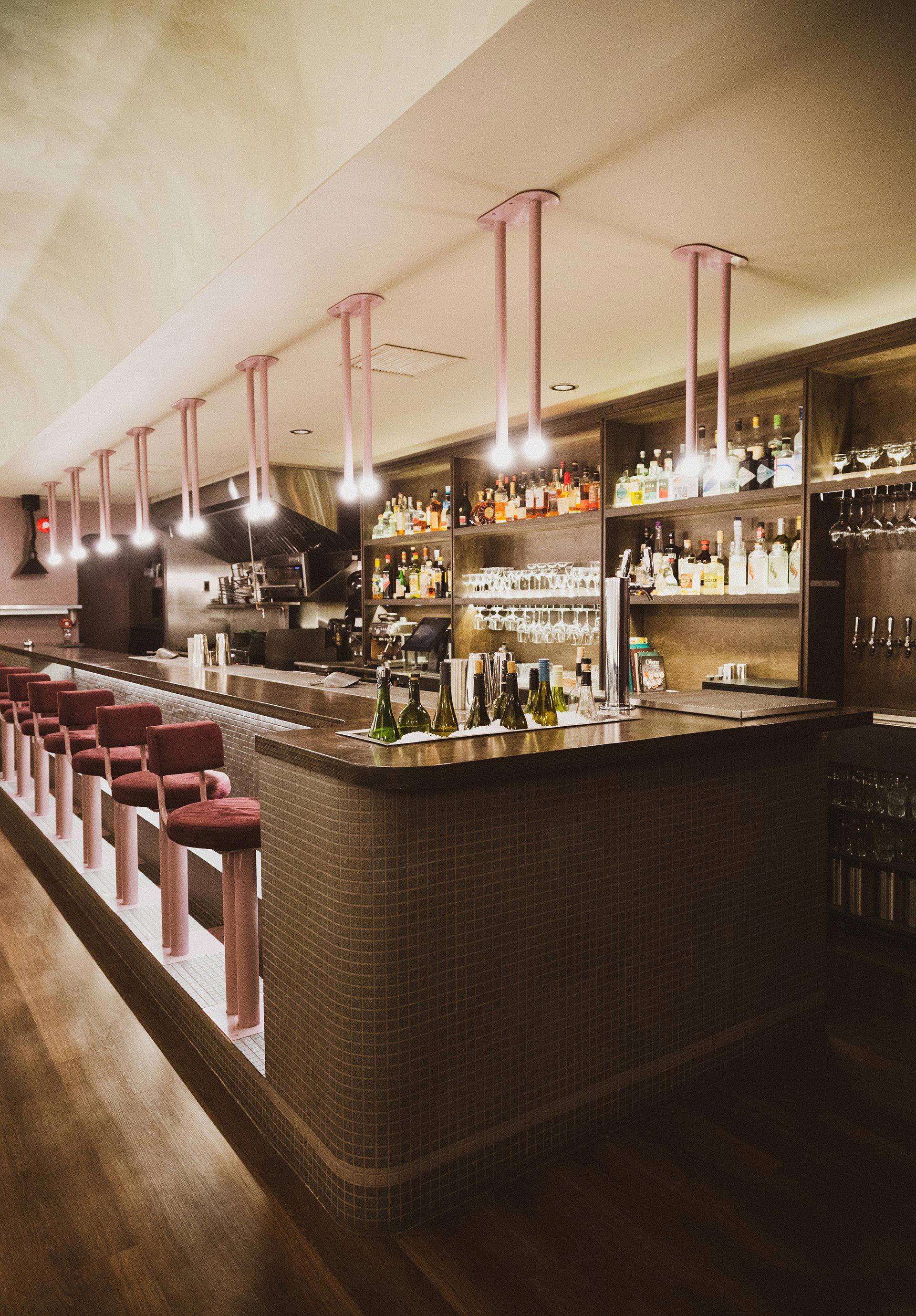
Restaurants in Quebec City
Browse all →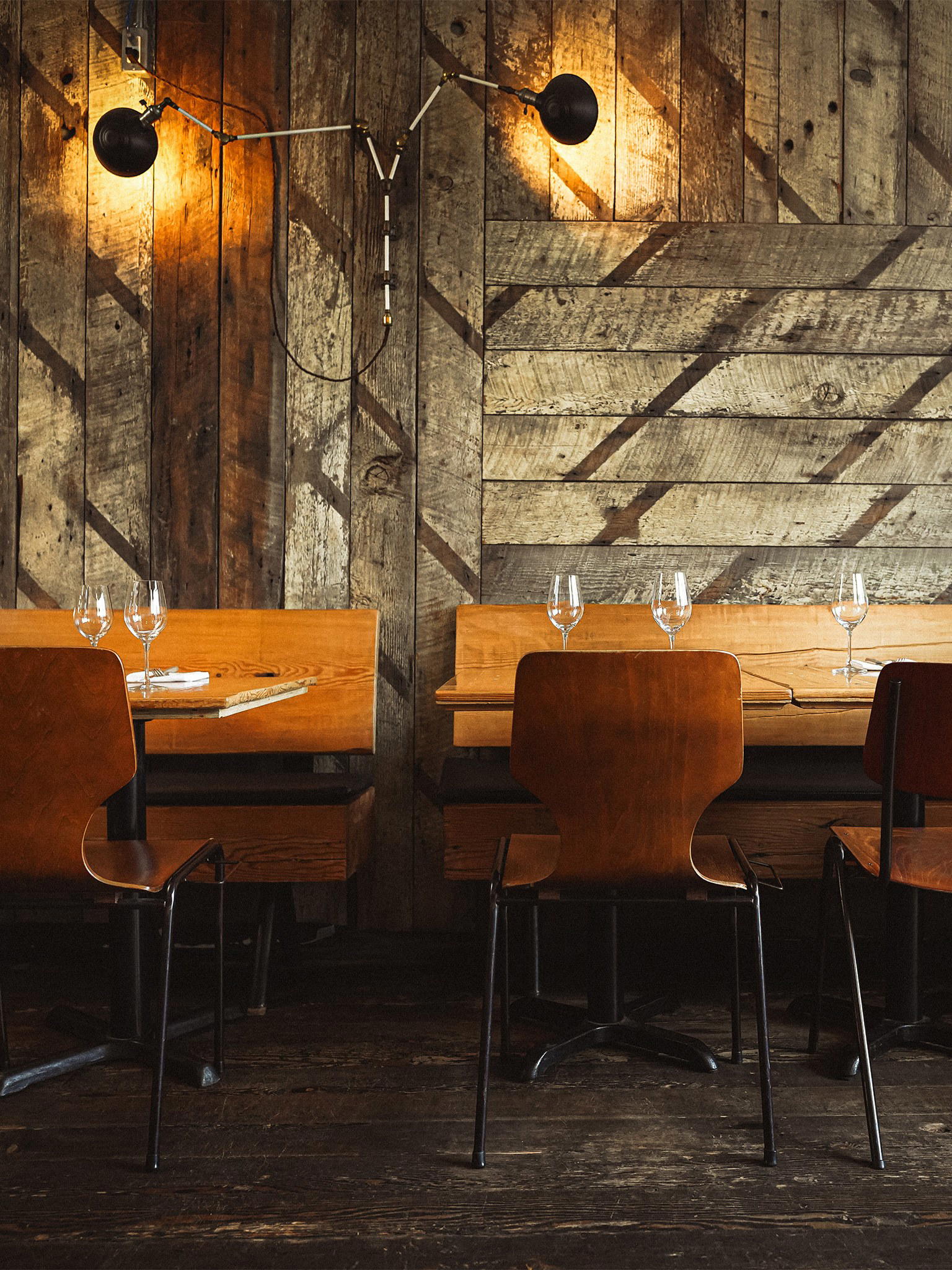
At a Glance
- Cozy
- Lively
- Intimate
- Sophisticated
- Date Night
- Casual Hangout
- Terrace
- Seated Bar
- Lounge Seating
- Outdoor Terrace
- Craft Cocktails
- Street Scene
Current opening hours
- Monday
- 5–10 PM
- Tuesday
- Closed
- Wednesday
- 5–10 PM
- Thursday
- 5–10 PM
- Friday
- 5–10 PM
- Saturday
- 5–10 PM
- Sunday
- 5–10 PM
Hours can change for holidays and private events. Last verified .
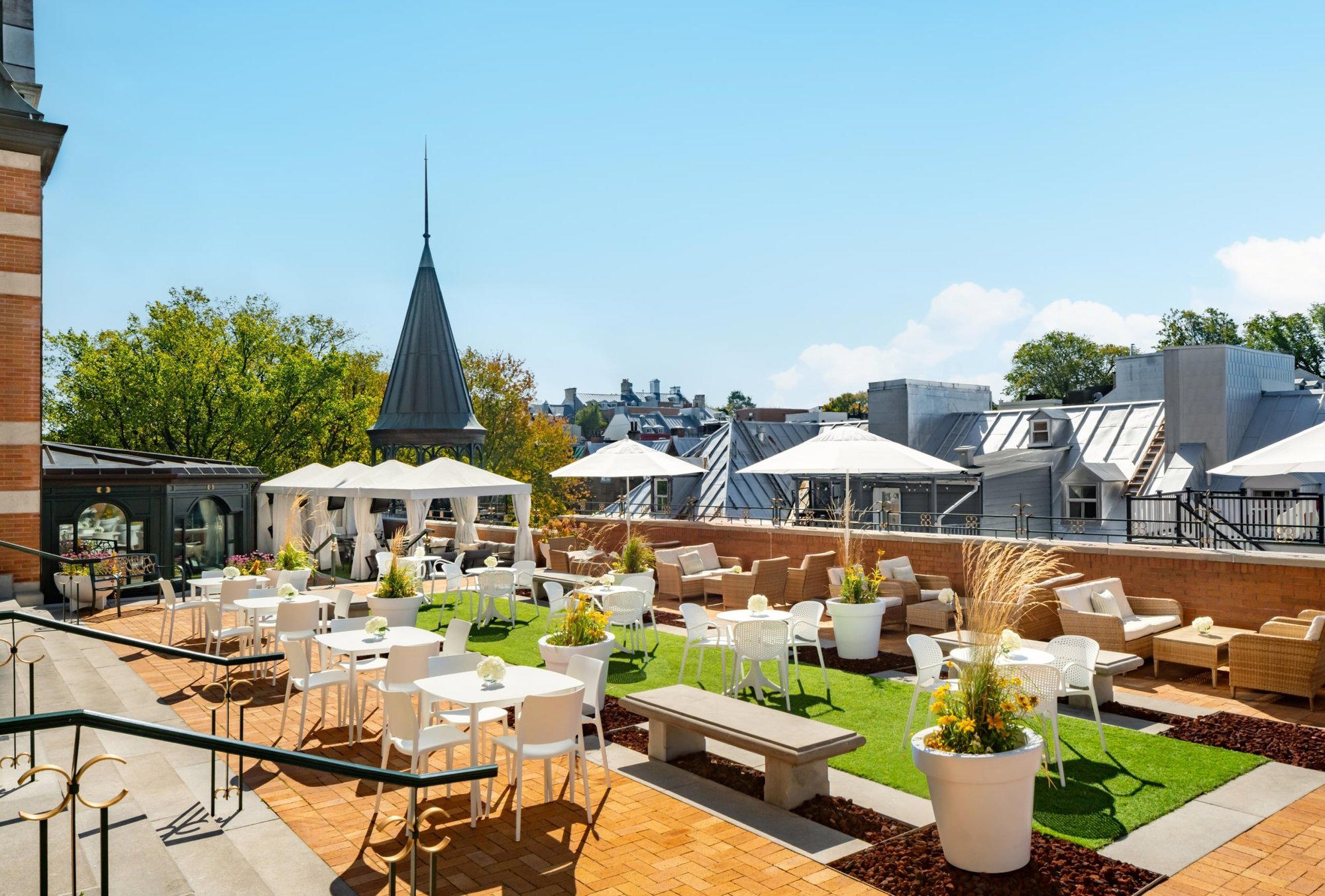
Warm, lively yet unpretentious with lovely atmosphere, wide open windows offering city views, and a convivial terrace vibe.
Know Before You Go
- Getting there
- 819 Côte d'Abraham, Québec, QC G1R 1A4, Canada