Bar Artefact fits Québec City’s Old Port drinking culture: atmospheric, compact in feel, and tied to the historic fabric around Rue Saint-Antoine rather than to late-night spectacle.
Pearl is the En Primeur Club membership app — saves, bookings, and concierge access live there. Same editors, same standards.
- Address
- 8 Rue Saint-Antoine, Québec City (Lobby)
- Phone
- 418-692-1122
- Directions
- Get directions
 Saves & bookings on Pearl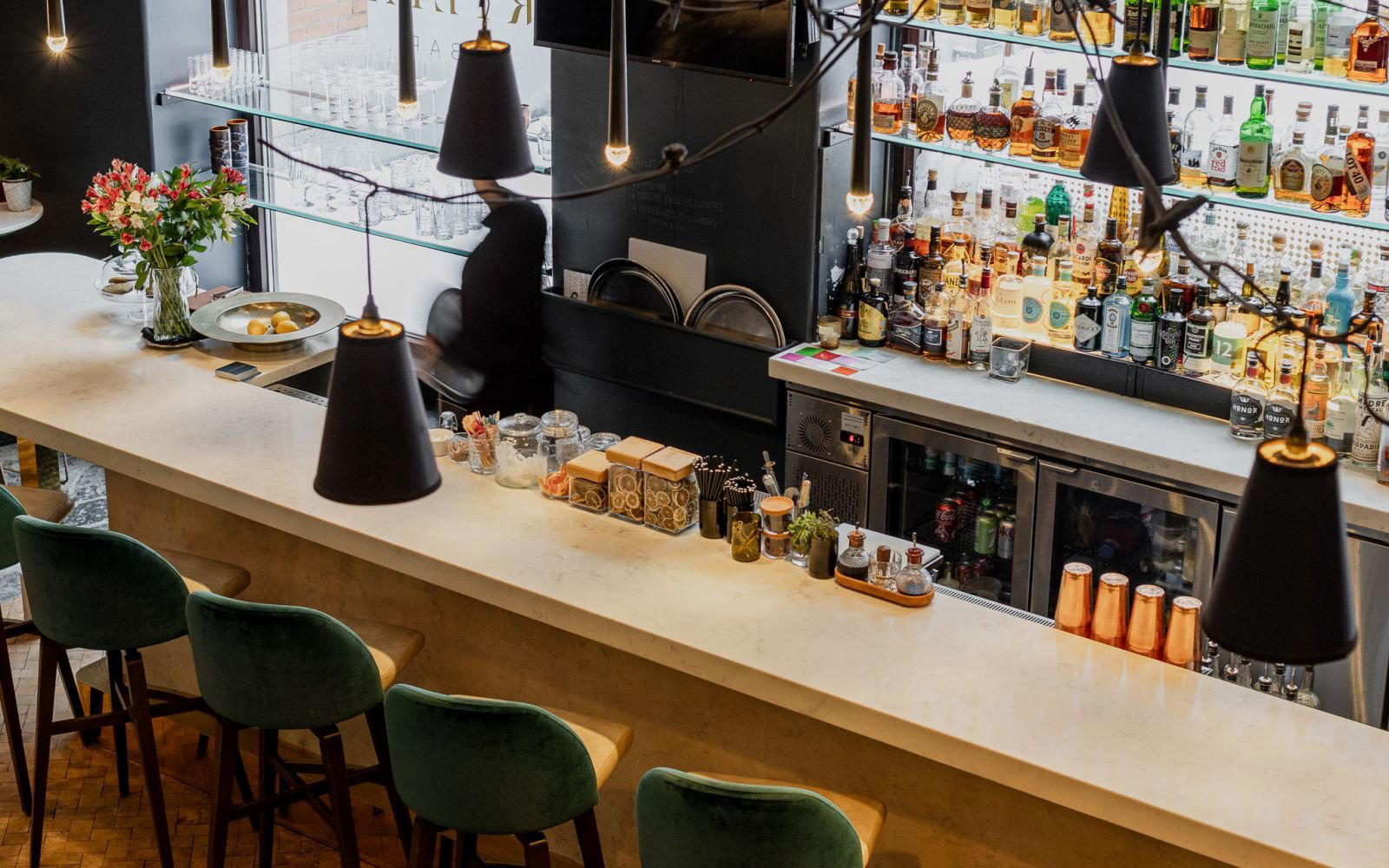
Stone, lobby light, and the slower rhythm of Rue Saint-Antoine
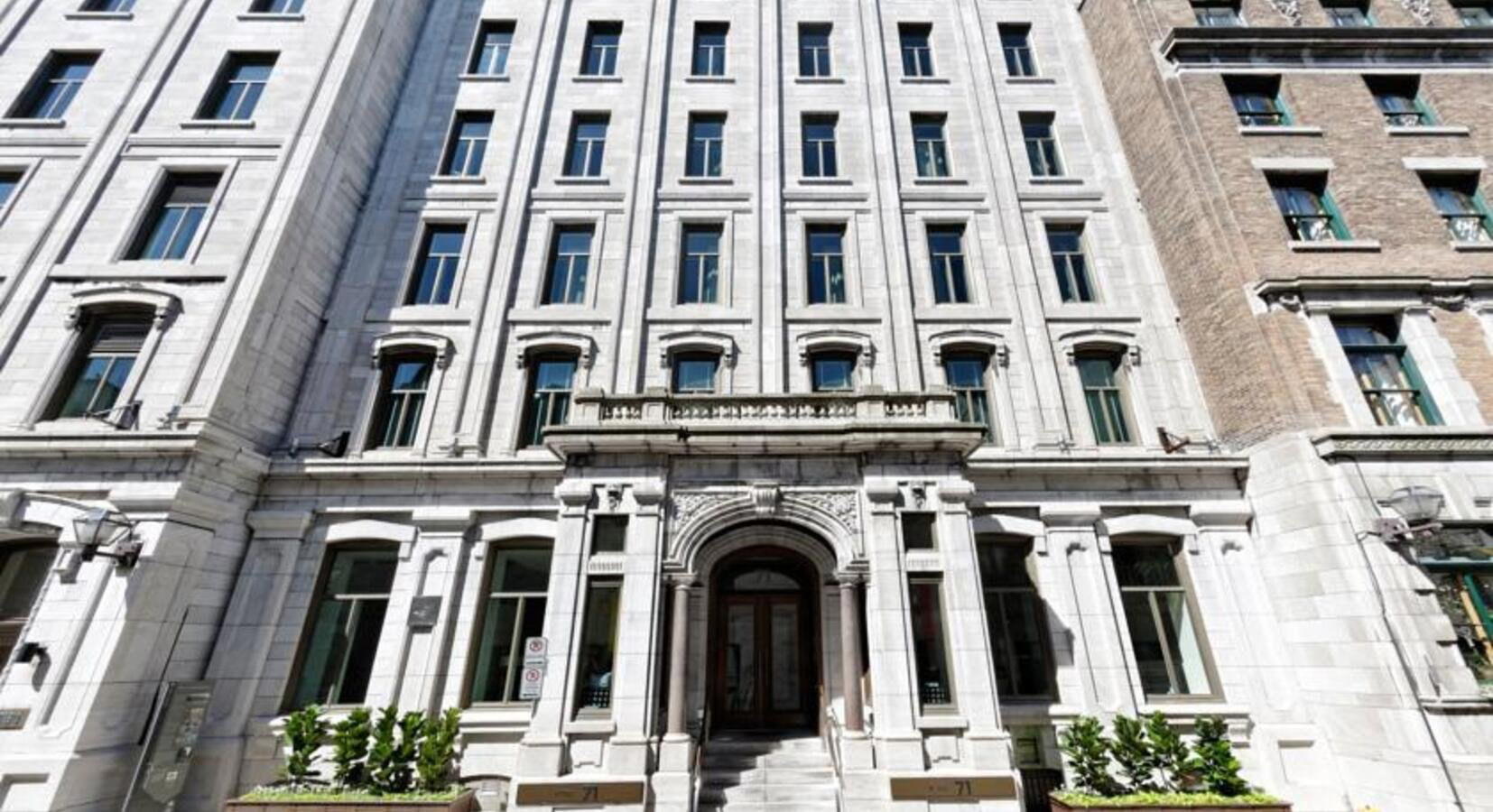
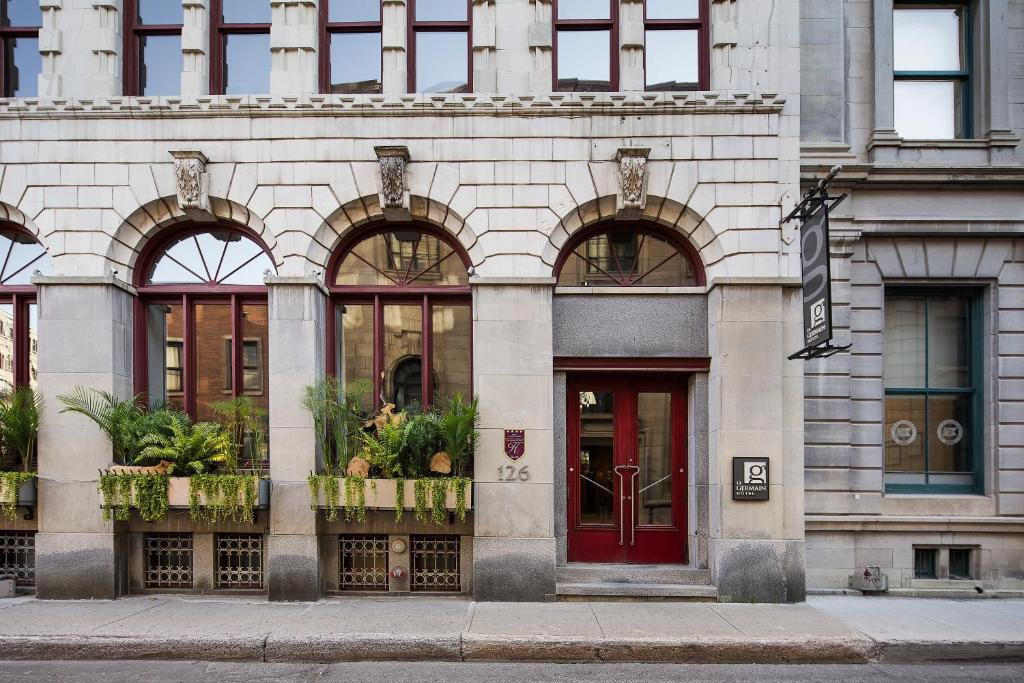
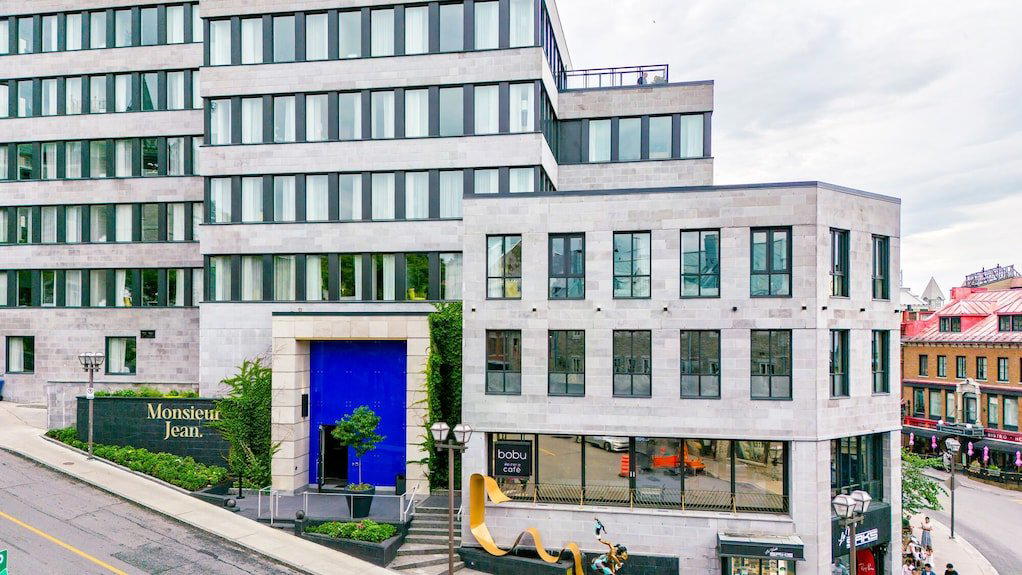
Approaching 8 Rue Saint-Antoine places a drink in a specific Québec City context before a glass reaches the table. The Old Port has a different tempo from Saint-Roch’s bar corridors and Grande Allée’s louder evening economy: stone façades, hotel lobbies, restaurant rooms folded into heritage buildings, and a visitor mix that often moves between dinner reservations, riverfront walks, and late trains of conversation rather than a fixed bar crawl. Bar Artefact belongs to that lower-town rhythm. Its listed address places it in a lobby, which matters. A lobby bar in Québec City is rarely just a holding pen before dinner; in the historic quarter, it often acts as a bridge between travel, dining, and local architecture.
That setting gives the cocktail programme a useful frame. In cities with dense hotel-bar cultures, the drink list has to serve several audiences at once: the guest who wants a calibrated aperitif, the couple extending dinner without changing neighbourhoods, and the local drinker using a hotel bar because the room is calmer than a street-front tavern. Public venue data does not list Bar Artefact’s signature cocktails, bartender, price range, or awards, so any serious assessment has to avoid invented drink names or claims of technical ambition. The evidence that can be used is location and format: a lobby bar at 8 Rue Saint-Antoine in Québec City, positioned inside the city’s hospitality core rather than in a standalone nightlife strip.
That distinction is useful for travellers comparing where to drink in Québec. For a hotel-linked room in the same orbit, Auberge Saint-Antoine Relais & Châteaux points toward the heritage-hospitality side of the city, while Hôtel Manoir Victoria sits closer to the upper-town hotel circuit. Beer drinkers will read the city differently through La Korrigane - Brasserie artisanale, and Saint-Roch’s contemporary café-bar culture comes into focus at Maelstrøm Saint-Roch. Bar Artefact’s cue is quieter: not brewery energy, not a late-night room built around volume, but a polished pause in an older part of the city.
The cocktail question in Québec City
Québec City’s drinking identity has long been pulled between beer culture, hotel bars, wine-friendly restaurants, and winter-proof rooms designed for long evenings indoors. The cocktail scene here does not operate like Montréal, where dedicated bars can build national reputations around a named creative director, a documented technique, or a publicized menu identity. In Québec, the more interesting question is often format: is the bar a destination on its own, a restaurant extension, a brewery taproom, or a hotel room with enough seriousness to merit a separate stop?
Bar Artefact should be read through that format question. Travellers looking for a published list of signature serves, clarified drinks, zero-waste prep, or award citations will not find those anchors in the available record. What the venue does have is a precise address in Québec City’s lower town and a lobby setting, which usually signals an all-evening utility: aperitif, nightcap, and a drink while waiting for a table nearby. That makes it especially relevant for visitors already planning around the Old Port rather than for anyone trying to chase a named cocktail award.
The Canadian bar scene gives useful comparison points. Montréal’s Bar Bisou Bisou in Montréal belongs to a larger city market where cocktail bars can trade on neighbourhood identity and repeat local traffic. Shelter in Calgary and Bar Mordecai in Toronto operate in cities where the design of the room can be as much a calling card as the drink list. West Coast hotel and restaurant bars, including Botanist Bar in Vancouver and Humboldt Bar in Victoria, show how botanical, coastal, and hotel-service cues can define a programme. Against those examples, Bar Artefact reads less like a national cocktail headline and more like a place whose value depends on timing, setting, and how it fits into a Québec City evening.
What the setting says about the drinks
Hotel-lobby bars tend to reward restraint. They need drinks that work before dinner, after dinner, in business conversation, and for guests who may not want a theatrical exchange with the bar team. That does not mean simple in execution; it means the programme has to be legible. In a city where cold weather can drive drinkers indoors for long stretches, the bar’s physical comfort and service rhythm matter as much as the list itself. A drink in the Old Port before a winter dinner and a drink after a summer walk along the lower town ask for different moods, but the room has to cover both.
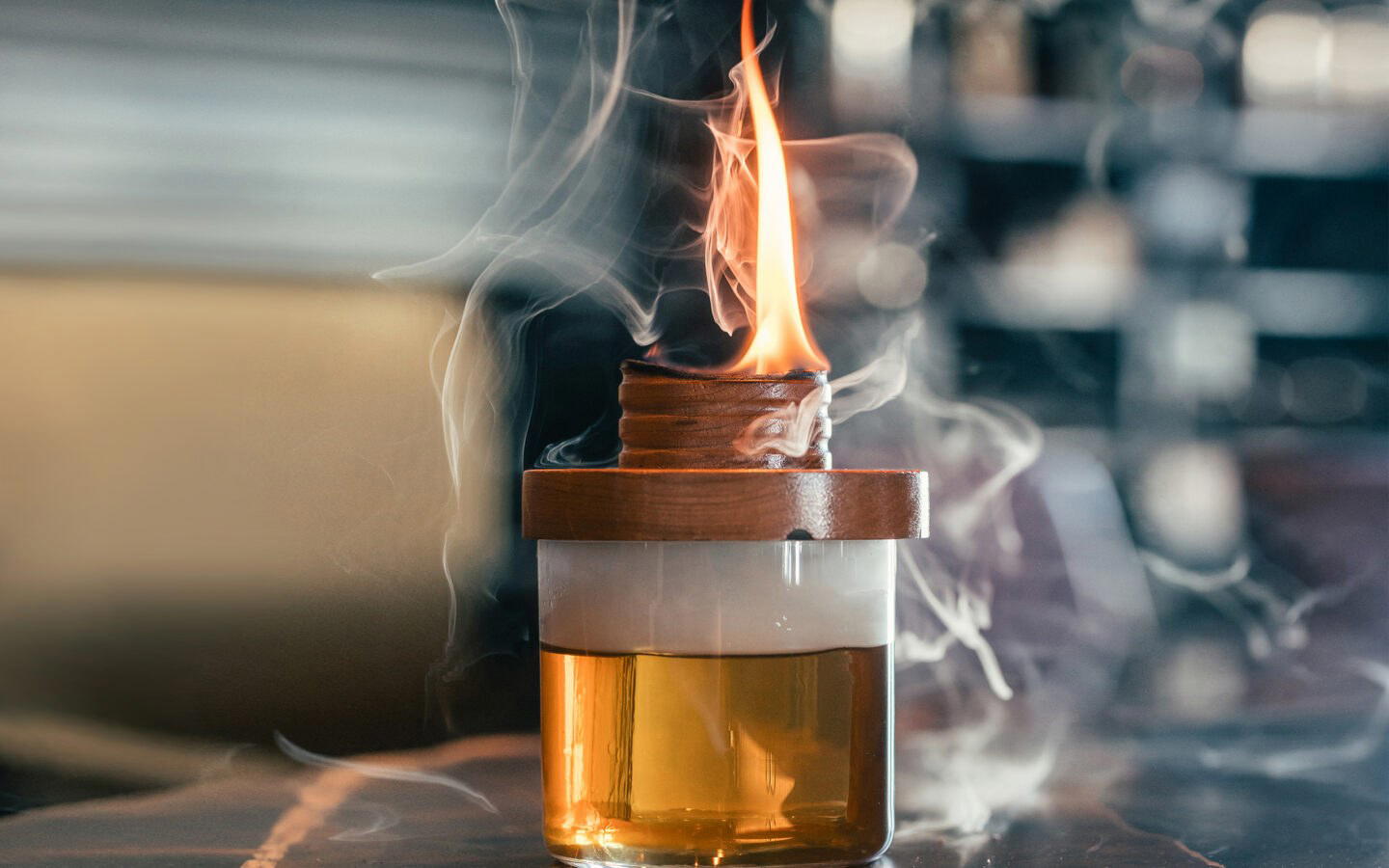
Because public data does not name a signature drink, the responsible answer is to avoid pretending there is a documented house serve. Ask for the current house cocktail or the bartender’s recommendation when seated. If the list includes Québec spirits, apple-based distillates, local vermouths, or boreal inflections, those would fit regional drinking patterns, but the available record does not verify their presence here. The stronger editorial point is that a lobby bar in this part of Québec City is often chosen for controlled atmosphere over discovery drinking. The guest is buying predictability, proximity, and a room that can carry conversation.
This is where the bar differs from brewery-led or café-bar formats in the same city. La Korrigane’s appeal, by category, sits closer to house beer and convivial tables. Maelstrøm Saint-Roch speaks to a Saint-Roch pattern where coffee, casual drinks, and neighbourhood movement overlap. A lobby bar on Rue Saint-Antoine belongs to another category: polished, lower-volume, and tied to hotel hospitality. That can be the right call when dinner is nearby or when a group wants a drink without the acoustics and tempo of a busier street-facing venue.
How to place it in a Québec City itinerary
The address is the hard logistical anchor: 8 Rue Saint-Antoine, Québec City, listed specifically as a lobby location. For travellers, that means treating the bar as a pre- or post-dinner option rather than the sole fixed point of an evening. If staying or dining in the Old Port, it is a natural first drink; if based in Saint-Roch or the upper town, it is better folded into a route that already brings the evening down toward the river and the heritage streets around Rue Saint-Antoine.
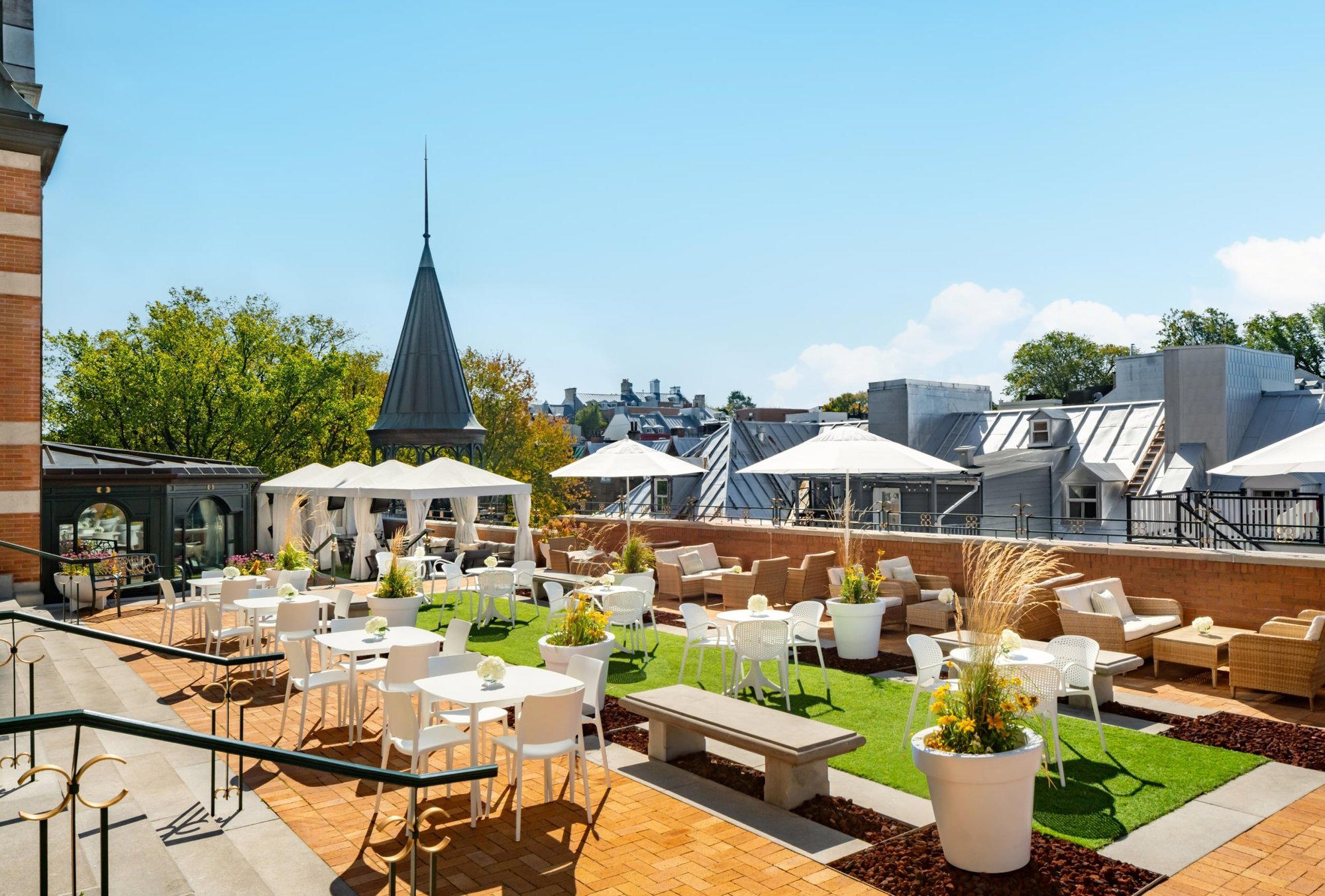
Timing also matters. Québec City’s visitor patterns change sharply by season: winter pushes people into hotel rooms and dining rooms earlier, while summer keeps the lower town active later with walkers moving between the waterfront, terraces, and old streets. The venue data does not confirm operating hours, so same-day verification through the property or in-person check remains sensible.
For a wider plan, use Our full Québec restaurants guide to connect the drink with dinner. That is the better way to use a bar like this: as a hinge between restaurant reservations and the slower architecture of the Old Port. Travellers building a Canadian bar route can contrast this with Grecos in Kingston for a smaller Ontario city reference point, or with Café La Trova in Miami for a warmer, performance-driven model of cocktail culture.
Who should choose Bar Artefact
Choose it when the night calls for a lower-key drink in Québec City’s Old Port, especially before dinner, after dinner, or during a hotel-based evening. It is less suited to travellers who need confirmed menu specifics before committing, because the public record here does not provide signature drinks, pricing, awards, or hours. That lack of data is not a flaw in the experience itself, but it changes the decision: the venue is a setting-led choice rather than a research-led pilgrimage.
The trust signal is contextual rather than award-based. The address places the bar in one of Québec City’s heritage hospitality zones, and the lobby format gives it a clear role within the local drinking map. In a city where bar decisions often hinge on neighbourhood, weather, and dining plans, that is enough to make it useful. The stronger move is not to overclaim the programme, but to understand where it fits: a composed Old Port stop when the evening benefits from calm, proximity, and a drink served away from the louder circuits.
Planning notes
- Address: 8 Rue Saint-Antoine, Québec City, listed as a lobby location.
- Verify directly before building a tight schedule around it.
- Treat the venue as a hotel-lobby bar and confirm costs on arrival.
- The editorial case rests on setting, format, and neighbourhood fit rather than formal recognition.
- Leading use: Pre-dinner drink, nightcap, or a quieter Old Port pause when the evening is already centred near Rue Saint-Antoine.
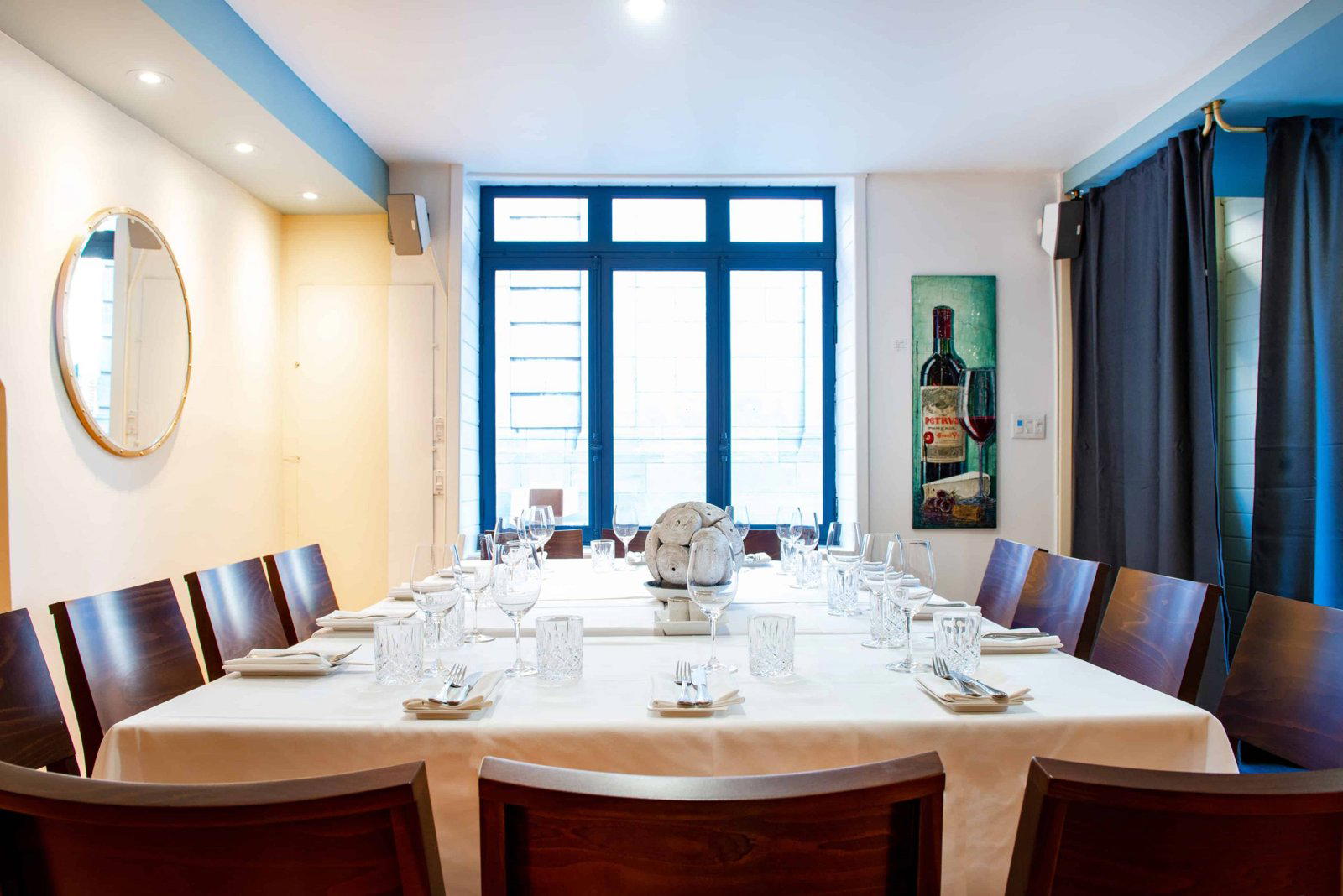
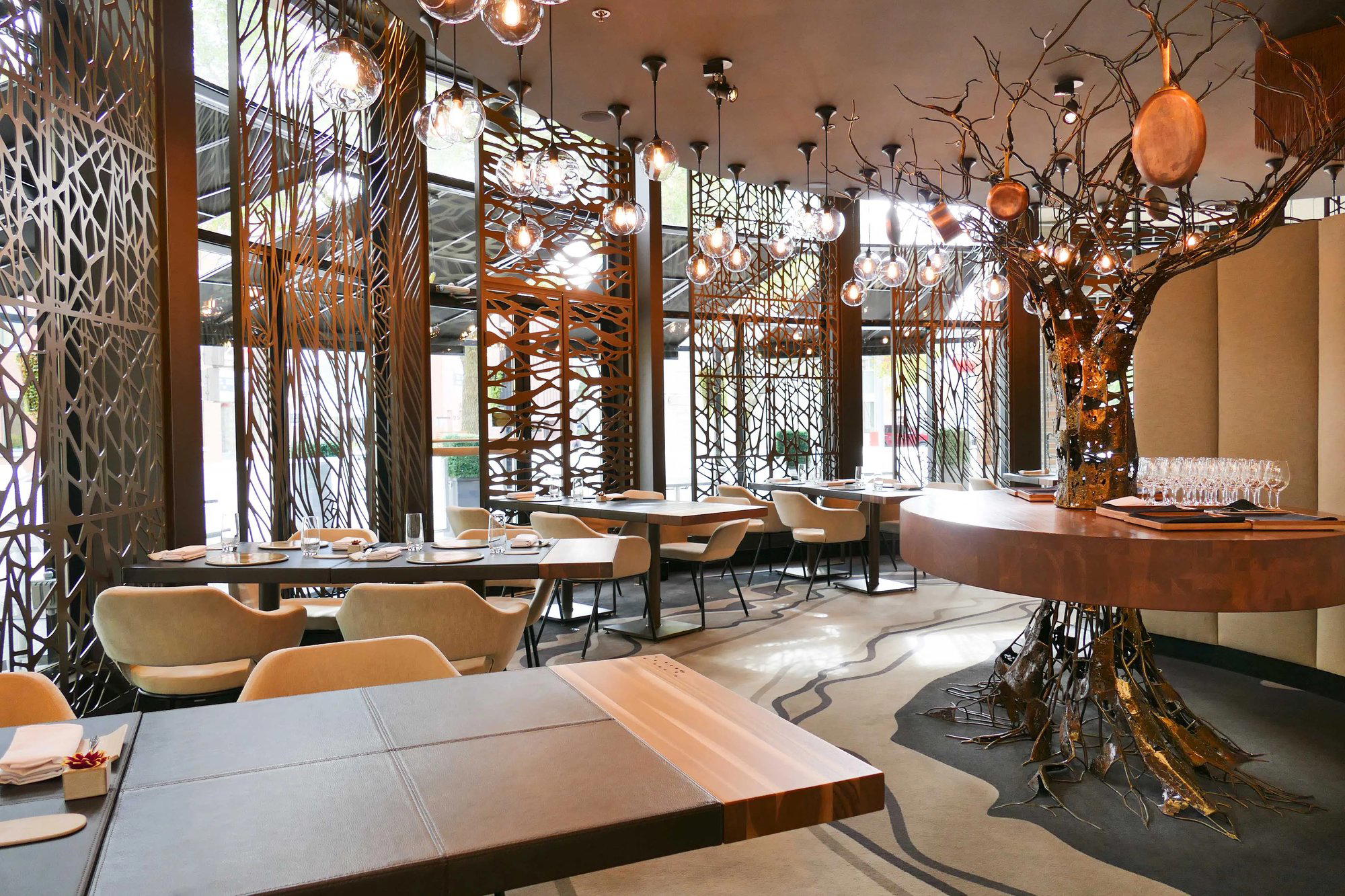
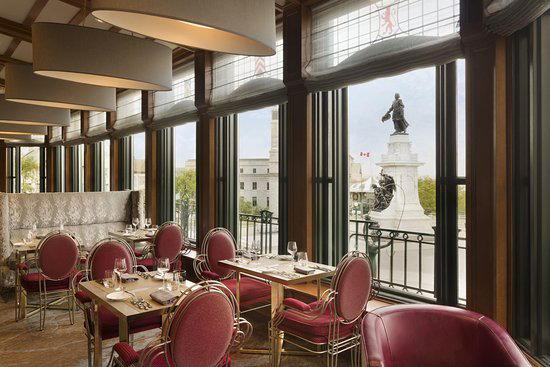
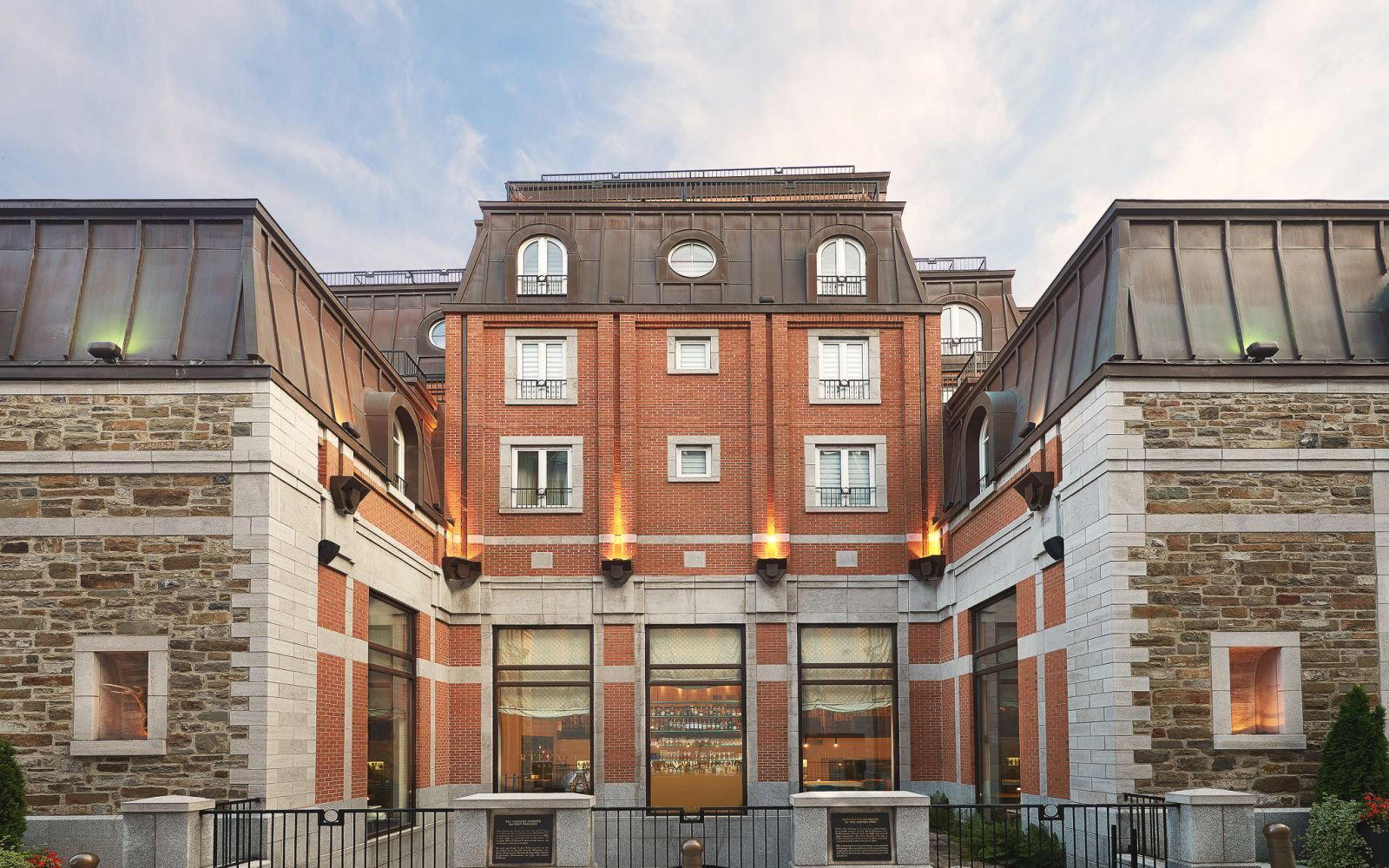
At a Glance
- Cozy
- Elegant
- Sophisticated
- Romantic
- Classic
- Date Night
- After Work
- Casual Hangout
- Group Outing
- Special Occasion
- Solo
- Historic Building
- Design Destination
- Hotel Bar
- Seated Bar
- Lounge Seating
- Booth Seating
- Craft Cocktails
- Classic Cocktails
Current opening hours
- Monday
- 12–10 PM
- Tuesday
- 12–10 PM
- Wednesday
- 12–10 PM
- Thursday
- 12–10 PM
- Friday
- 12–10 PM
- Saturday
- 12–10 PM
- Sunday
- 12–10 PM
Hours can change for holidays and private events. Last verified .
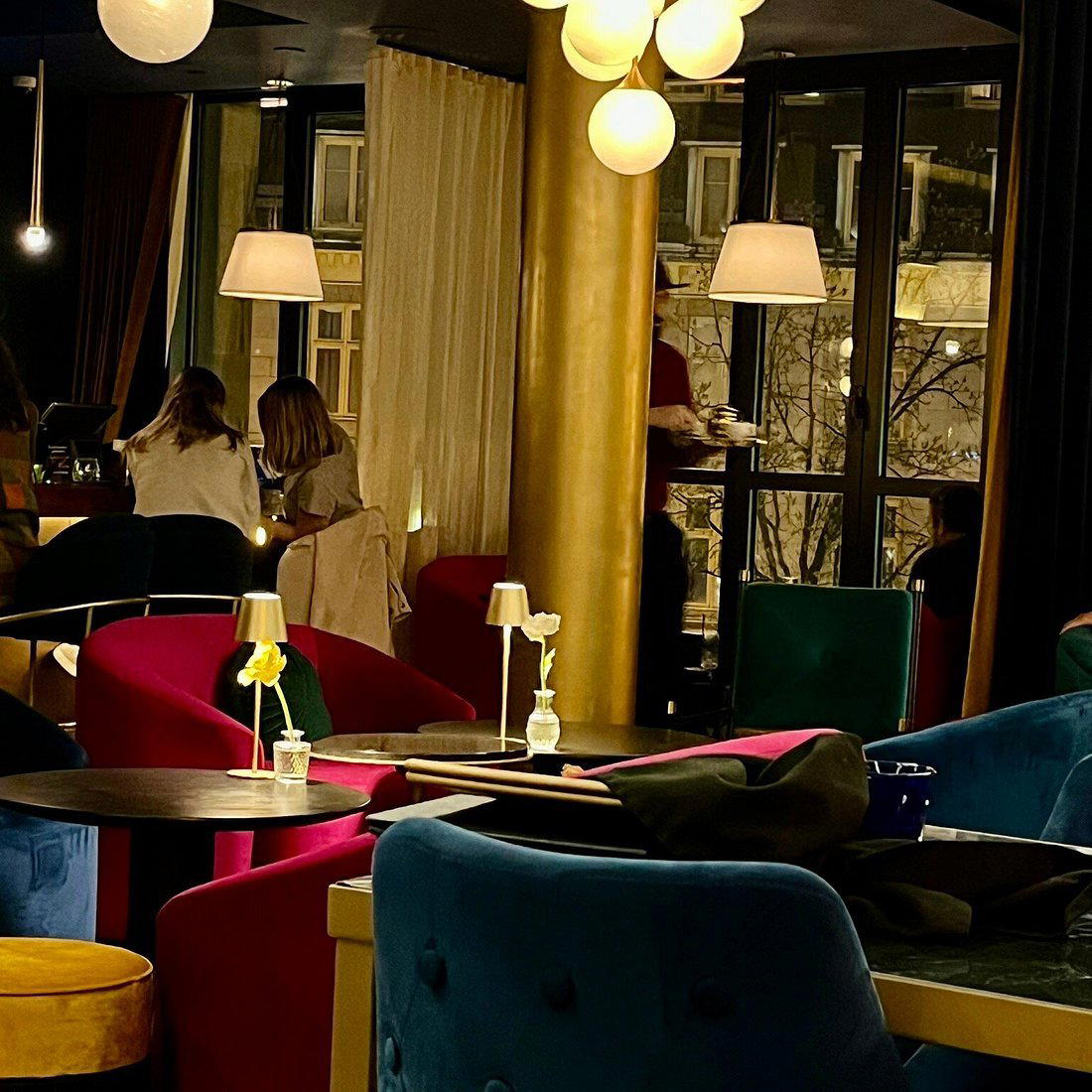
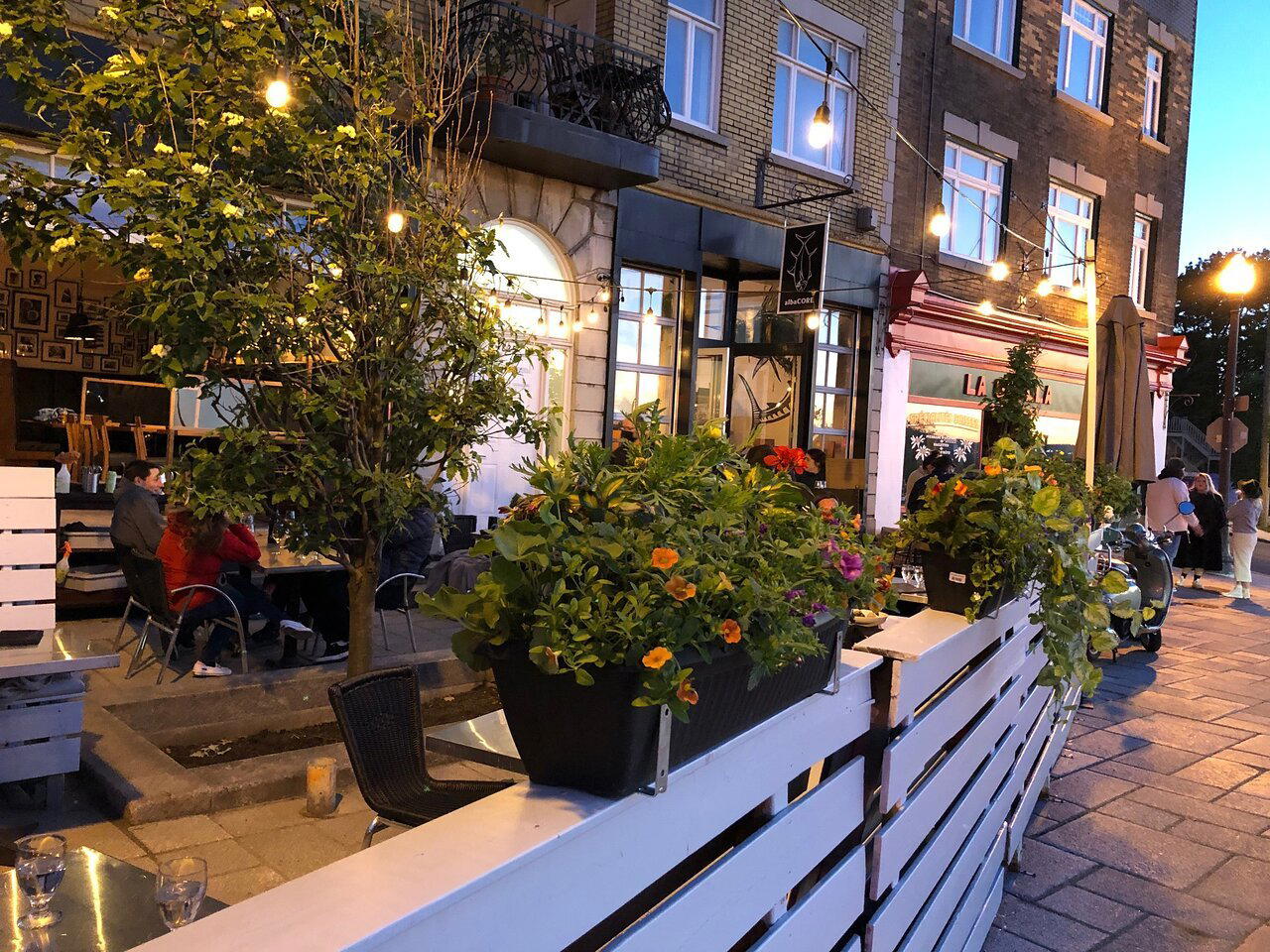
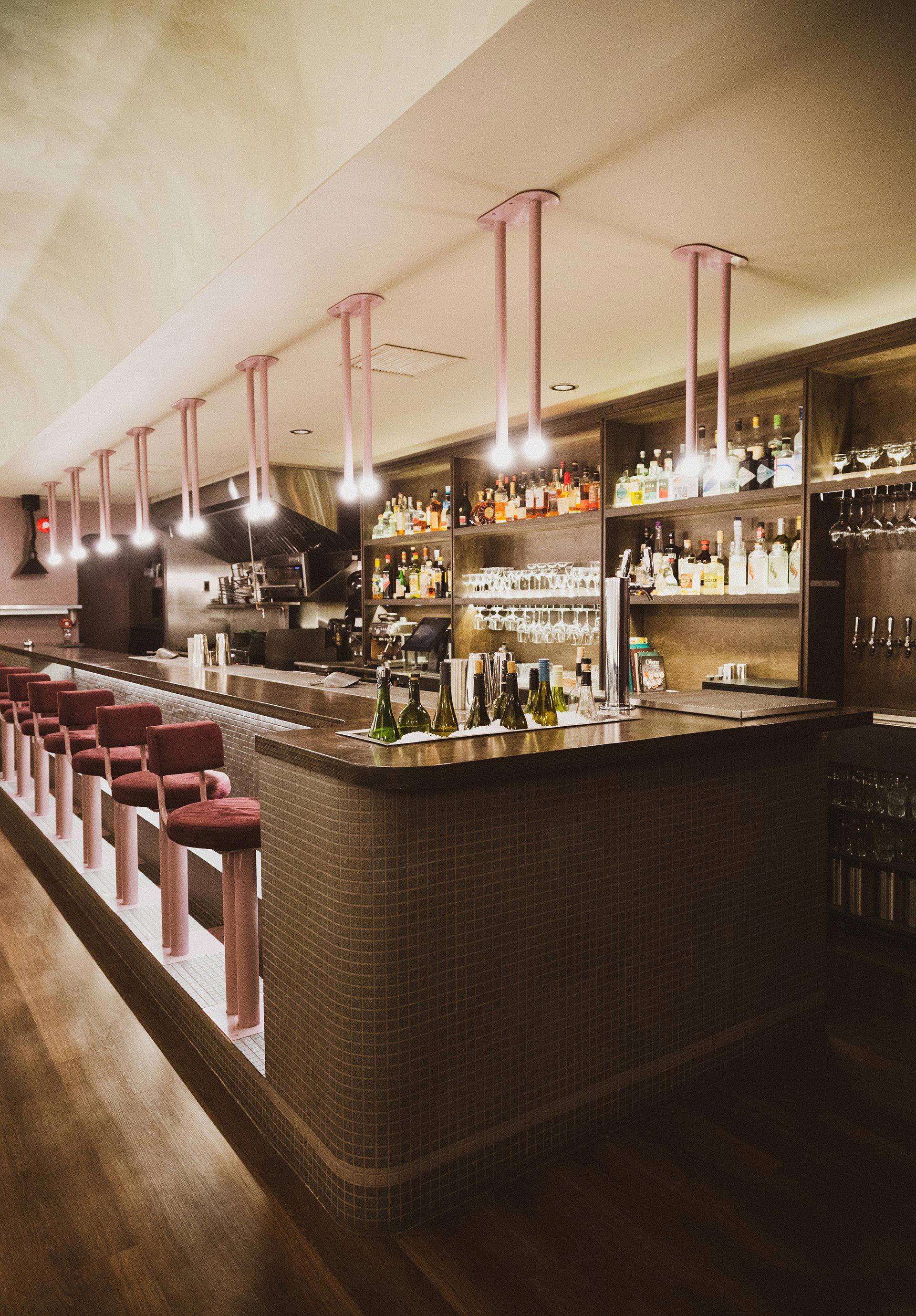
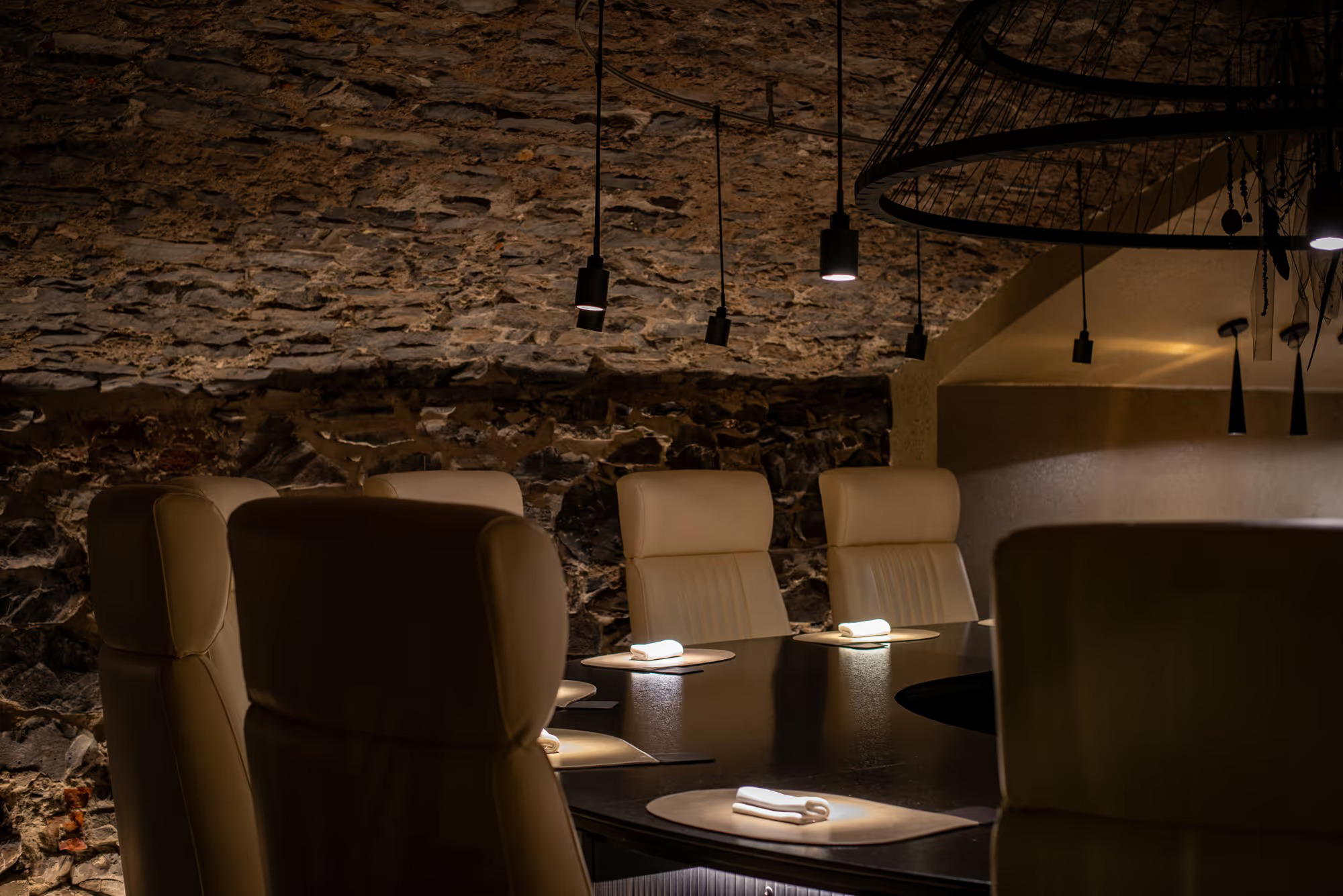
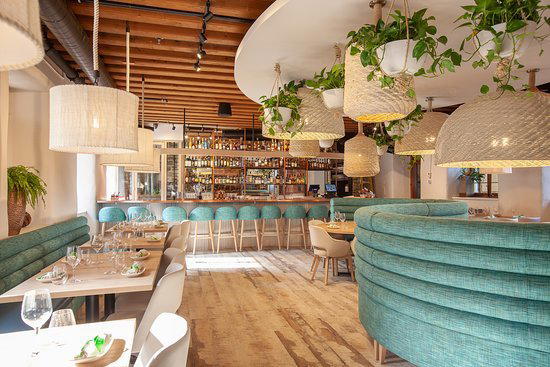
Warm and relaxed with a cozy, refined feel; guests can sit by the fireplace or at the bar, surrounded by illuminated historical artifacts that create an intimate, quietly sophisticated atmosphere.