Que Sera Sera
Situated on Place D'Youville in the heart of Old Quebec, Que Sera Sera occupies a position in one of Canada's most historically saturated dining cities. Quebec City's restaurant scene has shifted toward menus that bridge classical French technique with the boreal pantry of the St. Lawrence lowlands, and this address participates in that broader conversation, worth tracking for anyone building an itinerary around the city's evolving table.
Pearl is the En Primeur Club membership app — saves, bookings, and concierge access live there. Same editors, same standards.
- Address
- 850 Pl. D’Youville, Québec, QC G1R 1R4, Canada
- Phone
- +14186923535
- Website
- queserasera.ca
- Directions
- Get directions
 Saves & bookings on Pearl
Place D'Youville and the Address That Comes With It
Quebec City's Place D'Youville sits at the edge of the Old City walls, where the fortified upper town meets the commercial energy of the Saint-Jean axis. It is a square that has absorbed three centuries of public life: military parades, open-air markets, winter festivals. Restaurants on or immediately around this address carry that backdrop whether they invite it or not. It inherits a location that few cities in North America can match for sheer historical density, and that context shapes what any serious restaurant here needs to say about itself and about Quebec.
Where the neighbourhood once leaned on tourist-facing brasserie formats, a younger cohort of operators has moved in with more defined culinary positions: tighter sourcing networks, shorter menus with regional anchors, and a willingness to let the boreal larder, conifer, lake fish, wild forage, cold-climate root vegetables, drive the plate rather than ornament it. Que Sera Sera sits within that shift.
A City Cooking Through Its Own Ingredients
Quebec City's culinary identity has always been shaped by geography more than by fashion. The St. Lawrence Valley and the agricultural belt stretching toward Charlevoix and the Gaspésie produce ingredients that don't appear in the same form anywhere else on the continent: aged cow's milk cheeses from small farm operations, ice ciders from orchards that need the hard frost to concentrate sugar, smoked and cured heritage pork from producers who haven't scaled past regional distribution, wild mushrooms and fiddleheads harvested within driving distance of the city. The interesting question for any restaurant at this level of the market is what technique gets applied to those materials.
The tension that defines Quebec City dining right now is between classical French inheritance and a genuinely regional modernism. The French influence is architectural, it runs through the city's kitchen culture, its training lineages, its wine lists, and its service codes. But a generation of cooks has returned from stages in Copenhagen, Tokyo, and New York with different ideas about how indigenous products should be handled: less reduction and cream, more fermentation, curing, controlled oxidation, and a willingness to let an ingredient's own acidity or bitterness carry the dish. Venues like Tanière³ and ARVI represent the high end of that modernist strand, both operating at the $$$$ price tier with menus built around regional sourcing and global technique. Auberge Saint-Antoine anchors the Canadian cuisine category with a more heritage-inflected approach. Que Sera Sera's position within that spread is worth understanding before you book.
This editorial tension is not distinctive to Quebec City. Across Canada, the conversation about what it means to cook with local ingredients through internationally trained technique has produced some of the country's most interesting restaurant work. Alo in Toronto applies French precision to a menu that has gradually incorporated more Canadian sourcing. AnnaLena in Vancouver sits in a similar space on the west coast. In Quebec's own extended geography, Narval in Rimouski works the lower St. Lawrence corridor with a comparable sensitivity to place. Further afield, Restaurant Pearl Morissette in Lincoln and Eigensinn Farm in Singhampton each represent the farm-anchored end of the same national conversation. Montreal's Jérôme Ferrer - Europea shows how classical European training can be redeployed in a Quebec context with considerable critical success.
Seasonal Weight and When to Go
Quebec City operates on among the more pronounced seasonal cycles of any major Canadian dining destination. Winter, which runs hard from December through March, concentrates the city's culinary character: game, root storage, preserved summer harvests, and the kind of fat-forward cooking that the climate genuinely calls for. The Festival d'Hiver draws significant visitor volume in February, which compresses reservation availability at well-regarded addresses. Spring, particularly late April through May, brings fiddleheads, first forage, and a lightening of menus that makes it one of the more interesting times to eat across the city. The summer terrace season from June through August increases competition for prime tables and inflates tourist traffic around the Old City walls. Fall, from September through October, is when Charlevoix and the Eastern Townships produce their most compelling ingredients, squash, late mushrooms, apple harvests feeding the cider and vinegar operations that supply several of the city's serious kitchens. For anyone building a trip around eating rather than sightseeing, late September and early October represent the strongest convergence of ingredient quality and manageable crowd levels.
For historical and traditional Quebec cooking, Aux Anciens Canadiens in the Old City provides a useful reference point for how the classical colonial table has been preserved and presented. That frame of reference makes the departures taken by the city's modernist operators easier to read. Kebec Club Privé and Laurie Raphaël each occupy distinct positions in the city's creative tier, and cross-referencing those alongside Que Sera Sera gives a clearer picture of what the city's mid-to-upper restaurant bracket currently looks like.
The Place D'Youville address itself provides practical advantages: it is walkable from both the major hotel concentrations in the Old City and from the Saint-Jean neighbourhood's bars and smaller bistros, making it a reasonable anchor for an evening that starts elsewhere. Public parking is accessible nearby during evening hours, and the address is on several bus corridors from the lower town and the Limoilou district, where a younger dining crowd has been building an alternative scene around venues like similar neighbourhood-anchored formats elsewhere in Canada.
How Que Sera Sera Sits in the comparable set
Quebec City's restaurant market at the upper end has developed a fairly clear tier structure. The $$$$ operators, including Tanière³ and ARVI, set the price ceiling and compete on technique, sourcing rigour, and critical recognition. The $$$ band, anchored by venues like Ambre Buvette, offers shorter menus with more accessible entry points but increasingly serious culinary ambitions. Below that, the $$ tier handles the bistro and brasserie formats that carry most of the city's volume. Where the restaurant sits in that structure, and what it brings to the editorial conversation about local ingredients meeting global method, is what makes it worth attention on a Quebec City itinerary. For comparable ambition applied at comparable scale in other Canadian cities, the work being done at The Pine in Creemore offers a useful parallel: smaller markets, strong regional sourcing, technique that references international kitchens without deferring to them.
The international reference points are worth keeping in mind. The precision cooking that defines the upper tier of Quebec City dining draws from the same lineage as Le Bernardin in New York City on the French-technical side, and from the kind of ingredient-led modernism that venues like Atomix in New York City have made legible to an internationally travelling audience. Quebec City's version of that conversation is younger, smaller in scale, and rooted in a regional pantry that most international diners have not encountered. That combination is what makes the city's serious restaurant scene worth the attention of anyone who follows where Canadian cooking is going.
Comparable Options
Comparable venues nearby, for context on price, style, and recognition.
| Venue | Cuisine | Price | Notes |
|---|---|---|---|
| Que Sera SeraThis venue — the venue you are viewing | French-Canadian Bistro | $$ | Not listed |
| Bistro St-Malo | Traditional French Bistro with Mediterranean Touch | $$ | Vieux-Québec, Cap-Blanc, Colline parlementaire |
| Le Lapin Sauté | Traditional French-Canadian Game Cuisine | $$ | Vieux-Québec, Cap-Blanc, Colline parlementaire |
| CAFÉLIA | Café | $$ | Saint-Louis |
| Restaurant Le Fin Gourmet | French with Quebec influences | $$$ | Saint-Sauveur |
| Le Hobbit | Modern French Bistro | $$ | Saint-Jean-Baptiste |
Continue exploring
More in Quebec City
Restaurants in Quebec City
Browse all →
Bars in Quebec City
Browse all →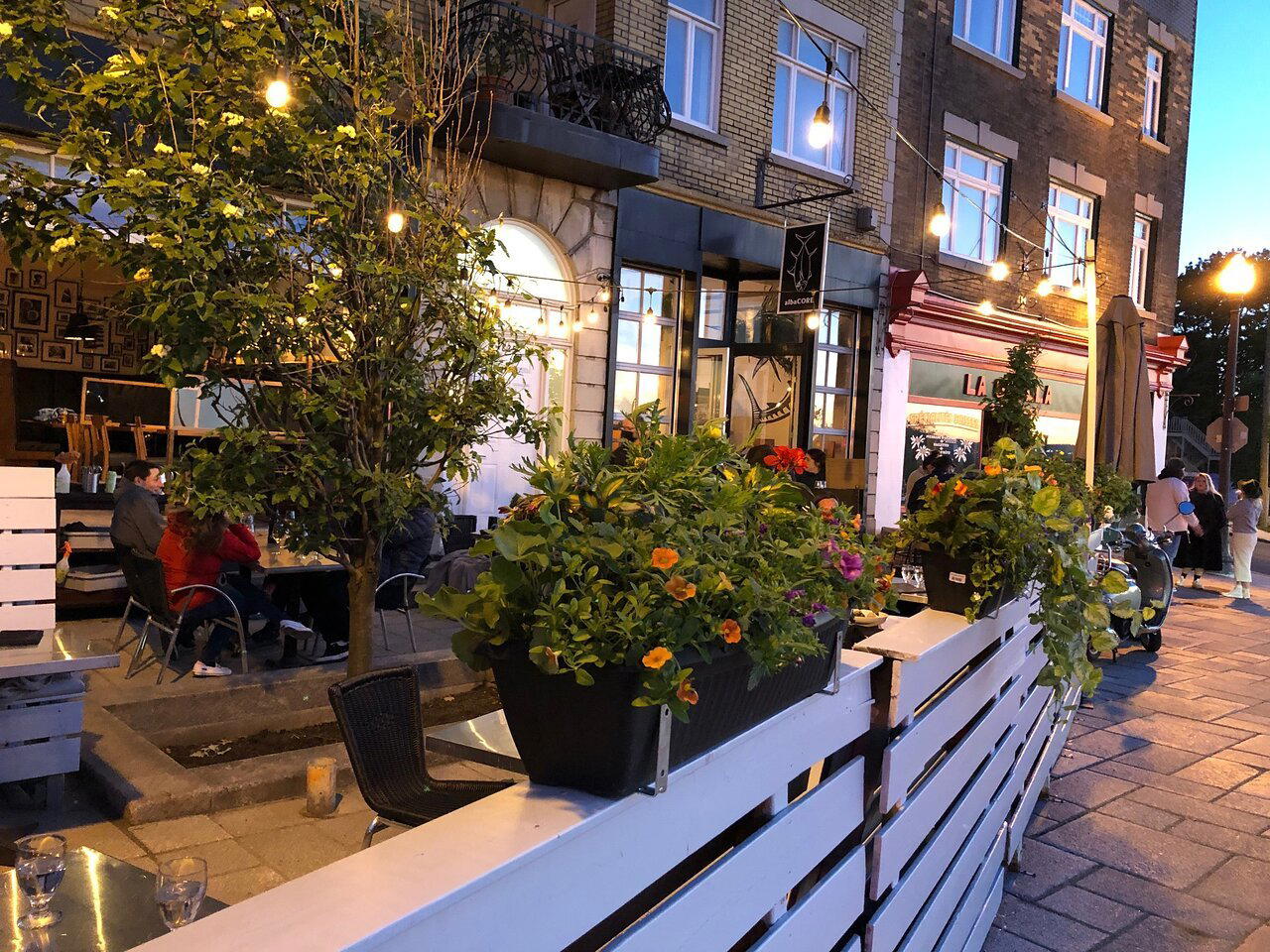

At a Glance
- Modern
- Cozy
- Casual Hangout
- Business Dinner
- Hotel Restaurant
- Extensive Wine List
- Craft Cocktails
- Local Sourcing
- Street Scene
Current opening hours
- Monday
- 6:30 AM–11 PM
- Tuesday
- 6:30 AM–11 PM
- Wednesday
- 6:30 AM–11 PM
- Thursday
- 6:30 AM–11 PM
- Friday
- 6:30 AM–11 PM
- Saturday
- 7 AM–11 PM
- Sunday
- 7 AM–11 PM
Hours can change for holidays and private events. Last verified .
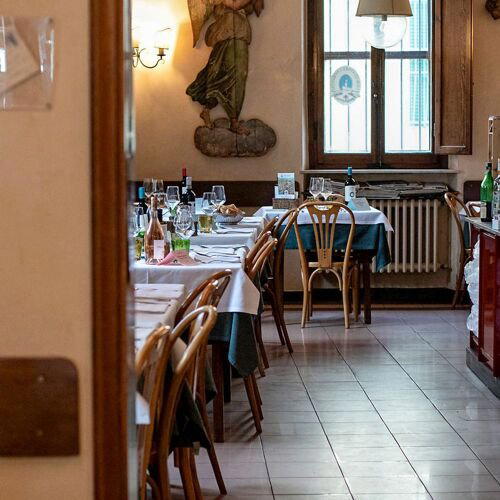
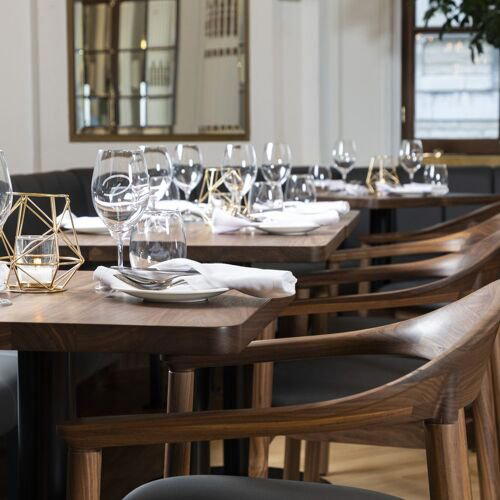
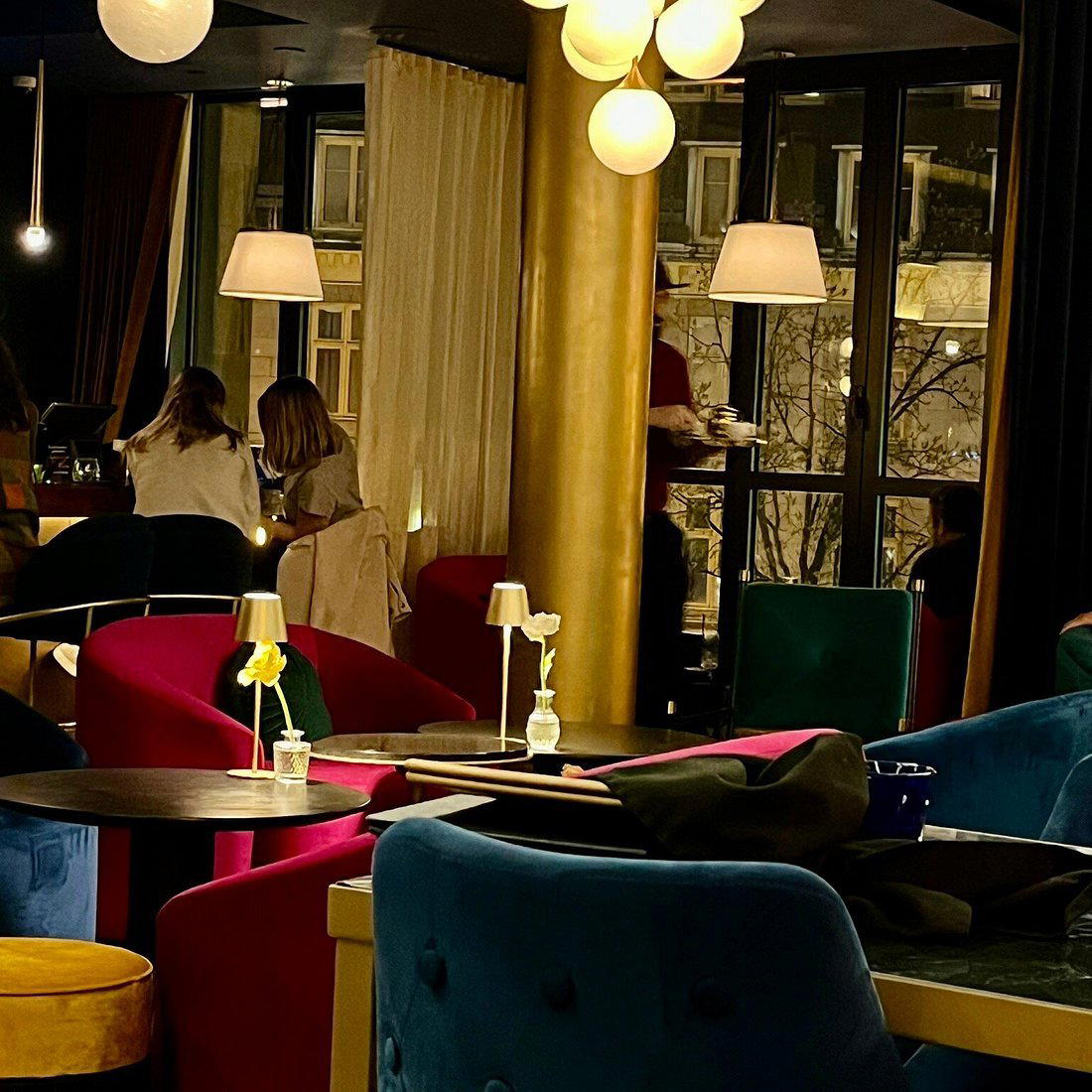
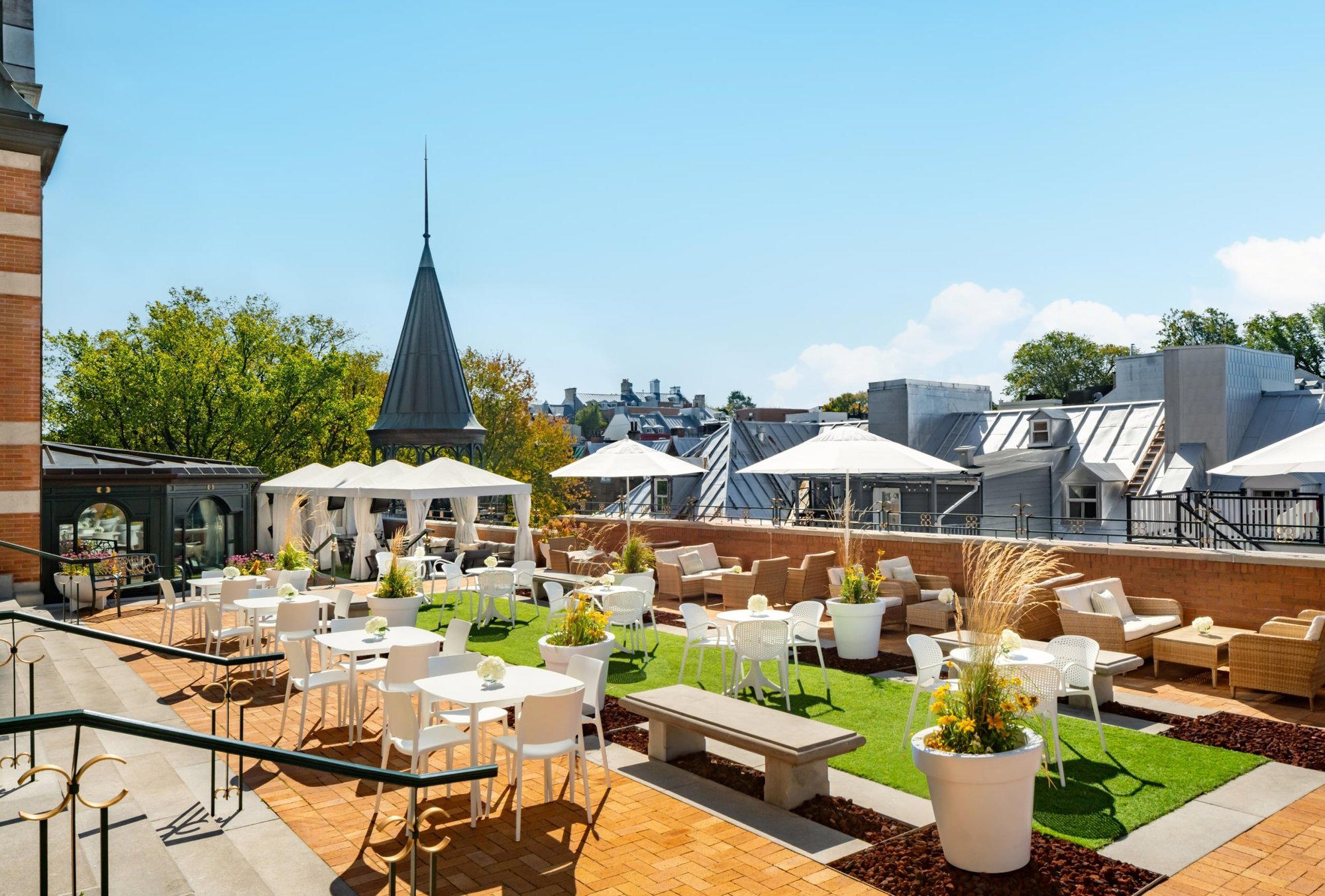
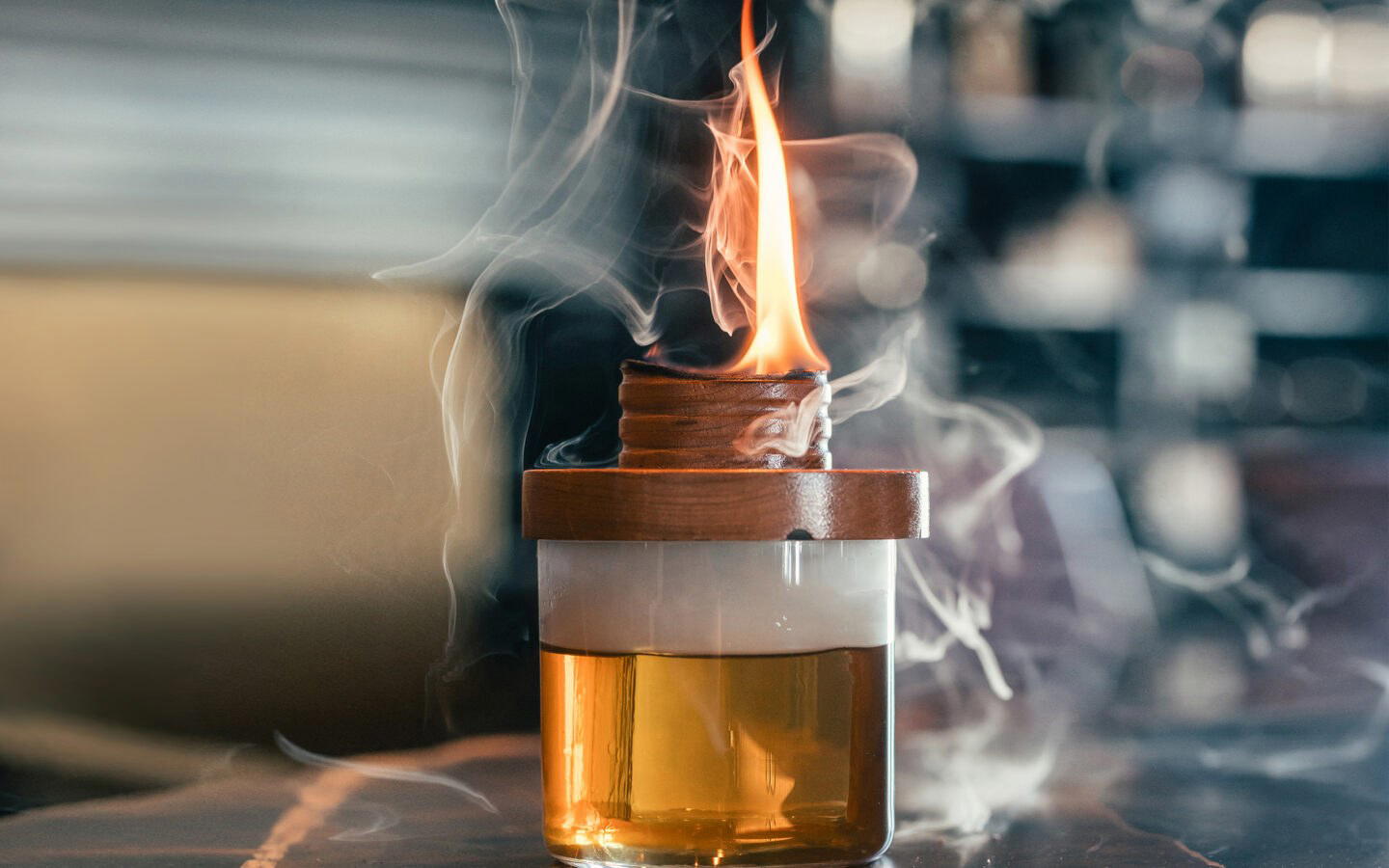
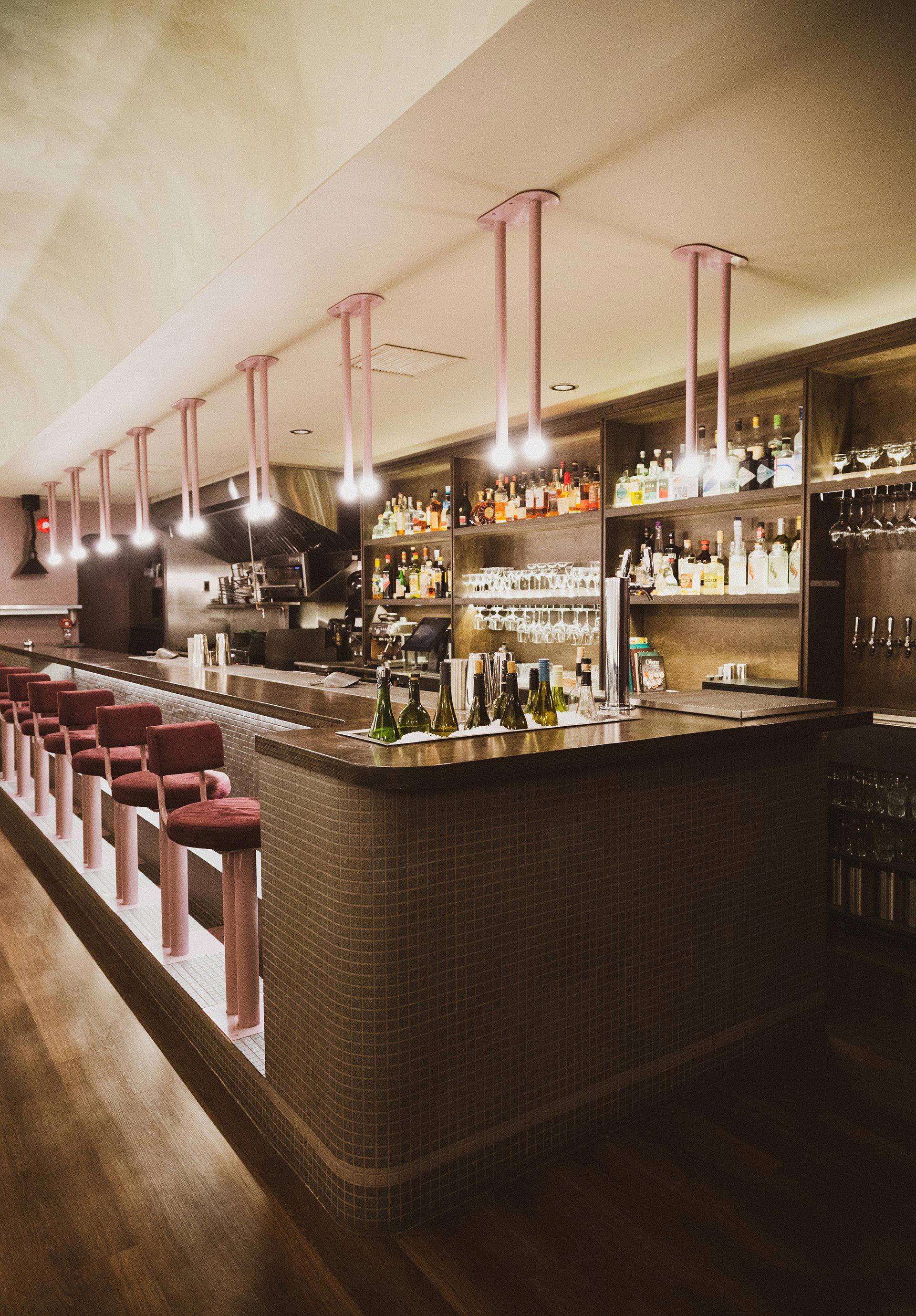
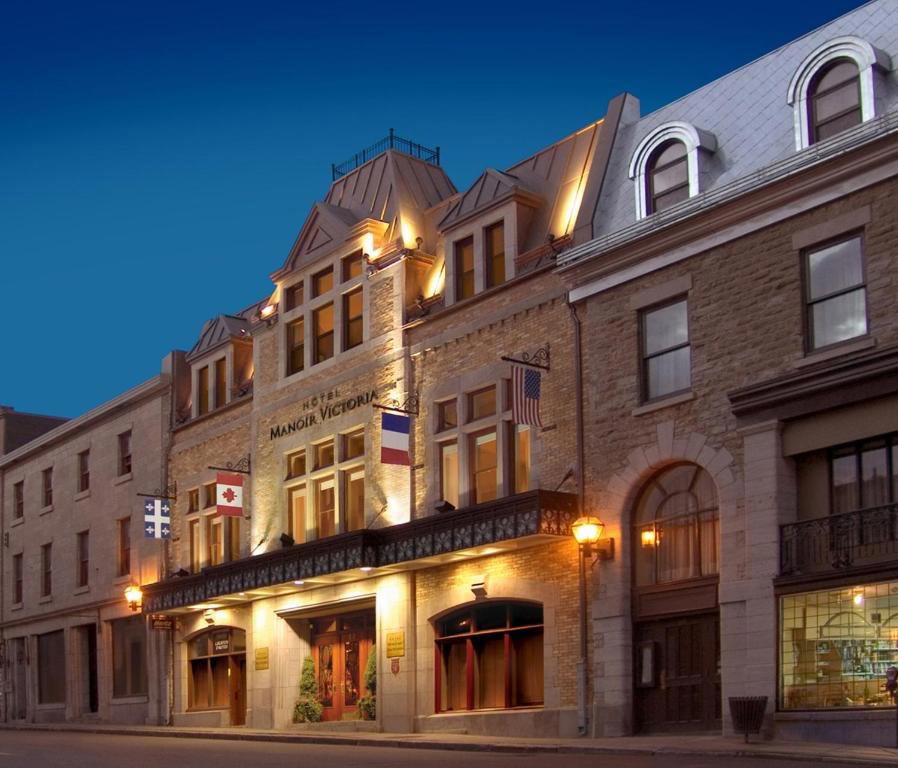
Modern decor meets cozy atmosphere with moderate noise levels, ideal for casual or special occasion meals.