Le Clan



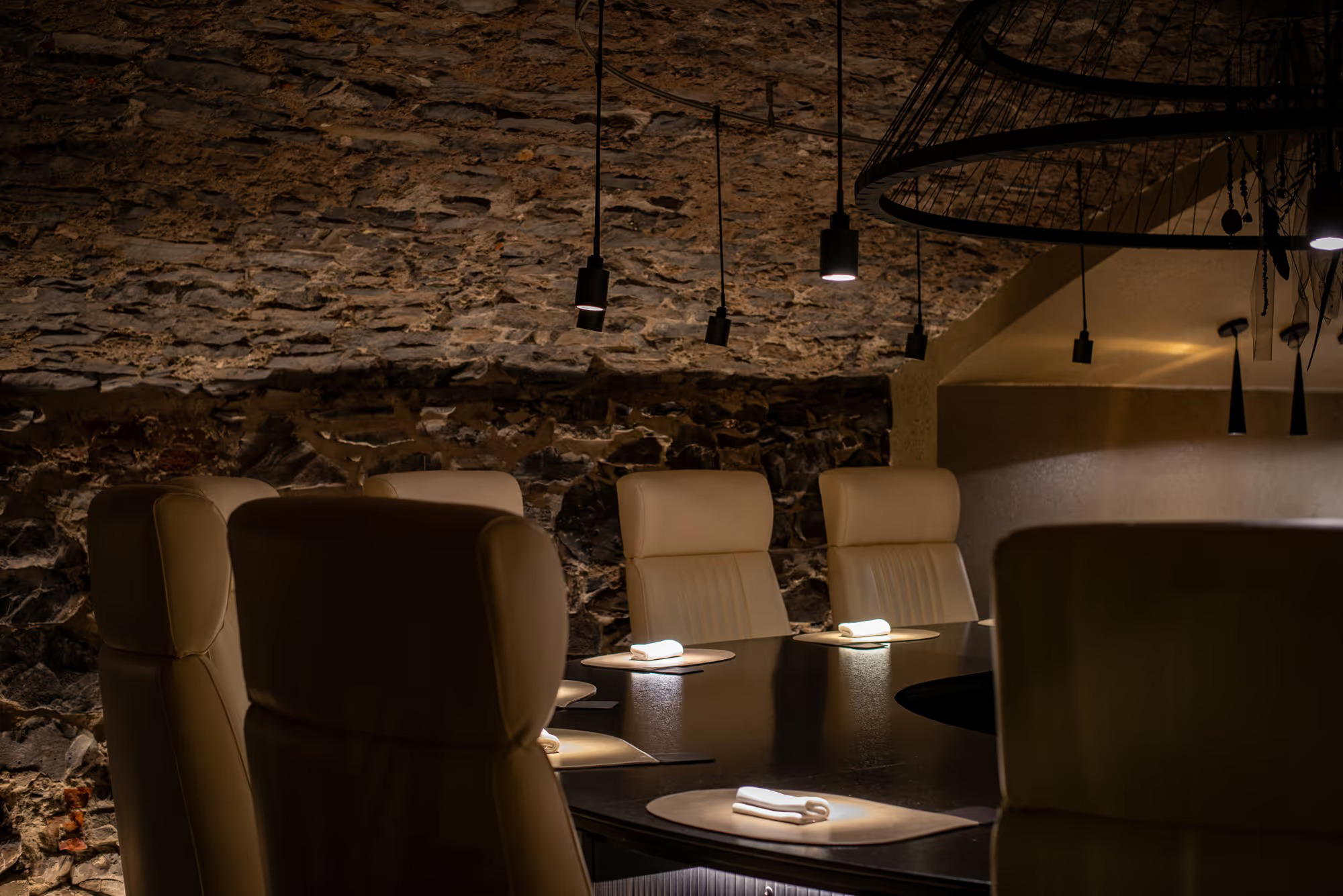
Le Clan occupies a 17th-century stone building in Old Québec's Place d'Armes district, earning a 2025 Michelin Plate for its commitment to regional Canadian terroir. The entrance routes guests through the working kitchen, a deliberate gesture toward transparency that sets the tone for everything that follows. With a 380-label wine list and a team including Wine Director Laura-Émilie Lemaire, the program matches the ambition of the plate.
Pearl is the En Primeur Club membership app — saves, bookings, and concierge access live there. Same editors, same standards.
- Address
- 44 Rue des Jardins, Québec, QC G1R 3Z1, Canada
- Phone
- +1 418-692-0333
- Website
- restaurantleclan.com
- Directions
- Get directions
 Saves & bookings on Pearl
Through the Kitchen, Into Old Québec
In the older quarters of any historic city, restaurants face a structural choice: trade on the postcard setting and deliver something comfortable, or use the address as an anchor for something more ambitious. Along Rue des Jardins in Québec City, the stone-walled rooms that make up Le Clan have, over time, moved firmly toward the latter position. The entrance through the working kitchen is not theatre for its own sake. It is a statement of direction: this is a kitchen-first operation, and the room exists to serve what happens inside it.
That positioning has sharpened in recent years. Québec City's upper tier of restaurants has grown more competitive and more internationally visible since the Michelin Guide extended its reach into the province. The 2025 Michelin Plate awarded to Le Clan places it in a recognised bracket alongside peers operating at similar price and ambition levels, including Tanière³ and ARVI. Where those addresses push into $$$$ territory with tasting-menu formats, Le Clan holds at $$$, making its Michelin recognition notable within that mid-upper pricing band.
Terroir as a Sustained Position, Not a Trend
The word terroir is used so freely in North American restaurant marketing that it has nearly lost descriptive value. At the restaurant, the approach gives the term some weight back. The menu is built around regional Canadian ingredients, sourced with the kind of specificity that the Québec short growing season and proximity to the St. Lawrence system makes possible: river fish, forest foraging, cold-climate roots and grains, and the dairy traditions of the province. This is not a recent pivot toward localism. The identity has been present long enough that the 2025 Michelin recognition reads as confirmation rather than discovery.
For context on what this kind of regional focus looks like at a Canadian scale, it's useful to compare the restaurant approach with operations like Narval in Rimouski and The Pine in Creemore, both of which anchor their programs in hyper-local sourcing within their respective regions. The Québec City context adds a further layer: the city's French colonial food culture gives a particular framing to ingredients that might otherwise be treated as purely rustic. The combination of French technique and Canadian raw material is not new here, it has shaped the city's dining identity for decades, but the current generation of kitchens has executed it with more precision than their predecessors.
Chef Stéphane Modat leads the kitchen, with the operation co-owned alongside Pierre-Olivier Gingras and Yannick Parent. This kind of tight ownership structure tends to produce more consistent programs over time, because the people making menu decisions are also accountable for the room. For comparable ownership models in the Canadian fine dining tier, AnnaLena in Vancouver and Restaurant Pearl Morissette in Lincoln operate on similar principles.
The Wine Program as a Parallel Argument
A wine list of 380 selections is, at the $$$ price tier, a serious commitment. Most restaurants operating in this bracket carry lists half that size. The restaurant program, overseen by Wine Director Laura-Émilie Lemaire with sommeliers Antoine Fournier and Thomas Trenado, takes French and Canadian bottles as its twin anchors. The French side is expected given the cultural context; the Canadian emphasis is more pointed. It reflects a growing confidence in domestic production, particularly from Québec and British Columbia, that has accelerated alongside the province's wider culinary ambitions.
Pricing on the list sits at the $$$ tier, meaning a meaningful proportion of bottles reach into the $100+ range. For those exploring the Québec City wine scene more broadly, the full Québec City wineries guide maps the regional production context.
Where Le Clan Sits in the Old Québec Dining Pattern
The neighbourhood around Place d'Armes and Rue des Jardins is one visited part of Québec City, which creates a particular challenge for restaurants trying to operate at a serious level. Tourist volume in summer is high enough to sustain any number of serviceable addresses, but it also creates pressure toward safe, accessible menus. The restaurants that have built lasting reputations in Old Québec tend to have done so by treating the location as incidental rather than central to their identity. The restaurant's kitchen-entrance format signals that orientation from the moment of arrival.
The broader Old Québec dining tier includes addresses at different price points and formats. Buvette Scott and Le Clocher Penché operate at lower price tiers and with different format ambitions. Kebec Club Privé takes a more concept-driven approach. At the Montreal level, the comparison point for Québec-rooted French-influenced cooking at full-service scale would be something closer to Jérôme Ferrer's Europea. Nationally, Alo in Toronto operates at the summit of the Canadian tasting-menu tier and provides a useful benchmark for where Québec City's upper bracket sits relative to the country's most recognised addresses.
For international reference, the terroir-focused regional approach the restaurant pursues has parallels in Europe: Gannerhof in Innervillgraten and Fahr in Künten-Sulz both operate within defined regional ingredient systems in ways that resemble the restaurant model more closely than a conventional fine dining benchmark would.
Planning Your Visit
The restaurant is located at 44 Rue des Jardins in Old Québec, within walking distance of the main landmarks of the Upper Town. The restaurant serves both lunch and dinner, which is less common at this price and ambition level in the city and gives it a practical advantage for visitors who prefer to anchor their main meal earlier in the day. At $$$, a two-course meal typically runs above $66 before beverages, placing it firmly in the occasion-dining bracket rather than everyday spending.
For a broader orientation to the city's dining, drinking, and stay options, the full Québec City restaurants guide, bars guide, hotels guide, and experiences guide cover the wider picture.
Comparable Spots, Quickly
Comparable venues nearby, for context on price, style, and recognition.
| Venue | Cuisine | Price | Awards | Notes |
|---|---|---|---|---|
| Le ClanThis venue — the venue you are viewing | Modern French Tasting Menu with Québec Terroir | $$$$ | Michelin Plate | Not listed |
| La Planque | Modern French Bistro | $$$ | Michelin Plate | Vieux-Limoilou |
| Melba | Modern French Bistro | $$$ | Bib Gourmand | Saint-Sauveur |
| Champlain | Modern French Fine Dining | $$$$ | Michelin Plate | Vieux-Québec, Cap-Blanc, Colline parlementaire |
| L'Orygine | Contemporary Farm-to-Table with Organic Local Focus | $$$$ | Michelin Plate | Vieux-Québec, Cap-Blanc, Colline parlementaire |
| lueur | Modern French Small Plates | $$ | Bib Gourmand | Vieux-Québec, Cap-Blanc, Colline parlementaire |
Recognition history
Dated appearances from independent guides and award organizations, with the underlying list record or original source where available.
Michelin 1 Star
Michelin
Star Wine List
Star Wine List
Wine Spectator Best of Award of Excellence
Wine Spectator
Michelin Plate
Michelin
Wine Spectator Best of Award of Excellence
Wine Spectator
Continue exploring
More in Quebec City
Restaurants in Quebec City
Browse all →
Bars in Quebec City
Browse all →
At a Glance
- Romantic
- Intimate
- Elegant
- Sophisticated
- Date Night
- Special Occasion
- Celebration
- Open Kitchen
- Historic Building
- Private Dining
- Extensive Wine List
- Sommelier Led
- Farm To Table
- Local Sourcing
Current opening hours
- Monday
- 11:30 AM–2 PM, 5–9:30 PM
- Tuesday
- 11:30 AM–2 PM, 5–9:30 PM
- Wednesday
- 11:30 AM–2 PM, 5–9:30 PM
- Thursday
- 11:30 AM–2 PM, 5–9:30 PM
- Friday
- 11:30 AM–2 PM, 5–10 PM
- Saturday
- 9 AM–2 PM, 5–10 PM
- Sunday
- 9 AM–2 PM, 5–9:30 PM
Hours can change for holidays and private events. Last verified .
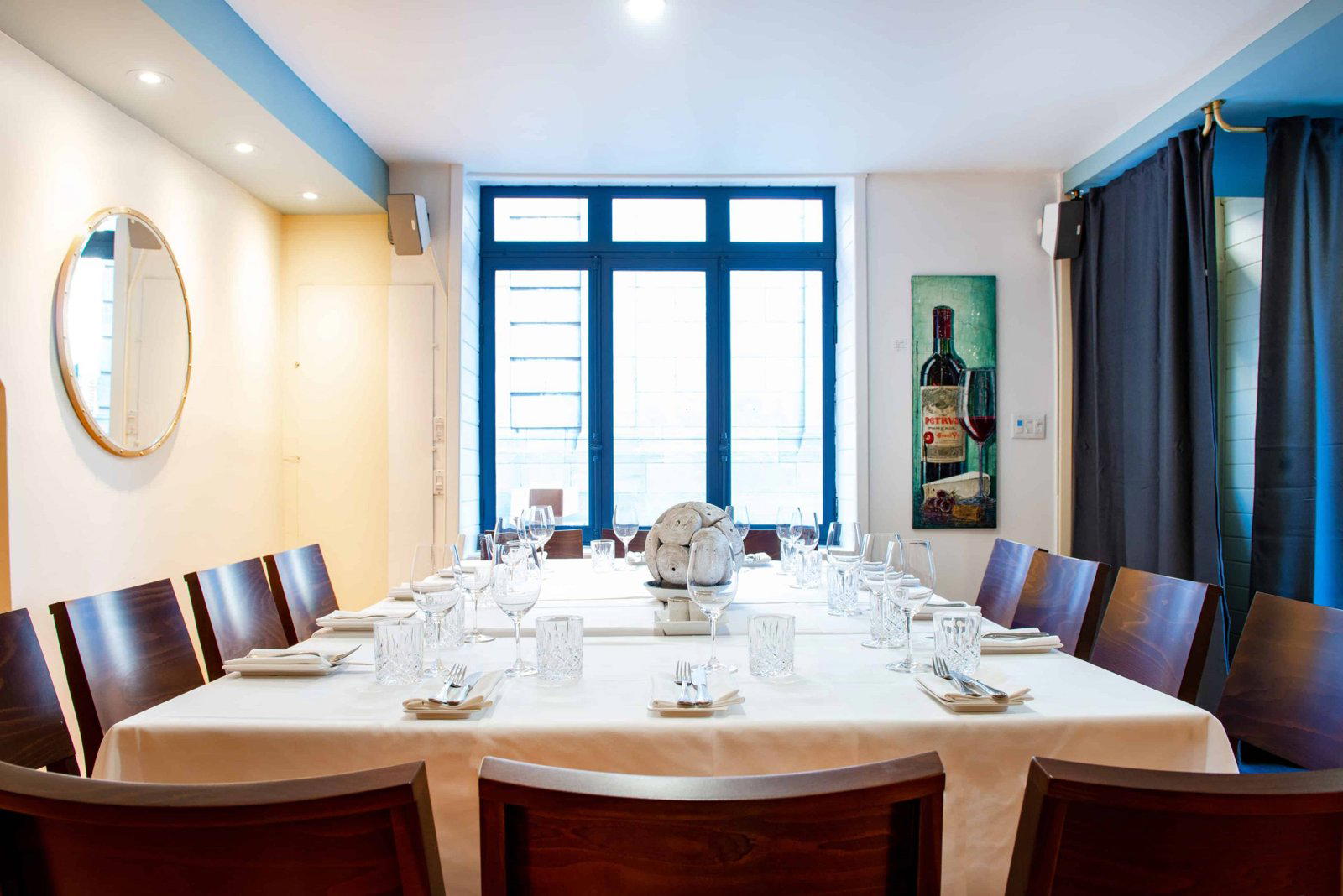
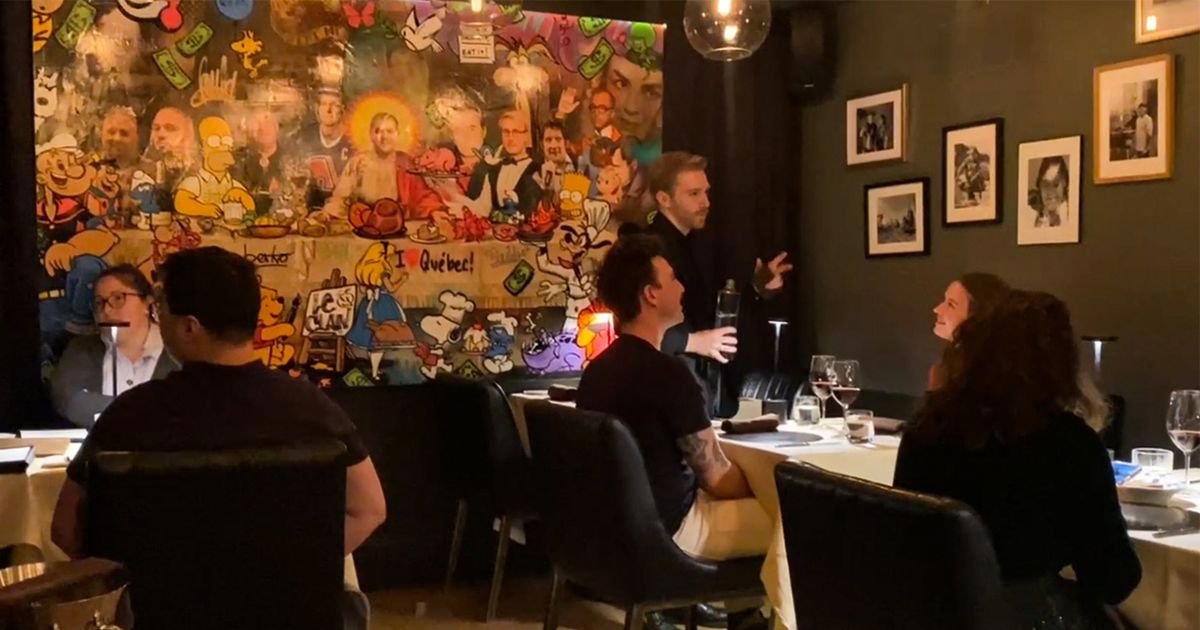
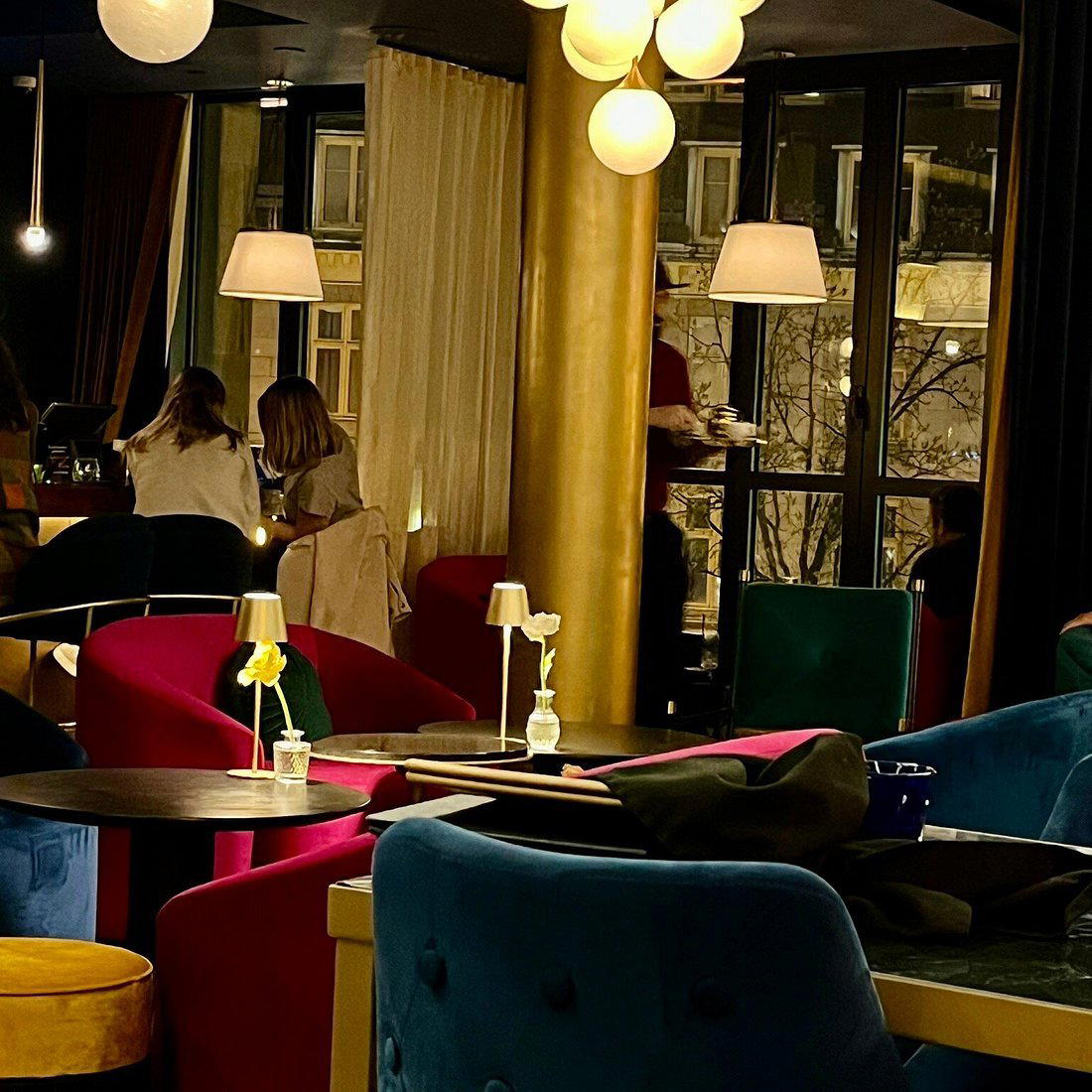
Warm and intimate with a cozy, formal dining room in a converted historic house; small rooms with hunting and fishing trophies reflecting the chef's passions; open kitchen visible from dining area.