Aux Anciens Canadiens
Aux Anciens Canadiens occupies one of Old Quebec's oldest standing houses on Rue Saint-Louis, serving the kind of traditional Quebec cuisine, tourtière, pea soup, maple-glazed game, that reads as both culinary history and living practice. It sits in a tier of its own among Old City restaurants: not a contemporary bistro, not a hotel dining room, but a deliberate preservation of habitant cooking traditions that few restaurants in the province take seriously at this scale.
Pearl is the En Primeur Club membership app — saves, bookings, and concierge access live there. Same editors, same standards.
- Address
- 34 Rue Saint-Louis, Québec, QC G1R 4L6, Canada
- Phone
- +1 418 692 1627
- Website
- auxancienscanadiens.qc.ca
- Directions
- Get directions
 Saves & bookings on Pearl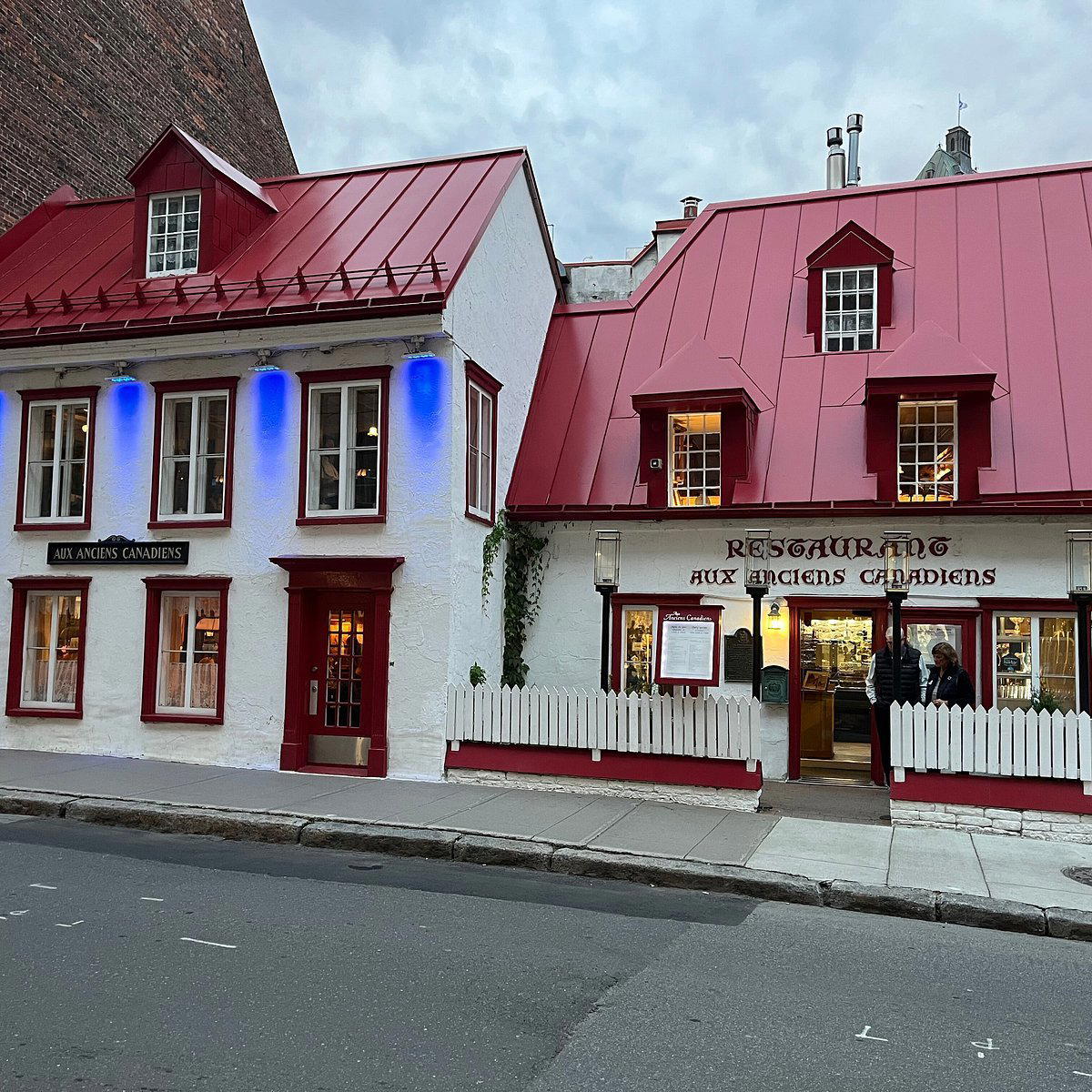
Where Old Quebec Eats Its Own History
Rue Saint-Louis runs from the Château Frontenac toward Porte Saint-Louis, and by the time you reach number 34, the street has already delivered its share of cobblestones, stone facades, and tourist-facing restaurants. Aux Anciens Canadiens is a restaurant at 34 Rue Saint-Louis in Québec City that serves Traditional Québécois cuisine. The building itself, the Maison Jacquet, one of the oldest surviving structures in Quebec City, dating to the late seventeenth century, is not incidental to the experience. The low ceilings, thick stone walls, and wood-beamed interior are the physical record of a cuisine that predates French fine dining, predates Confederation, and predates most of the culinary traditions that restaurants in Canada now treat as heritage worth recovering.
What that means at the table is a menu structured around cuisine habitante: the cooking of Quebec's early settlers and agricultural communities, shaped by long winters, root cellars, preserved meats, game, and the agricultural rhythms of the St. Lawrence Valley. This is not a niche position in the broader Canadian dining conversation, it is, the foundational one. Restaurants like Tanière³ in Quebec City and Eigensinn Farm in Singhampton approach historic and land-tied cooking through a contemporary fine-dining lens. Aux Anciens Canadiens takes a different position: it presents the tradition largely on its own terms, without the mediation of modernist technique or seasonal tasting menus.
The Sourcing Logic Behind Habitant Cooking
The ingredient logic of Quebec's traditional cooking is inseparable from geography. The province's agricultural history ran along the St. Lawrence, with farms producing pork, poultry, and root vegetables, forests providing game, and rivers supplying freshwater fish. Maple syrup was not a finishing garnish but a primary sweetener and preservative. Pea soup, tourtière, cretons, and ragoût de boulettes were not poverty food, they were intelligent responses to climate, season, and available protein.
That sourcing story matters because it distinguishes this cuisine sharply from the French-influenced bistro cooking that dominates much of Quebec City's contemporary restaurant scene. Restaurants like LE CONTINENTAL on Rue Saint-Louis make a strong case for classical French technique applied to local seafood and steak. L'Affaire est ketchup and Les Botanistes represent a newer generation of market-driven cooking that takes its cues from seasonal Quebec produce but processes it through a contemporary bistro or plant-forward framework. Aux Anciens Canadiens sits outside both of those trajectories. Its reference point is the farmhouse and the winter larder, not the French kitchen or the contemporary tasting menu format.
Across Canada, a handful of restaurants are building their identities around this kind of deep regional sourcing logic. Fogo Island Inn Dining Room in Joe Batt's Arm applies a similar philosophy to Newfoundland's coastal traditions. Narval in Rimouski works along the Lower St. Lawrence with a focus on hyper-local marine and agricultural products. In each case, the sourcing logic is not a marketing angle but a structural principle: the menu cannot be what it is without the specific geography it draws from. The restaurant operates under the same constraint, and that constraint is what gives the cooking its coherence.
What to Order and How to Read the Menu
Visitors approaching the menu without context sometimes misread it as comfort food tourism. It is more productive to read it as a document of Quebec agricultural history. The tourtière, the spiced meat pie that appears in regional variations across the province, is the central reference point. In Saguenay–Lac-Saint-Jean, tourtière is made with game, layered in a deep dish, and cooked slowly. In Montreal, it tends toward a shallower format with ground pork or beef. Quebec City's version sits closer to the ground-meat tradition, seasoned with cloves, cinnamon, and allspice in a ratio that varies by family and region.
Maple figures in multiple registers: as a glaze, as a sauce component, and as the context for dishes that would traditionally have been sweetened with it during sugaring season in March and April. Game preparations, pea soup made from dried yellow peas in the habitant tradition, and braised or slow-cooked proteins reflect a cuisine built around preservation and long cooking times rather than quick-fire technique.
The Old City Context
Quebec City's restaurant geography is compact. The historic Upper Town, within the walls, concentrates most of the tourist-facing dining, while Saint-Roch and Saint-Jean-Baptiste hold the more adventurous contemporary operations. La Barberie and Rue du Petit Champlain represent the more relaxed, neighbourhood-scaled experiences available just outside particularly visited corridors. The restaurant occupies the historic core deliberately, in a building that makes the argument for its cooking more persuasively than any menu description could.
The restaurant draws travellers making a first visit to Quebec City, returning guests, and locals. That range reflects the restaurant's position at the intersection of culinary heritage site and functioning restaurant, a combination that few dining rooms in North America manage without tipping too far toward one or the other.
Planning Your Visit
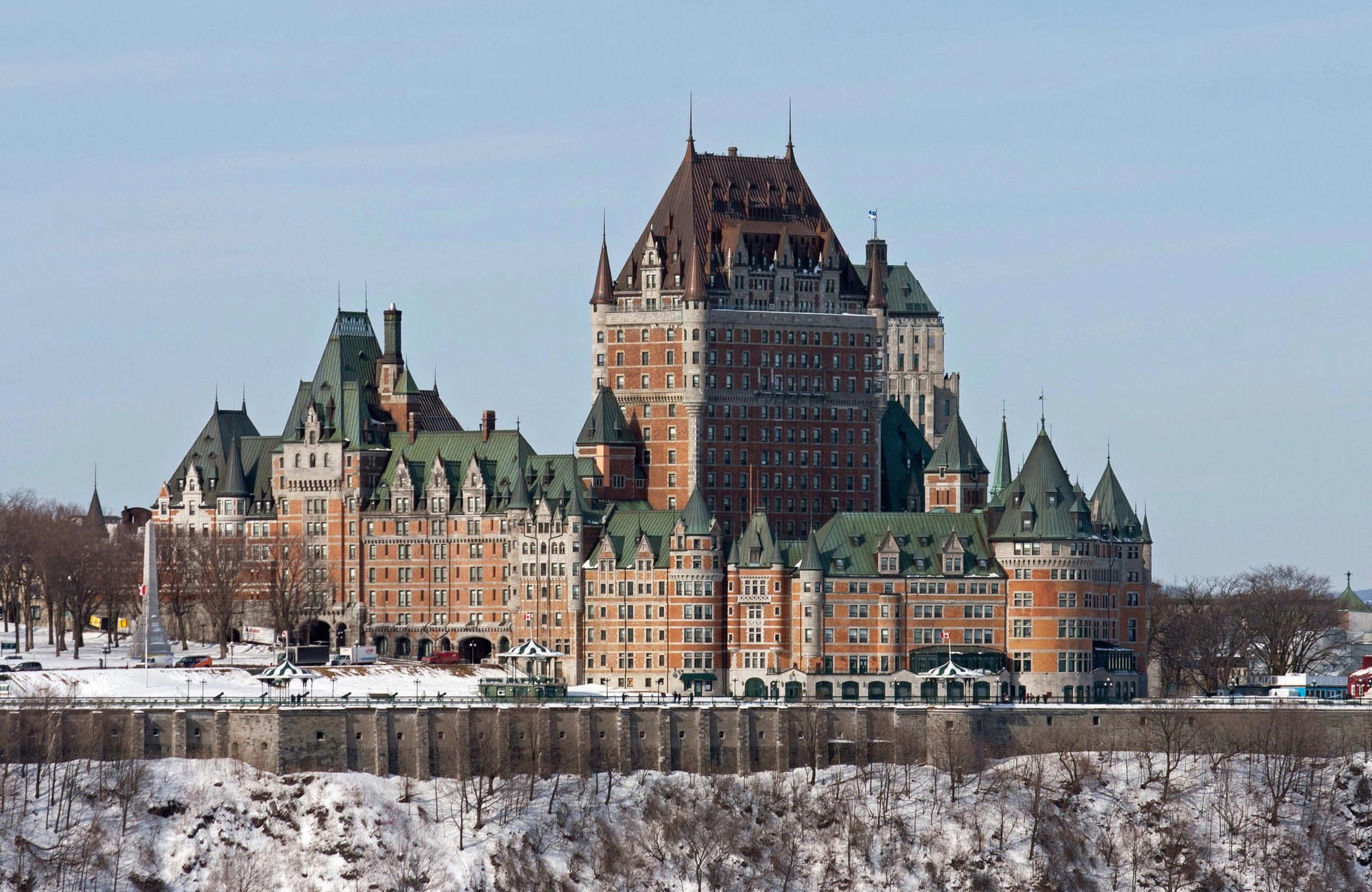
The restaurant is located at 34 Rue Saint-Louis in Old Quebec, within easy walking distance of the Château Frontenac and the main gates of the walled city. Reservations are recommended. Winter visits carry a different character, the stone interior reads more atmospherically when the city outside is under snow, and the menu's emphasis on hearty, slow-cooked preparations aligns naturally with cold-weather eating.
At-a-Glance Comparison
Comparable venues nearby, for context on price, style, and recognition.
| Venue | Cuisine | Price | Notes |
|---|---|---|---|
| Aux Anciens CanadiensThis venue — the venue you are viewing | Traditional Québécois | $$$ | Not listed |
| Artefact | Cocktail bar with light refined cuisine | $$ | Old Quebec / Old Port |
| La Barberie - Microbrasserie & Restaurant | Quebecois Gastropub with Craft Beer | $$ | Saint-Roch |
| Les Botanistes | French Market Cuisine with Seasonal Local Ingredients | $$$ | Jules-Verne |
| Rue du Petit Champlain | French-Québécois Bistro | $$$ | Quartier Petit Champlain |
| L'Affaire est ketchup | Quebecois-French Comfort Bistro | $$$ | Old Quebec |
Continue exploring
More in Quebec City
Restaurants in Quebec City
Browse all →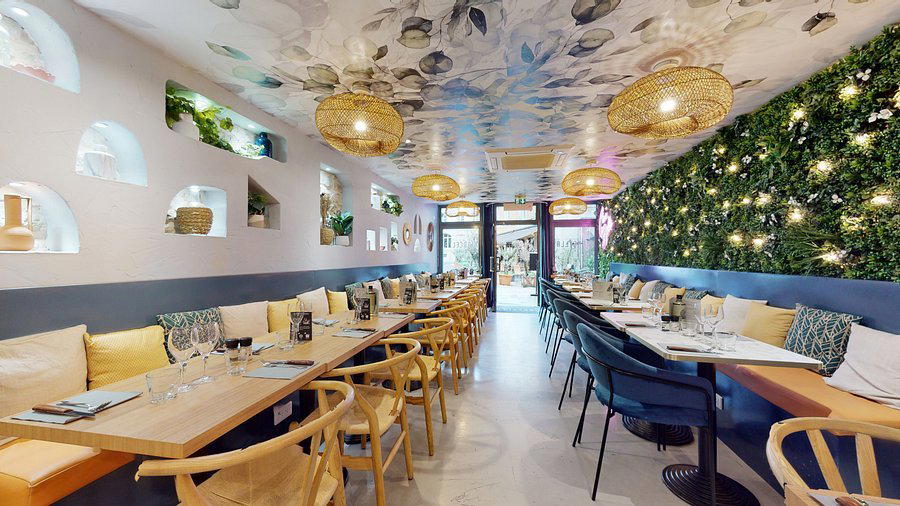
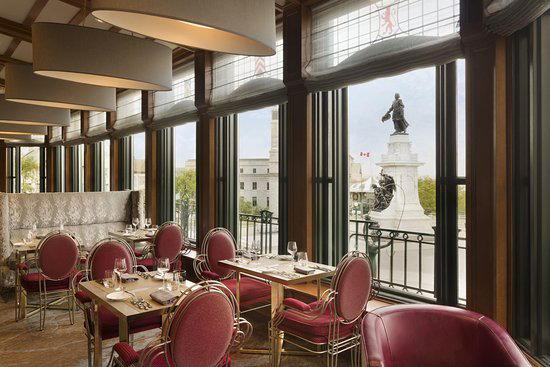
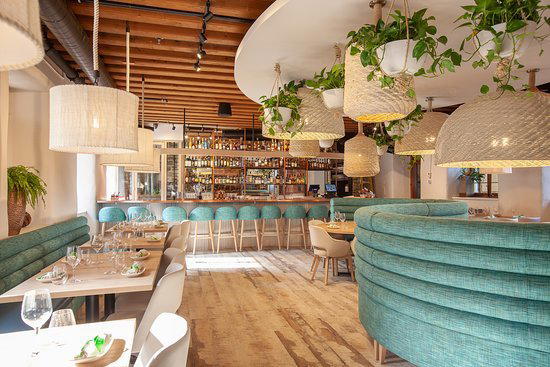
Bars in Quebec City
Browse all →
At a Glance
- Classic
- Rustic
- Historic
- Cozy
- Well Known
- Special Occasion
- Family
- Group Dining
- Celebration
- Historic Building
- Local Sourcing
Current opening hours
- Monday
- 11 AM–9 PM
- Tuesday
- 11 AM–9 PM
- Wednesday
- 11 AM–9 PM
- Thursday
- 11 AM–9 PM
- Friday
- 11 AM–9 PM
- Saturday
- 11 AM–9 PM
- Sunday
- 11 AM–9 PM
Hours can change for holidays and private events. Last verified .
Warm and historic ambiance in a 17th-century ancestral home with low ceilings, small rooms, antiques, and servers in period garb.