Champlain


Champlain holds a 2025 Michelin Plate inside the Fairmont Le Château Frontenac, Québec City's most architecturally recognizable address. The kitchen works in a modern French register, backed by a 630-selection wine program with 12,000 bottles in inventory, strong across Bordeaux, California, and Canadian producers. Dinner is priced at the top of the city's formal dining tier, with Wine Director Zsombor Mezey overseeing one of the more serious lists in the region.
Pearl is the En Primeur Club membership app — saves, bookings, and concierge access live there. Same editors, same standards.
- Address
- 1 Rue des Carrières, Québec, QC G1R 5J5, Canada
- Phone
- +1 418-692-3861
- Website
- fairmont.com
- Directions
- Get directions
 Saves & bookings on Pearl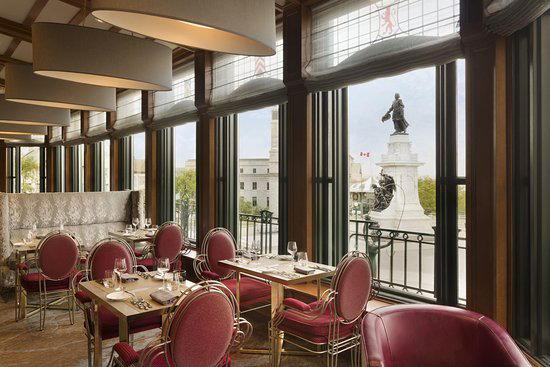
The Setting: Stone Walls, River Light, and a Century of Occasion Dining
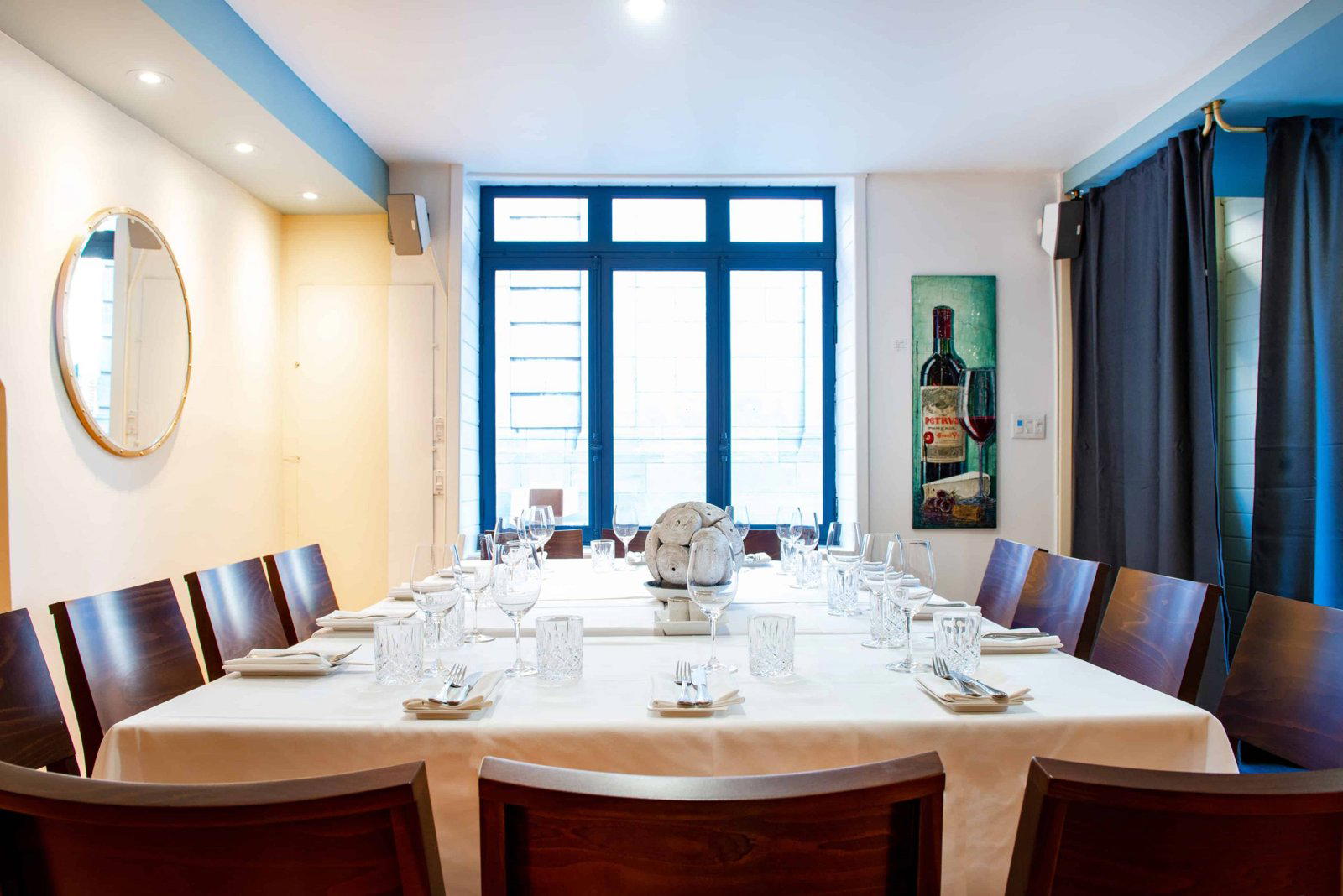
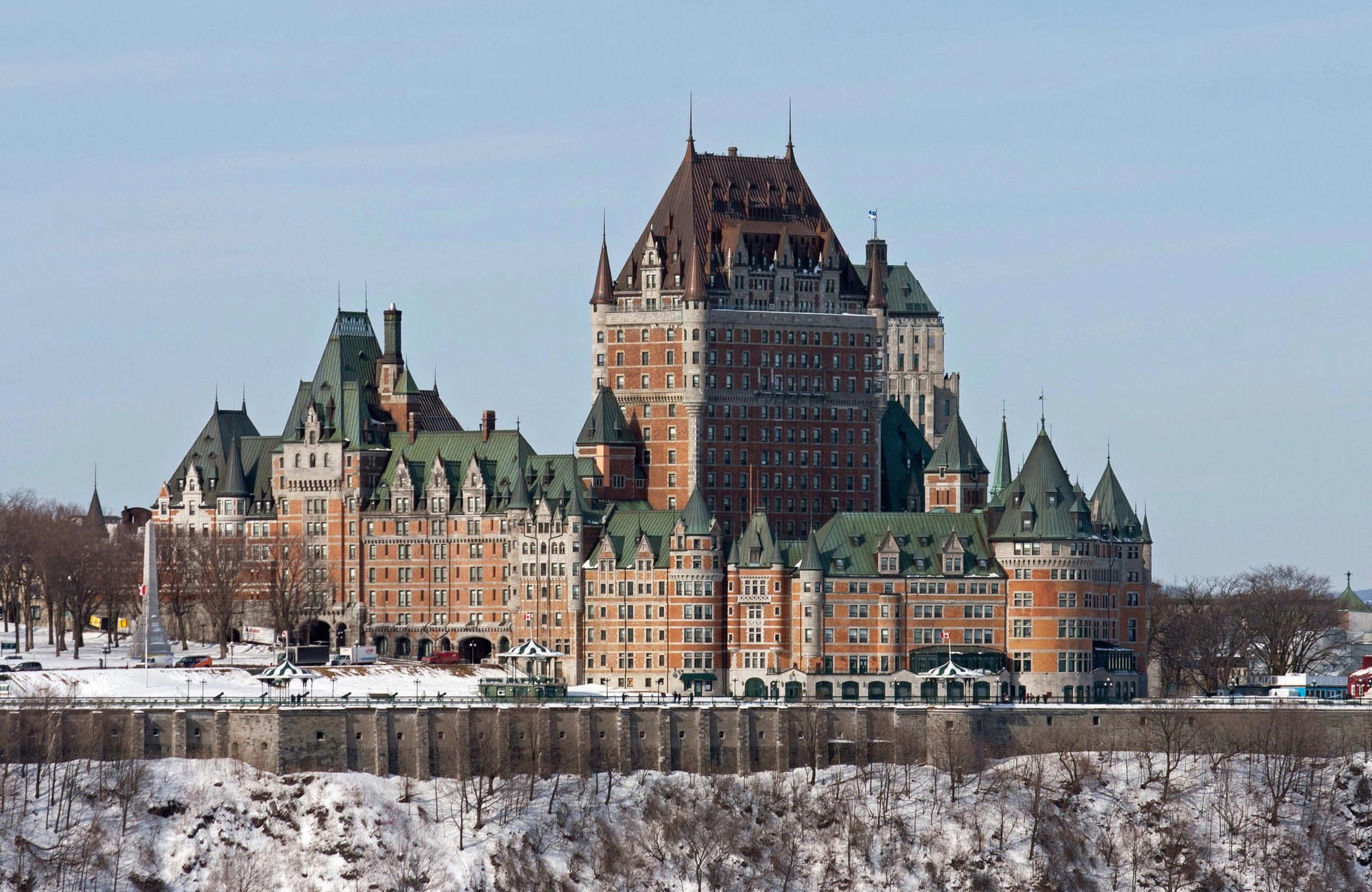
The approach to Champlain begins before you reach the door. Walking through the corridors of the Fairmont Le Château Frontenac — the turreted landmark that has defined the Vieux-Québec skyline since 1893 — calibrates your expectations toward ceremony. The dining room occupies a position within that building that few restaurants in Canada can replicate: an address where the architecture itself is part of the contract between the kitchen and its guests. What arrives on the plate, and in the glass, is measured against those surroundings.
That physical weight shapes the kind of dining Champlain delivers. This is not a restaurant built around informality or surprise-driven tasting menus. It operates in the formal French tradition that Québec City has maintained more faithfully than most North American cities, where occasion dining still carries a specific set of codes: measured service, a serious wine program, and a kitchen working in a register where technique signals commitment rather than showmanship.
Michelin Recognition and Where Champlain Sits in Québec City's Critical Tier
Québec City's appearance in the Michelin Guide marked a significant recalibration of how the restaurant world discusses French Canada. The 2025 edition awarded Champlain a Michelin Plate, the guide's marker for a restaurant that inspires a stop on its own terms. Champlain's Plate positions it as the recognized formal-French anchor of a hotel address that the guide has chosen to include in its mapping of the city.
The distinction between a Plate and a Star is meaningful. A Plate signals consistency, a kitchen operating at a level the inspectors consider worth recommending, without yet carrying the creative distinction that separates starred restaurants from their peers. For a hotel dining room at Champlain's price point, cuisine priced at the $$$ tier, meaning a typical two-course meal above $66, the Michelin Plate is a credible external validation that the kitchen meets the expectations the address sets. It also brings Champlain into a broader Canadian conversation that includes Alo in Toronto and AnnaLena in Vancouver as Michelin-recognized addresses defining what serious dining looks like in their respective cities.
Across the French-speaking part of the country, Jérôme Ferrer, Europea in Montreal operates in a comparable register of formal ambition, and restaurants like Narval in Rimouski and Restaurant Pearl Morissette in Lincoln show how the wider Québec and Ontario region has built a credible tier of destination-level dining that international guides are now tracking seriously.
The Wine Program: 630 Selections, 12,000 Bottles, and a European-Weighted List
The wine program at Champlain is, by most measures, the most substantial asset the restaurant brings to the broader Québec City conversation. Wine Director Zsombor Mezey oversees a list of 630 selections backed by 12,000 bottles in inventory, figures that place it well outside the range of most restaurants in the city and into a tier where serious collectors and wine-focused visitors have reason to plan around it.
The list's stated strengths run across Bordeaux, France more broadly, California, Italy, and Canadian producers. The pricing tier is $$$, meaning the list includes many bottles above $100, and the structure is calibrated toward guests making considered choices rather than quick pours. For a hotel dining room operating in the formal French tradition, a Bordeaux-weighted list is architecturally coherent: the cuisine register and the cellar depth are aligned in the way that serious French dining rooms tend to be, where the wine program is a substantive part of the meal rather than a supplement to it.
In Québec City, that level of wine depth is relatively uncommon outside the leading formal tier. Ambre Buvette takes a different approach with a more modern, natural-leaning list, and Chez Boulay, Bistro Boréal operates at a lower price point with a different editorial stance on the cellar. For guests whose decision-making is wine-first, Champlain's inventory is the strongest argument for the address.
The Canadian section of the list is worth noting in the context of where the country's wine program has traveled. Properties like The Pine in Creemore have built reputations partly on the strength of domestic wine programming, and Champlain's inclusion of Canadian producers alongside the European anchors reflects a serious cellar rather than a token gesture toward local sourcing.
Modern French Cuisine in the Context of Québec City's Formal Dining Tradition
Québec City maintains a stronger attachment to the formal French dining tradition than most North American cities, and that context shapes how a modern French kitchen at this address functions. The city's dining culture has historically supported restaurants where the service arc, the room, and the wine program carry as much weight as the plate itself. Champlain operates within that framework, at a price point, $$$$ for overall dining, $$$ for the cuisine tier, that reflects the full-service commitment the format requires.
Restaurants like Laurie Raphaël and Alentours work in adjacent registers of modern Québécois cooking, each with distinct stances on how local ingredients and French technique interact. Champlain's position inside the Château Frontenac means its frame of reference leans more explicitly toward the classical French side of that equation, which defines both its strengths and its competitive niche.
The comparison point that may be most useful for internationally oriented visitors is the category of hotel dining rooms that have maintained serious culinary programs while carrying institutional addresses. Globally, restaurants at this intersection, formal hotel, recognized guide entry, serious wine cellar, function as a specific type, where the question is less about innovation and more about execution depth. On those terms, the Michelin Plate and the wine inventory are the two clearest signals of where Champlain stands.
For readers exploring comparable ambition in other formats, Frantzén in Stockholm and FZN by Björn Frantzén in Dubai represent the end of the spectrum where hotel-adjacent modern cuisine pushes toward its highest critical recognition.
Planning a Visit
Champlain serves dinner and is located at 1 Rue des Carrières within the Fairmont Le Château Frontenac in Vieux-Québec. General Manager Jean-François Vary oversees operations, and the dining room is owned by Caisse de dépôt et placement du Québec, the institutional ownership structure behind the broader Château Frontenac property. Guests planning around the wine list should note the $$$-tier pricing and the depth of the Bordeaux and California sections. For a fuller picture of where Champlain fits within the city's dining options, see our full Québec City restaurants guide, and explore our Québec City hotels guide, bars guide, wineries guide, and experiences guide for the full city picture.
A Pricing-First Comparison
A short peer table to compare basics side-by-side.
| Venue | Cuisine | Price | Awards |
|---|---|---|---|
| ChamplainThis venue — the venue you are viewing | Modern Cuisine | $$$$ | Not listed |
| Tanière³ | Creative | $$$$ | Michelin 2 Star |
| ARVI | Modern Cuisine | $$$$ | Michelin 1 Star |
| Chez Boulay - Bistro Boréal | Modern Cuisine | $$ | Not listed |
| Ambre Buvette | Modern Cuisine | $$$ | Not listed |
| Auberge Saint-Antoine | Canadian Cuisine | Not listed | Not listed |
Recognition history
Dated appearances from independent guides and award organizations, with the underlying list record or original source where available.
Michelin Plate
Michelin
Wine Spectator Best of Award of Excellence
Wine Spectator
Michelin Plate
Michelin
Wine Spectator Best of Award of Excellence
Wine Spectator
Continue exploring
More in Quebec City
Restaurants in Quebec City
Browse all →
Bars in Quebec City
Browse all →
At a Glance
- Elegant
- Sophisticated
- Historic
- Intimate
- Date Night
- Special Occasion
- Celebration
- Waterfront
- Historic Building
- Hotel Restaurant
- Private Dining
- Extensive Wine List
- Local Sourcing
- Waterfront
- Street Scene
Current opening hours
- Monday
- Closed
- Tuesday
- 5:30–10 PM
- Wednesday
- 5:30–10 PM
- Thursday
- 5:30–10 PM
- Friday
- 5:30–10 PM
- Saturday
- 5:30–10 PM
- Sunday
- 10 AM–1 PM
Hours can change for holidays and private events. Last verified .
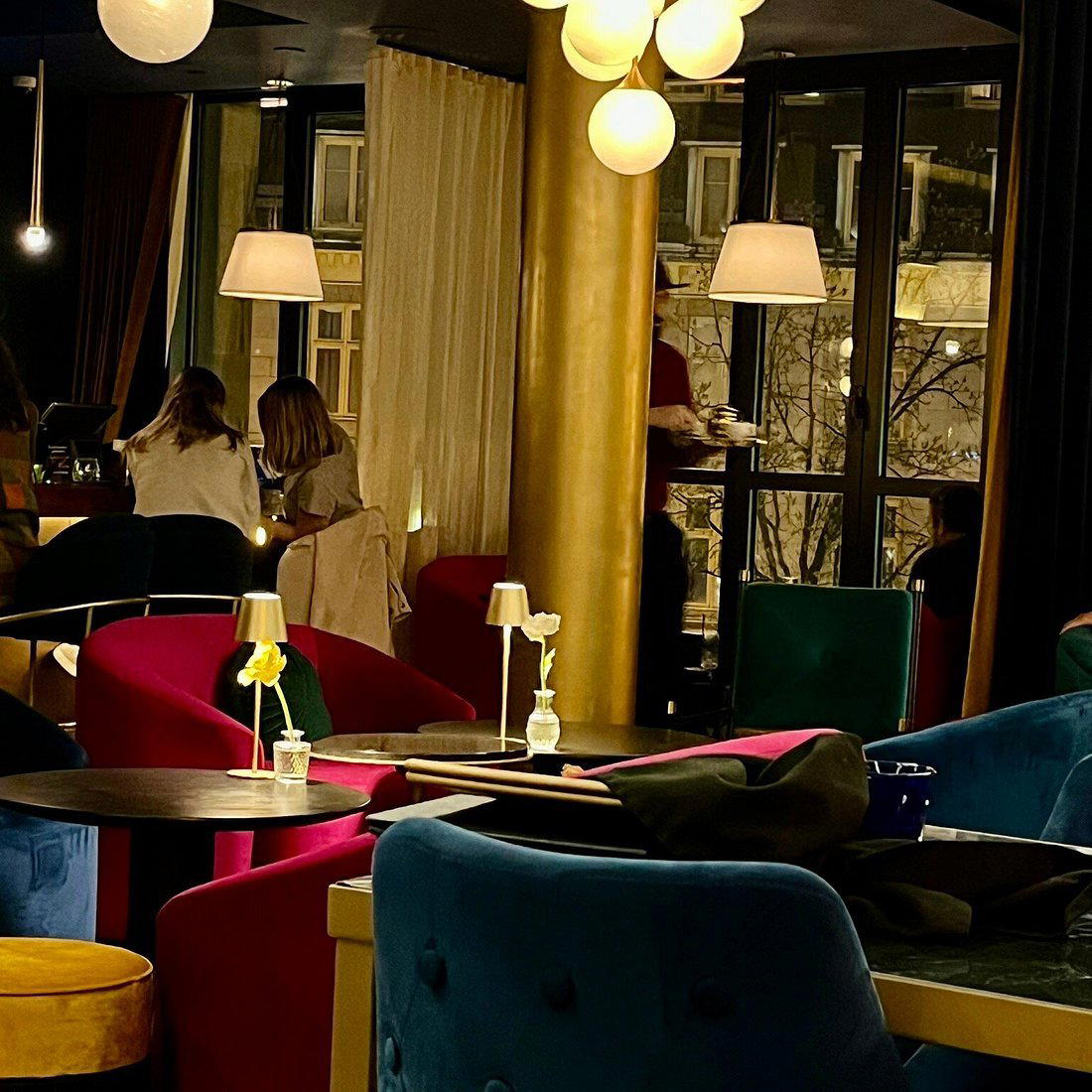
Luxurious and refined with high ceilings, elegant decor, historic charm, glass roof views, and visible meat/wine cellars.
Know Before You Go
- Getting there
- 1 Rue des Carrières, Québec, QC G1R 5J5, Canada