Hôtel Le Germain Québec

Hôtel Le Germain Québec occupies a converted bank building on Rue Saint-Pierre in Old Quebec's Lower Town, placing guests within walking distance of the waterfront and the city's most serious dining. The property belongs to the Quebec-founded Le Germain Group, whose portfolio spans design-conscious urban hotels across Canada. It suits travellers who want neighbourhood immersion without sacrificing considered design and attentive service.
Pearl is the En Primeur Club membership app — saves, bookings, and concierge access live there. Same editors, same standards.
- Address
- 126 Rue Saint-Pierre, Québec, QC G1K 4A7, Canada
- Phone
- +1 418 692 2224
- Website
- germainhotels.com
- Directions
- Get directions
 Saves & bookings on Pearl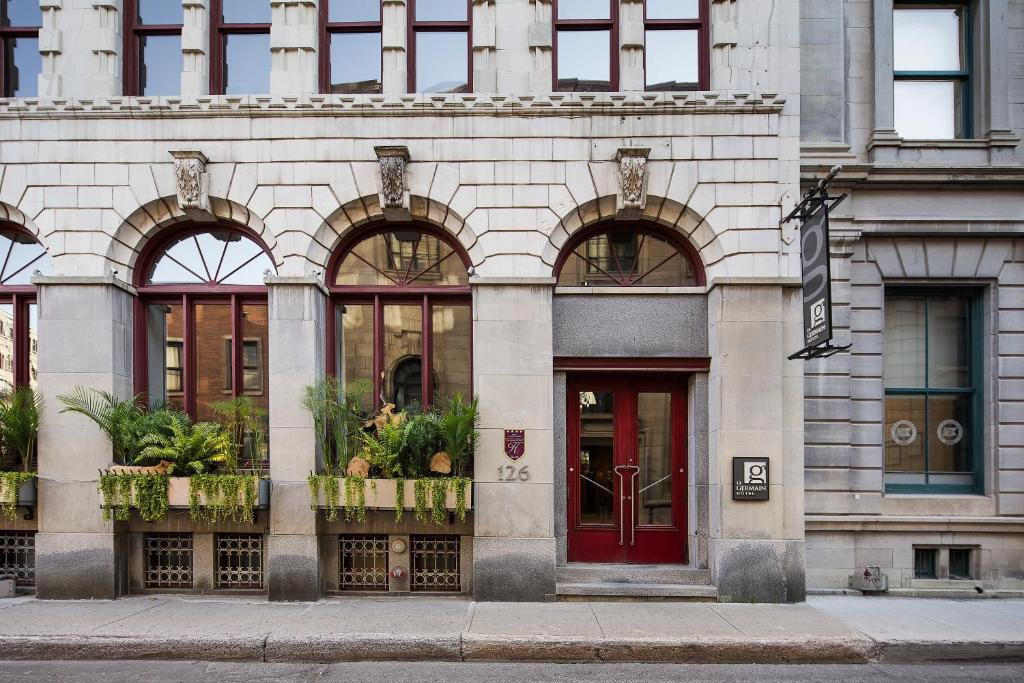
Old Quebec's Lower Town and the Case for Rue Saint-Pierre
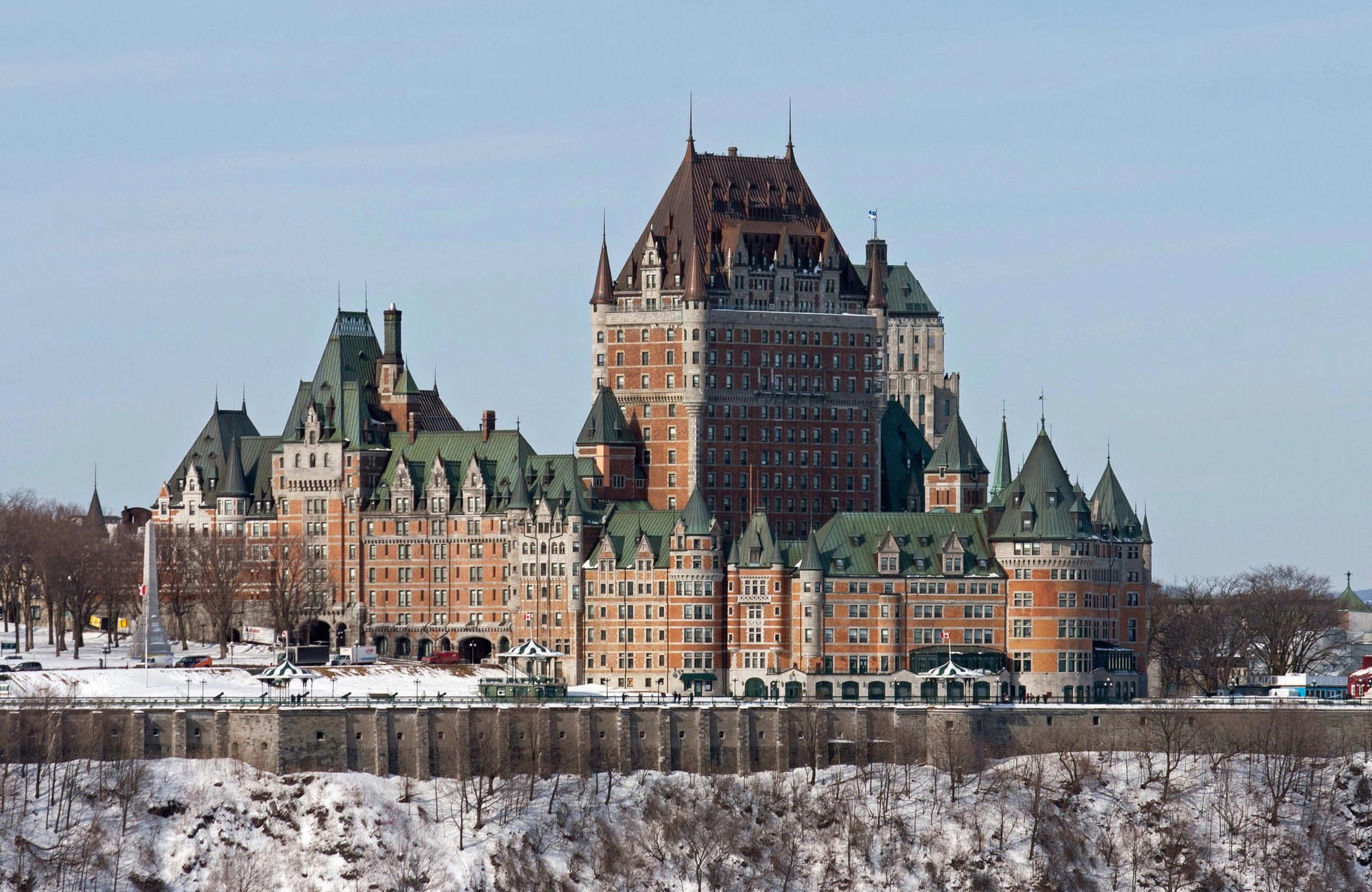
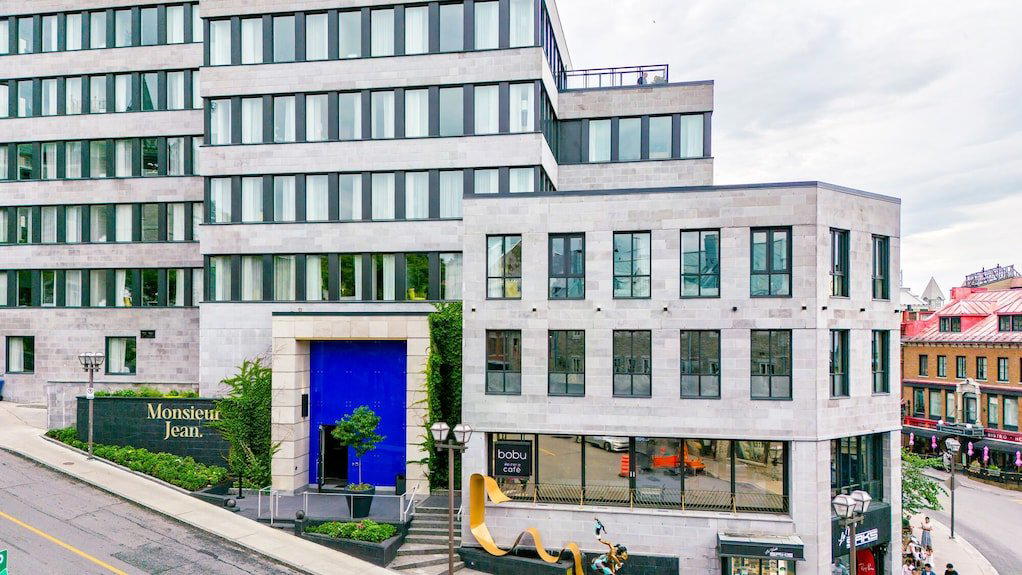
The hotel quarter of Old Quebec splits along a clear fault line. The Upper Town, anchored by the Château Frontenac's silhouette, draws visitors to broad terrace views and the symbolic weight of the fortified city. The Lower Town, by contrast, operates at street level: narrow stone corridors, former merchant warehouses, and a waterfront that once drove the city's entire economic identity. Hôtel Le Germain Québec sits in that Lower Town context, at 126 Rue Saint-Pierre, a converted bank building in what was historically Quebec City's financial and trading core. The architecture sets expectations before a guest reaches the front desk. Stone walls thick enough to muffle the street, ceilings scaled for institutional gravity rather than residential comfort — this is the built fabric of a city that has been serious about commerce and culture for four centuries.
For travellers deciding between Quebec City's upper bracket of hotels, address carries real strategic weight. Auberge Saint-Antoine occupies the same Lower Town neighbourhood and competes directly on heritage atmosphere. Hotel 71 also operates on Rue Saint-Pierre, in another converted financial-era building, and pitches at a slightly different price point. Hôtel du Vieux-Québec and Hôtel Manoir Victoria position themselves in the Upper Town. The choice between these addresses is not merely logistical: the Lower Town grants immediate access to the port quarter's restaurant concentration and the antique dealers of Rue Saint-Paul, while the Upper Town delivers proximity to the Plains of Abraham and the Grande Allée's livelier late-night scene.
The Le Germain Group and What Its Quebec Property Represents
Le Germain is a Quebec-founded hotel group with a focused philosophy: urban properties in Canadian cities, designed with local materials and a considered aesthetic rather than international-chain standardisation. The portfolio extends to Hotel Le Germain Montreal, where the brand first established its urban design credentials, and to Le Germain Charlevoix Hotel & Spa in Baie-St-Paul, which extends the group into resort territory on the St. Lawrence's north shore. The Quebec City property is neither the group's most remote nor its most urban — it occupies a middle ground that suits the particular character of Old Quebec, where the scale of the city is small enough that a property does not need hundreds of keys to anchor a neighbourhood.
Across Canada's premium hotel market, the Le Germain model sits in a distinct tier: independently owned, design-attentive, without the loyalty infrastructure of a Fairmont Banff Springs or a Four Seasons Hotel Toronto, but priced and positioned to attract the same traveller who might otherwise consider those options. Against more remote Canadian properties like Fogo Island Inn or Clayoquot Wilderness Lodge in Tofino, the Quebec City Le Germain makes a different argument entirely: the draw is the city itself, not an escape from it.
The Dining Programme and Quebec City's Food Context
Quebec City's restaurant scene has matured considerably over the past decade, and the Lower Town is where much of its serious cooking now concentrates. The city's chefs work within a culinary tradition shaped by French technique, local terroir from the Charlevoix and Côte-de-Beaupré regions, and a growing confidence in Quebec-sourced ingredients: iced cider from the Eastern Townships, cheeses from Île-d'Orléans, foie gras from local producers. Hotels in this market that take their food and beverage programming seriously tend to align with that sourcing logic rather than offering a generic continental menu.
The editorial angle on any Le Germain property's dining programme is its relationship to the host city's culinary identity. The group's Montreal property built its food reputation by placing the hotel's restaurant inside the conversation of that city's ambitious mid-market dining scene. In Quebec City, a hotel restaurant earns its place by engaging with the province's strong ingredient culture rather than defaulting to a room-service menu with international aspirations. Travellers for whom dining is a structuring element of the stay, rather than an afterthought, will find that the Lower Town's walkable restaurant density means the hotel's own food offering competes with some credible neighbourhood alternatives. For broader context on where Le Germain's dining sits within the city's options, see our full Quebec restaurants guide.
The upper bracket of Quebec City hotels is a relatively compact competitive set. Auberge Saint-Antoine trades heavily on its archaeological collection and its Porte-Saint-Jean proximity. Fairmont Le Manoir Richelieu, an hour's drive east in La Malbaie, represents the resort alternative for guests who want the Charlevoix landscape with their luxury. Ripplecove Hotel & Spa draws from an entirely different geography, the Eastern Townships, and serves a different use case. Hôtel Quintessence in Mont-Tremblant and Manoir Hovey in North Hatley belong to Quebec's boutique resort tier rather than its urban hotel conversation.
Within the city proper, Le Germain's position is that of the design-conscious independent against a field that includes heritage properties with deeper local mythology and larger convention-oriented hotels. Travellers who have stayed at comparable properties in other cities, the Rosewood Hotel Georgia in Vancouver or The Dorian in Calgary, will recognise the format: a converted building with considered interiors, a food and beverage offering that takes the local market seriously, and a service model built around a smaller key count than a full-service resort.
Planning the Stay
Old Quebec's tourism pattern is sharply seasonal. Summer brings the heaviest demand across all properties, with the Fêtes de la Nouvelle-France and the Quebec City Summer Festival compressing availability from late July through mid-August. Winter Carnival, typically running across two weekends in late January and early February, creates a second pressure period that many first-time visitors underestimate. Booking within those windows requires planning several months ahead across the Lower Town's competitive set. The shoulder periods, late September through October for foliage, and the quieter stretches of early March, offer better availability and the advantage of a city operating at a more local cadence. The Rue Saint-Pierre address is walkable to the funicular connecting Lower and Upper Town, which matters when the snow arrives and the hill between the two levels becomes a negotiation.
Travellers comparing Le Germain Quebec against international design-hotel peers, the Fifth Avenue Hotel in New York City or Aman New York, are operating in a different scale and price register entirely. The Quebec City property's appeal is more specific: a French-speaking city of under a million people, a UNESCO-listed old town, and a food culture with a genuine regional identity.
Pricing, Compared
| Venue | Price |
|---|---|
| Hôtel Le Germain QuébecThis venue — the venue you are viewing | This venue |
Recognition history
Dated appearances from independent guides and award organizations, with the underlying list record or original source where available.
Michelin Selected
Michelin
Continue exploring
More in Quebec City
Hotels in Quebec City
Browse all →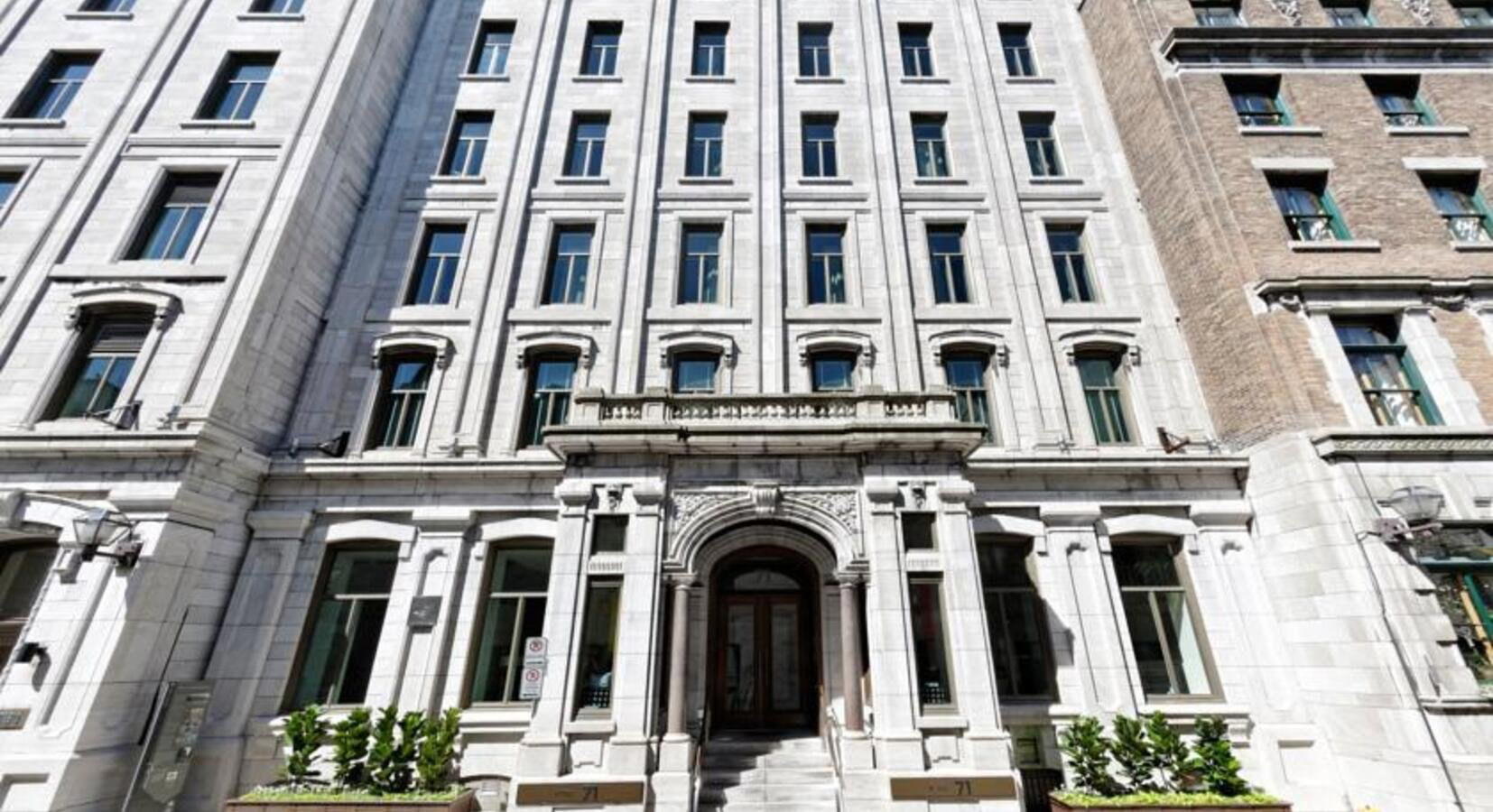
Bars in Quebec City
Browse all →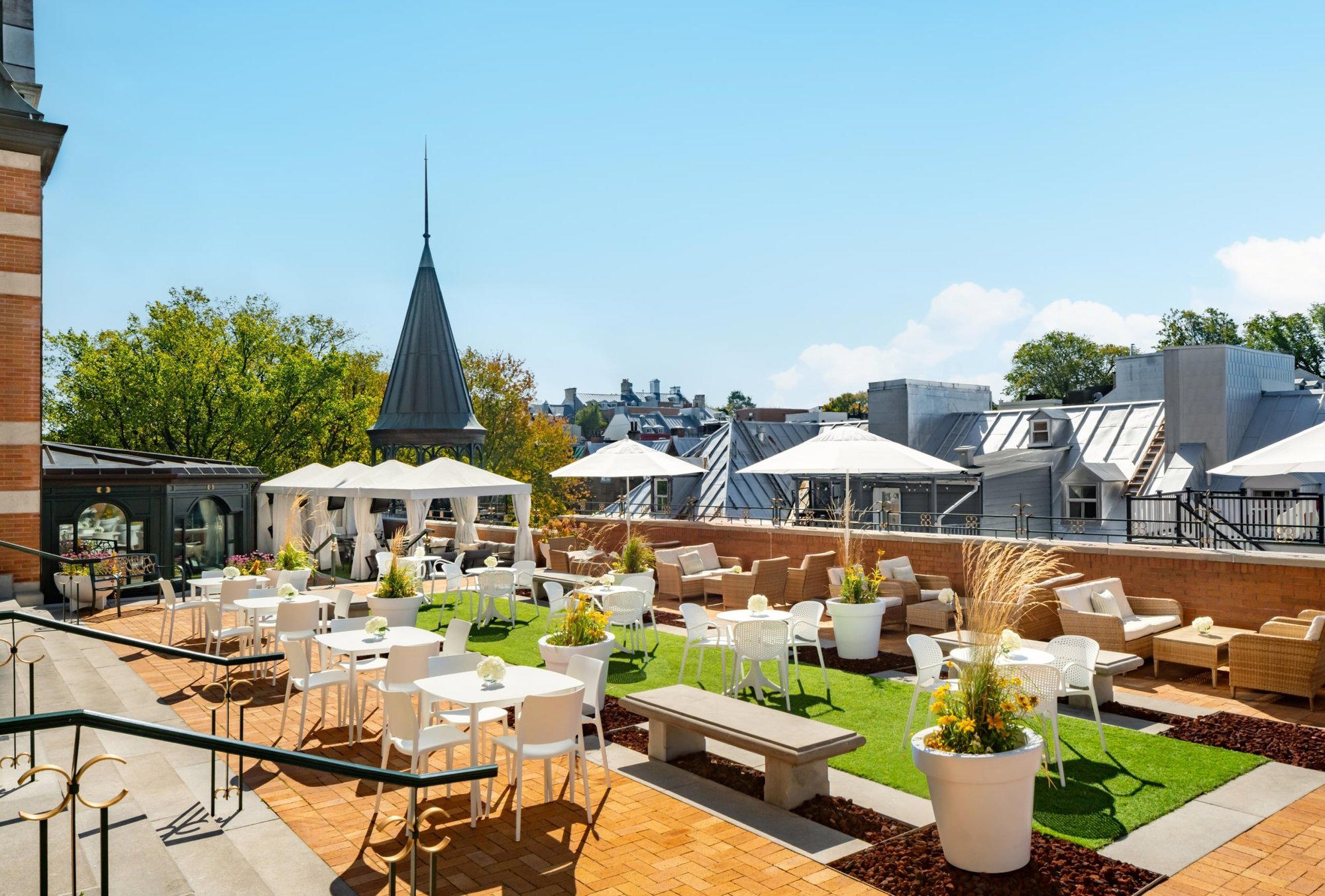
At a Glance
- Elegant
- Modern
- Cozy
- Sophisticated
- Romantic Getaway
- Business Trip
- Weekend Escape
- Historic Building
- Terrace
- Wi Fi
- Fitness Center
- Room Service
- Concierge
- Street Scene
- Wi Fi
- Fitness Center
- Room Service
- Concierge
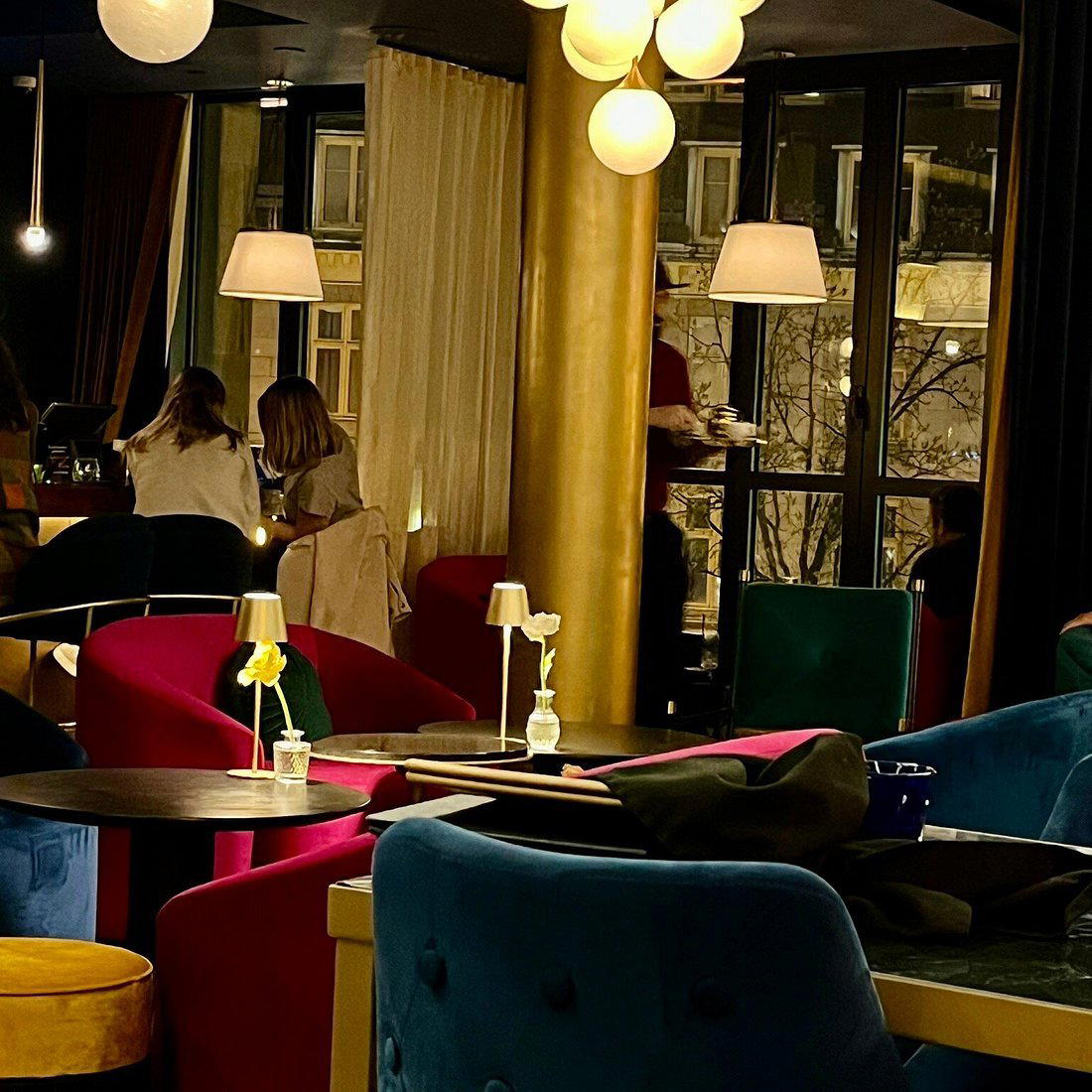
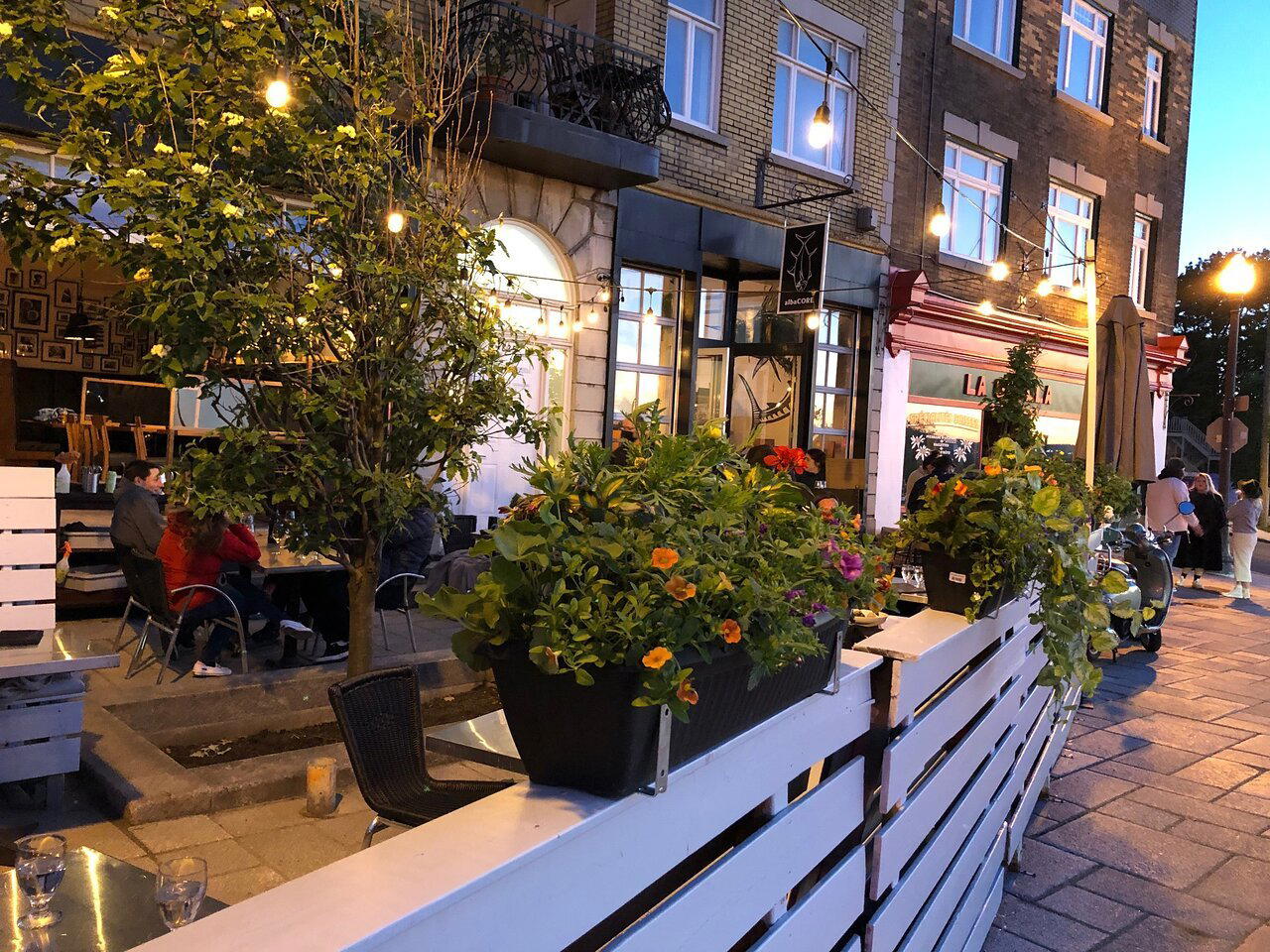
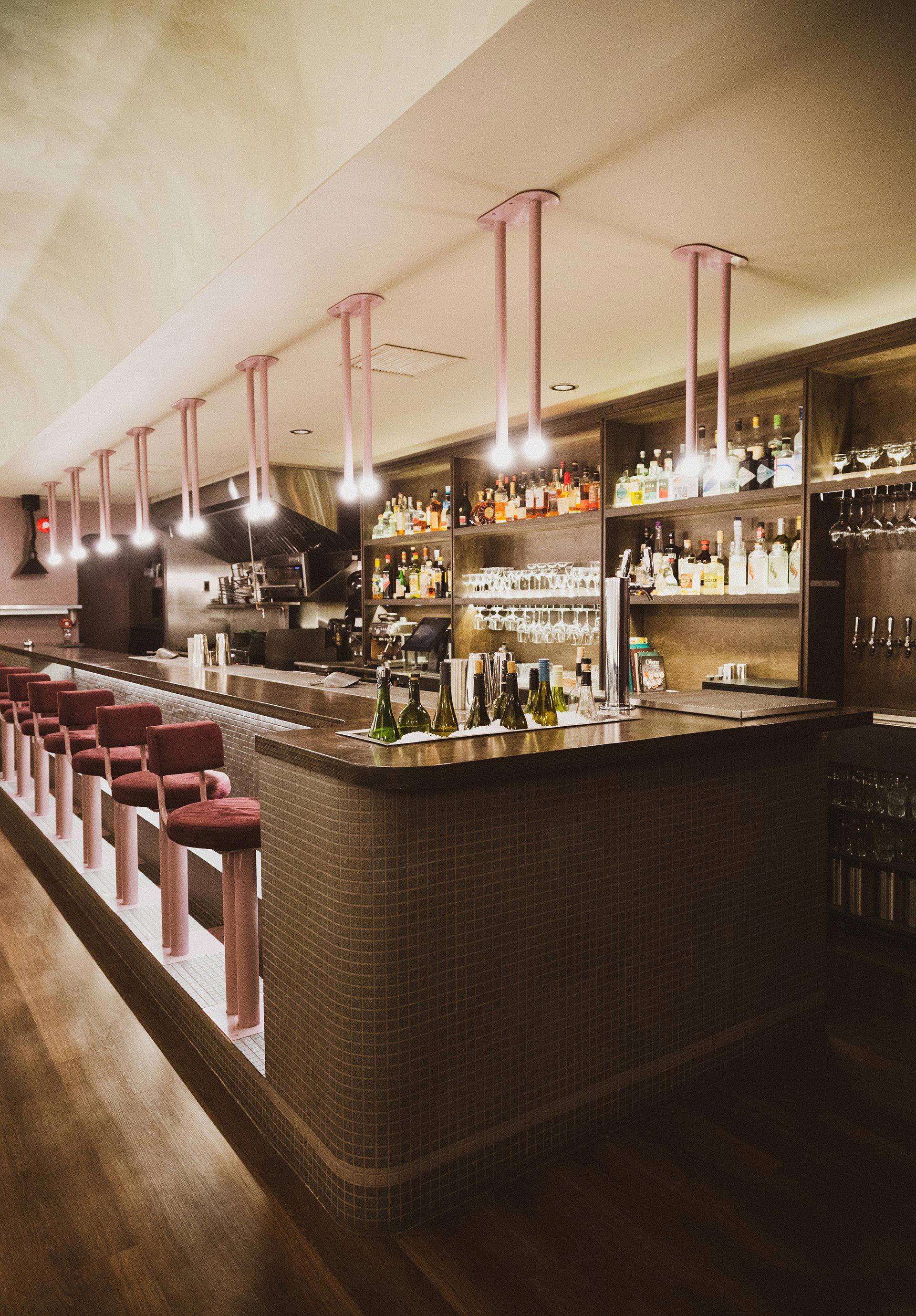
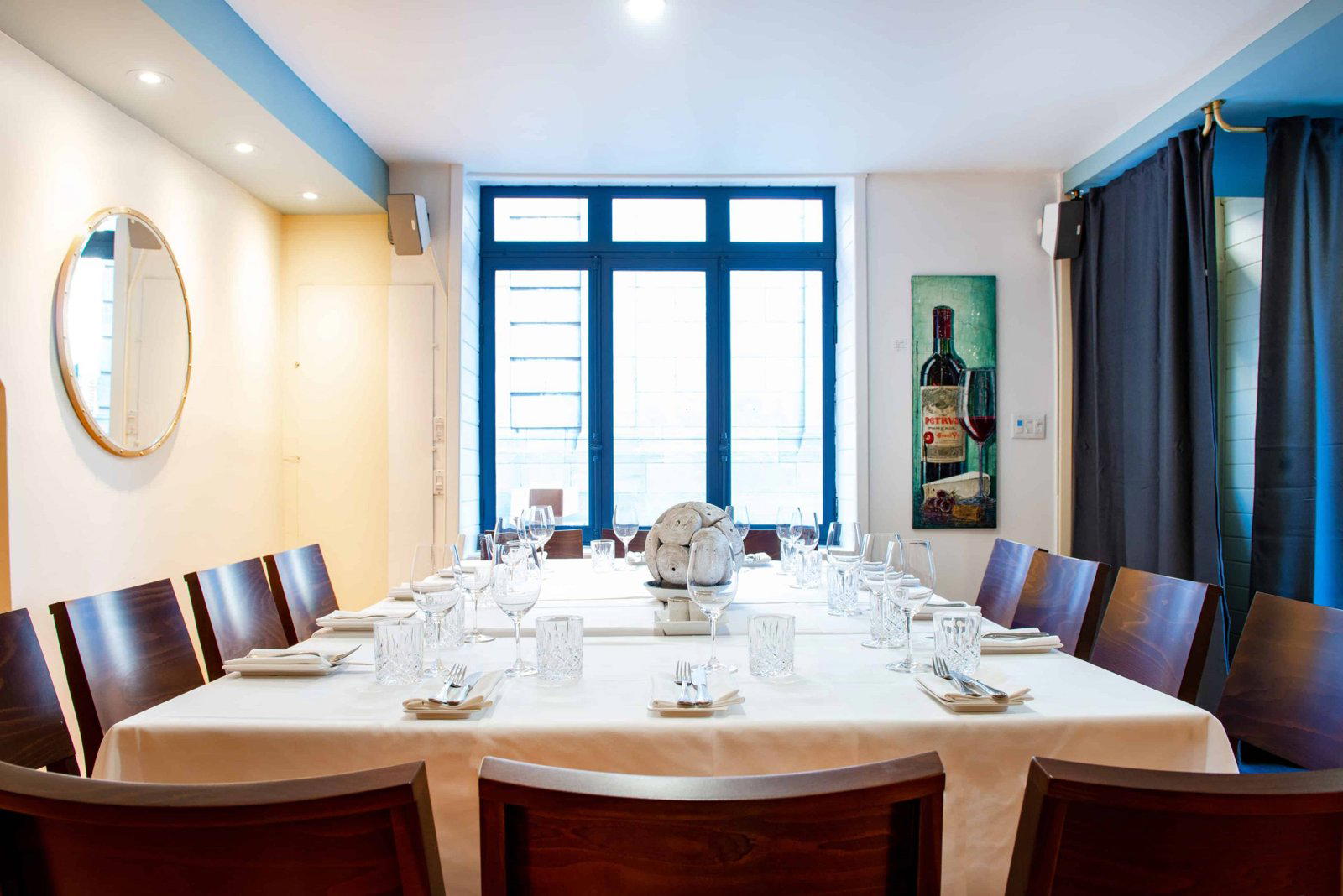
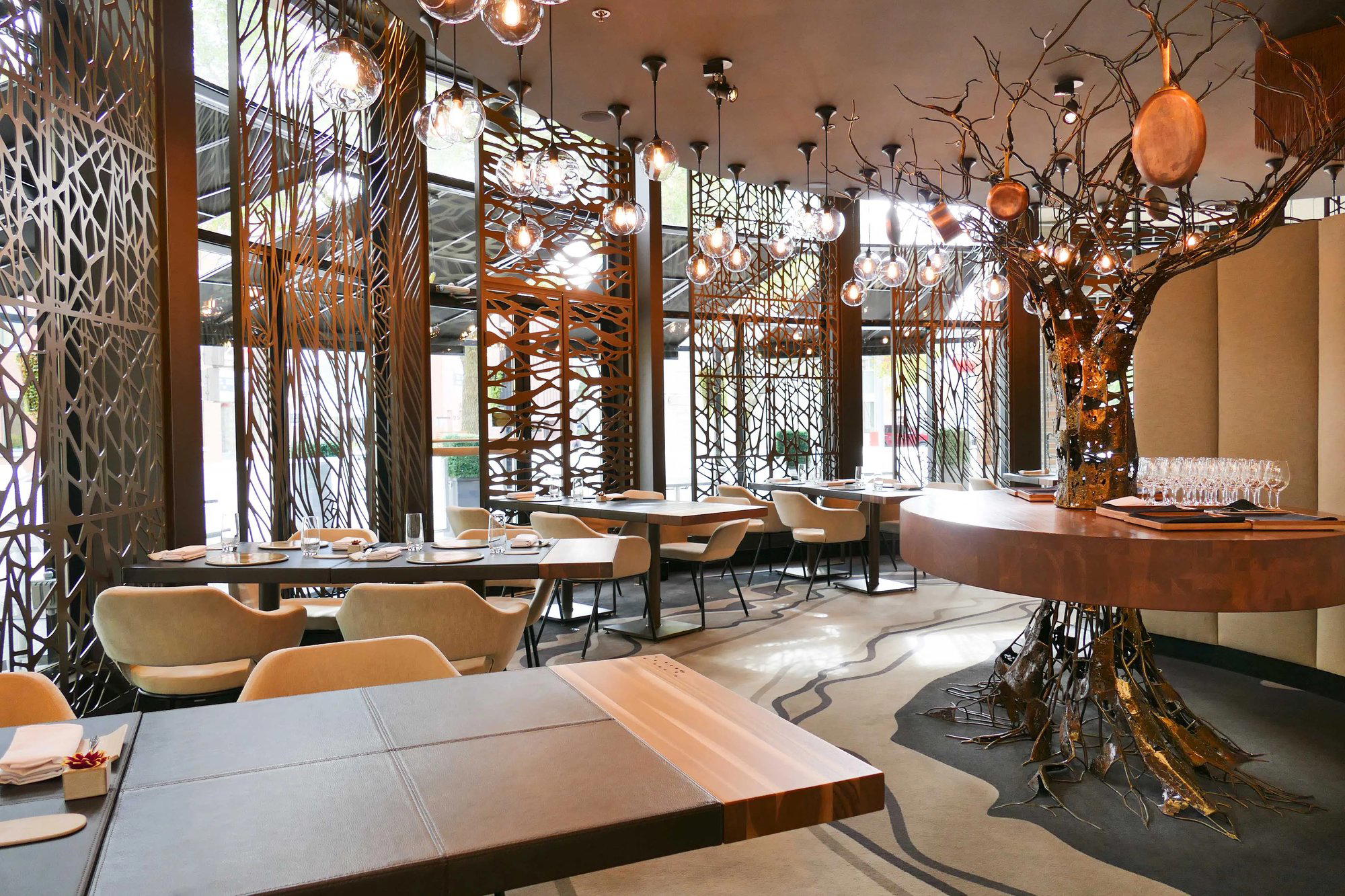
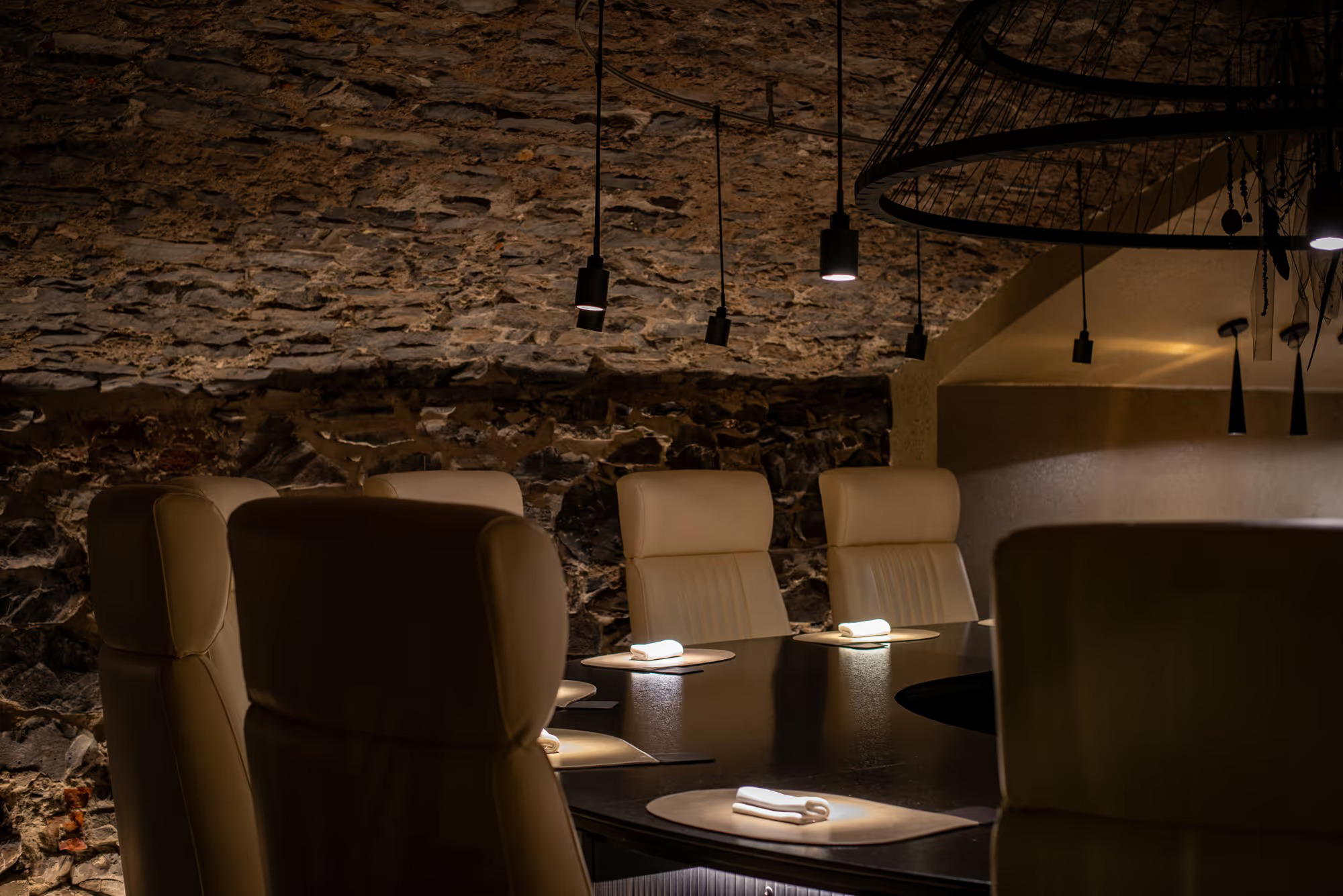
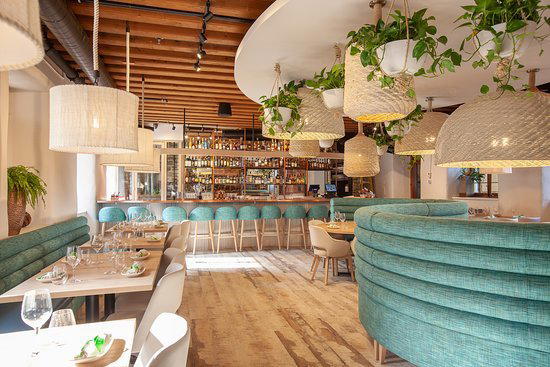
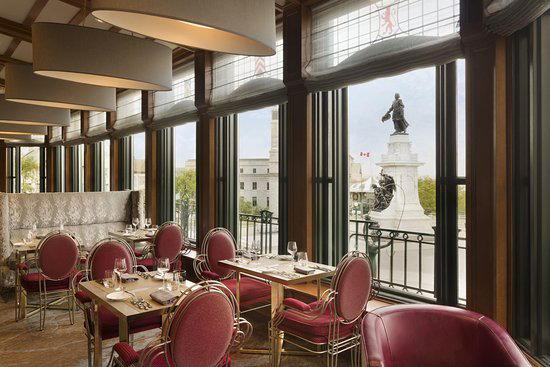
Relaxed and welcoming with stylish finishings, high ceilings, stonework, cozy lounge, fireplace, and intimate terrace.
Know Before You Go
- Getting there
- 126 Rue Saint-Pierre, Québec, QC G1K 4A7, Canada