




A Michelin-starred tasting menu restaurant in a converted garage on Creemore's main road, The Pine brings together high-heat Chinese technique, Ontario ingredients, and 14 to 18 courses of cooking shaped by years in Hong Kong and mainland China. Six seats at the chef's counter face the twin commercial woks directly. Dinner runs Wednesday through Saturday; Saturday lunch is also available.
Pearl is the En Primeur Club membership app — saves, bookings, and concierge access live there. Same editors, same standards.
- Address
- 7535 County Rd 9, Creemore, ON L0M 1G0, Canada
- Phone
- +1 705-466-2888
- Website
- thepinecreemore.ca
- Directions
- Get directions
 Saves & bookings on Pearl
Wok Fire in Simcoe County
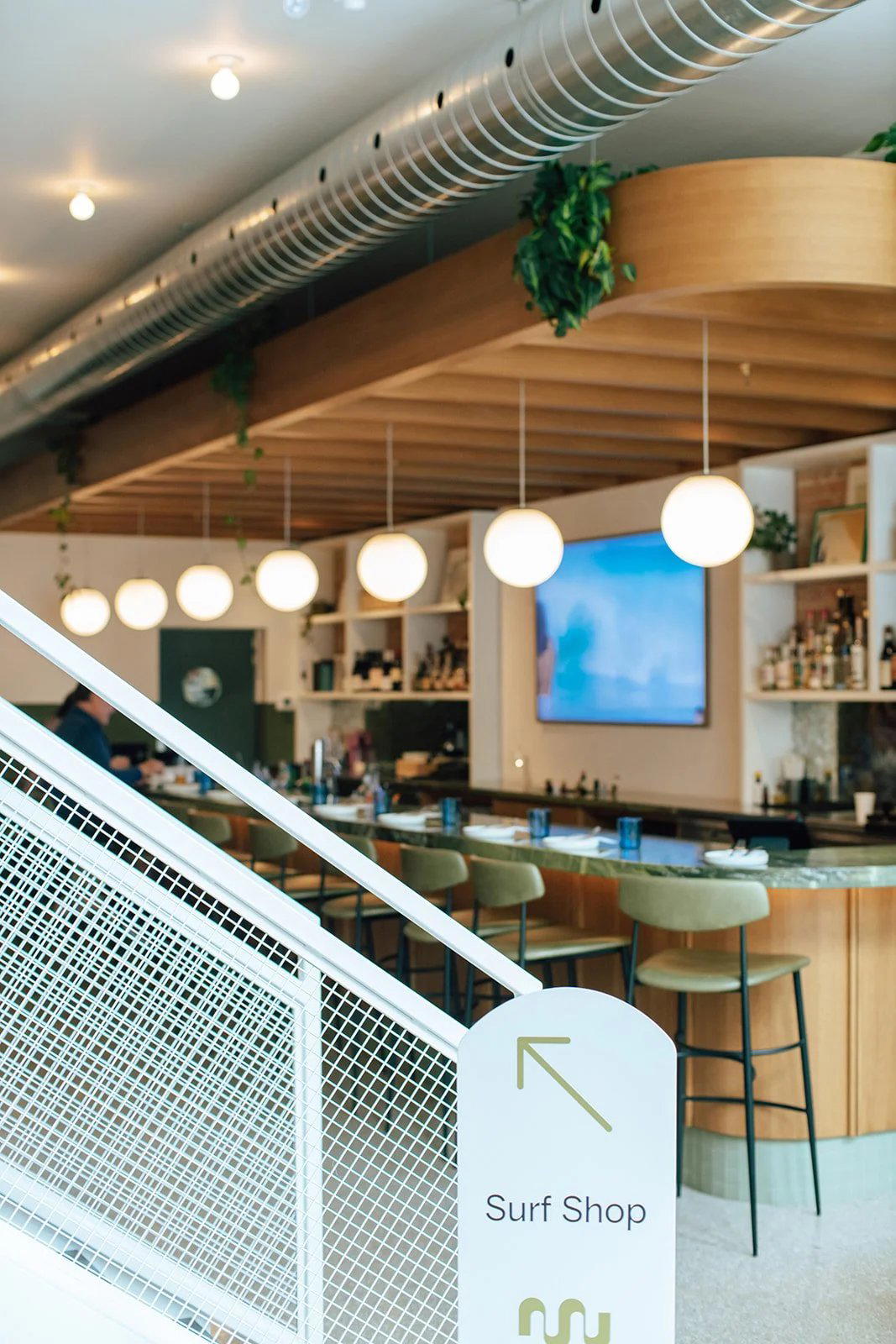
The converted garage on County Road 9 does not announce itself with ceremony. The building is bright, spare, and minimalist, a space whose neutrality functions deliberately, keeping attention where it belongs: on the twin 200,000-BTU commercial woks that anchor the open kitchen. This is, in architectural terms, a practical space for a technically demanding program. What happens inside is harder to categorize. Among Ontario's destination dining options, a Michelin-starred Chinese tasting menu in a town of fewer than 1,500 people occupies unusual ground. In the broader conversation about where serious Chinese cooking lives in Canada, The Pine in Creemore sits in a different bracket entirely from the urban dim sum halls and Hong Kong-style roast meat shops that define the form in cities like Toronto or Vancouver. It belongs, instead, to a small international cohort of restaurants where Chinese technique is applied with fine-dining precision in unlikely geography. Comparable projects include Restaurant Tim Raue in Berlin and Mister Jiu's in San Francisco, both cases where Chinese culinary grammar is translated through a different cultural lens and a tasting menu format. The Pine belongs in that conversation.
What Wok Hei Actually Means at This Scale
Wok hei, the Cantonese term for the breath or energy of the wok, is achieved by applying extreme heat rapidly to cooking oils and ingredients, creating a fleeting smokiness and char that vanishes within seconds of the food leaving the flame. In a domestic or mid-range restaurant kitchen, it is largely aspirational. At The Pine, the twin 200,000-BTU commercial woks are purpose-built to hit the temperatures necessary to produce it properly. That is a practical infrastructure decision with significant culinary consequences: it means the Maillard reactions, the volatile aromatics, and the split-second textural transformations that define the leading wok cooking in Hong Kong and mainland China are reproducible here in rural Ontario. This is the technical foundation on which the 14 to 18-course tasting menu is built, and it explains why certain dishes, the kind that in lesser kitchens arrive limp or steam-cooked by default, carry a different quality of finish at The Pine. The dual-wok setup also signals the pace and physicality of the cooking: this is not a kitchen defined by tweezers and resting plates, but by speed, heat control, and the kind of muscle memory that comes from years of professional wok work in professional Chinese kitchens.
The Menu as Geography
Chef Jeremy Austin's cooking in Creemore is rooted in time spent working in Italy, Hong Kong, and mainland China, credentials that appear not as biography but as method. The tasting menu moves through Chinese regional reference points while staying grounded in Ontario produce, a combination that produces dishes operating at the intersection of authenticity and localism rather than sacrificing one for the other.
The dish called The French Concession illustrates the approach precisely. Named for the historic neighbourhood in Shanghai where European urbanism inserted itself into a Chinese city, it places a French preparation inside a Chinese menu with the same matter-of-fact logic: sourdough roasted in kabayaki and browned butter, served with foie gras ice cream and sour prune jam. The cultural layering is structural, not decorative. Elsewhere, Send the Rice Down arrives as flat-iron beef tartare with pickled celery, doubanjiang celery-leaf emulsion, and green radish, the doubanjiang, a fermented broad bean and chili paste central to Sichuan cooking, doing the flavour-bridging work between the format (French tartare) and the culinary tradition being referenced. The steamed egg custard with bone marrow, fermented cabbage, chili sofrito, and whey emulsion carries that same logic: a Chinese textural anchor dressed with fermented and dairy elements that have no conflict with the technique but push the dish into a different register. Michelin's 2024 one-star award confirms that the program reads as coherent and technically accomplished at an international level, not merely interesting in its local context. For reference on what a Michelin-starred tasting menu looks like elsewhere in Canada, Alo in Toronto and Tanière³ in Québec City represent the broader field against which the restaurant is measured.
Rural Destination Dining in Ontario
Ontario's small-town destination restaurant scene has a loose precedent in Eigensinn Farm in Singhampton, less than 40 kilometres from Creemore, where Michael Stadtländer has operated a farm-to-table format for decades on terms entirely his own. The logic is similar: a chef builds something ambitious in a rural setting, and the audience drives to meet it. What the restaurant adds to that tradition is a cuisine type, contemporary Chinese, that has almost no precedent in this geography, which makes the drive north from Toronto (roughly 90 to 100 minutes, depending on traffic) feel less like a detour and more like the point. The move from Collingwood's main street to Creemore in the spring of 2023, after three and a half years in smaller quarters, gave the kitchen more space, more capacity, and the infrastructure to run the commercial woks properly. The 24-seat dining room with six positions at the chef's counter is still a small operation by any measure, but it is designed for the format. The counter seats face the kitchen directly, which at a wok-forward restaurant means watching high-heat cooking from close range, a different viewing experience from the white-tablecloth tasting counter formats more common at restaurants like AnnaLena in Vancouver.
Drinks and the Ontario Anchor
The wine and drinks program is concise and focused on Ontario producers, supplemented by international options added as the program has matured. That local-first orientation fits the broader ingredient philosophy: the kitchen sources locally while cooking with techniques developed in China, and the drinks program applies a similar logic, using the immediate region as the default frame of reference. Ontario wine pairings with Chinese-inflected cooking are not a well-established convention, which makes the program's choices more editorial than formulaic. For those coming from Toronto with time to spend in the region, the rest of the Simcoe County area offers additional reasons to extend the trip. Further afield, Restaurant Pearl Morissette in Lincoln represents a different model of ambitious rural dining in Ontario, one with a natural wine program and farm-driven menus, and makes a useful counterpoint for understanding the range of what destination dining outside Toronto's city limits now looks like.
Planning a Visit
The price sits at $185 per person, consistent with a 14 to 18-course tasting menu format. The address is 7535 County Road 9, Creemore, ON. Advance booking is essential; the combination of limited capacity and destination-level reputation creates genuine availability pressure, particularly on weekends. Those driving from Toronto should factor in the full journey to Creemore rather than treating it as a quick Collingwood detour: it is approximately 30 minutes beyond the Collingwood corridor, sitting deeper into Simcoe County.
Context in the Canadian Scene
Contemporary Chinese fine dining is expanding beyond the cities where it has historically concentrated. Baan Lao in Richmond approaches Southeast Asian cooking through a similarly rigorous tasting menu format, and ÄNKÔR in Canmore demonstrates that ambitious destination dining can establish itself in non-urban Alberta as readily as in Ontario. Elsewhere across the country, ARLO in Ottawa, Narval in Rimouski, and Auberge Saint-Mathieu in Saint-Mathieu-du-Parc each represent the broader national move toward restaurants that require a trip rather than a reservation made on the way home from work. Jérôme Ferrer's Europea in Montreal holds a different position in that field, urban, long-established, and operating at scale, which helps define what makes the rural destination model distinct: smaller, more dependent on intentional travel, and in the restaurant's case, built around a culinary tradition with almost no local precedent in its geography. The Michelin star positions it among the more formally recognized tasting menu restaurants in Ontario, a province that is building a serious case for destination dining well beyond the Toronto city limits.
Comparable Spots, Quickly
Comparable venues nearby, for context on price, style, and recognition.
| Venue | Cuisine | Price | Awards | Notes |
|---|---|---|---|---|
| The PineThis venue — the venue you are viewing | Contemporary Chinese Fine Dining | $$$$ | Michelin 1 Star | Not listed |
| DaNico | Modern Italian Fine Dining | $$$$ | Michelin 1 Star | Harbord Village |
| Kaiseki Yu-zen Hashimoto | Traditional Japanese Kaiseki | $$$$ | Michelin 1 Star | North York |
| Enigma Yorkville | Modern Contemporary Fusion | $$$$ | Michelin 1 Star | Bay Street Corridor |
| aKin | Modern Asian Fine Dining | $$$$ | Michelin 1 Star | Church-Yonge Corridor |
Recognition history
Dated appearances from independent guides and award organizations, with the underlying list record or original source where available.
Canada's 100 Best Restaurants #11
Canada's 100 Best
Opinionated About Dining Top Restaurants in North America Recommended
Opinionated About Dining
World's 50 Best North America's Best Restaurants #48
World's 50 Best
Canada's 100 Best Restaurants #19
Canada's 100 Best
Michelin 1 Star
Michelin
The Best Chef One Knife
The Best Chef
Michelin 1 Star
Michelin
Continue exploring
More in Creemore
Restaurants in Creemore
Browse all →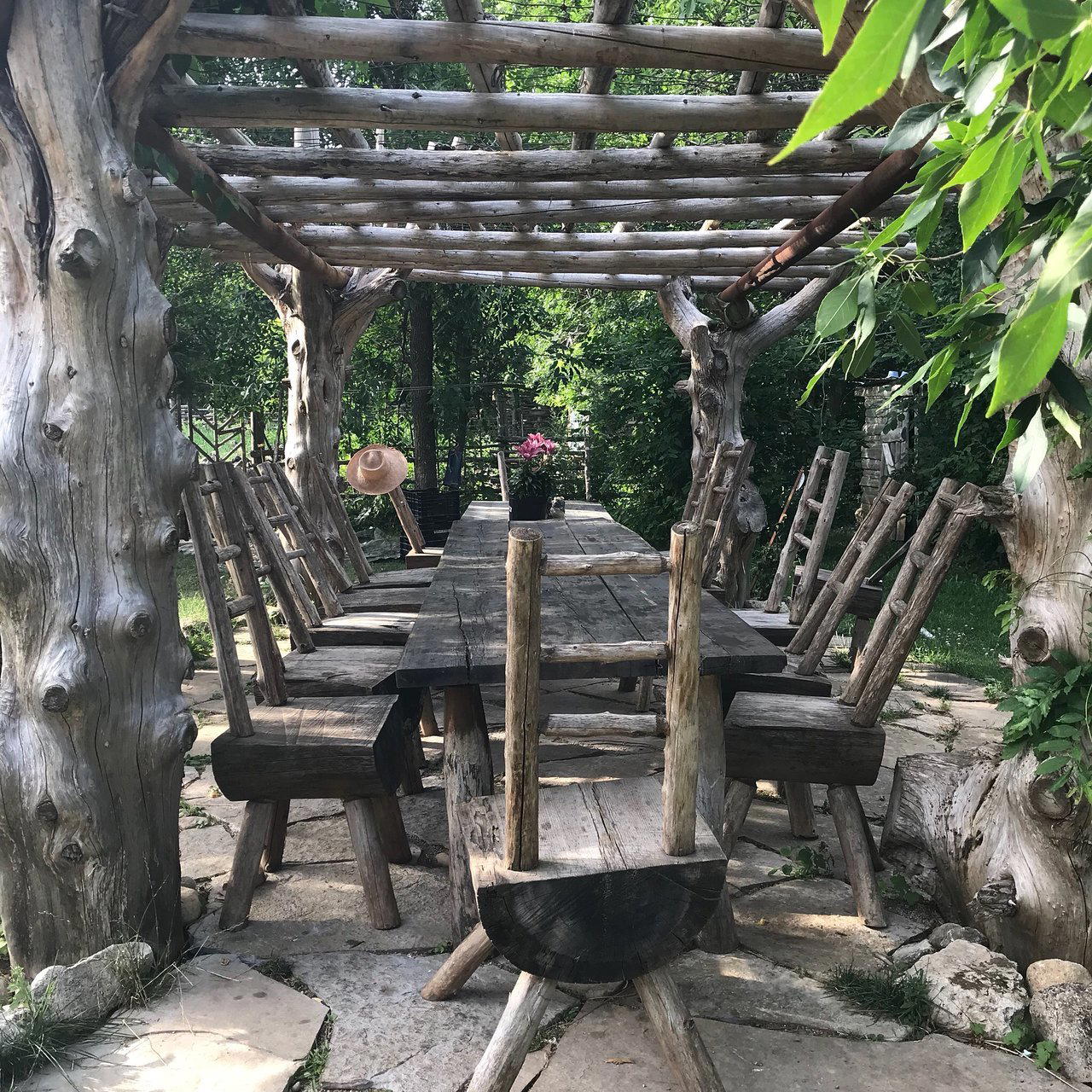

Bars in Creemore
Browse all →
Hotels in Creemore
Browse all →
At a Glance
- Intimate
- Rustic
- Modern
- Cozy
- Elegant
- Date Night
- Special Occasion
- Celebration
- Open Kitchen
- Chefs Counter
- Garden
- Extensive Wine List
- Local Sourcing
- Farm To Table
Current opening hours
- Monday
- Closed
- Tuesday
- Closed
- Wednesday
- Closed
- Thursday
- 5–11 PM
- Friday
- 5–11 PM
- Saturday
- 12–4 PM, 5–11 PM
- Sunday
- Closed
Hours can change for holidays and private events. Last verified .
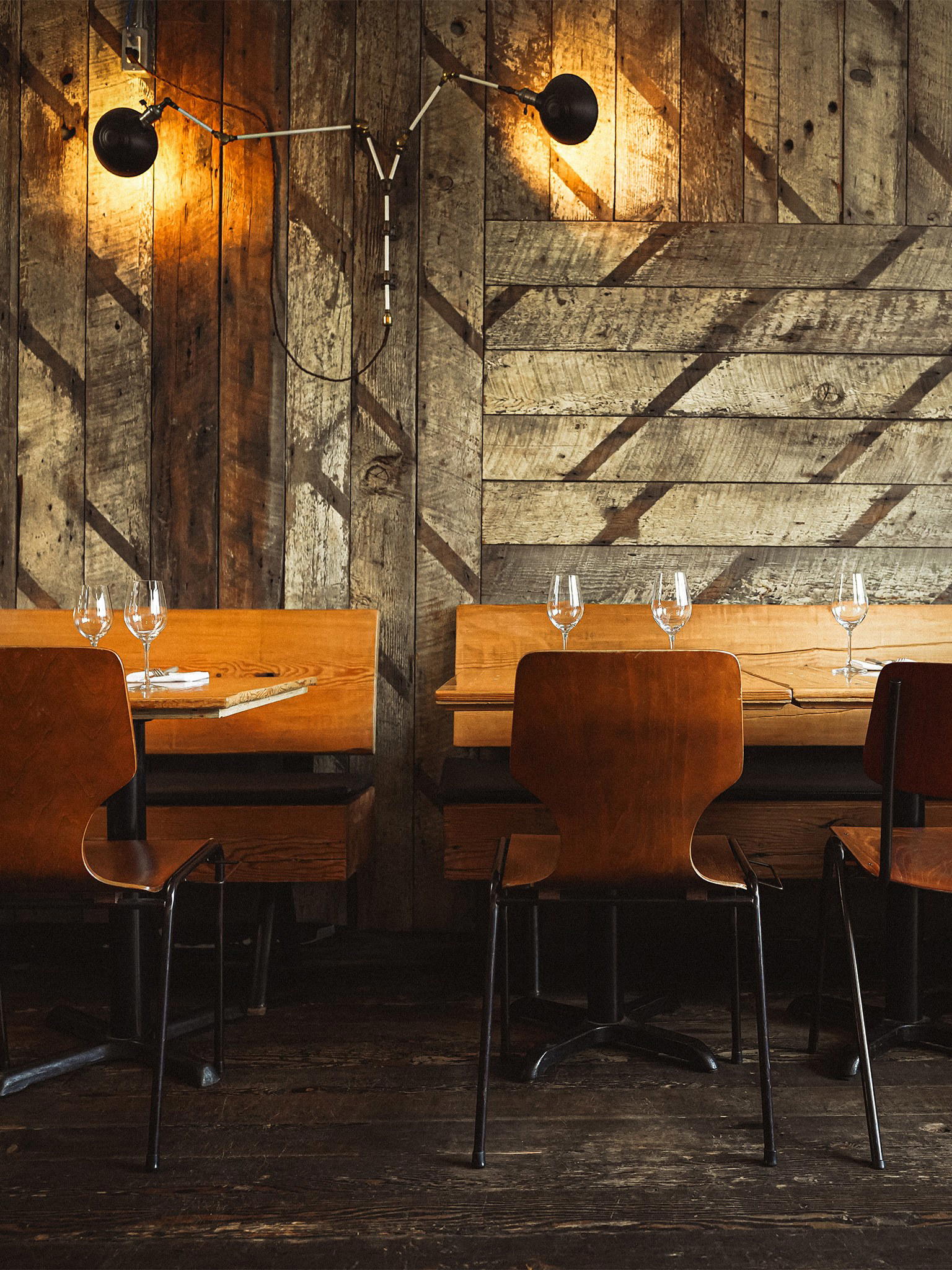
Bright, spacious minimalist interior with modern rustic wooden accents, laid-back yet lively atmosphere enhanced by a curated playlist and open kitchen views.