
1 Michelin Star
Our verdict
Narval holds Rimouski's first Michelin star (awarded 2025), placing creative tasting-menu cooking inside a small-city context on the St. Lawrence coast that most starred restaurants never occupy. At the $$$$price tier, it sits well above the local modern and regional tables, and its recognition signals a shift in how Canadian fine dining geography is being mapped.

Pearl is the En Primeur Club membership app, where members save venues, book tables and use the concierge.
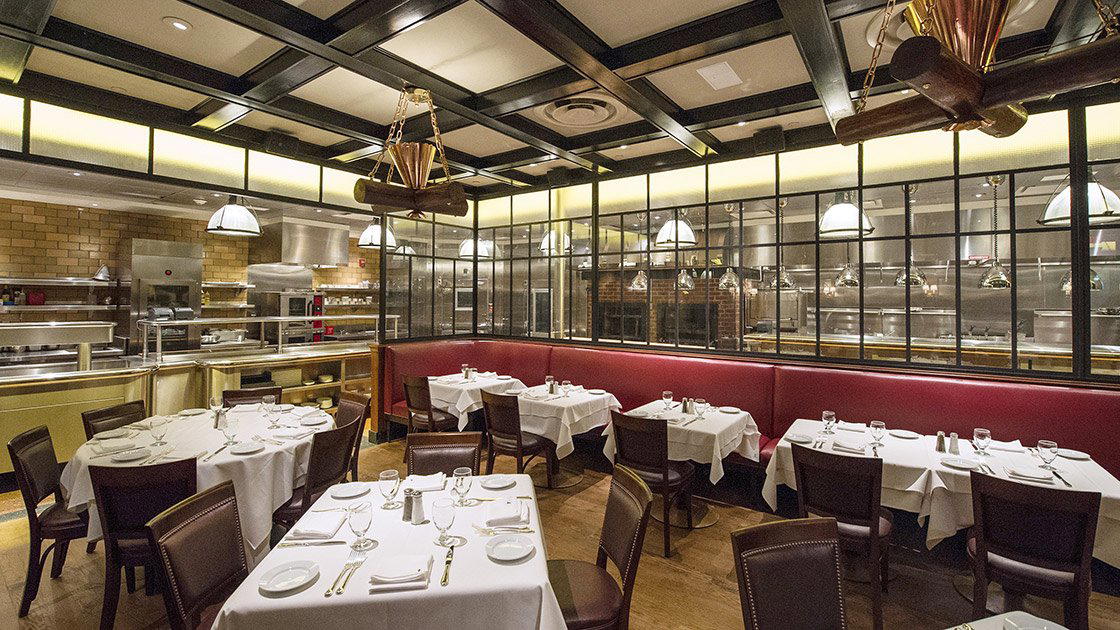
A Cathedral Quarter Address on the St. Lawrence Shore
Rimouski sits roughly 300 kilometres east of Québec City on the southern shore of the St. Lawrence estuary, close enough to the water that the maritime light changes the quality of an afternoon and far enough from any major urban centre to feel like a genuine commitment to place. The address at 144-A Avenue de la Cathédrale puts Narval in the cathedral quarter, a pocket of the city where the institutional scale of the church infrastructure gives the surrounding streets an unhurried, almost deliberate character. This is not the kind of neighbourhood backdrop that prime restaurant real estate is usually built around in Canada, and that tension between high-ambition cooking and genuinely small-city geography is central to what Narval represents.
The Bas-Saint-Laurent region has long been associated with working fishing culture, estuary agriculture, and a local food identity rooted in what the river and the boreal margin produce rather than what gets imported from elsewhere. Creative fine dining in that context carries a different weight than it does in a dense urban environment: the reference points are specific, the supply chains are shorter and more constrained, and the audience is smaller. That pressure can produce either compromise or sharp focus. At Narval, the 2025 Michelin recognition suggests the latter.
Where Narval Sits in the Canadian Fine Dining Map
Michelin's expansion into Canada has proceeded slowly and with a clear urban bias. The guide established its Québec coverage through Montréal and Québec City, and its first Rimouski entry, Narval's single star awarded in 2025, represents a meaningful extension of that geography. For context, the starred tier in Québec City includes Tanière³, which operates with a similar commitment to regional sourcing at the fine dining register. In Toronto, Alo has anchored the city's case for world-tier tasting-menu restaurants for several years. In Vancouver, AnnaLena occupies a more accessible price tier but works within a similarly produce-led creative framework.
That tradition has an interesting geography of its own. Some of Canada's most discussed fine dining rooms operate outside major cities by design: Eigensinn Farm in Singhampton, The Pine in Creemore, and Restaurant Pearl Morissette in Lincoln all make a similar argument: that removing a serious kitchen from an urban supply of diners forces a kind of discipline and commitment that city restaurants rarely need. ÄNKÔR in Canmore extends that logic into mountain terrain. Narval in Rimouski fits this pattern, though it arrives in a working coastal city rather than a purpose-built rural setting.
The Local Context and What It Demands
Rimouski's dining scene spans a range of price and ambition levels, but nothing in the city has previously held Michelin recognition. Arlequin operates at the $$$ tier with a modern cuisine approach, and Les Affamés and Losange work at the $$ level in modern and regional cuisine respectively. Narval at $$$$ sits a full price tier above the city's nearest comparable tables, a gap that reflects the format, sourcing cost, and labour investment that a starred creative program requires. For a broader read of where to eat and drink across the city, EP Club's full Rimouski restaurants guide covers the range.
The Michelin criteria for a single star, as the guide describes them, indicate a kitchen using quality ingredients with clear technical competence and consistent cooking. In a small city, consistency is often harder to sustain than ambition; the supply of skilled front- and back-of-house staff is constrained, and the audience for a $$$$ tasting menu is narrower. The fact that the recognition came in 2025, during an edition that demonstrably extended the guide's geographic reach, suggests that the inspectors found a program operating at a level that would earn the same assessment anywhere in the country.
Creative Cuisine at the Estuary Register
The cuisine type listed for Narval is simply Creative, which in Michelin usage typically describes a tasting-menu format built around a kitchen's own vision rather than adherence to a defined regional or national tradition. In practice, at a restaurant on the St. Lawrence estuary in Bas-Saint-Laurent, creative cooking almost inevitably engages with what the region produces: fish and shellfish from cold, deep water, game and wild plants from the boreal margin, agricultural products from a climate that rewards preservation and fermentation techniques. The creative label does not mean rootless; it usually signals that the kitchen takes those local materials and applies a technical or conceptual framework that doesn't stop at tradition.
This is a pattern visible across French-language Canada's serious restaurant scene. Jérôme Ferrer's Europea in Montréal works within a creative French register that draws on classical foundations. The comparison across the Atlantic also holds some relevance: Alléno Paris au Pavillon Ledoyen and Enrico Bartolini in Milan both represent the creative fine dining register where regional identity and technical ambition coexist in a single kitchen. Narval's entry into this peer conversation is notable precisely because of where it happens.
Planning a Visit
Narval is located at 144-A Avenue de la Cathédrale in central Rimouski, accessible by road from Québec City in approximately three hours via Route 20 and Route 132. The price range at $$$$ places a dinner in the range of Canadian fine dining tasting menus, where per-person costs including wine service regularly exceed $200. Given the Michelin recognition and small-city capacity constraints, advance booking is advisable; tables at starred restaurants in lower-density markets often fill faster than the local size might suggest because destination diners travel specifically for the occasion. For accommodation planning, EP Club's Rimouski hotels guide covers the city's lodging options. Those building a full itinerary can also consult the bars guide, the wineries guide, and the experiences guide for a complete picture of what the region offers around a dinner at Narval.
Frequently asked questions
What distinctions does Narval have?
Narval has received recognition including: Michelin 1 Star (2025).
What dish is Narval famous for?
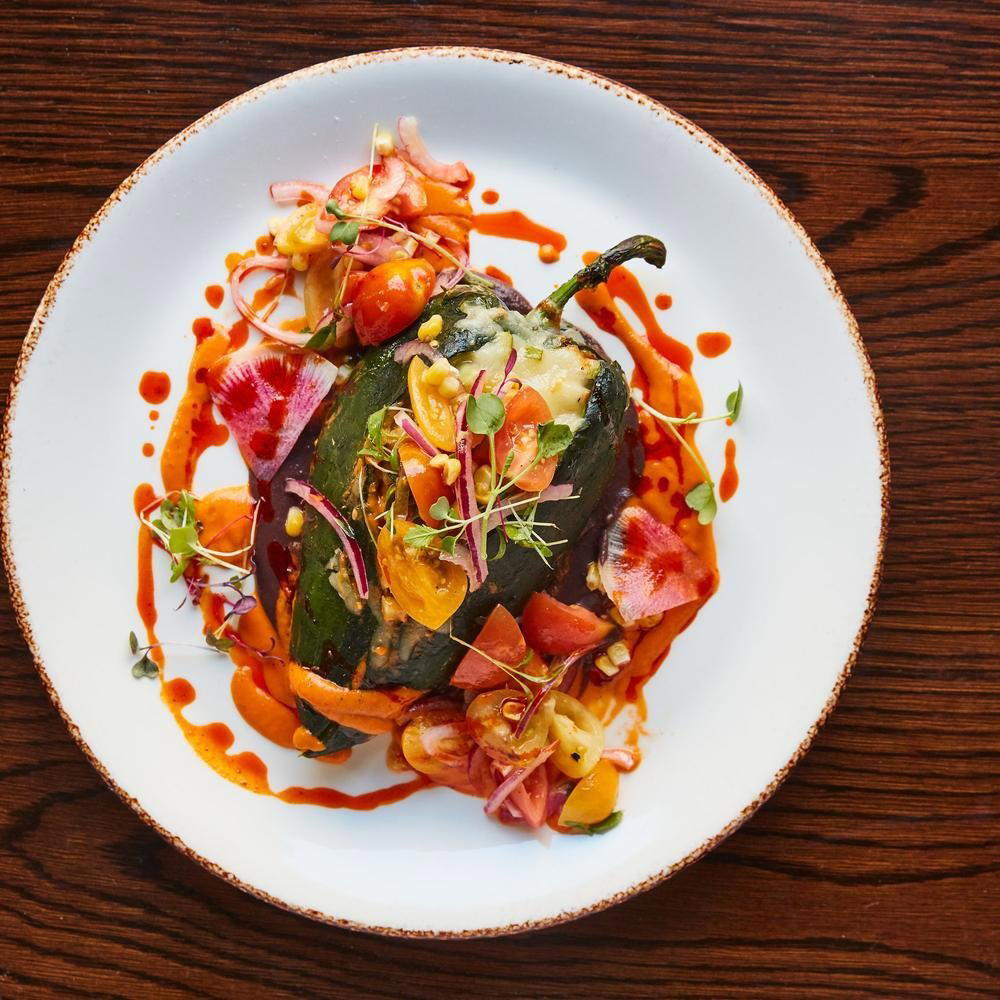
No specific signature dish has been documented in EP Club's verified records for Narval. What the 2025 Michelin star does confirm is a creative kitchen in Rimouski operating at a $$$$price point, which typically signals a tasting-menu format where the full sequence matters more than any single plate. The star itself is the most concrete signal of the kitchen's direction.
Is Narval more mid-range or high-end?
Pricing at Narval is listed as $$$$.
What's the address for Narval?
Narval is located at 144-A Av. de la Cathédrale, Rimouski, QC G5L 5H8, Canada, Rimouski.
The Essentials
| Venue | Cuisine | Price | Awards | Notes |
|---|---|---|---|---|
| NarvalThis venue (the venue you are viewing) | Modern Creative Quebecois | Not listed | 1 Michelin Star | Not listed |
| Arlequin | Modern French Tasting Menu | $50–100 | Michelin Plate | Modern Cuisine |
| Les Affamés | Modern Quebec Bistro | $30–50 | Michelin Plate | Modern Cuisine |
| Losange | Modern Quebec Bistro | Not listed | Michelin Bib Gourmand | Regional Cuisine |
Recognition history
Dated appearances from independent guides and award organizations, with the underlying list record or original source where available.
Michelin 1 Star
Michelin
Full recognition history (2 entries)
Michelin 1 Star
Michelin
Continue exploring
More in Rimouski
Details
- Intimate
- Elegant
- Cozy
- Sophisticated
- Special Occasion
- Date Night
- Open Kitchen
- Byob
- Local Sourcing
- Tasting Menu
- Allergy Accommodating
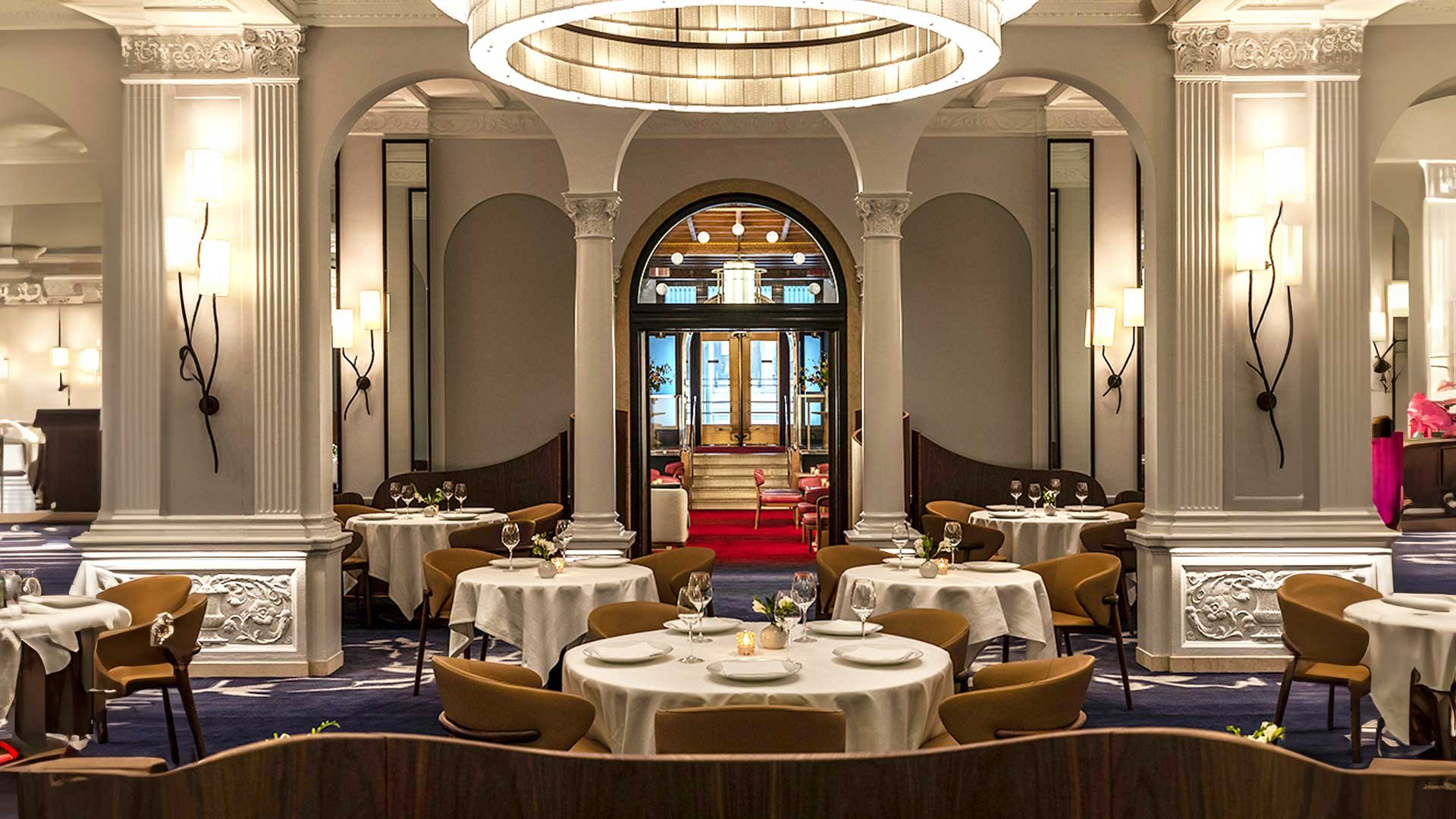
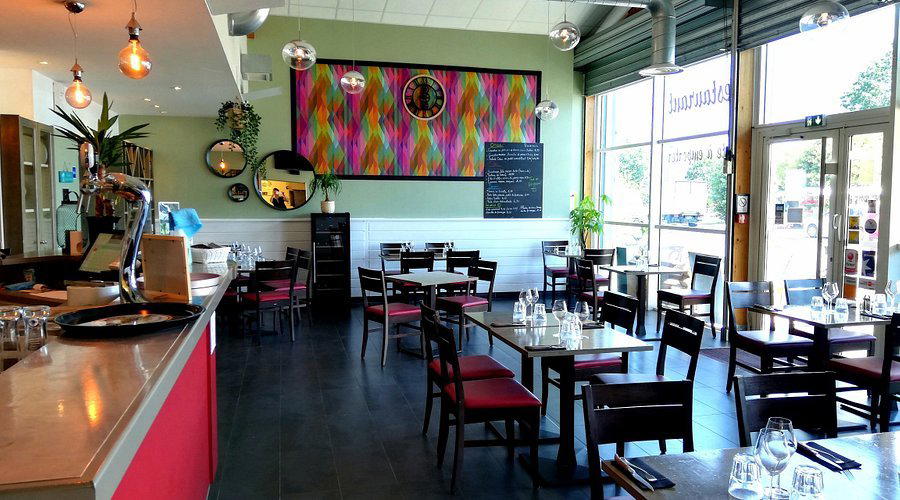
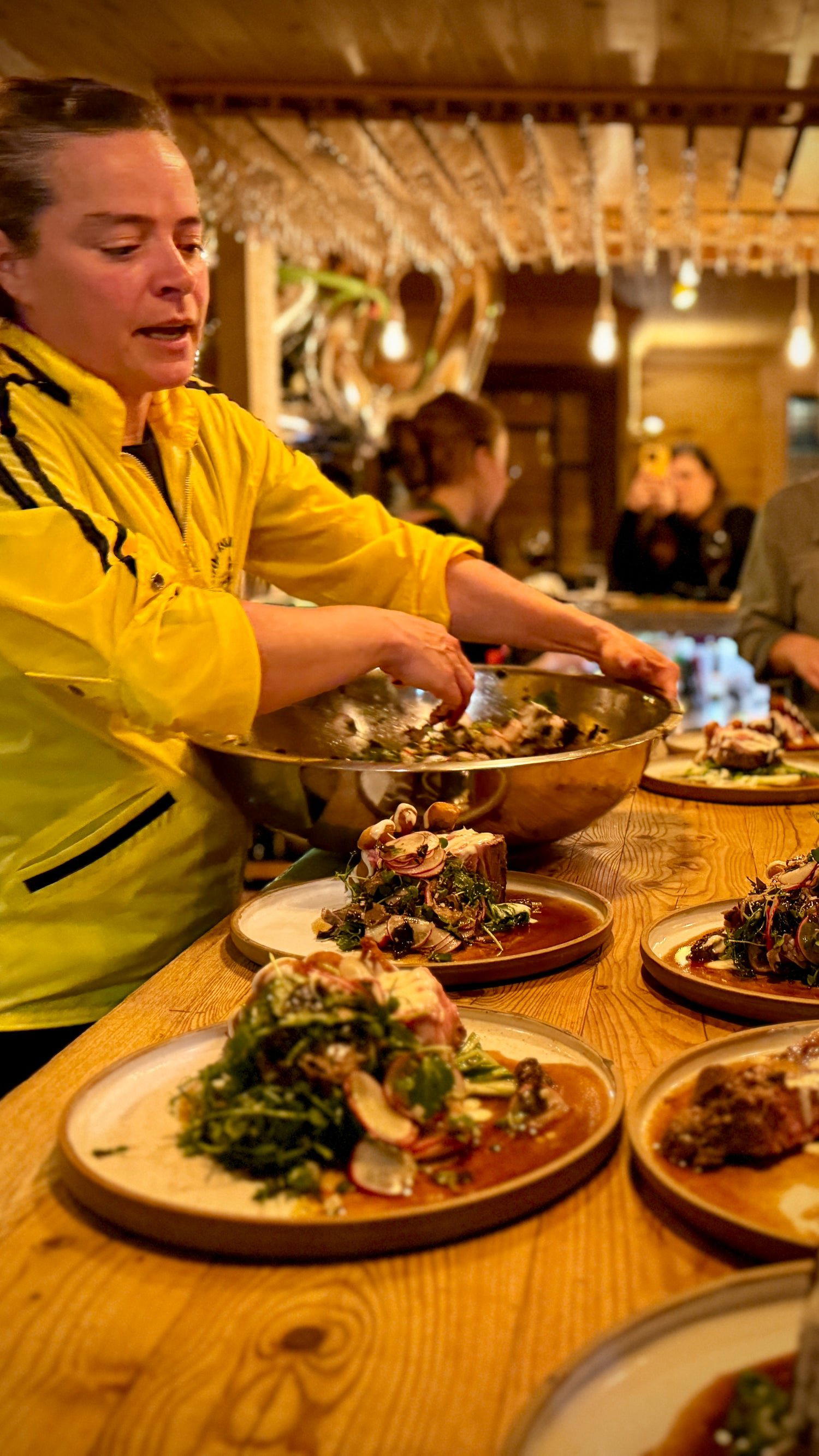
Refined and warm atmosphere with open kitchen, creating a convivial and welcoming feel.