Monsieur Jean, Hôtel Particulier
A boutique hôtel particulier at 2 Rue Pierre-Olivier-Chauveau, Monsieur Jean occupies the historic quarter of Quebec City with views over the St. Lawrence River. The property sits in the design-led independent tier, prioritising atmosphere and personal scale over branded uniformity. For travellers who want Old Quebec at close range without the flag-carrier footprint, this is where to look.
Pearl is the En Primeur Club membership app — saves, bookings, and concierge access live there. Same editors, same standards.
- Address
- 2 Rue Pierre-Olivier-Chauveau, Québec, QC G1R 0C5
- Phone
- +1 418-977-7777
- Website
- monsieurjean.ca
- Directions
- Get directions
 Saves & bookings on Pearl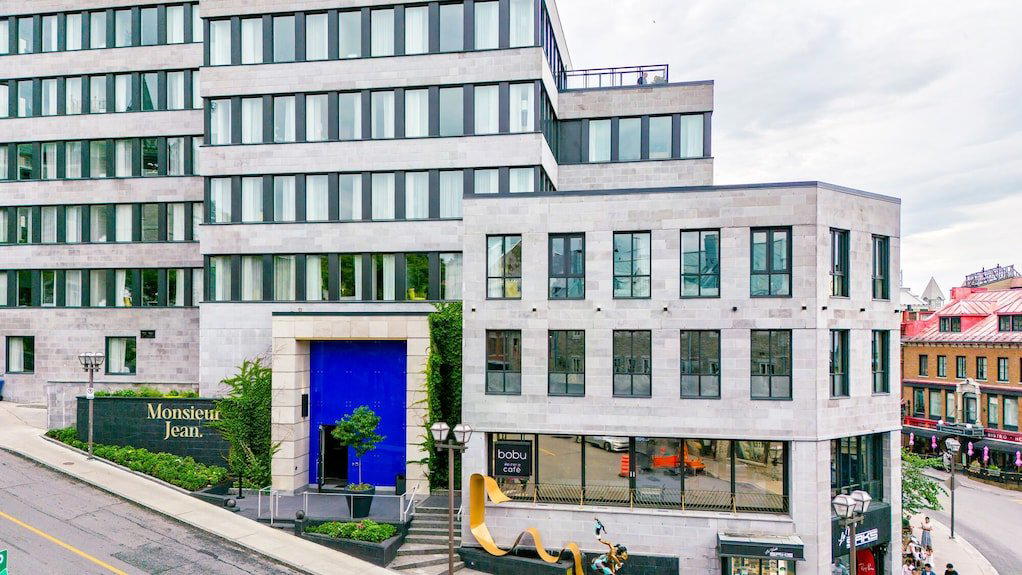
Old Quebec's Boutique Register
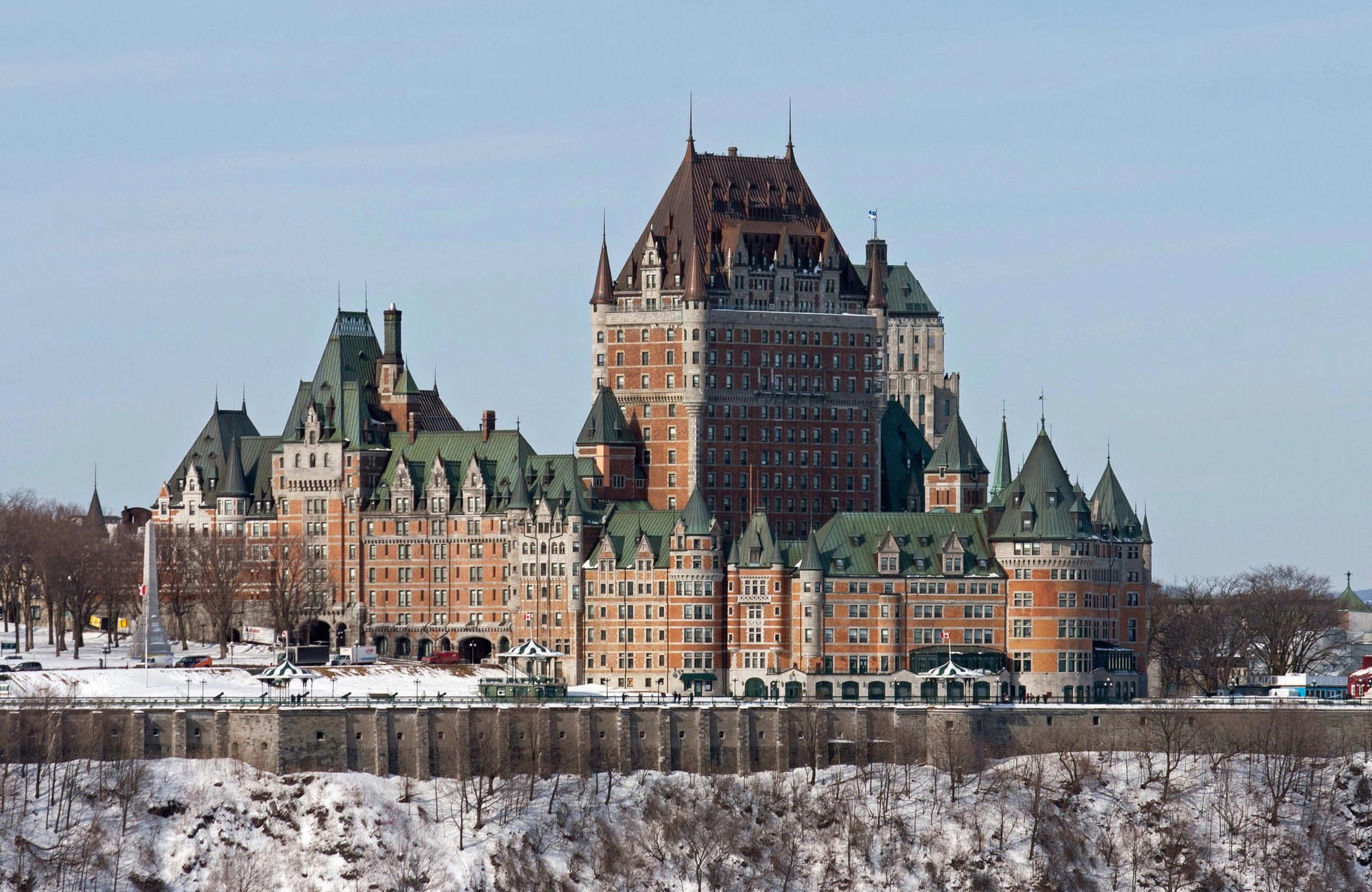
Quebec City's hotel market divides more cleanly than most. On one side sit the grand landmark properties: the Fairmont Le Château Frontenac and its castle-on-the-cliff presence, recognised internationally as the dominant visual fact of the skyline. On the other sits a smaller, quieter cohort of independent boutiques that trade landmark status for intimacy, period character, and a more curated sense of place. Monsieur Jean, Hôtel Particulier belongs firmly to that second group. Set at 2 Rue Pierre-Olivier-Chauveau in the heart of the historic quarter, the property positions itself not against the grande dame hotels but alongside the international tier of design-conscious boutiques where scale is deliberately limited and the physical environment does most of the communicating.
The hôtel particulier format has particular resonance in a city like Quebec, where the built fabric of the Old Town is itself a UNESCO World Heritage designation. Unlike a large convention-oriented property, a small particulier can occupy a heritage building without gutting its proportions. The rooms stay irregular, the staircases stay steep, and the sense that you are actually inside the city's architecture rather than visiting a replica of it remains intact. That distinction matters more than it might sound when the alternative is a purpose-built hotel room that could be transplanted to any latitude without consequence.
Location and What It Gives You
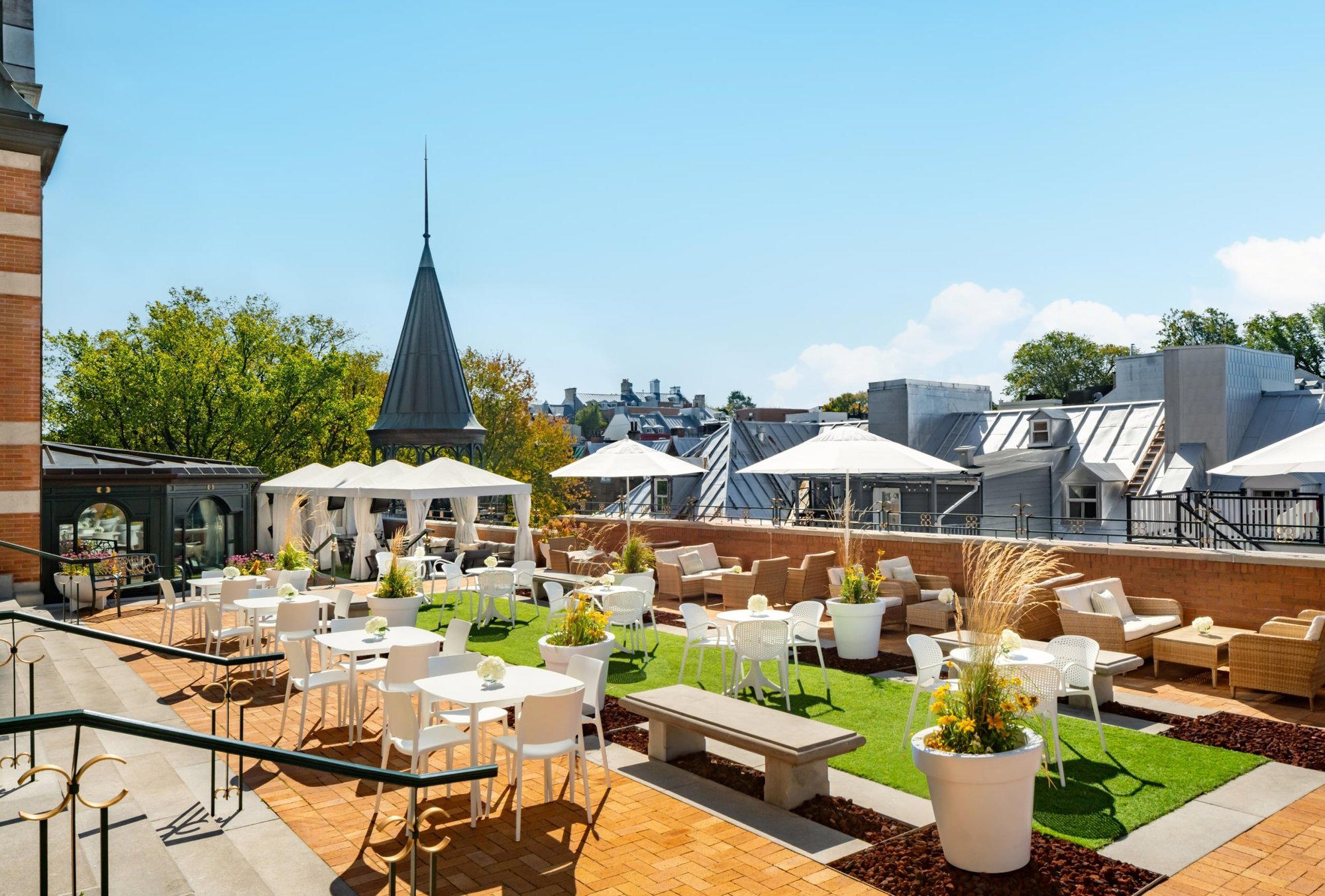
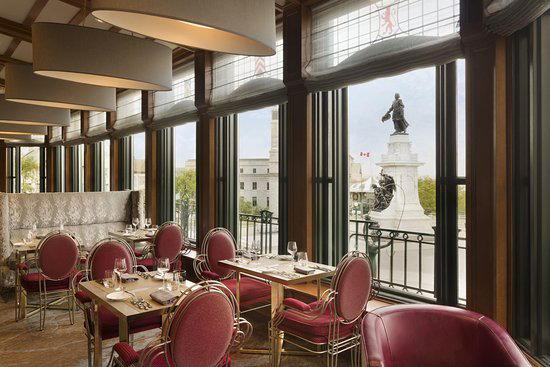
The address on Rue Pierre-Olivier-Chauveau places Monsieur Jean at the edge of the historic upper town, with views over the St. Lawrence River as it bends south toward the Île d'Orléans. Quebec's river geography is not merely scenic backdrop: the St. Lawrence defines the city's economic and cultural history from the fur trade through to the industrial port era, and a room with an eastward orientation makes that history legible in a way that no museum exhibit quite replicates. The upper town itself is walkable to the key institutions, the Place d'Armes, the Château Frontenac esplanade, and the Rue Saint-Jean commercial strip, without requiring a car or a plan.
For context on what the city's independent boutique tier looks like beyond Quebec, Hotel Le Germain Montreal represents the Quebec-origin design-hotel format at larger scale in the provincial capital, while Hôtel Quintessence in Mont-Tremblant shows what the same intimate-luxury instinct produces in a resort context. Monsieur Jean reads as the Old Quebec version of that sensibility: fewer keys, more character per square metre, and a premise that the building itself is as much the attraction as any amenity list. Elsewhere in Quebec province, Le Germain Charlevoix Hotel and Spa in Baie-St-Paul extends this tradition of design-led regional hotels into the Charlevoix countryside.
The Dining and Drinks Programme
The editorial angle that matters most for a property this size is not the room count or the spa square footage: it is whether the food and beverage programme earns its own reason to exist, or whether it functions purely as a convenience for guests who cannot face going outside. Quebec City's dining scene has matured considerably over the past decade. The city now sustains serious French-rooted cooking, farm-to-table programmes drawing on the Charlevoix agricultural corridor and the Île d'Orléans produce tradition, and a natural wine culture that arrived later than Montreal's but has settled in with conviction. A boutique hotel in this context has two realistic choices: align with that local culinary moment, or offer something generic and lose the argument to the restaurants immediately outside its door.
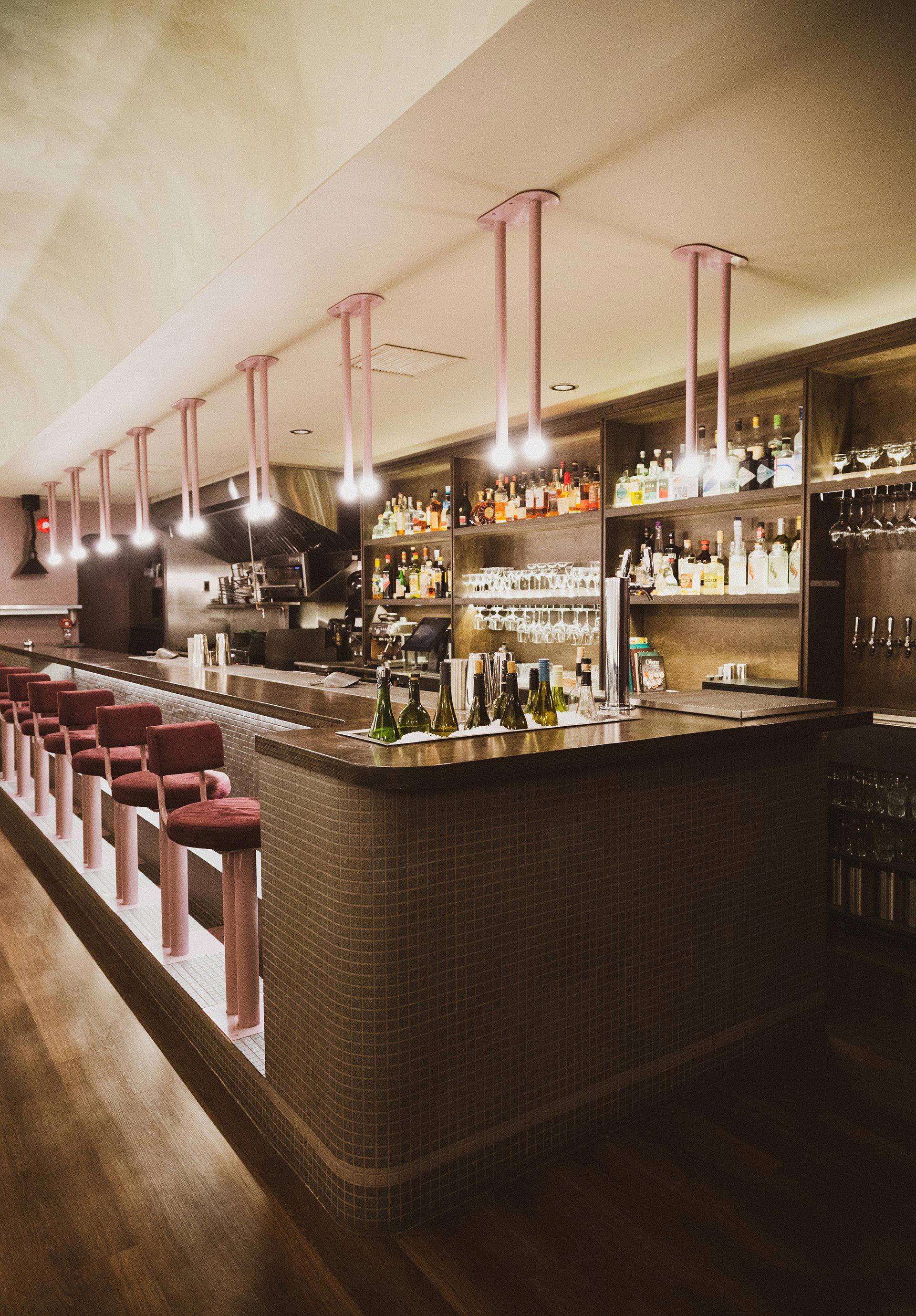
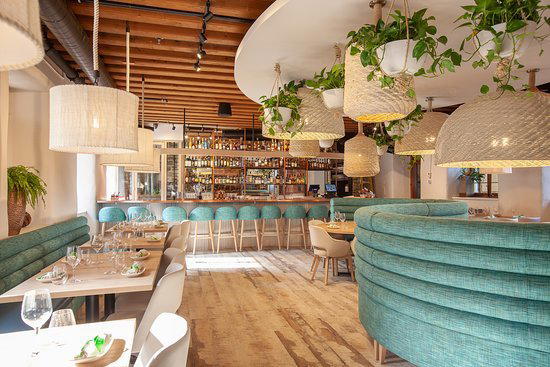
What can be said with confidence is that the property's positioning as a stylish, character-driven boutique implies a food and beverage identity that aligns with its overall register. Properties that describe themselves in terms of home comforts and a sense of welcoming elegance typically operate dining in a similarly grounded register: something closer to a well-sourced table d'hôte than a tasting-menu counter, and a bar that prioritises local spirits and wine over international bottle-list completism. For full current detail on the dining programme, contacting the property directly or checking the latest listings in our full Quebec City restaurants guide is the reliable path.
Travellers for whom the dining programme is the primary decision variable might also look at how the hotel tier intersects with Quebec City's standalone restaurant scene. The upper town and the Saint-Roch neighbourhood below it together produce a concentrated set of independent restaurants that would be the envy of cities three times the size. Staying at a boutique like Monsieur Jean puts you within walking distance of that scene without being dependent on an in-house restaurant to carry the full weight of the food experience.
Peer Context and Where This Property Sits
Across Canada, the independent boutique hotel category has produced some of its most distinctive work at the edges of geography: Fogo Island Inn in Joe Batt's Arm and Clayoquot Wilderness Lodge in Tofino both demonstrate how small-key design properties can achieve international recognition when they are sufficiently anchored to place. The urban version of that instinct, which is what Monsieur Jean represents, faces a different set of pressures: the competition is visible from the front door, the guests have more alternatives, and the differentiation has to come from execution rather than from sheer remoteness. Properties like Rosewood Hotel Georgia in Vancouver or The Dorian in Calgary show how urban design-conscious hotels succeed in Canadian cities by being specific about what they are rather than trying to compete on amenity volume with the large chains.
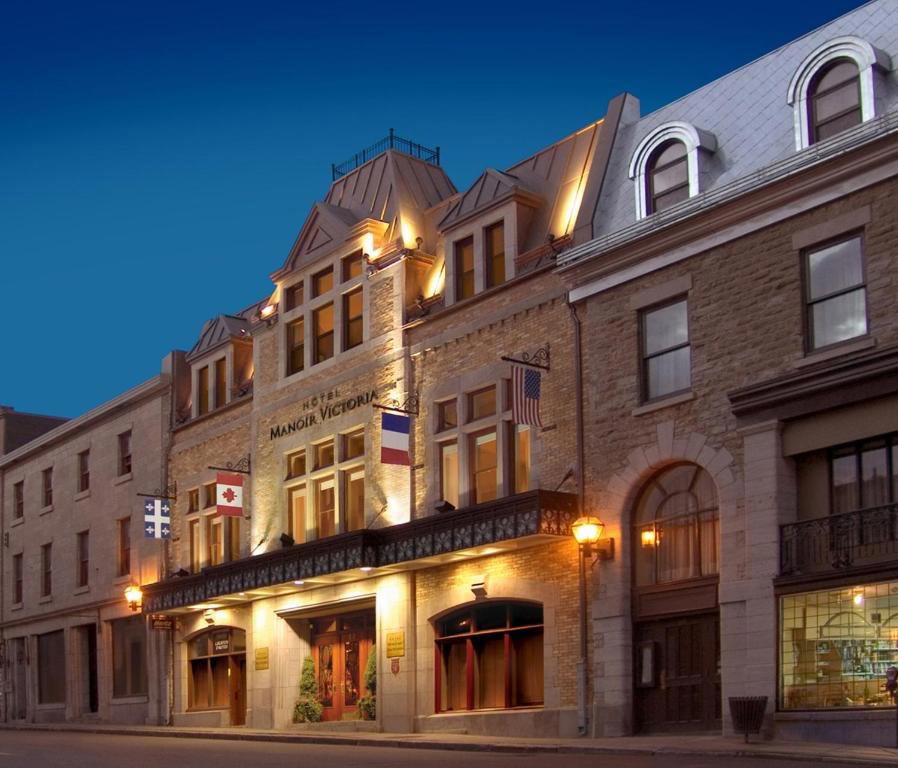
For Quebec City specifically, the alternative within the same city is Hôtel Manoir Victoria, which occupies a different position in the historic quarter. Regionally, travellers weighing their options might also consider Manoir Hovey in North Hatley, which takes the manor-house boutique format into the Eastern Townships. Each property makes a different argument for what a Quebec heritage stay should feel like.
Planning a Stay
Monsieur Jean sits at 2 Rue Pierre-Olivier-Chauveau in Quebec City's Old Town, a neighbourhood that rewards travel in shoulder season: May and September offer the architecture without the peak summer crowds, and the city's winter carnival period in February creates a different kind of atmospheric density that suits a characterful boutique rather than a resort-scale property. Dress code and room-category specifics are similarly leading confirmed at the time of booking, as these can vary with the property's evolving programming.
For travellers considering Quebec City alongside other premium Canadian stays, the contrast between Monsieur Jean's intimate urban format and the grand-resort tradition represented by Fairmont Banff Springs, Fairmont Chateau Lake Louise, or Fairmont Chateau Whistler is instructive. Those properties deliver scale and mountain spectacle; Monsieur Jean delivers the opposite argument: that the right eight rooms in the right historic building, with a river view and a serious sense of address, is a more considered way to spend time in one of Canada's most architecturally coherent cities.
How Monsieur Jean, Hôtel Particulier compares with similar nearby venues.
| Venue | Awards |
|---|---|
| Monsieur Jean, Hôtel Particulier | Small Luxury Hotels of the World Member (2025) |
Recognition history
Dated appearances from independent guides and award organizations, with the underlying list record or original source where available.
Small Luxury Hotels of the World Member
Small Luxury Hotels of the World
Continue exploring
More in Quebec City
Hotels in Quebec City
Browse all →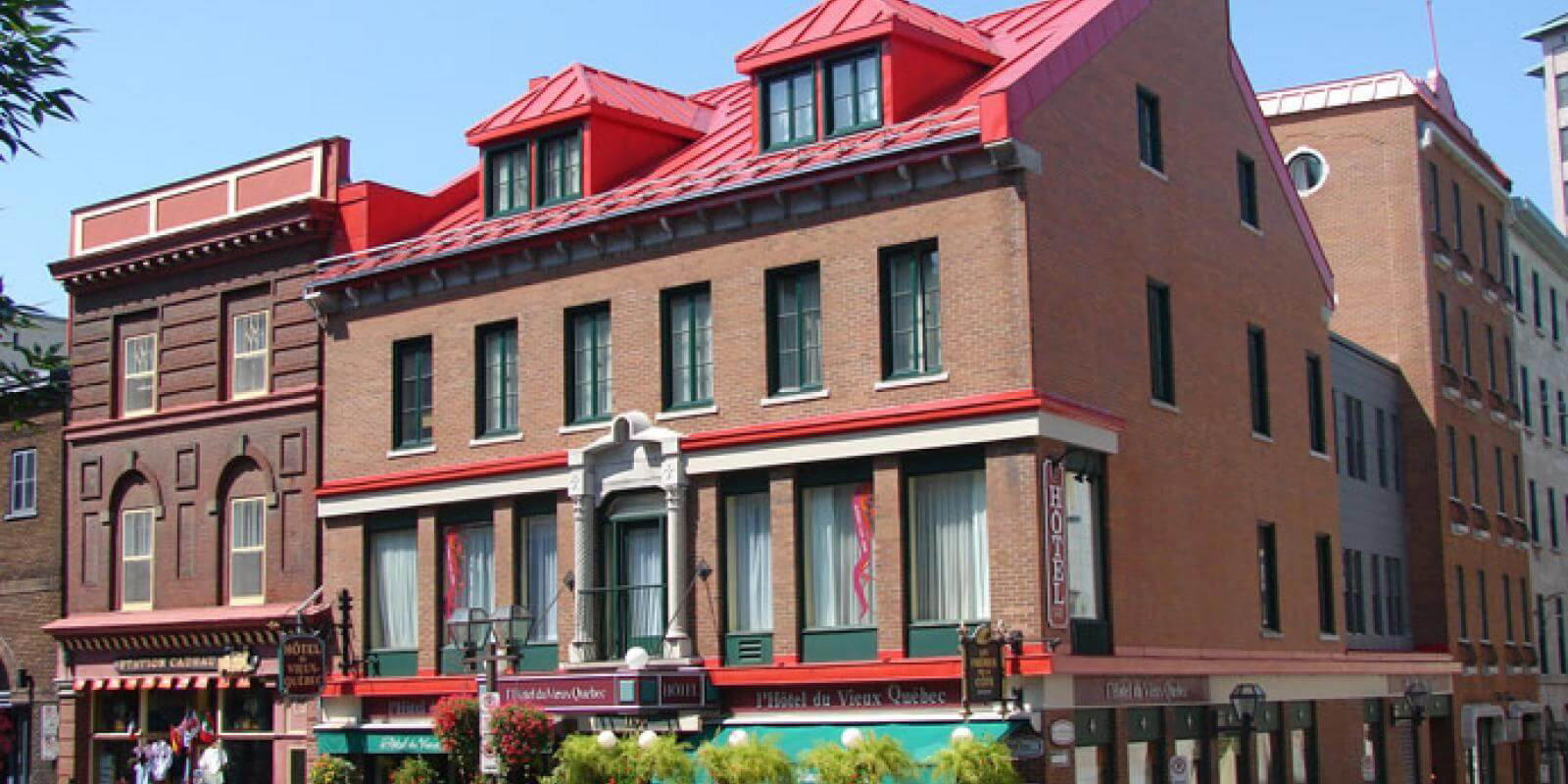
Bars in Quebec City
Browse all →
At a Glance
- Elegant
- Sophisticated
- Whimsical
- Romantic
- Intimate
- Romantic Getaway
- Anniversary
- Weekend Escape
- Historic Building
- Terrace
- Panoramic View
- Wi Fi
- Spa
- Fitness Center
- Room Service
- Concierge
- Valet Parking
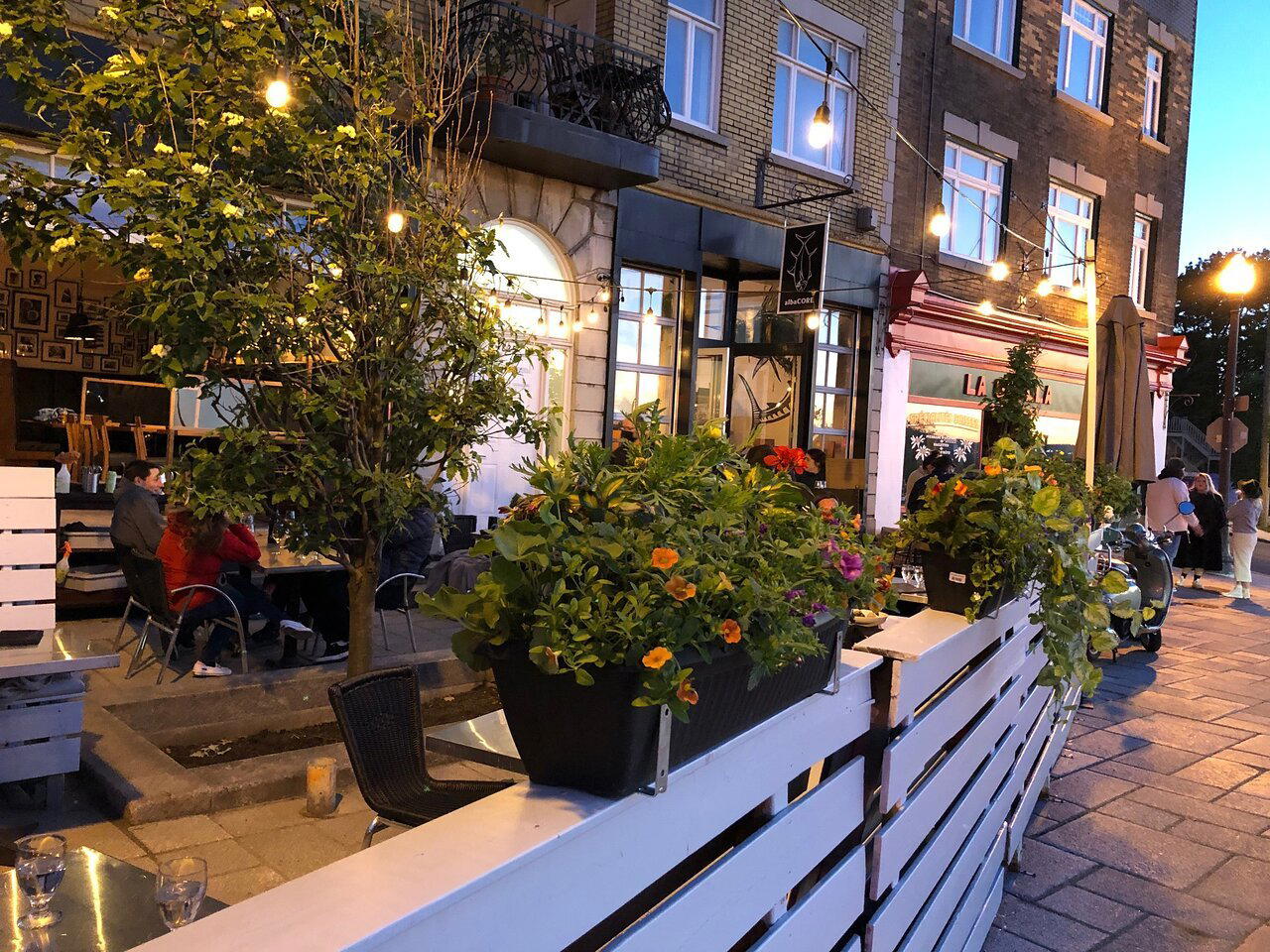
- Street Scene
- Wi Fi
- Spa
- Fitness Center
- Room Service
- Concierge
- Valet Parking
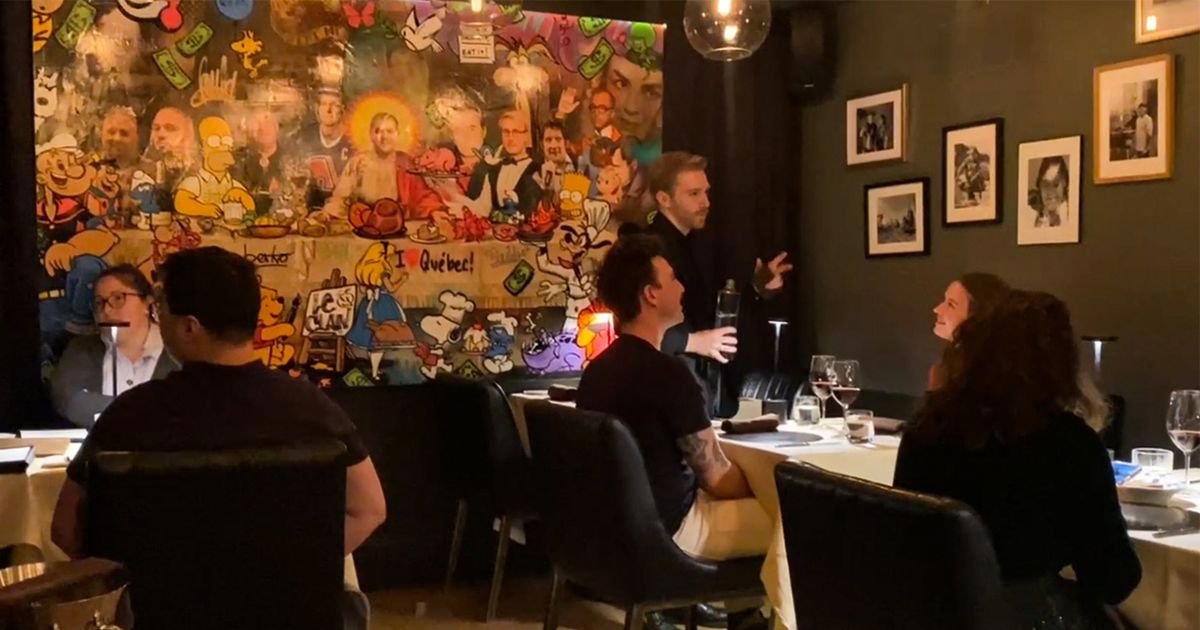
Elegant lobby with piano, library, and board games; modern, artistic rooms praised for luxurious, comfortable, and quiet atmosphere.
Know Before You Go
- Getting there
- 2 Rue Pierre-Olivier-Chauveau, Québec, QC G1R 0C5