Laurie Raphaël



.png)
Quebec City's Old Port has a small cluster of tasting-menu restaurants operating at serious ambition levels, Laurie Raphaël sits at that tier's upper end, holding a Michelin star and AAA 5 Diamond designation as of 2025. Chef Raphaël Vézina builds ten-or-so-course menus around regional terroir and rotating thematic frameworks, backed by a wine program of 600 selections and 2,800 bottles deep, weighted toward Burgundy and Canadian producers.
Pearl is the En Primeur Club membership app — saves, bookings, and concierge access live there. Same editors, same standards.
- Address
- 117 Rue Dalhousie, Québec, QC G1K 9C8, Canada
- Phone
- +1 418-692-4555
- Website
- laurieraphael.com
 Saves & bookings on Pearl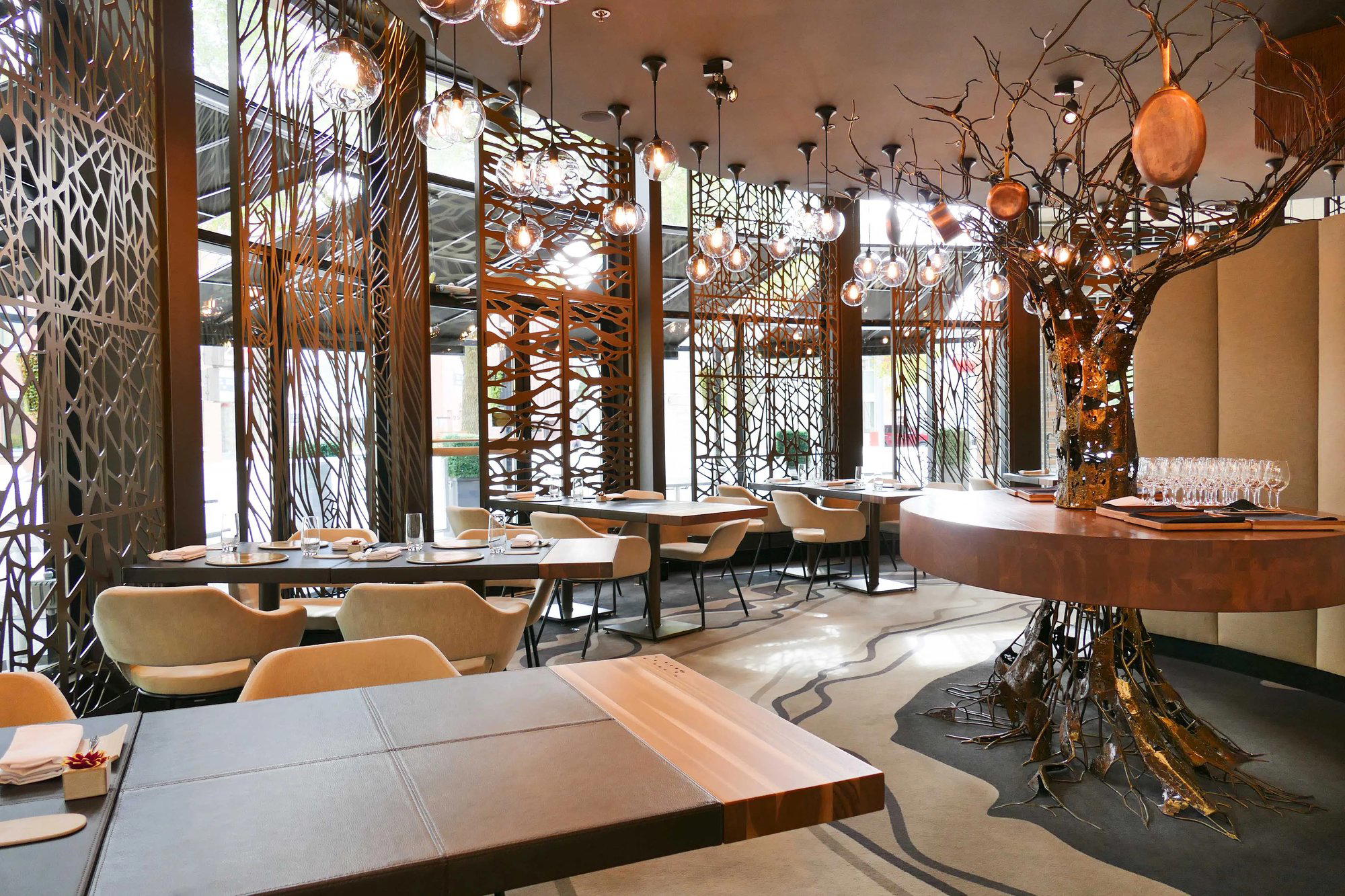
Where the Old Port Anchors Quebec City's Serious Dining
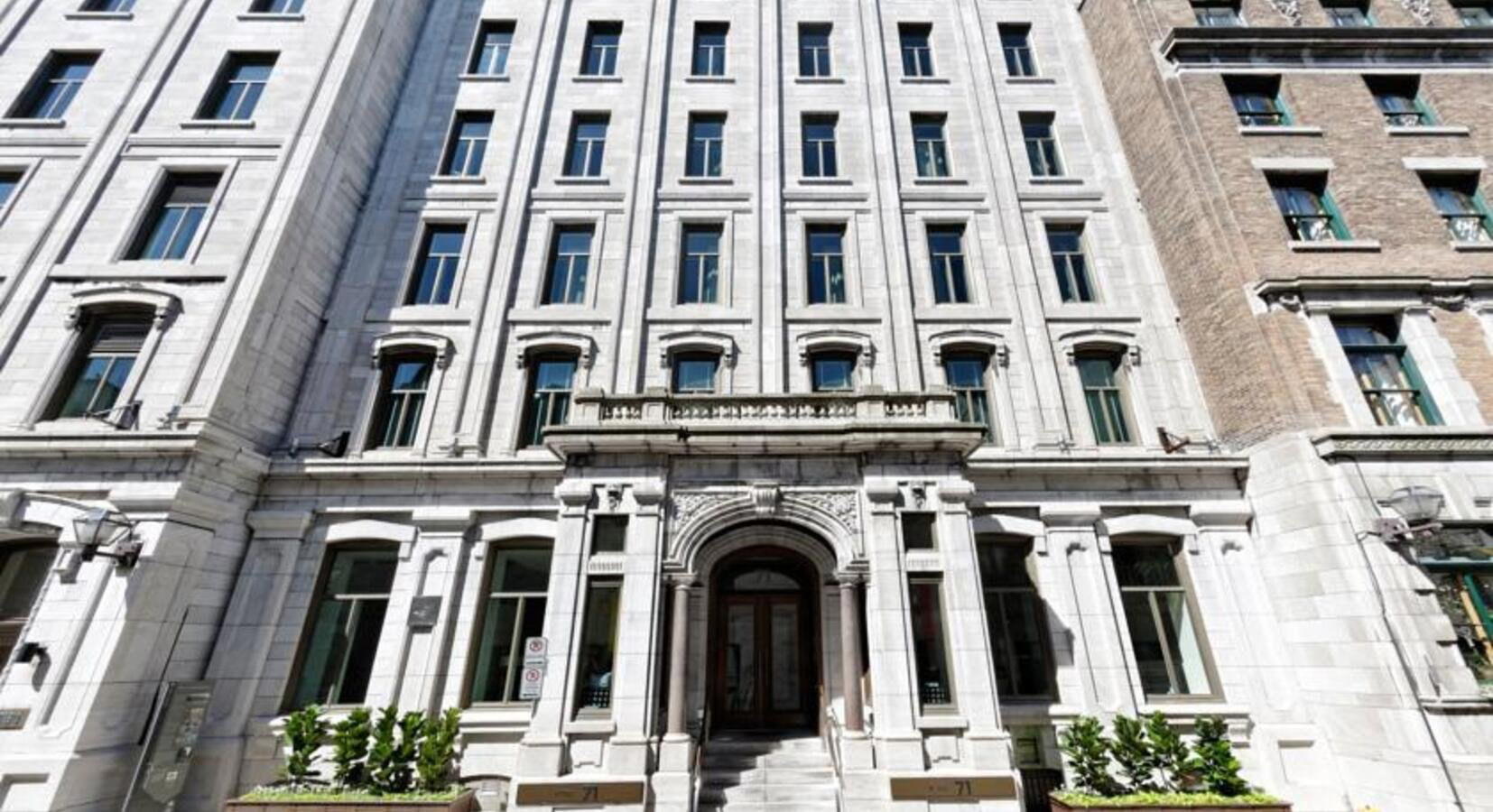
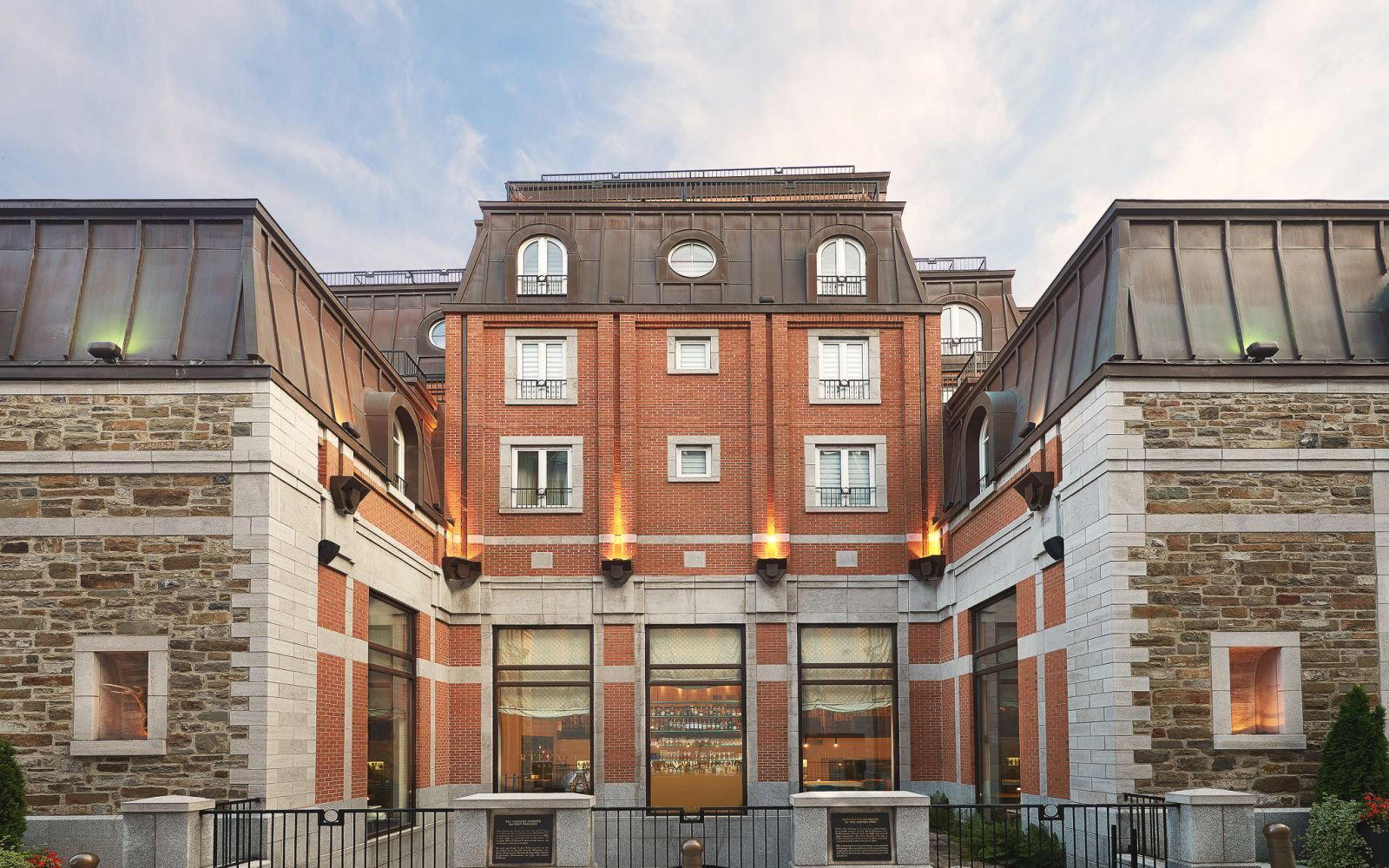
The Rue Dalhousie corridor in Quebec City's Old Port sits at the edge of where the city's commercial waterfront gives way to the older, denser fabric of the lower town. The address at 117 places Laurie Raphaël within a few blocks of the St. Lawrence, in a neighbourhood where heritage stone architecture and converted warehouse spaces have come to house some of the city's most deliberate dining. This is the Old Port's quieter dining circuit. The Old Port draws a more purposeful crowd, visitors who have planned ahead, locals marking occasions, and food professionals who treat Quebec City as a legitimate stop on the eastern Canadian dining map alongside Montreal and, increasingly, smaller markets like Narval in Rimouski.
That physical setting matters. Restaurants operating in this district inherit a kind of ambient seriousness from the neighbourhood itself. There is no foot traffic to rely on, no casual drop-in trade from a busy tourist street. The format demands that diners commit, and it filters the room accordingly. Arriving at Laurie Raphaël feels like arriving at something you planned for, which is consistent with what the kitchen asks of you once you sit down.
A Tasting Menu Built Around Terroir and Theme
Quebec City's multi-course tasting format restaurants have proliferated over the past decade, tracking a broader Canadian pattern where the tasting menu has become the vehicle of choice for chefs making arguments about regional identity. Laurie Raphaël sits within that context but with a distinct structural approach: the menu runs ten or so courses and rotates around thematic frameworks rather than a fixed seasonal list. This is a format that places interpretive demands on the kitchen each service cycle. The themes function as editorial constraints that shape how terroir-sourced produce gets presented, rather than letting ingredient availability alone determine the menu's logic.
Jörg Lenzin serves as head chef. The kitchen's orientation toward Quebec's terroir connects Laurie Raphaël to a wider movement in Canadian fine dining, restaurants like Restaurant Pearl Morissette in Lincoln and The Pine in Creemore have built similar cases for hyper-regional sourcing in Ontario, while AnnaLena in Vancouver applies comparable rigour to Pacific Northwest ingredients. In Quebec City, Laurie Raphaël holds a position at the intersection of that national current and the specific agricultural geography of the St. Lawrence valley.
For practical planning: the cuisine pricing sits at the $$$$ tier, around $300 per person, which given the multi-course format suggests a meaningful per-person commitment before wine. This is dinner-only service, and the format is not suited to quick visits. The wine pricing matches the cuisine tier, also at $$$, which typically signals many bottles above $100 on the list.
The Wine Program as a Parallel Argument
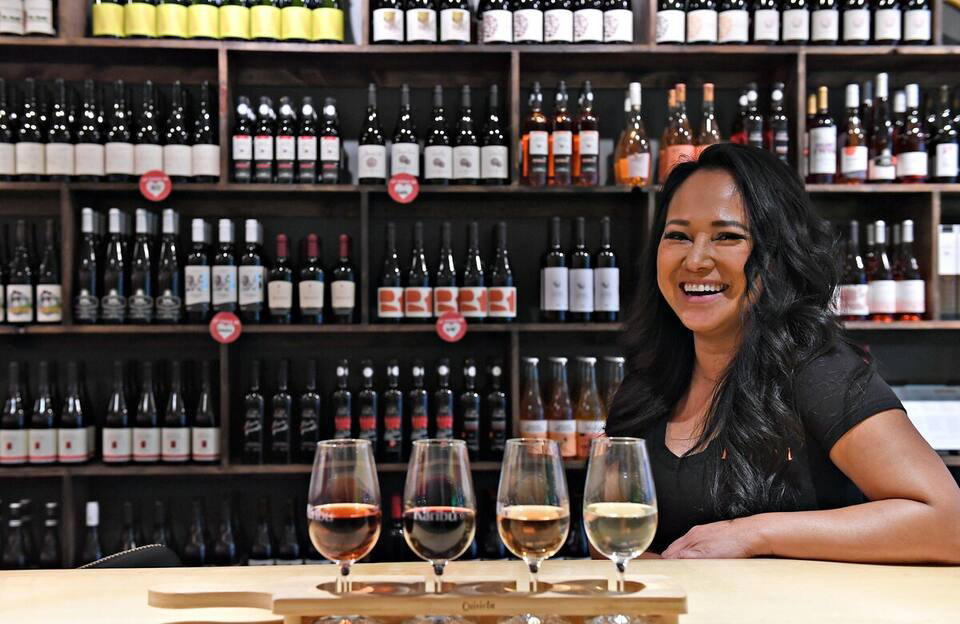
A 600-selection, 2,800-bottle wine inventory at a restaurant of this size is a substantial commitment. Wine Director Julien Dallaporta and Sommelier Kevin Cloutier manage a list that weights toward Burgundy and Canadian producers, a pairing of reference points that reflects the kitchen's dual conversation with French tradition and domestic terroir. Burgundy makes sense as an anchor: the region's emphasis on place-specific expression over varietal showcase aligns philosophically with what the kitchen is doing with Quebec produce. The Canadian selections, meanwhile, allow the wine program to make the same regional argument the food is making.
The pricing structure at $$$ for wine signals a list that rewards engagement rather than casual selection. Guests who choose to interact with the sommeliers rather than anchor on familiar labels are likely to find the pairing experience more coherent with the menu's thematic logic. This is a room where the wine program is integrated into the editorial argument, not appended as an afterthought. Comparable integration, where the cellar's regional emphasis mirrors the kitchen's, can be found at Jérôme Ferrer's Europea in Montreal, though the specific regional focus differs significantly.
Where Laurie Raphaël Sits in Quebec City's Fine Dining Tier
Quebec City's top-end restaurant scene is not large, but it has become more concentrated and more credentialled over the past few years. Tanière³ operates at the $$$$ price point with a creative format that draws international attention. ARVI sits at the same $$$$ tier with a modern cuisine approach. Laurie Raphaël, priced at $$$, occupies a slightly different bracket, still a serious tasting-menu commitment, but with a price architecture that positions it differently against those two peers. Auberge Saint-Antoine offers Canadian cuisine in a hotel context, drawing a different type of occasion diner. Légende and Kebec Club Privé round out the creative end of the market.
Within this set, Laurie Raphaël's Michelin star and AAA 5 Diamond designation are significant positioning signals. The Michelin recognition in particular places it within a comparable set that extends beyond Quebec City, alongside starred Canadian restaurants like Alo in Toronto and internationally recognised rooms like Le Bernardin in New York City. The AAA 5 Diamond designation complements the culinary credential.
The combination of both designations is not common at this price tier. It suggests a restaurant that is performing consistently across culinary and hospitality dimensions simultaneously, a harder achievement than either credential alone. For comparison, Emeril's in New Orleans has long held hospitality credentials without the same culinary award architecture, illustrating how the two tracks can diverge.
Planning Your Visit
Laurie Raphaël operates from 117 Rue Dalhousie in Quebec City's Old Port, serving dinner only. The combination of a Michelin star, a 5 Diamond designation, and a multi-course format that changes thematically means the room is not one you walk into without advance thought. Booking ahead is essential, particularly for weekend dates or during Quebec City's peak summer and winter festival seasons. The format is dinner-exclusive, so scheduling should account for a full evening commitment rather than a time-capped meal.
The Quick Read
Comparable venues nearby, for context on price, style, and recognition.
| Venue | Cuisine | Price | Notes |
|---|---|---|---|
| Laurie RaphaëlThis venue — the venue you are viewing | Modern Cuisine | $$$$ | |
| ARVI | Vieux-Limoilou, Modern Quebec Cuisine | $$$$ | |
| Melba | Saint-Sauveur, Modern French Bistro | $$$ | |
| Le Clan | $$$$ | Vieux-Québec, Cap-Blanc, Colline parlementaire, Modern French Tasting Menu with Québec Terroir | |
| Champlain | $$$$ | Vieux-Québec, Cap-Blanc, Colline parlementaire, Modern French Fine Dining | |
| Auberge Saint-Antoine | $$$$ | Vieux-Québec, Cap-Blanc, Colline parlementaire, French Farm-to-Table Fine Dining |
Continue exploring
More in Quebec City
Restaurants in Quebec City
Browse all →
Bars in Quebec City
Browse all →
At a Glance
- Elegant
- Sophisticated
- Modern
- Romantic
- Date Night
- Celebration
- Special Occasion
- Open Kitchen
- Private Dining
- Standalone
- Extensive Wine List
- Sommelier Led
- Craft Cocktails
- Local Sourcing
- Farm To Table
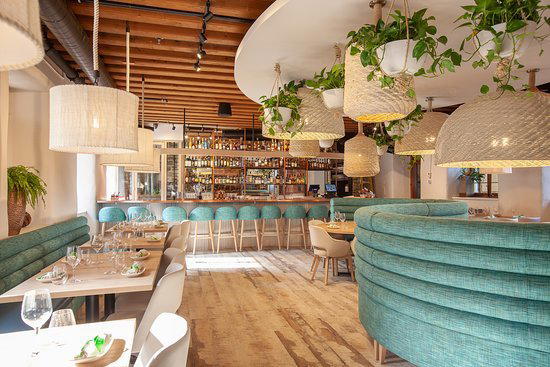
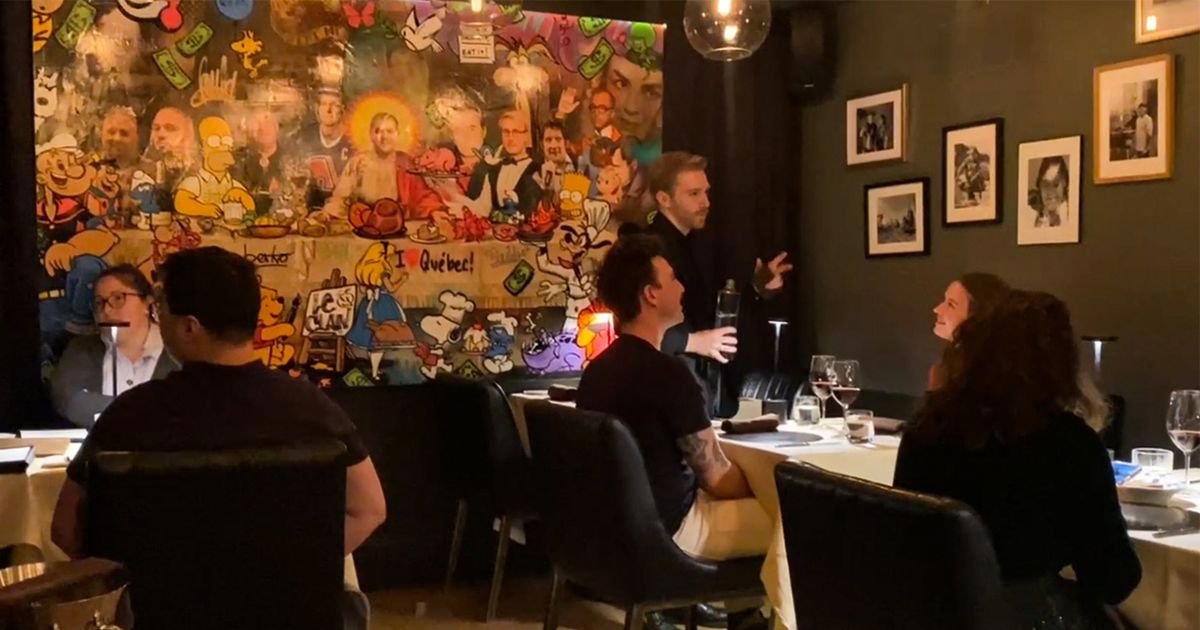
Elegant contemporary dining room with beige tones, bubble-shaped pendant lights, and leather-covered tables; warm, welcoming energy despite formal fine-dining setting.