Auberge Saint-Antoine






2 Michelin Keys · La Liste Top Hotels · Star Wine List
Occupying a 17th-century merchant warehouse on the St. Lawrence waterfront in Old Quebec City, Auberge Saint-Antoine positions itself at the intersection of archaeological history and contemporary hospitality. The property holds a Star Wine List recognition for 2026, and its two drinking venues, Artefact and Coteau, draw on Quebec's material past in ways that few addresses in the city can credibly replicate.

Pearl is the En Primeur Club membership app, where members save venues, book tables and use the concierge.
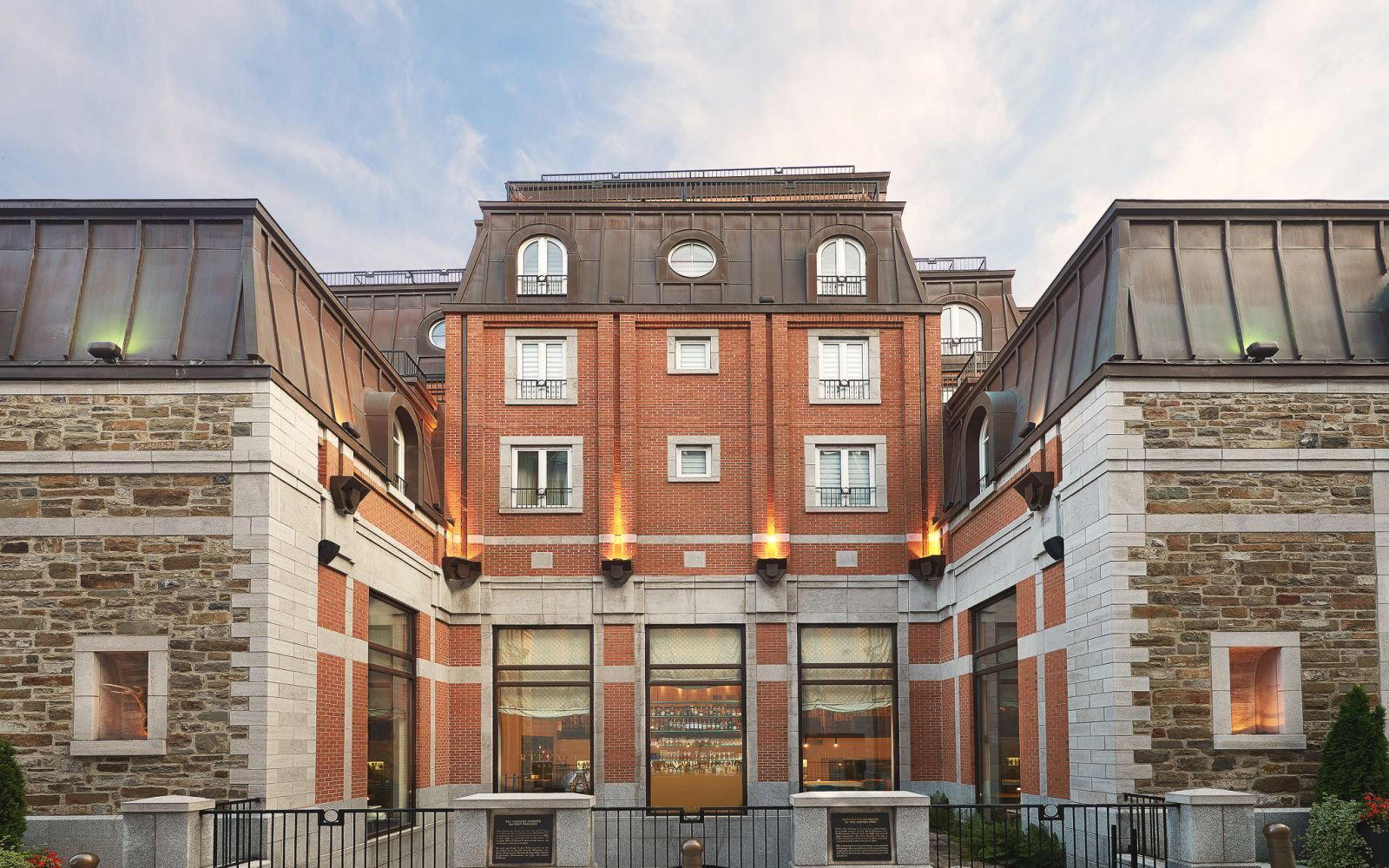
A Waterfront Address That Earns Its History
The stretch of Rue Saint-Antoine running along the base of Old Quebec's lower town is one of the most historically compressed blocks in North America. The St. Lawrence sits at one end, the cliff face of Cap Diamant at the other, and between them a sequence of stone buildings that have absorbed several centuries of colonial commerce, military occupation, and urban reinvention. Auberge Saint-Antoine sits directly inside that compression, at number 8, on a site where archaeological excavation during construction uncovered thousands of artifacts, musket balls, navigational instruments, domestic ceramics, that are now displayed throughout the property. The address is not incidental to the experience; it is the experience's structural frame.
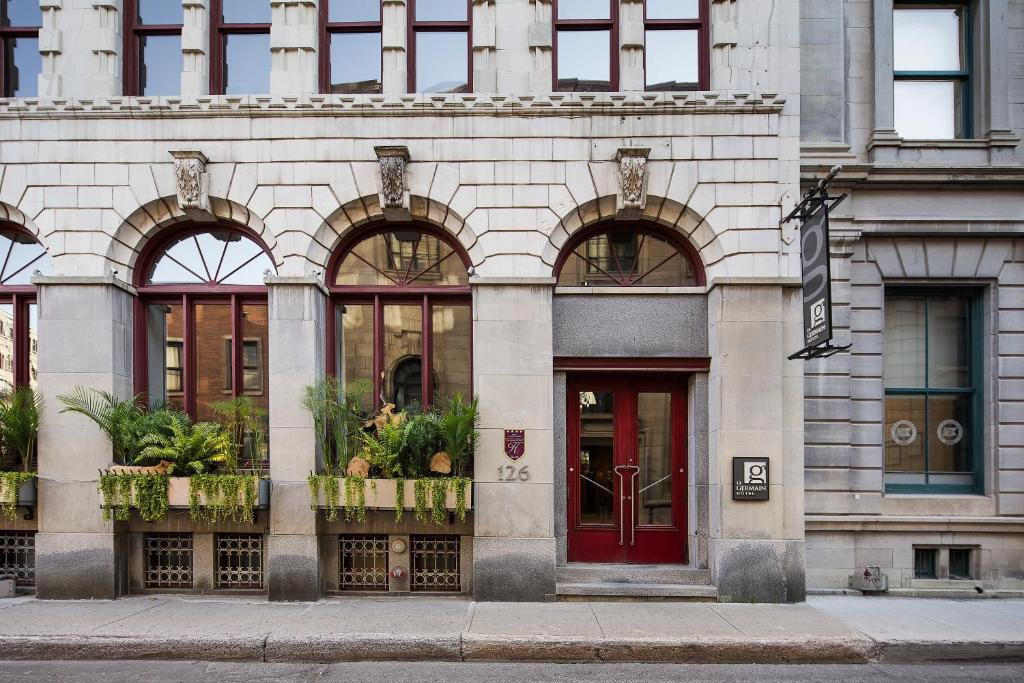
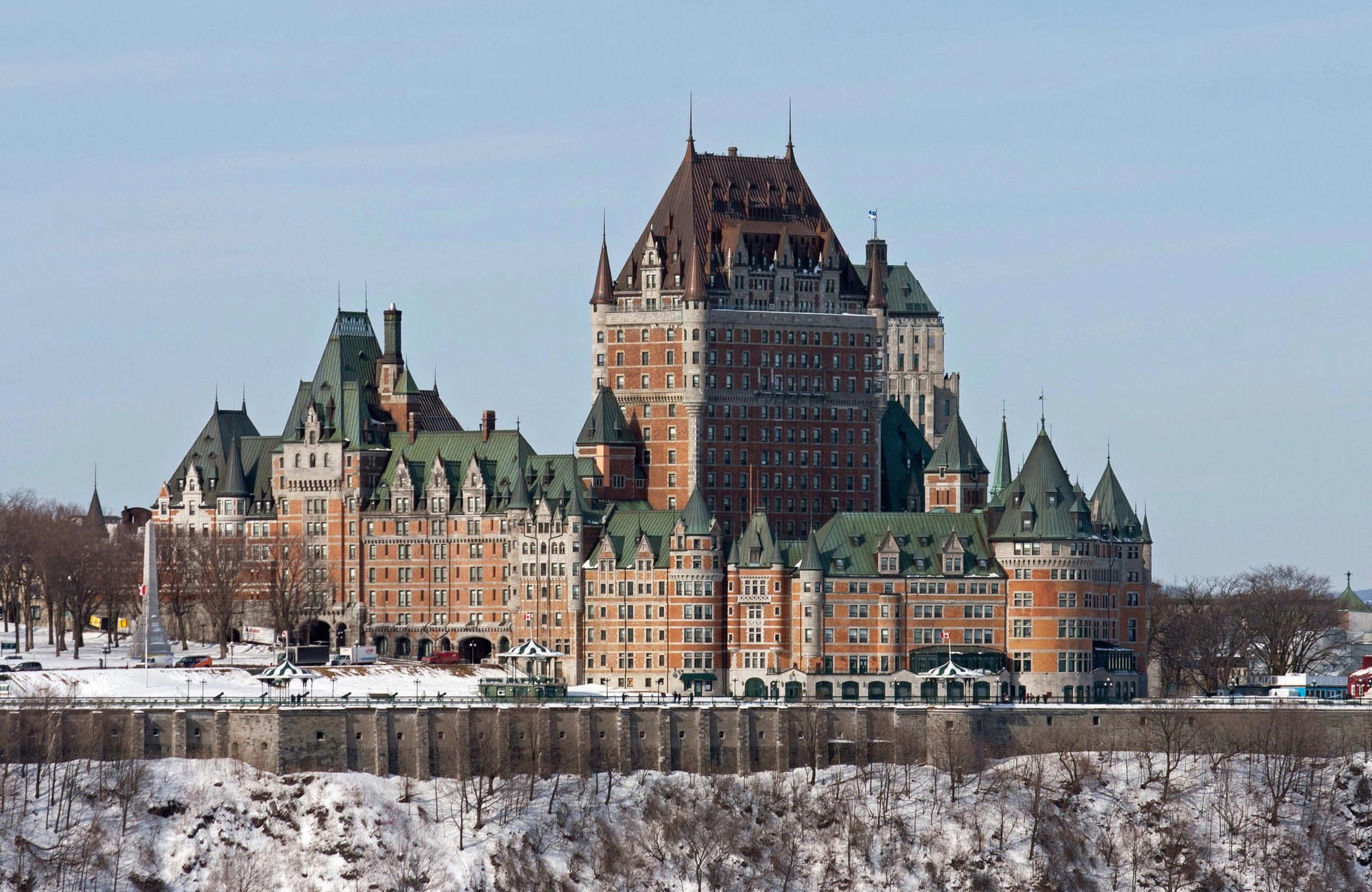
For travelers comparing Old Quebec accommodations, the address matters in ways that hotel category alone cannot resolve. Properties like Hotel 71 and Hôtel du Vieux-Québec occupy the historic core, each with their own positioning, but few can claim the same waterfront-adjacent footprint combined with an on-site archaeological narrative. Hôtel Le Germain Québec and Hôtel Manoir Victoria are oriented toward the Upper Town and cater to a somewhat different traveler profile. Saint-Antoine occupies its own tier: a boutique-scaled, history-layered property within walking distance of both the Old Port and the base of the funicular up to the Château Frontenac plateau.
What the Location Provides in Practice
Quebec City's Old Port district sits below the ramparts, along the river, and it functions as a distinct neighborhood from the tourist corridor of Rue Saint-Jean or the Petit-Champlain pedestrian strip. The lower town's pace is different: fewer souvenir shops, more working quays and converted warehouses, and a proximity to the water that the upper town's refined position forecloses. Guests at Auberge Saint-Antoine are within walking distance of Place Royale, the former commercial heart of New France, and can access the Quartier Petit-Champlain, consistently cited as one of the most intact 17th-century streetscapes in the hemisphere, without a car or transit connection. The funicular provides vertical access to the Upper Town and the Dufferin Terrace boardwalk in under three minutes.
For visitors whose agenda extends beyond Quebec City, the location also serves as a practical base. The Charlevoix region, with its farmhouse producers and the Le Germain Charlevoix Hotel & Spa in Baie-St-Paul, begins roughly ninety kilometers northeast. The Laurentians, anchored by properties such as Hôtel Quintessence in Mont-Tremblant, are a longer drive westward. For a multi-property Quebec itinerary, Saint-Antoine makes a coherent urban anchor before or after a rural leg.
Artefact and Coteau: Drinking in Context
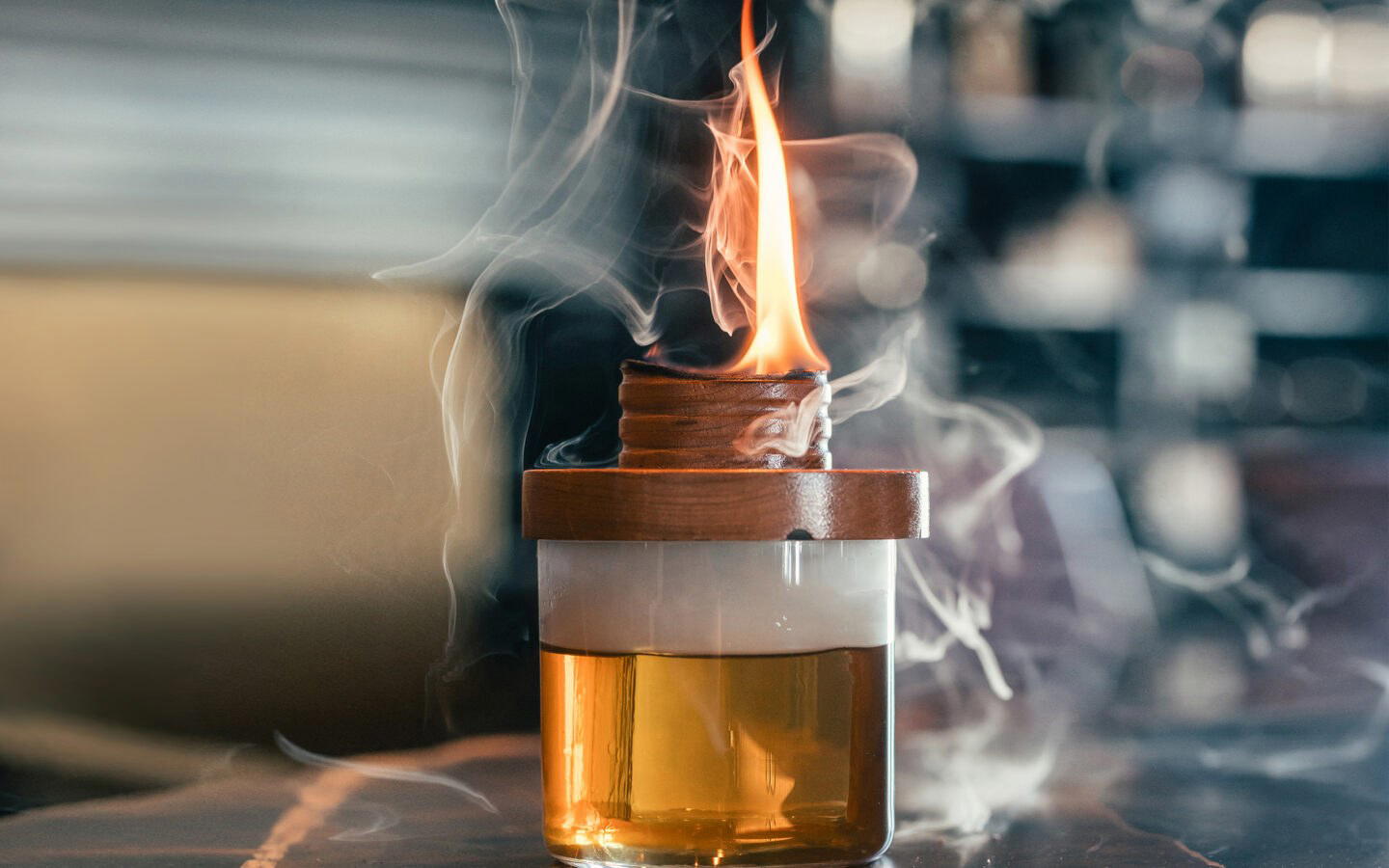
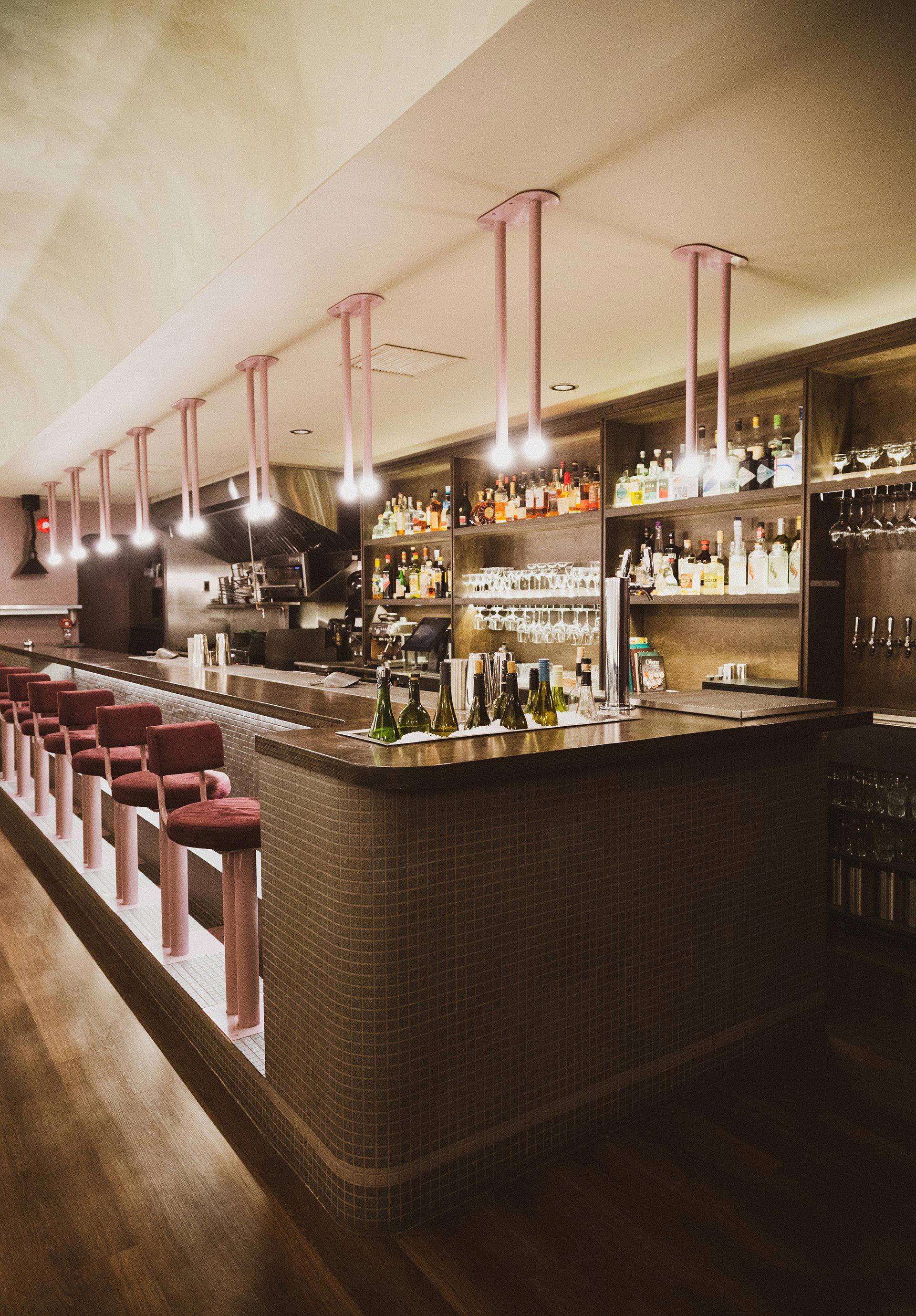
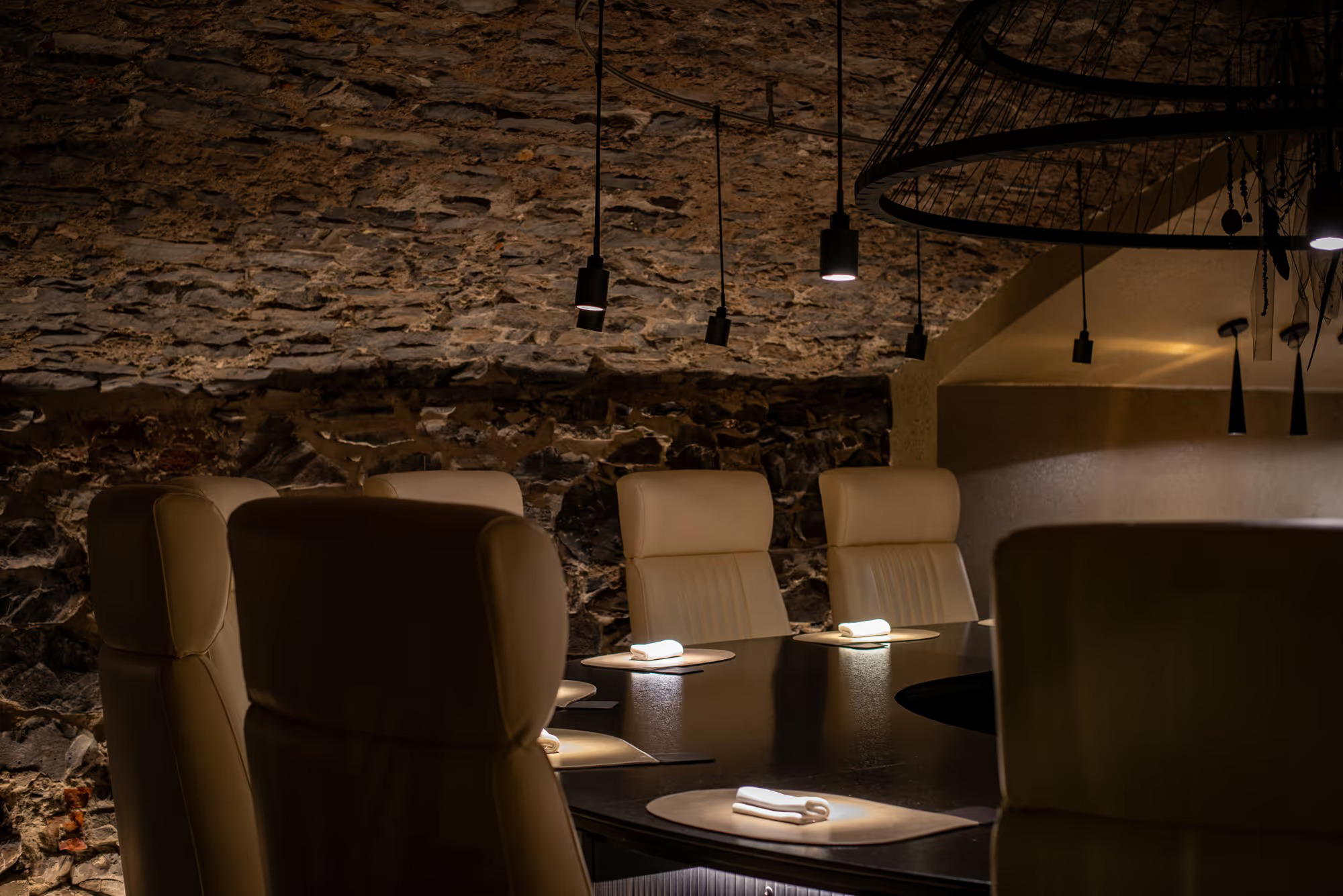
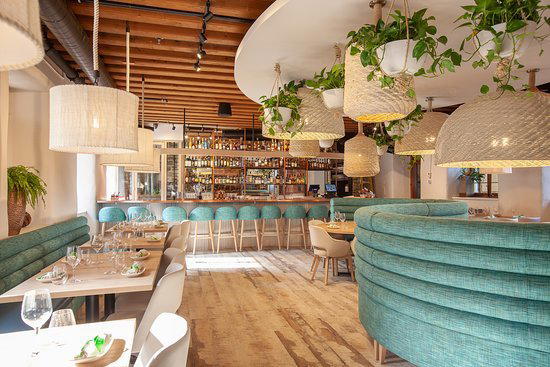
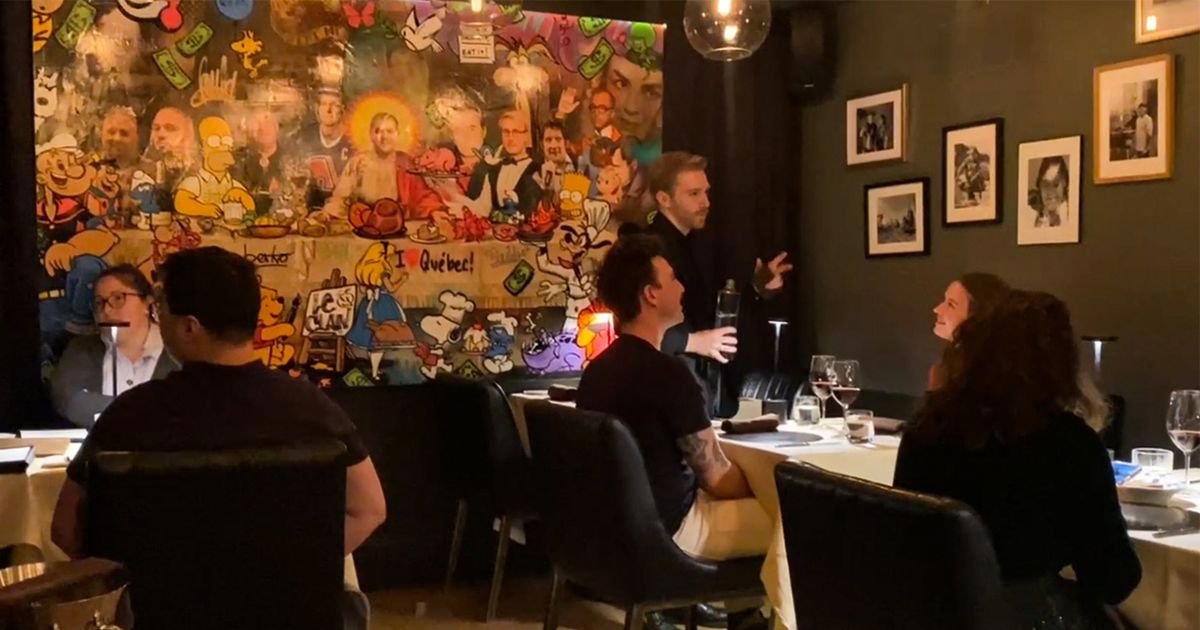
Quebec's drinking culture has been shaped by a combination of French hospitality norms, provincial liquor regulation, and a craft brewing and distilling sector that has expanded considerably since the mid-2010s. Within that context, hotel bars occupy a complicated position: they can either serve the generic-international function of most urban hotel bars, or they can attempt something more grounded in local product and local narrative. The two venues at Auberge Saint-Antoine, Artefact bar and Coteau, take the latter approach, using the property's archaeological identity as an organizing principle rather than mere decor.
For reference, properties earning this designation are typically assessed on list depth, producer selection, and structural coherence rather than sheer volume. At a property of this scale and positioning, that recognition functions as a credible signal that the wine program is being maintained at a level above the baseline expectations for boutique hotels in the region. Among Quebec City accommodations, serious wine programming of this kind is relatively uncommon outside of properties that specifically orient toward gastronomy.
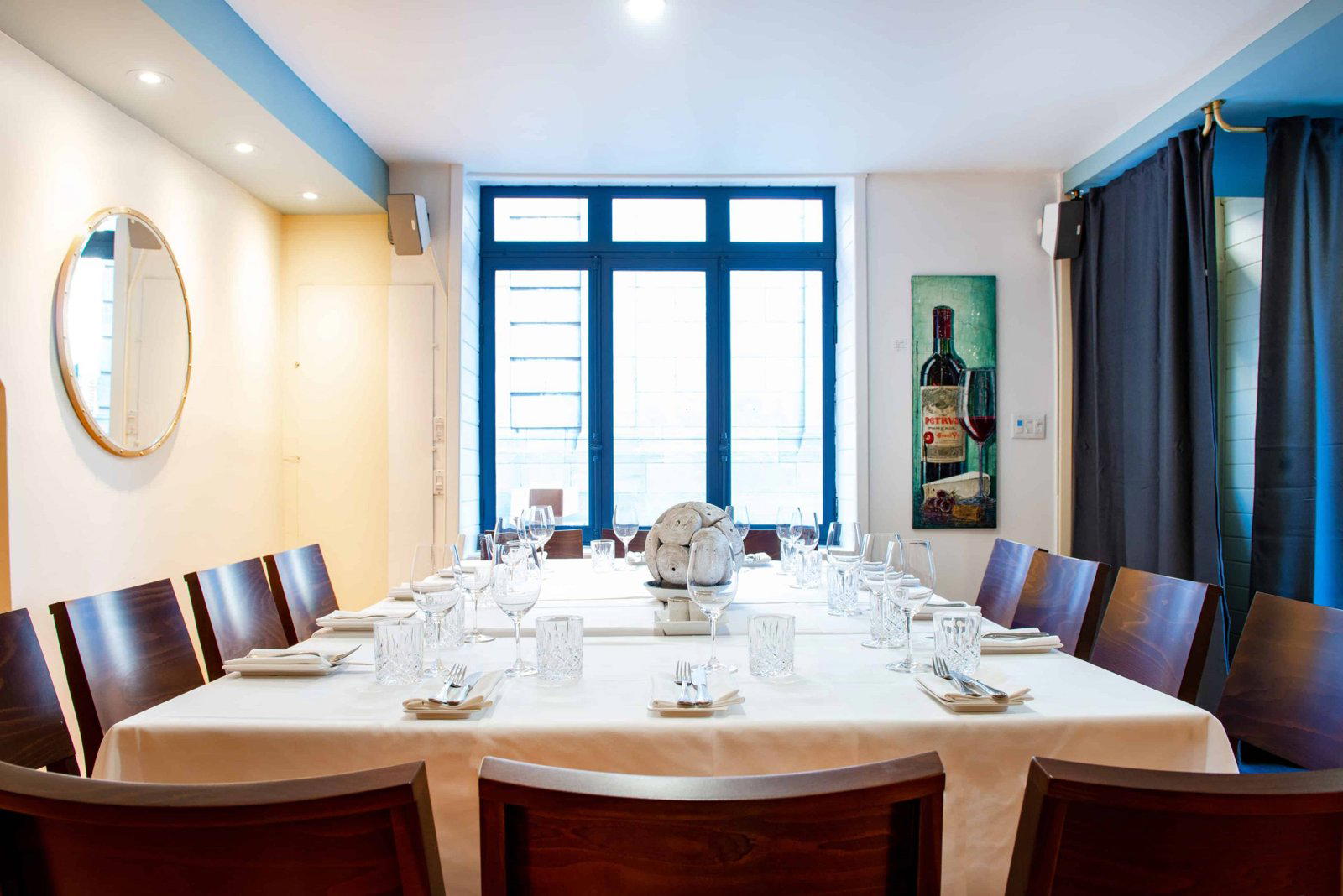
Coteau, as the property's more refinement-focused venue, sits within the broader pattern of hotel drinking spaces that have moved away from the generic open-lobby format toward something closer to a dedicated tasting environment. This shift has been visible across premium Canadian hospitality over the past decade, from Vancouver properties like the Rosewood Hotel Georgia to urban boutique hotels in Montreal such as Hotel Le Germain Montreal. Saint-Antoine's approach, grounding both venues in the visual and narrative material of the site's excavated past, adds a specificity that most hotel bar programs cannot replicate because it depends entirely on the irreproducible fact of this particular location.
How It Sits in the Wider Quebec Hospitality Field
Quebec City's premium accommodation market divides roughly into three segments: the large-footprint château-style properties represented by the Fairmont Le Manoir Richelieu; mid-tier design-forward hotels; and a smaller tier of boutique properties with strong site-specific identities. Auberge Saint-Antoine sits in that third category, alongside a nationally thin but growing set of Canadian boutique properties, from Fogo Island Inn in Joe Batt's Arm to Ripplecove Hotel & Spa in the Eastern Townships, where the property's physical identity and setting constitute the core proposition rather than brand affiliation or room count.
In the international context, boutique hotels built around archaeological or historically layered sites form a recognizable niche: properties like Aman Venice demonstrate how extensively a property's historical substrate can define its positioning at the highest price tiers. Saint-Antoine operates at a different scale, but the organizing logic is comparable: the building is the argument.
Clayoquot Wilderness Lodge in Tofino and Manoir Hovey in North Hatley occupy analogous boutique positions in their respective regions but offer entirely different environments. The Quebec City context, a UNESCO World Heritage walled city, a French-language urban culture, a distinct culinary tradition shaped by both Indigenous and Québécois foodways, is specific enough that the comparison set is ultimately local.
Planning Your Stay
The property is located at 8 Rue Saint-Antoine in Quebec City's Old Port district, within the boundaries of the UNESCO-designated historic area. The address is walkable to the main Old City sites, the Old Port waterfront, and the funicular to the Upper Town. Quebec City winters are severe, and the waterfront location means exposure to river wind from December through March; the compensation is proximity to the Winter Carnival grounds and the ice hotel installations in the lower town. Summer and early autumn are the highest-demand periods, and given the boutique scale, advance booking, particularly for rooms with river orientation, is advisable. For the full picture of where Saint-Antoine sits within Quebec City's broader hospitality and dining options, see our full Quebec restaurants guide.
A Tight Comparison
Comparable venues nearby, for context on price, style, and recognition.
| Venue | Price | Awards | Notes |
|---|---|---|---|
| Auberge Saint-AntoineThis venue (the venue you are viewing) | Not listed | 2 Michelin Keys · La Liste Top Hotels | Not listed |
| Hôtel du Vieux-Québec | Not listed | Not listed | Old Québec, Historic charm meets modern elegance in a boutique setting. |
| Hôtel Manoir Victoria | $100–200 | Not listed | Old Quebec, Historic European-style boutique with contemporary renovations |
| Hotel 71 | $200–300 | Michelin Selected · Preferred Hotels Member | Old Port, Contemporary luxury boutique hotel blending historic charm with modern design in Quebec's Old Port district. |
| Hôtel Le Germain Québec | $200–300 | Michelin Selected | Old Port, Historic boutique with modern comforts |
| Ripplecove Hotel & Spa | $100–200 | Star Wine List | Ayer's Cliff, Lakeside boutique hotel blending historic charm with modern elegance |
Recognition history
Dated appearances from independent guides and award organizations, with the underlying list record or original source where available.
Michelin 2 Keys
Michelin
La Liste Top Hotels
La Liste
Star Wine List
Star Wine List
Forbes Recommended
Forbes
Relais Chateaux Award
Relais Chateaux
Full recognition history (9 entries)
Virtuoso Luxury Hotel Partner
Virtuoso
Forbes Recommended
Forbes
Michelin 2 Keys
Michelin
Relais Chateaux Award
Relais Chateaux
Continue exploring
More in Quebec City
Hotels in Quebec City
All hotels in Quebec City →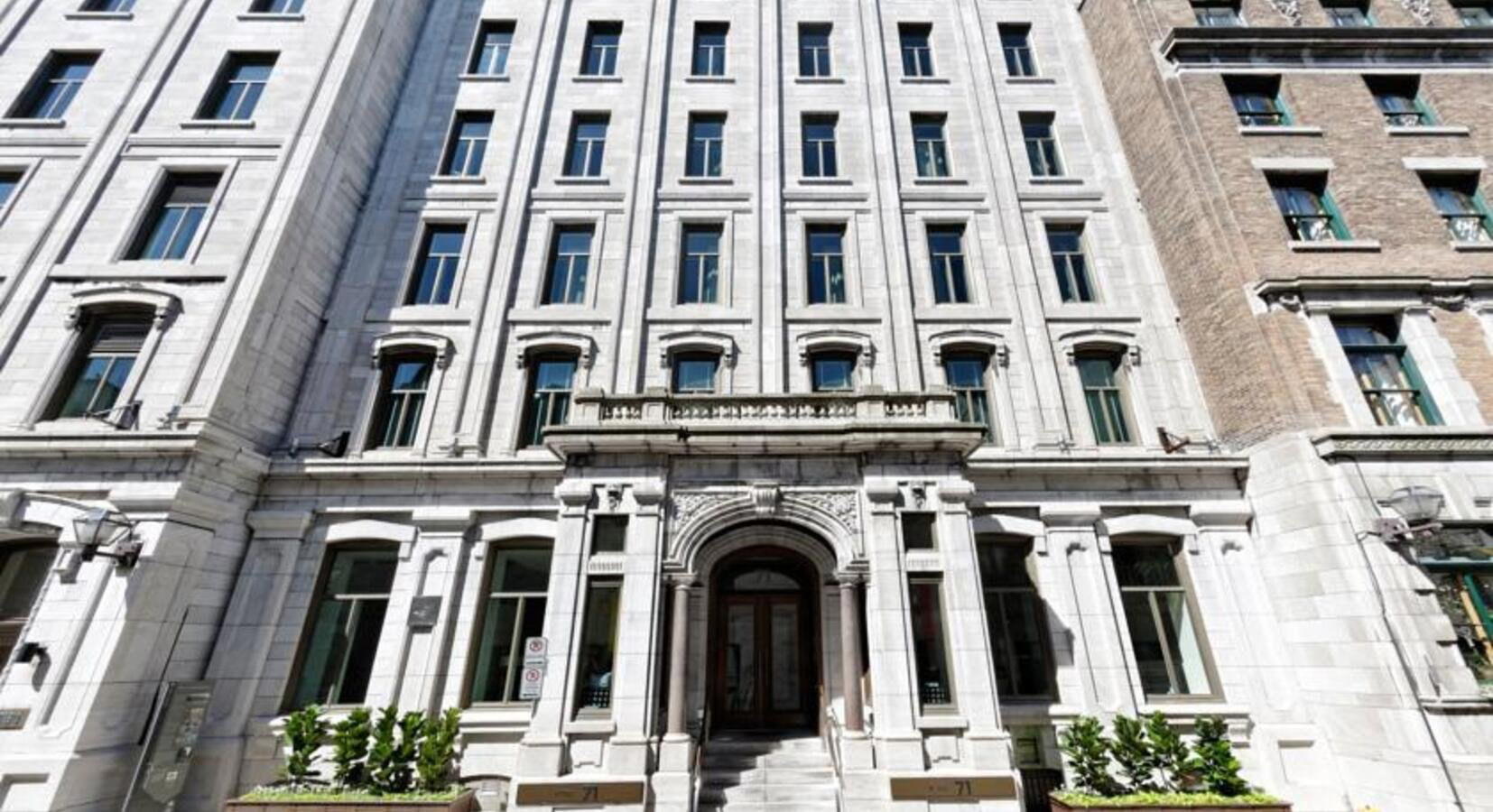
Details
- Romantic
- Elegant
- Intimate
- Sophisticated
- Historic
- Romantic Getaway
- Honeymoon
- Anniversary
- Weekend Escape
- Historic Building
- Terrace
- Waterfront
- Wi Fi
- Spa
- Fitness Center
- Room Service
- Concierge
- Business Center
- Valet Parking
- EV Charging
- Waterfront
- Street Scene
- Wheelchair Accessible
- Elevator
- Step Free Entrance
Intimate and tranquil with soundproofed rooms, fireplaces, heated floors, and soft lighting creating a sophisticated, historic atmosphere.