Échaudé



Michelin Plate · Star Wine List · Wine Spectator Best of Award of Excellence
Our verdict
A Michelin Plate-recognised address on Rue du Sault-au-Matelot, Échaudé holds a clear position in Old Québec's French dining scene: white tablecloths, classic technique, and pricing that sits well below the city's top-tier tasting-menu houses. It draws consistent praise for quality-to-price ratio in a neighbourhood where that balance is harder to strike than it looks.

Pearl is the En Primeur Club membership app — saves, bookings, and concierge access live there. Same editors, same standards.
- Address
- 73 Rue du Sault-au-Matelot, Québec, QC G1K 3Y9, Canada
- Phone
- (581) 504-0404
- Hours
- Mon–Fri 11:30 AM–2 PM, 5–9:30 PMSat–Sun 5–9:30 PM
- Website
- echaude.com
- Directions
- Get directions
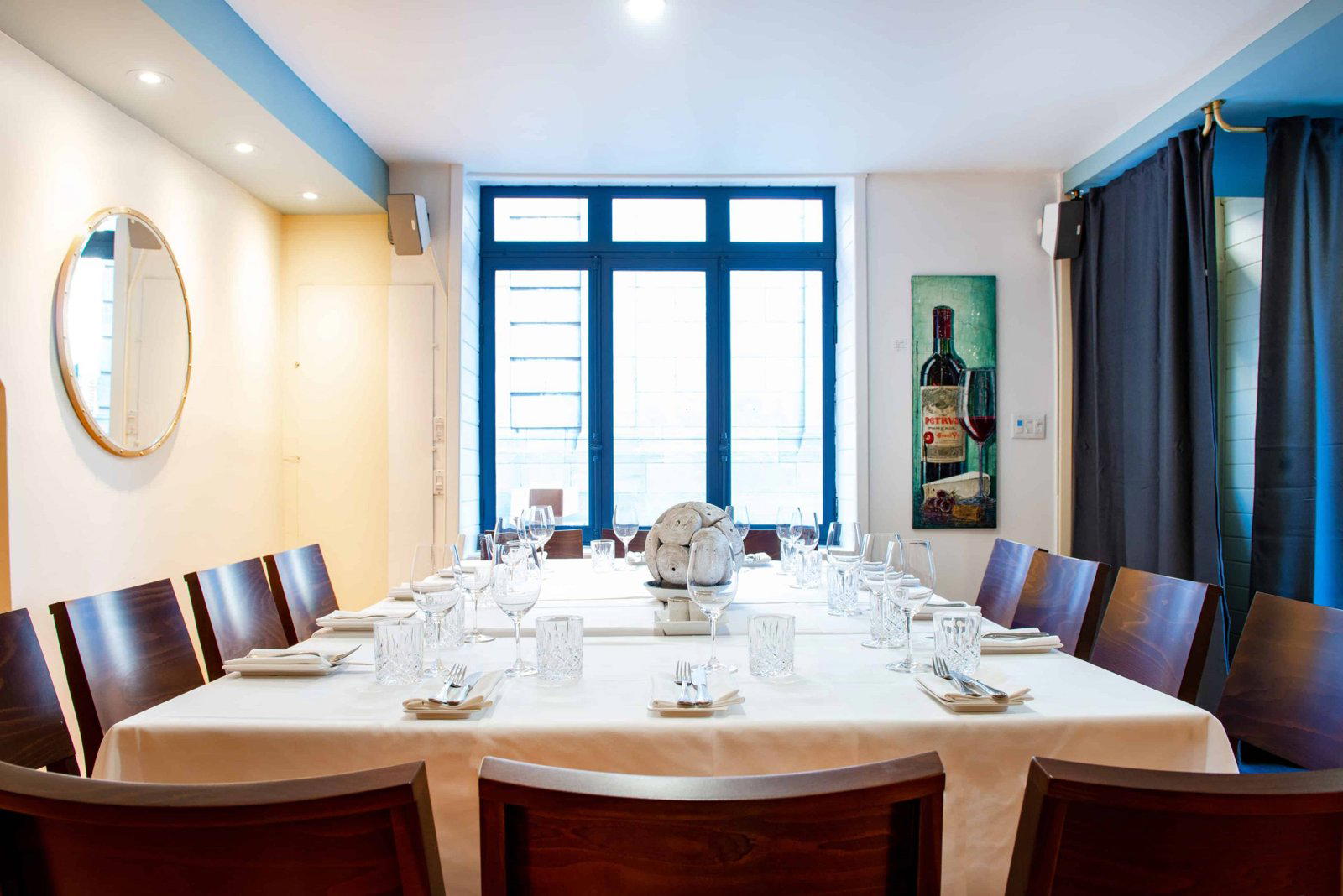
Stone Walls and Set Tables: The Old Quarter's French Standard
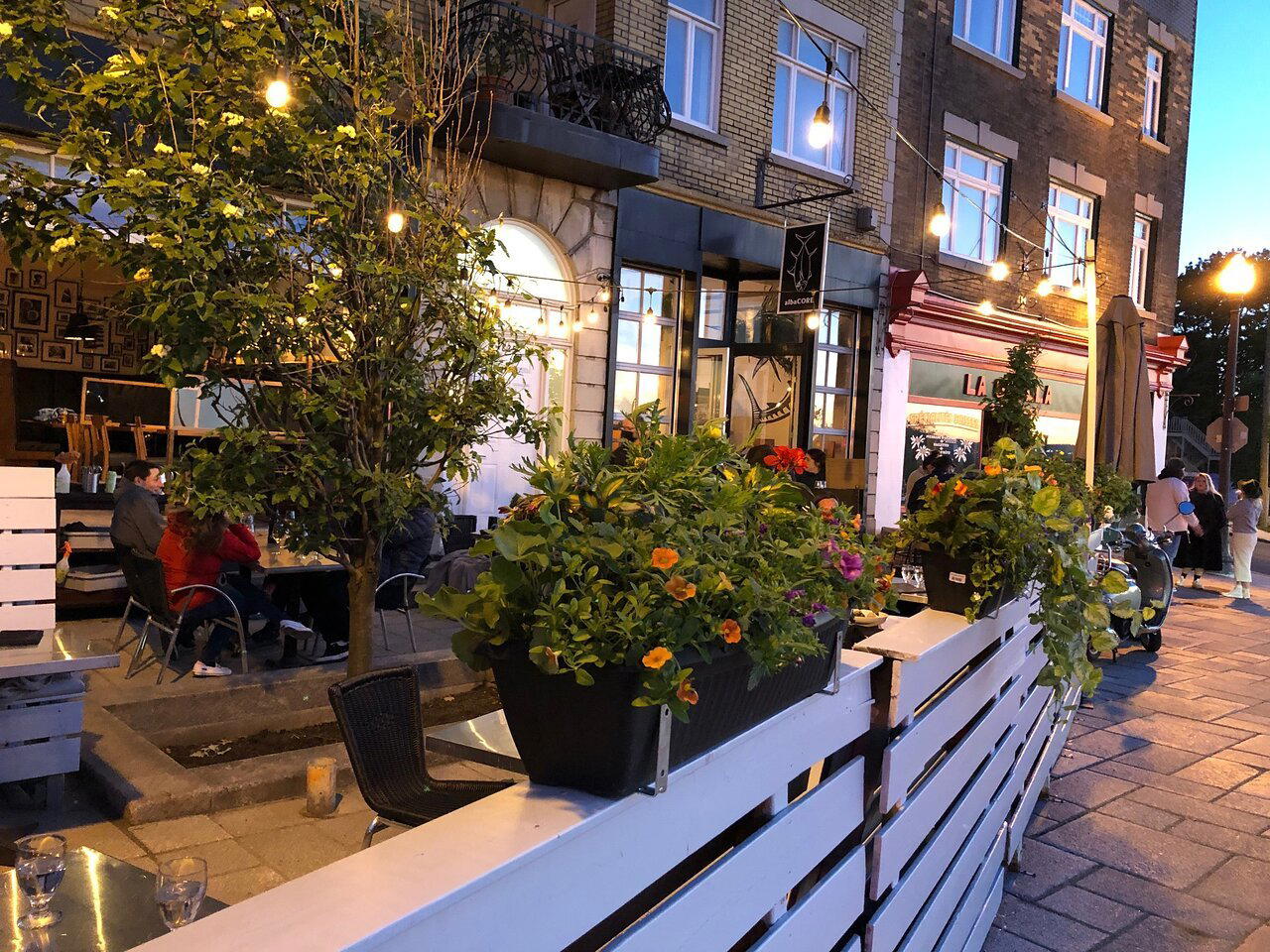
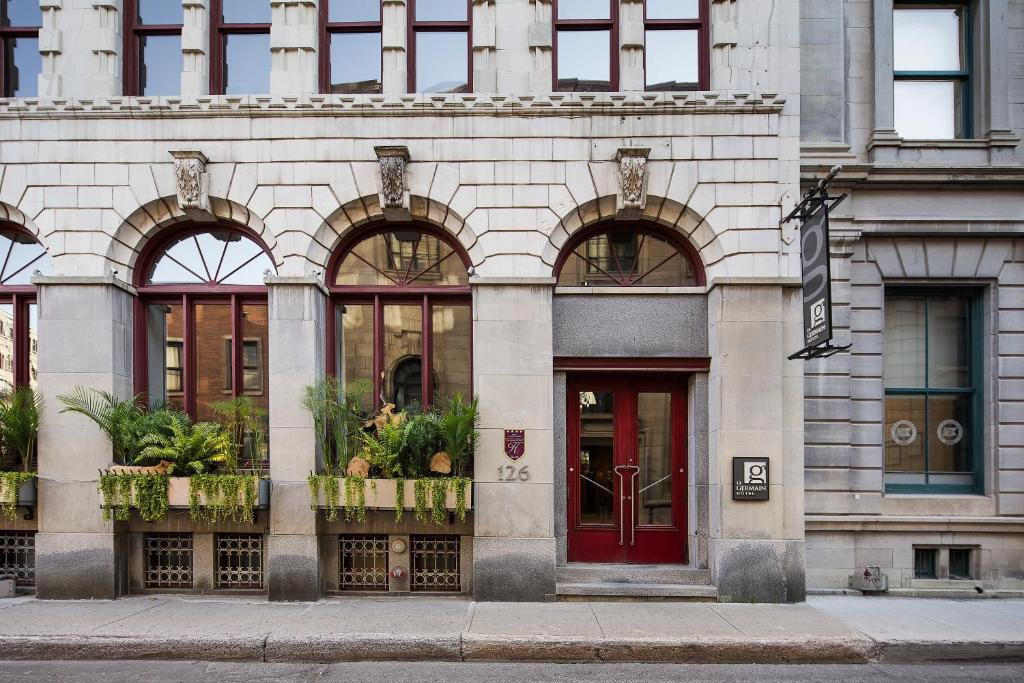
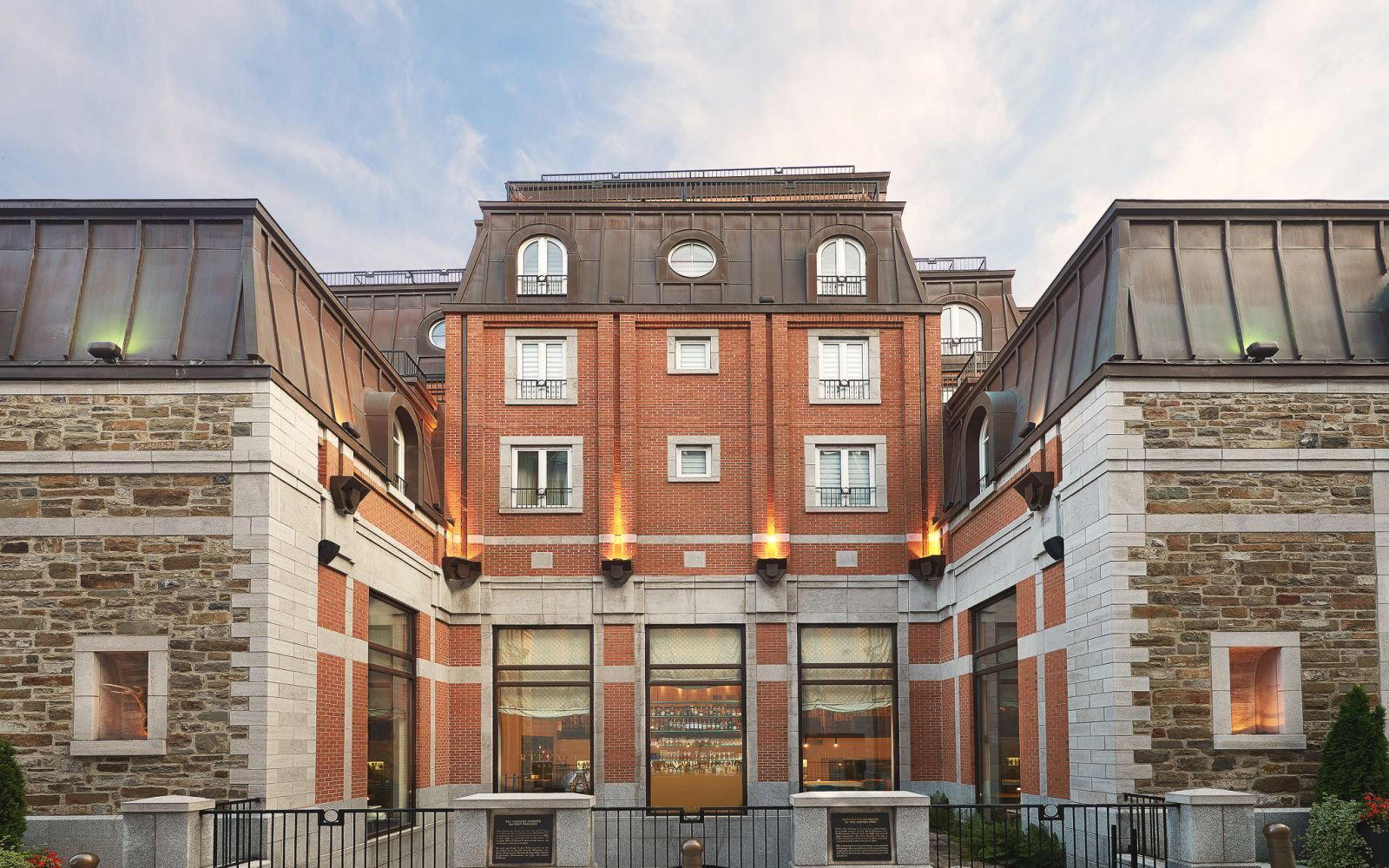
Rue du Sault-au-Matelot runs through the Basse-Ville — Old Québec's lower town — where 17th-century stone buildings have been repurposed into some of the city's most enduring dining rooms. The street sits a short walk from the waterfront and the narrow lanes of the Quartier Petit-Champlain, close enough to the tourist circuit to attract visitors but rooted enough in neighbourhood fabric to retain a local clientele. Échaudé at number 73 occupies this in-between territory comfortably: the room signals a certain formality through white tablecloths and composed service, without tipping into the ceremony that defines the city's high-end tasting-menu tier.
That middle position matters in Québec City's dining structure. At the leading end, places like Tanière³ (Creative) operate at the $$$$ level with two Michelin stars, and ARVI (Modern Cuisine) holds a single star in the same price bracket. Échaudé's $$ positioning puts it in a different conversation entirely, one where the question is not experimental technique or seasonal-forage philosophy, but whether classical French cooking can be executed with consistency and priced accessibly in a heritage neighbourhood where rents and logistics are not trivial.
French Technique in a Province That Grew Up on It
Québec's French inheritance is not decorative. The province's culinary relationship with France predates any modern dining trend by centuries, running through the habitant kitchen, the sugar shack, and the urban bistro in an unbroken line. What that means practically is that diners here are not encountering beurre blanc or confit duck as novelties, they are measuring execution against a collective memory of how these things should taste.
Classic French cuisine in this context is an act of discipline rather than nostalgia. The traditions that produced the cooking served at Échaudé, the sauce work, the preference for butter and cream, the respect for offal and slow-braised cuts, are the same ones that have been refined across generations of French professional kitchens. For comparison, the lineage runs through Michelin-rated addresses like Hotel de Ville Crissier in Crissier at the formal end, and more recently through French-influenced houses in Japan such as L'Effervescence in Tokyo, which demonstrates how far the classical French repertoire has travelled while remaining identifiable. Échaudé is not operating at that register of ambition, but it draws from the same well of technique.
Sourcing in the St. Lawrence Context
The editorial angle that most clarifies Échaudé's position in Québec City's dining scene is ingredient sourcing, not as a marketing posture, but as a structural fact of cooking classically in this particular geography. The St. Lawrence valley and the surrounding regions of Québec produce ingredients that align unusually well with French technique: cold-water fish from the estuary, duck and foie gras from Québec farms, aged cheeses from regional fromageries, and a short but intense growing season that concentrates flavour in summer and early autumn produce.
Restaurants working at Échaudé's price point face a sourcing calculus that is different from the high-end tasting-menu houses. The $$ structure requires consistency and volume discipline; it rewards kitchens that can find value in secondary cuts, whole-animal purchasing, and relationships with regional producers who supply at scale rather than in tiny allocations. The classical French tradition happens to be well-suited to this: braising, slow-cooking, and sauce-based dishes extract flavour from cuts that do not command premium pricing but reward careful preparation. In the Québec context, this means the kitchen can draw on a supply chain that is both locally rooted and technically compatible with the cuisine it produces.
For comparison, Narval in Rimouski works in a similar regional-sourcing register further down the St. Lawrence, and Restaurant Pearl Morissette in Lincoln demonstrates what ingredient-led cooking looks like when the sourcing operation is fully integrated with production. Échaudé does not advertise the farm-to-table vocabulary of those addresses, but its classical French output depends on the same regional infrastructure.
Where Échaudé Sits in the Québec City Scene
The city's dining tier spreads broadly. At the creative and fine-dining end, Kebec Club Privé (Creative) and Laurie Raphaël (Modern Cuisine) represent the local ambition for original, contemporary Canadian cuisine. Bistro B sits in a comparable $$-$$$ zone with a bistro format that competes for similar diners.
The Michelin Plate designation for 2025 places Échaudé in a specific recognition tier, below the star levels earned by Tanière³ and ARVI, but included in Michelin's curated selection of restaurants offering good cooking. That distinction matters because the Plate acknowledges quality without implying the innovation or singularity that star criteria tend to reward. For a classically-oriented kitchen at the $$ price point, the Plate is an appropriate and honest signal of what the restaurant delivers.
Outside Québec City, the broader Canadian French-influenced dining field includes Alo in Toronto and Jérôme Ferrer - Europea in Montréal, both operating at higher price points with more elaborate formats. AnnaLena in Vancouver and The Pine in Creemore extend the regional picture further. Échaudé is not competing in that field; it is filling a specific and genuinely useful slot in Old Québec's immediate dining offer.
Planning a Visit
Échaudé is located at 73 Rue du Sault-au-Matelot in the Basse-Ville, within walking distance of the main Vieux-Québec landmarks and the funicular connecting lower and upper town. The $$ price range and the formal-but-not-stiff room make it a practical choice for dinners where the occasion warrants a proper table but the budget does not support a full tasting-menu experience. For visitors assembling a fuller picture of the city's dining, drinking, and accommodation options, the full Québec City restaurants guide, hotels guide, bars guide, wineries guide, and experiences guide provide broader coverage of the destination.
Frequently asked questions
Has Échaudé won any awards?
Échaudé has received recognition including: This restaurant in the heart of Old Quebec offers white tablecloths and quite classic, high-quality French cuisine, also with excellent value for money.; Michelin Plate (2025).
What do people recommend at Échaudé?
Échaudé holds a Michelin Plate (2025), awarded specifically for high-quality classic French cuisine at strong value — the recognition points to well-executed fundamentals rather than experimental cooking. Expect the kind of French technique that defined the cuisine before modernist reinvention: precise, unfussy, and grounded in the culinary tradition Québec has maintained since the 17th century. Dishes rooted in that canon are consistently what draws return visits.
Is Échaudé expensive?
Pricing at Échaudé is listed as $$.
What's Échaudé's location?
Échaudé is located at 73 Rue du Sault-au-Matelot, Québec, QC G1K 3Y9, Canada, Québec City.
Should I book Échaudé in advance?
Rue du Sault-au-Matelot draws steady foot traffic from Vieux-Québec visitors year-round, and Michelin Plate recognition since 2025 has sharpened outside attention on this address. Booking ahead is advisable, particularly for dinner service and during the summer tourism season in Old Québec. Contact options are available via the restaurant directly.
Credentials Lens
A compact comparison to help you place this venue among nearby peers.
| Venue | Cuisine | Price | Awards | Notes |
|---|---|---|---|---|
| ÉchaudéThis venue — the venue you are viewing | French Bistro with Québecois Influences | Not listed | Michelin Plate · Star Wine List | Not listed |
| Tanière³ | Modern Quebec Terroir - Avant-Garde Tasting Menu | $300–500 | 2 Michelin Stars · World's 50 Best #9 | Creative |
| ARVI | Modern Quebec Cuisine | $100–150 | 1 Michelin Star | Modern Cuisine |
| Chez Boulay - Bistro Boréal | Boreal French Bistro | $50–100 | Michelin Plate | Modern Cuisine |
| Ambre Buvette | Modern Quebec Fun Dining | $100–150 | Michelin Plate | Modern Cuisine |
| Auberge Saint-Antoine | French Farm-to-Table Fine Dining | $50–100 | Not listed | Canadian Cuisine |
Recognition history
Dated appearances from independent guides and award organizations, with the underlying list record or original source where available.
Michelin Plate
Michelin
Star Wine List
Star Wine List
Wine Spectator Best of Award of Excellence
Wine Spectator
Full recognition history (4 entries)
Michelin Plate
Michelin
Continue exploring
More in Quebec City
Restaurants in Quebec City
Browse all →
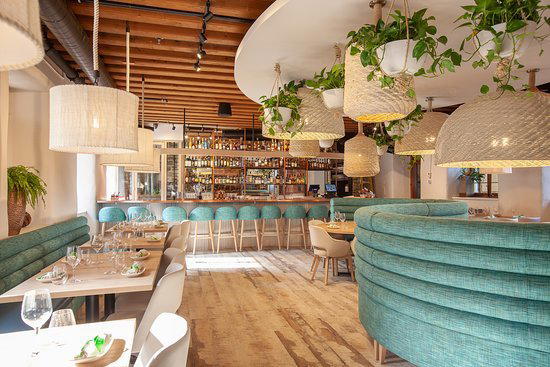
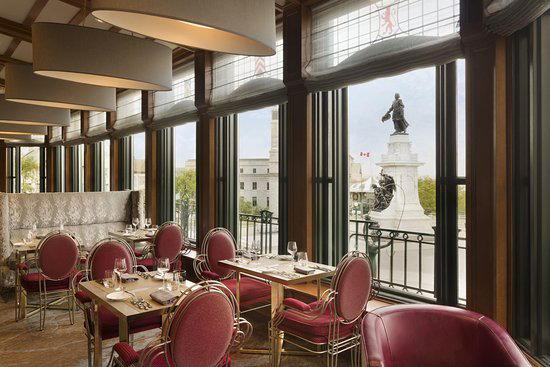
Bars in Quebec City
Browse all →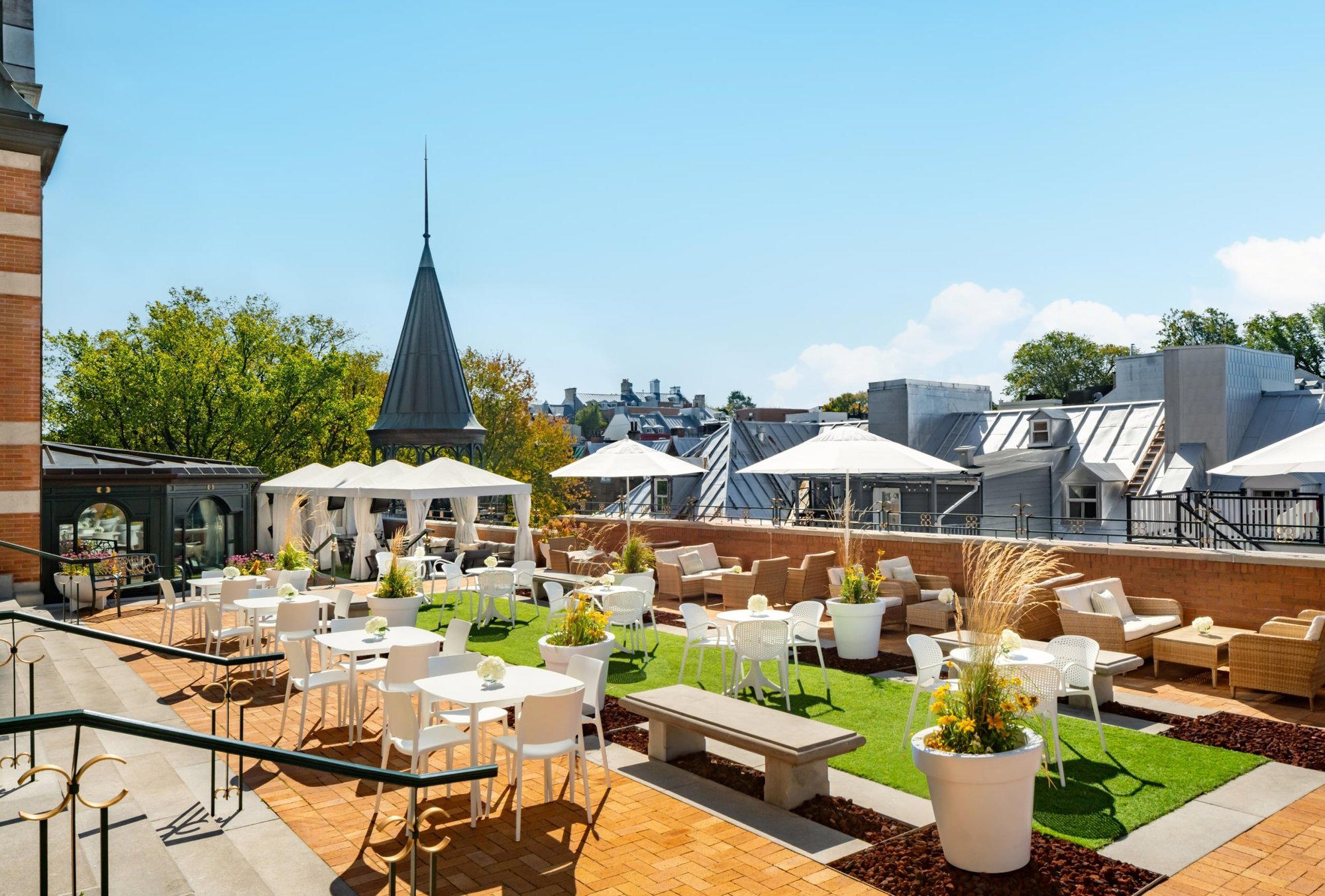
Échaudé
The wine
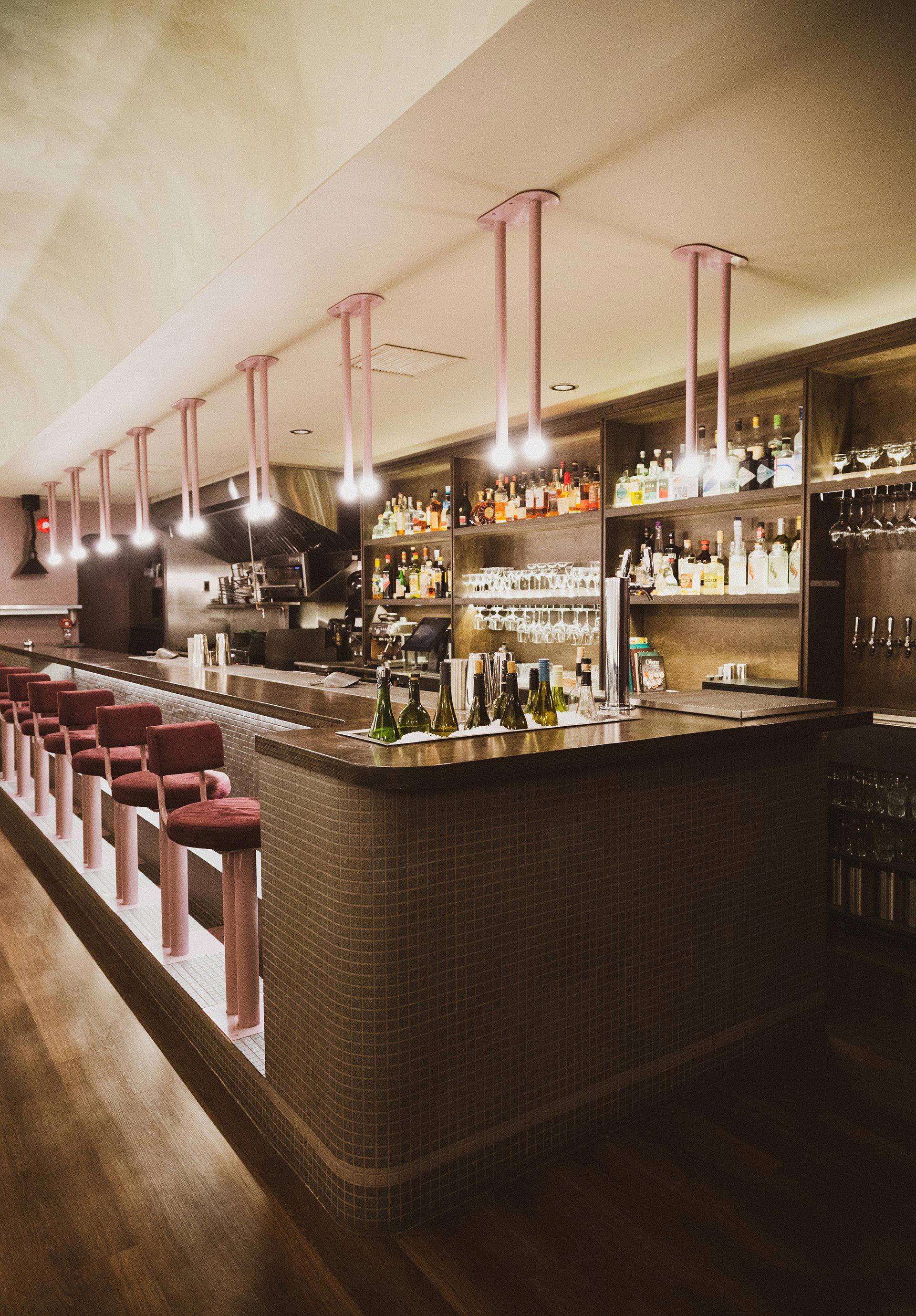
Échaudé holds the Wine Spectator Best of Award of Excellence, which Wine Spectator gives to lists of usually 350 or more selections.
- Wine program
- Curated wine list
- Wine Spectator
- Wine Spectator Best of Award of Excellence
- Extensive wine list
Details
- Cozy
- Elegant
- Intimate
- Romantic
- Date Night
- Special Occasion
- Terrace
- Extensive Wine List
- Local Sourcing
- Street Scene
- A La Carte
- Wine
- Vegetarian Friendly
- Vegan Options
- Gluten Free Options
Current opening hours
- Monday
- 11:30 AM–2 PM, 5–9:30 PM
- Tuesday
- 11:30 AM–2 PM, 5–9:30 PM
- Wednesday
- 11:30 AM–2 PM, 5–9:30 PM
- Thursday
- 11:30 AM–2 PM, 5–9:30 PM
- Friday
- 11:30 AM–2 PM, 5–9:30 PM
- Saturday
- 5–9:30 PM
- Sunday
- 5–9:30 PM
Hours can change for holidays and private events. Last verified .
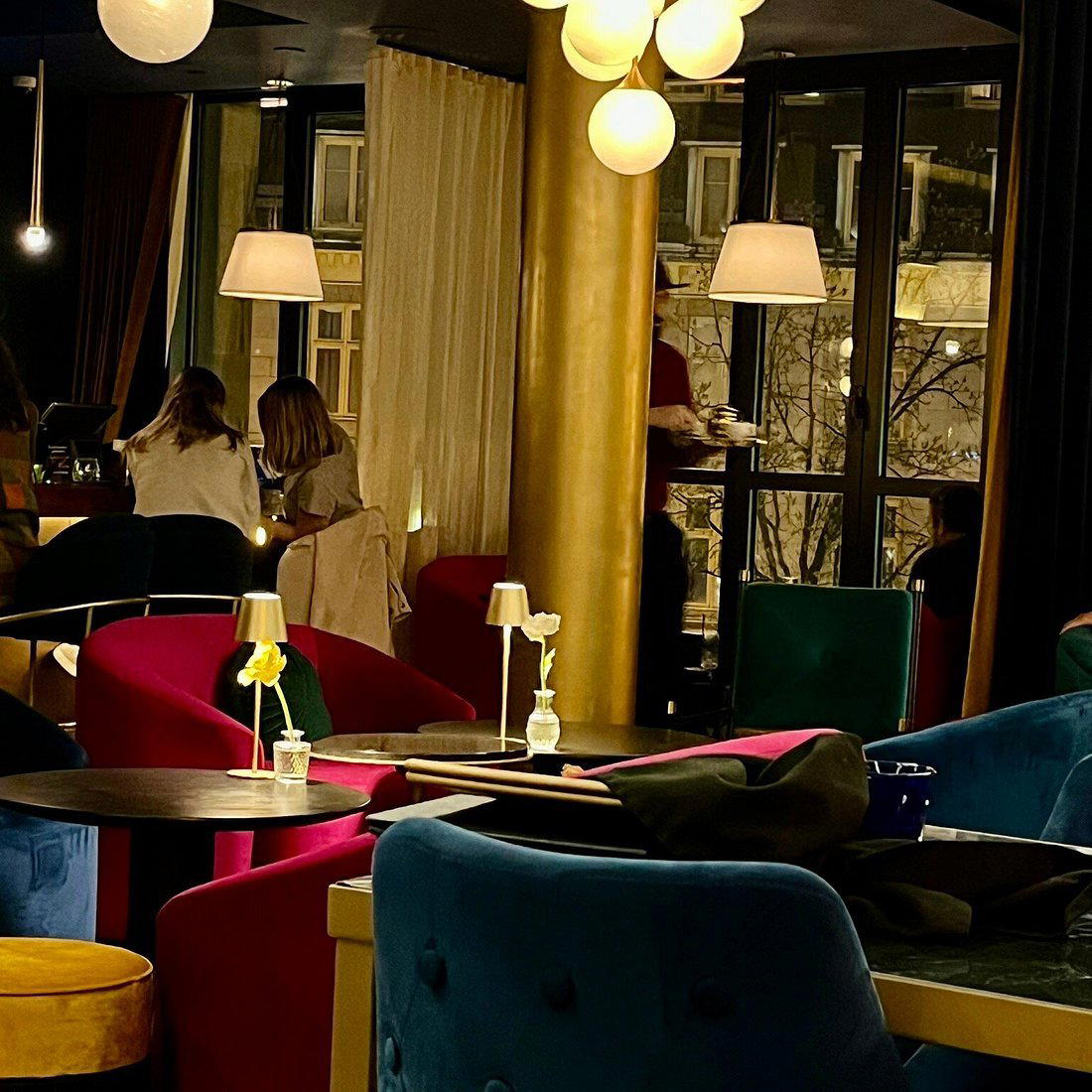
Chaleureux et intime avec éclairage chaleureux, atmosphère élégante et accueillante prisée des locaux et touristes.