Le Barettine sits on Via del Bastione in central Trieste, a city where Central European café culture and Adriatic seafood traditions meet at the same table. The address places it within the dense network of bacari and trattorias that define the city's neighbourhood dining character. For visitors working through Trieste's restaurant scene, it represents a local reference point worth understanding in context.
Pearl is the En Primeur Club membership app — saves, bookings, and concierge access live there. Same editors, same standards.
- Address
- Via del Bastione, 3, 34124 Trieste TS, Italy
- Phone
- +39402651475
- Website
- facebook.com
- Directions
- Get directions
 Saves & bookings on Pearl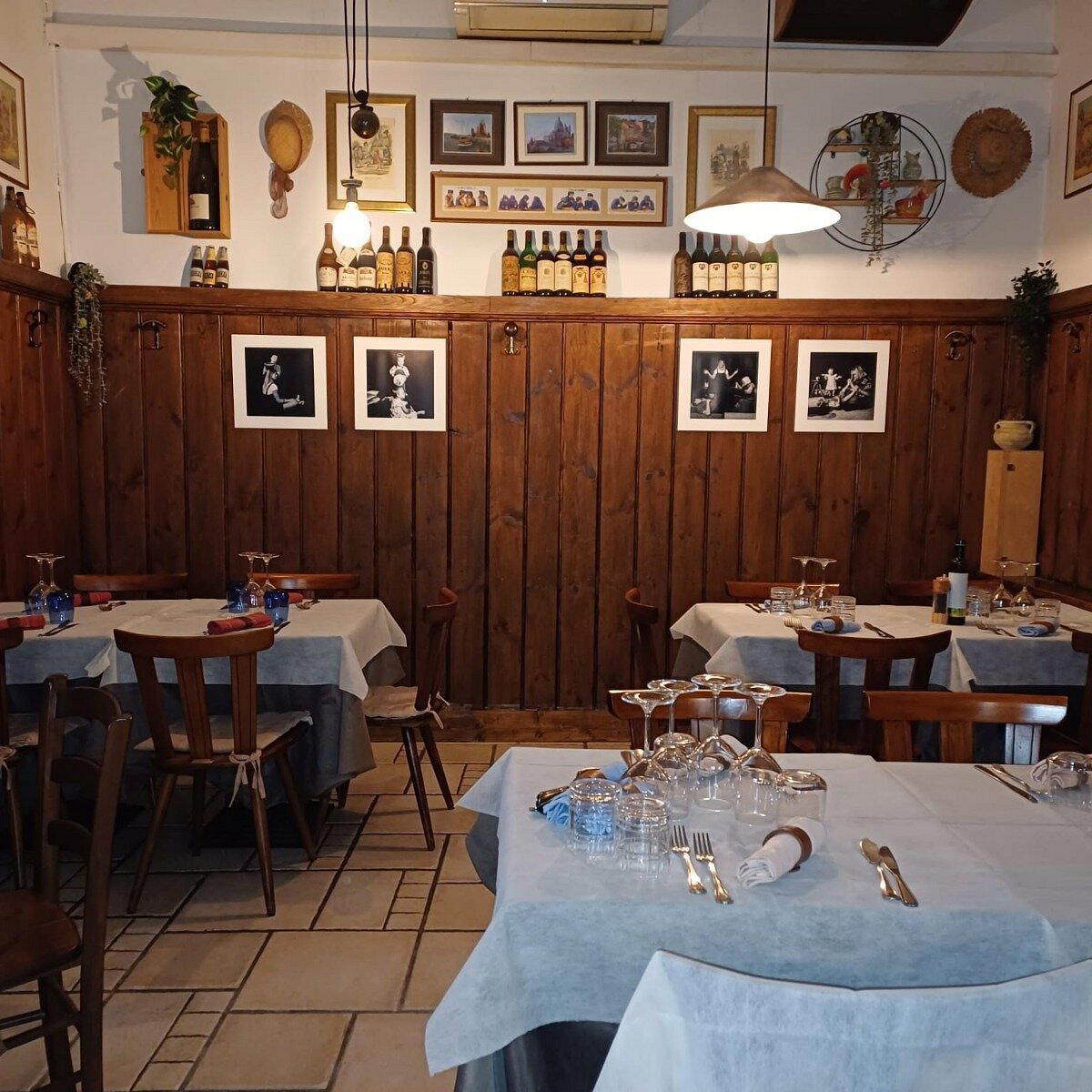
Where Via del Bastione Meets the Triestine Table
Trieste operates differently from the rest of Italy's dining cities. Its café culture carries the residue of Austro-Hungarian administration; its seafood is Adriatic rather than Tyrrhenian; and its neighbourhood eating establishments tend to function as social institutions before they function as restaurants. Via del Bastione, where Le Barettine is addressed, sits inside the older residential and commercial fabric of central Trieste, the kind of street where locals negotiate their daily routines without much awareness of how those routines might read to an outsider. That is precisely what gives addresses like this one their particular character.
The baretto format is native to Trieste in a way that the osteria or trattoria is native to other Italian cities. These are compact, counter-forward spaces where morning coffee, midday snacks, and afternoon drinking blur into a single social function. They occupy a different register from the city's higher-end dining, sitting closer to the daily fabric of neighbourhood life. Understanding that format context matters when approaching Le Barettine, because the experience it offers is shaped by local convention as much as by any individual decision made inside the kitchen.
Trieste's Dining Geography: Where Le Barettine Sits
The city's restaurant hierarchy runs from neighbourhood bars and bacari through mid-range trattorias to a small tier of serious seafood and contemporary Italian addresses. At the upper end, Harry's Piccolo operates in the Modern Italian and Italian Contemporary bracket at the €€€€ price point, while Al Bagatto anchors the €€€ seafood tier with a well-established reputation. Elsewhere in the city, Ai 3 Magnoni, Ai Fiori, and Al Civicosei each represent distinct approaches to how Triestine neighbourhood dining is being interpreted for a contemporary audience. The restaurant occupies a different register from all of them, closer to the casual, counter-oriented model that defines the city's oldest eating and drinking traditions.
That positioning is not a limitation. In Italian cities where neighbourhood format integrity has been preserved, the mid-level and casual tiers often carry more documentary value about what a place actually eats and drinks than the upper-tier restaurants do. Trieste's bacaro and baretto culture is one of the more coherent examples of that principle in northern Italy, drawing on a Venetian inheritance that was filtered through Central European social habits over several centuries. Via del Bastione is embedded in that inherited pattern rather than positioned against it.
The Adriatic Table and Its Local Logic
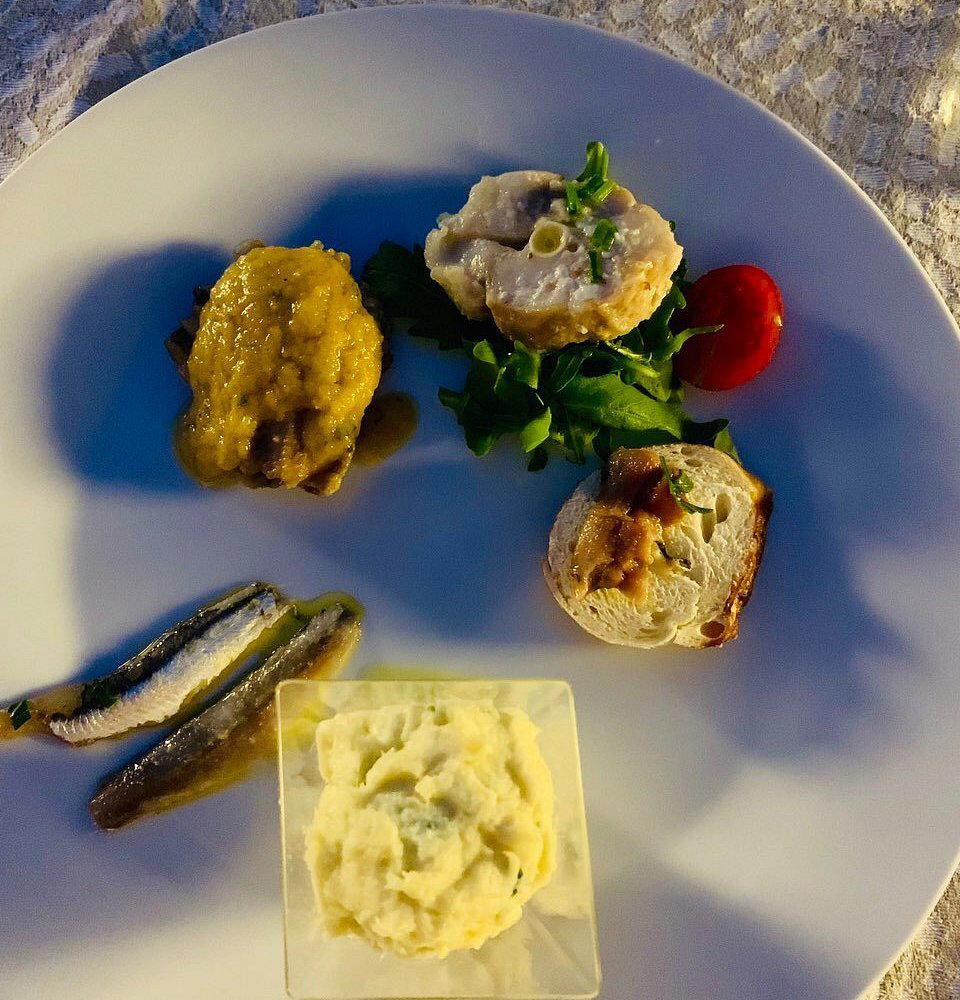
Triestine cooking draws from a narrower ingredient base than its Italian geography might suggest. The Adriatic supplies cuttlefish, sardines, scampi, and smaller shellfish; the Karst plateau behind the city contributes cured meats and cheeses with a distinctly Central European character; and the combination produces a cuisine that does not map neatly onto either Venetian or Istrian models, though it borrows from both. In neighbourhood establishments, this tends to produce short menus built around daily availability rather than fixed offerings, with an emphasis on baccalà preparations, ribollita-adjacent soups, and fish that arrive according to what the market produced that morning.
That sourcing logic is consistent across the category and connects addresses like Le Barettine to a supply chain that has operated on roughly the same terms for generations. It also means that visitors expecting the kind of menu consistency associated with higher-end establishments will need to calibrate their expectations. The interest here is in the daily variation, not the fixed programme.
Italy's most decorated restaurants, places like Osteria Francescana in Modena, Le Calandre in Rubano, or Piazza Duomo in Alba, have built international reputations on similar local sourcing principles applied through a fine-dining framework. The neighbourhood baretto operates with the same underlying logic but without the architectural framework around it. Both approaches have their own kind of integrity; they simply address different audiences with different expectations.
For reference on how serious Italian seafood cooking is approached at the highest level, Uliassi in Senigallia and Quattro Passi in Marina del Cantone represent the benchmark tier, while internationally, Le Bernardin in New York City shows how seafood-focused cooking operates at the three-Michelin-star level.
Approaching Le Barettine: Planning Notes
Via del Bastione 3 is a walkable address from Trieste's central piazzas, and the baretto format generally means daytime and early evening access without the forward-booking requirements of the city's more formal dining addresses. The compact format typical of the category means that timing your visit around mid-morning or early afternoon, when the counter rhythm is at its most characteristic, tends to produce one coherent experience of what these establishments actually do. Visiting during a weekday lunchtime tends to reflect local use more accurately than weekend evenings, when the dynamic shifts toward a more tourist-oriented crowd.
For those combining the restaurant with a broader Trieste visit, the city's restaurant tier offers meaningful contrast: the precision of Harry's Piccolo in the evening reads differently after a midday stop at a neighbourhood baretto. Italian city itineraries built on that kind of vertical contrast, from the casual to the formal, tend to produce a more complete picture of what a place actually eats than those that operate only within a single price bracket.
The restaurant is at Via del Bastione 3, Trieste.
A Minimal comparable set
Comparable venues nearby, for context on price, style, and recognition.
| Venue | Cuisine | Price | Notes |
|---|---|---|---|
| Le BarettineThis venue — the venue you are viewing | Not listed | $$ | Not listed |
| Osteria Ai Maestri | centro storico, Italian Seafood Osteria | $$ | Not listed |
| Osteria Marise | Not listed | $$ | Trieste city center, Authentic Triestino Italian |
| Trattoria Alla Sacchetta | Not listed | $$ | Riva Tommaso Gulli, Traditional Italian Seafood Trattoria |
| Hostaria da Libero | Not listed | $$ | Trieste center, Traditional Italian Osteria |
| Suban | Not listed | $$ | San Giovanni, Traditional Triestine & Istrian |
Continue exploring
More in Trieste
Restaurants in Trieste
Browse all →
Bars in Trieste
Browse all →
Hotels in Trieste
Browse all →
At a Glance
- Cozy
- Intimate
- Rustic
- Classic
- Special Occasion
- Family
- Date Night
- Historic Building
- Local Sourcing
Current opening hours
- Monday
- Closed
- Tuesday
- 12–2 PM, 7–10 PM
- Wednesday
- 12–2 PM, 7–10 PM
- Thursday
- 12–2 PM, 7–10 PM
- Friday
- 12–2 PM, 7–10 PM
- Saturday
- 12–2 PM, 7–10 PM
- Sunday
- 12–2 PM
Hours can change for holidays and private events. Last verified .
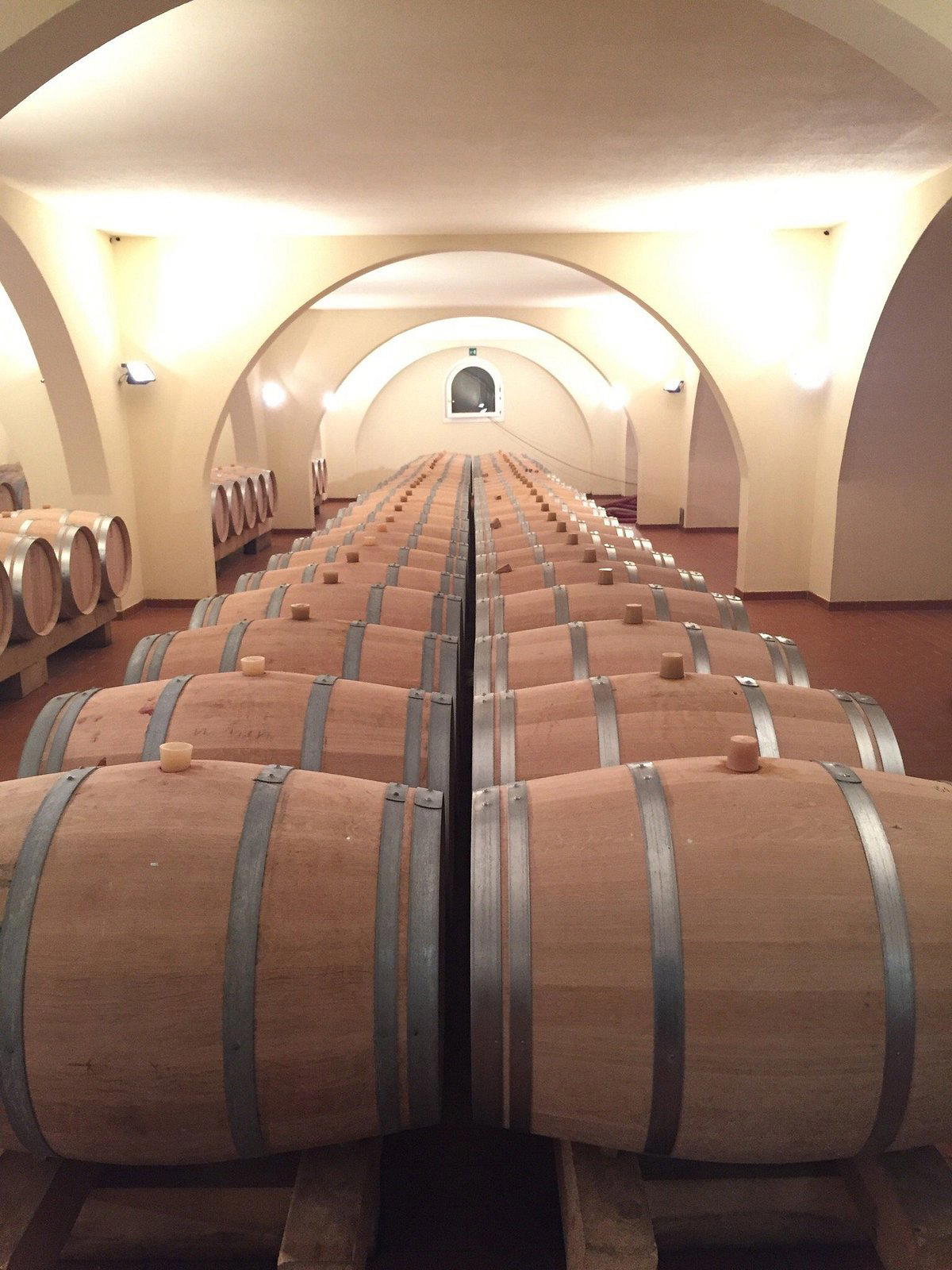
Intimate and cozy with soft lighting, well-spaced tables, abundant wood, dark furnishings, stone arches, and a warm family atmosphere.