LaVolta
LaVolta occupies a square-facing address in Molins de Rei, a Baix Llobregat town where the dining scene rewards those willing to move beyond Barcelona's immediate orbit. Set against the backdrop of the Palau de Requesens, the restaurant draws on the agricultural and gastronomic traditions of the wider Barcelona province, positioning itself as a serious local option in a town with growing culinary ambition.
Pearl is the En Primeur Club membership app — saves, bookings, and concierge access live there. Same editors, same standards.
- Address
- Plaça Palau de Requesens, 3, 08750 Molins de Rei, Barcelona, Spain
- Phone
- +34936684882
- Website
- restaurantlavolta.cat
- Directions
- Get directions
 Saves & bookings on Pearl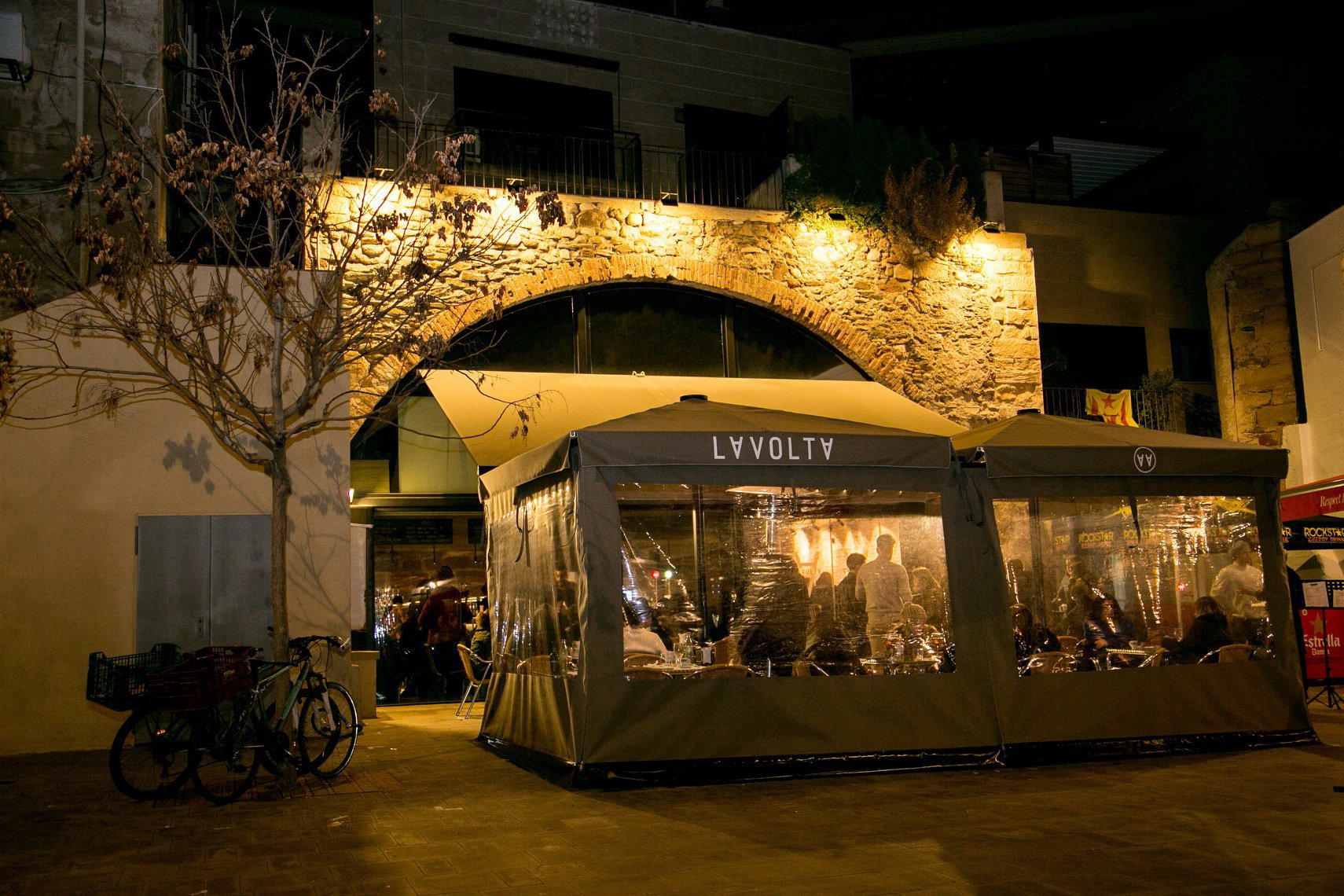
A Town Square Address in Baix Llobregat
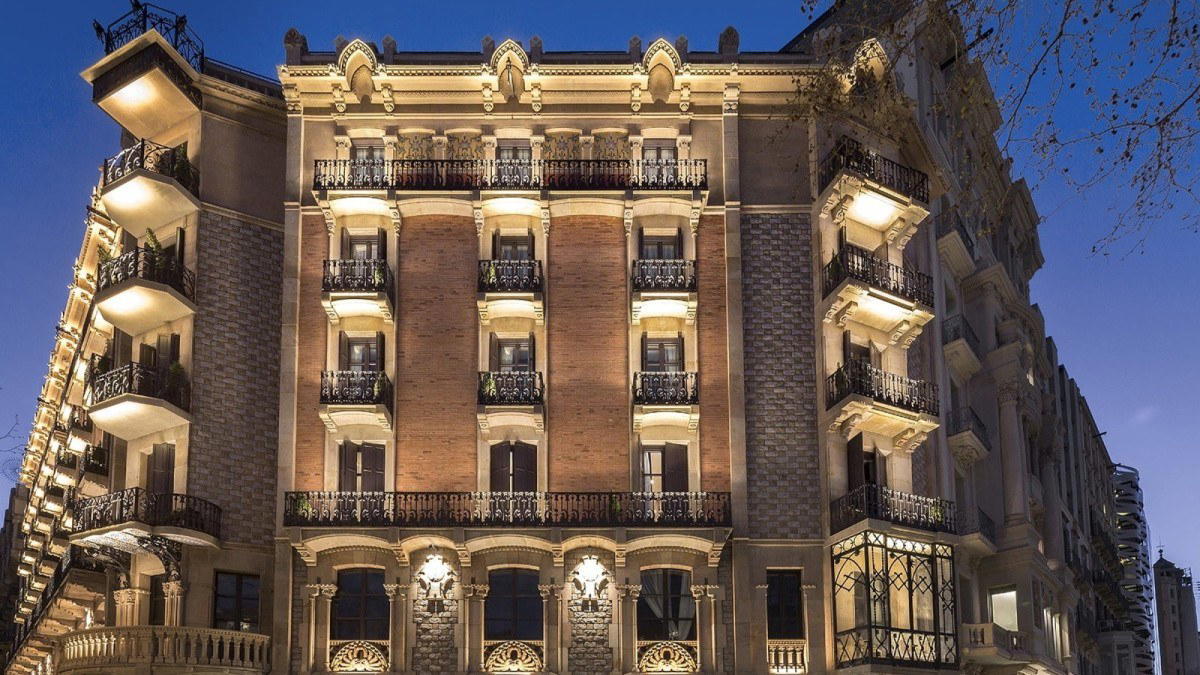
The Plaça Palau de Requesens in Molins de Rei is not a destination most Barcelona visitors add to their itinerary. That, in part, is the point. The square carries the quiet authority of a Catalan town centre that has not been reshaped for tourism: local foot traffic, the stone presence of the Palau de Requesens itself, and a pace that belongs to the surrounding Baix Llobregat comarca rather than the Eixample grid twenty kilometres north. LaVolta is a modern Spanish tapas restaurant at Plaça Palau de Requesens, 3, 08750 Molins de Rei, Barcelona, Spain. Approaching the address, the surrounding architecture sets expectations: this is not a venue engineered for spectacle, but one that earns its place in a square with genuine historical weight.
The Sourcing Logic of the Baix Llobregat
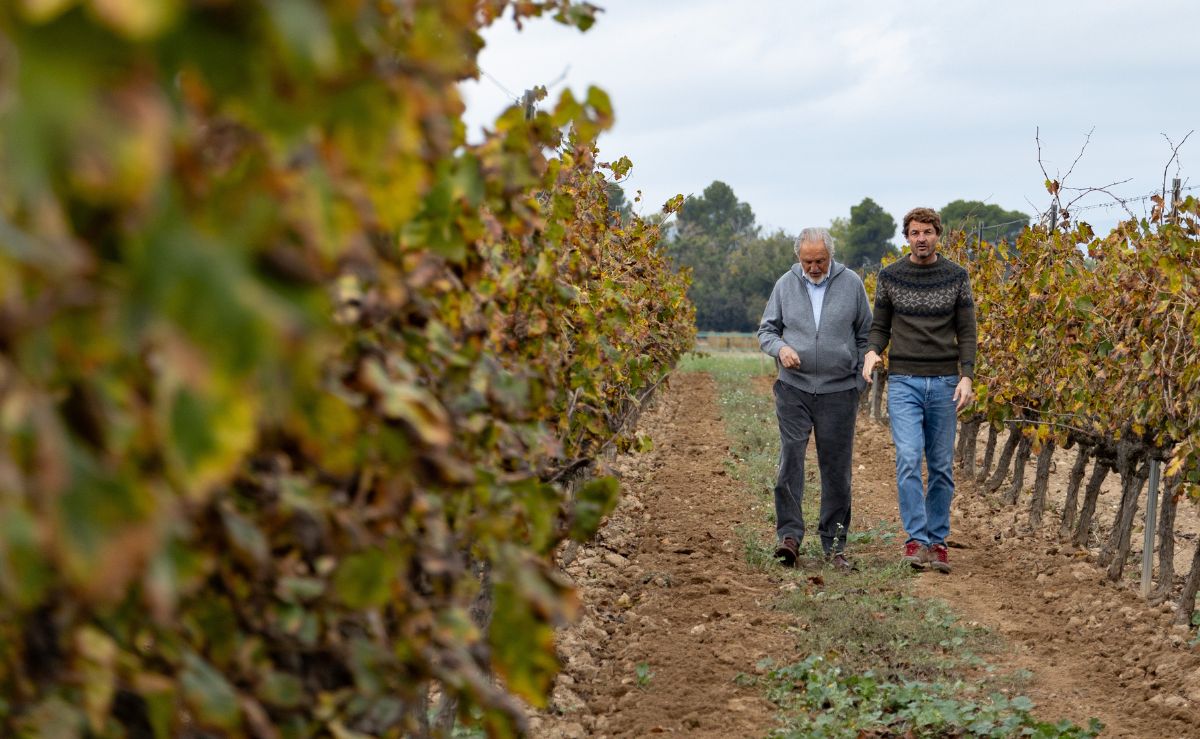
The agricultural geography around Molins de Rei is worth understanding before reading any menu from this part of Catalonia. The Baix Llobregat comarca, stretching from the coast to the first foothills of the pre-Pyrenees, has historically supplied Barcelona's markets with produce: vegetables from the delta, fruit from the inland orchards, and livestock from farms that operate on a scale too small to reach metropolitan wholesale networks. Restaurants embedded in towns like Molins de Rei have consistent access to that supply chain in a way that Barcelona's central dining district does not. Ingredient sourcing in this context is less a philosophical position than a structural reality: proximity to growers means seasonal produce arrives fresher, and relationships with local suppliers accumulate over years rather than being brokered through distributors.
This matters for how to read a restaurant like LaVolta. Across Catalonia, particularly credible mid-tier and upper-mid-tier restaurants outside Barcelona tend to anchor their identity in exactly this kind of regional sourcing logic, using local agricultural specificity as both a practical advantage and a point of culinary distinction. The tradition is well-established: Catalonia's restaurant culture, from the cooperative wine cellars of the Penedès to the market-focused cooking of the Costa Brava, has long treated ingredient origin as a primary organising principle rather than a secondary garnish. LaVolta's location places it within that tradition by default, in a town where the gap between kitchen and field is measurably shorter than in the capital.
Situating LaVolta in Spain's Broader Dining Picture
Spain's fine-dining tier is concentrated in the Basque Country, Barcelona, and a handful of regional anchor points. El Celler de Can Roca in Girona, Arzak in San Sebastián, Azurmendi in Larrabetzu, and DiverXO in Madrid define the country's highest-profile creative tier, each operating at €€€€ price points with booking horizons measured in months. Below that tier, and distinct from the tourist-facing mid-market, sits a category of serious local restaurants in smaller Catalan and Spanish towns that serve a predominantly regional clientele, price more modestly, and draw their credibility from consistency and sourcing rather than from award cycles. This is the competitive context that makes most sense for Molins de Rei as a dining location.
Within the Barcelona province specifically, Cocina Hermanos Torres represents the city's own creative high-end, while the broader Catalan corridor extends toward Girona and the Costa Brava. Molins de Rei sits off that main axis, which historically meant less critical attention despite the quality of local produce. That dynamic is shifting as more food-focused travellers look to the municipalities of the Baix Llobregat for dining that reflects actual Catalan domestic life rather than an international interpretation of it. L'Àpat is another local address operating in this space. For a full picture of where Molins de Rei sits among its neighbours, our full Molins de Rei restaurants guide maps the town's dining options with comparative detail.
For reference points further afield in Spain's serious regional restaurant tier: Quique Dacosta in Dénia, Aponiente in El Puerto de Santa María, Ricard Camarena in València, Mugaritz in Errenteria, Martin Berasategui in Lasarte-Oria, Atrio in Cáceres, Casa Marcial in Arriondas, Cenador de Amós in Villaverde de Pontones, and Noor in Córdoba each demonstrate how Spain's serious cooking has consistently extended beyond its headline cities. Internationally, Le Bernardin in New York City and Atomix in New York City illustrate how sourcing precision and provenance transparency have become baseline expectations at the highest level of restaurant culture globally, a standard that filters down into how serious regional restaurants in Europe now frame their own proposition.
Planning a Visit
Molins de Rei is accessible from Barcelona via the R4 Rodalies line, which connects Barcelona Sants with the town in under thirty minutes, making a meal here a realistic proposition without a car. The Plaça Palau de Requesens is a short walk from the station. Because LaVolta is recommended for reservations, and its hours are Mon: 11:30 AM–5 PM; Tue: Closed; Wed: 7–11 PM; Thu: 12–5 PM, 6:30 PM–1 AM; Fri: 7 PM–1 AM; Sat: 12 PM–1 AM; Sun: 11:30 AM–1 AM, the published booking policy recommends reserving in advance, and the restaurant's. Weekend lunch, in the Catalan dining calendar, remains one socially significant meal of the week, and restaurants in towns like Molins de Rei structure their operation accordingly.
In Context: Similar Options
Comparable venues nearby, for context on price, style, and recognition.
| Venue | Cuisine | Price | Awards | Notes |
|---|---|---|---|---|
| LaVoltaThis venue — the venue you are viewing | Modern Spanish Tapas | $$ | Not listed | Not listed |
| L'Àpat | Seasonal Catalan Mediterranean | $$$ | Michelin Plate | Molins de Rei |
| Bar Casa Tia | Traditional Menorcan Tapas | $$ | Not listed | Cala en Porter |
| Can Ramonet | Traditional Catalan Seafood and Rice | $$ | Not listed | la Barceloneta |
| Mesa Lobo | French-Nordic Market Bistro with Catalan Influences | $$ | Not listed | l'Antiga Esquerra de l'Eixample |
| THE CHIPIRON | Traditional Spanish Seafood Tapas | $$ | Not listed | Port Vell |
Continue exploring
More in Molins de Rei
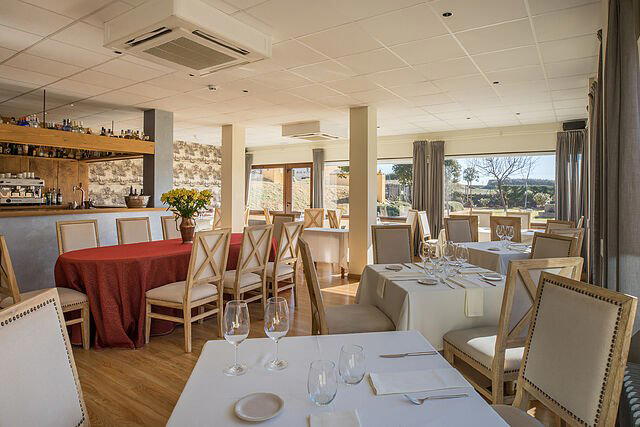
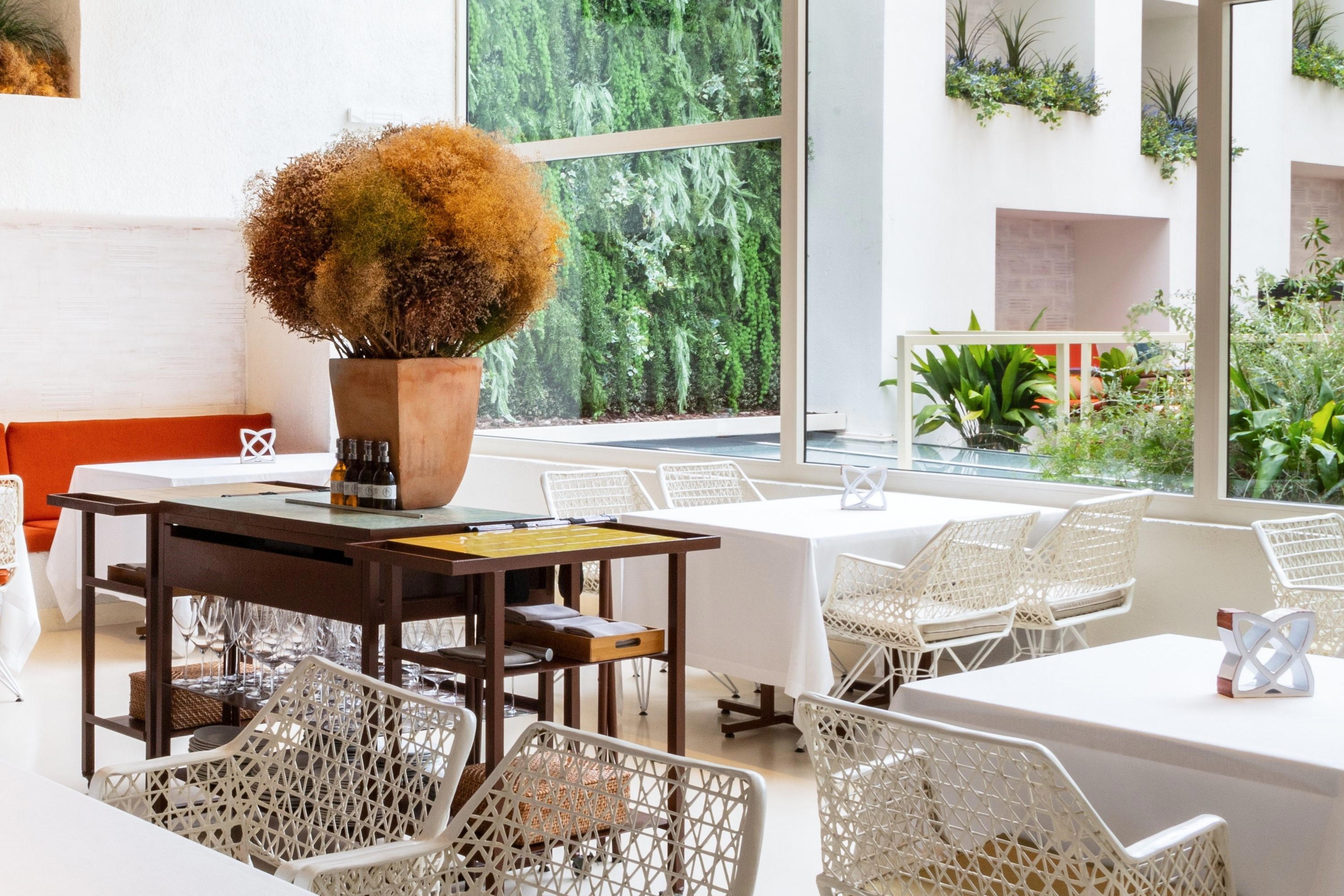
Restaurants in Molins de Rei
Browse all →
Bars in Molins de Rei
Browse all →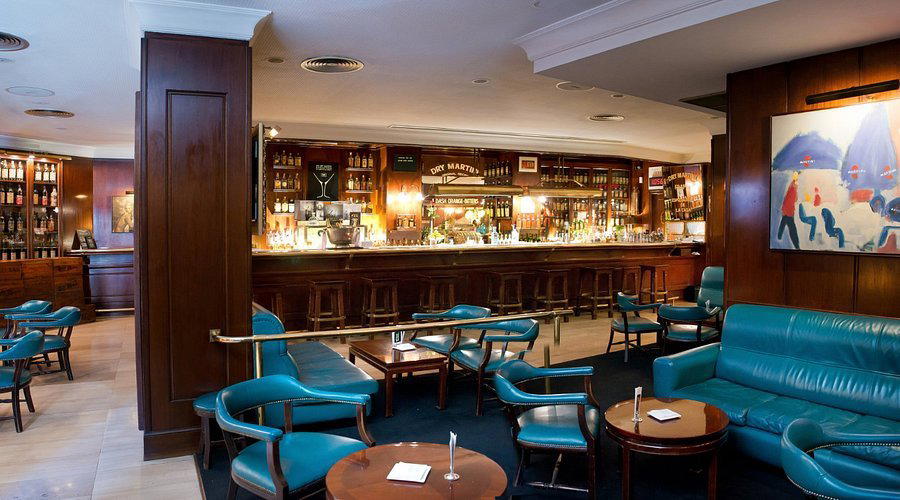
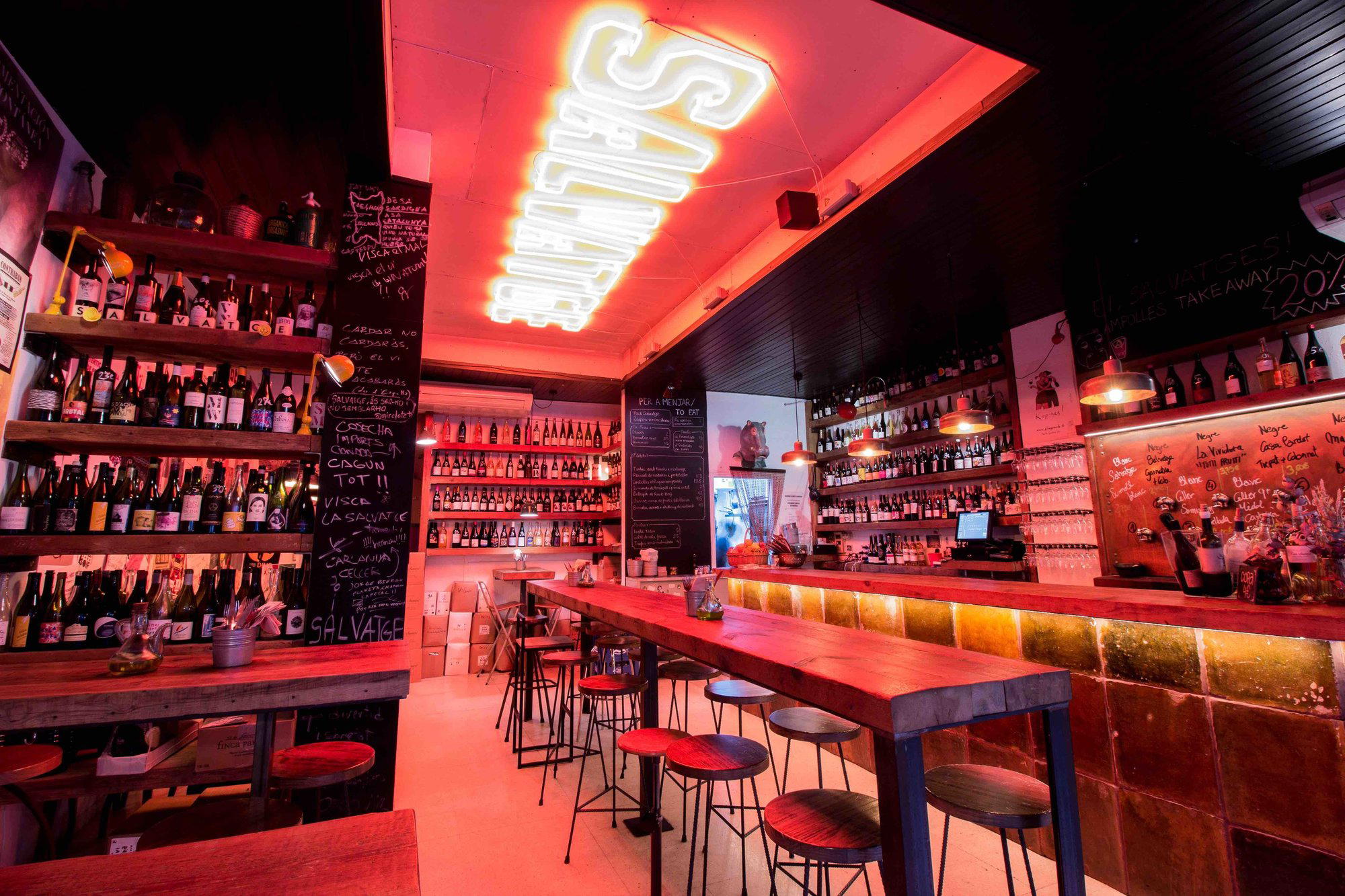
Hotels in Molins de Rei
Browse all →


At a Glance
- Modern
- Lively
- Elegant
- Group Dining
- Casual Hangout
- Business Dinner
- Historic Building
- Terrace
- Beer Program
- Local Sourcing
Current opening hours
- Monday
- 11:30 AM–5 PM
- Tuesday
- Closed
- Wednesday
- 7–11 PM
- Thursday
- 12–5 PM, 6:30 PM–1 AM
- Friday
- 7 PM–1 AM
- Saturday
- 12 PM–1 AM
- Sunday
- 11:30 AM–1 AM
Hours can change for holidays and private events. Last verified .
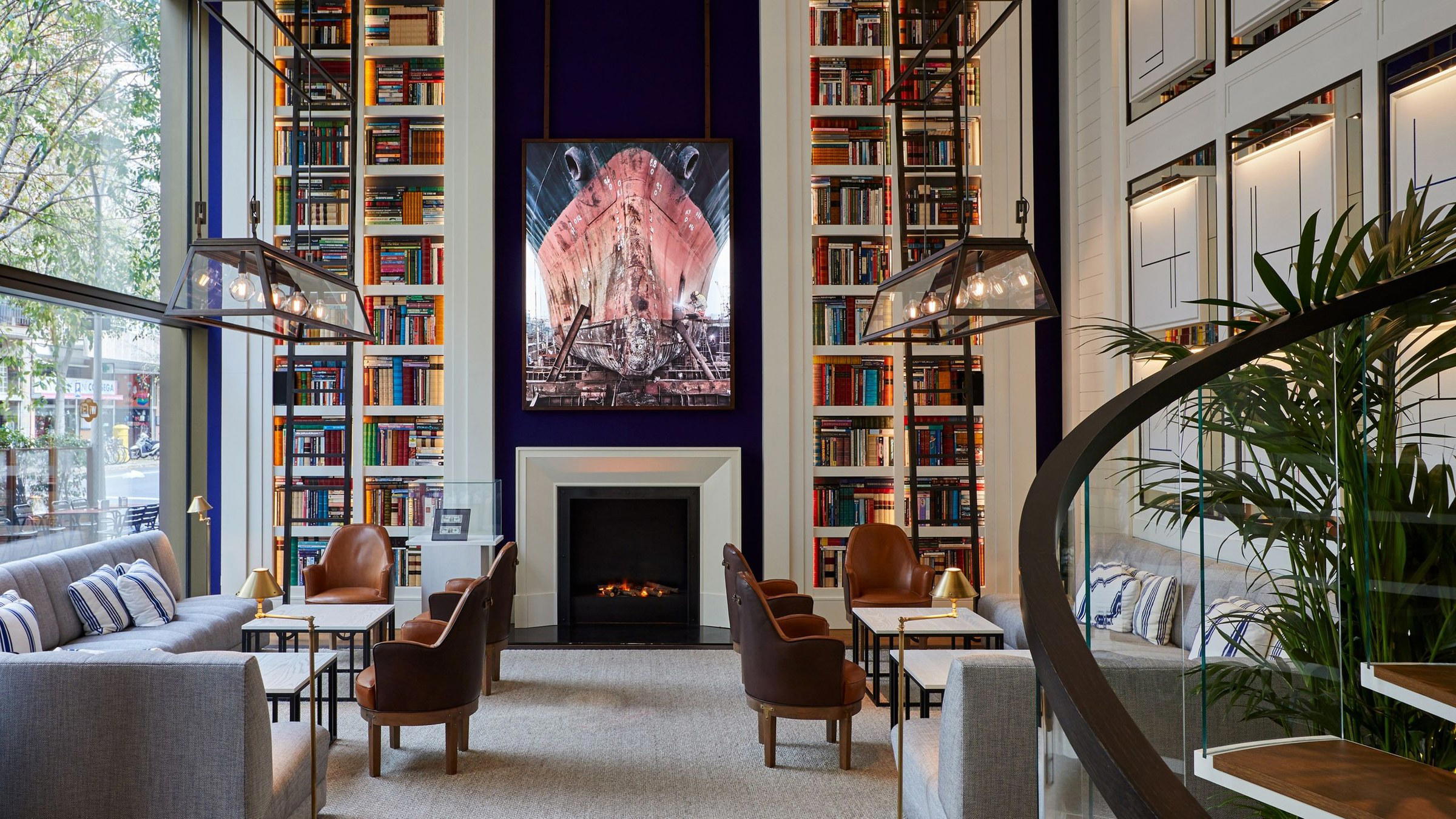
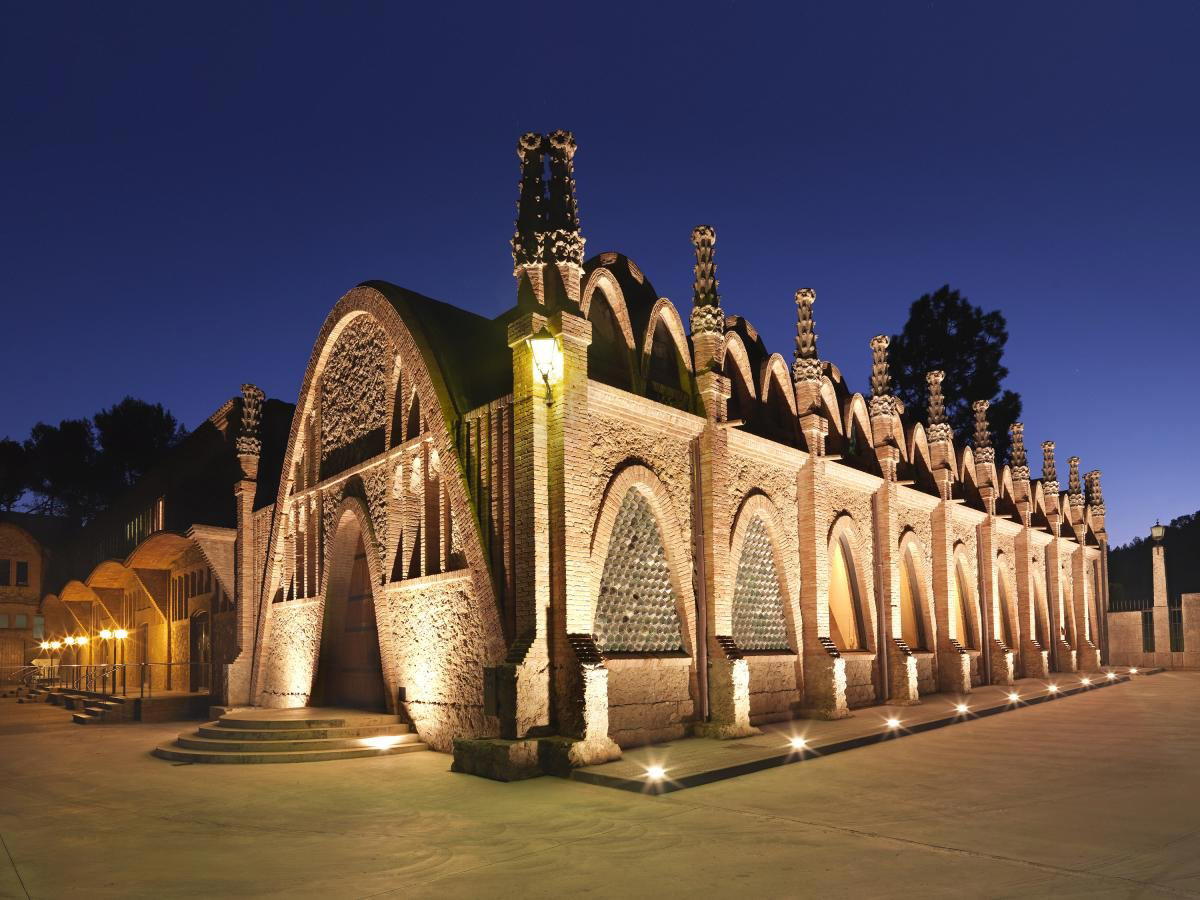
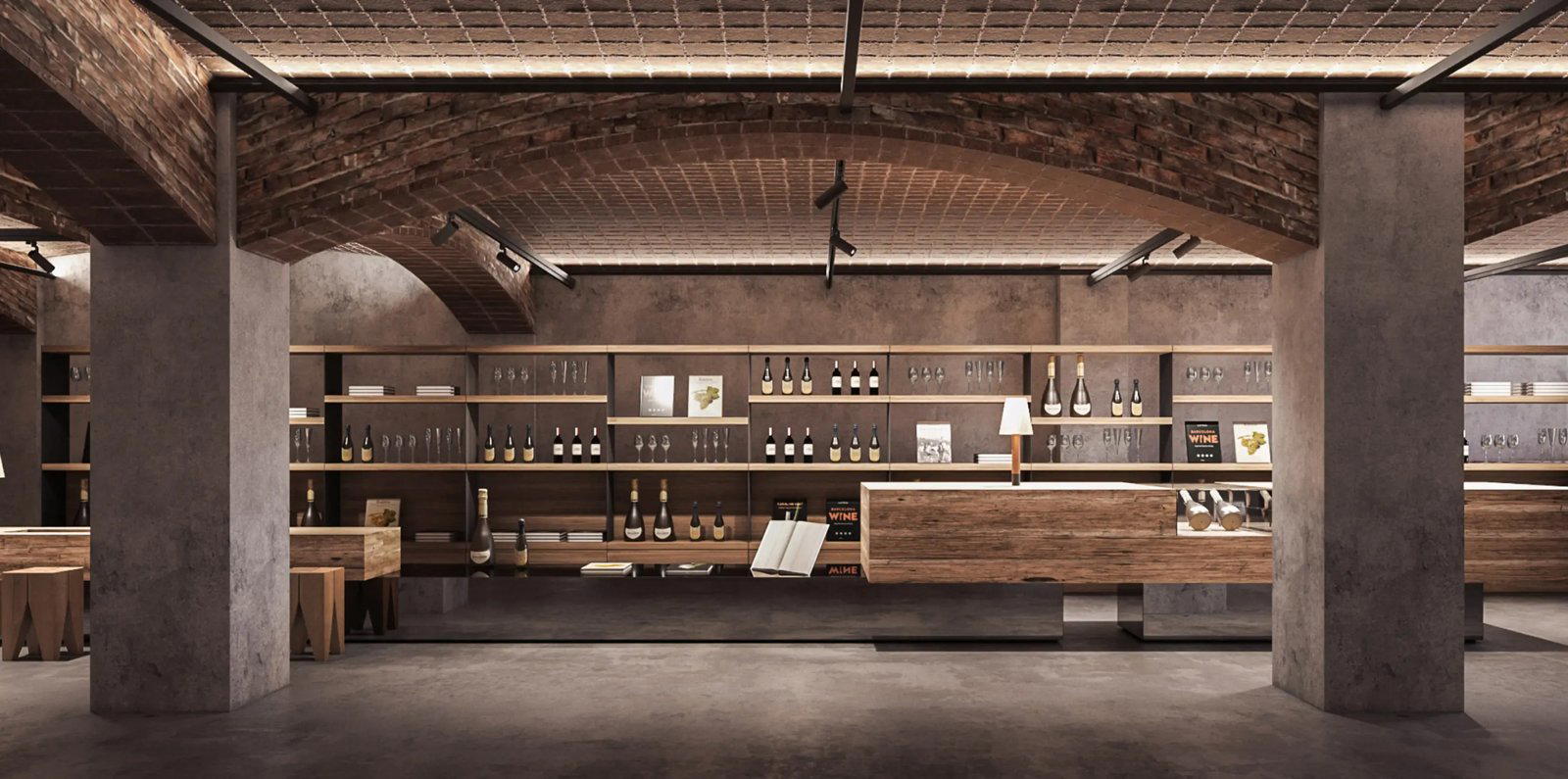
Modern style with beautiful interior design highlighting the historic vault architecture; bright and active with village atmosphere, particularly on the outdoor terrace.