L'Àpat


L'Àpat in Molins de Rei has held the Michelin Plate in both 2024 and 2025, placing it among the Baix Llobregat's most consistent traditional kitchens. The dining room draws a local crowd that returns for cooking rooted in Catalan produce and regional technique. For the €€ price range, the value proposition is genuinely strong.
Pearl is the En Primeur Club membership app — saves, bookings, and concierge access live there. Same editors, same standards.
- Address
- Carrer del Carril, 38, 08750 Molins de Rei, Barcelona, Spain
- Phone
- +34 936 68 05 58
- Website
- restaurantlapat.cat
- Directions
- Get directions
 Saves & bookings on Pearl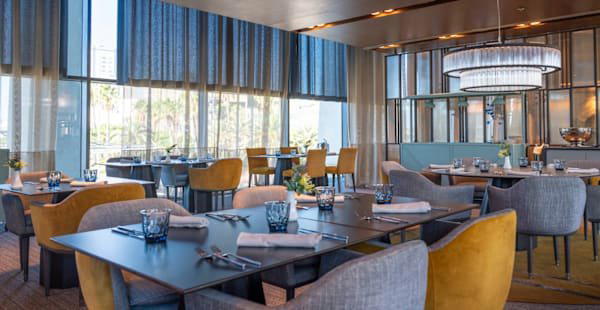
Where Molins de Rei Eats Well
The towns strung along the Llobregat river southwest of Barcelona are not, by reflex, where food writers look for serious cooking. Attention pools in the city itself, or drifts further out toward Girona and the Costa Brava. Molins de Rei sits in that overlooked middle ground: close enough to Barcelona to be commuter territory, far enough to have retained a working-town character that has kept its restaurant culture anchored in neighbourhood regulars rather than destination tourism. That context matters when assessing L'Àpat at Carrer del Carril, 38, because the Michelin Plate it has carried in both 2024 and 2025 is not the product of a place performing for outsiders. It reflects a kitchen cooking for the people who live nearby.
In the broader map of Spanish gastronomy, where the conversation is frequently dominated by three-star progressives, El Celler de Can Roca in Girona, Cocina Hermanos Torres in Barcelona, DiverXO in Madrid, the Michelin Plate category performs a different function. It marks kitchens that Michelin's inspectors consider worth eating at, without implying the theatrical ambition or €€€€ pricing of the starred tier. L'Àpat, priced at €€, occupies that position honestly: a restaurant whose recognition is earned through consistent, produce-led cooking rather than through spectacle.
The Argument for Sourcing Over Showmanship
Traditional Catalan cooking at its clearest is essentially an argument about ingredients. The cuisine evolved in a region where the market was always the first creative decision: what came from the Llobregat plain, what arrived from the Pyrenean foothills, what the fishing boats brought into Barcelona's port. Dishes like escudella i carn d'olla, fricandó, or slow-roasted meats with romesco are structurally simple precisely because they were built to let the sourced material express itself. Complexity in technique would have obscured what the ingredients were doing.
That philosophy, whether or not it is articulated on a menu, is what separates the Michelin Plate tier of traditional restaurants from their more celebrated neighbours in cities like San Sebastián's Arzak or Azurmendi in Larrabetzu. Those kitchens have the sourcing conversation too, but they layer it with invention. A Michelin Plate house in Baix Llobregat is more likely to resolve that conversation at the market stall than at the pass. Strong examples among them cook with the kind of specificity that comes from buying from the same producers for years, knowing which farms are worth trusting in each season, and adjusting the menu to what arrived that morning rather than to what a printed card promised.
Volume and consistency of rating at that scale indicate a kitchen that performs at the same level across the year, not one that lands occasional highs. Restaurants that score well in concentrated cycles (a strong summer, a good launch period) tend to revert. Sustained 4.7 ratings at 725 reviews, in a town where the same faces return regularly, suggest a kitchen that has made sourcing and execution habitual rather than occasional.
Placing L'Àpat in Its comparable set
The honest comparison for L'Àpat is not with Spain's starred brigade but with a set of similar Michelin Plate houses doing traditional work in non-destination towns. Auga in Gijón and Auberge Grand'Maison in Mûr-de-Bretagne belong to a comparable tier: regionally embedded, produce-driven, awarded for consistency rather than ambition. What these kitchens share is a refusal to compete on the terms set by the progressive avant-garde. They compete, instead, on how well they know their terroir and their suppliers.
Within Catalonia specifically, that positioning carries weight. The region has a documented culture of market dependency in its restaurant kitchens, the Boqueria was never just a tourist attraction; it was the sourcing infrastructure for a generation of Catalan chefs. A town like Molins de Rei, with access to the agricultural output of the Llobregat delta and the producing networks that feed greater Barcelona, is not a difficult place to source well if a kitchen is paying attention. Whether L'Àpat uses that geography deliberately or simply benefits from proximity, the Michelin Plate two years running is evidence that the kitchen is executing at a level above its immediate neighbours.
Planning a Visit
Molins de Rei sits approximately 20 kilometres southwest of central Barcelona, reachable via the FGC line from Plaça Catalunya in under 35 minutes. The address at Carrer del Carril, 38 is a short walk from the town centre. As a neighbourhood restaurant rather than a destination operation, L'Àpat prices at €€, positioning it well below the cost of a comparable meal at Quique Dacosta, Martin Berasategui, or Aponiente. Reservations are recommended, and the restaurant is open Monday and Tuesday from 1 to 3:30 PM, Thursday and Friday from 1 to 3:30 PM and 8:30 to 10:30 PM, Saturday from 1:30 to 3:30 PM and 8:30 to 10:30 PM, and closed on Sunday. Given the review volume and the local-regular model that sustains most restaurants of this type, midweek lunch reservations will generally be easier to secure than weekend evening slots.
For those building a longer trip through Catalonia's food geography, Ricard Camarena in València and Atrio in Cáceres represent regional counterparts at higher price tiers, useful benchmarks for understanding how Iberian traditional cooking diverges across geography and ambition. Mugaritz in Errenteria sits at the other end of the philosophical spectrum from L'Àpat: same Michelin ecosystem, completely different relationship with the source material.
- grilled octopus with chimichurri
- slow-cooked lamb
- coca foie caramelitzat
- pota blava kibble
- cod
- tuna
A Quick Peer Check
Comparable venues nearby, for context on price, style, and recognition.
| Venue | Cuisine | Price | Awards | Notes |
|---|---|---|---|---|
| L'ÀpatThis venue — the venue you are viewing | Seasonal Catalan Mediterranean | $$$ | Michelin Plate | Not listed |
| LaVolta | Modern Spanish Tapas | $$ | Not listed | Molins de Rei |
| Sense Pressa | Authentic Catalan | $$$ | Not listed | l'Antiga Esquerra de l'Eixample |
| Vilagut | Traditional Adapted Spanish Mediterranean | $$$ | Michelin Plate | Vilafranca del Penedès |
| La Cuina de Can Simón | Modern Catalan Mediterranean | $$$ | Michelin Plate | Vila Vella |
| Bruixes de Burriac | Modern Catalan | $$$ | Michelin Plate | Altafulla |
Recognition history
Dated appearances from independent guides and award organizations, with the underlying list record or original source where available.
Macarfi 7.5 Food Rating
Macarfi
Michelin Plate
Michelin
Michelin Plate
Michelin
Continue exploring
More in Molins de Rei
Restaurants in Molins de Rei
Browse all →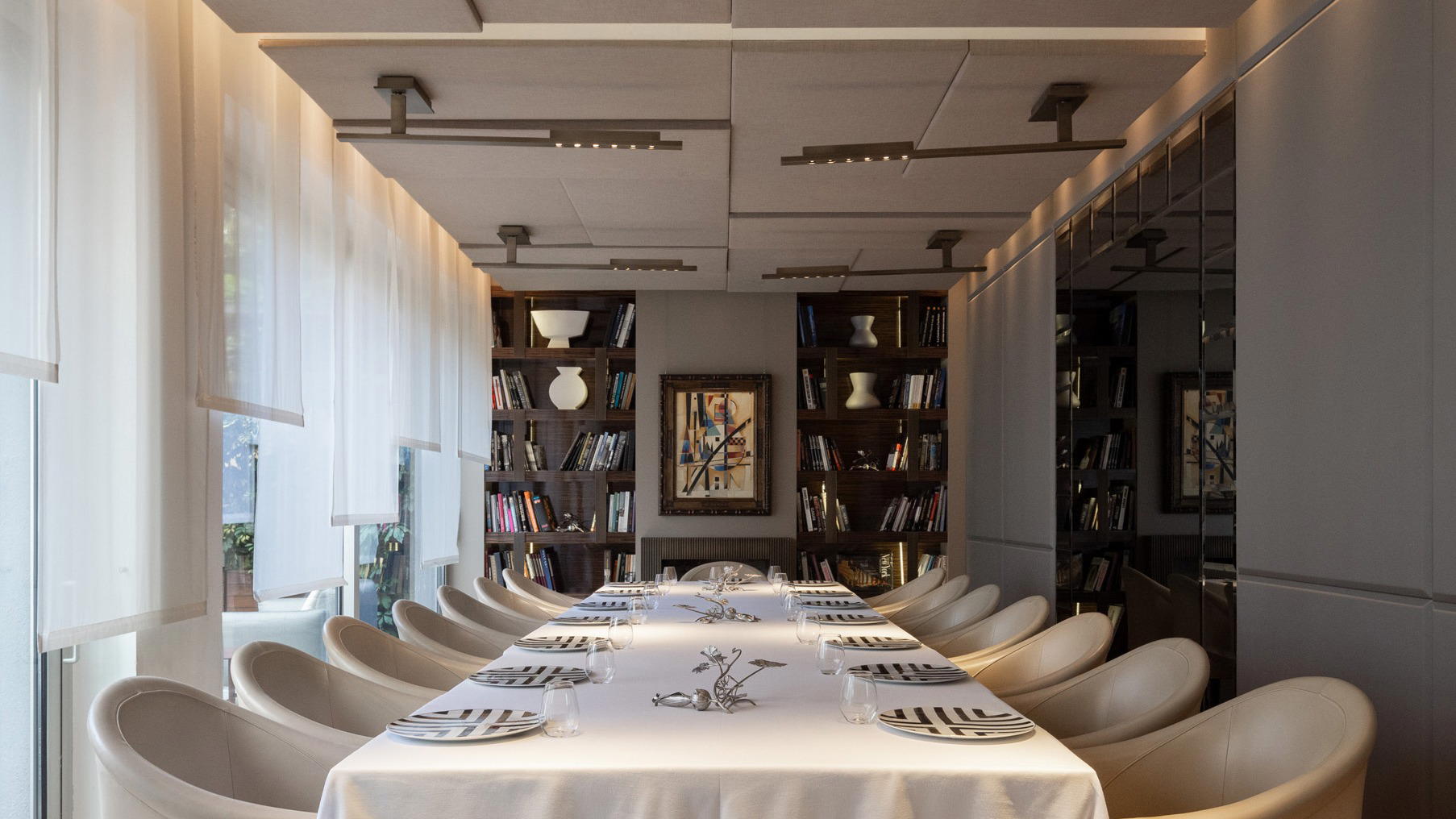
Bars in Molins de Rei
Browse all →
Hotels in Molins de Rei
Browse all →


At a Glance
- Cozy
- Romantic
- Classic
- Rustic
- Date Night
- Business Dinner
- Celebration
- Special Occasion
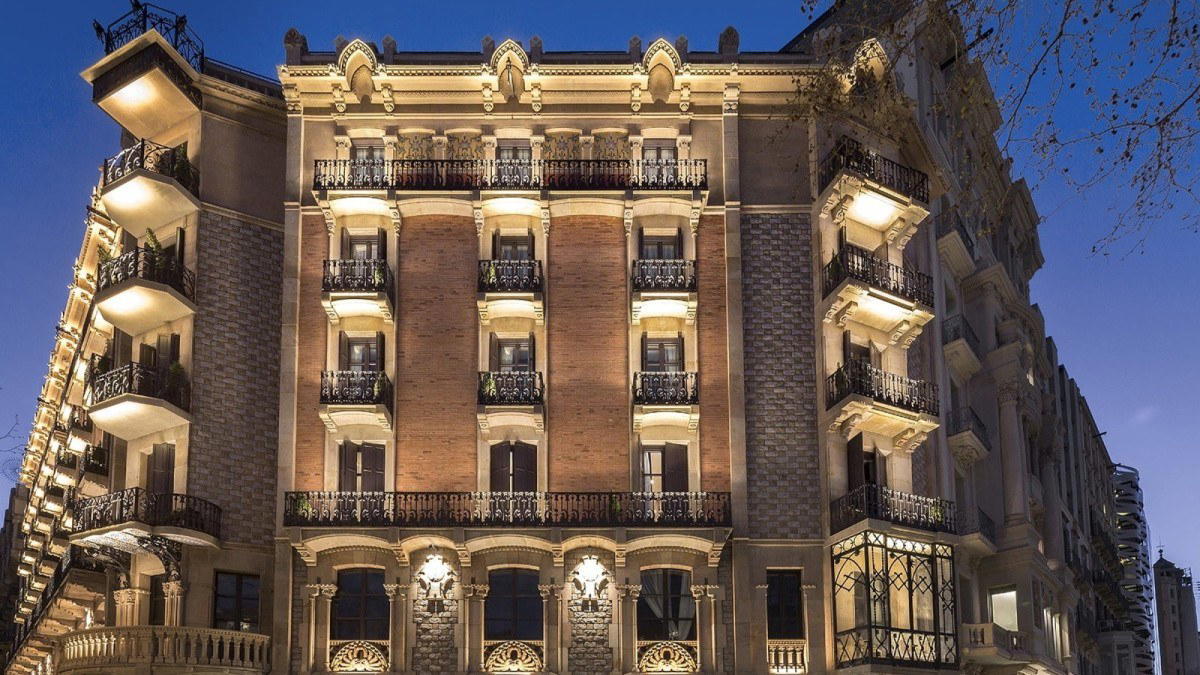
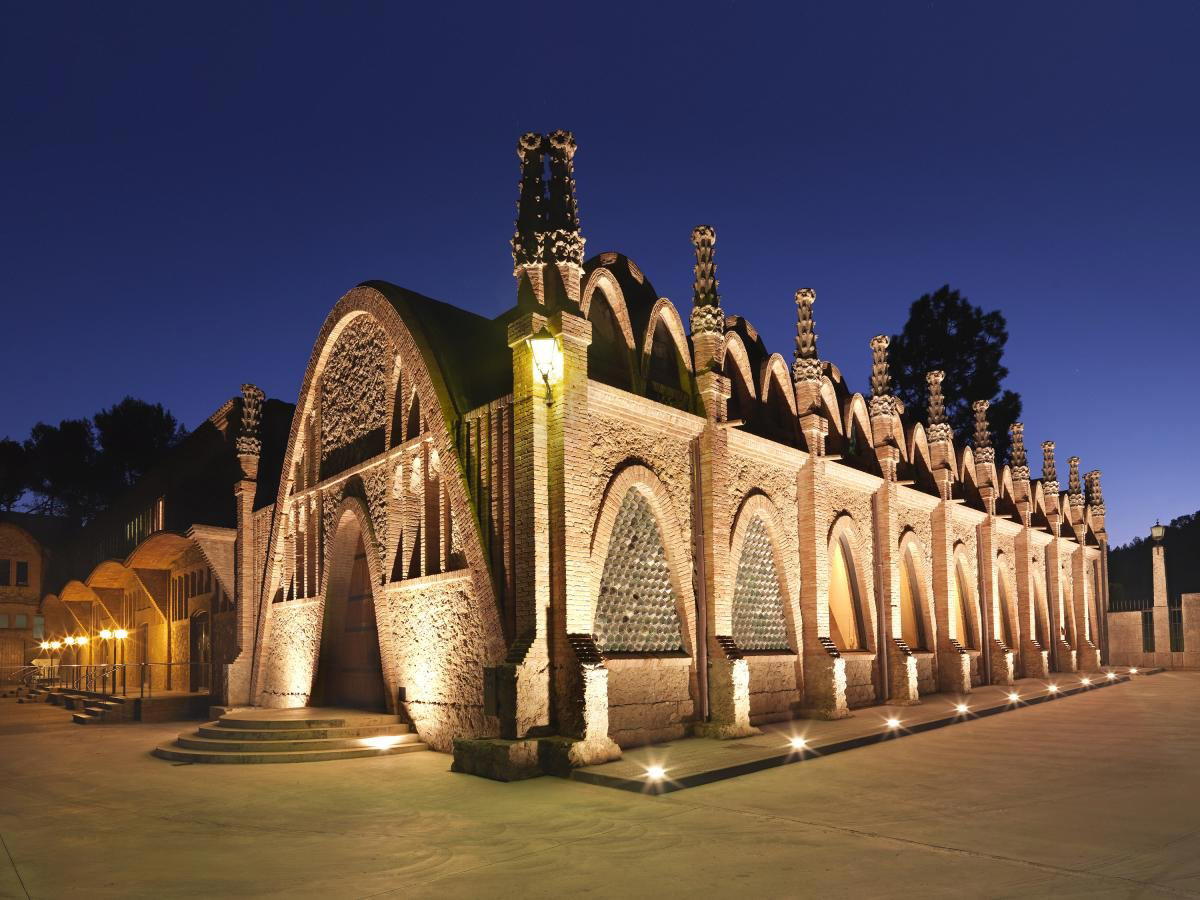
- Historic Building
- Standalone
- Extensive Wine List
- Sommelier Led
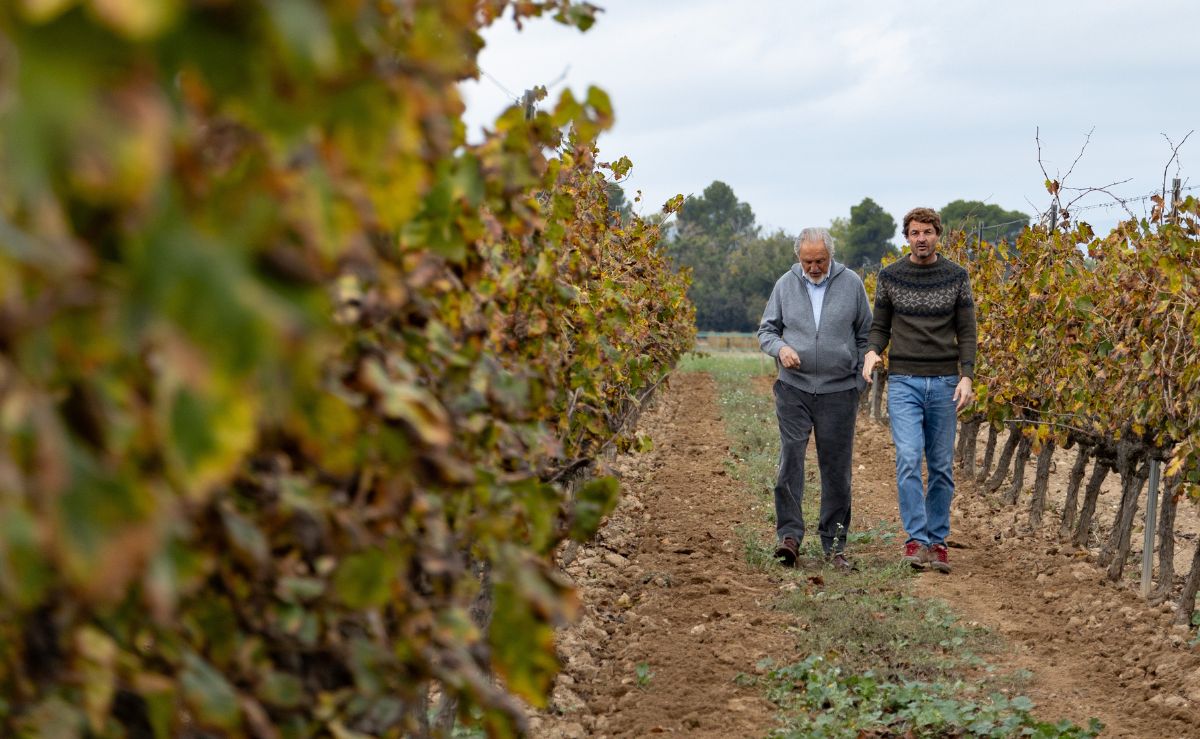
- Farm To Table
- Local Sourcing
Current opening hours
- Monday
- 1–3:30 PM
- Tuesday
- 1–3:30 PM
- Wednesday
- 1–3:30 PM
- Thursday
- 1–3:30 PM, 8:30–10:30 PM
- Friday
- 1–3:30 PM, 8:30–10:30 PM
- Saturday
- 1:30–3:30 PM, 8:30–10:30 PM
- Sunday
- Closed
Hours can change for holidays and private events. Last verified .
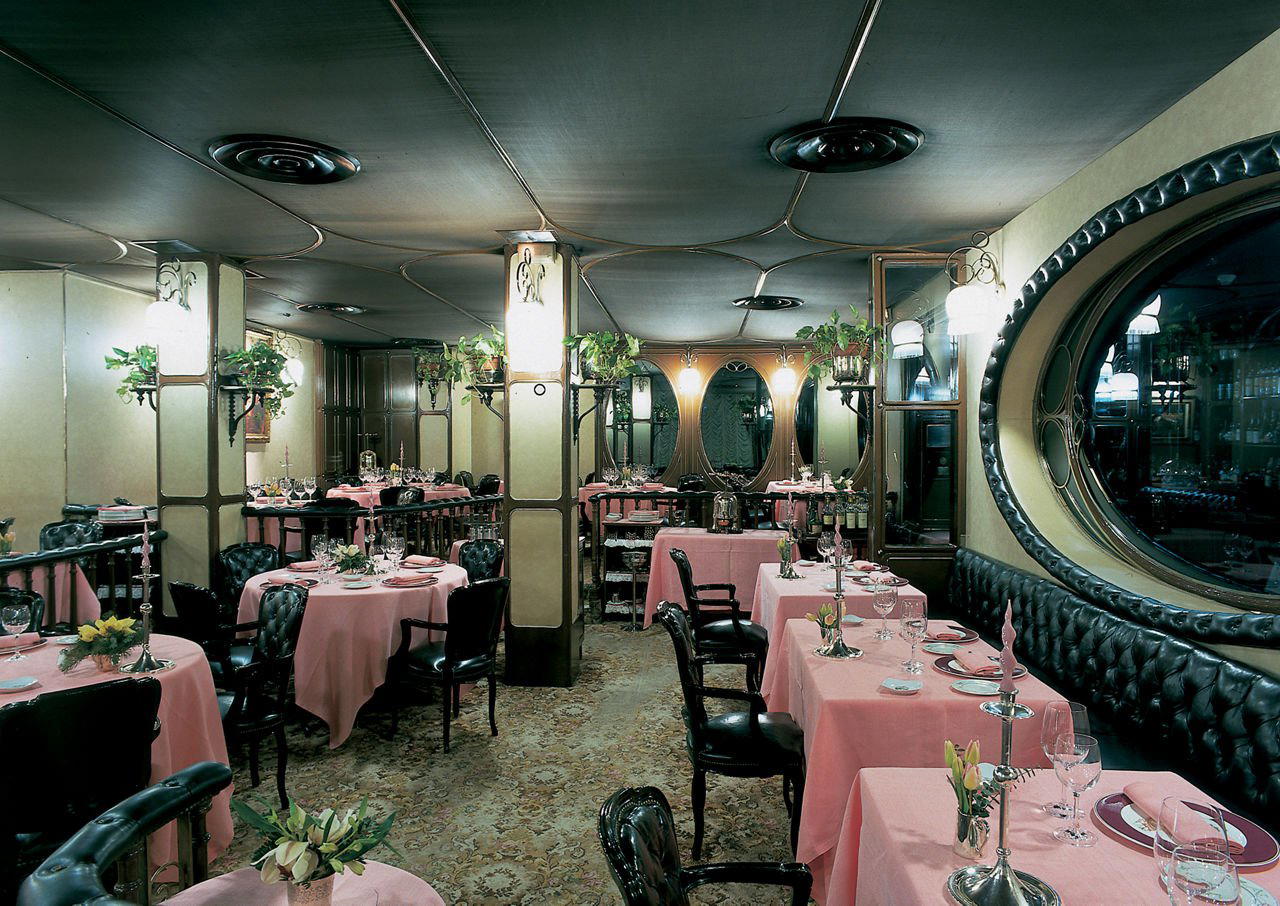
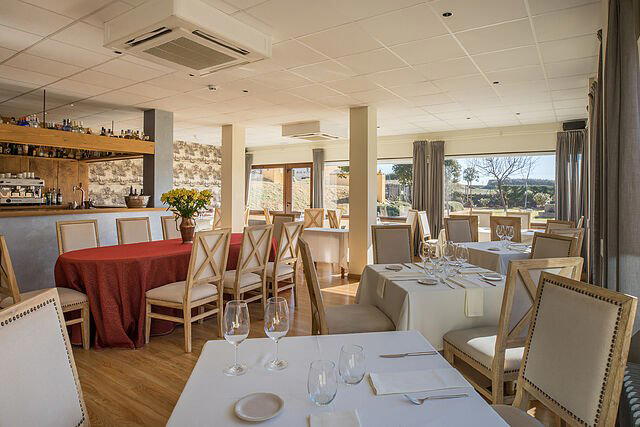
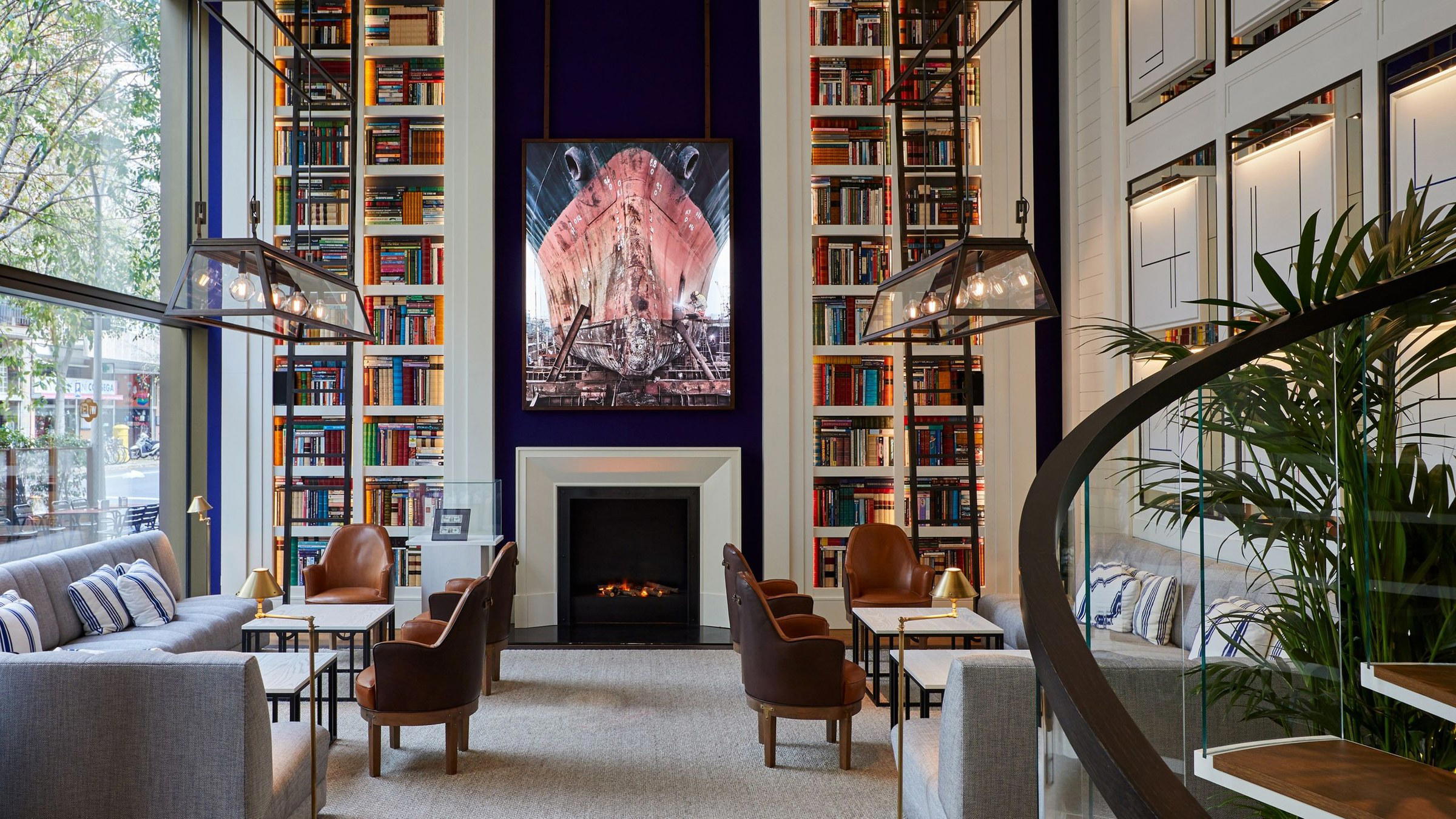
Warm and inviting with rustic decor reflecting Catalan tradition; cozy and charming atmosphere ideal for intimate dinners and business gatherings.