Cenador de Amós






3 Michelin Stars · La Liste Top Restaurants · Guía Repsol 3 Soles
Our verdict
A three-Michelin-star restaurant housed in a 1756 casa-palacio in rural Cantabria, Cenador de Amós ranks among Spain's most recognised fine dining addresses, scoring 96 points on La Liste's 2026 global ranking. Chef Jesús Sánchez builds his tasting menu around Cantabrian identity, local seasonality, and ingredients sourced as close to the kitchen as possible, including produce from the property's own vegetable garden.

Pearl is the En Primeur Club membership app — saves, bookings, and concierge access live there. Same editors, same standards.
- Address
- Plaza del Sol, s/n, 39793 Villaverde de Pontones, Cantabria, Spain
- Phone
- +34 942 50 82 43
- Hours
- Mon–Tue ClosedWed–Thu 1:15–2 PMFri–Sat 1:15–2 PM, 8:15–9 PMSun 1:15–2 PM
- Website
- cenadordeamos.com
- Directions
- Get directions
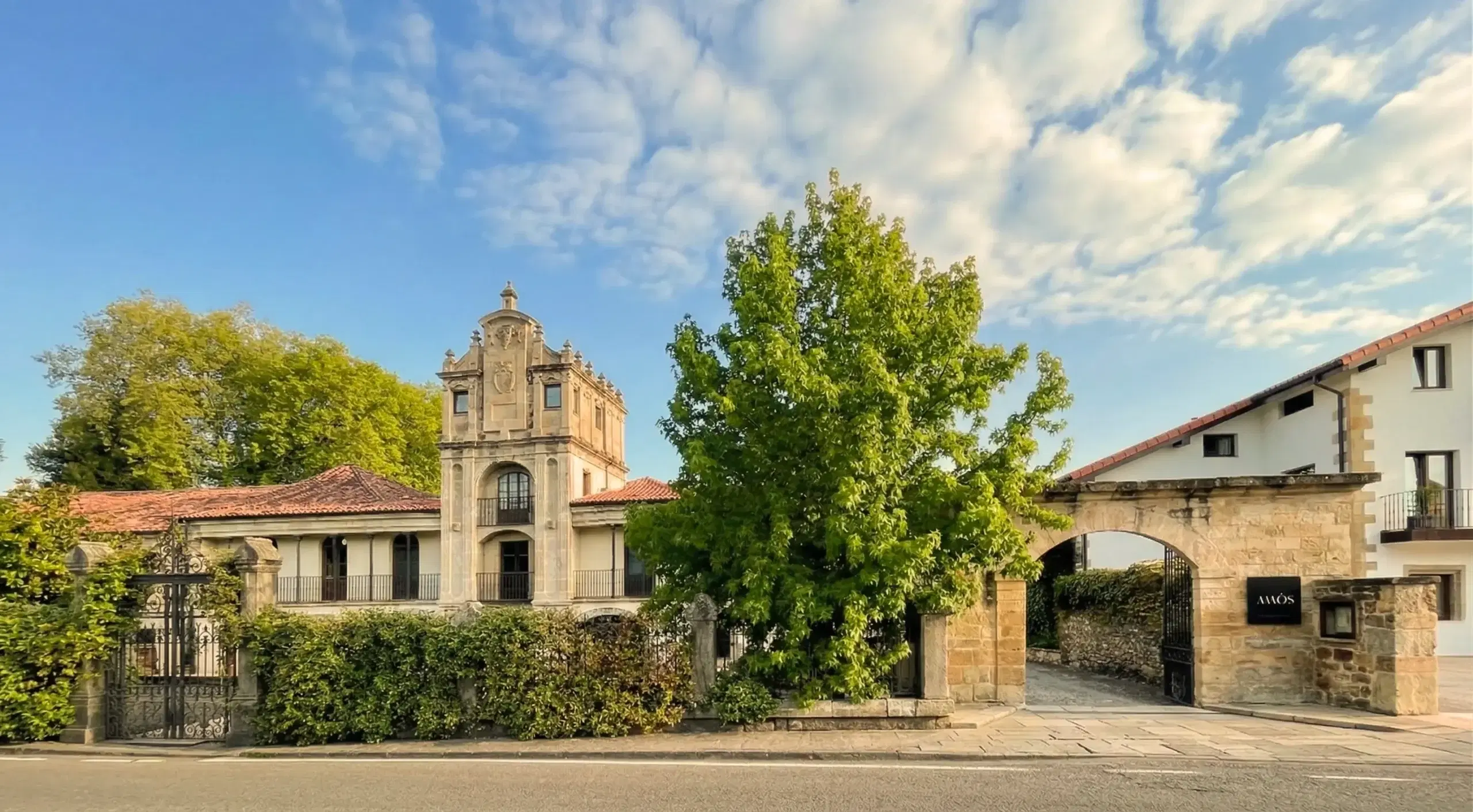
A Palace in the Fields, Far from the Obvious Circuit
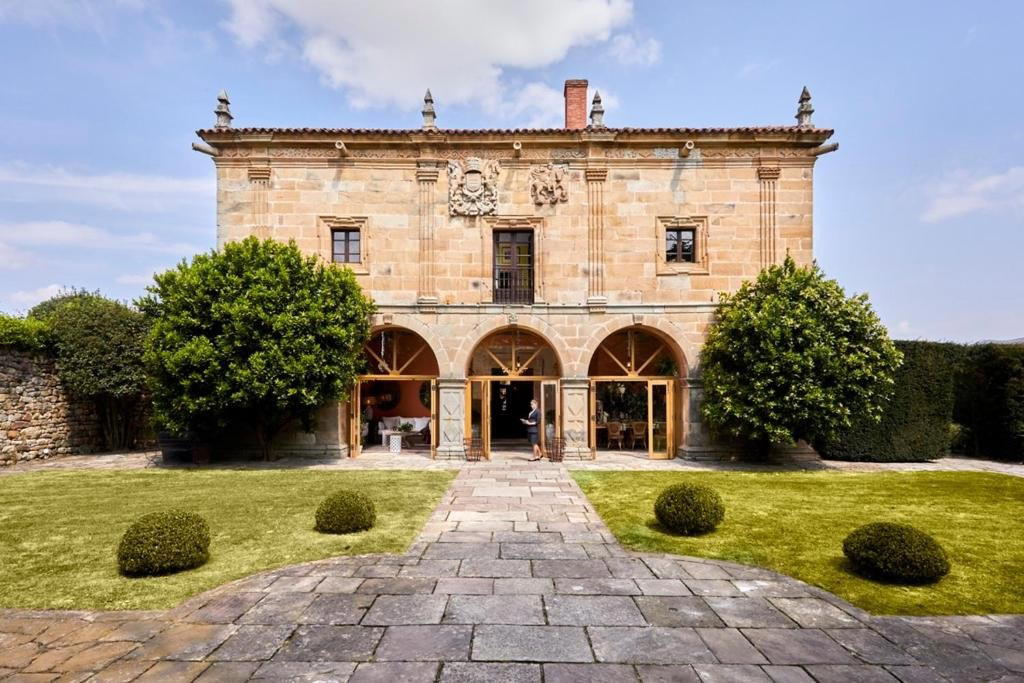
Spain's three-Michelin-star restaurants cluster, predictably, in cities and coastal resort towns. Cenador de Amós sits outside that pattern entirely. The restaurant occupies the Casa-Palacio Mazarrasa, a manor house built in 1756 in Villaverde de Pontones, a village in Cantabria that most international visitors pass through rather than stop at. The building's stone facade, glass-panelled pavilion, and surrounding grounds are the first signal that what follows belongs to a different register of dining than the region's pintxo bars or seaside fish restaurants. Arriving here by car through the green interior of Cantabria, with the Cantabrian mountains in the middle distance, sets up a meal framed by geography before a single dish appears.
That physical distance from the restaurant mainstream is worth naming because it defines the experience. Cenador de Amós earns its recognition without the foot traffic of San Sebastián or the media density of Madrid. It holds three Michelin stars (2024, 2025) and scored 96 points on La Liste's 2026 global ranking, placing it at 43rd in Opinionated About Dining's Classical Europe list for both 2024 and 2025. These are verifiable credentials from three independent ranking systems, which places the restaurant in direct comparison with addresses like Arzak in San Sebastián, Azurmendi in Larrabetzu, and Martin Berasategui in Lasarte-Oria. The difference is that those restaurants draw visitors from dense tourist circuits. Cenador de Amós requires a deliberate detour.
How the Meal Unfolds: From Pavilion to Dining Room
The structural format of the meal at Cenador de Amós reflects a broader shift in how leading Spanish kitchens sequence the dining experience. Rather than seating guests immediately at table, the experience begins with welcome drinks and appetisers in the glass-paned pavilion or on the terrace, depending on season. This is the small-plates ritual extended and formalised: the early course of a meal that uses physical movement through the property to build a sense of occasion before the main dining room takes over.
This sequencing approach, common among Spanish three-star restaurants, serves an editorial function as much as a hospitality one. It gives the kitchen room to introduce local ingredients and techniques as loose, conversational bites before committing to the more structured progression of the tasting menu. At Cenador de Amós, those opening bites establish the Cantabrian argument the kitchen will make across the full meal. The sea, the land, and the region's culinary history are the reference points, not abstract creativity for its own sake.
The tasting menu, called Desde La Raíz (From the Root), is the kitchen's primary statement. Built around local ingredients, strict seasonality, and the specific character of the Cantabrian coast and hinterland, it functions as a structured progression through a defined geography. Sourdough bread baked on the premises is among the elements that consistently draw attention from diners and critics alike. The property's own vegetable garden contributes ingredients directly to the kitchen, a short-supply-chain arrangement that is legible on the plate rather than merely noted on a menu description.
Guests who want closer access to the kitchen have the option of eating tapas from the menu inside the kitchen itself, a format that places the small-plates ritual in its most direct possible context. This is less a showpiece arrangement than a practical one: it collapses the distance between preparation and consumption, which is the underlying logic of tapas culture taken to its conclusion in a fine dining setting.
Cantabrian Identity at the Three-Star Level
Spain's three-Michelin-star kitchens generally divide between two approaches: creative abstraction that uses regional identity as a loose starting point, and rooted cooking that treats local ingredients and tradition as the actual discipline. DiverXO in Madrid and Aponiente in El Puerto de Santa María represent one end of that spectrum. Cenador de Amós operates closer to the other, alongside addresses like El Celler de Can Roca in Girona and Atrio in Cáceres, where regional specificity is the foundation rather than the decoration.
Cantabria as a culinary territory is less discussed internationally than the Basque Country or Catalonia, which makes the restaurant's insistence on its regional identity more pointed. The Cantabrian coast produces some of Spain's most valued anchovies, its mountain pastures supply cheese and dairy with distinct character, and the Bay of Biscay offers seafood with a different profile from the Atlantic south or the Mediterranean. Chef Jesús Sánchez, who runs the kitchen with front-of-house operated by Marián Martínez, has built a body of work around these materials over a sustained period. That consistency across years is the kind of commitment that tracking systems like Opinionated About Dining reward: the 43rd ranking in both 2024 and 2025 reflects durability, not a single exceptional year.
For context on where Cenador de Amós sits within Spain's contemporary restaurant conversation, the country's three-star cohort also includes Quique Dacosta in Dénia, Cocina Hermanos Torres in Barcelona, Mugaritz in Errenteria, and Ricard Camarena in València. Each operates with a distinct premise. The Cantabrian location, the manor house setting, and the Desde La Raíz menu's explicit rootedness in local identity make Cenador de Amós a specific proposition within that group, not a generically interchangeable fine dining option. Travellers also exploring broader contemporary Spanish cooking at this level might consider Mantúa in Jerez de la Frontera or Manzil in Seville for additional points of comparison in the modern Spanish conversation.
Planning Your Visit
The restaurant operates a tight weekly schedule that requires advance planning. Lunch service runs Thursday through Sunday, from 1:15 to 2:30 pm. Dinner service is available on Friday and Saturday only, from 8:15 to 9:30 pm. Monday and Tuesday are closed entirely, and the restaurant closes from December 24 through March 1 each year, a winter closure that aligns with the kitchen's seasonal rhythm. Any visit to Villaverde de Pontones should account for this: the service windows are narrow by the standards of comparable restaurants, and the village itself has limited independent infrastructure outside the restaurant.
Given the rural location, the experience is leading treated as a day built around the meal rather than one element of a packed itinerary. The property includes grounds worth exploring before or after lunch, including the vegetable garden that supplies the kitchen. Santander, the regional capital, is the nearest city with meaningful hotel infrastructure and sits within practical driving distance, making it the logical base for visitors combining the restaurant with broader Cantabrian travel. For accommodation and other dining and drinking options in the area, see our full Villaverde de Pontones hotels guide, our full Villaverde de Pontones restaurants guide, our full Villaverde de Pontones bars guide, our full Villaverde de Pontones wineries guide, and our full Villaverde de Pontones experiences guide.
Pricing sits at the top tier of Spanish fine dining (€€€€), consistent with its three-star peer group. Reservations at this level in Spain generally require booking weeks to months in advance, particularly for weekend dinner slots. Contact through the restaurant's official channels is advised; specific booking logistics should be confirmed directly, as policies can change seasonally.
Frequently asked questions
What should I eat at Cenador de Amós?
The Desde La Raíz tasting menu is the kitchen's central statement, and it is what the three Michelin stars and the 96-point La Liste score (2026) are assessed against. Built around Cantabrian ingredients, strict seasonality, and the region's coastal and mountain character, it is the format that leading represents Chef Jesús Sánchez's approach. The sourdough bread, baked on the premises, is consistently cited. If the option to eat in the kitchen is available during your visit, it offers a closer, more immediate version of the small-plates experience that opens the full meal.
How would you describe the vibe at Cenador de Amós?
Formal without being stiff. The Casa-Palacio Mazarrasa is a genuine 18th-century manor house with stone walls, elegant dining rooms, and a glass pavilion that softens the architectural gravitas with natural light. The progression from outdoor or pavilion aperitivo through to the dining room creates a sense of occasion that builds gradually. At €€€€ pricing and with three Michelin stars, this is unambiguously a serious dining destination in a rural Cantabrian village, and it carries itself accordingly. Opinionated About Dining's consistent ranking at 43rd in Classical Europe (2024 and 2025) signals that the formality is well-grounded rather than performative.
Is Cenador de Amós okay with children?
The manor house setting, multi-course tasting menu format, and €€€€ pricing position Cenador de Amós as a destination for guests who can engage fully with a lengthy, structured meal. Whether that suits younger children depends on the individual family, but the format itself, narrow service windows, a formal dining environment, and a kitchen-led progression with no à la carte option, is not designed around flexibility for young diners. For families visiting Cantabria, the surrounding region offers a wide range of alternative dining options; see our full Villaverde de Pontones restaurants guide for additional choices in the area.
Comparison Snapshot
| Venue | Cuisine | Price | Awards |
|---|---|---|---|
| Cenador de AmósThis venue — the venue you are viewing | Modern Cantabrian Fine Dining | $300–500 | 3 Michelin Stars · La Liste Top Restaurants |
| Aponiente | Progressive - Seafood, Creative | Not listed | Michelin 3 Star |
| Arzak | Modern Basque, Creative | Not listed | Michelin 3 Star |
| DiverXO | Progressive - Asian, Creative | Not listed | Michelin 3 Star |
| El Celler de Can Roca | Progressive Spanish, Creative | Not listed | Michelin 3 Star |
| Quique Dacosta | Creative | Not listed | Michelin 3 Star |
Recognition history
Dated appearances from independent guides and award organizations, with the underlying list record or original source where available.
Michelin 3 Stars
Michelin
La Liste Top Restaurants
La Liste
Falstaff Restaurant - 99 Falstaff Points
Falstaff
Guía Repsol 3 Soles
Guía Repsol
Opinionated About Dining Classical in Europe Ranked #52
Opinionated About Dining
Full recognition history (12 entries)
La Liste Top Restaurants
La Liste
Michelin 3 Stars
Michelin
Opinionated About Dining Classical in Europe Ranked #43
Opinionated About Dining
The Best Chef Two Knives
The Best Chef
Michelin 3 Stars
Michelin
Opinionated About Dining Classical in Europe Ranked #43
Opinionated About Dining
Opinionated About Dining Classical in Europe Ranked #53
Opinionated About Dining
Continue exploring
More in Villaverde de Pontones
Restaurants in Villaverde de Pontones
Browse all →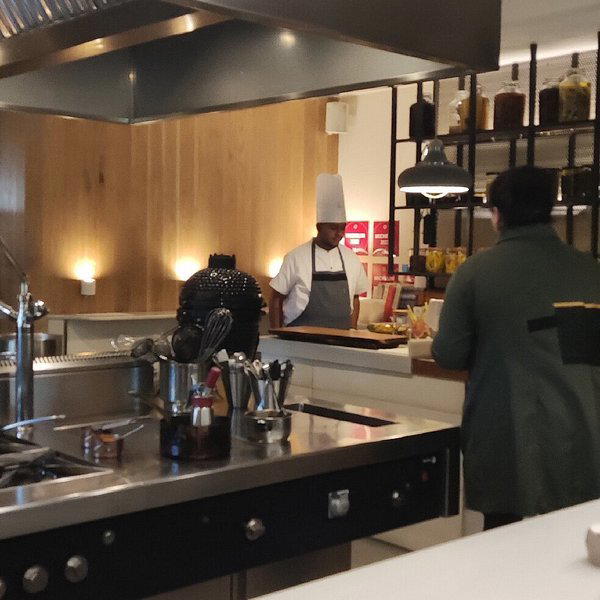
Hotels in Villaverde de Pontones
Browse all →
Details
- Elegant
- Rustic
- Intimate
- Scenic
- Sophisticated
- Special Occasion
- Date Night
- Celebration
- Garden
- Historic Building
- Private Dining
- Extensive Wine List
- Sommelier Led
- Local Sourcing
- Farm To Table
- Garden
- Tasting Menu
- Vegetarian Friendly
- Gluten Free Options
- Vegan Options
Current opening hours
- Monday
- Closed
- Tuesday
- Closed
- Wednesday
- 1:15–2 PM
- Thursday
- 1:15–2 PM
- Friday
- 1:15–2 PM, 8:15–9 PM
- Saturday
- 1:15–2 PM, 8:15–9 PM
- Sunday
- 1:15–2 PM
Hours can change for holidays and private events. Last verified .
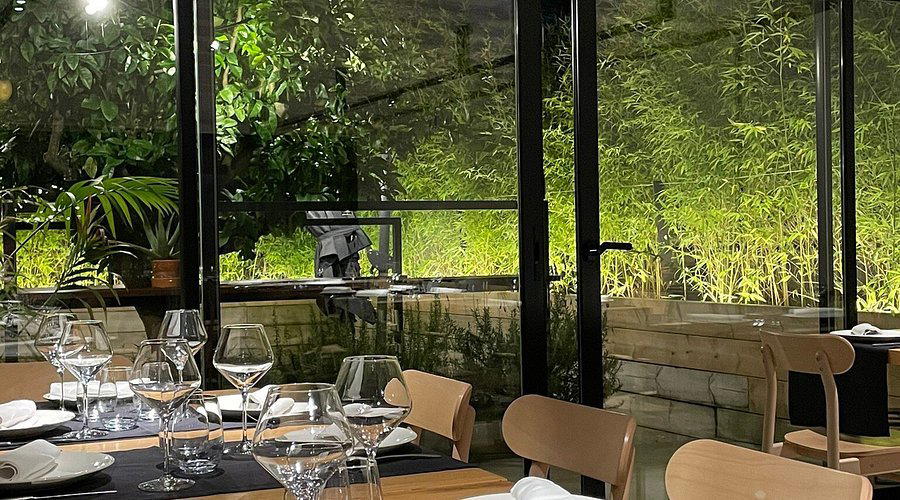
Elegant dining rooms blending rustic and modern elements under historic frescoes, with a cozy glass-paned pavilion and terrace for appetizers