
Michelin Bib Gourmand
Our verdict
Lan Xin on Jinxian Road holds consecutive Michelin Bib Gourmand recognition for 2024 and 2025, placing it among the French Concession's most consistent addresses for honest Shanghainese cooking. The ¥ price point makes it one of the few Michelin-recognised options in the city where the bill doesn't require deliberation.

Pearl is the En Primeur Club membership app, where members save venues, book tables and use the concierge.
The menu
What to order
- Braised pork with green peppers
- Fried pomfret
- Crab eggs
- Fried shrimp
- Pickled pork with preserved vegetables
A French Concession Side Street and What It Says About Shanghainese Cooking
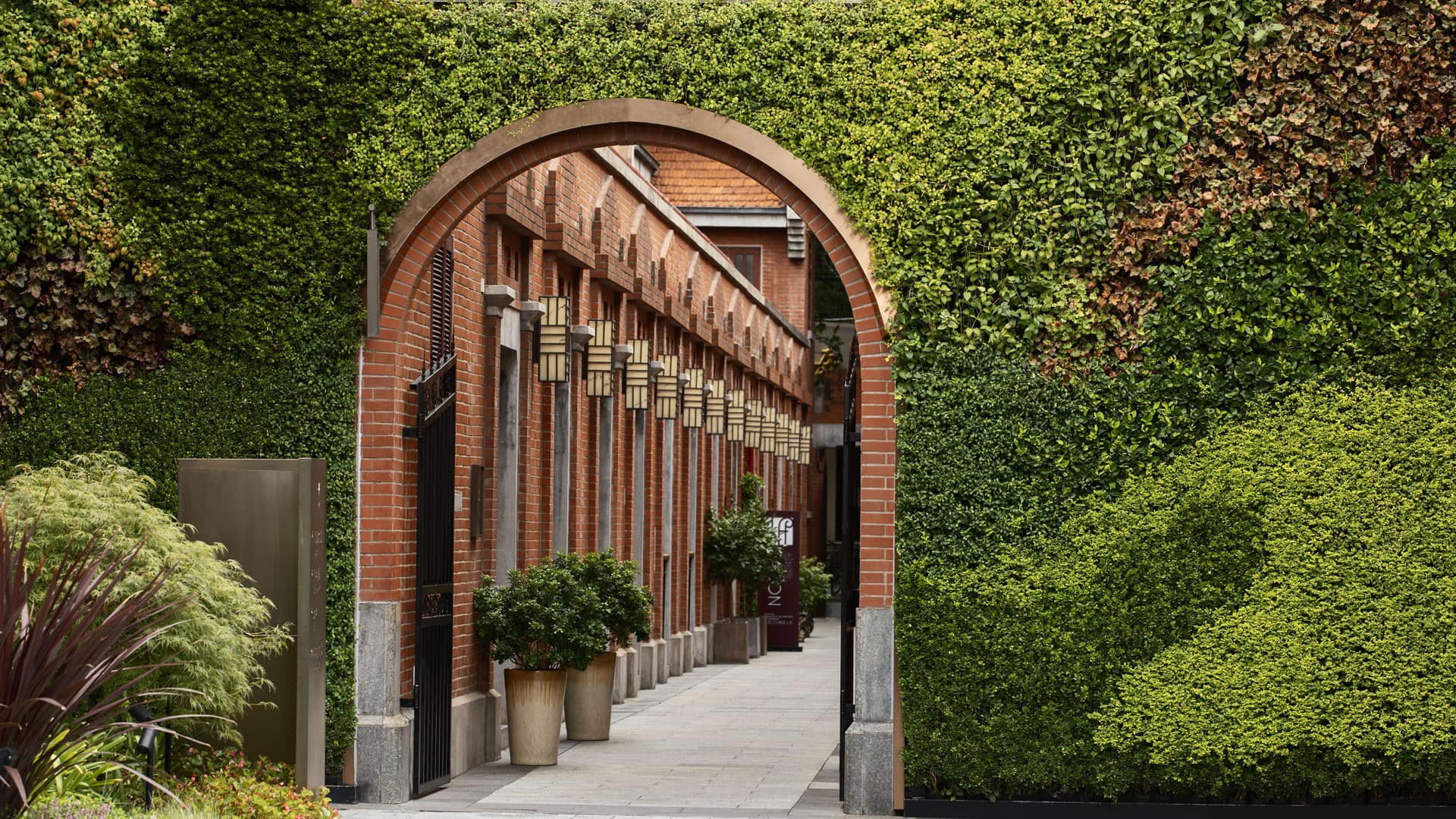
Jinxian Road sits in the quieter interior of the former French Concession, a stretch of low-rise lane houses and plane trees that has resisted the full commercial conversion of nearby Xintiandi. The address, 130 Jinxian Road, Huangpu, places Lan Xin in a neighbourhood where the surrounding architecture still does some of the work, where the dining room's context is a residential block rather than a retail corridor. In Shanghai, that physical positioning carries a signal: places on streets like this tend to serve locals first, and their longevity depends on repeat custom rather than foot traffic from tourists arriving by guidebook.
That context matters when reading Lan Xin's kitchen. Shanghainese cuisine at its core is a tradition built around slow-braised pork, fresh-water fish preparations, vinegar-bright cold dishes, and a sweetness in the soy base that distinguishes it sharply from Cantonese or Sichuanese cooking. The great Shanghainese restaurants of the city, Fu 1088, Fu 1015, Fu 1039, sit at the higher end of the price register, operating in restored lane houses with wine lists and private dining rooms that push the category into luxury territory. Lan Xin operates on a different axis entirely: ¥ pricing, a neighbourhood-scale format, and recognition that comes from consistency rather than ceremony.
Michelin's Bib Gourmand and What the Award Actually Measures
The Michelin Bib Gourmand, awarded to Lan Xin in both 2024 and 2025, is a specific designation worth understanding precisely. It does not measure ambition or technique in the starred sense; it measures quality relative to price, specifically, the ability to deliver food the guide's inspectors consider above its market tier. In Shanghai's Michelin ecosystem, where starred restaurants in the Shanghainese category can require significant per-head spend, consecutive Bib Gourmand recognition positions Lan Xin as the type of address the guide uses to argue that serious cooking does not require a high price ceiling.
Consecutive recognition across two guide cycles is the more meaningful data point. A single-year Bib Gourmand can reflect a good inspection visit. Two in sequence reflect an operation that has maintained its standard across a full year of service, kitchen turnover, and supply-chain variation. Among the Shanghai Shanghainese addresses in EP Club's coverage, that kind of consistency at the ¥ tier is less common than the award's casual visibility might suggest. For comparison, Lao Zheng Xing and Cheng Long Hang (Huangpu) operate in the same broad tradition; each occupies a distinct position in the city's hierarchy of Shanghainese institutions.
The Chef's Background and How It Shapes the Kitchen's Register
The chef name on record is Sven Waldenmaier, which stands as one of the more unusual credentials attached to a Michelin-recognised Shanghainese restaurant in China. A non-Chinese chef running a kitchen focused on a deeply regional cuisine is not unprecedented globally, European chefs have earned recognition for Japanese, Thai, and Indian cooking, but it remains rare enough in the Shanghainese category that it functions as editorial context rather than mere biographical footnote.
What a chef with foreign training brings to a regional Chinese kitchen is typically a particular kind of distance: the ability to treat a cuisine's foundational techniques as a set of discrete problems to solve rather than inherited reflexes to replicate. Those are not always the same audience, and satisfying both is a more demanding benchmark than satisfying either alone.
The combination of an international chef profile and a ¥ price point also places Lan Xin in a small subset of Shanghai dining: not the prestige Shanghainese houses, not the cheap-and-cheerful local canteens, but a middle tier where culinary craft operates without the infrastructure of luxury service. For readers looking at the Shanghainese category across Chinese cities, comparable dynamics, a regional cuisine interpreted through a formal culinary lens at accessible price points, appear in different forms at addresses like Shanghai Cuisine in Beijing and Liu Yuan Pavilion in Hong Kong, though each city's version of the cuisine carries its own local inflection.
Shanghainese Cooking in a Wider Chinese Dining Context
Across the major Chinese cities covered in EP Club's guides, fine regional Chinese cooking has developed in distinct directions. In Macau, addresses like Chef Tam's Seasons operate at the luxury end of Cantonese tradition. In Guangzhou, Imperial Treasure Fine Chinese Cuisine represents the institutional end of Cantonese fine dining. In Hangzhou, Ru Yuan works within Jiangnan traditions that share ingredients and historical roots with Shanghainese cooking without replicating it. In Nanjing, Dai Yuet Heen occupies a different tier of Chinese regional cuisine. In Beijing, Xin Rong Ji (Xinyuan South Road) and Xin Rong Ji in Chengdu represent a premium Zhejiang-influenced model that overlaps with the Shanghainese canon in technique and ingredient palette.
Shanghainese cuisine's specific identity, its reliance on hairy crab in season, its braising traditions built around soy and Shaoxing wine, its cold-dish starters with black vinegar and sesame, its freshwater fish preparations, tends to be most faithfully represented in Shanghai itself, where the supply chains and customer expectations keep the cooking honest. Lan Xin sits within that tradition at a price point that makes it genuinely accessible, which is a rarer proposition than the Michelin recognition alone might suggest.
Planning Your Visit
The address is 130 Jinxian Road in the Huangpu district, reachable from the French Concession's main metro lines. At the ¥ price tier, walk-in visits may be possible on quieter weekday services, though the Bib Gourmand visibility in the 2024 and 2025 guides will have increased demand; arriving early or checking the booking situation in advance is prudent.
For broader Shanghai planning, EP Club's full city guides cover the complete picture: restaurants, hotels, bars, wineries, and experiences.
Frequently asked questions
What should I order at Lan Xin (Jinxian Road)?
Lan Xin's Michelin Bib Gourmand recognition, awarded in both 2024 and 2025, is tied to its Shanghainese cuisine at the ¥ price tier. The Shanghainese tradition runs through slow-braised preparations, vinegar-dressed cold starters, and fresh-water fish dishes built on soy-and-wine bases. What the awards signal is that the kitchen is consistent, and in a regional Chinese tradition like this, the core dishes of the canon, the red-braised pork, the seasonal cold plates, the rice or noodle foundations, are the most reliable reference points for a first visit.
Credentials Lens
A quick peer reference to anchor this venue in its category.
| Venue | Cuisine | Price | Awards | Notes |
|---|---|---|---|---|
| Lan Xin (Jinxian Road)This venue (the venue you are viewing) | Authentic Shanghainese Home-Style Cooking | $1–10 | Michelin Bib Gourmand | Not listed |
| Fu He Hui | Modern Seasonal Vegetarian Fine Dining | $200–300 | 2 Michelin Stars · World's 50 Best #11 | Vegetarian |
| Ming Court | Cantonese with Shanghainese Influences | $30–50 | 1 Michelin Star · Black Pearl 1 Diamond | Cantonese |
| Polux | French Bistro | $30–50 | Michelin Bib Gourmand | French |
| Royal China Club | Cantonese Dim Sum | $100–150 | Michelin Plate · The Good Food Guide GFG Good | Chinese, Cantonese |
| Scarpetta | Refined Italian Pasta & Pizza | $50–100 | Michelin Plate · Wine Spectator Best of Award of Excellence | Italian |
Recognition history
Dated appearances from independent guides and award organizations, with the underlying list record or original source where available.
Michelin Bib Gourmand
Michelin
Full recognition history (3 entries)
Michelin Bib Gourmand
Michelin
Michelin Bib Gourmand
Michelin
Continue exploring
More in Shanghai
Restaurants in Shanghai
All restaurants in Shanghai →
Bars in Shanghai
All bars in Shanghai →


Details
- Rustic
- Cozy
- Intimate
- Casual Hangout
- Group Dining
- Family
- Private Dining
- Historic Building
- Local Sourcing
- A La Carte
- Family Style
Current opening hours
- Monday
- 10 AM–9:30 PM
- Tuesday
- 10 AM–9:30 PM
- Wednesday
- 10 AM–9:30 PM
- Thursday
- 10 AM–9:30 PM
- Friday
- 10 AM–9:30 PM
- Saturday
- 10 AM–9:30 PM
- Sunday
- 10 AM–9:30 PM
Hours can change for holidays and private events. Hours as of .
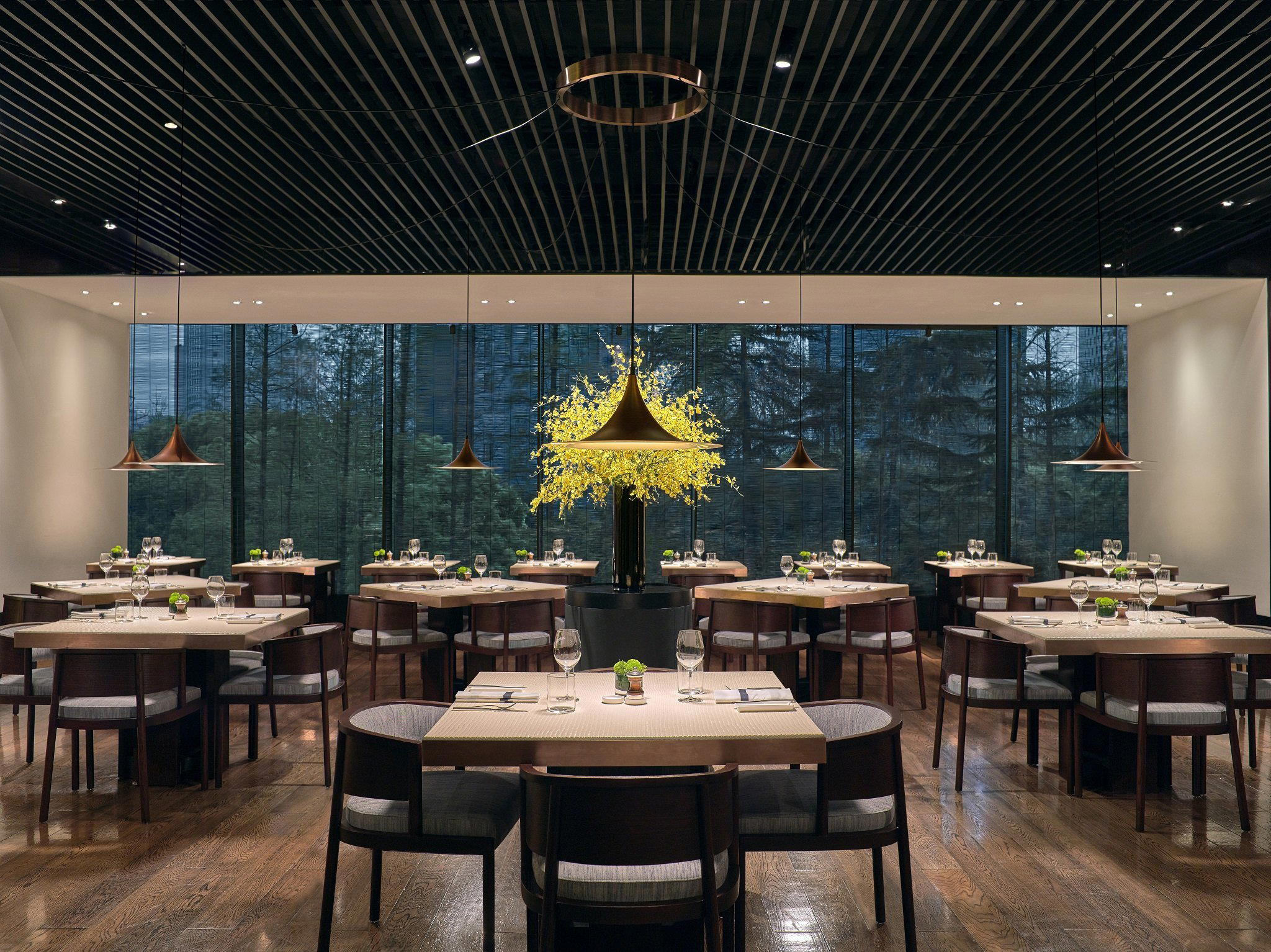
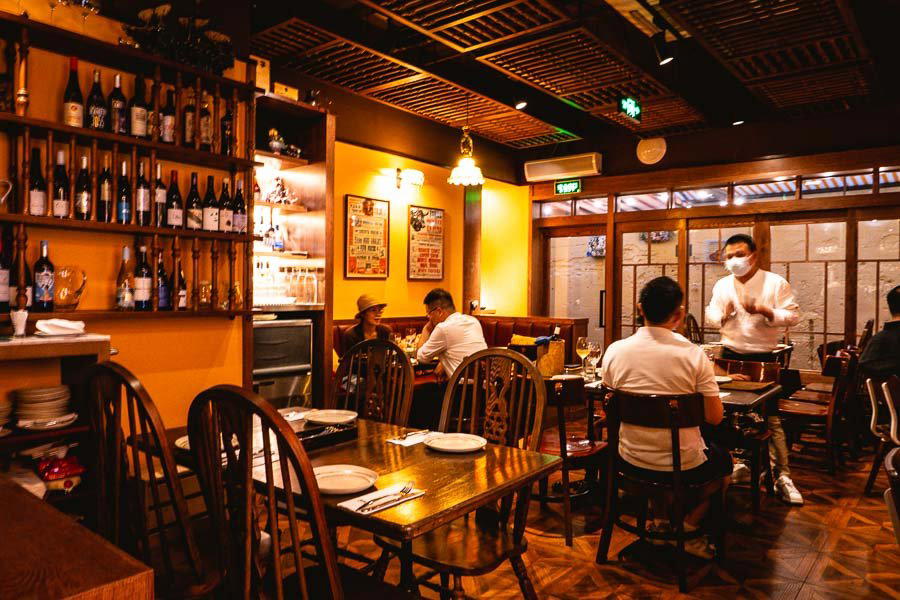
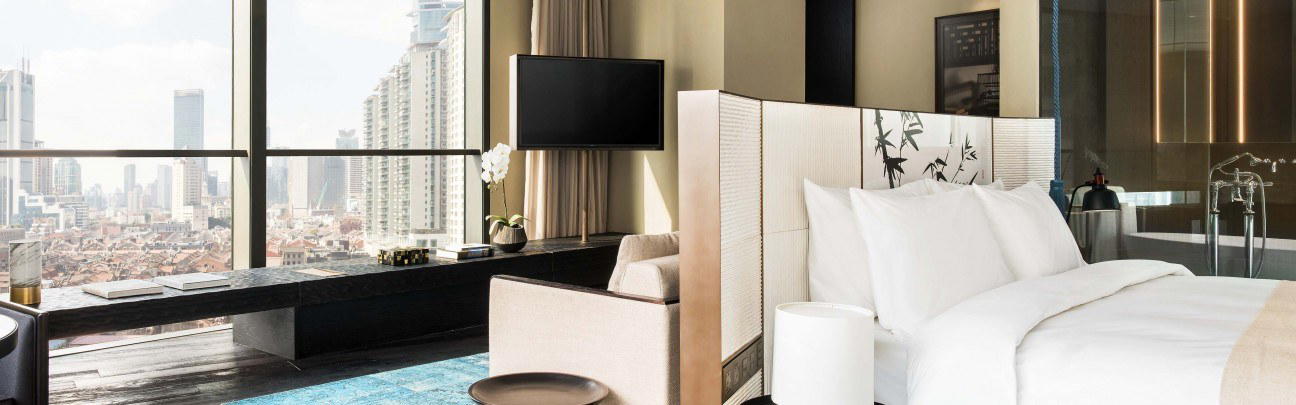
Modest, cramped interior with simple wooden tables and steep stairs; warm and homely atmosphere reminiscent of old Shanghai; often crowded with long queues outside.