
A Michelin Bib Gourmand-recognised noodle shop on Penglai Road in Huangpu, Yunhe sits in the tier of Shanghai noodle counters where seafood toppings and house-made pasta intersect at mid-range prices. Spinach noodles crowned with crabmeat, roe, or a shrimp trio define the menu, while the interior's neon signs and graffiti murals mark it as something deliberately different from the neighbourhood's understated exterior.
Pearl is the En Primeur Club membership app — saves, bookings, and concierge access live there. Same editors, same standards.
- Address
- 188 Penglai Rd, Huangpu, Shanghai, China, 200010
- Phone
- +86 157 2157 8788
- Directions
- Get directions
 Saves & bookings on Pearl
A Residential Street, a Subtle Sign, and a Room That Rewrites Expectations
Penglai Road in Huangpu is not where most visitors go looking for a Michelin-recognised meal. The block around number 188 reads like any other mid-density Shanghai neighbourhood: low-rise residential, small convenience shops, the kind of street that moves at its own pace without any apparent interest in attracting attention. Yunhe Noodle is a Modern Shanghainese Noodle House in Huangpu, Shanghai, at 188 Penglai Rd, with a recommended reservation policy and a price level around $30 per person. The sign for Yunhe Noodle is easy to miss. That tension between anonymous exterior and what waits inside is precisely the dynamic that defines a certain tier of Shanghai noodle shops, places operating on neighbourhood credibility and word-of-mouth long before any external recognition arrives.
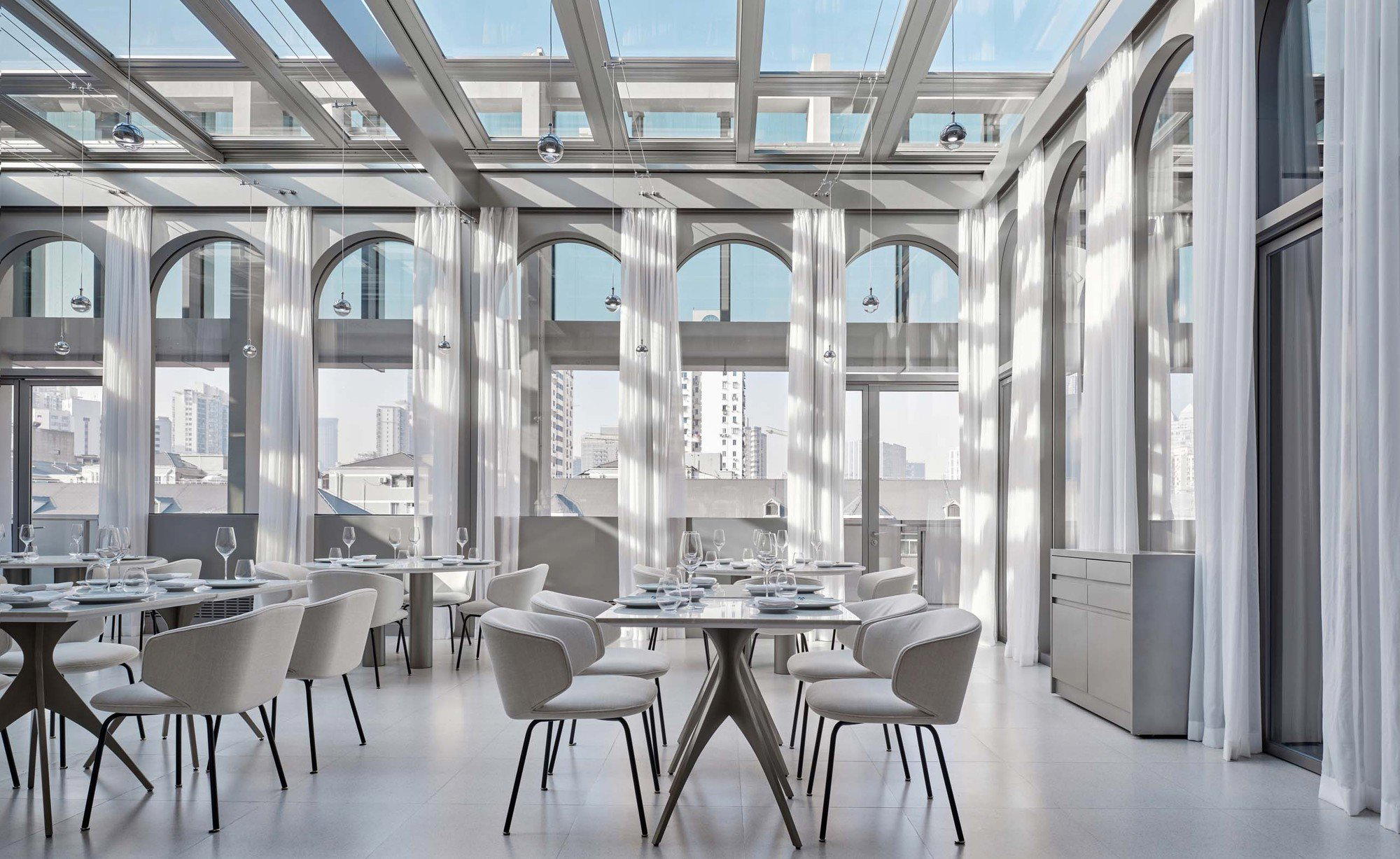
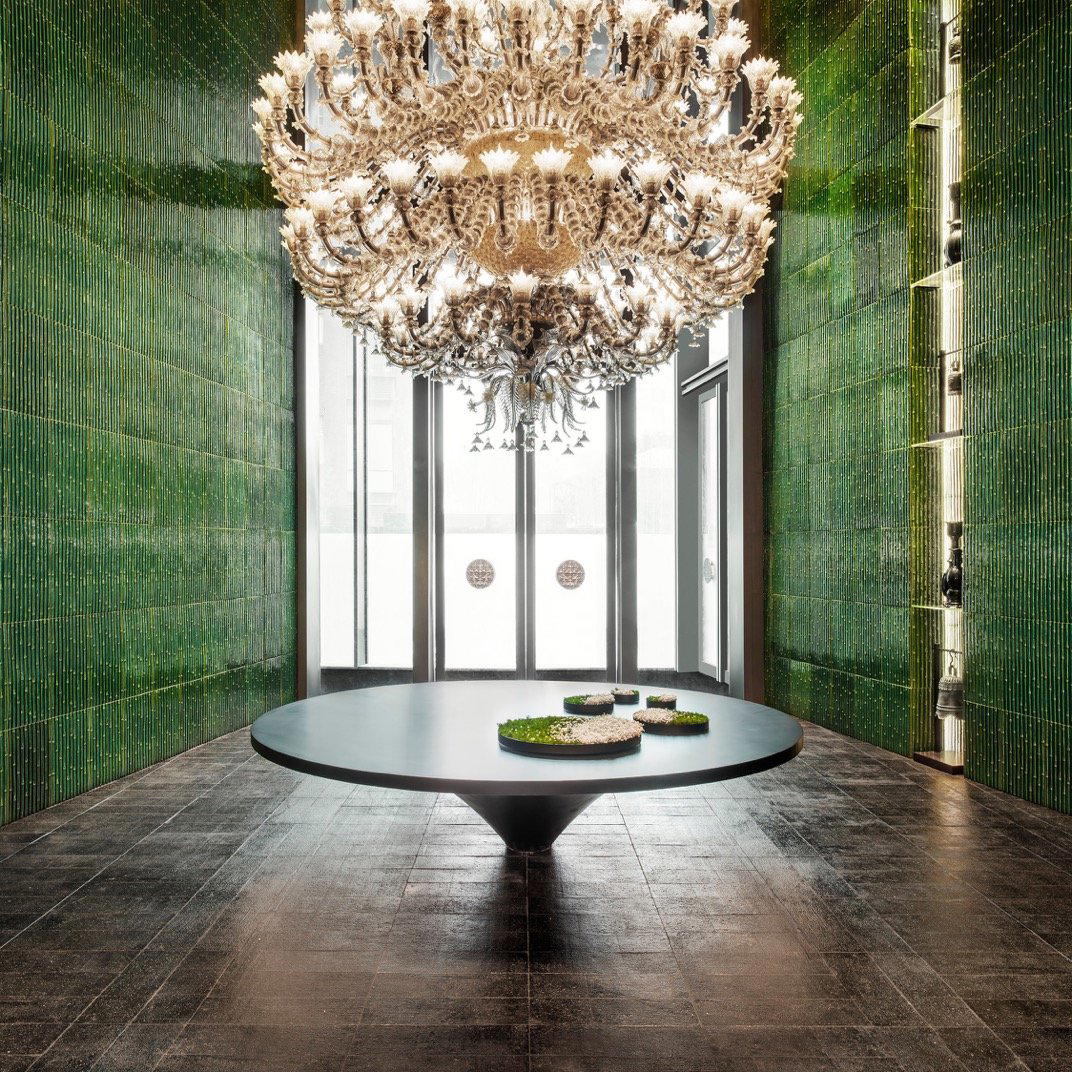
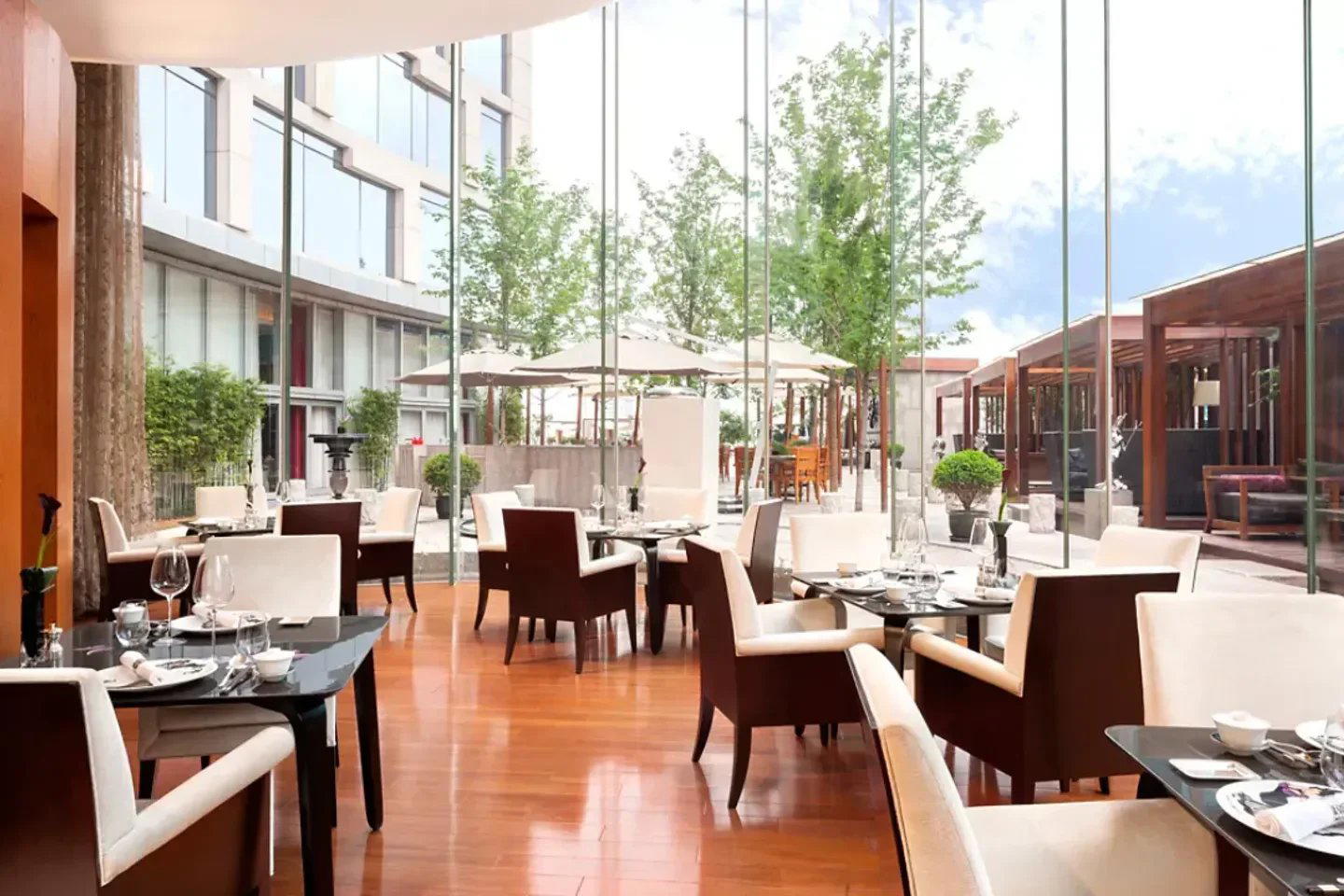
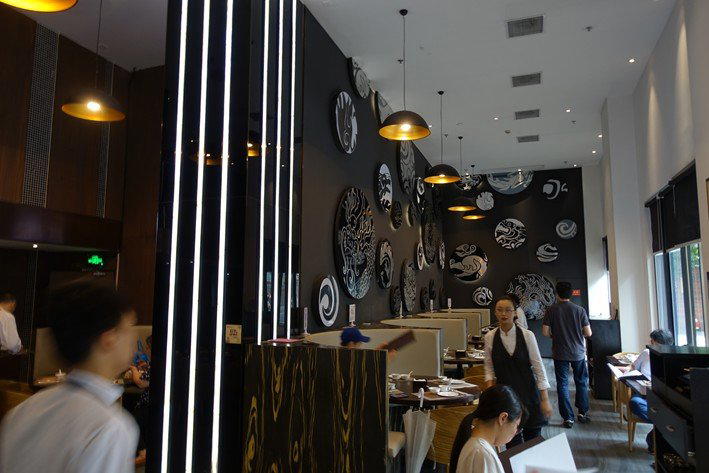
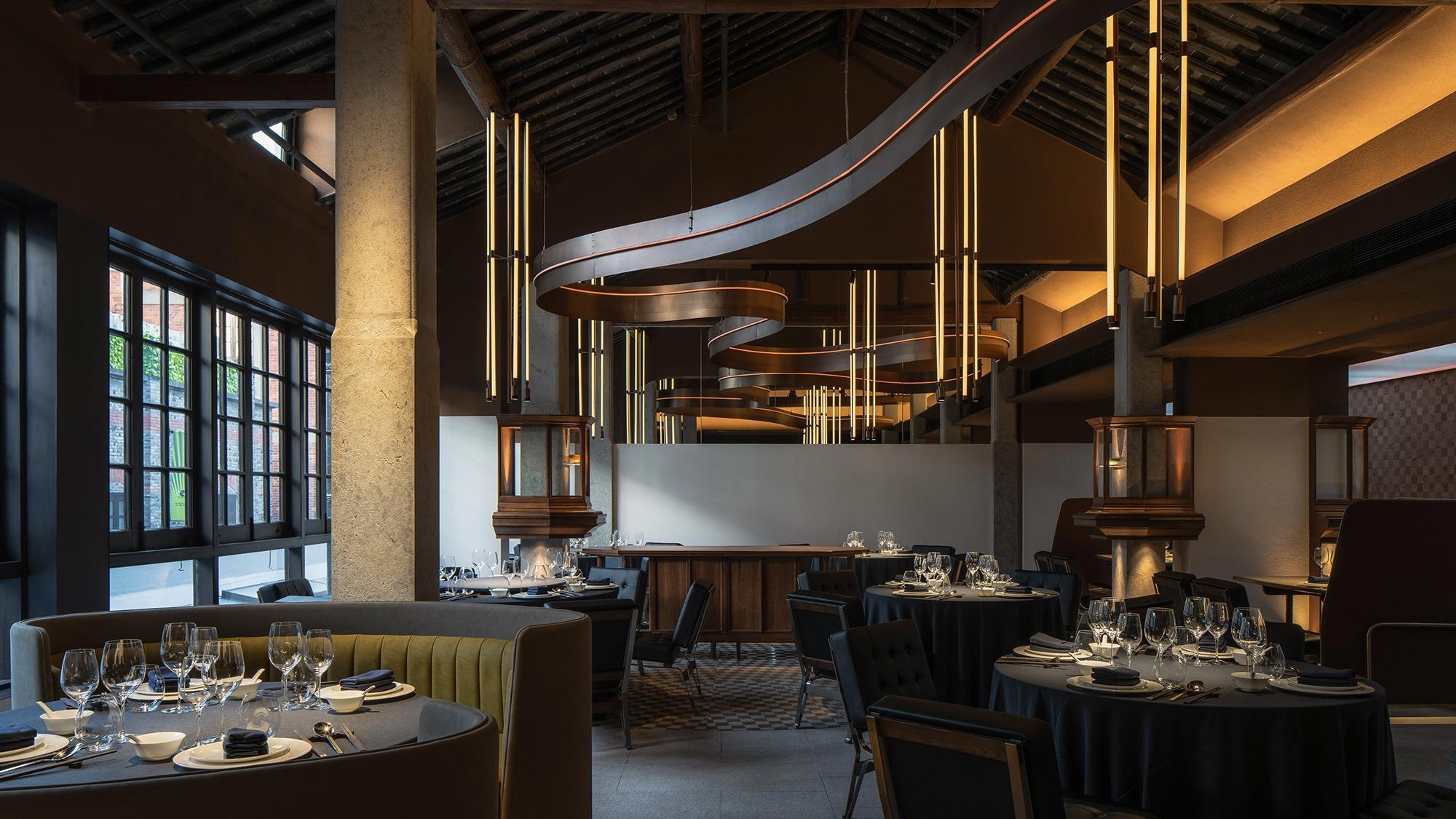
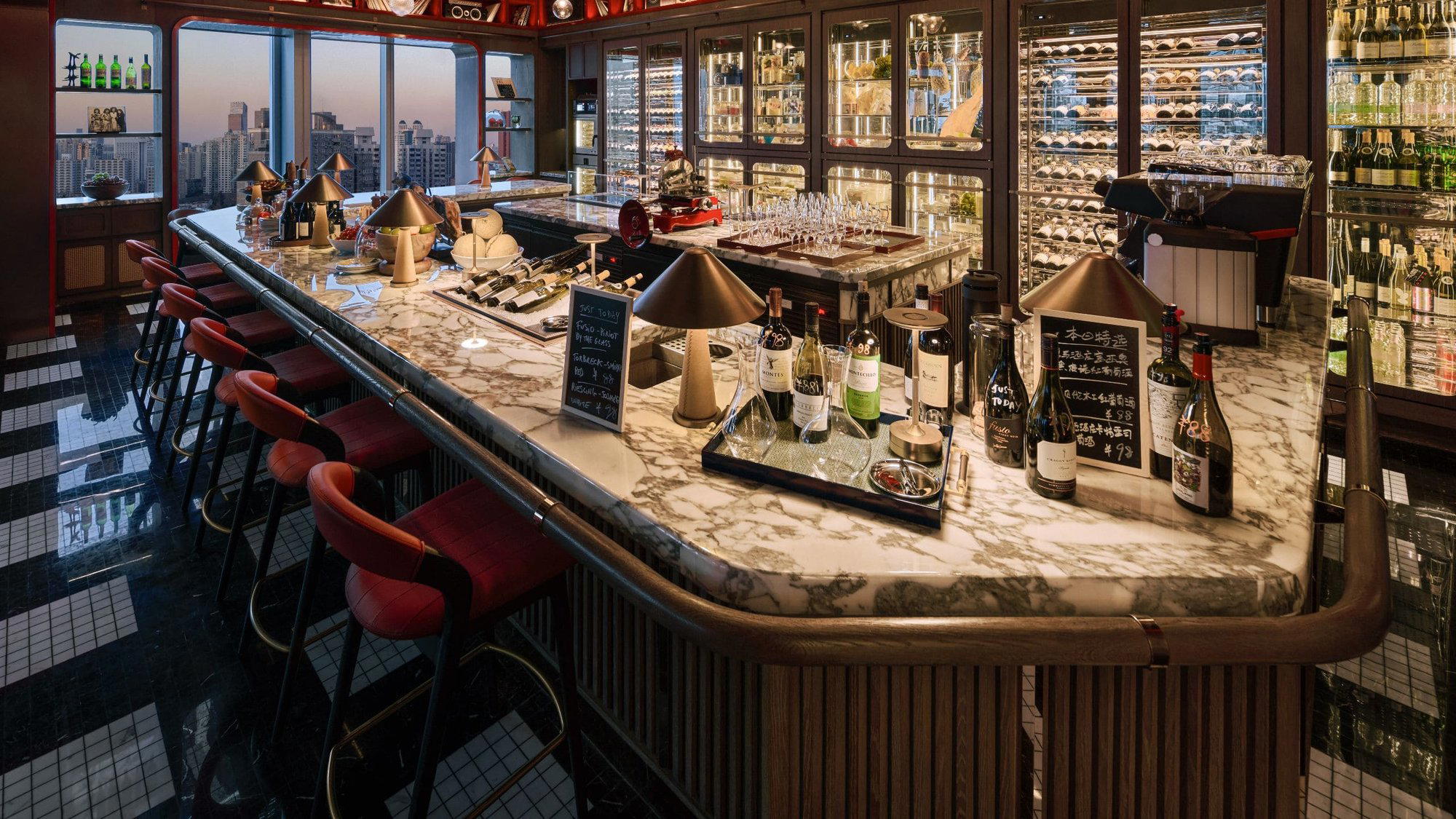
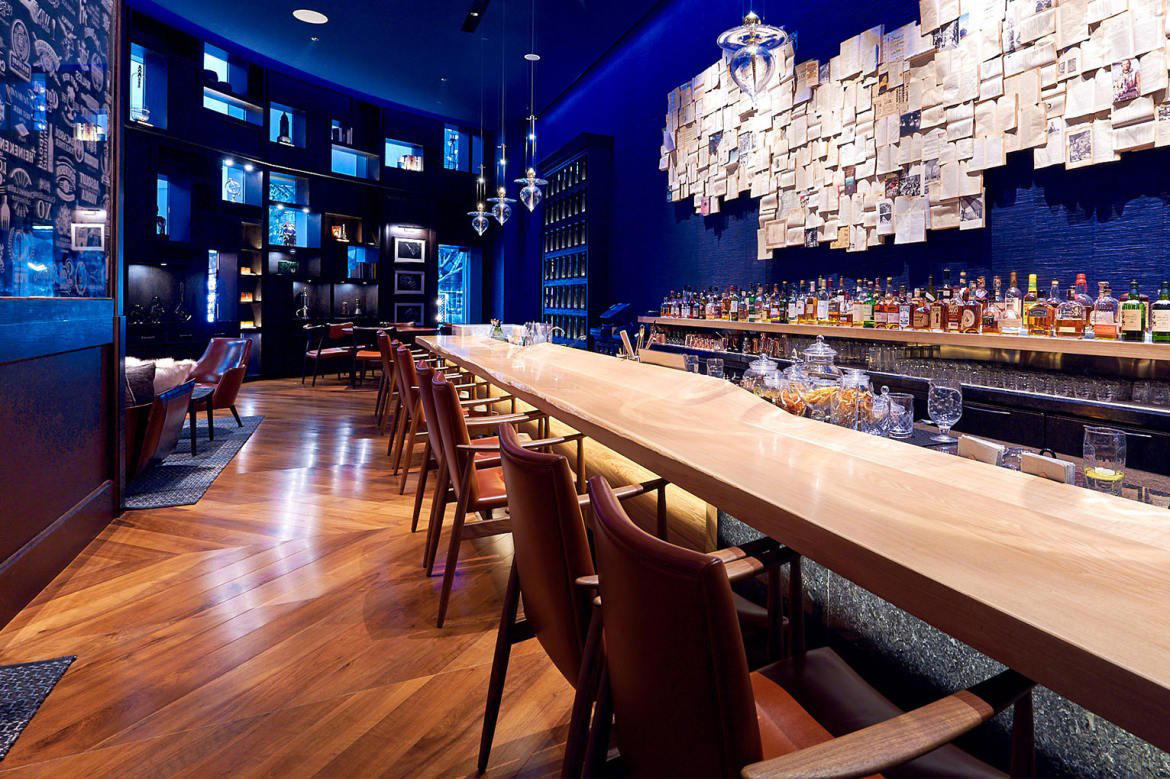
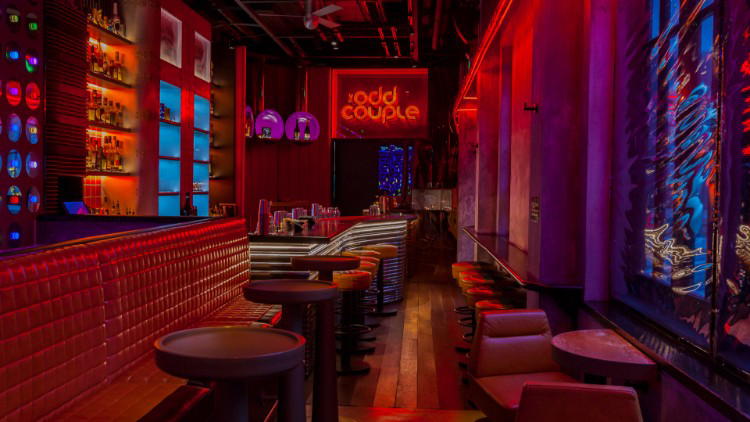
When the door opens, the interior trades the street's quietude for something deliberately louder: neon signs, graffiti murals, the visual grammar of an urban creative space rather than a traditional noodle house. It is a studied contrast, not an accidental one. Across Shanghai, this kind of aesthetic repositioning has become one of the more reliable signals that a kitchen is equally serious about what it puts in the bowl. The theatrics signal intent without replacing substance. In Yunhe's case, the substance is built around house-made spinach noodles and a seafood topping programme that positions the shop against a meaningfully different comparable set than the city's plainer broth counters.
Where Yunhe Sits in Shanghai's Noodle Hierarchy
Shanghai's noodle scene covers an enormous range, from the deep-broth simplicity at counters like Lao Di Fang Mian Guan and the Wuxi-style sweetness found at Jingmei Wuxi Noodles (Jingan), to the yellow croaker-focused bowls that have become their own sub-category, anchored by spots like Rongjia Noodles Soup with Yellow Croaker (Jingan). Within that range, Yunhe occupies the upper segment of the mid-price tier: a ¥¥ operation that, through its choice of ingredients and Michelin Bib Gourmand recognition in 2025, competes less with canteen-style shops and more with the handful of noodle houses that treat each bowl as a composed dish.
The Bib Gourmand designation is a useful positioning marker here. Michelin applies it to places offering what the guide considers good cooking at moderate prices, and in the context of a noodle shop in Huangpu, it effectively separates Yunhe from the broader mid-range field. Peers such as A Niang Mian Guan and Wei Xiang Zhai (Yandang Road) operate in related territory, and understanding how each approaches toppings, broth, and pasta-making craft helps clarify what distinguishes one from another. At Yunhe, the differentiator is the seafood programme built on premium ingredients: crabmeat with roe, a shrimp trio combining shrimps, tomalley and roe, and the option to supplement with clams or matsutake mushrooms. These are not the typical toppings found two streets over.
For a broader view of where the city's noodle shops and dining rooms sit in relation to each other, see the Shanghai restaurants guide.
The Menu: Spinach Pasta as a Platform for Seafood
The decision to build the menu around house-made spinach noodles is not decorative. Spinach dough produces a pasta with a distinct colour and a slightly more structured bite than plain flour noodles, and that texture change matters when the toppings are as delicate as crabmeat or roe. The noodle needs to carry weight without overwhelming the seafood, and a house-made product gives the kitchen control over that balance in a way that sourced noodles cannot.
The headline toppings are the crabmeat with roe and the shrimp trio. The latter, composed of whole shrimps, tomalley and roe, brings three different expressions of the same ingredient to the bowl: the firm sweetness of the shrimp itself, the fatty richness of the tomalley, and the briny intensity of the roe. It is a construction that rewards attention rather than speed. The optional additions of clams or matsutake mushrooms extend the bowl in different directions: clams add a clean brine and open up the broth, while matsutake brings an earthiness that sits in contrast to the seafood base. These additions put the customisation logic closer to a composed seafood dish than to the fixed-format bowls that dominate the category.
Seaweed-crusted yellow croaker also warrants attention. Yellow croaker occupies a specific place in Shanghai food culture, it appears across price tiers and across formats, from home cooking to high-end restaurant menus, and the seaweed crust treatment here represents a distinct approach to a fish that many kitchens treat more plainly. For context on how the same ingredient appears elsewhere in the city's noodle tradition, Rongjia Noodles Soup with Yellow Croaker (Jingan) provides a direct point of comparison.
Shanghai Seafood Noodles in Regional Context
Yunhe connects to a broader shift visible across China's premium noodle shops: the use of high-specification seafood to anchor a bowl that was once defined primarily by its broth. In coastal cities, this shift has been most pronounced, but it is also visible inland. Precision-focused restaurants in neighbouring cities, from Ru Yuan in Hangzhou to seafood-forward kitchens in Guangzhou such as Imperial Treasure Fine Chinese Cuisine, reflect the same underlying logic: that the quality of individual components matters as much as the overall broth construction.
Within Shanghai specifically, the contrast between Yunhe's approach and the plainer broth-led counters found across Huangpu illustrates the range that now sits within a single price band. Both operate at ¥¥. The difference lies in ingredient sourcing, preparation complexity, and the degree to which the kitchen treats the bowl as a composed dish rather than a functional one. Yunhe's Michelin recognition in 2025 positions it at the more composed end of that spectrum.
Planning Your Visit
Address: 188 Penglai Rd, Huangpu, Shanghai, 200010. Budget: ¥¥, placing it in the moderate tier alongside French mid-range rooms like Polux and well below the ¥¥¥¥ end of the Shanghai dining market. Recognition: Michelin Bib Gourmand 2025.
Just the Basics
Comparable venues nearby, for context on price, style, and recognition.
| Venue | Cuisine | Price | Notes |
|---|---|---|---|
| Yunhe Noodle (Huangpu)This venue — the venue you are viewing | Noodles | $$ | Not listed |
| Yu Du Lao Wei Mian (Huangpu) | Yanqiao Xiang, Zhoushan Seafood Noodles | $$ | Not listed |
| Shanghai | Not listed | $$ | Huangpu, Shanghai (Haipai) Cuisine |
| Yu Ge Zhanjiang (Jingan) | Dabazi, Zhanjiang Cantonese | $$ | Not listed |
| Lu Bo Lang | Not listed | $$ | Lan Ni Du, Traditional Shanghainese Dim Sum |
| Jingmei Wuxi Noodles (Jingan) | Ni Cheng Qiao, Wuxi Noodles | $$ | Not listed |
Recognition history
Dated appearances from independent guides and award organizations, with the underlying list record or original source where available.
Michelin Bib Gourmand
Michelin
Michelin Bib Gourmand
Michelin

At a Glance
- Trendy
- Modern
- Cozy
- Casual Hangout
- Special Occasion
- Open Kitchen
- Sustainable Seafood
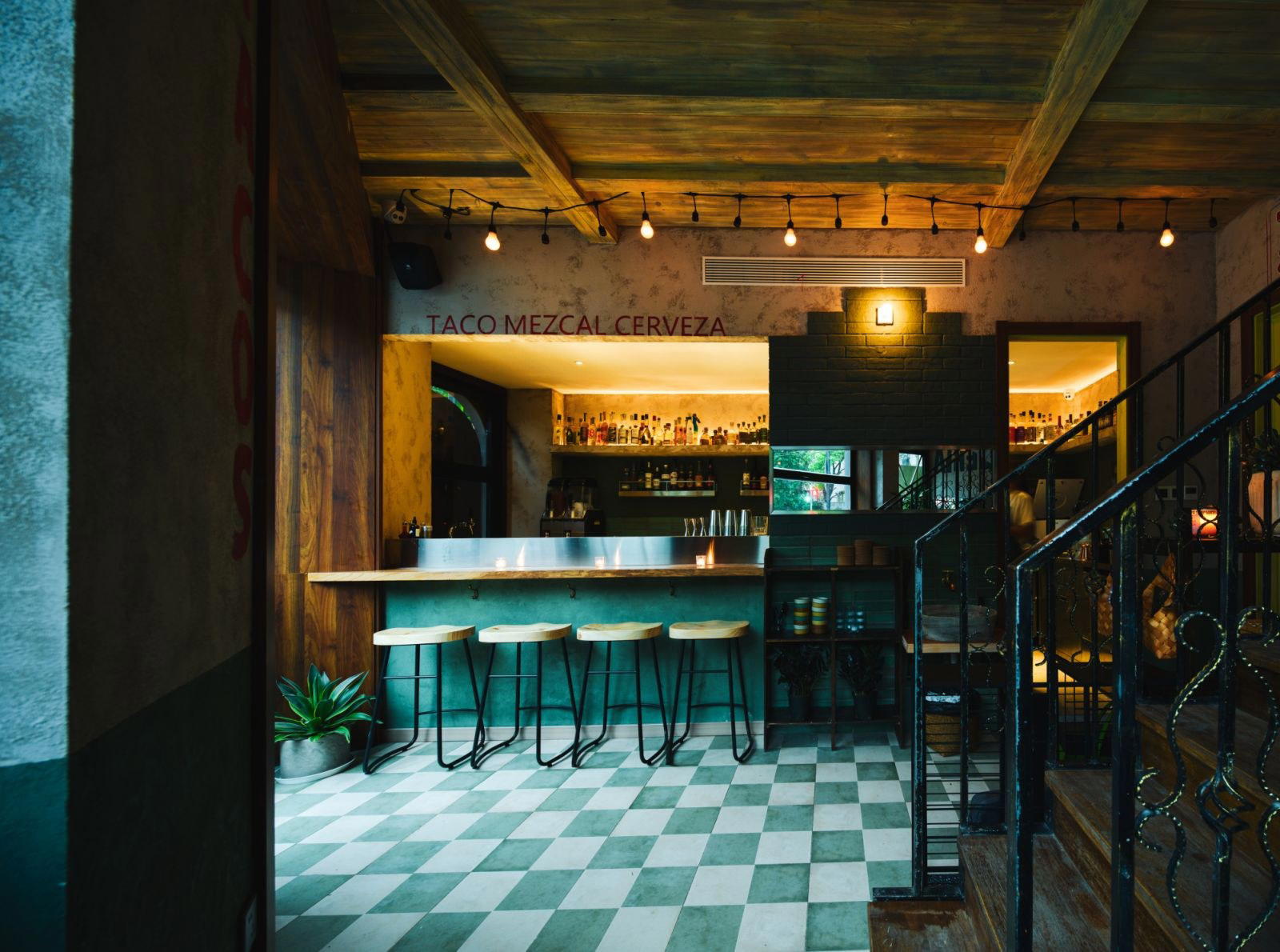
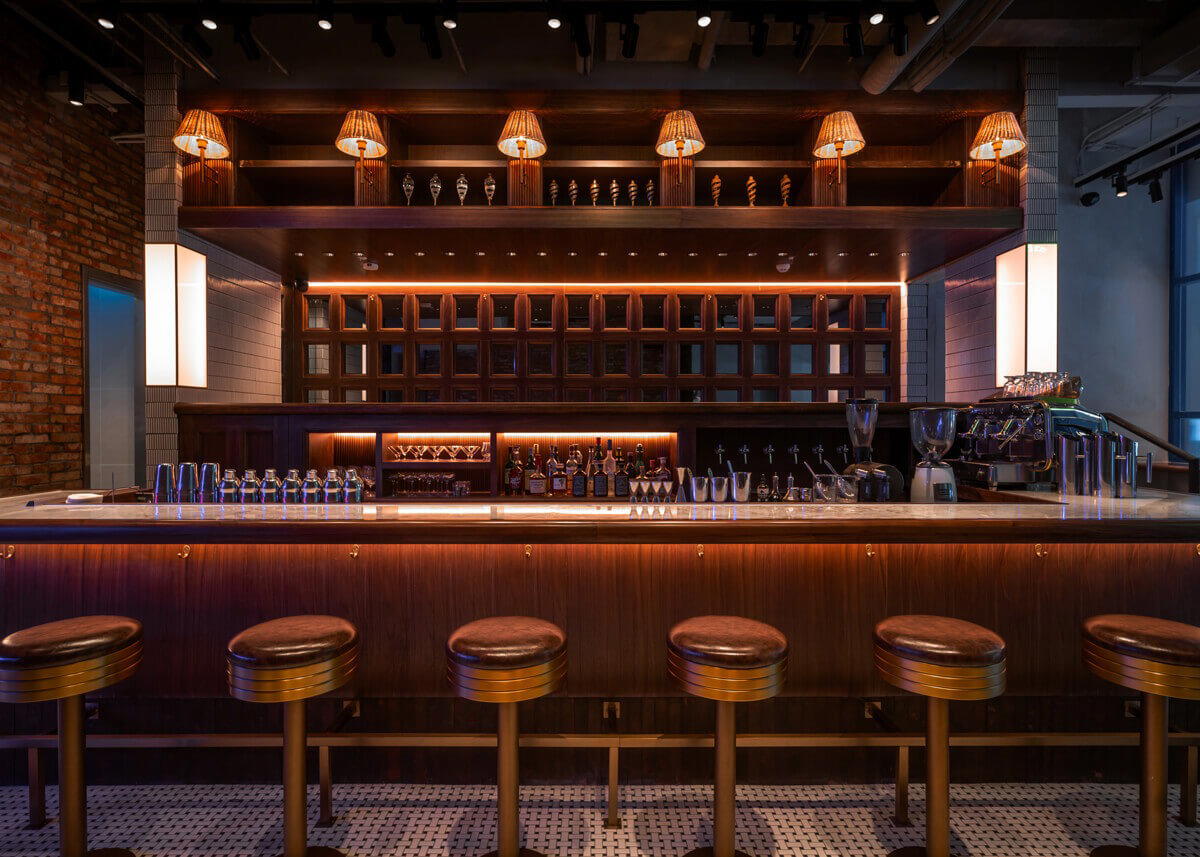
Neon signs and graffiti murals create a buzzy, street-art vibe in a compact, artsy space.