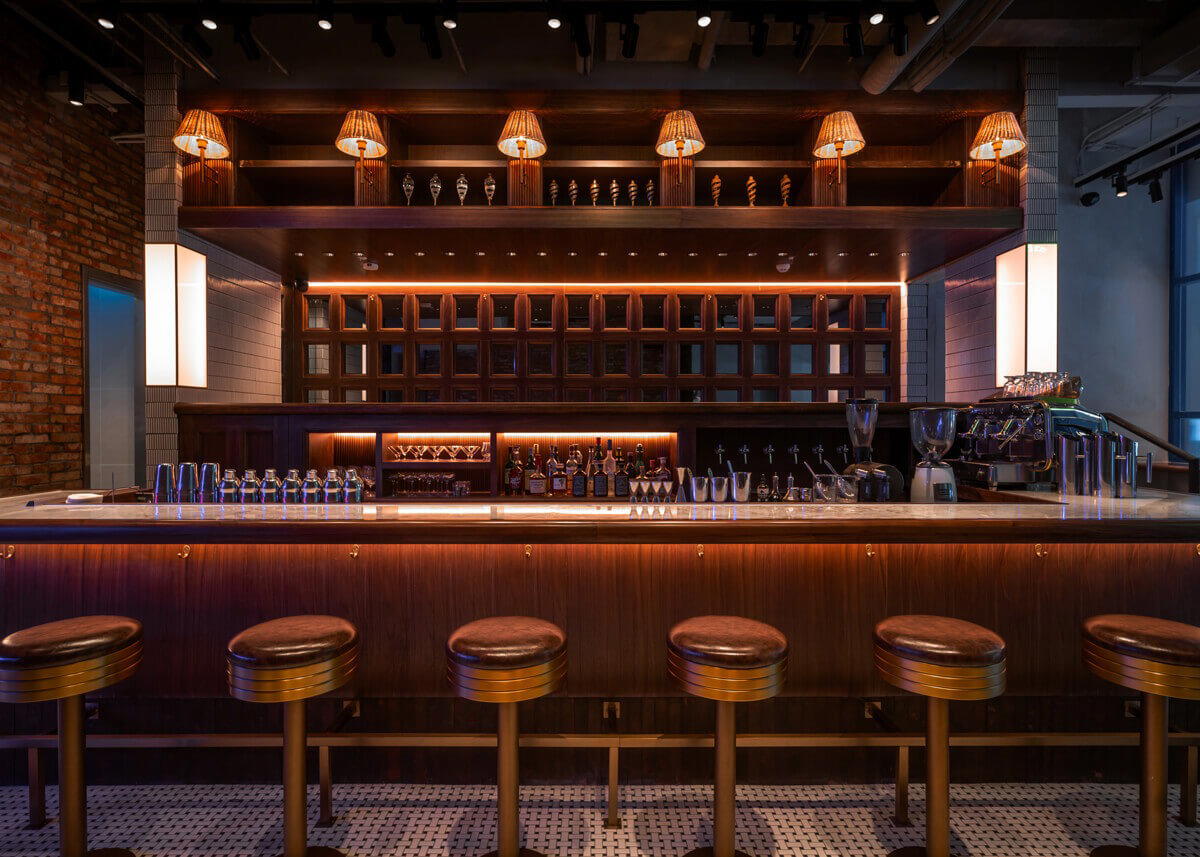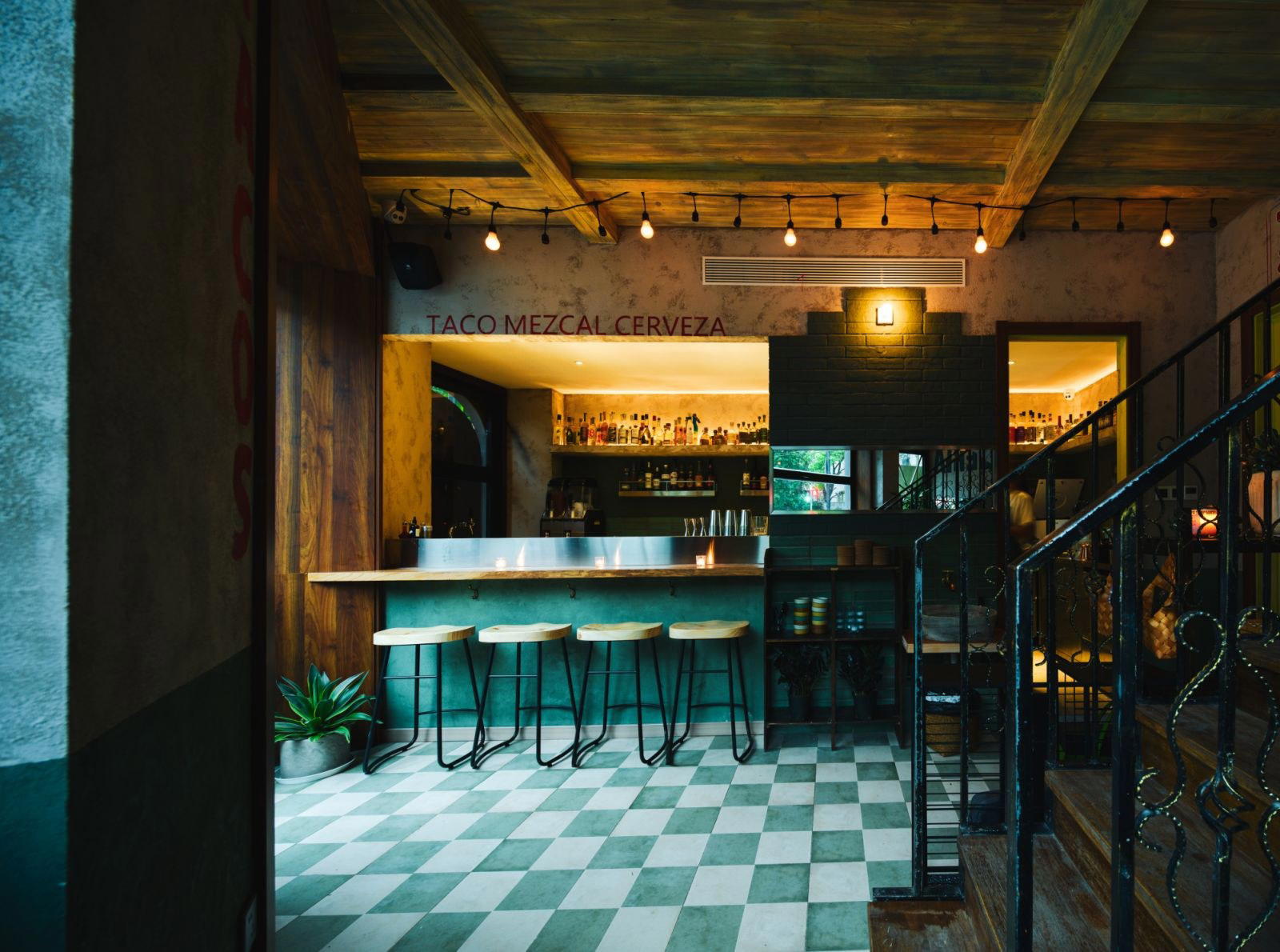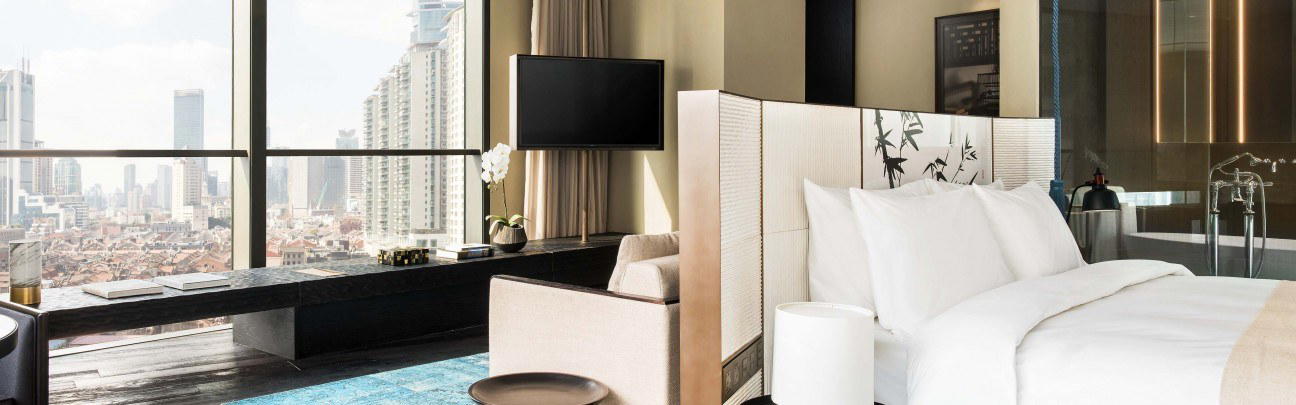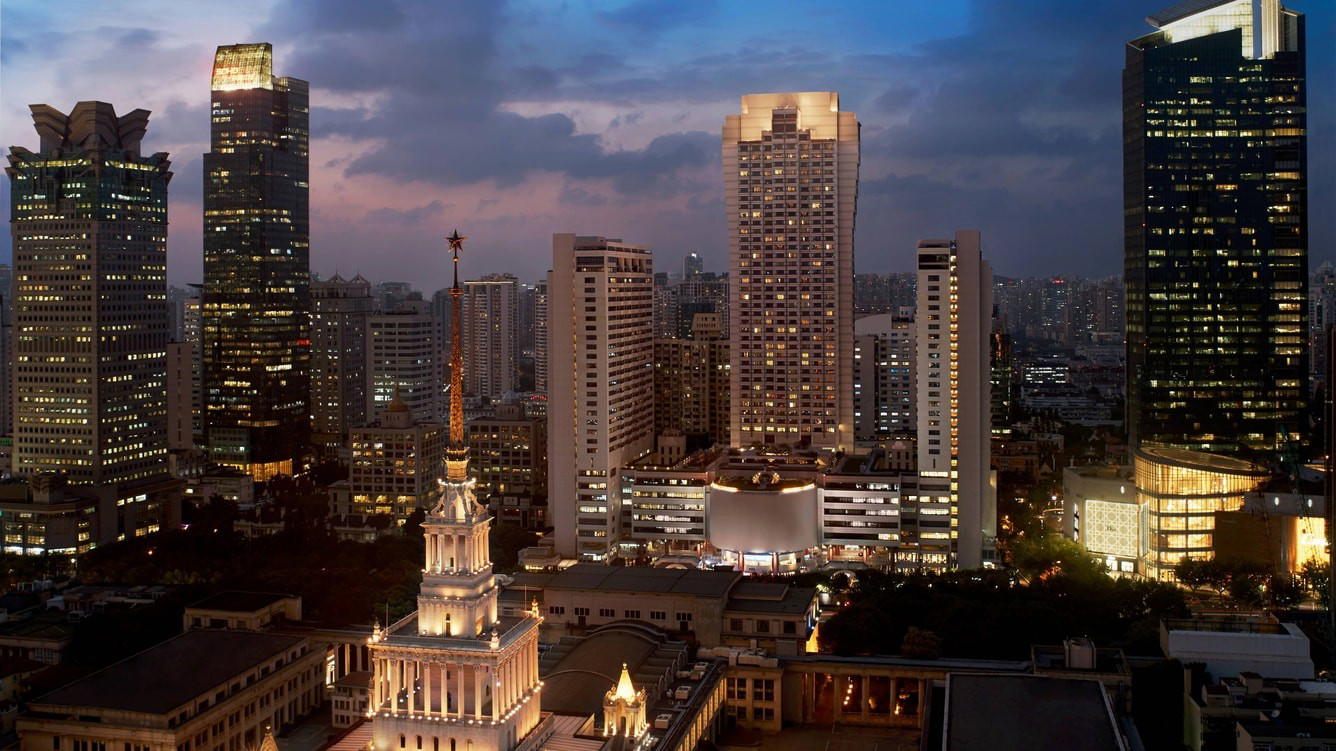

Michelin Plate · Black Pearl 1 Diamond
Our verdict
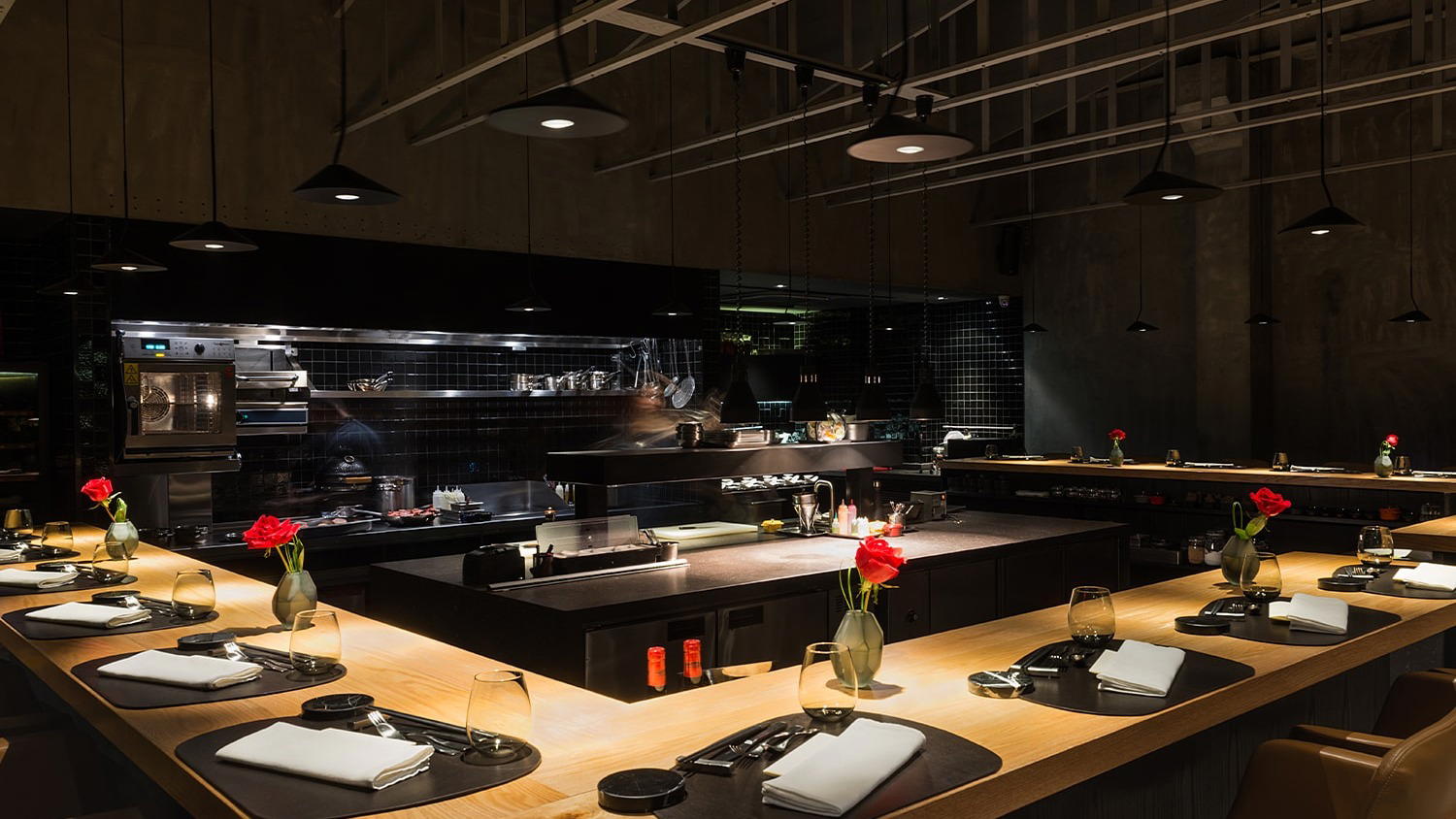
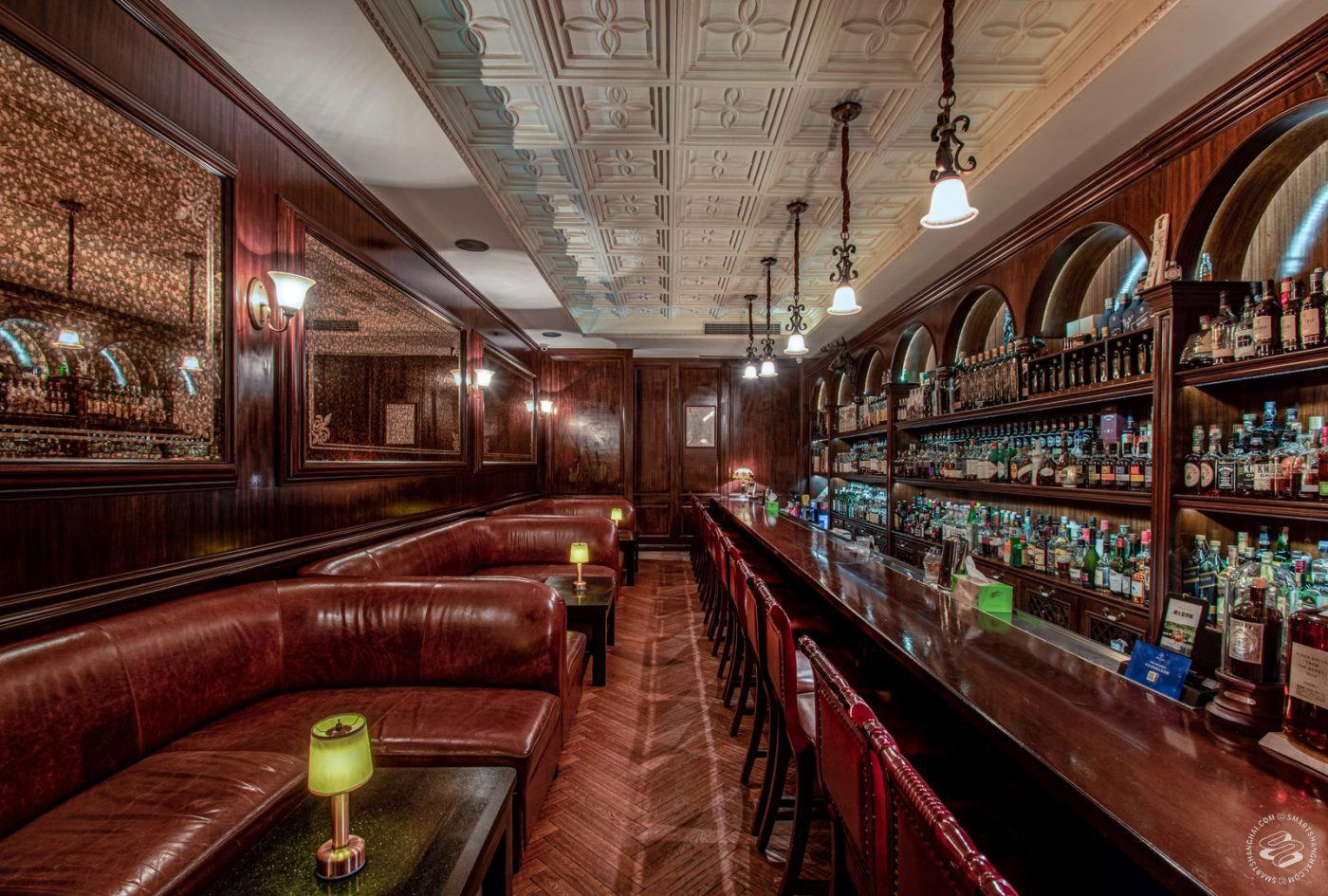
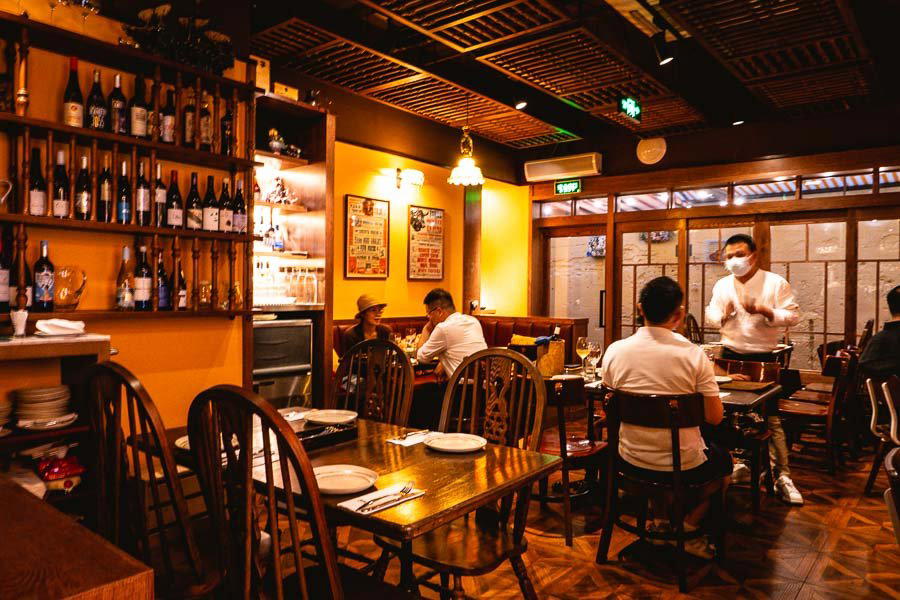
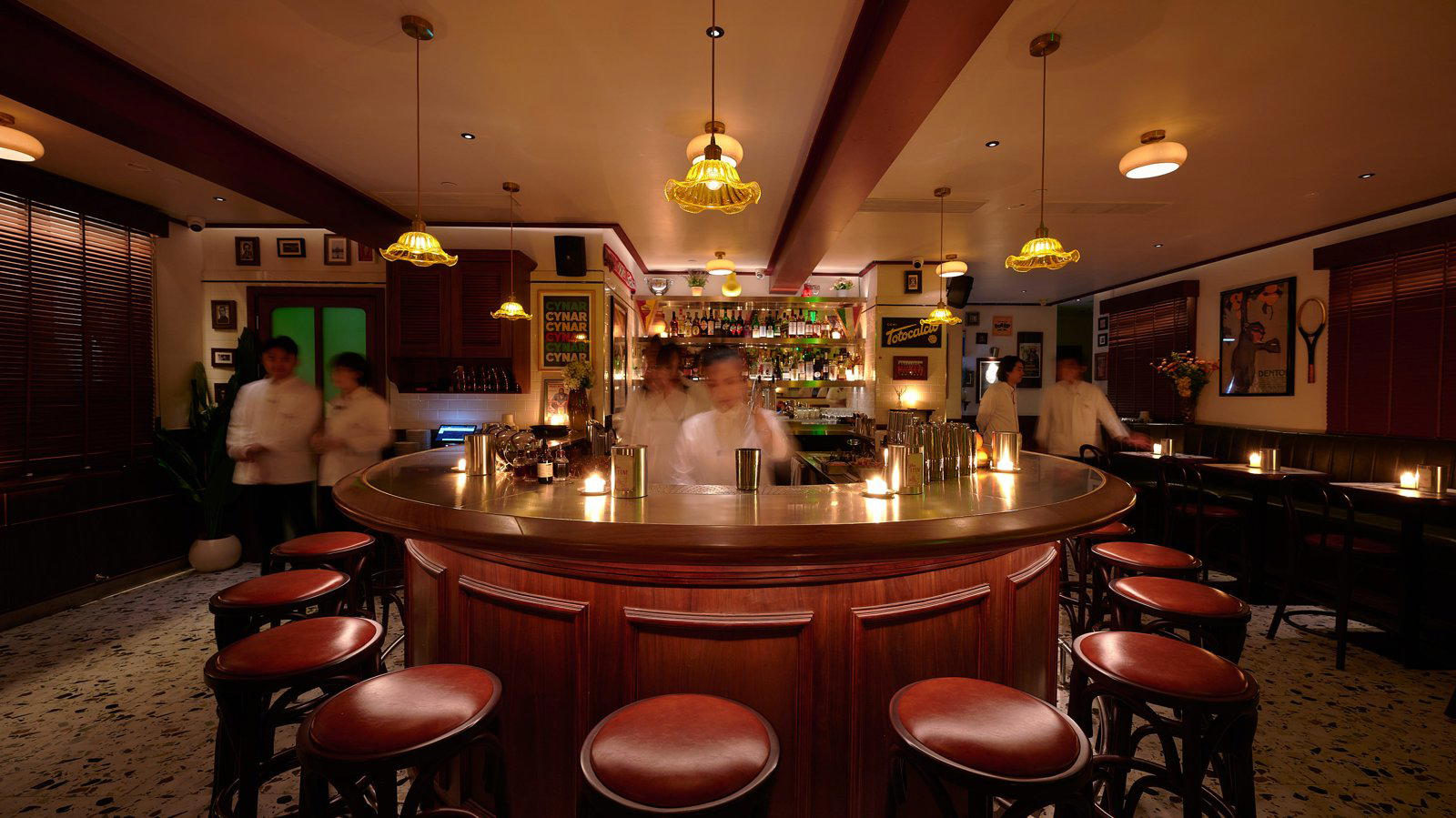
Hai Wei Guan on Kangding Road occupies a quiet position in Jing'An's mid-tier dining scene, serving Shanghainese cooking that has earned consecutive Michelin Plate recognition in 2024 and 2025 alongside a Black Pearl 1 Diamond. The price point sits at ¥¥, placing it among Shanghai's more accessible serious-cuisine options. For readers tracing the city's native culinary traditions, it represents a useful reference point on the Shanghainese restaurant continuum.

Pearl is the En Primeur Club membership app, where members save venues, book tables and use the concierge.
The menu
What to order
- Crispy roast chicken with Périgord truffle
- Sautéed conch with diced shrimp
The Kangding Road Setting and What It Signals
Kangding Road in Jing'An sits at a particular remove from the louder dining corridors of the district. The lane-based blocks in this part of the neighbourhood carry a residential density that tends to filter out destination-seeking foot traffic, and restaurants here draw primarily from repeat local custom rather than from tourists orbiting the nearby temple or Nanjing West Road. That context matters when reading Hai Wei Guan. A Shanghainese restaurant holding steady at this address, with back-to-back Michelin Plate recognition in 2024 and 2025 and a Black Pearl 1 Diamond in 2025, is not operating on the logic of prime-location visibility. Its consistency comes from the kitchen, not the postcode.
In Shanghai's broader Shanghainese restaurant tier, the ¥¥ bracket is where serious everyday cooking and its more refined relatives sit side by side. Hai Wei Guan occupies that band, placing it in a different competitive set from the manor-house Shanghainese experiences, the Fu family properties at Fu 1015, Fu 1039, and Fu 1088, which operate at higher price points with heritage-property settings. Instead, Hai Wei Guan belongs to the tier of addresses where the cooking carries the argument rather than the décor.
The Dining Ritual in Shanghainese Cooking
Shanghainese cuisine has its own pacing logic, and any serious meal in this tradition follows a sequence that differs materially from Cantonese banquet formats or the aggressive sharing-table tempo of Sichuan cooking. The cold dish selection typically arrives first: drunk chicken, salted edamame, smoked fish if the kitchen does it well. These are not appetisers in the Western sense. They set the tonal register for what follows, establishing the kitchen's confidence with curing, marinating, and the critical sweet-savoury balance that runs through Shanghai cooking like a structural thread.
Red-braised preparations follow their own internal clock. Hong shao rou, fatty pork belly cooked low with soy, Shaoxing wine, and rock sugar, demands hours of patient reduction before service. Ordering it signals that you understand the kitchen is working against time constraints that reward early or off-peak visits. The same logic applies to braised whole fish, where the sauce tells you whether the kitchen is executing a live recipe or reheating yesterday's. Shanghainese meals of substance are built around these reads: the cook's command of sweetness, the depth of the braise, the restraint (or lack of it) with oil.
At Hai Wei Guan, the Black Pearl 1 Diamond and successive Michelin Plate recognitions position the kitchen within the responsible-execution tier of this tradition, credentialed enough to take seriously, priced accessibly enough that the ritual does not require a special occasion to justify it. That combination is less common than it sounds. In Shanghai's mid-market, Shanghainese cooking faces constant pressure from cheaper imitations and from the city's enormous appetite for other regional styles. The addresses that hold recognition while maintaining a ¥¥ price band are doing something structurally harder than the fine-dining tier.
Where Hai Wei Guan Sits in the Shanghai Shanghainese Spectrum
The wider Shanghainese restaurant scene in Shanghai has stratified over the past decade into broadly three bands. At the institutional end sit century-old houses like Lao Zheng Xing, whose reputation is bound up with civic memory as much as with current cooking quality. In the prestige-address tier, properties like Cheng Long Hang (Huangpu) use heritage-building environments to frame an refined version of the same cuisine. And in the mid-tier, a cluster of restaurants carry forward classic technique without the heritage premium, which is precisely the band Hai Wei Guan occupies.
For readers interested in how Shanghainese cooking travels beyond Shanghai, Liu Yuan Pavilion in Hong Kong and Shanghai Cuisine in Beijing offer useful comparison points for how the tradition adapts outside its home city. The contrast in seasoning, sourcing, and service register can be instructive. Closer to home, Ru Yuan in Hangzhou provides a related but distinct lens on Jiangnan cooking more broadly. For Chinese regional cuisine at award level across other cities, Xin Rong Ji in Beijing, Xin Rong Ji in Chengdu, Chef Tam's Seasons in Macau, Imperial Treasure Fine Chinese Cuisine in Guangzhou, and Dai Yuet Heen in Nanjing are all worth mapping into any comparative reading of how regional Chinese cuisines perform at the credentialed mid-to-upper range.
Seasonal Timing and Practical Planning
Shanghainese cooking has stronger seasonal markers than many Chinese regional styles, and the autumn window from roughly October through December is when hairy crab dominates menus across the city. Hairy crab (da zha xie) from Yangcheng Lake represents one of the more formal seasonal rituals in Shanghai dining: the creatures are served steamed, accompanied by Zhejiang black vinegar and fresh ginger, often with a small cup of warm Shaoxing wine. If you are visiting during this window, a meal at a mid-tier Shanghainese house becomes a different kind of occasion than at other times of year. Spring and early summer bring their own markers, with fresh tofu preparations and river fish that local kitchens treat as seasonal punctuation.
Hai Wei Guan's address on Kangding Road puts it within walking distance of Jing'An's main transit connections, making it a practical stop either before or after exploring the district. The ¥¥ pricing means the bill for two covering multiple courses in the Shanghai context will typically remain accessible relative to comparable-recognition venues in Beijing or Hong Kong at equivalent award tiers. Walk-in viability at off-peak hours is common at restaurants in this bracket, though arriving at peak lunch or dinner service without a reservation at a recognised address in Jing'An carries risk, particularly on weekends. Reservations made through any of the major Chinese booking platforms are the standard approach.
For a fuller picture of where to eat, drink, and stay in the city, our full Shanghai restaurants guide covers the range from Shanghainese institutions to the international addresses that have accumulated serious recognition. Readers planning a broader trip will also find context in our Shanghai hotels guide, our bars guide, our wineries guide, and our experiences guide.
Frequently asked questions
Has Hai Wei Guan (Jingan) won any awards?
Hai Wei Guan (Jingan) has received recognition including: Michelin Plate (2025); Black Pearl 1 Diamond (2025); Michelin Plate (2024).
What should I expect cuisine-wise at Hai Wei Guan (Jingan)?
What's the signature dish at Hai Wei Guan (Jingan)?
Hai Wei Guan works within the Shanghainese tradition, which typically pivots on braised and red-cooked preparations, seasonal cold plates, and produce tied to the annual calendar. Autumn visits, roughly October through December, tend to align with the style's strongest seasonal offerings.
What's the price range at Hai Wei Guan (Jingan)?
Pricing at Hai Wei Guan (Jingan) is listed as ¥¥.
Where do I go for Hai Wei Guan (Jingan)?
Hai Wei Guan (Jingan) is located at 18 Kangding Rd, Jing'An, Shanghai, China, 200041, Shanghai.
Same-City Peers
A quick peer reference to anchor this venue in its category.
| Venue | Cuisine | Price | Awards | Notes |
|---|---|---|---|---|
| Hai Wei Guan (Jingan)This venue (the venue you are viewing) | Modern Shanghainese | Not listed | Michelin Plate · Black Pearl 1 Diamond | Not listed |
| Fu He Hui | Modern Seasonal Vegetarian Fine Dining | $200–300 | 2 Michelin Stars · World's 50 Best #11 | Vegetarian |
| Ming Court | Cantonese with Shanghainese Influences | $30–50 | 1 Michelin Star · Black Pearl 1 Diamond | Cantonese |
| Polux | French Bistro | $30–50 | Michelin Bib Gourmand | French |
| Royal China Club | Cantonese Dim Sum | $100–150 | Michelin Plate · The Good Food Guide GFG Good | Chinese, Cantonese |
| Scarpetta | Refined Italian Pasta & Pizza | $50–100 | Michelin Plate · Wine Spectator Best of Award of Excellence | Italian |
Recognition history
Dated appearances from independent guides and award organizations, with the underlying list record or original source where available.
Michelin Plate
Michelin
Black Pearl 1 Diamond
Black Pearl
Full recognition history (3 entries)
Michelin Plate
Michelin