Lamm Hebsack
Lamm Hebsack sits at Winterbacher Str. 1 in Remshalden, a small Swabian town in the Rems Valley east of Stuttgart. The address places it squarely in Baden-Württemberg's quietly serious dining territory, where traditional inn formats and regional ingredient sourcing often coexist with genuine culinary craft. For travellers willing to move beyond Stuttgart's city limits, the Remstal rewards attention.
Pearl is the En Primeur Club membership app — saves, bookings, and concierge access live there. Same editors, same standards.
- Address
- Winterbacher Str. 1, 73630 Remshalden, Germany
- Phone
- +4949718145061
- Website
- lamm-hebsack.de
- Directions
- Get directions
 Saves & bookings on Pearl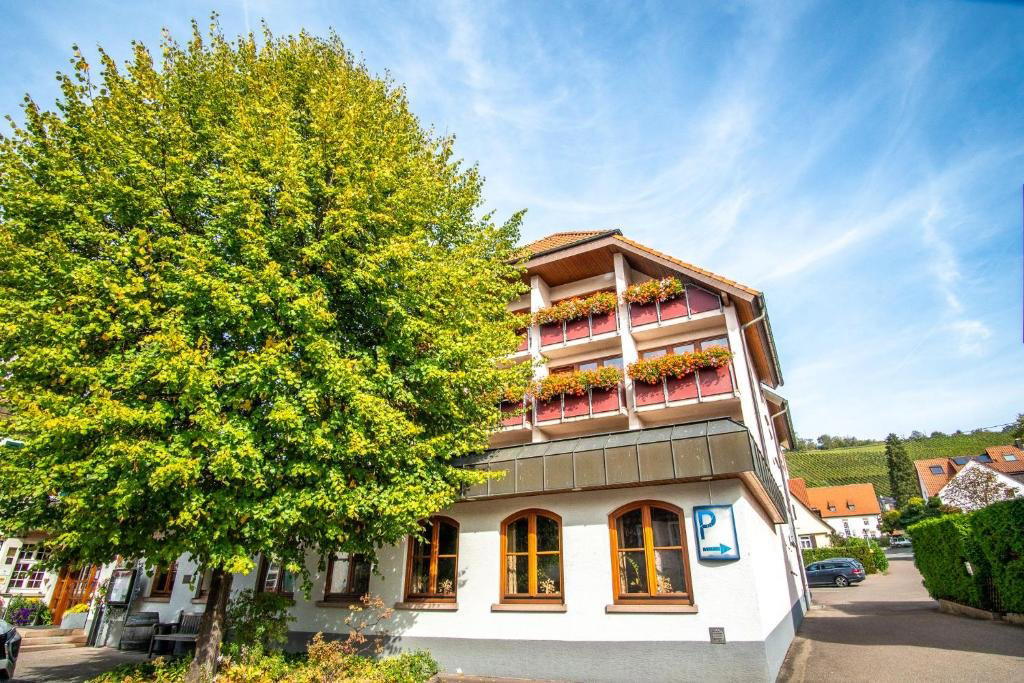
Where the Rems Valley Sets the Table
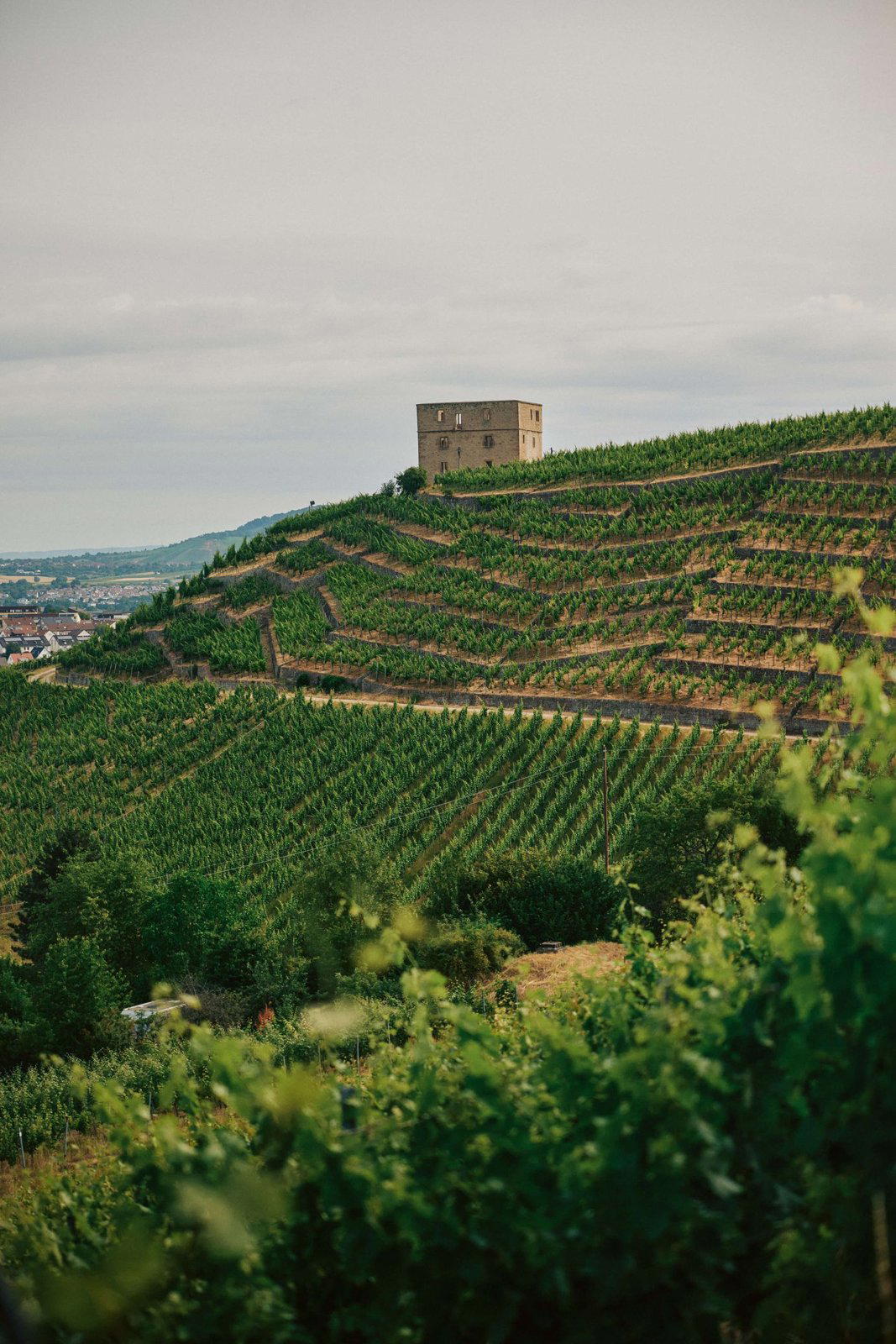
The drive east from Stuttgart through the Rems Valley is a lesson in how quickly Germany's urban density gives way to something older and more agricultural. Remshalden sits in that transition zone: a Swabian town whose character is shaped by the vineyard-threaded slopes of the Remstal rather than any metropolitan pull. This is the context in which Lamm Hebsack operates at Winterbacher Str. 1. In Baden-Württemberg, the leading cooking has long maintained an intimate relationship with the land immediately surrounding it, and the Rems Valley offers a genuine larder: Swabian beef, regional game, orchard fruit, and some of Germany's most underappreciated wine-growing terrain.
The Gasthof format, which Lamm Hebsack represents in its physical setting and village positioning, carries specific expectations in this part of Germany. It is not the white-tablecloth temple model that defines destinations like Schwarzwaldstube in Baiersbronn or Vendôme in Bergisch Gladbach. Instead, it occupies a tradition rooted in regional hospitality, where the cooking's quality is argued not through abstraction or technique-for-its-own-sake but through the directness of what arrives on the plate and where it came from. Across Baden-Württemberg, this category of restaurant has produced some of Germany's most honest food, precisely because the standard is set by local producers rather than imported prestige.
The Ingredient Logic of Swabian Cooking
In a region where lamb, pork, river trout, and Trollinger grapes are part of the daily rhythm, the sourcing decisions a kitchen makes reveal more about its priorities than any menu description. Swabian cuisine's reputation has historically rested on frugal ingenuity: offal preparations, egg-heavy pasta traditions, preserved meats, and a willingness to use every part of an animal. But the contemporary version of that tradition in the Rems Valley has expanded to include a sharper focus on provenance without abandoning the essential plainspokenness that defines the regional character.
This ingredient-first framing is relevant to understanding Lamm Hebsack's position in Remshalden. The name itself references the lamb, an animal deeply embedded in Swabian pastoral life, and the surrounding area provides the kind of short-supply-chain access to producers that is significantly harder to achieve at the scale of a Stuttgart restaurant or a high-volume urban venue. Across Germany's fine dining circuit, from Aqua in Wolfsburg to AUGUST in Augsburg, the argument for regional sourcing is structural: proximity reduces time between field and plate, which in turn reduces the need for intervention. At a village inn in the Rems Valley, that proximity is a given rather than a positioning statement.
Remstal as a Dining Region
Baden-Württemberg's dining reputation concentrates, in most international coverage, around the Black Forest and Stuttgart itself. The Remstal receives considerably less attention, which means that restaurants operating here exist in a lower-pressure, higher-locality environment. That cuts both ways. The lack of prestige-tourist traffic means fewer resources flowing into the hospitality economy, but it also means that venues which persist in smaller towns like Remshalden tend to serve a genuinely local clientele with genuine expectations rooted in the regional tradition.
Germany's smaller-town serious dining scene operates on a different rhythm than its urban counterparts. Where CODA Dessert Dining in Berlin or ATAMA by Martin Stopp in Sankt Ingbert operate within recognisable international fine-dining frameworks, a Gasthof in the Rems Valley answers to a different set of standards: the regulars who know what the dish should taste like, the seasonal calendar that dictates what is available, and the producer relationships that determine what arrives at the back door each week. These are demanding criteria in their own way, and they produce a different kind of cooking accountability.
Travellers interested in Baden-Württemberg's wider range might also consider the classical French register of Schwarzwaldstube in Baiersbronn or the creative contemporary work at ES:SENZ in Grassau as reference points for the region's higher-formal tier.
Planning a Visit
Remshalden is accessible by S-Bahn from Stuttgart, placing it within the suburban rail network that connects the city to its eastern hinterland, and the address at Winterbacher Str. 1 is navigable by car from the A8 motorway. The village scale of Remshalden means parking is not the friction point it would be in a city centre. Visits to venues of this type in Baden-Württemberg generally reward mid-week timing, when kitchen teams are working at full capacity without the weekend volume that can compress quality and attention.
Travellers building a wider itinerary around serious German cooking might use Remshalden as a starting point before moving south toward ammolite in Rust or west toward Bagatelle in Trier. For those whose reference points lean toward Germany's most decorated addresses, Victor's Fine Dining by Christian Bau in Perl, Waldhotel Sonnora in Dreis, and Restaurant Haerlin in Hamburg represent the country's upper bracket and offer a useful calibration point for understanding where regional Swabian cooking sits in the national picture. Further afield, Schanz in Piesport and JAN in Munich demonstrate how Germany's smaller-town serious restaurants can carry genuine national weight. For international comparison, the sourcing rigour visible in venues like Le Bernardin in New York City or the precision of Atomix illustrates how ingredient provenance functions as the organising logic at different price points and formats. And for a sense of how creative ambition operates within a single-category concept, AURA by Alexander Herrmann and Tobias Bätz in Wirsberg is a useful Bavarian reference.
A Quick Peer Check
Comparable venues nearby, for context on price, style, and recognition.
| Venue | Cuisine | Price | Notes |
|---|---|---|---|
| Lamm HebsackThis venue — the venue you are viewing | Traditional Swabian German | $$$ | Not listed |
| Restaurant Zur Forelle | Traditional German Seafood in Historic Setting | $$$ | Fischerviertel |
| Mühlstein | Modern German Fine Dining | $$$ | Bensheim |
| Schellenturm | Swabian German Weinstube | $$ | Gablenberg |
| Bestenheider Stuben | German with French Flair | $$$ | Wertheim center |
| das krü | Modern German with International Influences | $$$ | Ludwigstraße, Darmstadt city center |
Continue exploring
More in Remshalden
Restaurants in Remshalden
Browse all →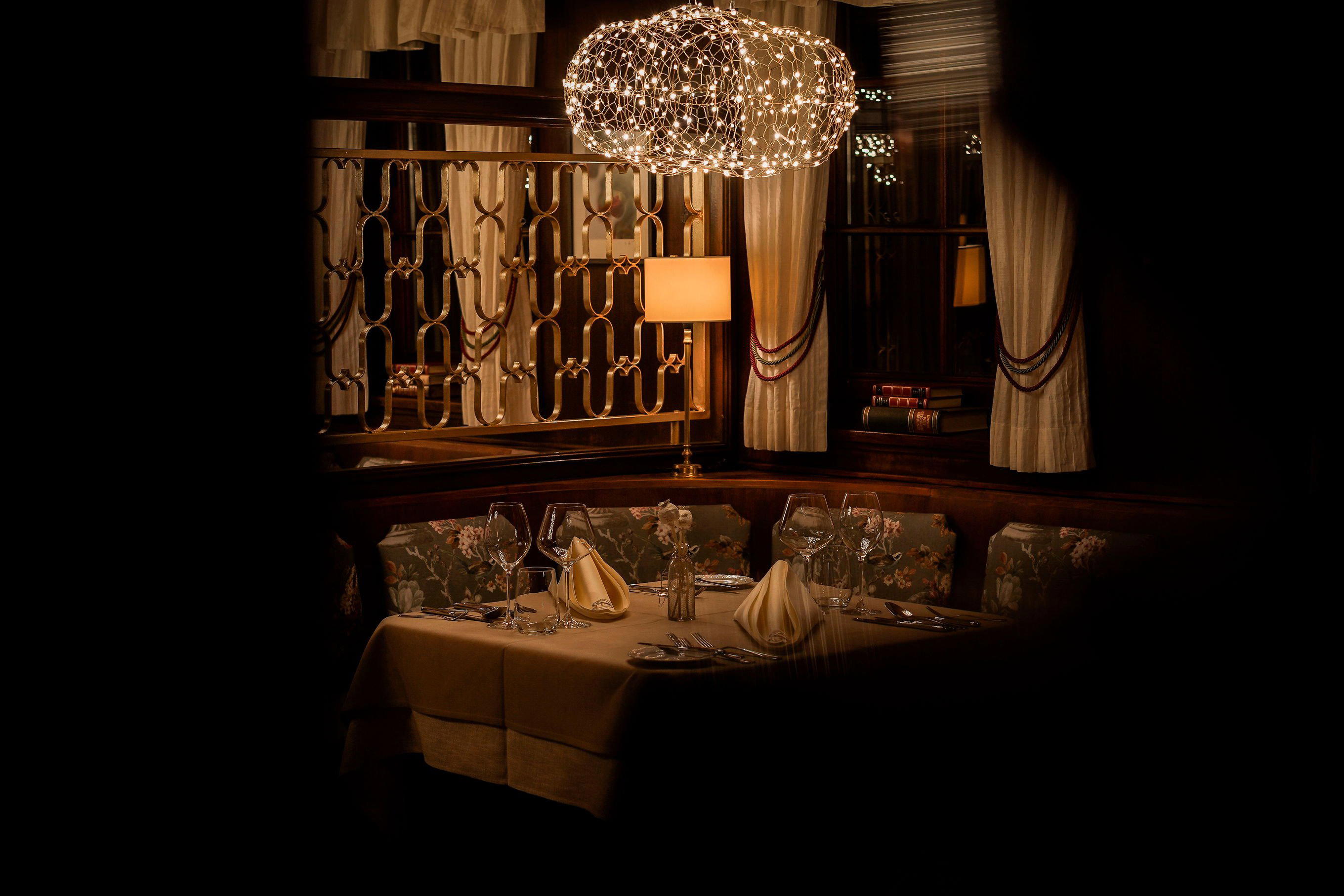
Bars in Remshalden
Browse all →

Hotels in Remshalden
Browse all →

At a Glance
- Cozy
- Classic
- Intimate
- Family
- Business Dinner
- Terrace
- Local Sourcing
- Vineyard
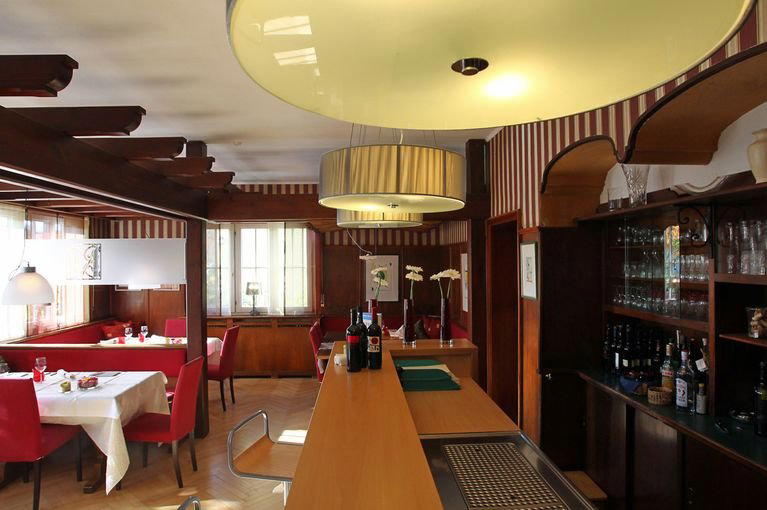
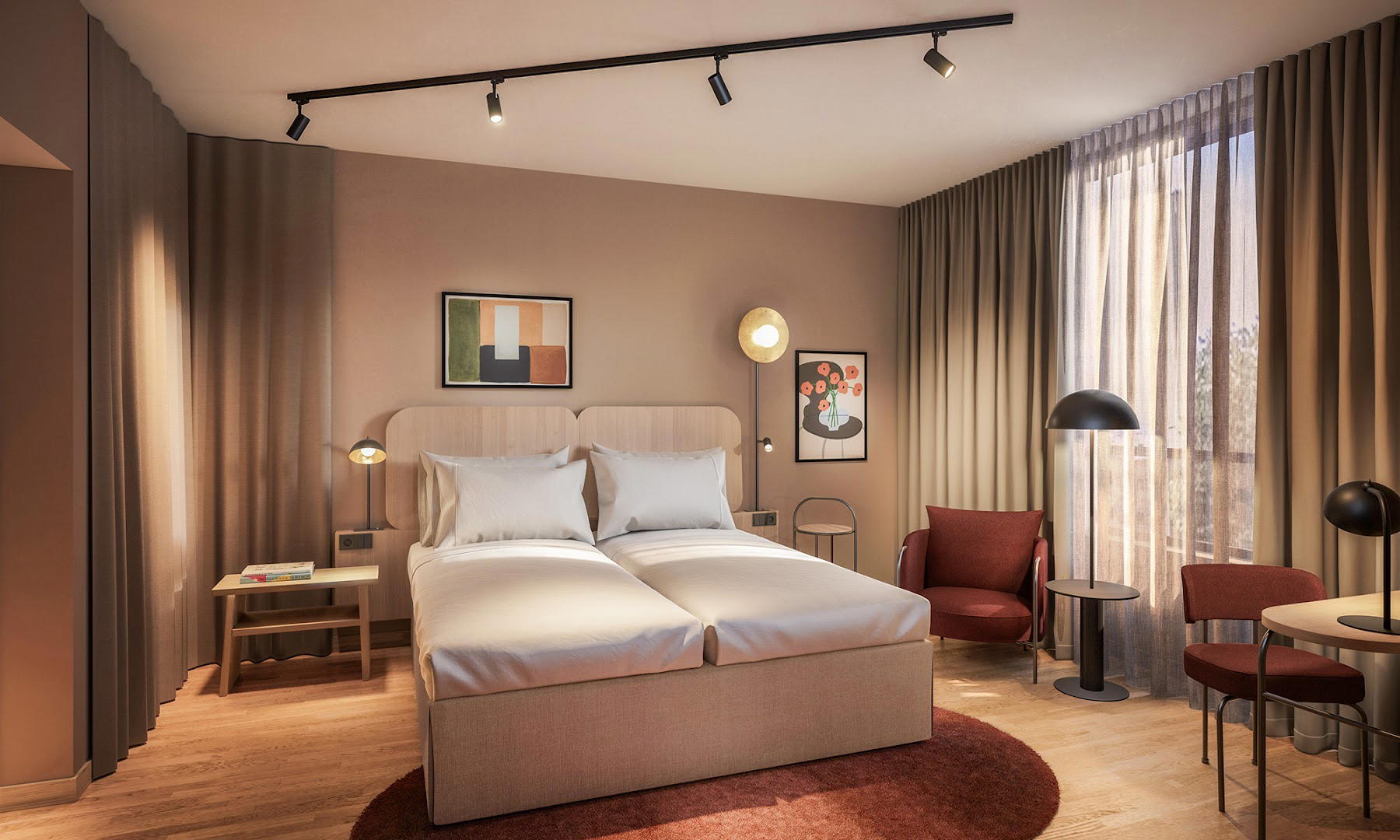
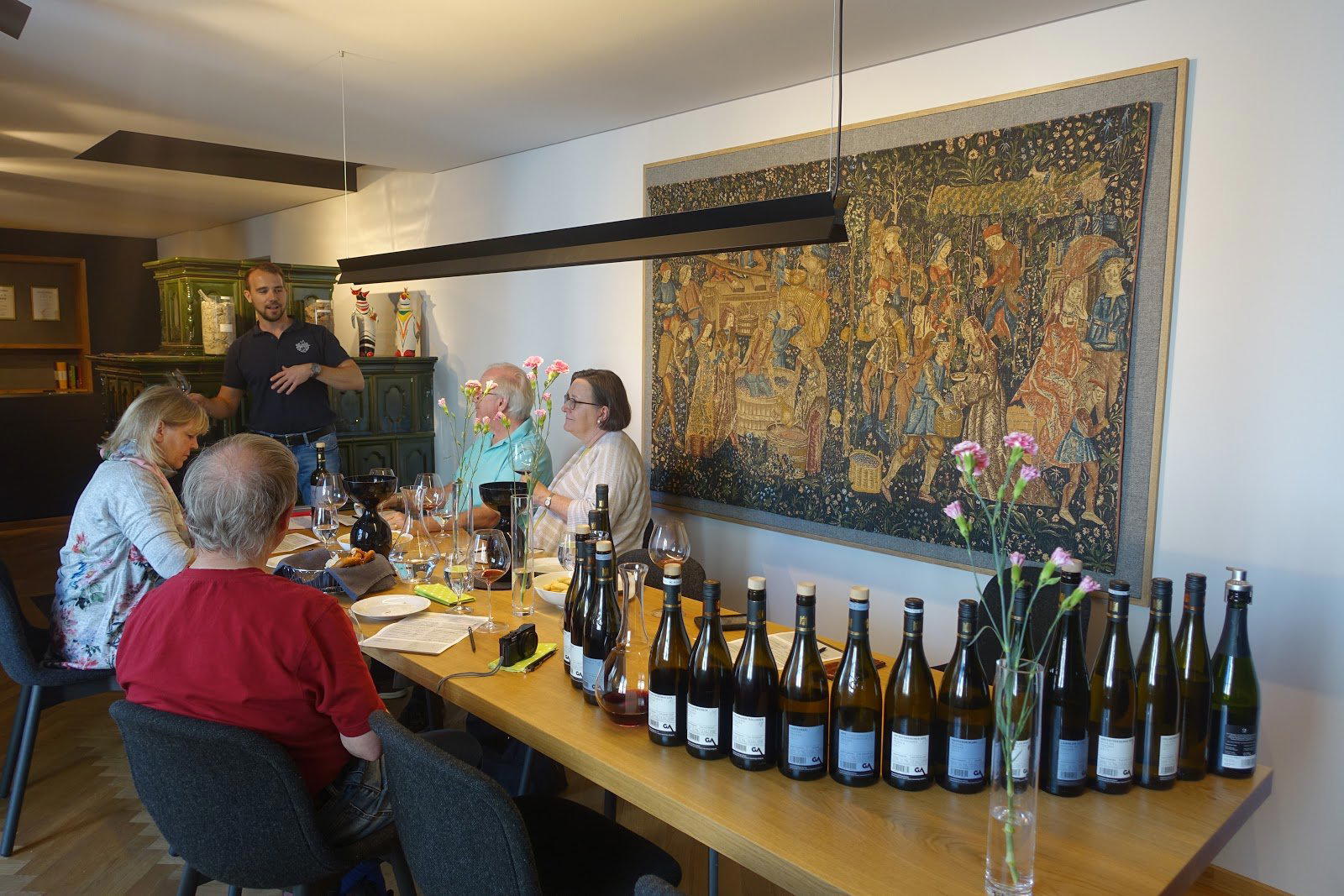
Welcoming family atmosphere with stylish individual parlors, traditional decor, and a sun terrace.