Das krü occupies a spot on Ludwigstraße in central Darmstadt, placing it in a city whose dining scene has quietly grown more ambitious over the past decade. The address puts it within reach of the city's broader restaurant corridor, where a small cluster of kitchens is redefining what mid-sized German cities can deliver at the table.
Pearl is the En Primeur Club membership app — saves, bookings, and concierge access live there. Same editors, same standards.
- Address
- Ludwigstraße 8, 64283 Darmstadt, Germany
- Phone
- +496151272441
- Website
- daskrue.de
- Directions
- Get directions
 Saves & bookings on Pearl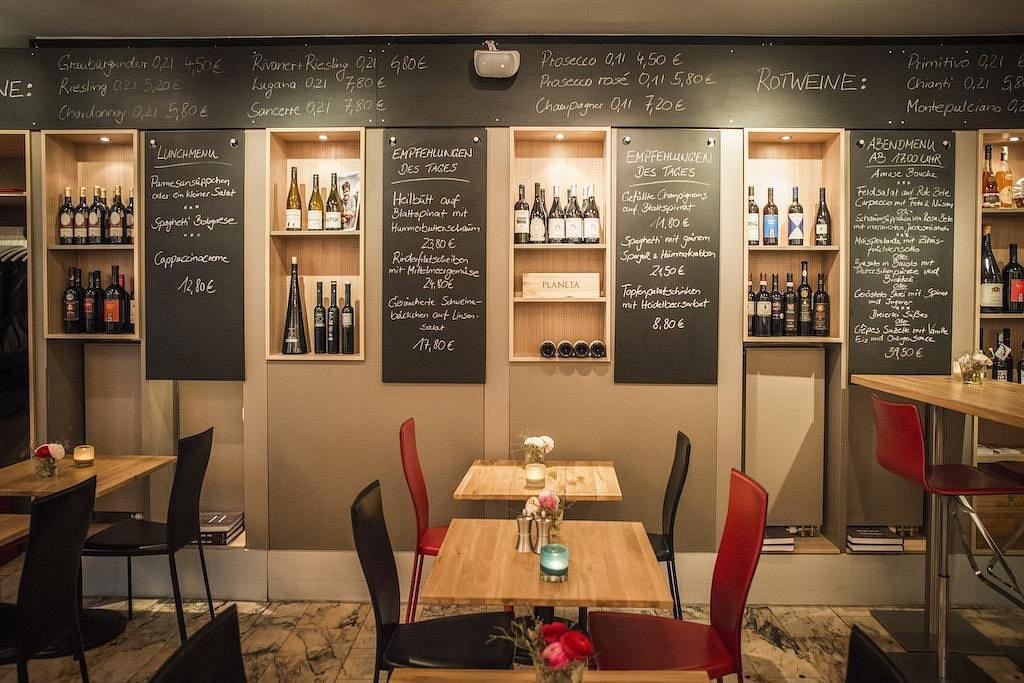
Darmstadt's Quieter Dining Ambition
Mid-sized German cities have a particular relationship with serious restaurants. Without the critical mass of Berlin or Munich, and without the food-tourism infrastructure of a Frankfurt or Hamburg, places like Darmstadt tend to develop their dining culture more slowly and, when it finally takes hold, more deliberately. Das krü is a restaurant in Darmstadt, Germany, at Ludwigstraße 8, with.
That context matters. When a restaurant opens in a city where the dining public is smaller and more loyal, the relationship between kitchen and table tends to be less transactional. Regulars return not because the room has become a status destination but because the food has earned genuine repeat visits. Das krü operates in that environment, which shapes both the expectations it faces and the latitude it has to develop a point of view.
Where Ingredient Sourcing Defines the Work
Across Germany's more serious independent kitchens, the sourcing question has become the sharpest dividing line between restaurants with a clear identity and those still finding one. At the highest tier, places like Schwarzwaldstube in Baiersbronn or Waldhotel Sonnora in Dreis anchor their menus in long-term supplier relationships, where the producer's name and practice appear as part of the story the kitchen is telling. Further down the tier structure, in cities like Darmstadt, the same instinct plays out at a different scale but with no less conviction in the kitchens that take it seriously.
The Rhein-Main corridor that Darmstadt sits within is agriculturally productive: Hessian apple orchards, Rheingau wine country within an hour's drive, a network of market gardens that feed Frankfurt's professional kitchens and, increasingly, restaurants further south. A kitchen positioned on Ludwigstraße has access to that supply chain without needing to manufacture proximity to it. The question is always whether the kitchen chooses to use that access or defaults to the same centralized wholesale suppliers that flatten sourcing distinctions across the country's mid-market.
Das krü's address on Ludwigstraße in central Darmstadt places it inside this regional geography. Restaurants in this part of Hesse that make sourcing a genuine priority find themselves in natural conversation with the wine producers of the Rheingau and Rheinhessen, the asparagus farms of the Schwetzingen area to the south, and the herb and vegetable growers closer to the Odenwald. These are not abstract credentials; they represent a specific flavor of seasonal cooking that central German kitchens can access if they choose to build the supplier relationships that require it.
The Darmstadt Dining comparable set
Darmstadt's restaurant scene has developed a small but coherent upper tier. OX anchors the modern cuisine end of that tier at the €€€€ price point, providing the city with a reference against which other serious kitchens are implicitly measured. Around it, a group of restaurants with distinct approaches fills out the choice available to a diner who wants to eat well without leaving town. Djadoo, Olbrick, Radieschen, and Restaurant Yetenbi each occupy a different part of that picture, covering cuisine types and price brackets that give the city's dining public genuine variety.
The restaurant sits within this group as a Ludwigstraße address, which positions it geographically close to the city's pedestrian and commercial center. That location is relevant not just logistically but competitively: a central Darmstadt address means visibility, foot traffic from the city's student and professional population, and the particular challenge of earning destination visits from diners who could walk past without stopping. The kitchens that succeed in that position do so because they give people a reason to come back rather than a reason to try it once.
For a fuller map of where the restaurant sits relative to the city's other choices, the EP Club Darmstadt restaurants guide covers the scene in full, with comparative context across cuisine types and price tiers.
Germany's Independent Restaurant Tier: A Reference Frame
Situating the restaurant requires some understanding of how independent restaurants operate across Germany's non-capital cities. The country's Michelin-starred tier is more geographically distributed than in most European countries, with recognized kitchens in places like Piesport (Schanz), Grassau (ES:SENZ), and Perl (Victor's Fine Dining by christian bau) earning recognition well outside the major urban centers. Below that tier, a layer of serious independent restaurants operates across mid-sized cities, developing loyal local followings and, in some cases, building toward formal recognition over time.
The restaurant belongs to the independent category in a city that, unlike Frankfurt or Hamburg, does not yet function as a culinary reference destination for international visitors. That position is neither a disadvantage nor a guarantee; it simply describes the operating environment. Restaurants in this tier succeed or fail on the strength of their kitchen discipline, their sourcing decisions, and their ability to convert a first-time visitor into a regular. Particularly instructive comparisons are not with three-Michelin-star kitchens like Aqua in Wolfsburg or Vendôme in Bergisch Gladbach, but with the mid-tier independents in comparable German cities that have built durable reputations through consistent, ingredient-led cooking.
Internationally, the format of the ingredient-focused independent is also well represented. Lazy Bear in San Francisco operates on a similarly producer-connected sourcing philosophy at a different scale, while Le Bernardin in New York City demonstrates how ingredient integrity at the sourcing level can define a restaurant's entire identity over decades. These are not direct comparisons to the restaurant, but they illustrate that the sourcing-first approach is a viable and well-validated way to build a kitchen's reputation regardless of city size.
Planning a Visit
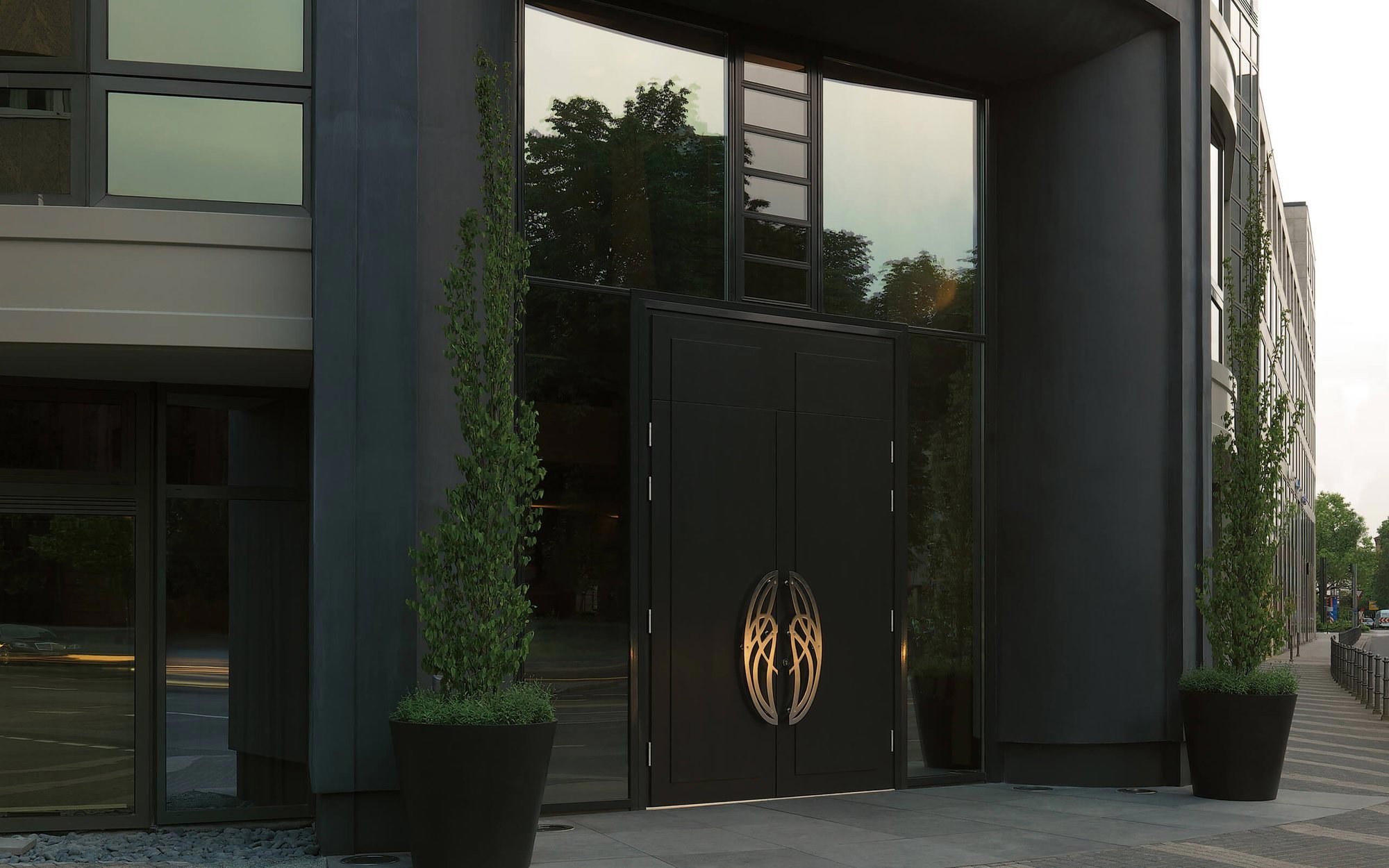
The restaurant is at Ludwigstraße 8 in central Darmstadt, within easy walking distance of the city's main transport links and the wider restaurant corridor.
A Quick Peer Check
Comparable venues nearby, for context on price, style, and recognition.
| Venue | Cuisine | Price | Notes |
|---|---|---|---|
| das krüThis venue — the venue you are viewing | Modern German with International Influences | $$$ | Not listed |
| Olbrick - Loved Sushi & Asian Fusion | Loved Sushi & Asian Fusion | $$$ | :null |
| Radieschen | Vegetarian International with Organic Focus | $$ | Darmstadt-Eberstadt |
| Restaurant Yetenbi | Authentic Ethiopian | $ | Darmstadt-Mitte |
| Wang's Kitchen | Pan-Asian All-You-Can-Eat | $$ | Eberstadt |
| Djadoo | Authentic Persian & Oriental | $$ | Viktoriaplatz |
Continue exploring
More in Darmstadt
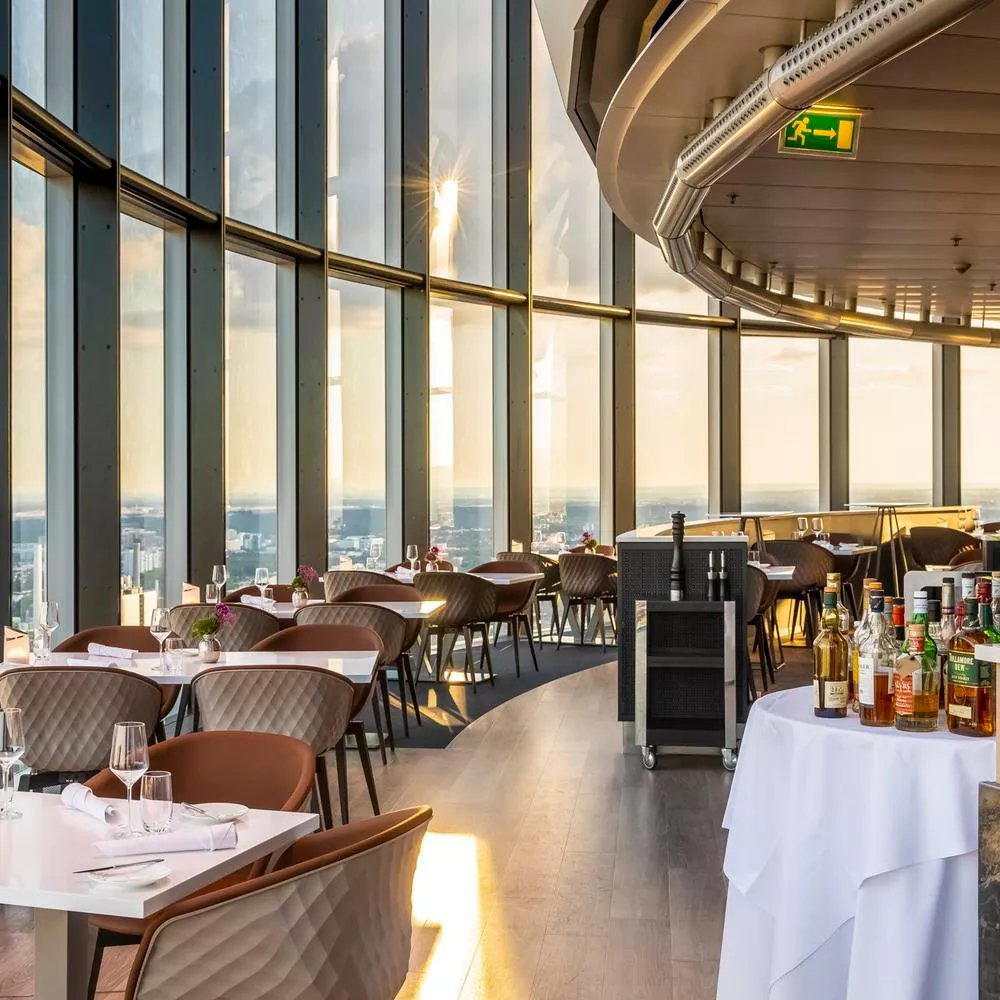
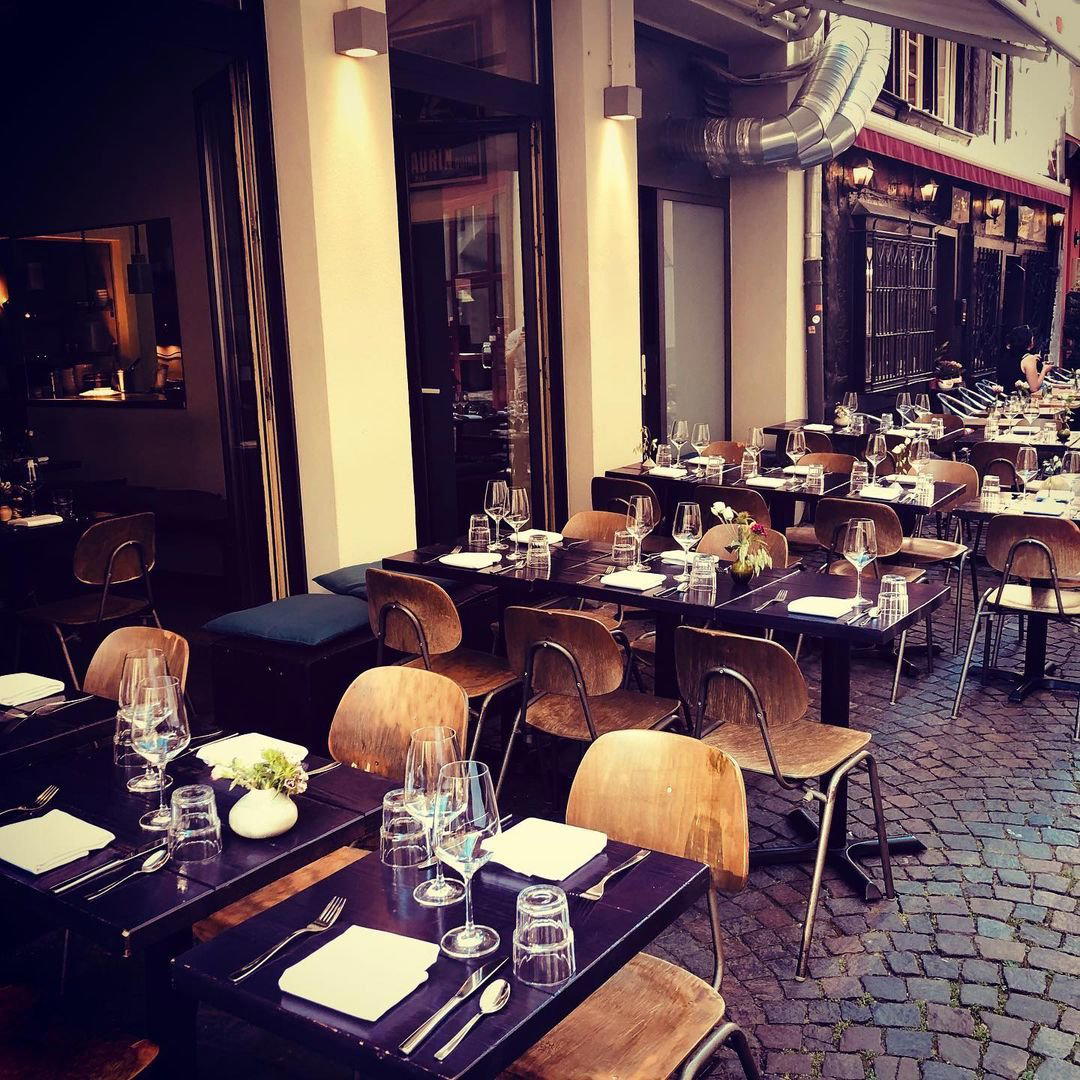
Restaurants in Darmstadt
Browse all →
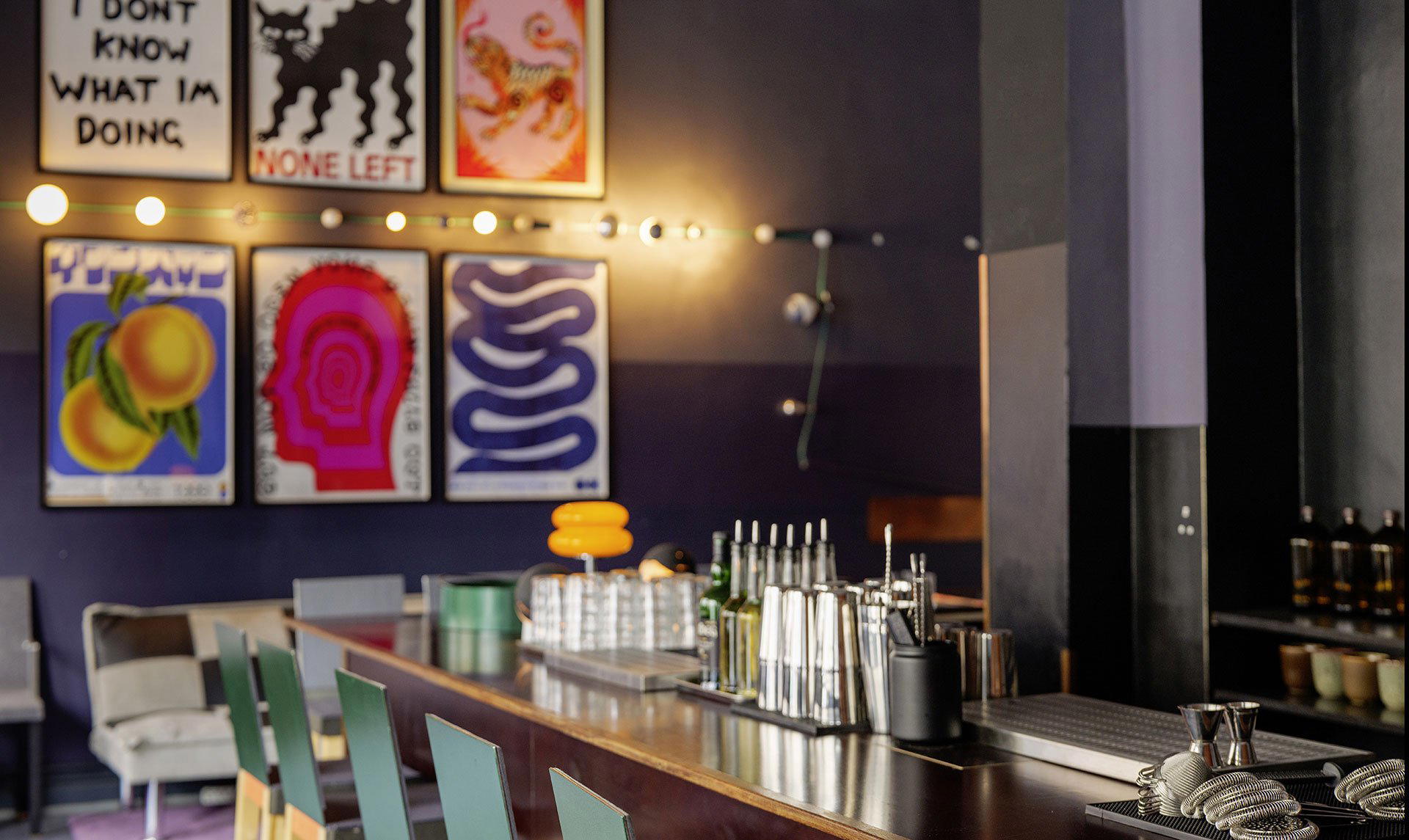
Bars in Darmstadt
Browse all →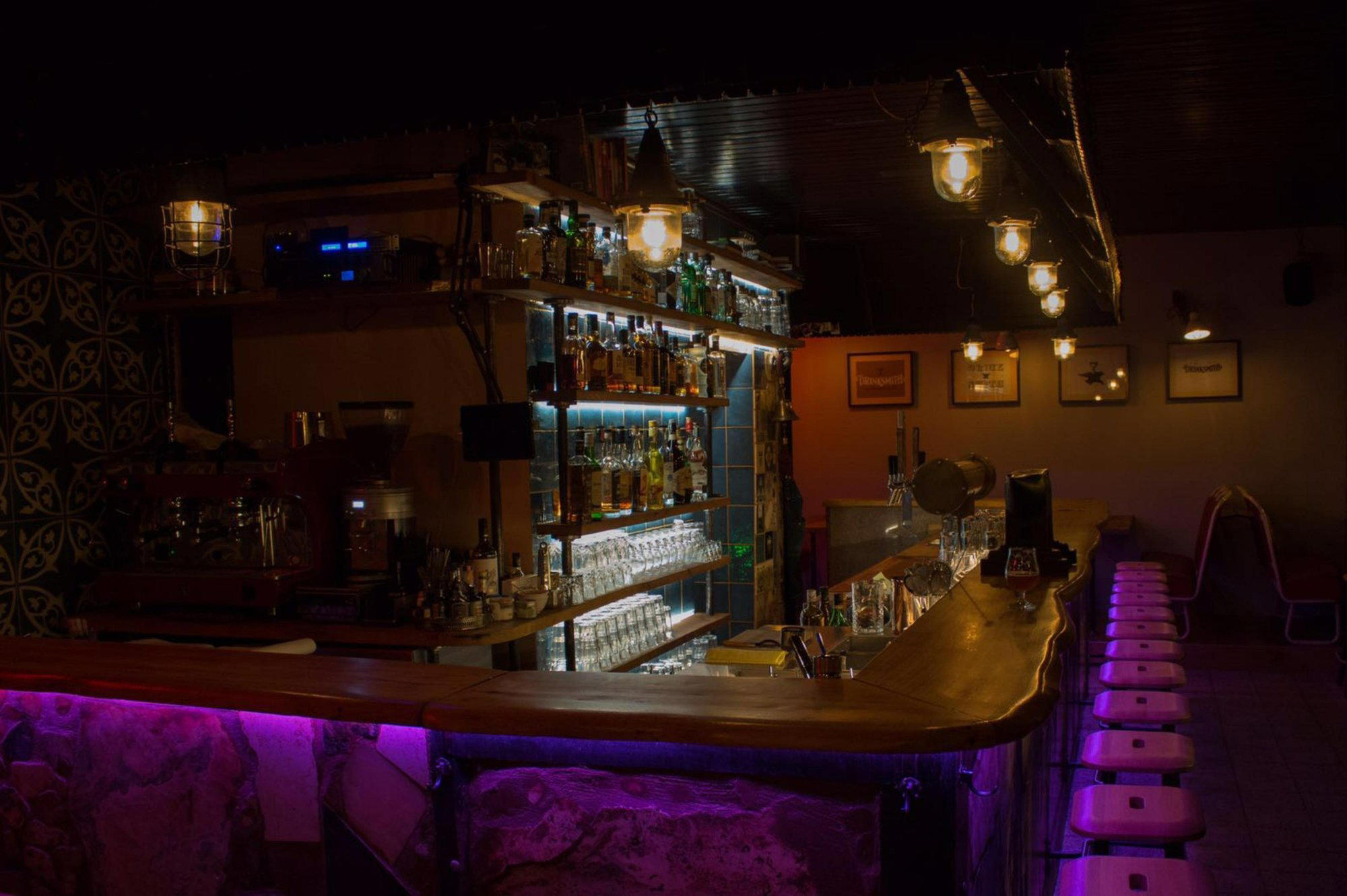


Hotels in Darmstadt
Browse all →
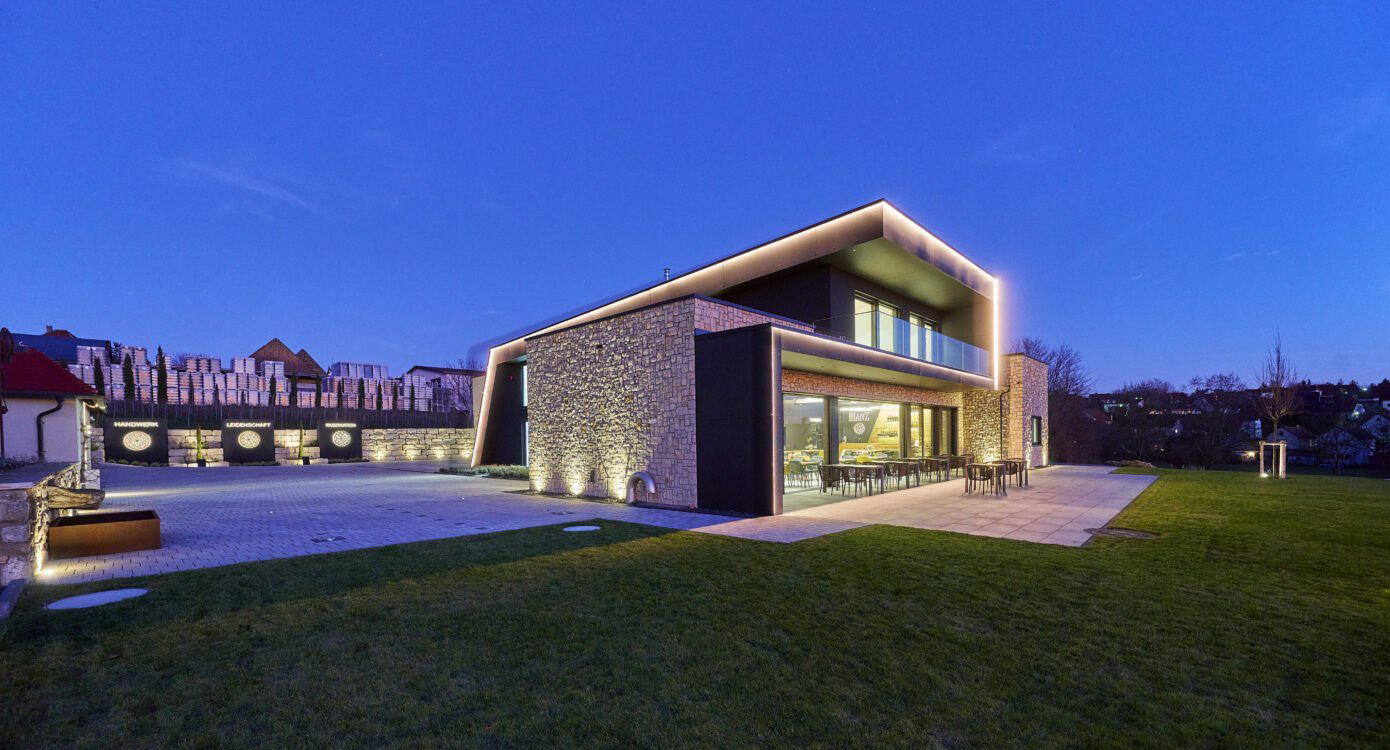
At a Glance
- Cozy
- Elegant
- Modern
- Casual
- Date Night
- Business Dinner
- Group Dining
- Special Occasion
- Open Kitchen
- Standalone
- Extensive Wine List
- Local Sourcing
Current opening hours
- Monday
- Closed
- Tuesday
- 12–10:30 PM
- Wednesday
- 12–10:30 PM
- Thursday
- 12–10:30 PM
- Friday
- 12–10:30 PM
- Saturday
- 12–6 PM
- Sunday
- Closed
Hours can change for holidays and private events. Last verified .
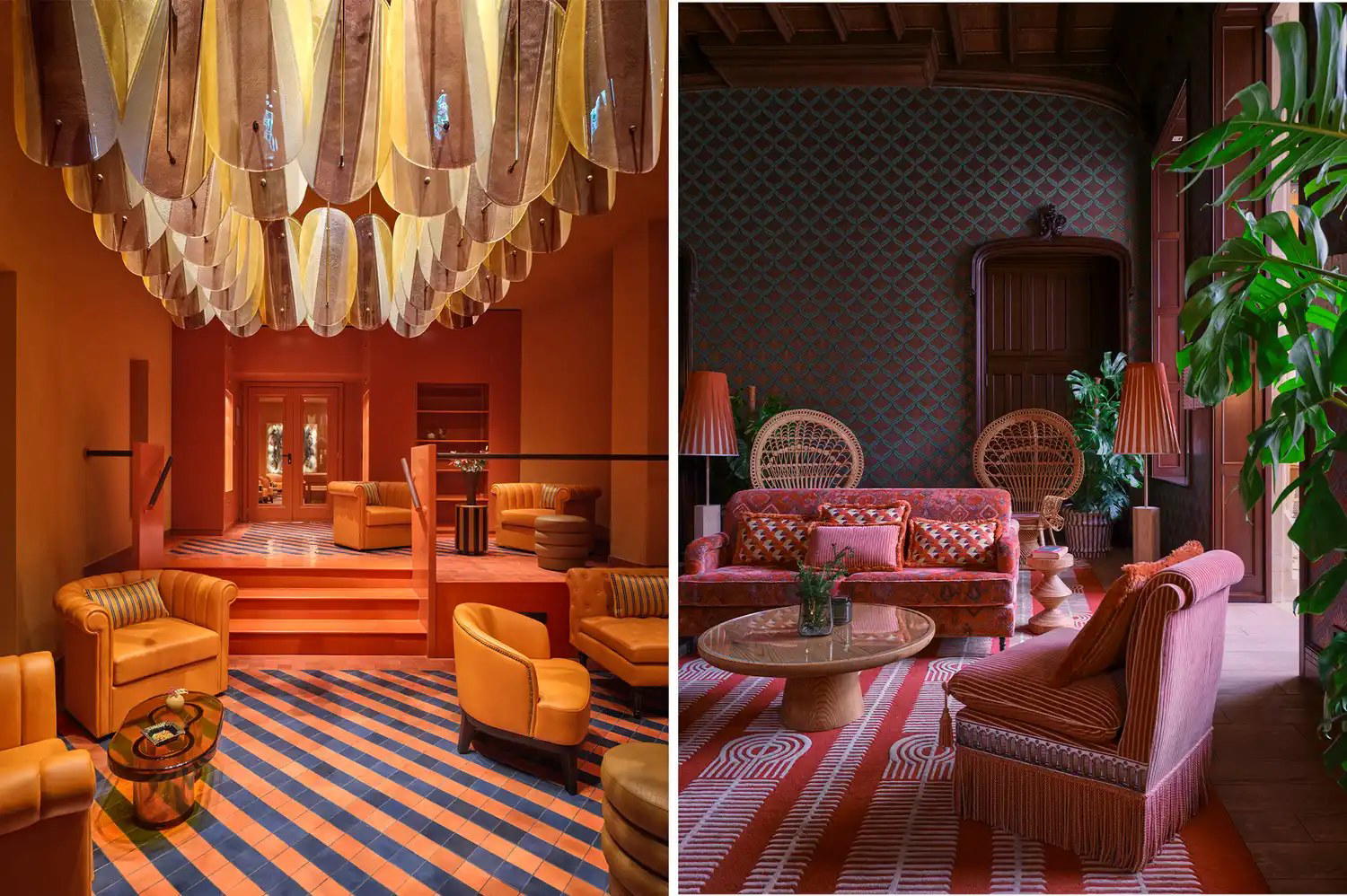
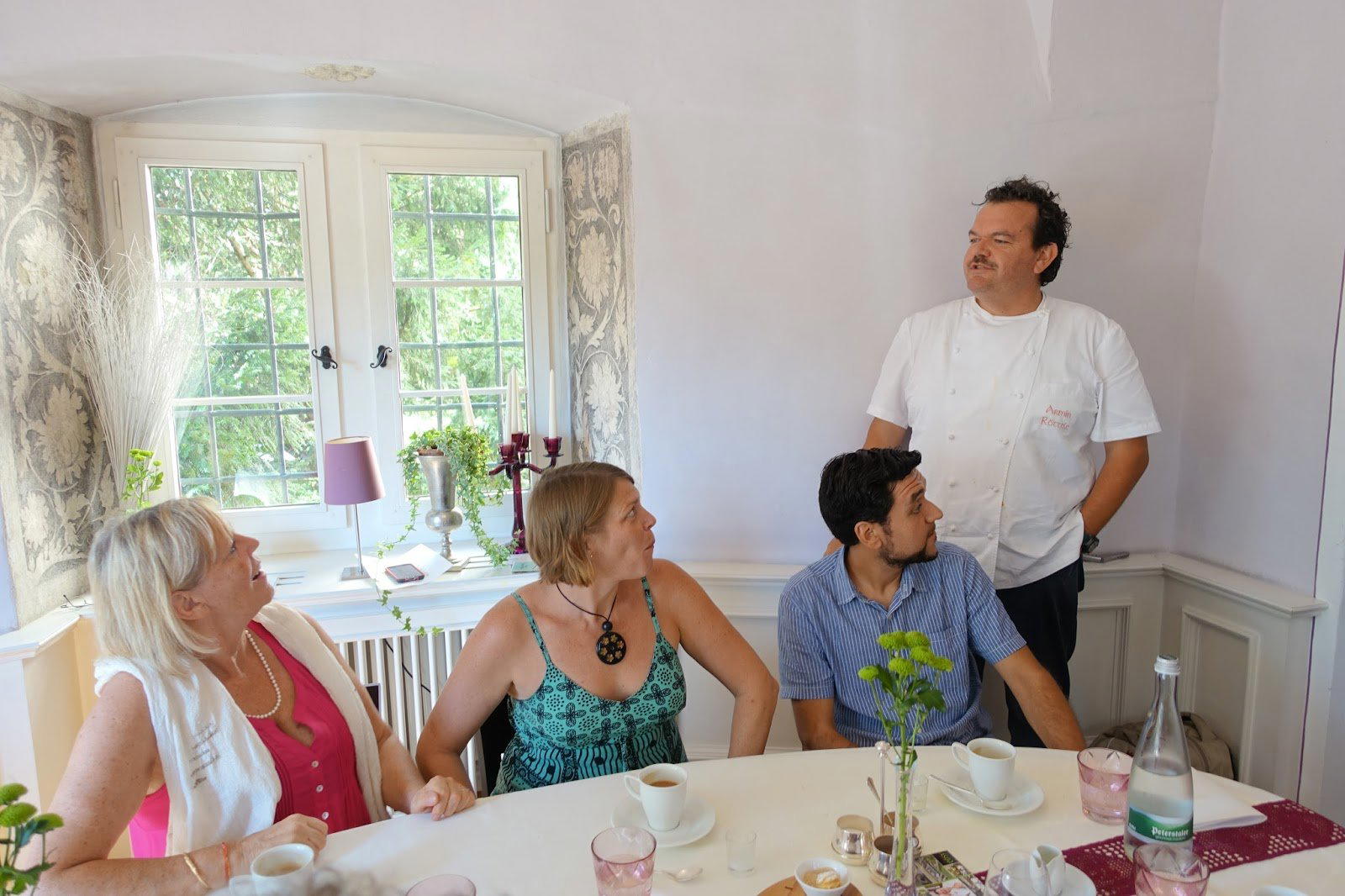
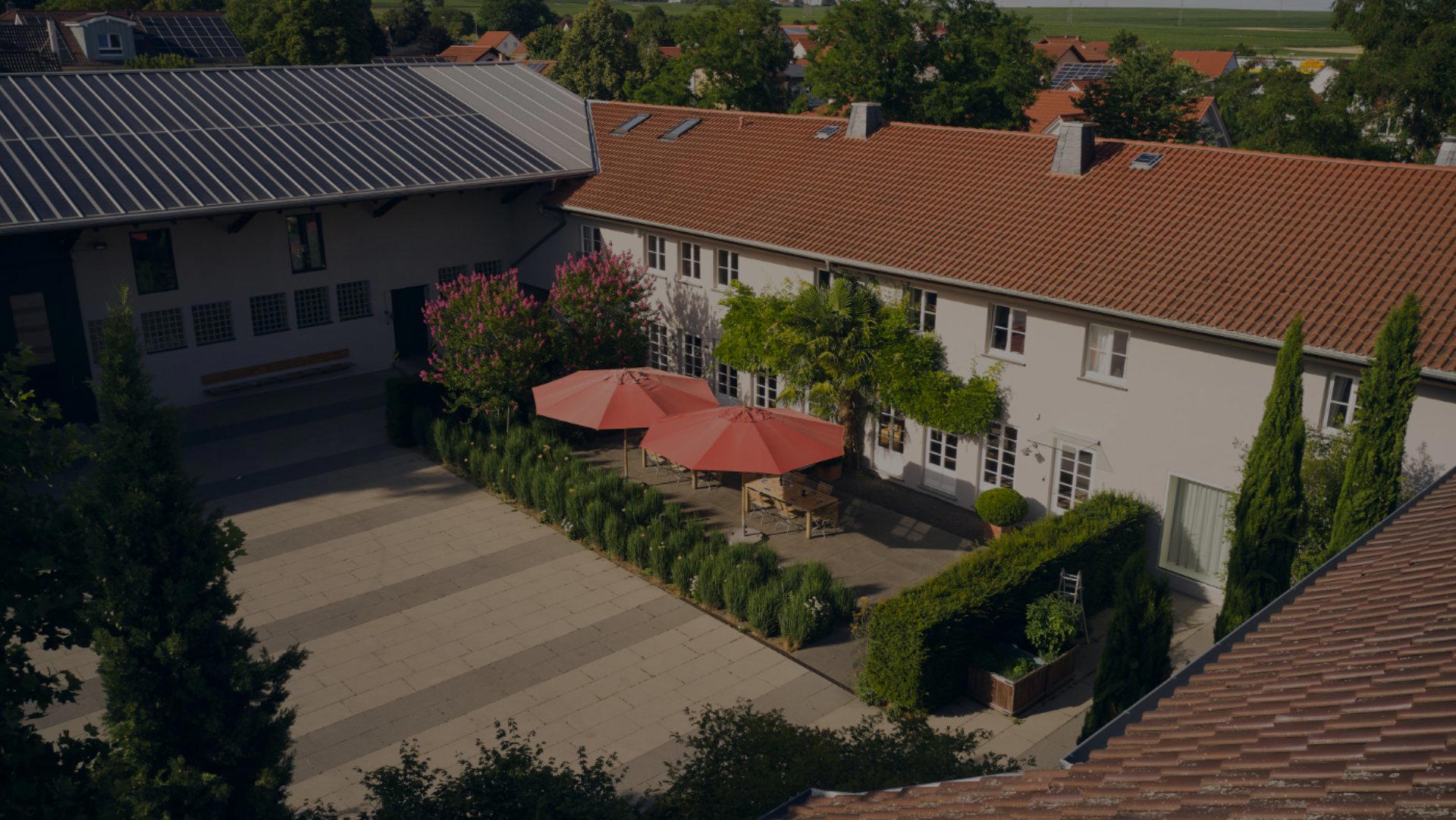
Relaxed and casual fine dining atmosphere with a cozy, welcoming environment that balances upscale gastronomy with down-to-earth charm.