Gourmetrestaurant Nico Burkhardt

1 Michelin Star
Our verdict
A Michelin-starred set menu restaurant occupying just eight seats inside a historic half-timbered building in Schorndorf's old town, Gourmetrestaurant Nico Burkhardt represents what happens when fine dining plants itself firmly outside Germany's major cities. Modern French technique meets ingredient-driven precision in a format that rewards advance planning and repays it with one of the region's most attentive dining experiences.

Pearl is the En Primeur Club membership app — saves, bookings, and concierge access live there. Same editors, same standards.
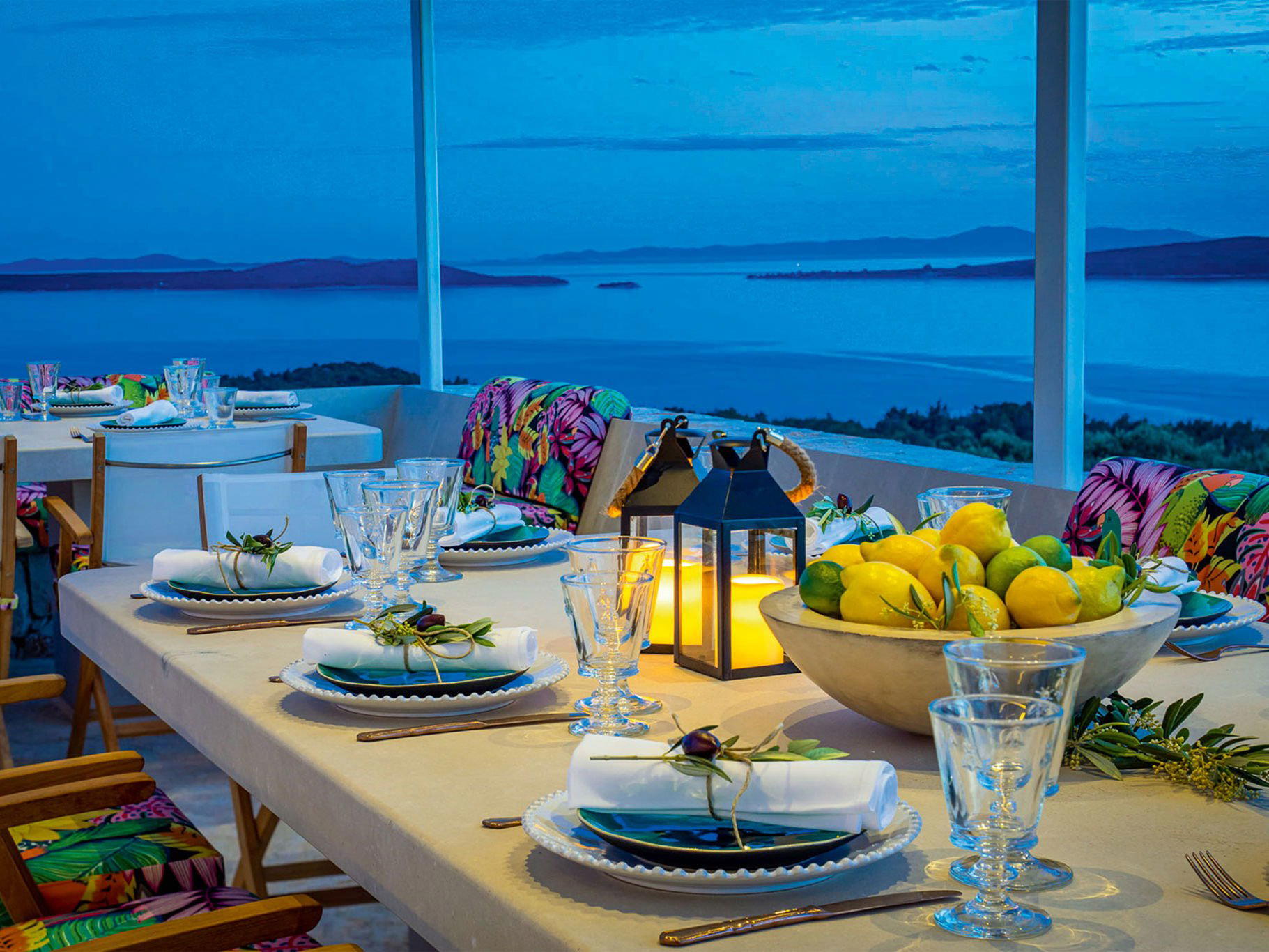
Fine Dining in a Half-Timbered Frame
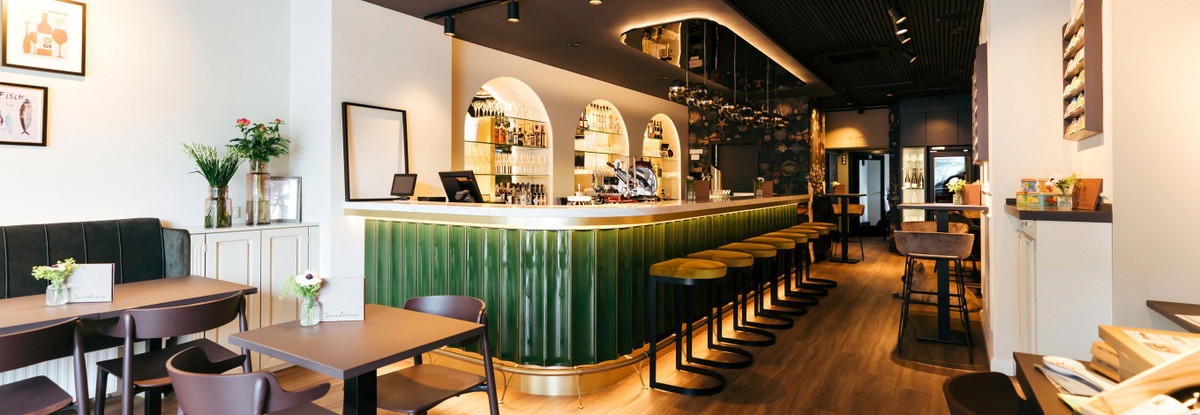
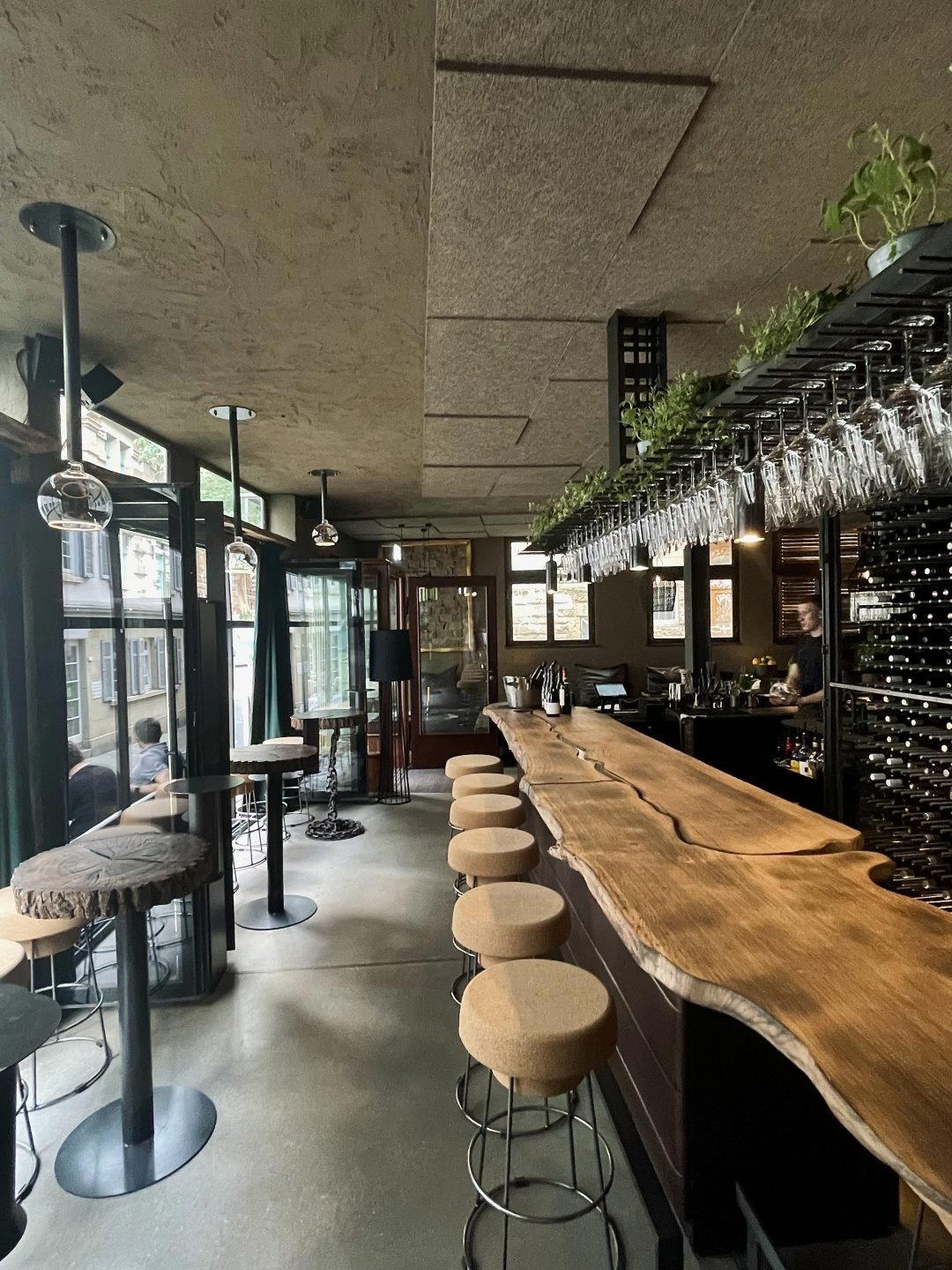
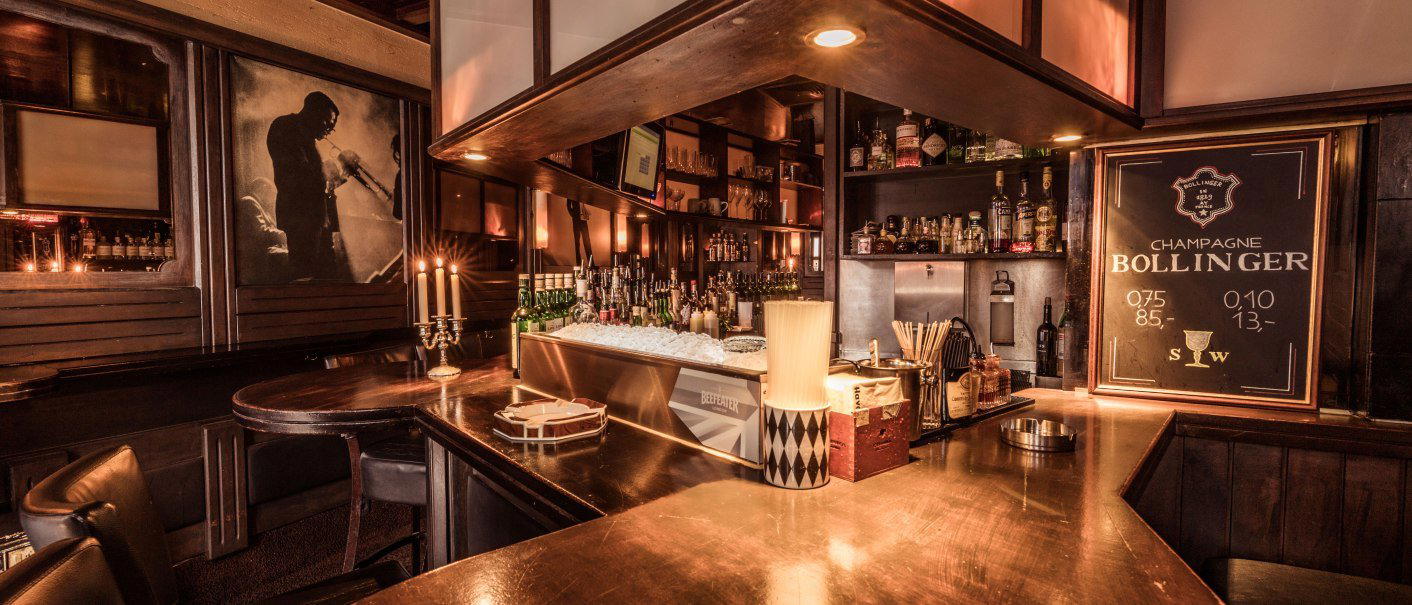
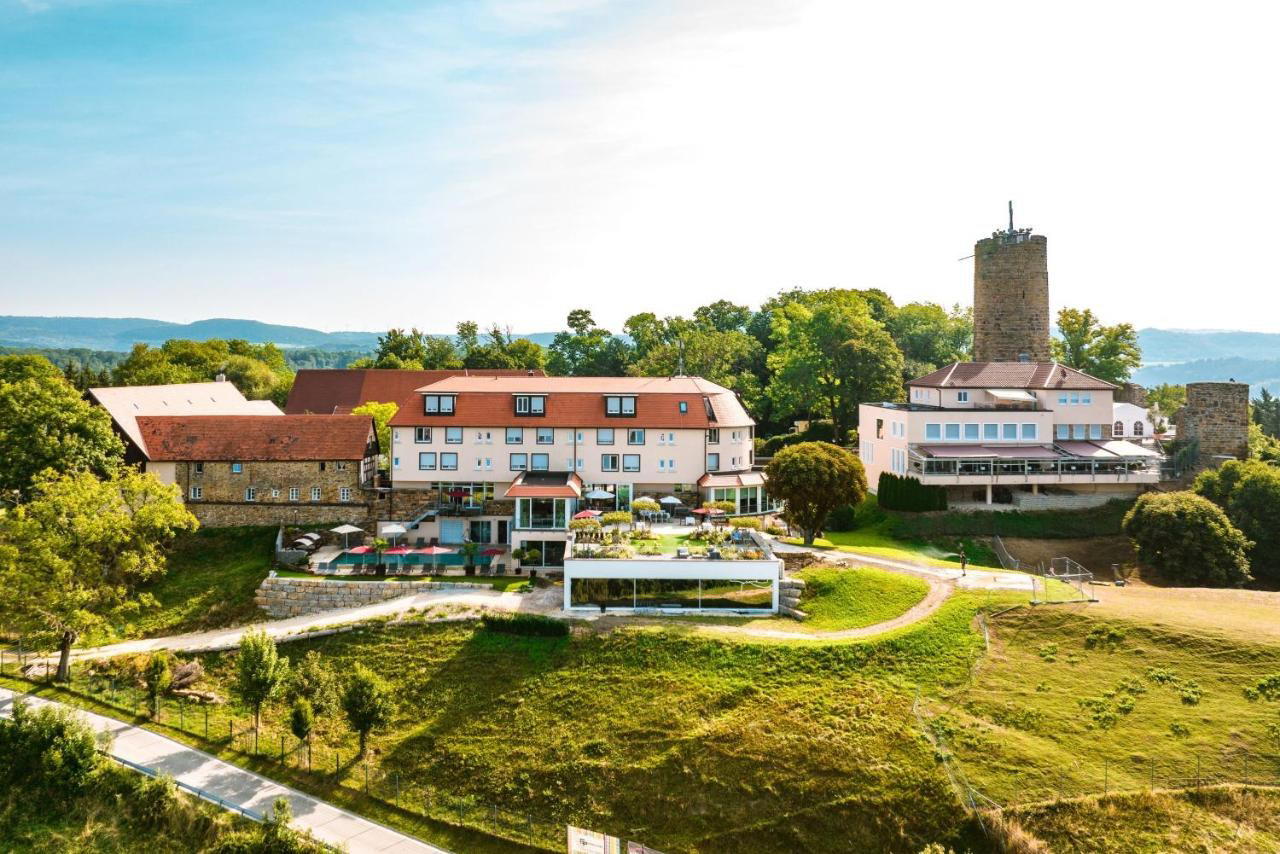
Schorndorf's old town presents the kind of streetscape that makes Germany's smaller historic centres worth seeking out: cobbled lanes, merchant-era architecture, and a quietness that the larger cities around Stuttgart have long since traded away. Höllgasse 9 sits within that context, and the half-timbered facade of Boutique Hotel Pfauen announces itself with the understated confidence of a building that has nothing to prove. The fine dining restaurant within, carrying chef-patron Nico Burkhardt's name, occupies a space of just eight seats — a count that places it in a specific and deliberate tier of German fine dining, where intimacy is a structural commitment rather than a marketing claim.
Eight-seat counters and small dining rooms have become a meaningful subset of Germany's Michelin-recognised restaurants over the past decade. The format imposes discipline: the kitchen cannot hide behind volume, and the service team cannot deflect with anonymity. Every element of the meal is visible and accountable. Burkhardt's restaurant operates in that mode, earning its first Michelin star in 2025 within a room that Michelin's own inspectors described as inviting and tastefully decorated, with an atmosphere that makes guests feel at home. That combination — technical ambition inside an intimate domestic register, is harder to sustain than it sounds, and rarer than the growing list of small-format restaurants might suggest.
Modern French Technique in a Swabian Setting
Modern French cooking in Germany exists on a spectrum that runs from direct Gallic transplantation to deeply hybridised regional expression. The country's most recognised examples of the form, from Schwarzwaldstube in Baiersbronn to Vendôme in Bergisch Gladbach, tend to anchor French structure to German produce, using the discipline of classical technique as a frame for local ingredient stories. Burkhardt's approach, as described by Michelin, sits within that tradition: a set menu that is replete with details and built on excellent ingredients, delivered with a modern and delicate touch.
The editorial angle worth holding here is provenance. The Swabia region, of which Schorndorf is part, sits within Baden-Württemberg, a federal state whose agricultural diversity runs from the Lake Constance orchards in the south to the Swabian Alb's cattle pastures further east. The Stuttgart basin and its surrounding hills produce some of Germany's most interesting wine, and the broader region has a long association with high-quality livestock and produce. A kitchen in Schorndorf that commits to excellent ingredients is not operating in a void: it has access to a supply network that larger city restaurants often have to source from at greater distance and cost. That proximity shapes what can realistically appear on a set menu with the kind of ingredient quality Michelin's description implies.
The veal fillet with vanilla vinegar jus that appears in Michelin's citation is instructive. The marriage of sweetness and acidity in that preparation points to a kitchen interested in the structural logic of flavour rather than spectacle. Vanilla used savoury, vinegar calibrated to complement rather than cut, these are decisions that require precise technical skill and, as Michelin notes, significant attention to detail. The dish is also telling in its choice of protein: veal has deep roots in southern German and Swabian cooking, making it a natural bridge between the French technical framework and the regional ingredient story.
Where Burkhardt Sits in Germany's Michelin One-Star Tier
Germany's Michelin one-star tier is substantial and varied, encompassing everything from urban tasting-menu operations to countryside auberge formats. Within that field, the eight-seat Schorndorf restaurant represents a particular approach: low volume, high precision, hotel-embedded. The Boutique Hotel Pfauen connection places it in a recognised European model, the small design hotel with a serious restaurant attached, that has proven viable in secondary cities precisely because the accommodation component stabilises occupancy and supports the kitchen's cost structure.
Comparable Michelin-recognised restaurants in the German southwest offer a useful peer frame. ES:SENZ in Grassau and Schanz in Piesport both operate in non-metropolitan settings where the restaurant is the primary destination draw. The pattern suggests that one-star recognition in a town like Schorndorf functions differently from the same award in Munich or Hamburg: it places the restaurant on a map that justifies a specific trip, rather than adding it to an existing urban itinerary. For context on what multi-star ambition looks like in comparable formats, Aqua in Wolfsburg demonstrates how a destination restaurant in a non-obvious German city can sustain three-star recognition over time.
High-volume operations can absorb poor experiences within their averages; an eight-seat room cannot.
The Set Menu Format and What It Asks of the Guest
Set menus at this price tier (€€€€) within Germany's Michelin ecosystem carry an implicit contract. The kitchen chooses the direction; the guest's role is to engage rather than direct. This format rewards guests who arrive with some prior knowledge of Modern French cooking and who understand that the labour embedded in technically precise sauces and carefully sourced ingredients accounts for a significant portion of what the price reflects. The same format at JAN in Munich or Restaurant Haerlin in Hamburg operates within the same terms, adjusted for their respective city contexts and star counts.
What distinguishes Burkhardt's version of this contract is the room itself. Eight seats in a historically framed building in a quiet Swabian old town produce a register that larger starred restaurants cannot replicate, not because of any single element, but because the scale makes the service genuinely personal rather than professionally simulated. Michelin's inspectors noted the pleasantly intimate atmosphere and cordial service explicitly, which in the typically restrained language of Michelin citations carries meaningful weight.
Planning a Visit
Schorndorf sits roughly 30 kilometres east of Stuttgart, accessible by S-Bahn on the S2 line from Stuttgart Hauptbahnhof in under an hour, which makes it a realistic evening excursion from the city, though the intimacy of the format and the presence of the Boutique Hotel Pfauen above the restaurant make an overnight stay a more considered option. For those building a wider trip around the region's dining, Bagatelle in Trier and Waldhotel Sonnora in Dreis anchor the German southwest's fine dining circuit further west. Modern French comparators in a different register, Sketch's Lecture Room and Library in London and Alex Dilling at Hotel Café Royal, show how the idiom plays out in a major European capital, for context on the range of expression within Modern French at this price point.
Given the eight-seat capacity, booking well in advance is not optional, it is simply the arithmetic of the format. A full dining room is eight guests. Demand for a newly Michelin-starred restaurant of this size in a region with serious fine dining appetite will outpace availability quickly. Arriving without a reservation is not a viable approach. For broader trip planning, our full Schorndorf restaurants guide, Schorndorf hotels guide, Schorndorf bars guide, Schorndorf wineries guide, and Schorndorf experiences guide cover the wider context. The Victor's Fine Dining by Christian Bau in Perl and CODA Dessert Dining in Berlin illustrate the breadth of Germany's starred dining scene for those building a longer itinerary.
Frequently asked questions
What is the signature dish at Gourmetrestaurant Nico Burkhardt?
Modern French cooking at this level operates through a set menu rather than a fixed signature dish, and the menu changes with the kitchen's direction and available ingredients. However, the preparation Michelin chose to highlight in its 2025 citation, veal fillet with a vanilla vinegar jus, is the documented reference point. The combination of sweetness and acidity in that sauce, and the technical discipline it requires, reflects what the kitchen does well: precise, detail-oriented cooking where flavour logic takes precedence over visual drama.
How would you describe the vibe at Gourmetrestaurant Nico Burkhardt?
At the €€€€ tier with a Michelin star earned in 2025, the restaurant sits in formal fine dining territory, but the eight-seat room inside a Swabian half-timbered building pulls the atmosphere back from stiffness. Michelin's own description uses words like intimate and cordial, which in Schorndorf's quiet old town context reads as accurate rather than aspirational. This is not the high-ceilinged formality of a city grand hotel restaurant; it is closer to dining in a well-appointed private space where the cooking happens to be technically serious. Guests who have experienced comparable small-format starred rooms elsewhere in Germany will find the register familiar.
Is Gourmetrestaurant Nico Burkhardt appropriate for children?
At the €€€€ price point with eight seats and a Michelin star, the format is not designed for young children. A set menu of several courses in a very small, quiet dining room asks for sustained attention and a willingness to engage with cooking on the kitchen's terms. Schorndorf itself has plenty to offer families in the surrounding old town. For an adult evening focused on serious cooking, this is the right choice; as a family meal with children under twelve or so, the format presents practical difficulties that have less to do with any policy and more to do with the structure of the experience itself.
| Venue | Cuisine | Price | Awards |
|---|---|---|---|
| Gourmetrestaurant Nico BurkhardtThis venue (the venue you are viewing) | Modern French Fine Dining | $150–200 | 1 Michelin Star |
| Schwarzwaldstube | French, Classic French | Not listed | Michelin 3 Star |
| Aqua | Contemporary German, Italian/Japanese, Creative | Not listed | Michelin 3 Star |
| CODA Dessert Dining | Creative | Not listed | Michelin 2 Star |
| Tantris | Modern French, French Contemporary | Not listed | Michelin 2 Star |
| Vendôme | Modern European, Creative | Not listed | Michelin 2 Star |
Recognition history
Dated appearances from independent guides and award organizations, with the underlying list record or original source where available.
Michelin 1 Star
Michelin
Full recognition history (3 entries)
Michelin 1 Star
Michelin
Michelin 1 Star
Michelin
Continue exploring
More in Schorndorf
Restaurants in Schorndorf
All restaurants in Schorndorf →
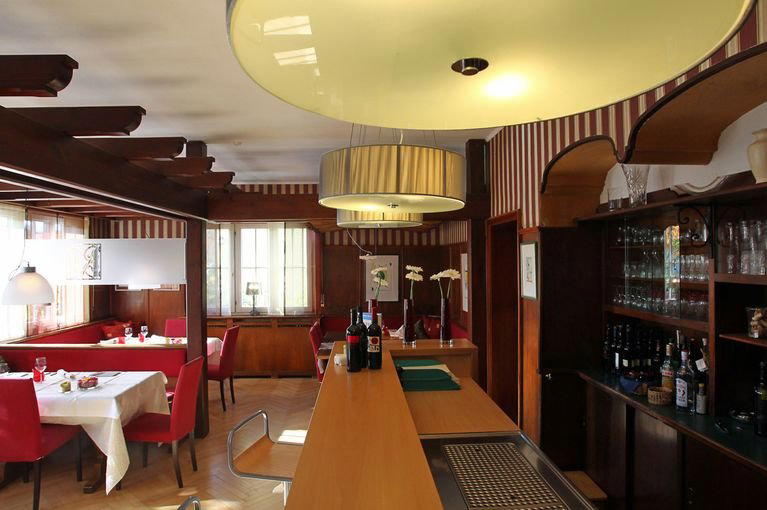
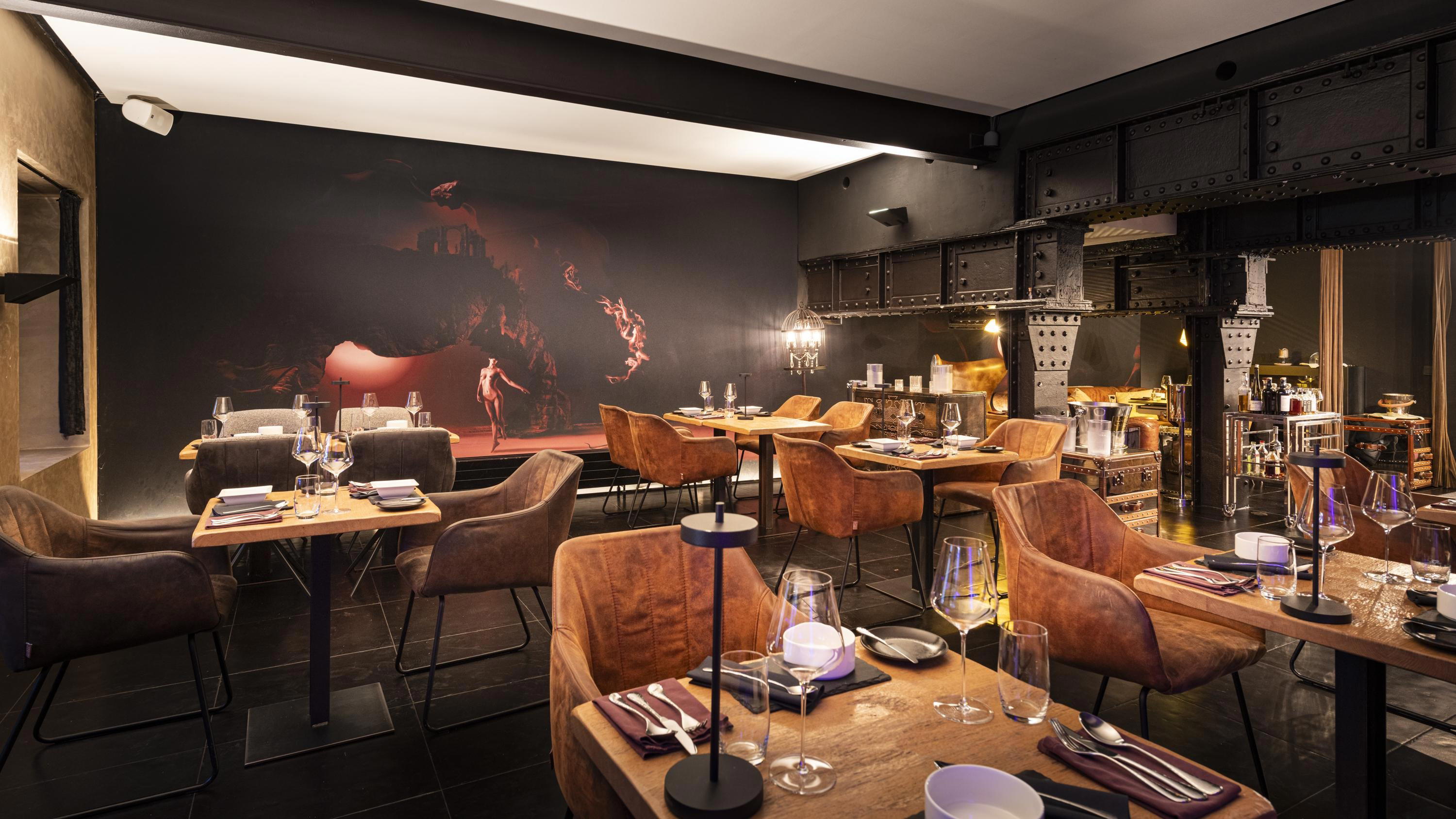
Bars in Schorndorf
Browse all →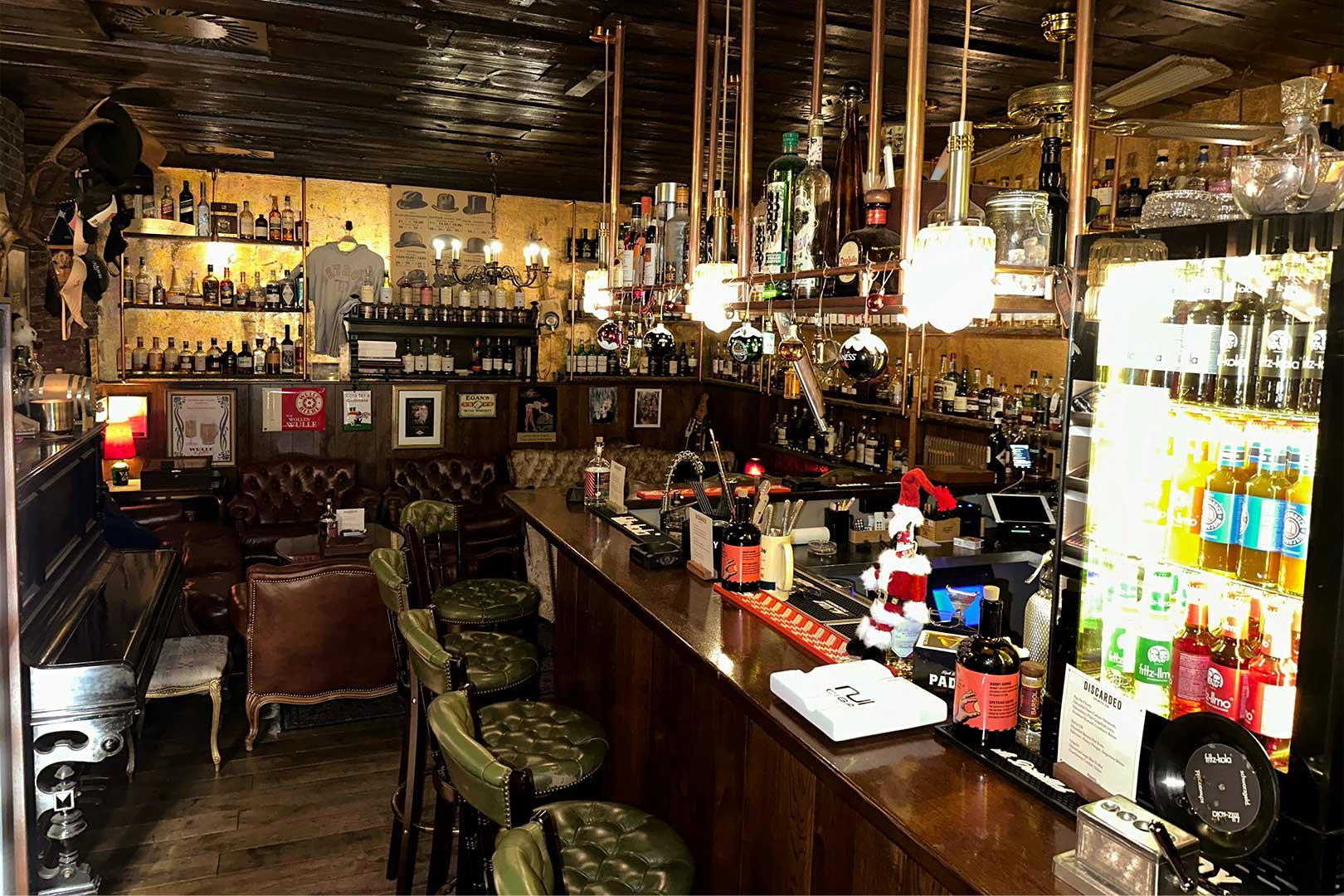
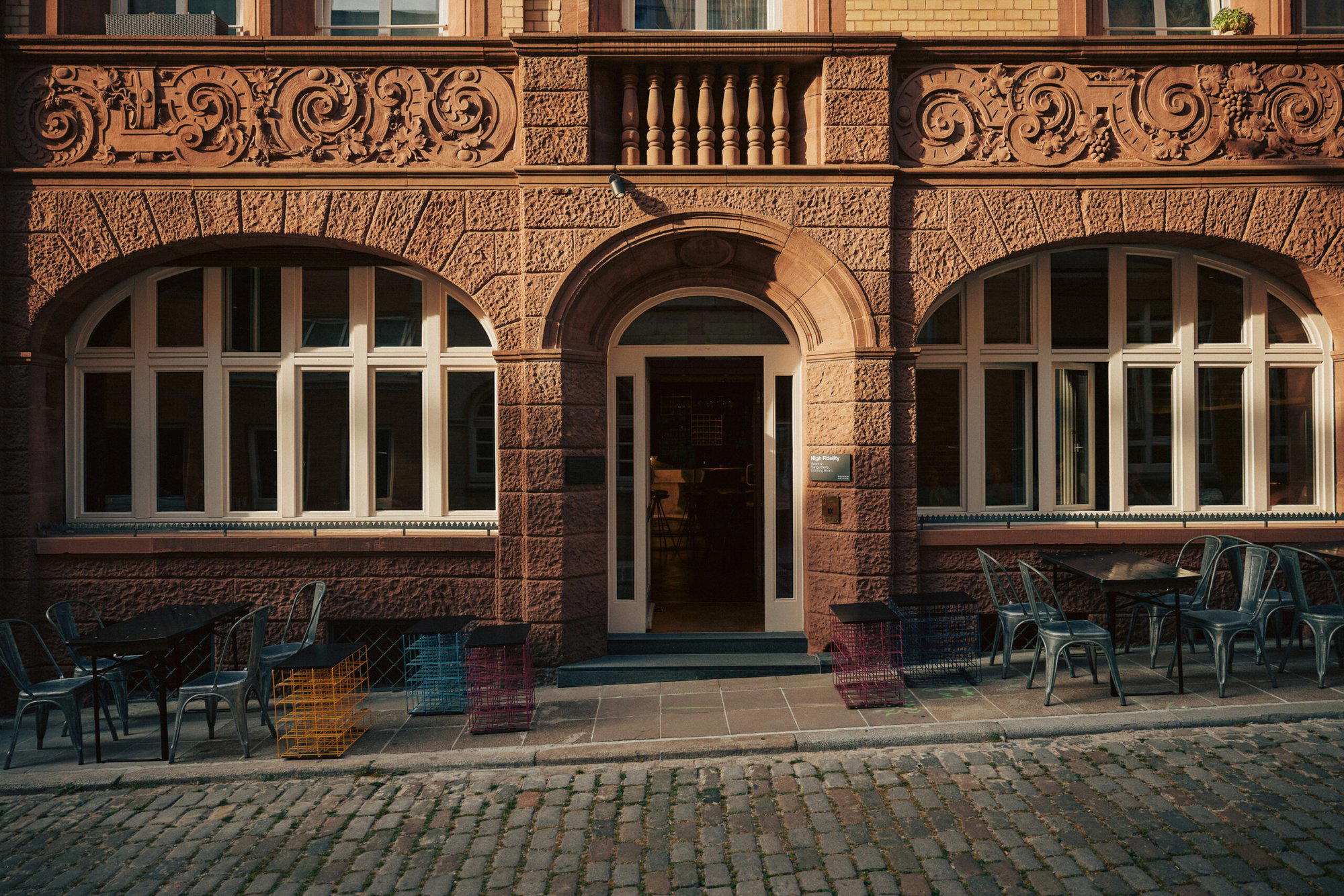

Gourmetrestaurant Nico Burkhardt
The wine
- Wine program
- Curated wine list
- Extensive wine list
Details
- Intimate
- Elegant
- Sophisticated
- Special Occasion
- Date Night
- Historic Building
- Extensive Wine List
- Farm To Table
- Tasting Menu
- Set Menu
Current opening hours
- Monday
- Closed
- Tuesday
- Closed
- Wednesday
- 6:30–10:30 PM
- Thursday
- 6:30–10:30 PM
- Friday
- 6:30–10:30 PM
- Saturday
- 6:30–10:30 PM
- Sunday
- Closed
Hours can change for holidays and private events. Last verified .
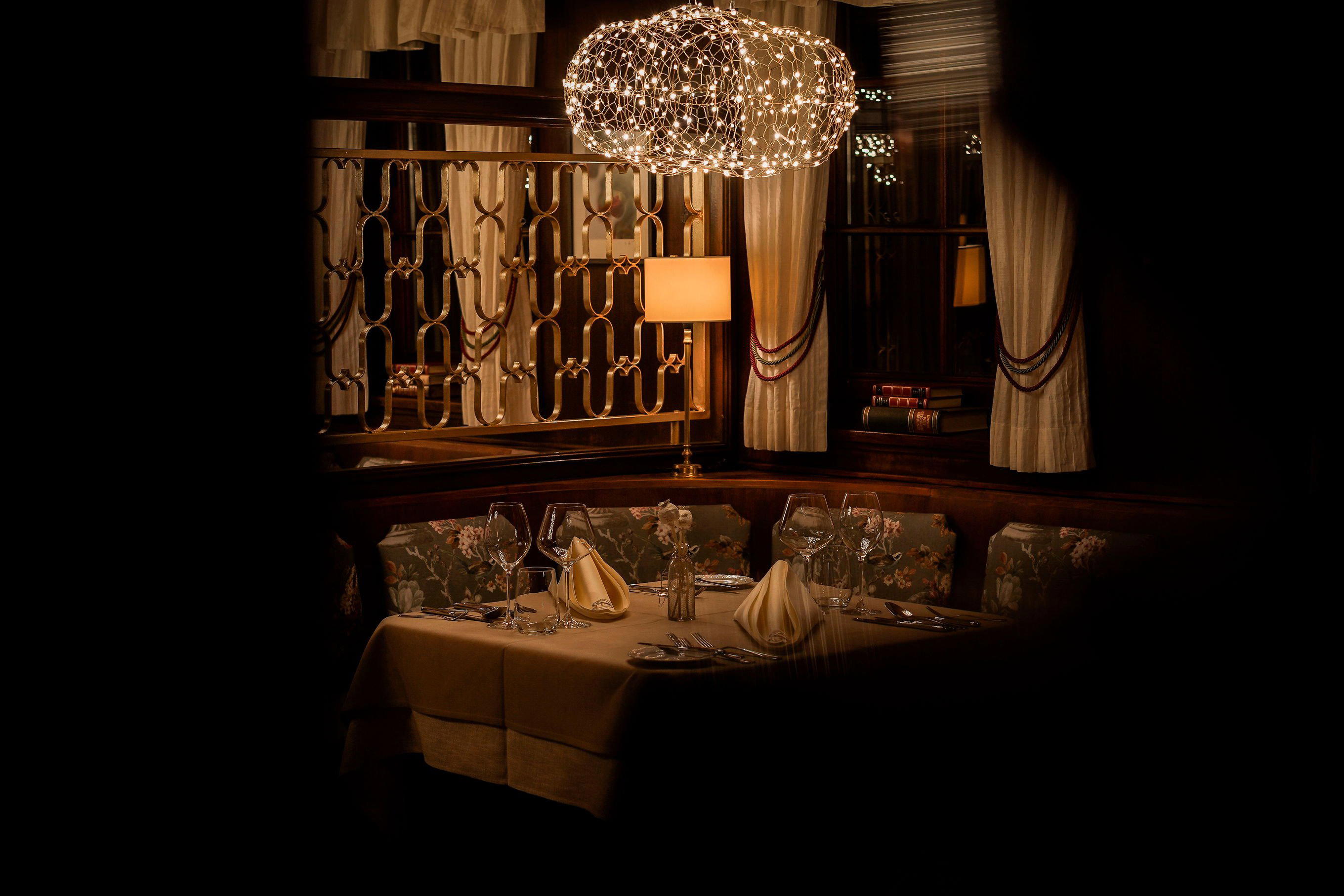
Inviting and tastefully decorated space with pleasantly intimate atmosphere, attentive cordial service, and romantic enclosed outdoor terrace.