Bestenheider Stuben occupies a specific place in Wertheim's dining scene: a traditional German Stuben format on Breslauer Strasse that invites comparison with the region's broader commitment to locally sourced, seasonally driven cooking. For visitors tracing the Main-Tauber corridor's table culture, it represents the kind of address that rewards curiosity over headline-chasing.
Pearl is the En Primeur Club membership app — saves, bookings, and concierge access live there. Same editors, same standards.
- Address
- Breslauer Str. 1, 97877 Wertheim, Germany
- Phone
- +4949934296540
- Website
- bestenheider-stuben.de
- Directions
- Get directions
 Saves & bookings on Pearl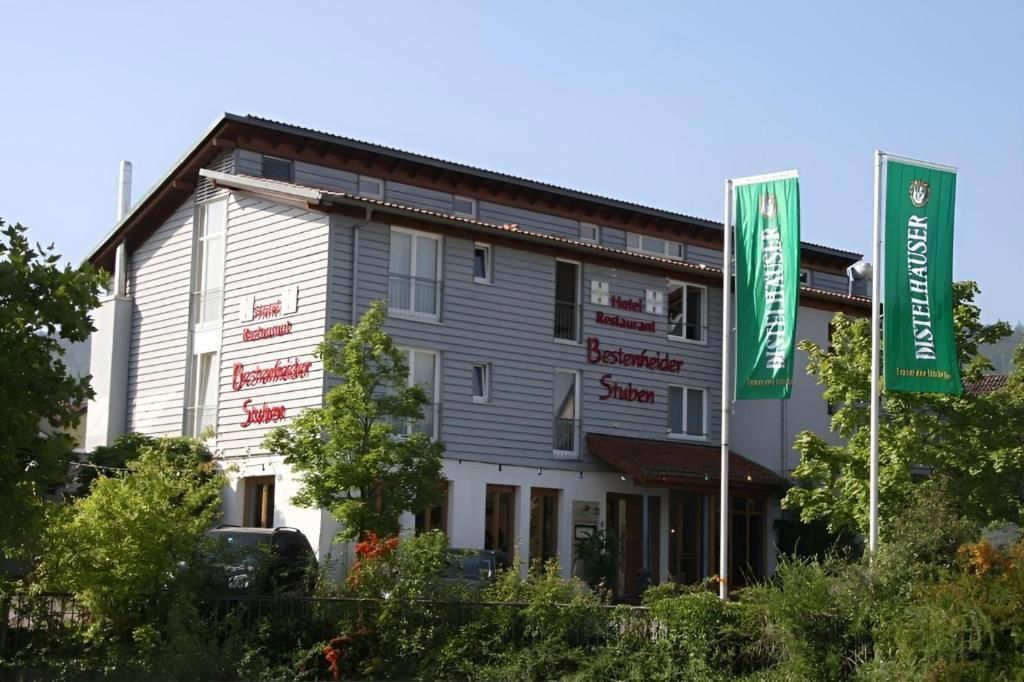
Where the Main-Tauber Valley Sets the Table
Bestenheider Stuben is a restaurant in Wertheim, Germany, serving German with French Flair. That distance is not a deficit. It has produced a dining culture shaped by agricultural proximity rather than trend cycles, where the distance between a producer and a plate is measured in kilometres rather than supply-chain abstractions. Bestenheider Stuben, addressed at Breslauer Strasse 1 in Wertheim, sits within that tradition. The Stuben format itself, a specifically German configuration of the inn-adjacent dining room, carries centuries of regional meaning: a space defined by warmth, specificity of place, and a cooking vocabulary drawn from what the surrounding land makes available.
Wertheim occupies the confluence of the Main and Tauber rivers, a geographic position that has historically made it a trading and provisioning hub. That heritage feeds directly into the kind of ingredient culture that characterises kitchens in this part of northern Baden. The valley's orchards, the forests of the Tauber highlands, and the river fisheries once supplied a dense network of inns and Gasthäuser. Contemporary restaurants in the area still draw on that supply logic, operating in a culinary register that links the kitchen's output directly to what the immediate region grows, raises, and forages. Bestenheider Stuben's address in this geography places it inside that broader conversation.
The Stuben Tradition and What It Means for the Plate
German fine dining has bifurcated sharply over the past decade. On one side sit the metropolitan flagships, restaurants like Aqua in Wolfsburg or Vendôme in Bergisch Gladbach, which compete in an international register, drawing on Japanese technique, contemporary French theory, and global ingredient sourcing. On the other side, a smaller and less publicised tier of regional houses continues to anchor cooking in the traditions and produce of a specific place. The Stuben category belongs firmly to the latter cohort.
That regional anchoring carries concrete implications for what appears on the table. Baden-Württemberg's agricultural profile includes Swabian Alb lentils, Hohenlohe beef, Main river carp and pike-perch, wild mushrooms from the Odenwald, and fruit spirits from some of Germany's most productive orchard regions. Kitchens working within this ingredient tradition are not making a style statement so much as a supply decision: sourcing locally means cooking seasonally, and cooking seasonally means the menu shifts with the calendar rather than with the whims of a global import market. This is a different philosophy from what drives the tasting menus at Schwarzwaldstube in Baiersbronn or JAN in Munich, and it is not a lesser one.
Reading the Room: Atmosphere and Format
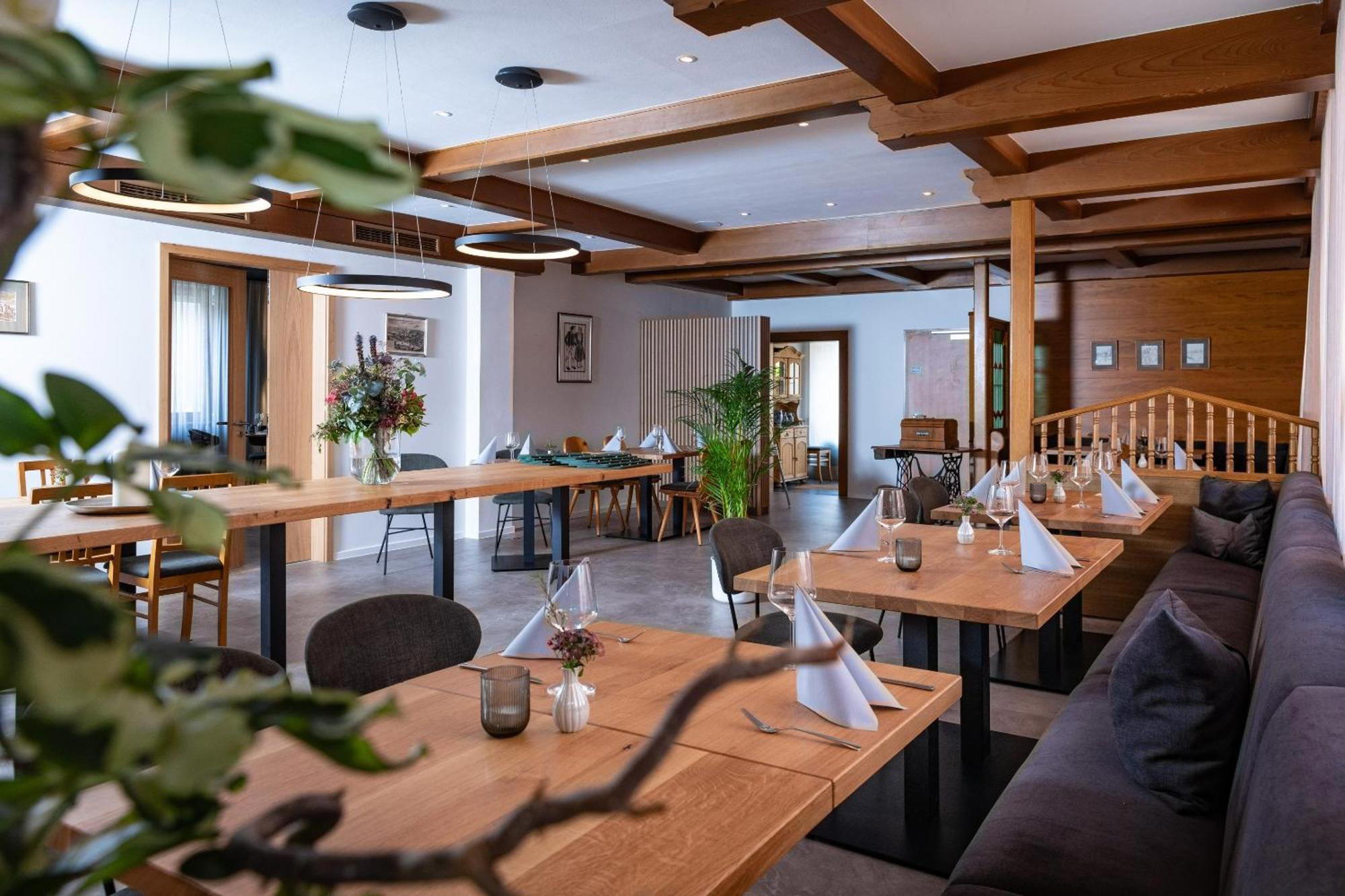
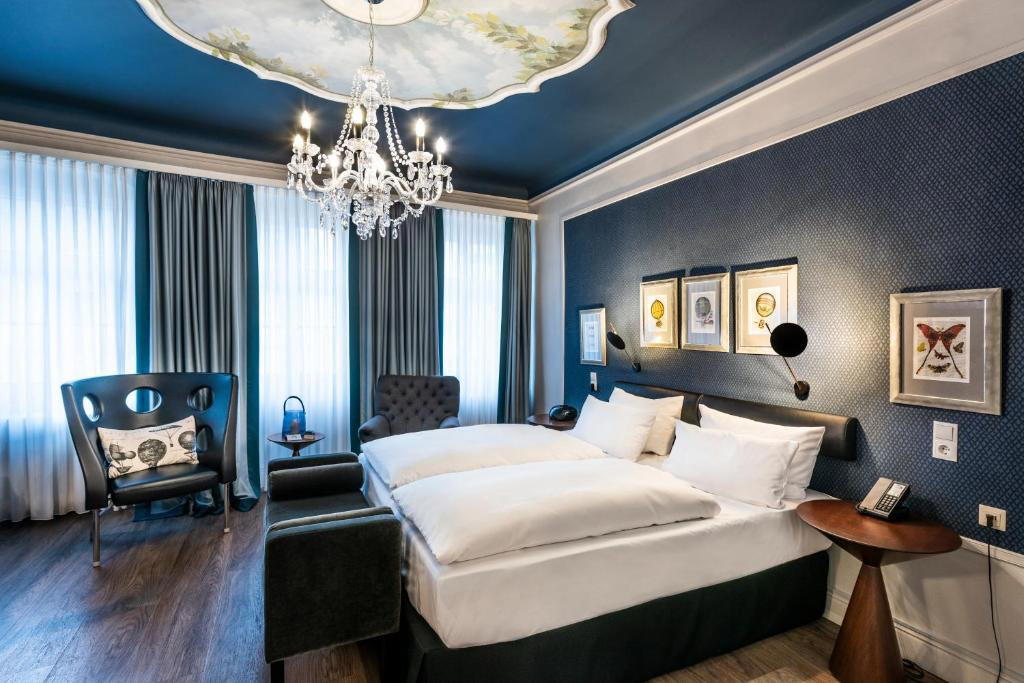
The physical format of a Stuben communicates before the food arrives. Low ceilings, panelled walls, and small windows are not decorative affectations but architectural responses to the German climate and the social function these rooms were built to serve. They are rooms that encourage long meals, unhurried conversation, and the kind of eating that resists documentation. That atmosphere stands at a deliberate remove from the open-kitchen theatre common to CODA Dessert Dining in Berlin or the precision showmanship of Victor's Fine Dining by Christian Bau in Perl. The point is not spectacle but settlement: the feeling of being in a place that knows what it is and has been that thing for a long time.
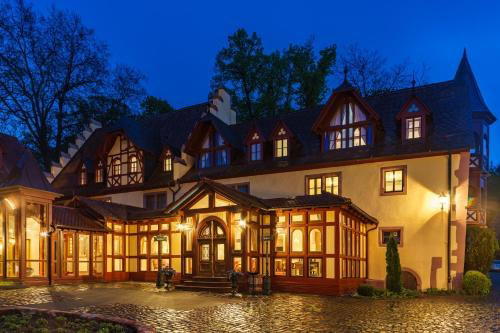
Wertheim's old town, with its medieval street plan and the Burg Wertheim castle above it, provides an architectural register that aligns naturally with this format. Visitors arriving from the A3 motorway corridor, which runs close to the town and connects Frankfurt to Würzburg, find themselves in a built environment that has preserved considerable historical texture. Breslauer Strasse sits within the town's residential and local-commercial fabric rather than in a tourist-facing precinct, which gives the address a neighbourhood character that more prominent destinations rarely sustain.
The Regional Context for Serious Eating
Northern Baden operates in a food culture that deserves more international attention than it receives. The region sits between the Franconian wine country to the north and the Badische wine belt to the south, with the Tauber valley producing its own appellation wines. Those local wines, when they appear on regional wine lists, provide a pairing logic that reflects the same ingredient-proximity principle as the kitchen. The Taubertal and the Main valley's Franconian Silvaner and Müller-Thurgau work against the assertive proteins and earthy root vegetables that characterise Baden cooking in a way that international imports, however distinguished, rarely replicate.
For visitors constructing a German dining itinerary across the southwest, Wertheim sits at a useful geographic midpoint. It lies within reasonable driving distance of the Moselle valley addresses like Schanz in Piesport and Waldhotel Sonnora in Dreis, the Saarland's GästeHaus Klaus Erfort in Saarbrücken, and the Palatinate's L.A. Jordan in Deidesheim. Those are different addresses in ambition and register, but grouping them on a single journey through Germany's less-traversed dining regions makes logistical sense.
Comparable regional formats in the southwest, from Bagatelle in Trier to Ösch Noir in Donaueschingen, demonstrate that serious cooking in smaller German towns is not an anomaly but a pattern. The country's culinary infrastructure extends well beyond Hamburg's Restaurant Haerlin and Hanover's Jante, and the market-town tradition that restaurant inhabits represents one of its more durable expressions.
Planning Your Visit
Wertheim is reachable by train from Frankfurt (Würzburg line, approximately 90 minutes with a regional connection at Lauda or direct services) or by car via the A3 motorway with the Wertheim exit. The town is compact enough to navigate on foot once you arrive. Visiting in the autumn months aligns with the regional ingredient calendar, when game, wild mushroom, and root vegetable cooking tends to reach its fullest expression across Baden kitchens of this type. International visitors comparing the experience against addresses like Le Bernardin in New York City or Lazy Bear in San Francisco will find a fundamentally different set of priorities at work, one where local specificity and a slower pace of service take precedence over technical display.
Comparison Snapshot
Comparable venues nearby, for context on price, style, and recognition.
| Venue | Cuisine | Price | Notes |
|---|---|---|---|
| Bestenheider StubenThis venue — the venue you are viewing | German with French Flair | $$$ | Not listed |
| Restaurant Scheune | Franconian Fine Dining | $$$ | Wartmannsroth |
| Heimat, Frankfurt | Contemporary European with Modern German Influences | $$$ | Roemerberg |
| Ringhotel Schloss Hohenstein | Regional German Fine Dining | $$$ | Ahorn |
| Kühners Landhaus | Modern Bavarian Steakhouse | $$$ | Kissing |
| Hotel Vorfelder | Modern German | $$ | heart of Walldorf |
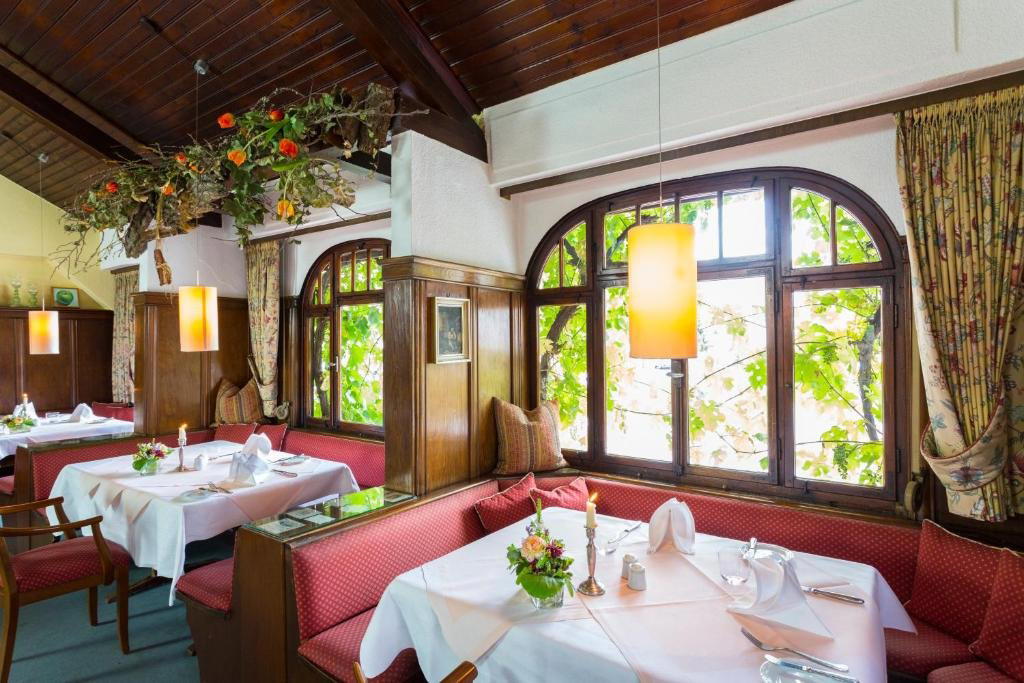
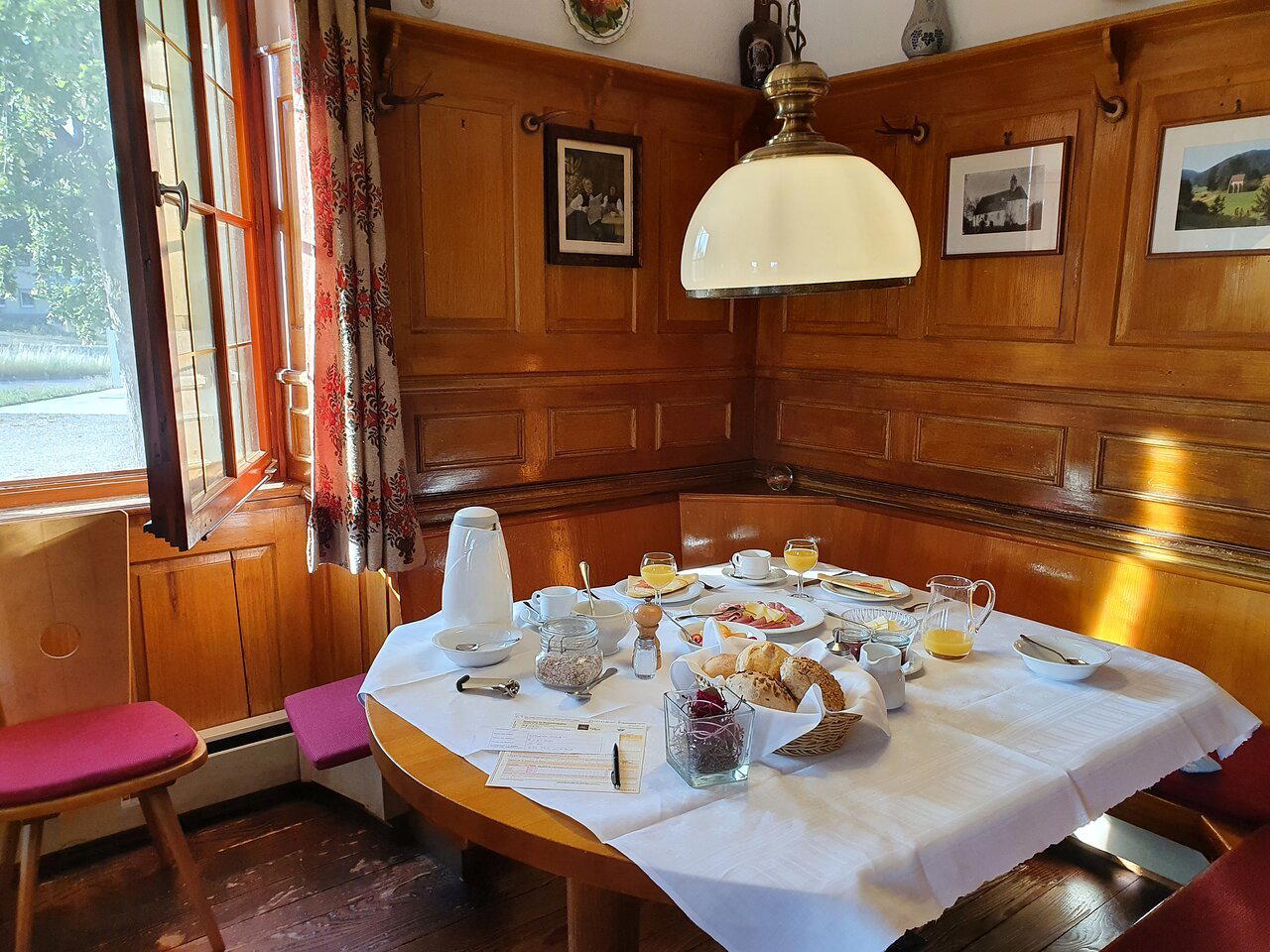
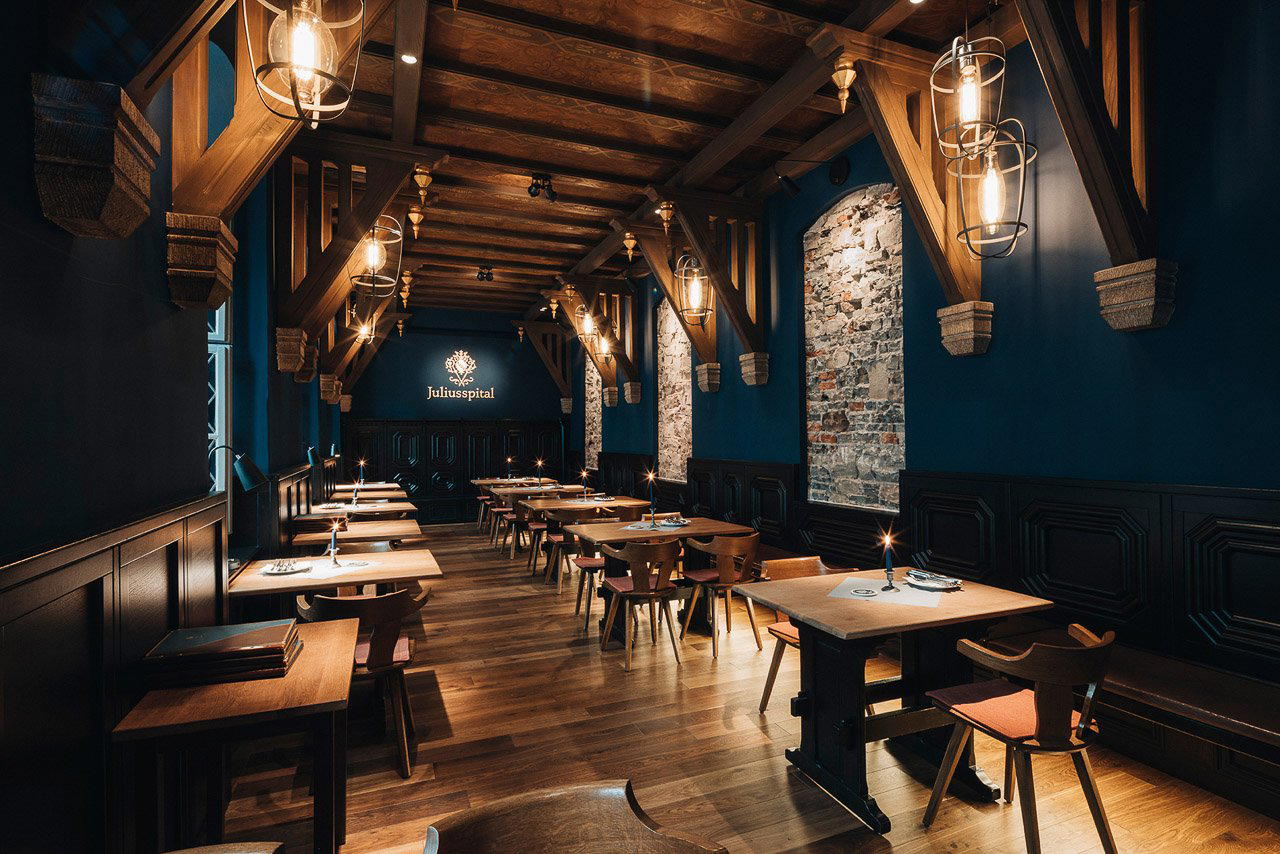
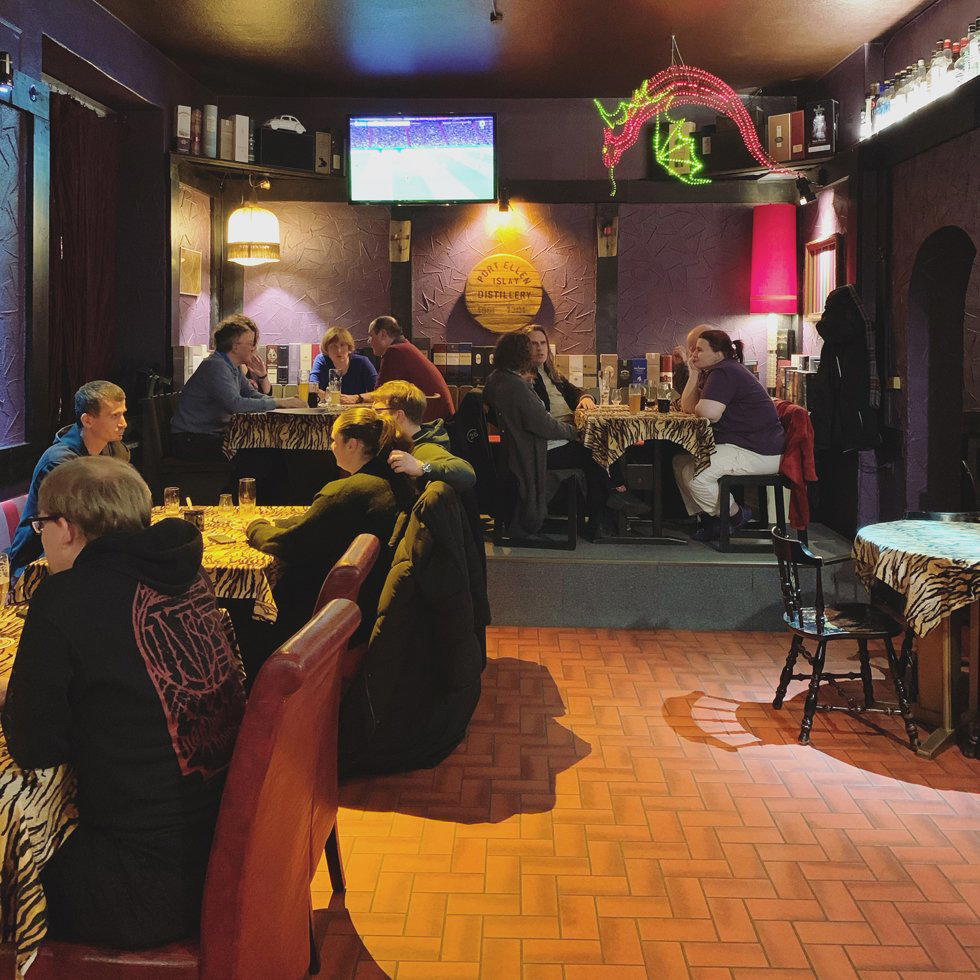

At a Glance
- Cozy
- Classic
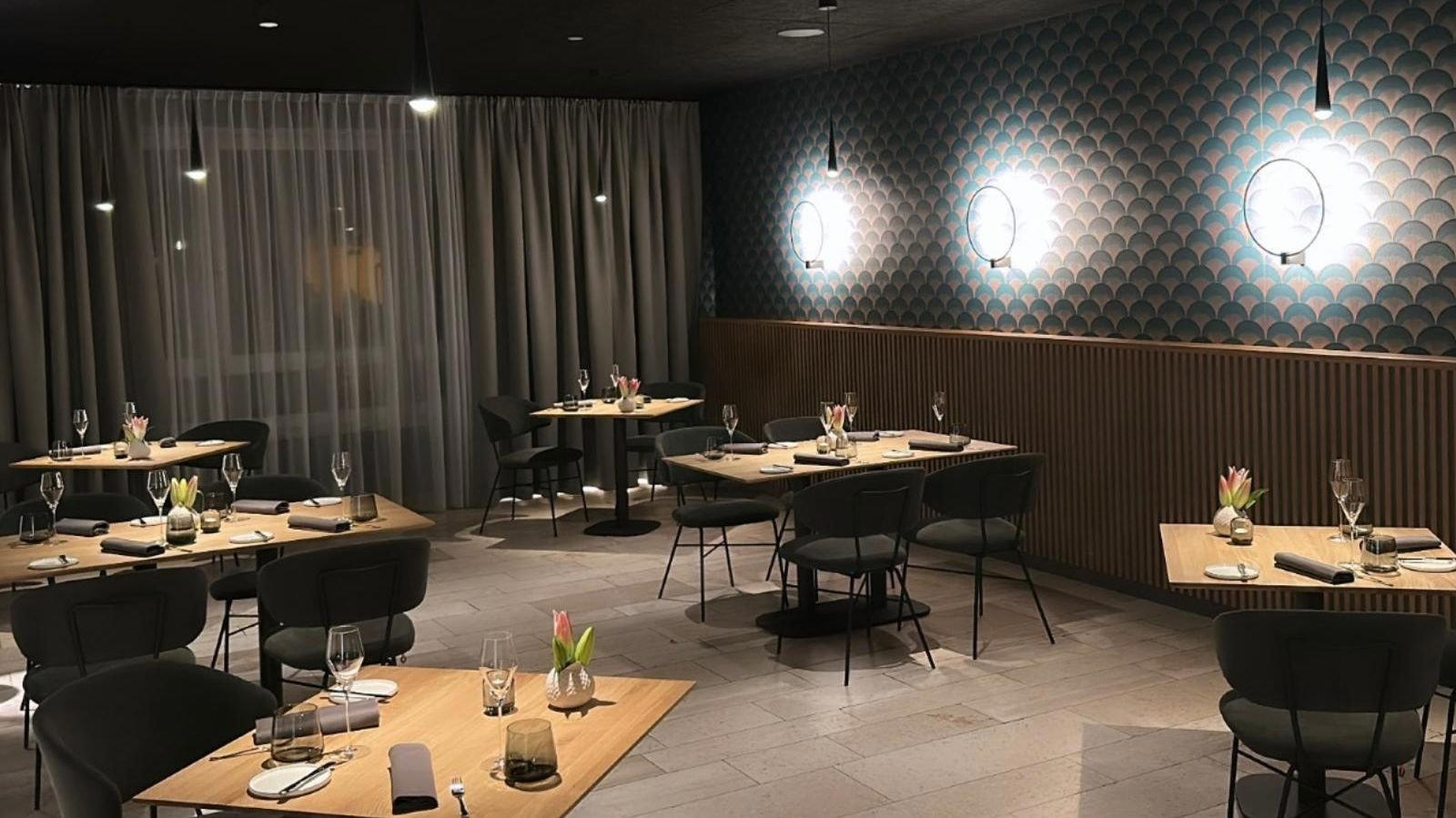
- Elegant
- Date Night
- Business Dinner
- Special Occasion
- Private Dining
- Local Sourcing
Current opening hours
- Monday
- Closed
- Tuesday
- 11:30 AM–2 PM, 5:30–10 PM
- Wednesday
- 11:30 AM–2 PM, 5:30–10 PM
- Thursday
- 11:30 AM–2 PM, 5:30–10 PM
- Friday
- 11:30 AM–2 PM, 5:30–10 PM
- Saturday
- 5:30–10 PM
- Sunday
- 11:30 AM–3 PM
Hours can change for holidays and private events. Last verified .
Relaxed atmosphere with lovely setting, friendly service, and focus on quality enjoyment.