Schellenturm occupies a medieval tower in Stuttgart's Bohnenviertel quarter, placing it among the city's most architecturally distinctive dining addresses. Where Stuttgart's fine-dining tier runs toward modernist tasting menus, Schellenturm draws on the built fabric of the city itself as context. For visitors planning ahead, the address rewards early research into booking windows and seasonal programming.
Pearl is the En Primeur Club membership app — saves, bookings, and concierge access live there. Same editors, same standards.
- Address
- 70182, Weberstraße 72, 70182 Stuttgart, Germany
- Phone
- +4971130005752
- Website
- schellenturm-stuttgart.de
- Directions
- Get directions
 Saves & bookings on Pearl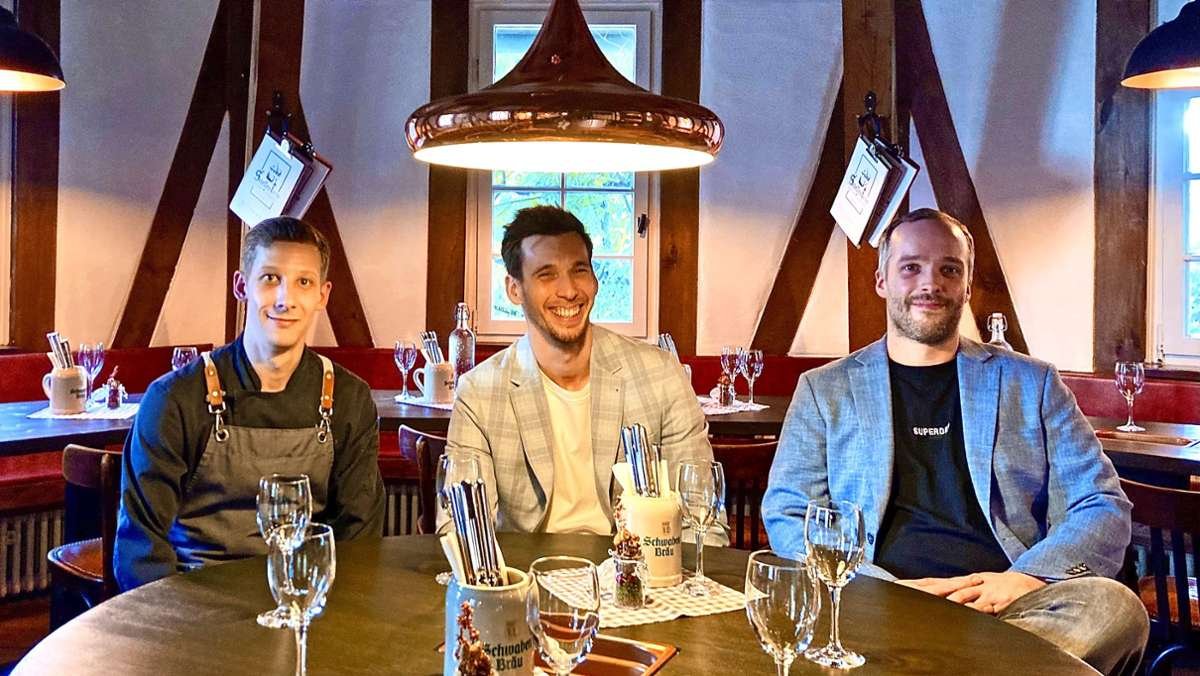
A Tower in the Bohnenviertel: What the Setting Signals
Stuttgart's Bohnenviertel, the old "bean quarter" southeast of the city centre, is one of the few neighbourhoods in southwest Germany where a medieval watchtower survives as a functional building rather than a municipal curio. The Schellenturm, at Weberstraße 72, is embedded in that fabric: a stone structure whose age predates the restaurant trade by several centuries. In a dining culture where atmospherics are frequently manufactured, a room that arrives already ancient operates on different terms. The architecture does not serve the restaurant; the restaurant occupies the architecture.
This matters for how visitors should approach a booking. You are not choosing a room that has been designed to impress. You are choosing a specific historic site in a specific quarter of Stuttgart, and the dining experience is what happens inside that site. That orientation shapes everything from the physical approach, the tower sits within a neighbourhood of narrow streets and converted merchants' buildings, to the sensory register inside, where stone walls and the verticality of a tower interior create acoustic and spatial conditions that no purpose-built dining room replicates.
Stuttgart's Fine-Dining Tier and Where Schellenturm Sits
Stuttgart fields a serious fine-dining cohort for a German city of its size. Speisemeisterei and 5 represent the city's modernist creative tier at the €€€€ price point. Der Zauberlehrling and Délice operate in creative formats at €€€ and €€€€ respectively. Hegel Eins occupies the modern cuisine bracket.
Schellenturm sits outside this competitive set in a meaningful way: the address is defined first by its physical character, which gives it a peer group that cuts across price tiers and cuisine categories. Visitors choosing between a contemporary tasting menu at one of Stuttgart's Michelin-acknowledged addresses and an evening at Schellenturm are not making a like-for-like comparison. The relevant question is what kind of evening the reader is planning, not which kitchen is operating at a higher technical register.
For context on what German fine dining looks like at its most decorated tier, addresses such as Schwarzwaldstube in Baiersbronn, Vendôme in Bergisch Gladbach, and Victor's Fine Dining by Christian Bau in Perl establish the national benchmark. Aqua in Wolfsburg, Waldhotel Sonnora in Dreis, and Restaurant Haerlin in Hamburg fill out the picture. Schellenturm does not compete in that category; it operates on a different axis entirely.
The Booking Experience: What to Know Before You Go
The editorial angle most relevant to Schellenturm is logistics, because the address generates the kind of search traffic that suggests visitors are already committed to going and need practical orientation, not a persuasion argument.
The restaurant is located in the Bohnenviertel, which is walkable from Stuttgart's city centre and accessible by public transit. Schellenturm is a Swabian German Weinstube in Stuttgart, with casual dress and recommended reservations. The neighbourhood itself warrants time before or after a meal: the quarter's mix of independent shops, wine bars, and preserved architecture makes it one of the more rewarding on-foot areas in the city. Visitors arriving by car should account for parking constraints typical of inner-city Stuttgart; the U-Bahn network is the more reliable approach.
Booking timing for well-regarded addresses in Stuttgart's mid-to-upper tier generally follows German convention: weekends fill faster than weekdays, and summer and the pre-Christmas period see compressed availability. Plan two to four weeks ahead for a weekend table, less for midweek. Given the tower's limited footprint, capacity is smaller than a conventional dining room of comparable standing.
For visitors building a broader Germany itinerary around serious restaurant experiences, ES:SENZ in Grassau, Schanz in Piesport, and JAN in Munich represent the kind of regional anchors worth scheduling around. International comparison points such as Le Bernardin in New York City and Atomix in New York City illustrate how leading restaurants at different price tiers manage the gap between booking difficulty and guest experience. CODA Dessert Dining in Berlin offers a reference point for how format-specific concepts in Germany handle the booking conversation.
What the Address Means for the Visit
Restaurants in historic structures carry a particular planning consideration: the building is the non-negotiable element. If a visitor arrives expecting the sensory register of a modern dining room, the stone interior, the acoustics of a tower, and the physical compactness of a medieval footprint will read as constraints rather than features. The reverse is equally true: for visitors who have sought out the Bohnenviertel specifically because of its architectural character, the Schellenturm address delivers something that no kitchen renovation or design scheme can replicate.
The Bohnenviertel's general character as a neighbourhood of craftspeople and merchants, the name derives from the bean trade historically associated with the area, gives context to why a restaurant in a former watchtower reads as coherent rather than incongruous. The quarter has always been a working district rather than a civic showpiece, and the tower's function as a bell tower rather than a fortress gives it a different register than the more severe medieval structures found in other German cities.
For visitors building a Stuttgart itinerary, the full Stuttgart restaurants guide covers the city's dining scene across price tiers and cuisine categories, with enough range to programme a multi-day visit without repeating the same format twice.
Know Before You Go
- Address: Weberstraße 72, 70182 Stuttgart, Germany
- Neighbourhood: Bohnenviertel, southeast of Stuttgart city centre
- Getting there: Stuttgart U-Bahn network; the Bohnenviertel is walkable from central stops. Car access is limited by inner-city parking conditions.
- Weekend tables in Stuttgart's upper-mid tier fill two to four weeks ahead; midweek availability is generally wider.
- Capacity note: A medieval tower footprint limits covers; plan ahead rather than walking in.
Compact Comparison
Comparable venues nearby, for context on price, style, and recognition.
| Venue | Cuisine | Price |
|---|---|---|
| SchellenturmThis venue — the venue you are viewing | Gablenberg, Swabian German Weinstube | $$ |
| Schnitzelkönig | Heslach, German Schnitzel House | $$ |
| Schönbuch Bräu | Gablenberg, Swabian Brauhaus | $$ |
| Wirtshaus Hasen | Gaisburg, Traditional Swabian Gasthaus | $$ |
| Weinstube Zur Kiste | Gablenberg, Traditional Swabian German | $$ |
| 1819 Bistro am Wirtemberg | Obertuerkheim, Swabian Regional Bistro | $$ |
Continue exploring
More in Stuttgart
Restaurants in Stuttgart
Browse all →
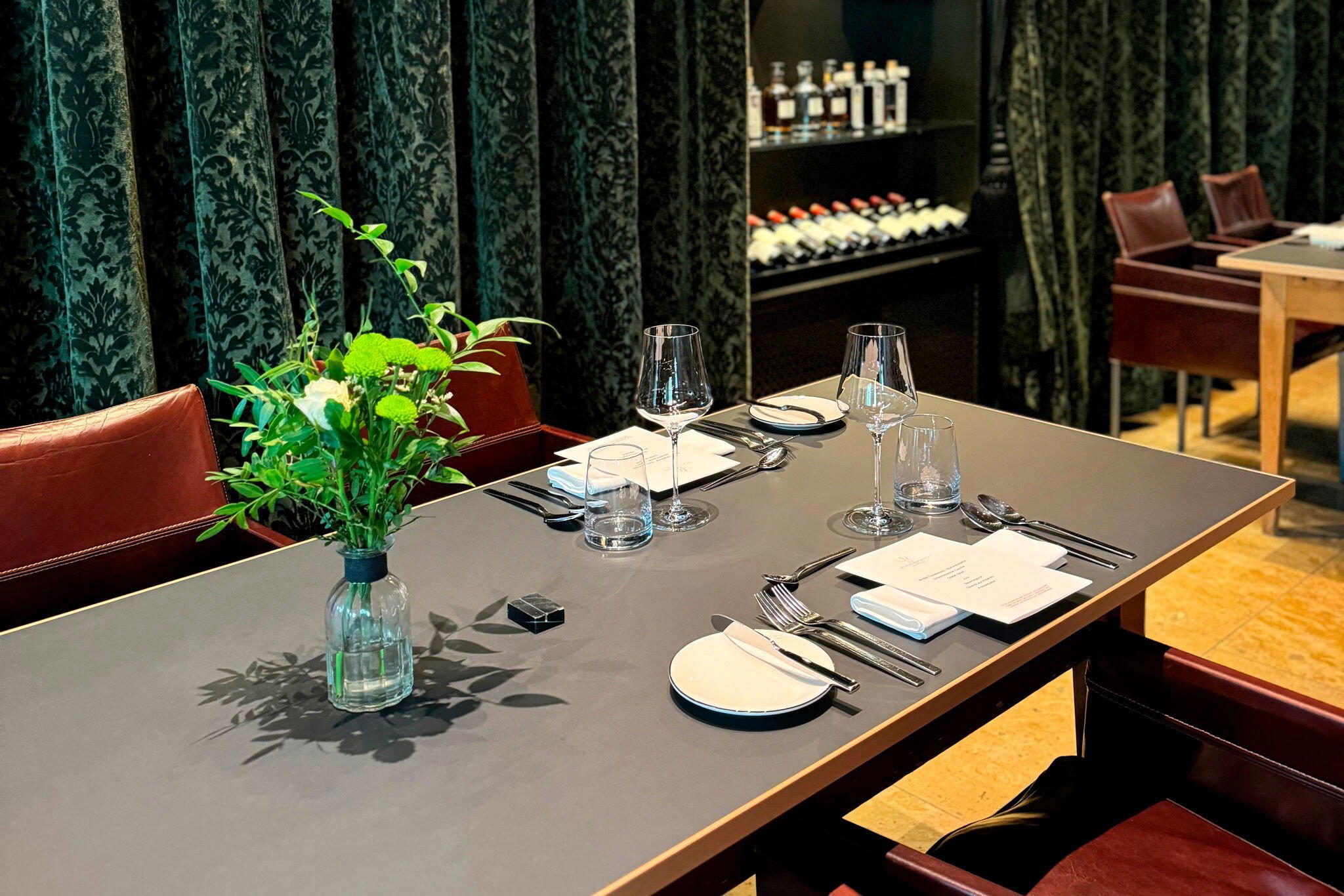
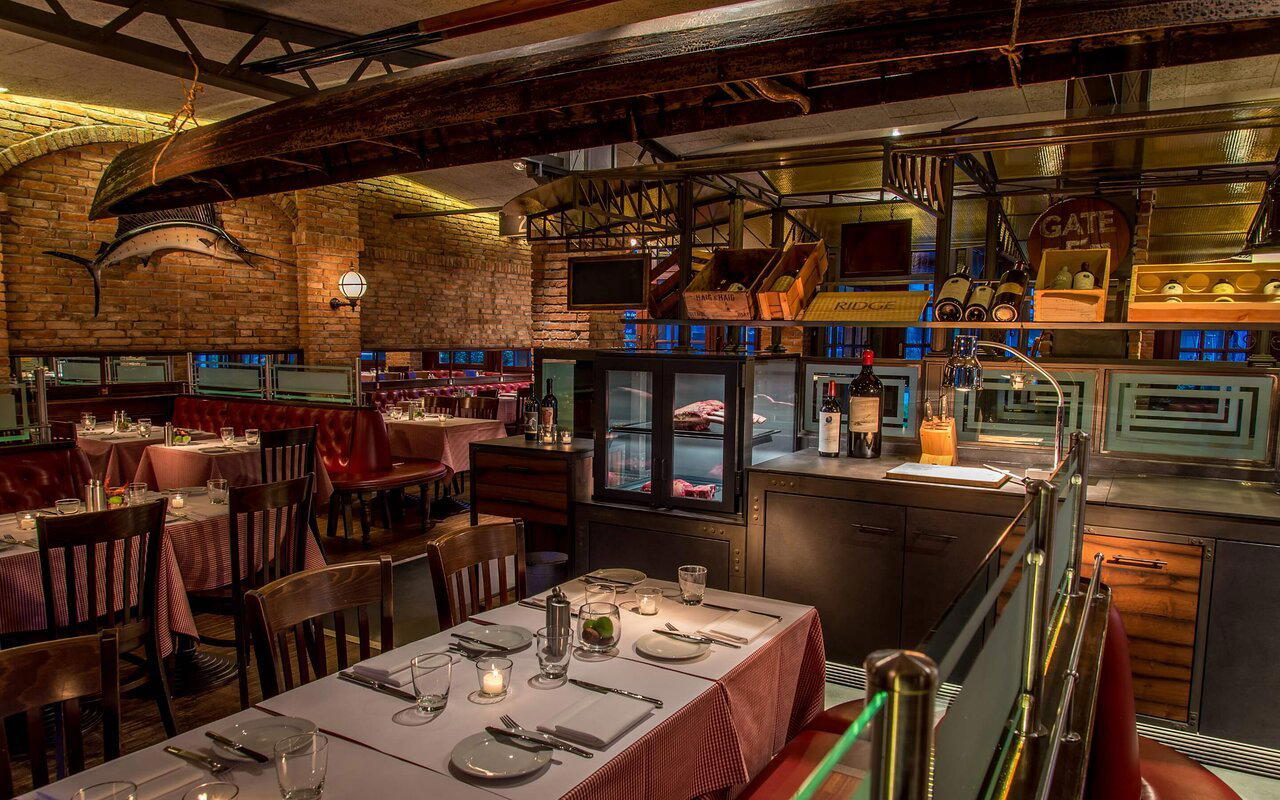
Bars in Stuttgart
Browse all →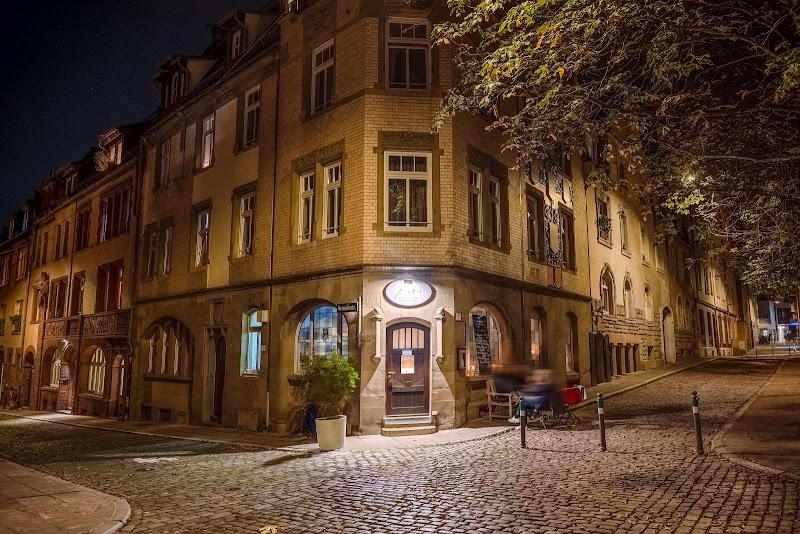

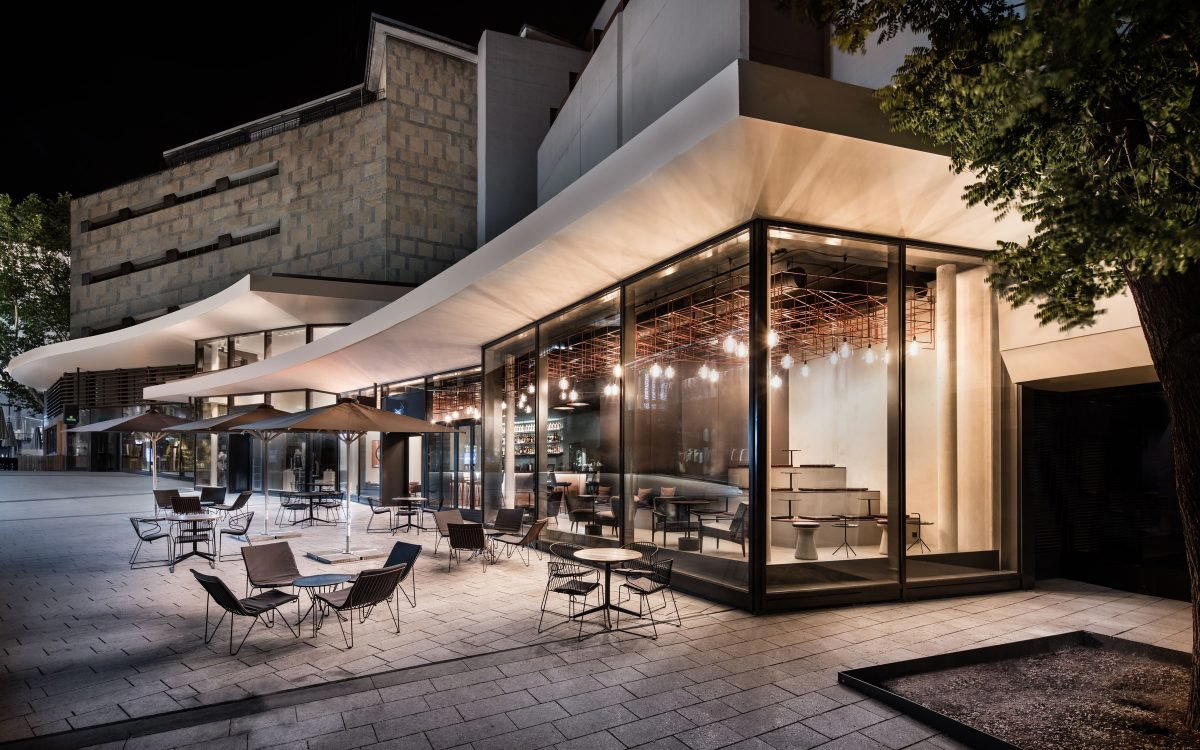
Hotels in Stuttgart
Browse all →

At a Glance
- Rustic
- Cozy
- Historic
- Intimate
- Casual Hangout
- Special Occasion
- Historic Building
Current opening hours
- Monday
- 4–10 PM
- Tuesday
- 4–10 PM
- Wednesday
- 4–10 PM
- Thursday
- 4–10 PM
- Friday
- 4–10 PM
- Saturday
- 4–10 PM
- Sunday
- 12–7:30 PM
Hours can change for holidays and private events. Last verified .
Rustic modern style with half-timbered walls, across three floors accessed by spiral staircase, creating an intimate and historic atmosphere.