L'Ambre at Riad Fes serves Moroccan-French fine dining with formal, quiet service and a sommelier-led beverage program.
Pearl is the En Primeur Club membership app — saves, bookings, and concierge access live there. Same editors, same standards.
- Address
- Fès, Morocco
- Directions
- Get directions
 Saves & bookings on Pearl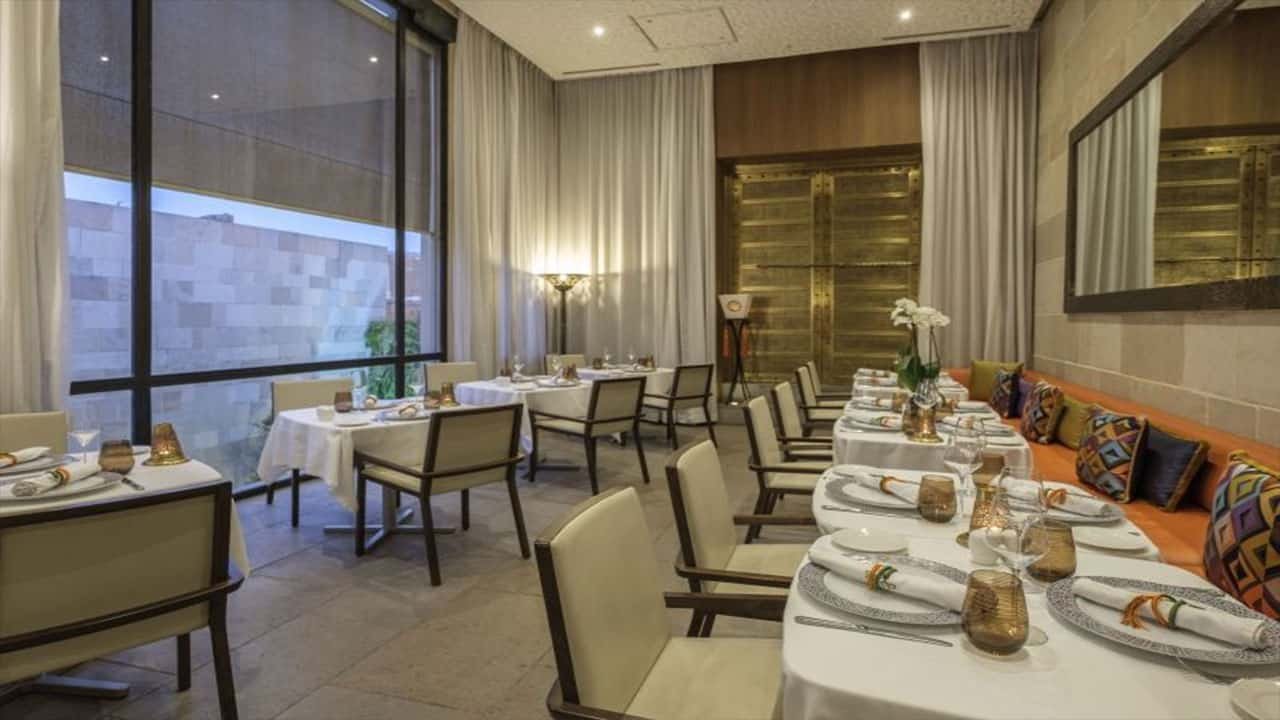
Amber Light and Ancient Walls: Dining Inside the Medina
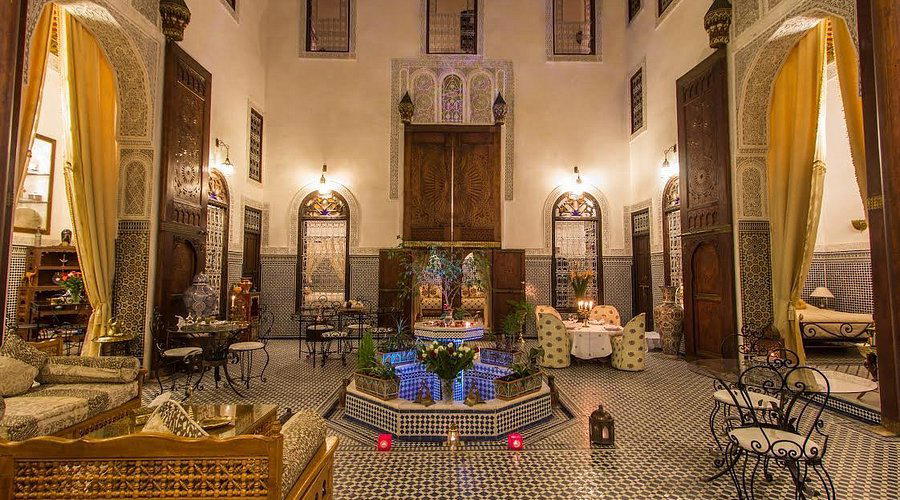
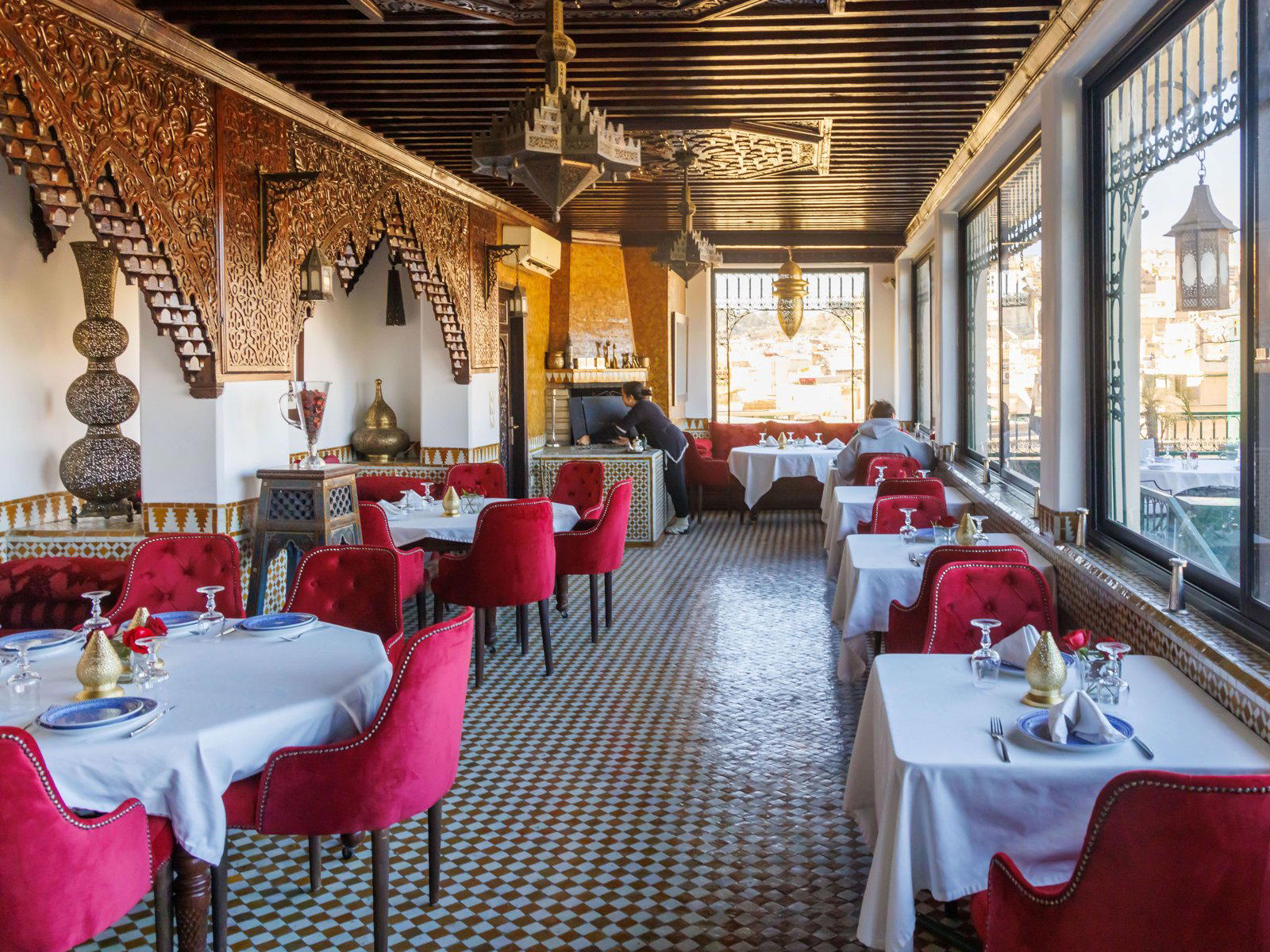
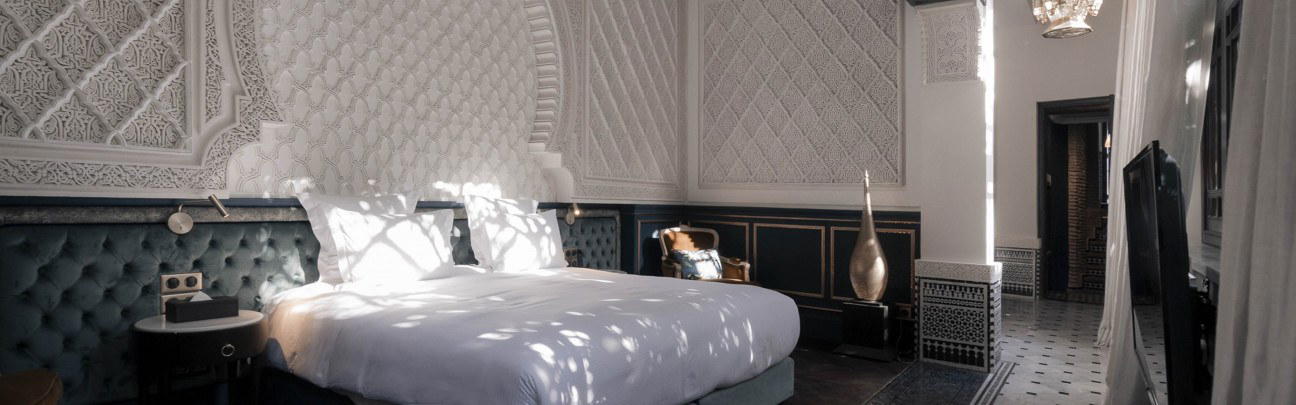
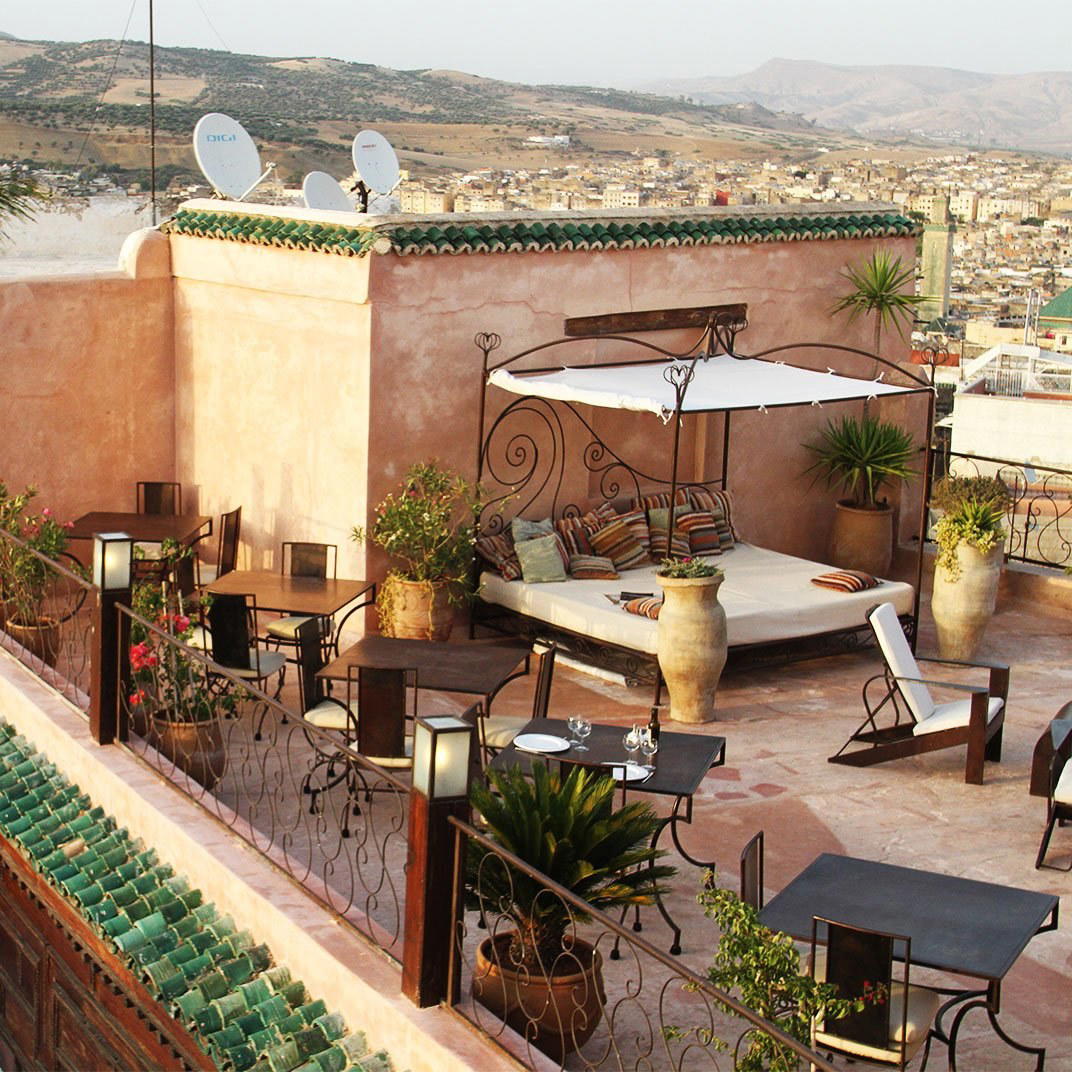
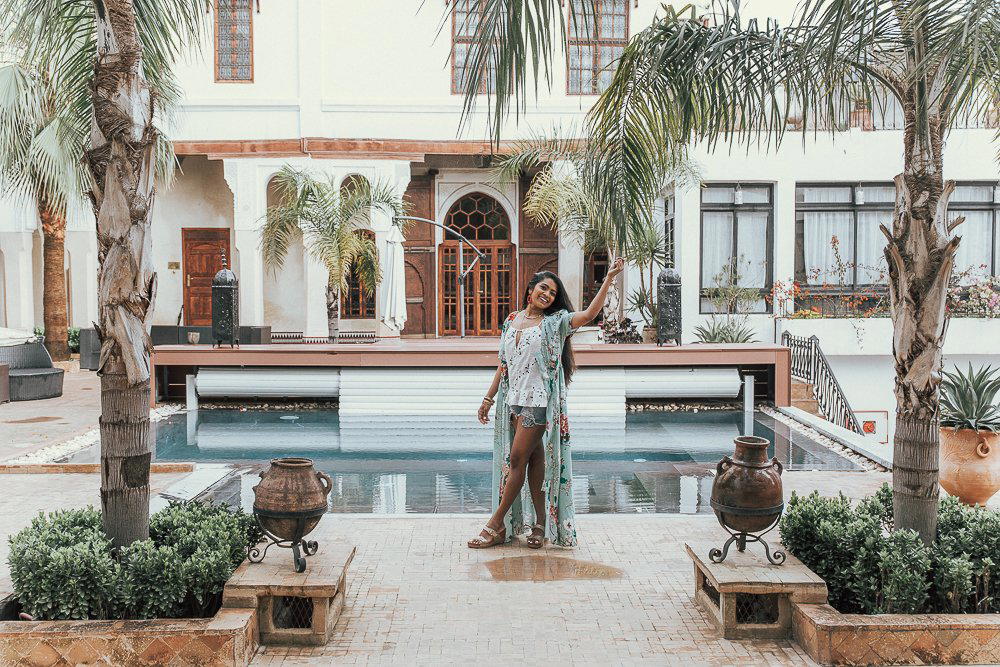
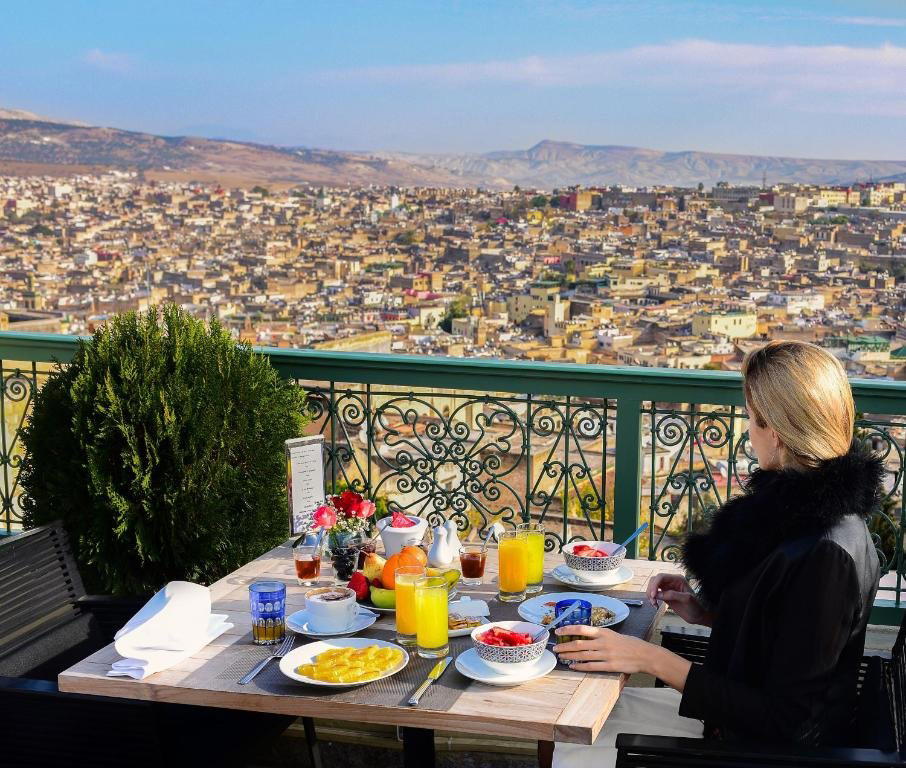
There is a particular quality of light that collects in the courtyards of Fes el-Bali in the late afternoon, filtering through carved cedarwood screens and bouncing off hand-laid zellige tilework in shades of ochre and ivory. L'Ambre at Riad Fes operates inside that world. The property sits within the medina, one of the largest car-free urban centres on earth and a UNESCO World Heritage Site since 1981, where the physical fabric of the city has been shaped by continuous habitation for over a thousand years. L'Ambre at Riad Fes is a Moroccan-French fine dining restaurant in Fes, with a price tier of $65 per person. Before you consider the food, the setting has already made an argument: that place matters, that architecture speaks, and that a meal consumed inside walls this old carries a different weight than one eaten in a purpose-built dining room.
Riad dining in Morocco has become a recognised format in its own right. Across cities like Marrakesh and Fes, properties converted from traditional courtyard houses have built reputations that stand alongside purpose-built restaurants. The format rewards a certain kind of guest: one who prefers depth of context to surface spectacle. L'Ambre positions itself within that tier, where the dining room and the building are inseparable from one another.
The Source of the Plate: Moroccan Ingredient Traditions
Moroccan cuisine at its most serious is a sourcing-led tradition. Long before farm-to-table became an international editorial frame, Moroccan cooks were building menus around the seasonal availability of preserved lemons, argan oil pressed in the Sous Valley, saffron harvested around Taliouine, and ras el hanout assembled from spice merchants whose families have occupied the same souk positions for generations. The medina of Fes contains one of Morocco's most concentrated spice markets, meaning that a kitchen operating inside its walls has direct proximity to ingredient sources that many international restaurants would need to import at significant cost and with inevitable loss of freshness.
This is the structural advantage of medina dining that rarely gets named plainly: the supply chain is shorter here than almost anywhere. Where La Grande Brasserie by Helene Darroze in Marrakesh brings French culinary framework to Moroccan ingredients, and where restaurants like Dar Roumana have built reputations in Fes for applying precision technique to local produce, the leading riad kitchens share a common thread: they work close to the source. Preserved vegetables, slow-cooked tagines, and bastilla built from pigeons or seafood sourced through the medina's own supply networks reflect a cuisine that developed without the need for long-haul logistics.
Fes has historically been Morocco's intellectual and cultural capital, and that status shaped its food culture as well. The city's culinary traditions are considered among the more refined in the country, with a particular emphasis on complex spice layering, slow cooking methods, and the kind of detail work in pastry and preserved accompaniments that takes years to learn. A kitchen operating in this city carries that tradition as both context and pressure.
L'Ambre in the Fes Restaurant Tier
Fes does not have the international dining profile of Marrakesh, where properties like Le Palace in Marrakech and the concentration of foreign investment have created a more globally visible restaurant scene. That relative quietness is an argument in Fes's favour for a specific kind of traveller. The dining options here are fewer but they tend toward authenticity rather than performance, and the competition is defined by places like Berrada, Cafe Clock, Darori, and L'Amandier, each occupying a distinct register within the city's offering.
L'Ambre sits in the riad-dining segment, which in Fes means competing on atmosphere, produce quality, and the coherence of the experience rather than on tasting-menu innovation or international chef credentials. That is not a limitation; it is a different kind of ambition. The comparison set is not Le Bernardin in New York City or Atomix in New York City, where technical virtuosity is the primary currency. It is the group of Moroccan properties, from Heure Bleue Palais in Essaouira to Château Roslane in Icr Iqaddar, where the setting and the tradition do significant work alongside the kitchen.
Across Morocco more broadly, the dining tier that L'Ambre occupies shares space with properties including Azurita in Tangier, L'Araignée Gourmande in Oualidia, Dar Dada in Sidi Belyout, and Cocoa Café in Casablanca, each of which reflects a different regional expression of Moroccan hospitality and produce. La Sqala: Café Maure and Café Enjoy Agadir in Agadir extend that picture further. Taken together, they make a case for Moroccan dining as a nationally coherent tradition with strong regional variation rather than a single centre of gravity.
Planning Your Visit
Fes el-Bali is navigated on foot or by mule, and riads within the medina walls require some commitment to find. Guests arriving by taxi will typically be dropped at the nearest accessible point, from which local guides or the property itself can direct arrival. This is standard for any medina property and worth factoring into timing, particularly for evening reservations when the labyrinthine street network becomes harder to read for first-time visitors. The medina is leading approached with time to spare rather than to a tight schedule.
Fes has a high season running broadly from March through May and again in September through November, when temperatures are moderate and the city operates at full pace. Summer months push temperatures well above 35°C in the medina, which affects the comfort of outdoor courtyard dining considerably. Winter evenings can be cool inside stone-walled riads, so layering is practical rather than optional.
Quick Comparison
Comparable venues nearby, for context on price, style, and recognition.
| Venue | Cuisine | Price | Notes |
|---|---|---|---|
| L'Ambre at Riad FesThis venue — the venue you are viewing | Moroccan-French Fine Dining | $$$$ | Not listed |
| Dar Roumana | Franco-Moroccan Fusion | $$$$ | Medina |
| Roof Top Bar | Other | Not listed | Fès |
| L'Amandier | Refined Fassi Moroccan | $$$$ | Quartier Ziat |
| Le Kiosk | Wood Oven Pizza | $$ | Ville Nouvelle |
| Riad Fès | Moroccan-French Fusion Fine Dining | $$$$ | Medina |
Continue exploring
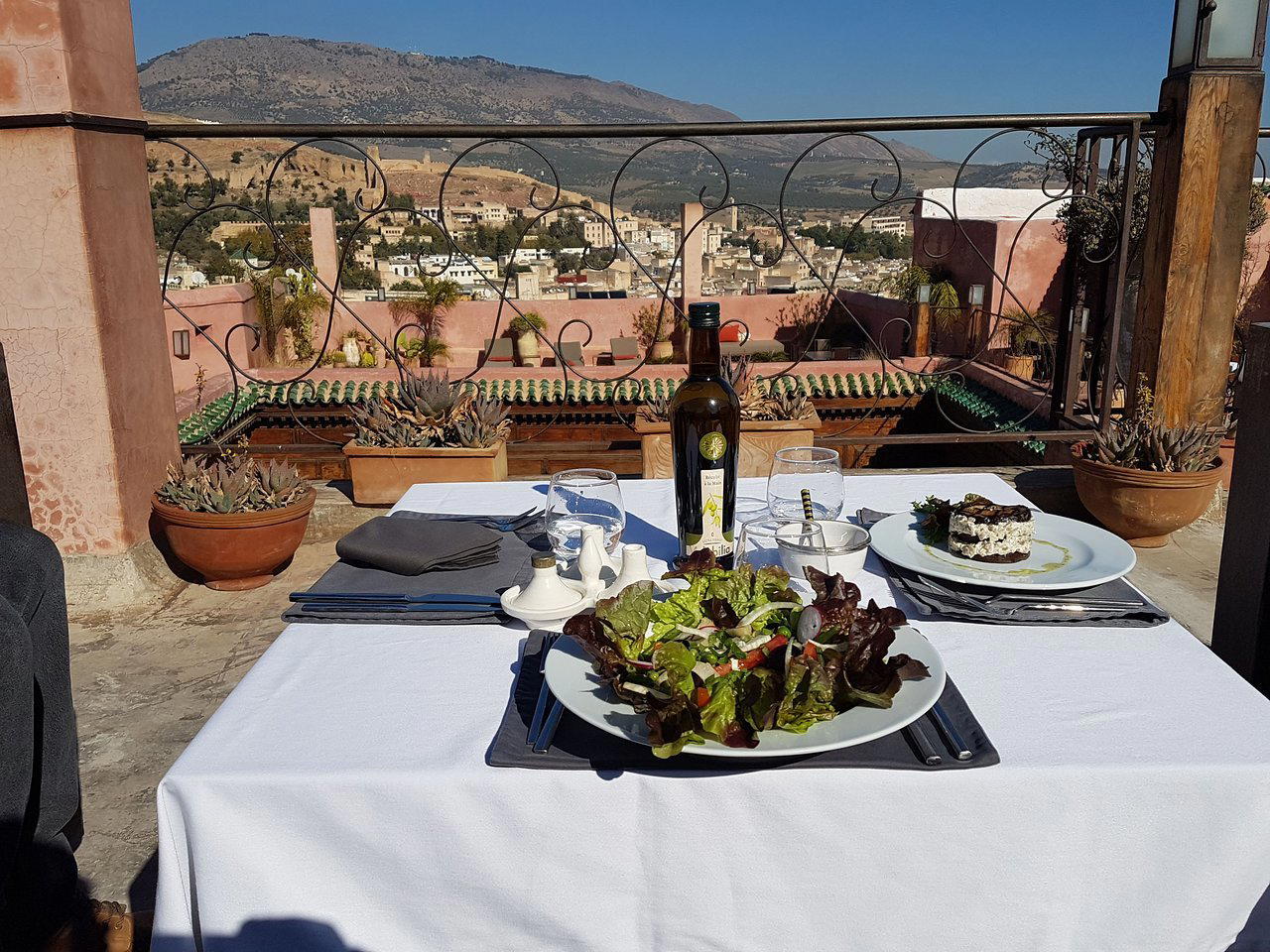
More in Fès
Bars in Fès
Browse all →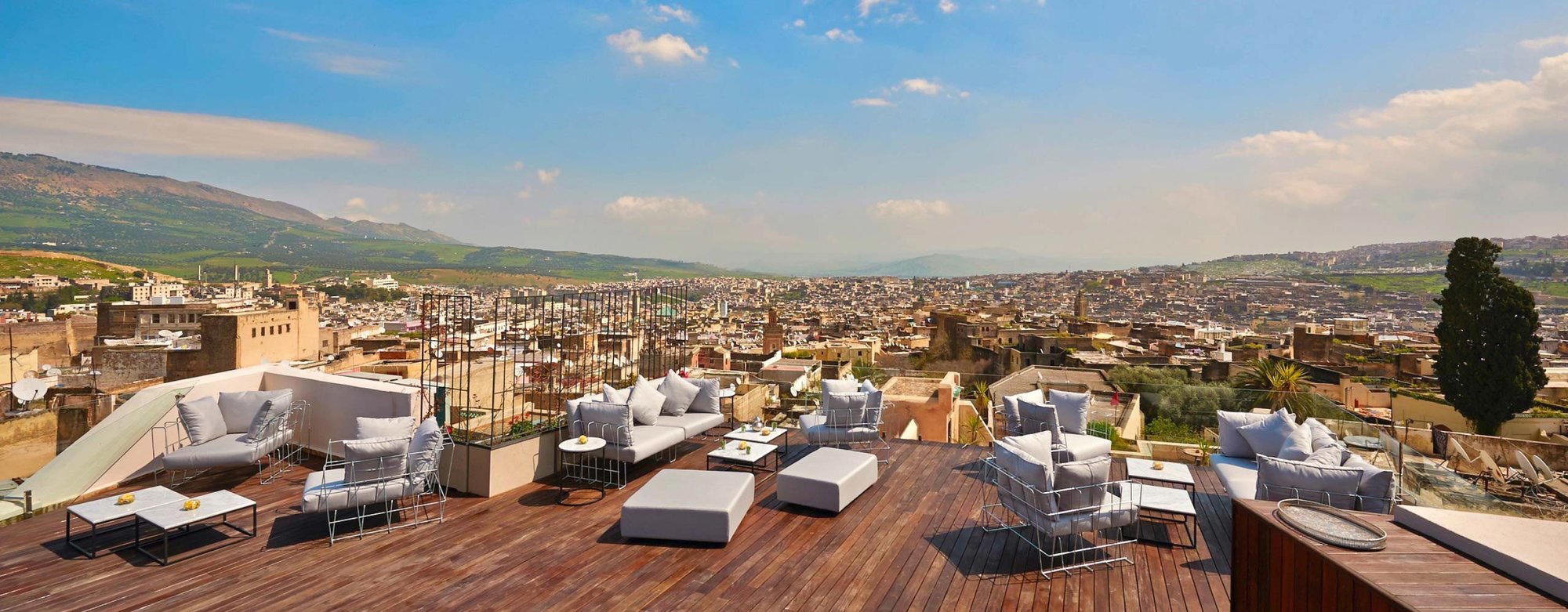
At a Glance
- Elegant
- Quiet
- Sophisticated
- Classic
- Romantic
- Date Night
- Special Occasion
- Celebration
- Business Dinner
- Hotel Restaurant
- Historic Building
- Courtyard
- Live Music
- Sommelier Led
- Local Sourcing
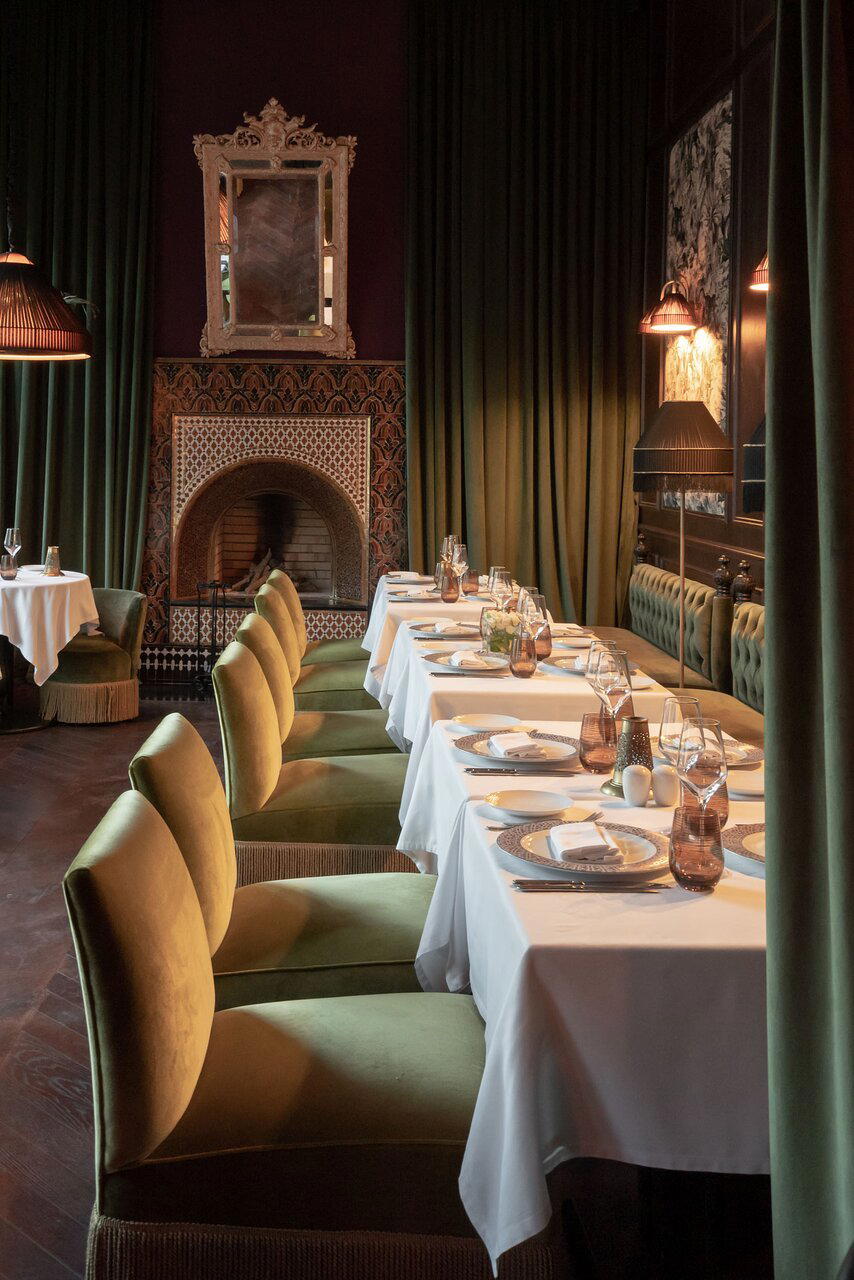
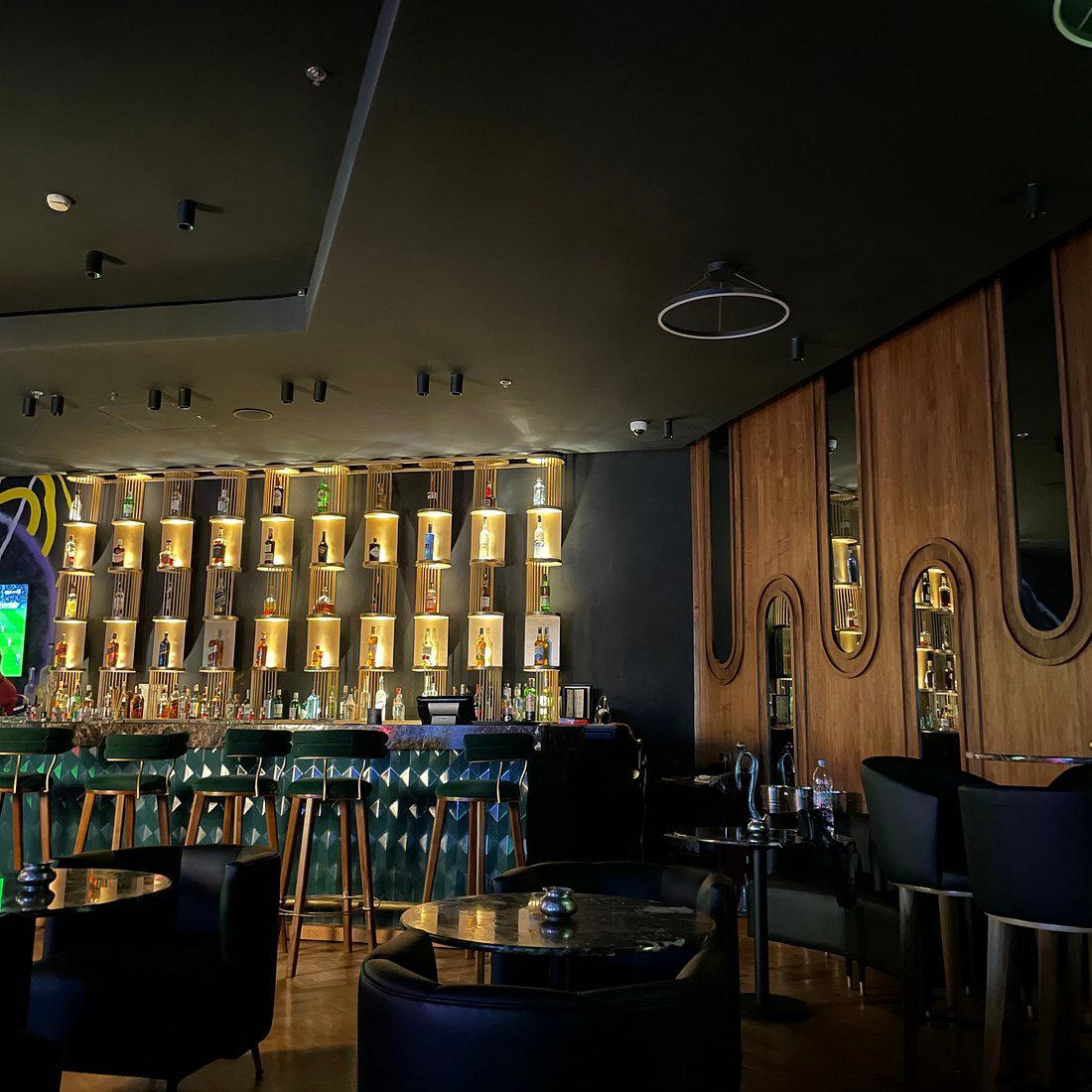
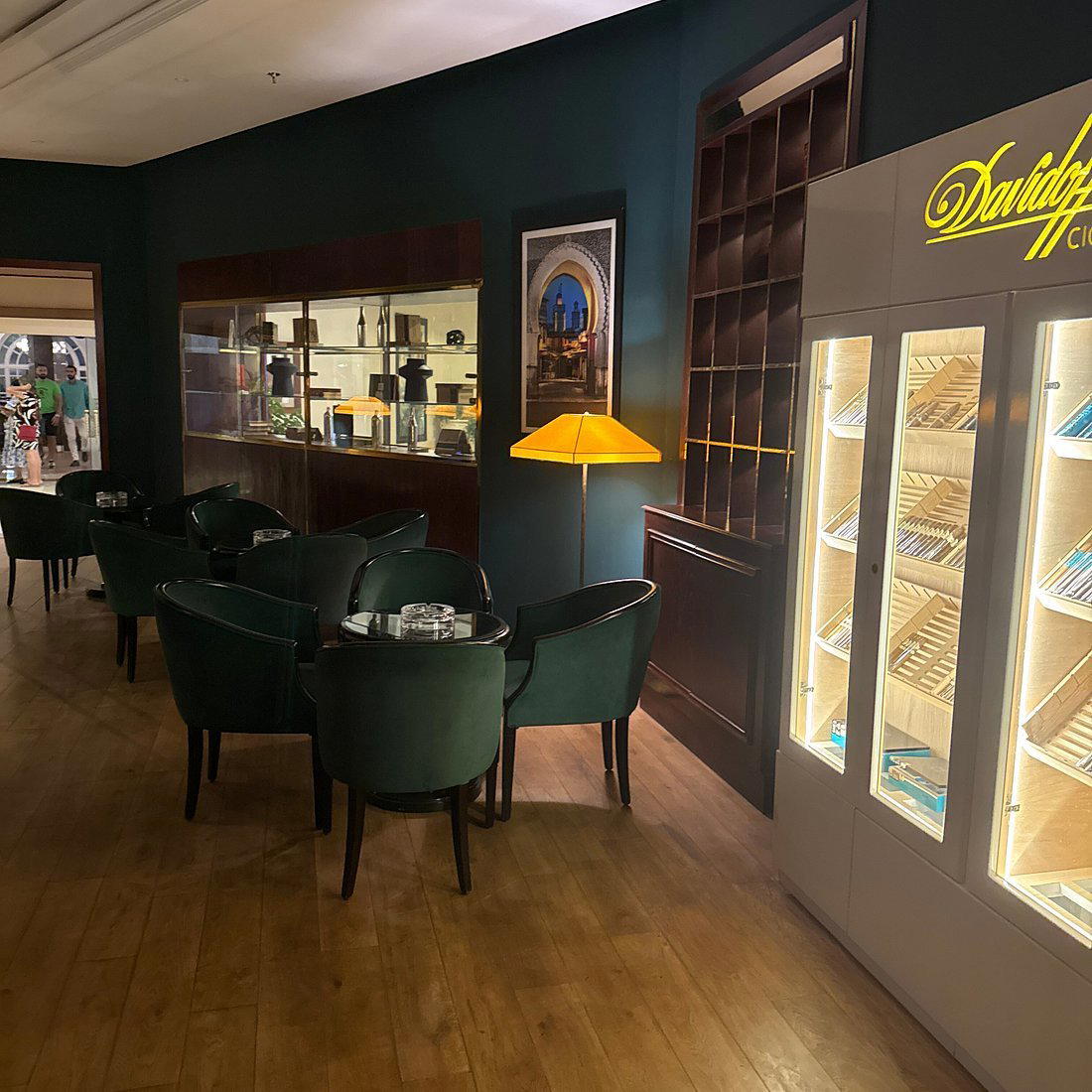
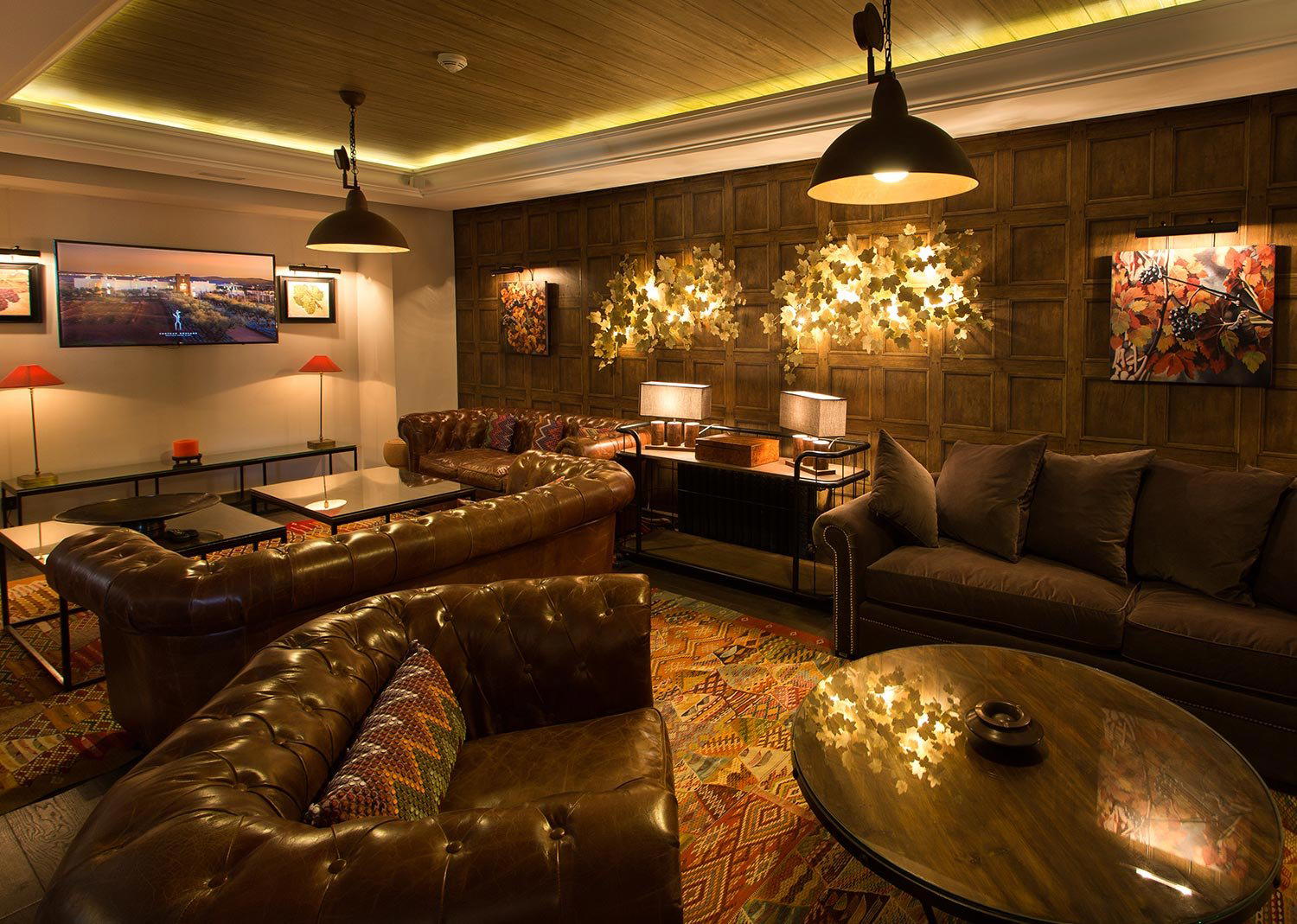
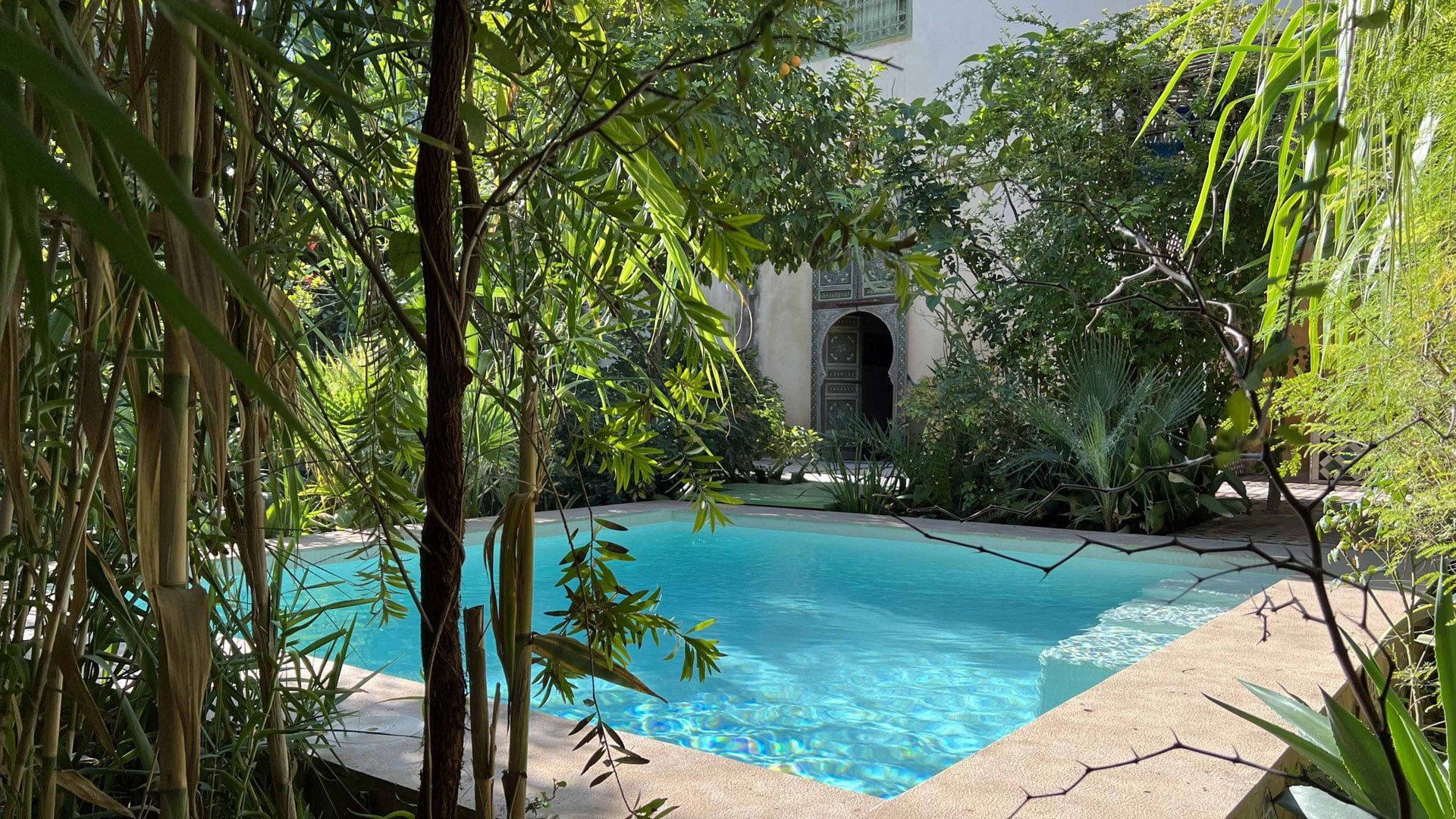
Elegant and calm, with Moroccan riad architecture, a peaceful fountain setting, and guest mentions of quiet live music.