L'Alandier
Our verdict
In the ceramic village of Cliousclat, perched along the Drôme valley in southern France, L'Alandier represents a quiet but deliberate corner of regional dining. The surrounding Drôme Provençale, its lavender fields, truffle markets, and small-scale farms, shapes what ends up on the plate. For travellers passing through this stretch of the Rhône corridor, it merits a specific detour rather than an afterthought stop.

Pearl is the En Primeur Club membership app, where members save venues, book tables and use the concierge.

A Village Table in the Drôme Provençale
The drive into Cliousclat prepares you for what the table delivers. The village sits above the Drôme valley on a ridge lined with artisan workshops and stone-walled lanes, a place better known for its hand-thrown ceramics than its restaurants. That context matters: this is not a dining destination in the way that Mirazur in Menton or Flocons de Sel in Megève have built sustained international reputations around a single address. L'Alandier operates at a different register, one anchored in the rhythms of the Drôme Provençale rather than the mechanics of destination dining.
The village itself sits roughly midway between Valence and Montélimar on the A7 corridor, which means it is accessible without being overrun. Travellers driving south through the Rhône valley who peel off toward the Drôme interior find a landscape that shifts quickly from motorway flatlands to terraced hillsides and villages where the pace is set by market days and seasons. That geography is not decorative detail; it defines what local kitchens work with and when they work with it.
What the Drôme Puts on the Plate
Drôme Provençale is one of France's more productive corners for small-scale, high-quality ingredients. Truffles come out of the oak forests around Grignan and Richerenches, among the largest truffle markets in the country by volume. The valley floors support market gardens supplying restaurants as far north as Lyon. Lavender honey, chestnut flour, and mountain cheeses from the Vercors massif all circulate within the regional supply chain that shapes what kitchens in villages like Cliousclat have access to.
This ingredient density is what distinguishes a regional table in the Drôme from one in a less agriculturally rich department. The terroir here is not a marketing abstraction. It is the practical reason why a small restaurant in a village of a few hundred residents can serve food grounded in genuine local production. Kitchens that take sourcing seriously in this corner of France are working with material that is competitive with what much larger, better-funded operations use elsewhere. The difference is that it arrives with less distance and less intermediation.
That model of procurement, short supply chains connecting kitchen to farm, forest, and market, sits at the opposite end of the spectrum from the highly centralised sourcing structures of grand Parisian houses like Alléno Paris au Pavillon Ledoyen. Neither approach is inherently superior, but they produce fundamentally different eating experiences. In the Drôme, what is seasonal is also what is local, and the two categories largely coincide throughout the year.
Village Dining in France: What the Format Implies
Small-village restaurants in southern France occupy a specific position in the country's dining ecology. They rarely compete for the same awards or the same clientele as the multi-starred addresses that anchor France's international reputation, tables like Bras in Laguiole, Auberge de l'Ill in Illhaeusern, or Troisgros - Le Bois sans Feuilles in Ouches. Instead, they serve a different function: they are the places where the regional larder is most directly expressed, where the gap between field and fork is shortest, and where the format is shaped by the community rather than by international tourism.
In a village like Cliousclat, that community dynamic means the restaurant functions as a neighbourhood anchor as much as a dining destination. Weekend tables fill with people from the valley and surrounding villages. Weekday service, where it exists, is quieter. This is a pattern common across the Drôme Provençale and the broader Ardèche-Drôme corridor, where small restaurants sustain themselves through a combination of local loyalty and the steady trickle of travellers who discover them through personal recommendations rather than algorithmic discovery.
The contrast with higher-profile neighbours is instructive. La Fontaine - L'Artiste et le Cuisinier, the other notable restaurant in Cliousclat, operates in a more deliberately positioned contemporary mode. The two addresses represent the range available within a single village: one focused on modern cuisine with external ambitions, the other grounded in village-scale hospitality. Visitors planning a meal in Cliousclat should consider which register suits their purpose. For context on how both fit into the local picture, see our full Cliousclat restaurants guide.
The Southern Rhône Corridor and Where It Sits
Cliousclat is not the only small address in this region worth tracking. The broader corridor between Lyon and the Mediterranean has long supported a density of serious cooking that is disproportionate to its population. Paul Bocuse - L'Auberge du Pont de Collonges anchors the northern end of that tradition. Further south, AM par Alexandre Mazzia in Marseille represents the Mediterranean terminus. Along the middle stretch, in the Drôme and Ardèche, the cooking tends to be less ambitious in scale but more directly connected to local production cycles.
For travellers building a route through the south of France, addresses like L'Alandier function as connective tissue between the high-profile stops. They are the places where you eat the way people in the region actually eat, rather than the way the region chooses to present itself to the world. That distinction is not a criticism of either mode. It is simply a description of two different things that French dining does, both of which merit attention on a considered itinerary. Comparable regional anchor tables can be found throughout France: Auberge du Vieux Puits in Fontjoncouse plays a similar role for the Corbières, Georges Blanc in Vonnas for the Bresse, and L'Oustau de Baumanière in Les Baux for the Alpilles.
Planning a Visit
Cliousclat is most practically reached by car, turning off the A7 autoroute near Loriol-sur-Drôme and driving east into the hills. The village is small enough that orientation is direct on arrival. L'Alandier sits within the village proper at Le Village, 26270 Cliousclat. Visitors combining a meal here with the ceramics workshops that the village is known for will find both concentrated within easy walking distance of each other. Spring and autumn, when the Drôme's market gardens and truffle season respectively are at their most active, represent the strongest seasonal argument for the timing of a visit. Other addresses worth considering within a broader southern French itinerary include Christopher Coutanceau in La Rochelle, Assiette Champenoise in Reims, and Au Crocodile in Strasbourg for those routing through different regions.
Frequently asked questions
Does L'Alandier work for a family meal?
Village restaurants operating at L'Alandier's scale in Cliousclat tend to be considerably more relaxed about families than formal city addresses. The pace is unhurried, the setting is a small artisan village rather than a hotel dining room, and the format lends itself to groups eating at their own rhythm. It is worth contacting the venue directly to confirm availability and any practical arrangements for younger guests.
What's the vibe at L'Alandier?
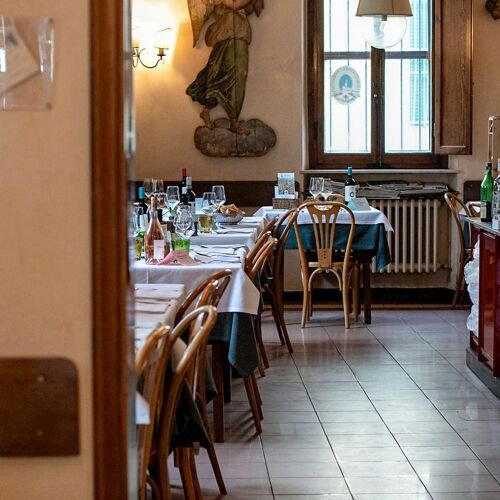
Cliousclat is a ceramic village on a Drôme hillside, and the physical setting does a lot of work before you sit down. Addresses at this scale in the Drôme Provençale typically run with a low-key, producer-facing tone: the room is secondary to what's on the plate, and the service reflects a local rather than resort sensibility. Think lunch at a working village table, not a destination tasting menu.
Is L'Alandier a practical base for exploring the Drôme Provençale's food and craft producers?
Cliousclat is one of the Drôme's more concentrated artisan addresses, known for its ceramics workshops alongside its position above the Drôme valley. The village sits within easy driving distance of the truffle markets at Richerenches and the broader market-garden corridor running south toward Provence. A meal at L'Alandier fits naturally into a day that includes the surrounding producers rather than as a standalone destination requiring a long detour.
What's the best thing to order at L'Alandier?
Specific dish records for L'Alandier are not held in available data, so naming a single plate would be guesswork. What the Drôme Provençale reliably puts within reach of a kitchen in Cliousclat includes oak-forest truffles, strong market garden produce, and Rhône-corridor olive oil, so seasonal vegetable-forward and truffle-inflected dishes are a reasonable baseline expectation when in season.
At-a-Glance Comparison
Comparable venues nearby, for context on price, style, and recognition.
| Venue | Cuisine | Price | Awards | Notes |
|---|---|---|---|---|
| L'AlandierThis venue (the venue you are viewing) | French Bistro | $30–50 | Not listed | Not listed |
| La Fontaine - L’Artiste et le Cuisinier | Global Fusion Bistronomy | $50–100 | Michelin Plate | Cliousclat village center |
| L'épicerie | Traditional French Bistro | $20–30 | Not listed | centre historique |
| Le Bienheureux | Provencal French Bistro | Not listed | Not listed | Saint-Alexandre |
| Restaurant EAT | Modern French Bistro | $20–30 | Not listed | Historic Center |
| Saint-Hubert | Traditional Provençal French | $20–30 | Not listed | Entrechaux |
Continue exploring
More in Cliousclat
Restaurants in Cliousclat
All restaurants in Cliousclat →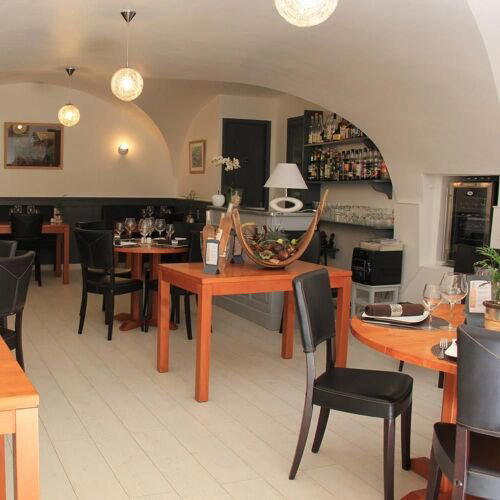

Details
- Cozy
- Lively
- Rustic
- Casual Hangout
- Special Occasion
- Terrace
- Local Sourcing
- A La Carte
Current opening hours
- Monday
- Closed
- Tuesday
- 9 AM–2:30 PM, 6–10 PM
- Wednesday
- 9 AM–2:30 PM, 6–10 PM
- Thursday
- 9 AM–2:30 PM, 6–10 PM
- Friday
- 9 AM–2:30 PM, 6–10 PM
- Saturday
- 9 AM–2:30 PM, 6–10 PM
- Sunday
- 9 AM–2:30 PM, 6–10 PM
Hours can change for holidays and private events. Hours as of .
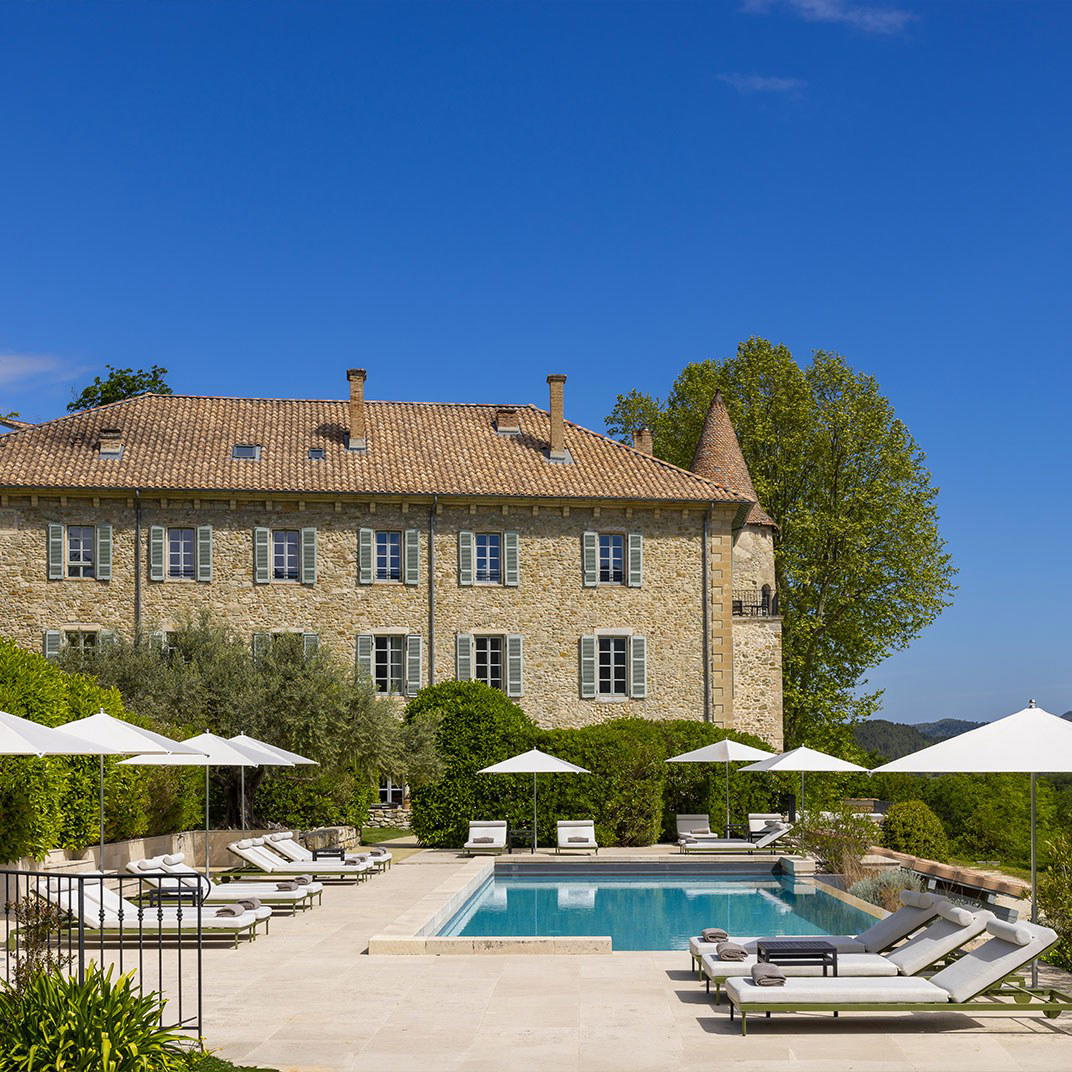
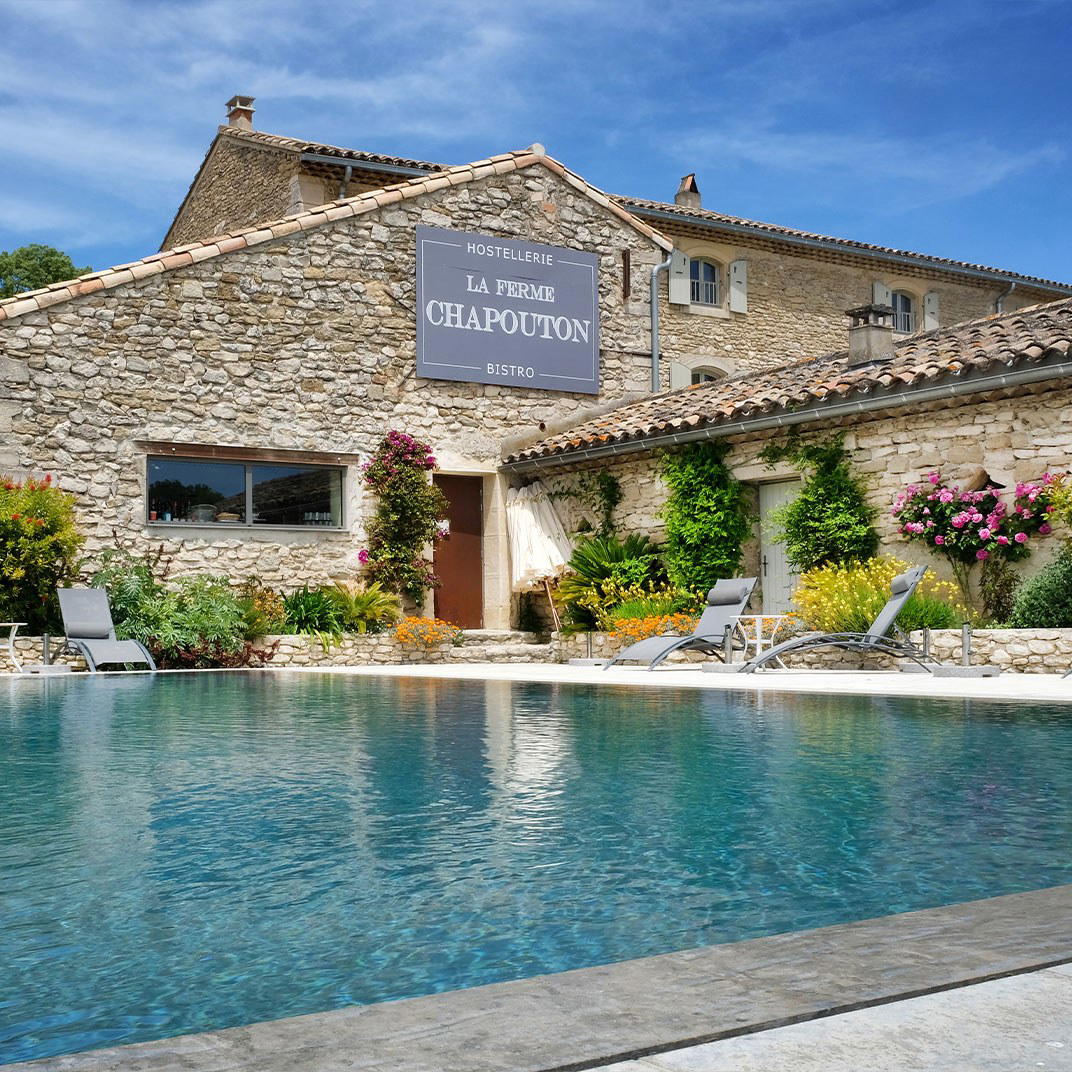
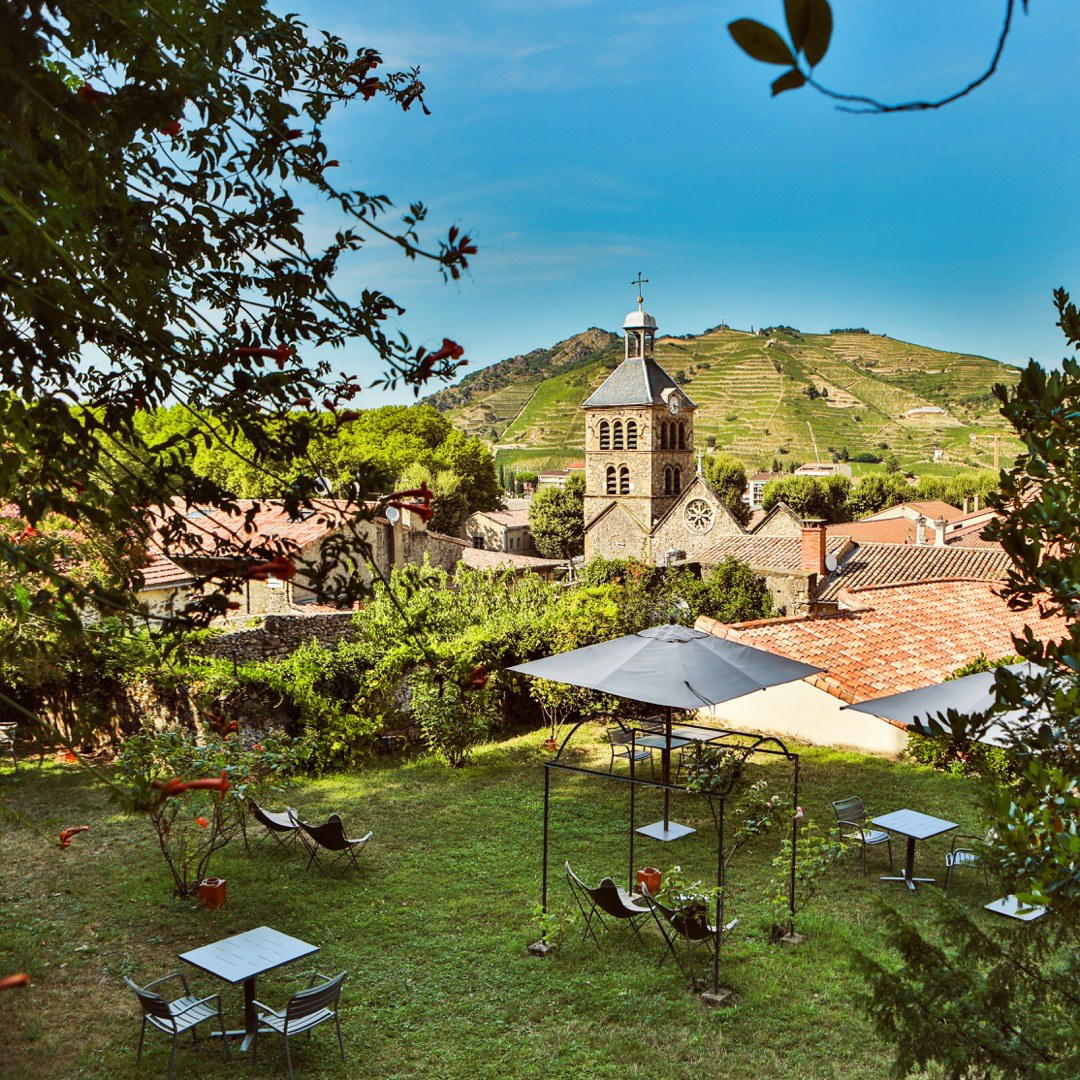
Warm and welcoming with a friendly, festive atmosphere on the terrace overlooking the Rhone Valley.