Le Carré d'Alethius

1 Michelin Star
Our verdict
A 2025 Michelin-starred address in the Ardèche-Drôme corridor, Le Carré d'Alethius occupies a villa arranged around a Provençal courtyard in Charmes-sur-Rhône. Chef Olivier Samin, shaped by time under Jean-Michel Lorain and Anne-Sophie Pic, delivers market-driven cooking rooted in the region's producers — escargots from Helix Eyrieux, local cheeses, seasonal fruit and vegetables — with precision plating and assured technical balance.

Pearl is the En Primeur Club membership app — saves, bookings, and concierge access live there. Same editors, same standards.
- Address
- 4 Rue Paul Bertois, 07800 Charmes-sur-Rhône, France
- Phone
- +33 4 75 78 30 52
- Website
- lecarredalethius.com
- Directions
- Get directions
- Booking
- Book on Zenchef
The menu
What to order
- Osso-buco de homard et jarret de veau confit
- Escargots de la vallée de l’Eyrieux
- Le Homard: Médaillons BBQ
A Courtyard in the Rhône Corridor
The stretch of the Rhône valley between the Drôme and Ardèche départements is not the France of headline restaurants and international itineraries. It is wine country, producer country, a range of river terraces and village markets where ingredients move from soil to kitchen in hours rather than days. When a Michelin star arrives here — as it did for Le Carré d'Alethius in 2025 — it confirms something that the region's regular visitors already understood: that the concentration of serious produce in this corridor has long supported cooking at a level the guides are only now formalising. For broader context on eating and drinking in the area, see our full Charmes-sur-Rhône restaurants guide, our full Charmes-sur-Rhône bars guide, and our full Charmes-sur-Rhône wineries guide.
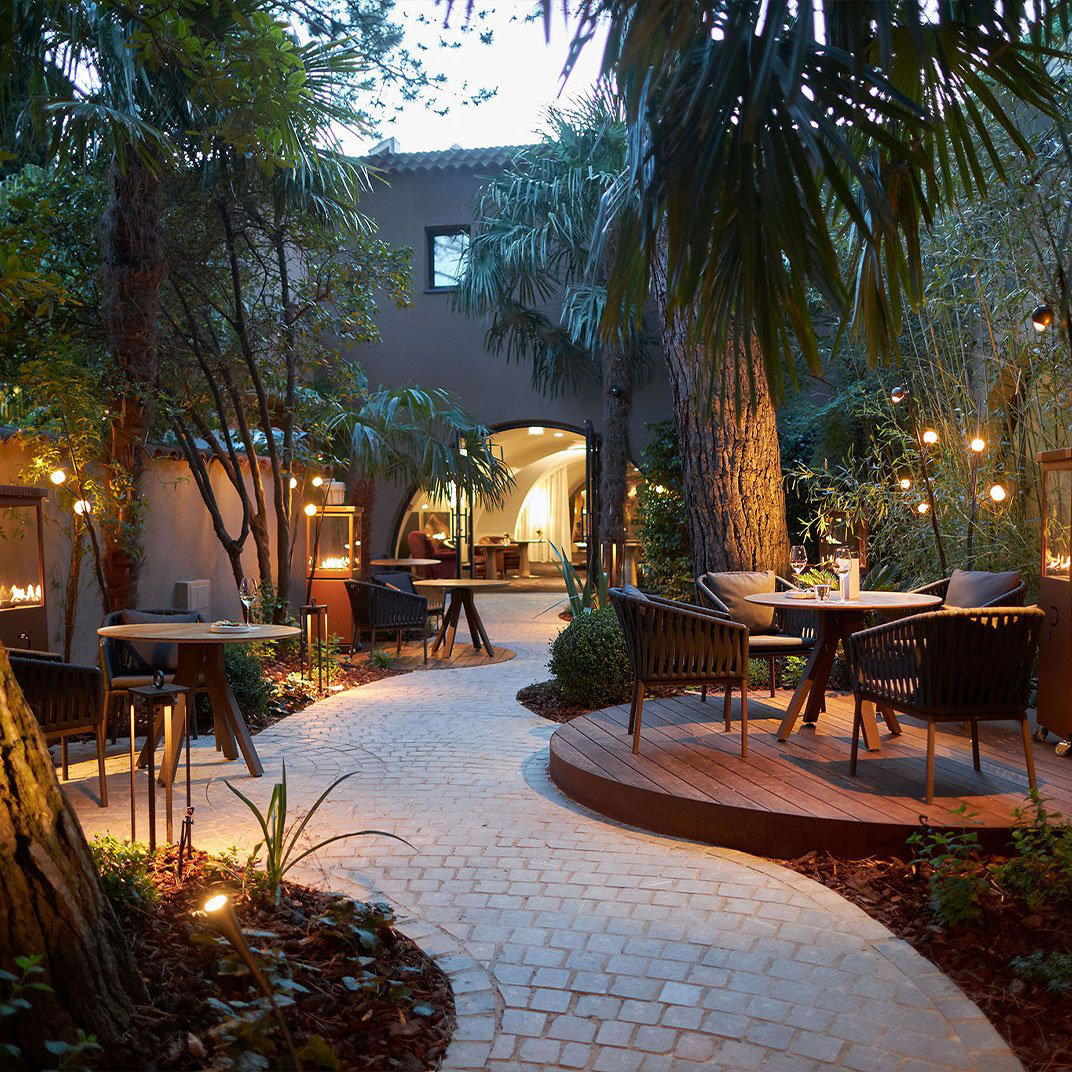
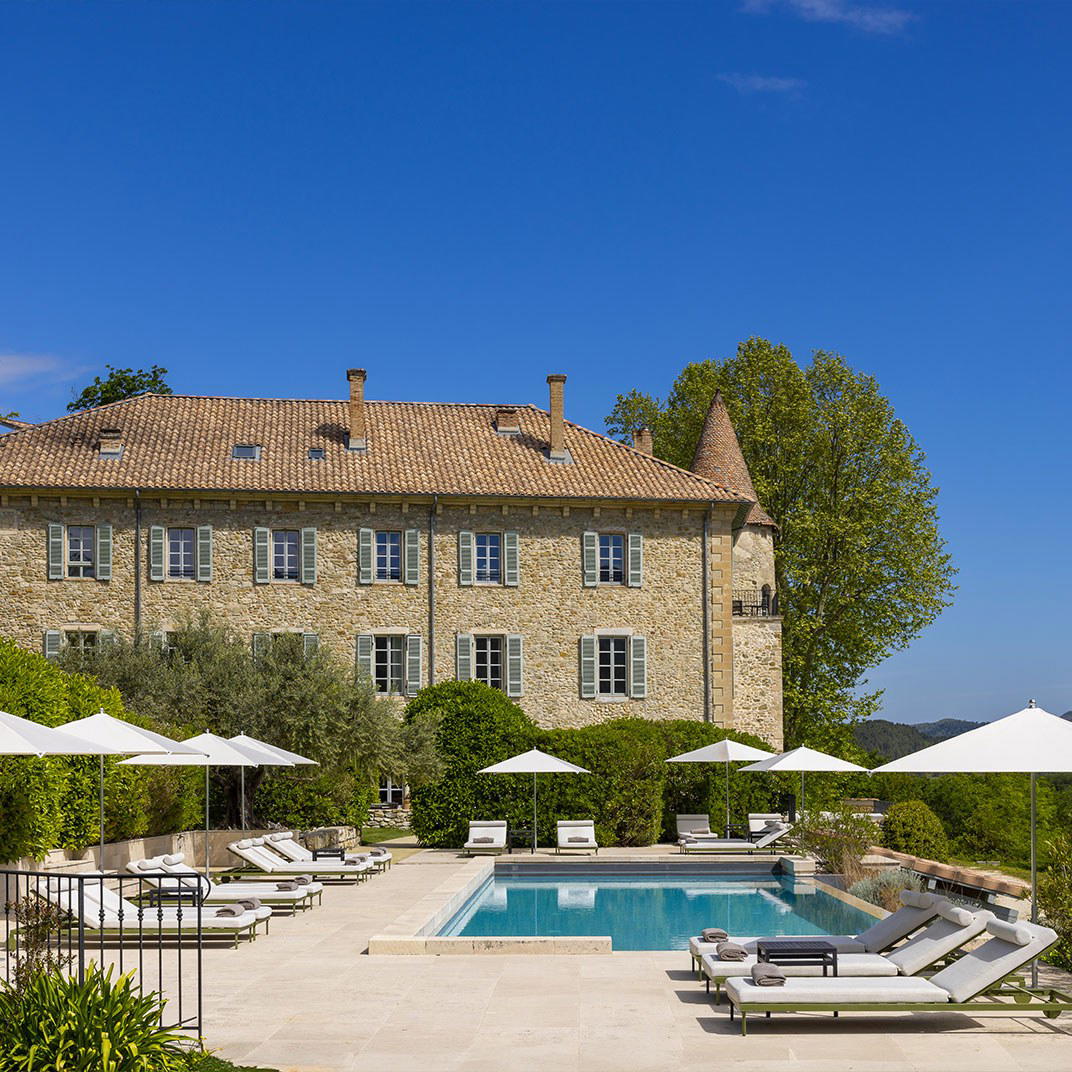
The restaurant takes its name from the Roman senator Alethius, a historical signal embedded in a region layered with Roman infrastructure. The villa at 4 Rue Paul Bertois is arranged around a square courtyard, a format that owes more to southern Mediterranean domestic architecture than to the grand-château dining rooms that define formal French gastronomy further north. In fine weather, that courtyard becomes the dining room: a verdant patio shaded and enclosed, where the geometry of the space does more atmospheric work than any interior décor brief could. Arriving here, you are conscious of being somewhere that has been shaped by climate and geography before it was shaped by hospitality.
The Training Behind the Kitchen
France's Michelin-starred restaurants outside the major cities tend to follow one of two formation patterns. The first: a chef who trained locally, absorbed regional traditions, and built authority through proximity to specific terroir. The second: a chef who trained at the highest levels of French gastronomy, then brought that technical formation back to a regional address where produce quality justifies the ambition. Le Carré d'Alethius belongs firmly to the second pattern.
Chef Olivier Samin's professional formation reads like a map of contemporary French haute cuisine. He worked under Jean-Michel Lorain at La Côte Saint-Jacques in Joigny, a three-star house with decades of accumulated technique and a reputation for classical rigour applied to Burgundian ingredients. He then spent an extended period as sous-chef under Anne-Sophie Pic at Maison Pic in Valence, one of the most technically demanding kitchens in France and the flagship around which the Pic family built a multi-generational Michelin record. These are not brief stages. They are long-term apprenticeships in environments where precision is the baseline expectation.
The relevance of that formation to what arrives on the plate at Charmes-sur-Rhône is direct. Working under Anne-Sophie Pic specifically, whose approach to balance, particularly in the handling of acidity, bitterness, and sweetness across a menu, has been widely documented by food writers, instils a discipline around flavour architecture that is difficult to acquire elsewhere. Samin's cooking, described in the Michelin citation as demonstrating a tremendous sense of balance, reflects that inheritance. Precise cooking and meticulous plating are the stated characteristics. That language, in a Michelin context applied to a first star, signals a kitchen that has earned its recognition through consistency rather than novelty. The comparison to peers trained at comparable houses, similar lineage patterns appear at addresses like Auberge du Vieux Puits in Fontjoncouse and Bras in Laguiole, suggests a generation of regional French chefs who have taken their formation in the most demanding kitchens and redirected that knowledge toward the specificity of a single territory.
What the Menu Reflects
The cooking at Le Carré d'Alethius is market-anchored in the direct sense: regional fruit and vegetables, escargots from Helix Eyrieux, local cheeses. The Helix Eyrieux detail is worth pausing on. Escargot production in the Ardèche represents a niche but well-established regional specialism, and sourcing from a named local supplier is an editorial choice on the chef's part, it signals a commitment to the specific geography of the surrounding countryside rather than to generic regional branding. This is the Drôme-Ardèche on a plate: not the sweeping narrative of southern French cuisine, but the specific produce corridor between two rivers.
Cuisine type is listed as Modern Cuisine, a designation that in French Michelin terms usually indicates a kitchen applying contemporary technique to classical foundations without abandoning the logic of French cooking. At the price point of €€€, Le Carré d'Alethius occupies the serious-dining tier below the top-flight multi-star addresses in the wider region, a bracket that includes technically accomplished cooking at a price that does not require a special occasion. For comparison, the major three-star addresses of French gastronomy, from Alléno Paris au Pavillon Ledoyen and Flocons de Sel in Megève to Mirazur in Menton and Troisgros in Ouches, operate at a different price tier and at a different level of logistical complexity to book and reach. Le Carré d'Alethius offers access to cooking shaped by that world without requiring entry into it.
Seasonal orientation of the menu means the offer shifts across the year. The Drôme-Ardèche corridor has a genuine four-season agricultural rhythm, and a kitchen sourcing from local markets will present differently in spring than in autumn. This is worth factoring into visit planning: early summer brings the fruit and vegetable profile at its most generous, while the colder months shift emphasis toward the denser, more structured preparations that regional produce supports.
Placing This in the Wider French Michelin Conversation
France's first-star restaurants outside major cities occupy a specific cultural role in the Michelin system. They are the level at which regional cooking most clearly asserts its identity: not yet abstracted into the international idiom that can characterise multi-star houses, but technically assured enough that provenance and precision are both present in the same plate. In the Rhône corridor, this matters particularly because the competition for serious produce is intense, Maison Pic, the broader Valence dining scene, and the pull of Lyon to the north all concentrate culinary talent in a relatively small geographic band. A new star in Charmes-sur-Rhône does not emerge in isolation; it emerges in a region where ingredient quality has been supporting ambitious cooking for decades.
The historical depth of French starred dining in this wider region is worth noting. Establishments like Paul Bocuse - L'Auberge du Pont de Collonges, Auberge de l'Ill in Illhaeusern, and Assiette Champenoise in Reims represent the long arc of French regional haute cuisine, houses where star recognition arrived alongside a deep rootedness in local tradition. Le Carré d'Alethius, at the start of its starred chapter, positions itself within that tradition: a regional address with serious formation, a specific territory, and a cooking style that privileges balance and seasonal precision over spectacle. Internationally oriented comparisons, from AM par Alexandre Mazzia in Marseille to Au Crocodile in Strasbourg and further afield to Frantzén in Stockholm or FZN by Björn Frantzén in Dubai, illustrate how broadly the modern fine-dining formation spreads; Samin's trajectory is distinctly French in its logic, grounded in a specific regional identity rather than a global one.
Planning a Visit
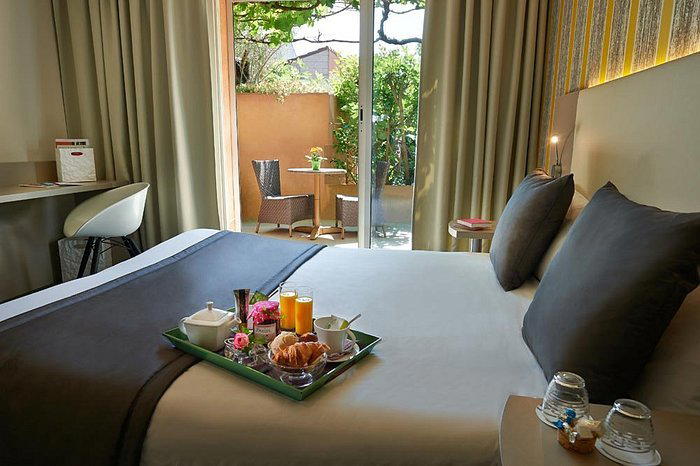
Le Carré d'Alethius is located at 4 Rue Paul Bertois, 07800 Charmes-sur-Rhône, in the southern Ardèche. Charmes-sur-Rhône sits roughly midway between Valence to the north and Montélimar to the south, accessible by road from both. The 2025 Michelin star awards arriving in early 2025 will have sharpened advance booking interest; the standard advice for newly starred regional addresses in France applies, book several weeks ahead and confirm closer to the date. The courtyard dining format means that fine-weather visits, broadly April through September, offer a different physical experience than winter service. For accommodation and further exploration, see our full Charmes-sur-Rhône hotels guide and our full Charmes-sur-Rhône experiences guide.
Frequently asked questions
Is Le Carré d'Alethius more mid-range or high-end?
Pricing at Le Carré d'Alethius is listed as €€€.
At-a-Glance Comparison
| Venue | Cuisine | Price | Awards |
|---|---|---|---|
| Le Carré d'AlethiusThis venue — the venue you are viewing | Modern French Fine Dining | $100–150 | 1 Michelin Star |
| Alléno Paris au Pavillon Ledoyen | Creative | Not listed | Michelin 3 Star |
| Kei | Contemporary French, Modern Cuisine | Not listed | Michelin 3 Star |
| L'Ambroisie | French, Classic Cuisine | Not listed | Michelin 3 Star |
| Le Cinq - Four Seasons Hôtel George V | French, Modern Cuisine | Not listed | Michelin 3 Star |
| Plénitude | Contemporary French | Not listed | Michelin 3 Star |
Recognition history
Dated appearances from independent guides and award organizations, with the underlying list record or original source where available.
Michelin 1 Star
Michelin
Full recognition history (3 entries)
Michelin 1 Star
Michelin
Michelin 1 Star
Michelin
Continue exploring
More in Charmes-sur-Rhône
Restaurants in Charmes-sur-Rhône
Browse all →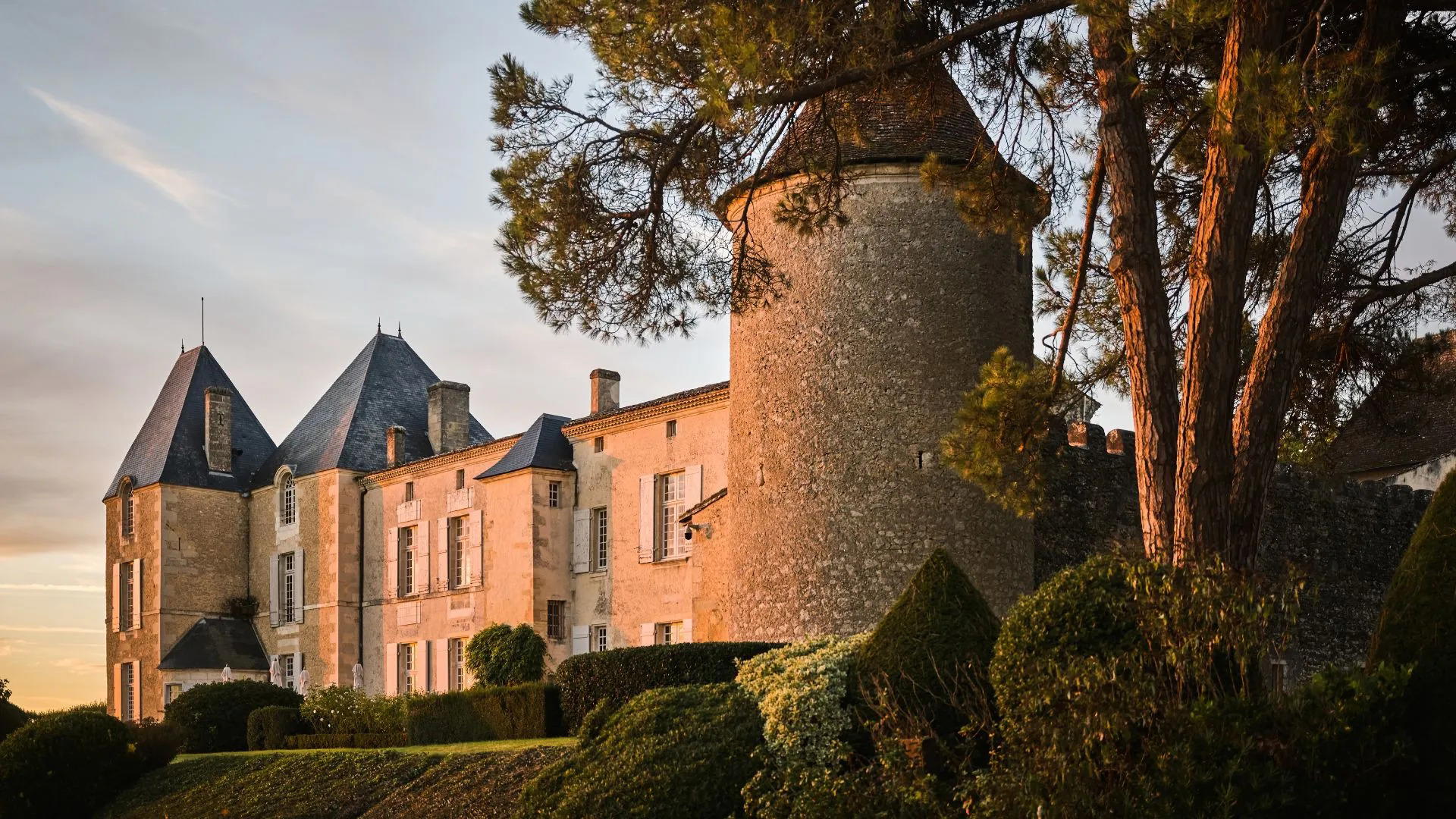
Hotels in Charmes-sur-Rhône
Browse all →

Details
- Elegant
- Sophisticated
- Cozy
- Intimate
- Date Night
- Special Occasion
- Private Dining
- Terrace
- Extensive Wine List
- Sommelier Led
- Local Sourcing
- Tasting Menu
- A La Carte
- Wine
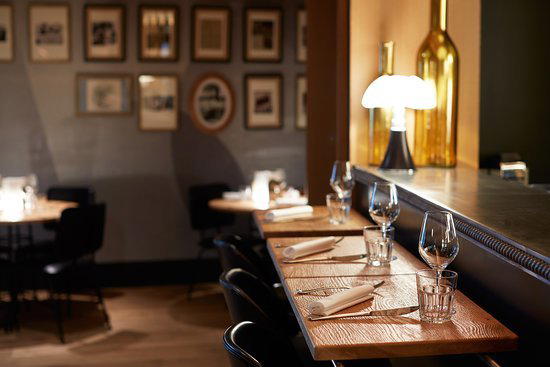
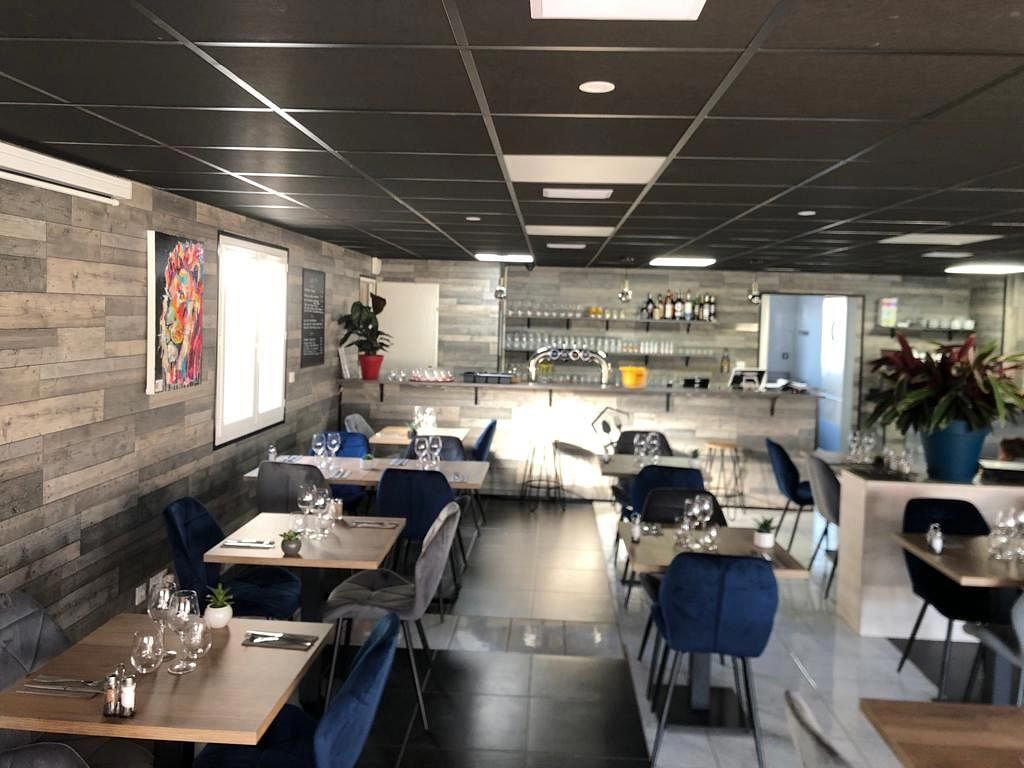
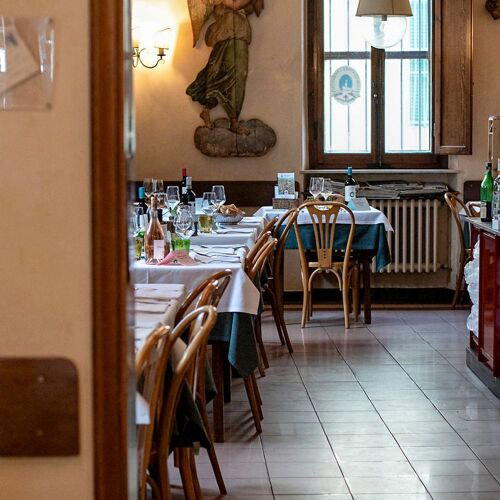
Lumineuse et épurée salle with natural and contemporary atmosphere, cozy and warm dining room.