Le Bienheureux
Le Bienheureux sits on Rue des Lierres in Saint-Alexandre, a village in the Gard department where the southern Rhône's agricultural rhythms still shape what ends up on the plate. In a region where ingredient provenance is more cultural reflex than marketing strategy, the address signals a kitchen working close to its raw material. For visitors covering the arc between the Languedoc and Provence, it earns a deliberate stop.
Pearl is the En Primeur Club membership app — saves, bookings, and concierge access live there. Same editors, same standards.
- Address
- 54 Rue des Lierres, 30130 Saint-Alexandre, France
- Phone
- +33466822169
- Directions
- Get directions
 Saves & bookings on Pearl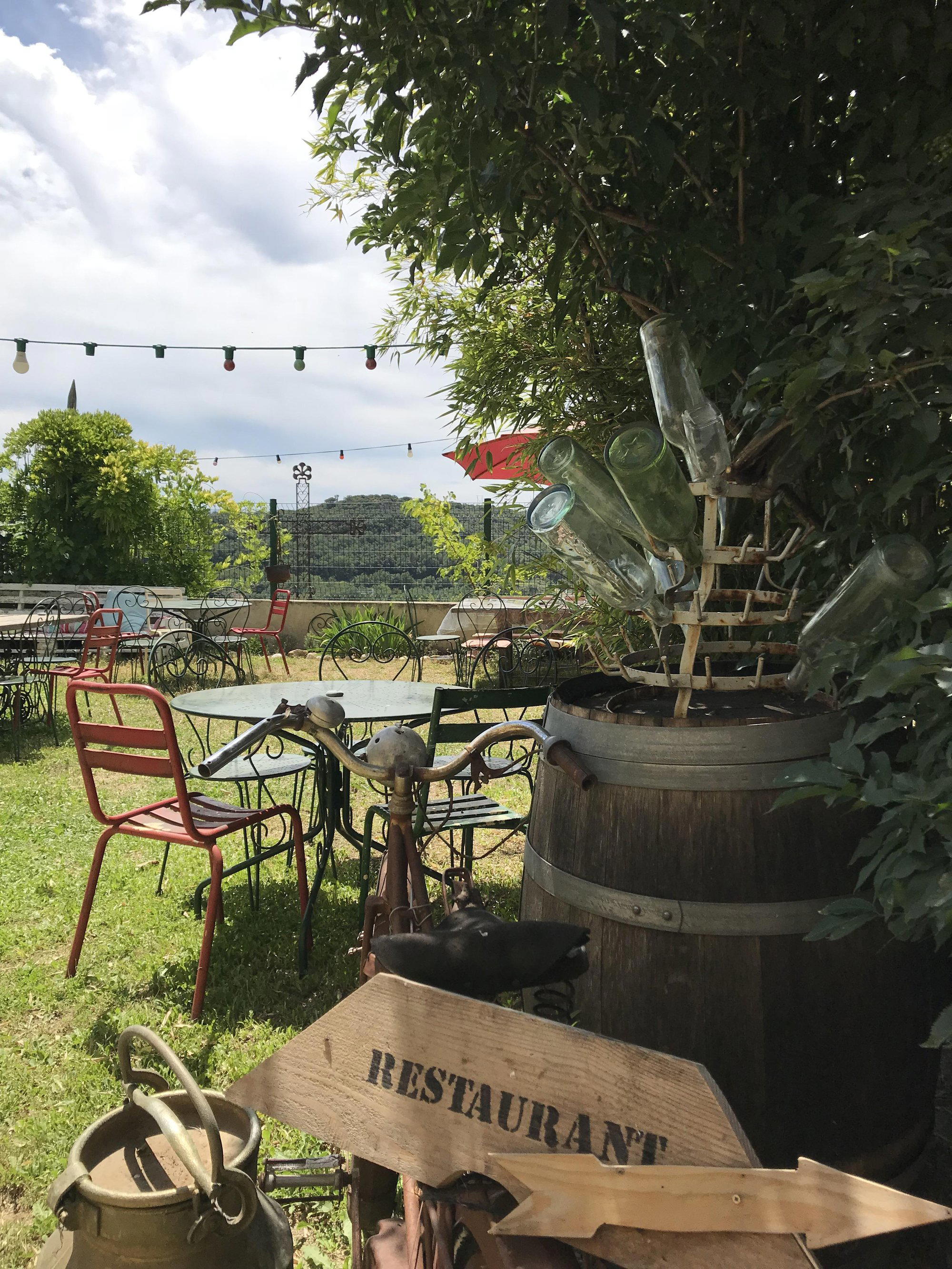
Where the Southern Rhône Sets the Table
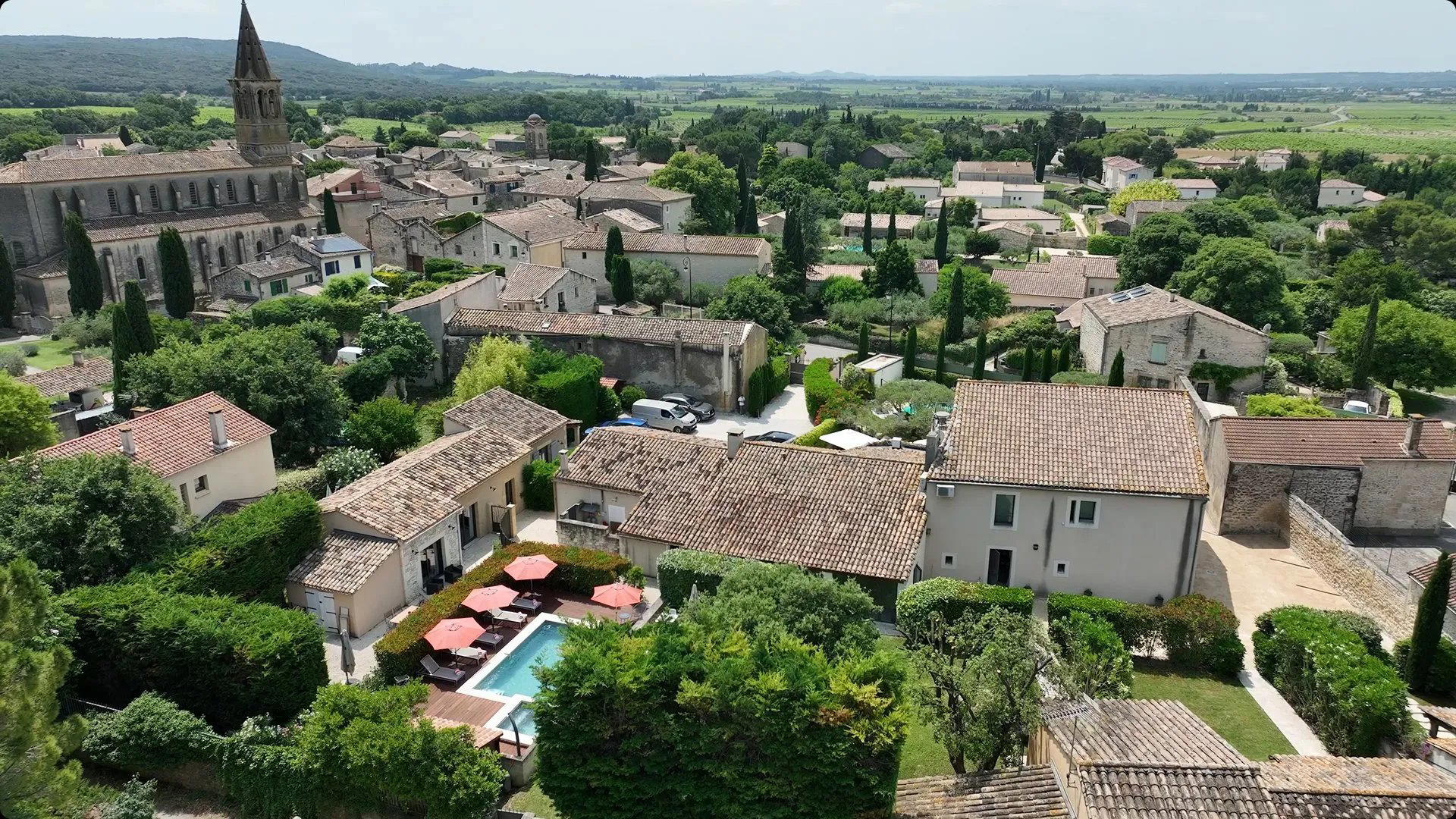
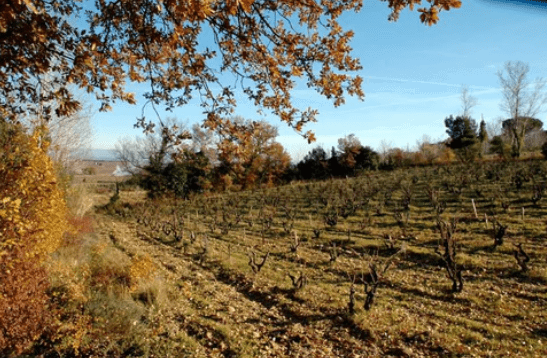
Saint-Alexandre sits in the northern Gard, a département where garrigues scrubland gives way to vine rows and olive groves, and where the distance between a kitchen and its suppliers is measured in minutes rather than supply-chain nodes. Arriving at 54 Rue des Lierres, you are already in the logic of southern French provincial dining: a village address, stone in the architecture, the assumption that the meal and the territory around it are continuous rather than separate things. It is the thing itself.
The corridor between Avignon and the Languedoc has produced ingredient-driven cooking. Auberge du Vieux Puits in Fontjoncouse built its three-Michelin-star reputation around the specific produce of the Corbières. Further north, Bras in Laguiole constructed an entire culinary identity on the flora of the Aubrac plateau. These are not isolated cases; they represent a French tradition in which geography is treated as a primary ingredient rather than a backdrop. Le Bienheureux sits within that tradition, operating in a village where the agricultural calendar is still locally visible.
Provenance as Kitchen Logic
The southern Rhône valley and the Gard plain produce with specificity: Cévennes onions with PDO status, chestnuts from the same range, olives pressed in mills that have operated for generations, lamb from the garrigue whose flavor carries the wild herbs the animals graze on. For a kitchen in Saint-Alexandre, this is not a sourcing brief to be assembled from a distributor's catalogue. It is what the region produces, what markets in Bagnols-sur-Cèze and Pont-Saint-Esprit carry on a Tuesday morning, and what a cook working at village scale can source through relationships rather than procurement systems.
This matters because provenance-led cooking at the village level operates differently from the kind practiced at, say, Mirazur in Menton, where a tasting menu is organized around the chef's own kitchen garden and the results are assessed against an international competitive set. At the village scale, ingredient sourcing is less a philosophical statement and more a structural reality: the supply chain is short because there is no alternative, and the menu adjusts to what arrived that week rather than what was promised months in advance. That constraint is also a discipline, and it is one of the reasons provincial French cooking at its leading has an honesty that is difficult to manufacture in a larger, more logistically complex operation.
Across France's southern tier, this model repeats with variations. L'Oustau de Baumanière in Les Baux sources from the Alpilles; La Marine in Noirmoutier-en-l'île builds around the island's Atlantic harvests. The common logic is that defensible cooking in any French region is the cooking that could only have come from there. Le Bienheureux's address places it in a zone where that logic applies with particular force.
The Village Restaurant in Its French Context
France's village restaurant occupies a distinct category in the national dining taxonomy, different from the urban bistrot, the brasserie, and the destination gastronomic table. It operates under a set of social expectations that have not changed fundamentally in decades: reasonable prices relative to urban comparisons, a menu that rotates with season and supply, a dining room where locals and travelers share tables without the segregation that urban restaurant hierarchies sometimes produce. The village restaurant is not a museum of simpler times; it is a functioning institution that continues to serve a community first and a passing audience second.
This is the comparable set in which Le Bienheureux operates, and it is a useful one to understand before arriving. The comparison is not Alléno Paris au Pavillon Ledoyen in Paris or the structured tasting menus of Assiette Champenoise in Reims. It is the canon of serious provincial French cooking, a tradition with its own depth and standards. Auberge de l'Ill in Illhaeusern has held three Michelin stars for more than five decades from a village address. Georges Blanc in Vonnas built a multi-generational institution in a commune of fewer than three thousand people. The village address is not a limitation in French dining history; it is frequently where durable cooking happens.
Saint-Alexandre and the Gard Table
The Gard is not among the departments that receive sustained international attention, which means its restaurant culture has developed without the pressure to perform for outside audiences. The wine context alone is worth understanding: the appellation of Lirac sits directly across the Rhône, Tavel produces France's most respected dry rosé, and the southern Rhône's red appellations of Châteauneuf-du-Pape and Gigondas are within short reach. A table in Saint-Alexandre is a natural place to encounter these wines in their own geography, paired with food that answers to the same climate and soils.
For visitors who approach southern France through its larger culinary nodes, the Gard interior is often passed over for Provence or the Languedoc coast. The practical consequence: booking is more direct, the room is less likely to be dominated by a single visiting demographic, and the interaction between kitchen and dining room retains the character of a working relationship rather than a performance. For visitors moving between Paul Bocuse - L'Auberge du Pont de Collonges in the north and AM par Alexandre Mazzia in Marseille or Au Crocodile in Strasbourg on a broader France circuit, the Gard interior offers a different register entirely.
Planning Your Visit
The restaurant is located at 54 Rue des Lierres in Saint-Alexandre, in the northern Gard approximately equidistant between Bagnols-sur-Cèze and Pont-Saint-Esprit. The village is most accessible by car from Avignon (roughly forty minutes northeast) or from Nîmes to the south. The restaurant is recommended for reservations and is closed Monday through Wednesday; it serves lunch and early dinner Thursday through Sunday.
Visitors building a southern France itinerary around serious provincial tables should also consider Christopher Coutanceau in La Rochelle and Flocons de Sel in Megève as counterpoints on the Atlantic and Alpine ends of the spectrum, and Troisgros - Le Bois sans Feuilles in Ouches for the Burgundy-to-Rhône corridor.
Quick Comparison
Comparable venues nearby, for context on price, style, and recognition.
| Venue | Cuisine | Price | Notes |
|---|---|---|---|
| Le BienheureuxThis venue — the venue you are viewing | Provencal French Bistro | $$ | Not listed |
| Abri du Ventoux | Traditional French Provençal | $$ | Centre village (Malaucène) |
| Mimosa | French Fast Food & Salads | $$ | Rue de la République |
| La Bistrote | French Bistro | $$ | Préfecture |
| Les Barbus | Modern French Bistro | $$ | centre-ville |
| Ô CORSO | French Bistro with Tapas and Seafood | $$ | Firminy |
Continue exploring
More in Saint Alexandre
Restaurants in Saint Alexandre
Browse all →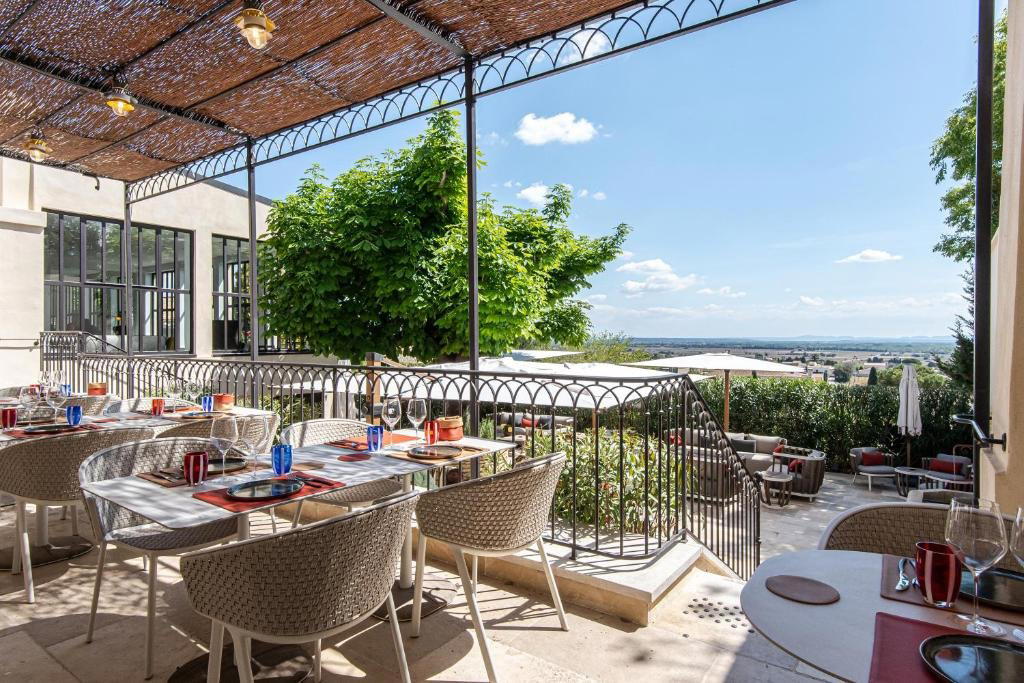
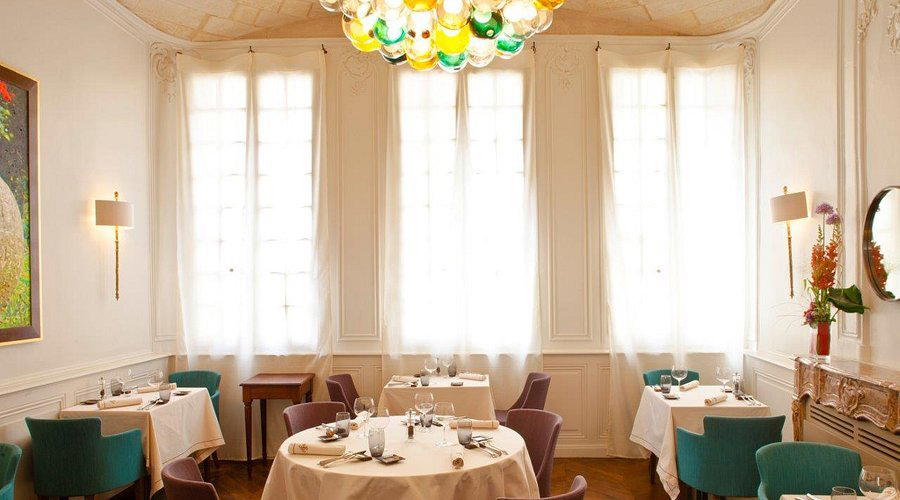
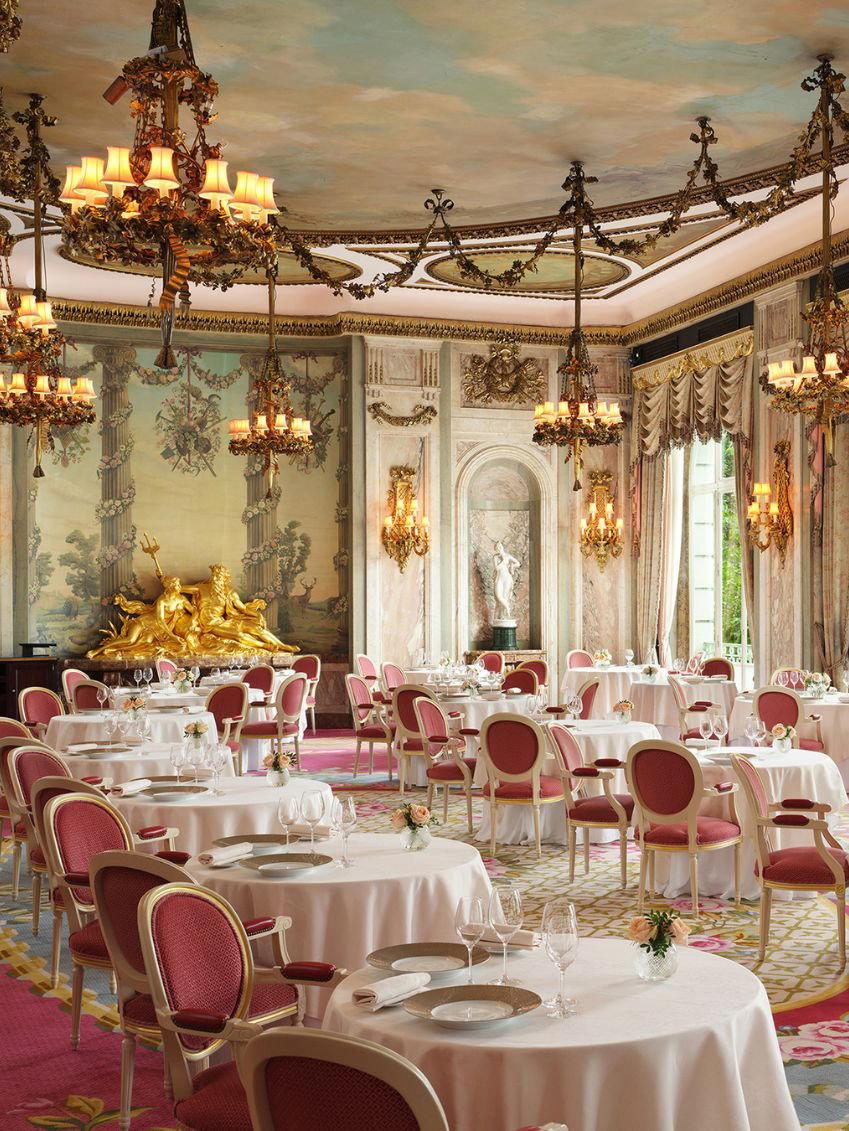
Bars in Saint Alexandre
Browse all →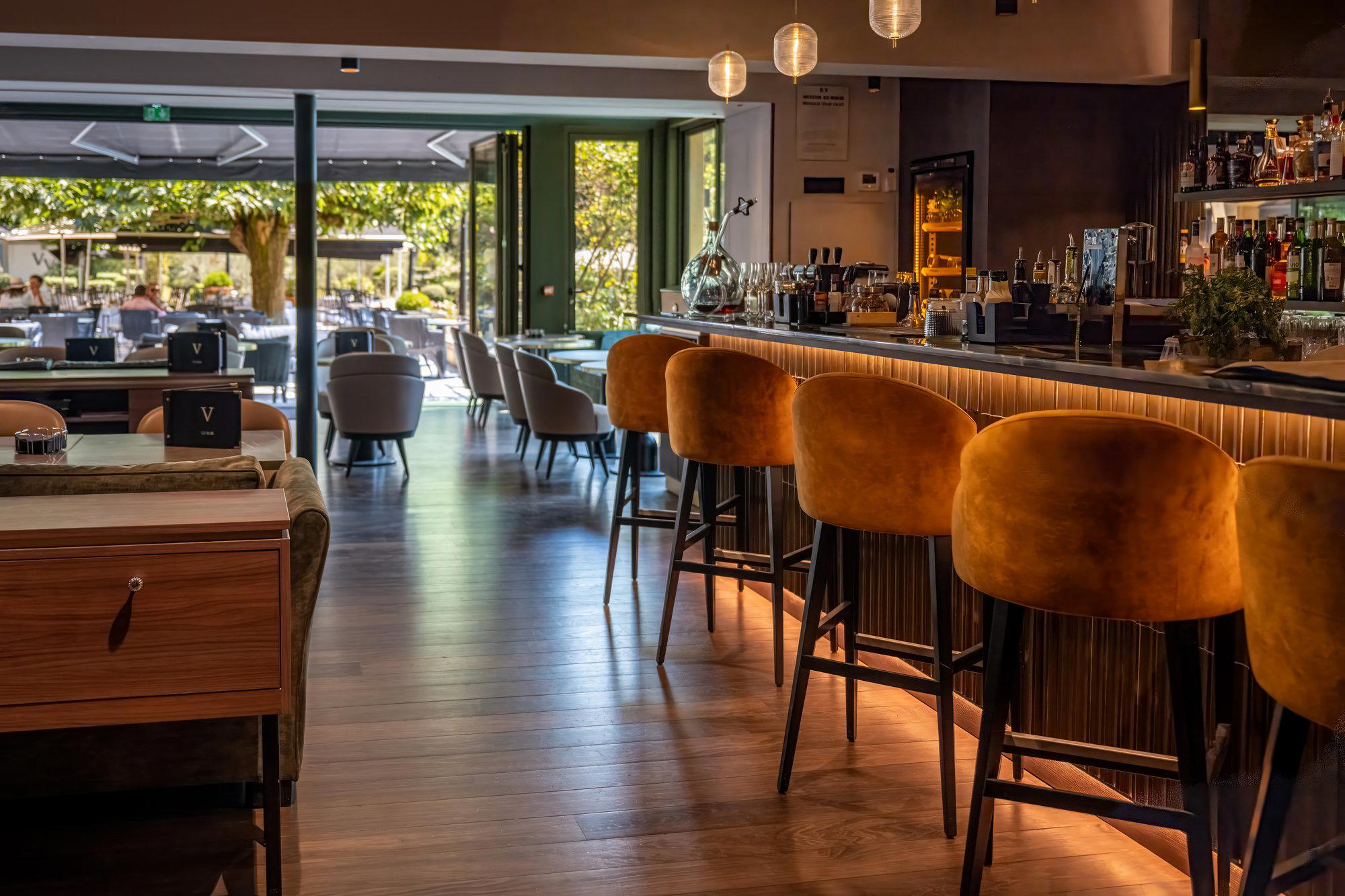
Hotels in Saint Alexandre
Browse all →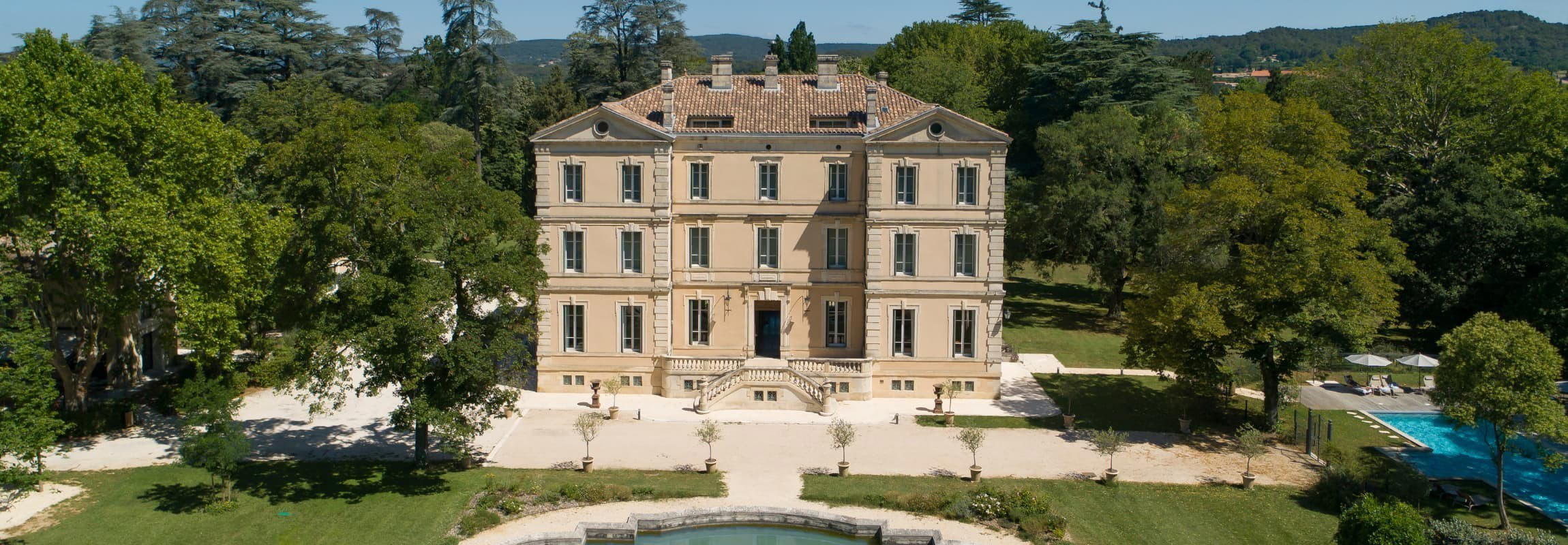
At a Glance
- Rustic
- Cozy
- Intimate
- Family
- Date Night
- Casual Hangout
- Garden
- Terrace
- Organic
- Local Sourcing
- Garden
Current opening hours
- Monday
- Closed
- Tuesday
- Closed
- Wednesday
- Closed
- Thursday
- 12–1:30 PM, 7:30–8:30 PM
- Friday
- 12–1:30 PM, 7:30–8:30 PM
- Saturday
- 12–1:30 PM, 7:30–8:30 PM
- Sunday
- 12–1:30 PM, 7:30–8:30 PM
Hours can change for holidays and private events. Last verified .
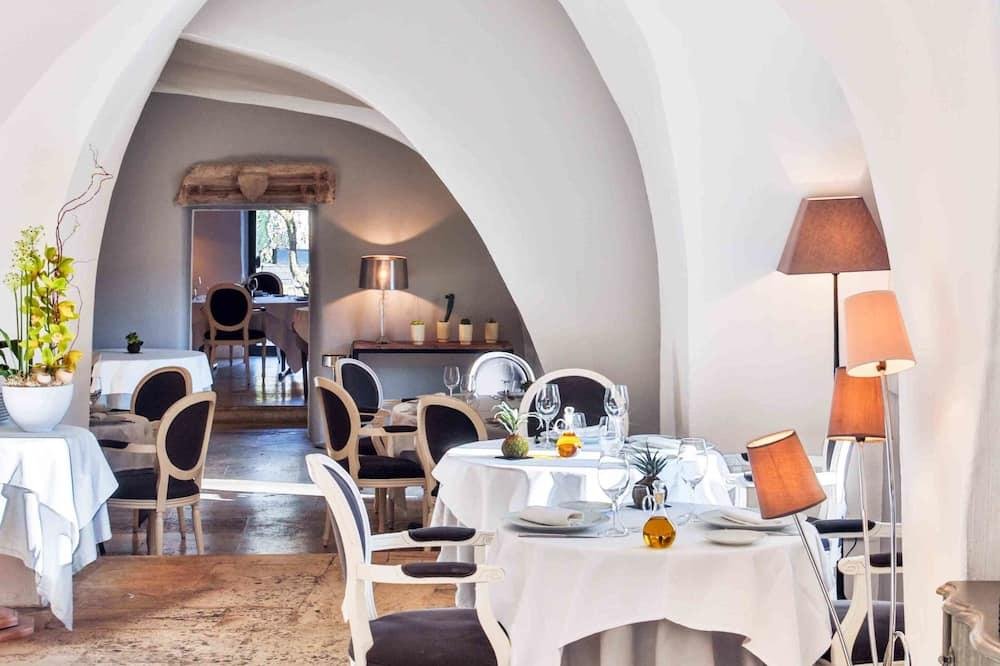
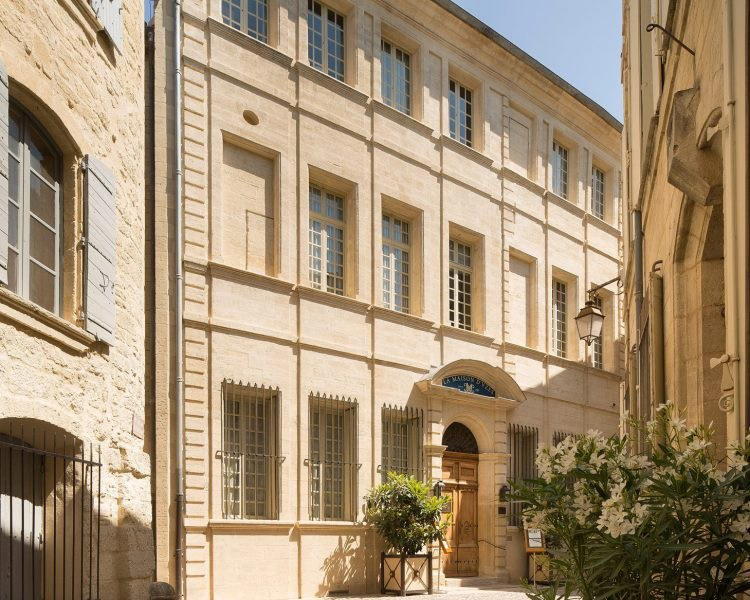
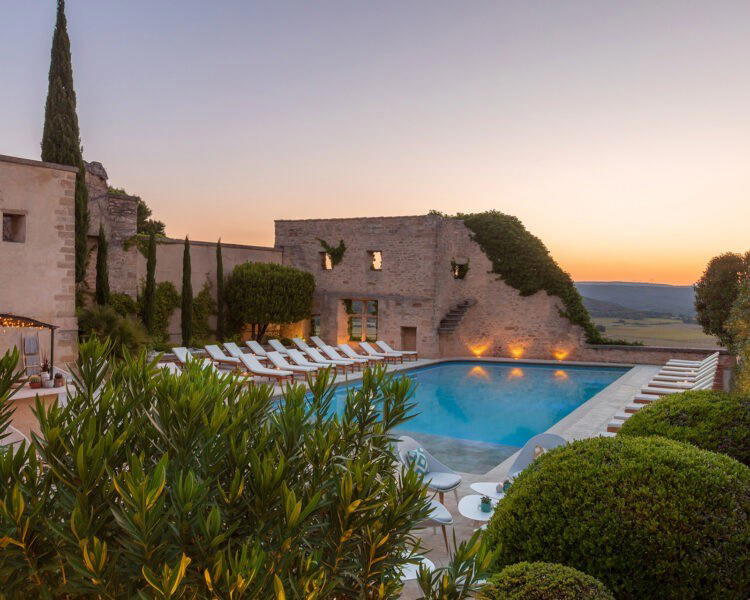
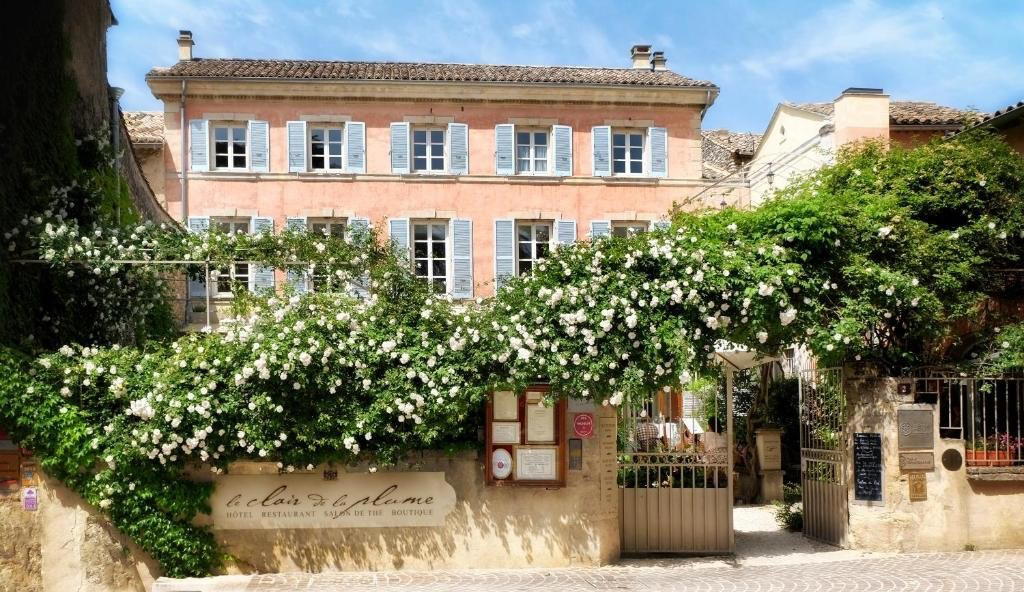
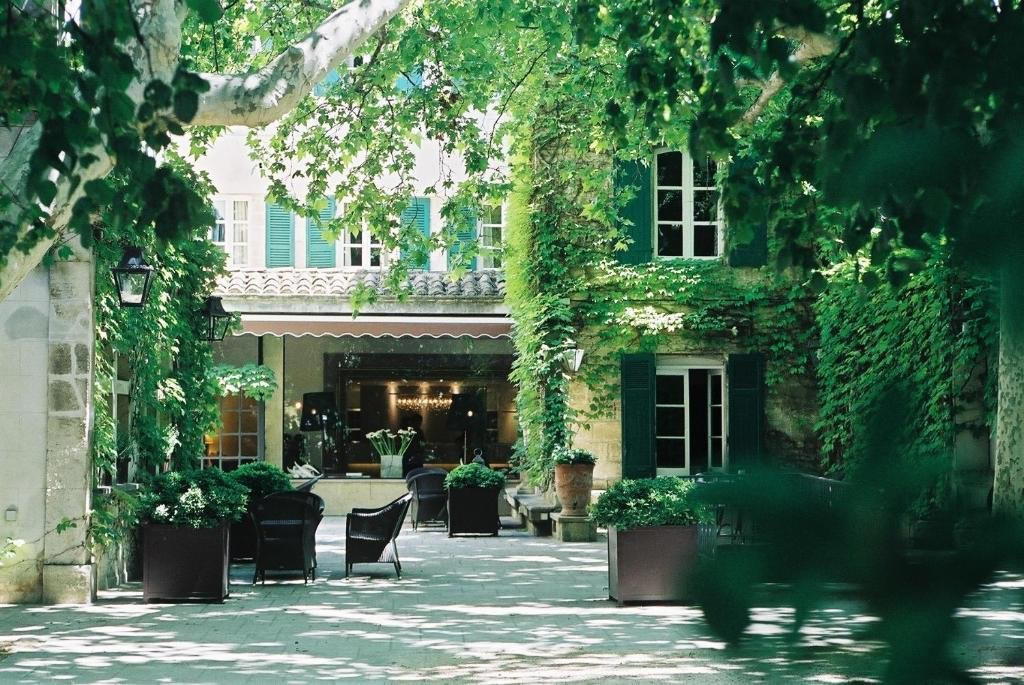
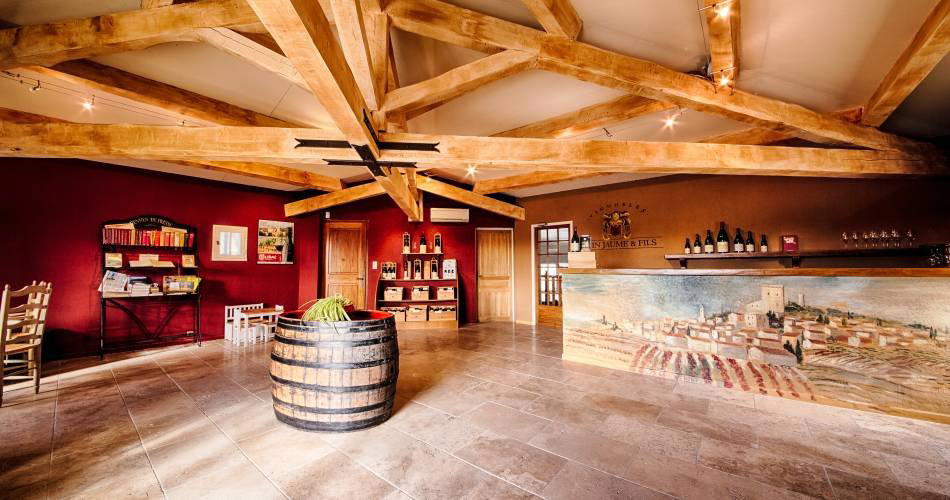
Eclectic, rustic charm with stone and beamed dining room, open terrace like a straw hut, pergolas with lights and bric-a-brac among trees, creating a timeless, soothing atmosphere.