On Rue Mazan in central Avignon, Restaurant EAT occupies a position within a dining scene that has grown considerably more competitive in recent years. Relative to the grand hotel dining of La Mirande or the established bistro tier represented by La Fourchette, EAT sits in a mid-to-upper bracket that rewards curiosity. Booking ahead is advisable, particularly during the Festival d'Avignon season in July.
Pearl is the En Primeur Club membership app — saves, bookings, and concierge access live there. Same editors, same standards.
- Address
- 8 Rue Mazan, 84000 Avignon, France
- Phone
- +33490834674
- Website
- restaurant-eat.com
- Directions
- Get directions
 Saves & bookings on Pearl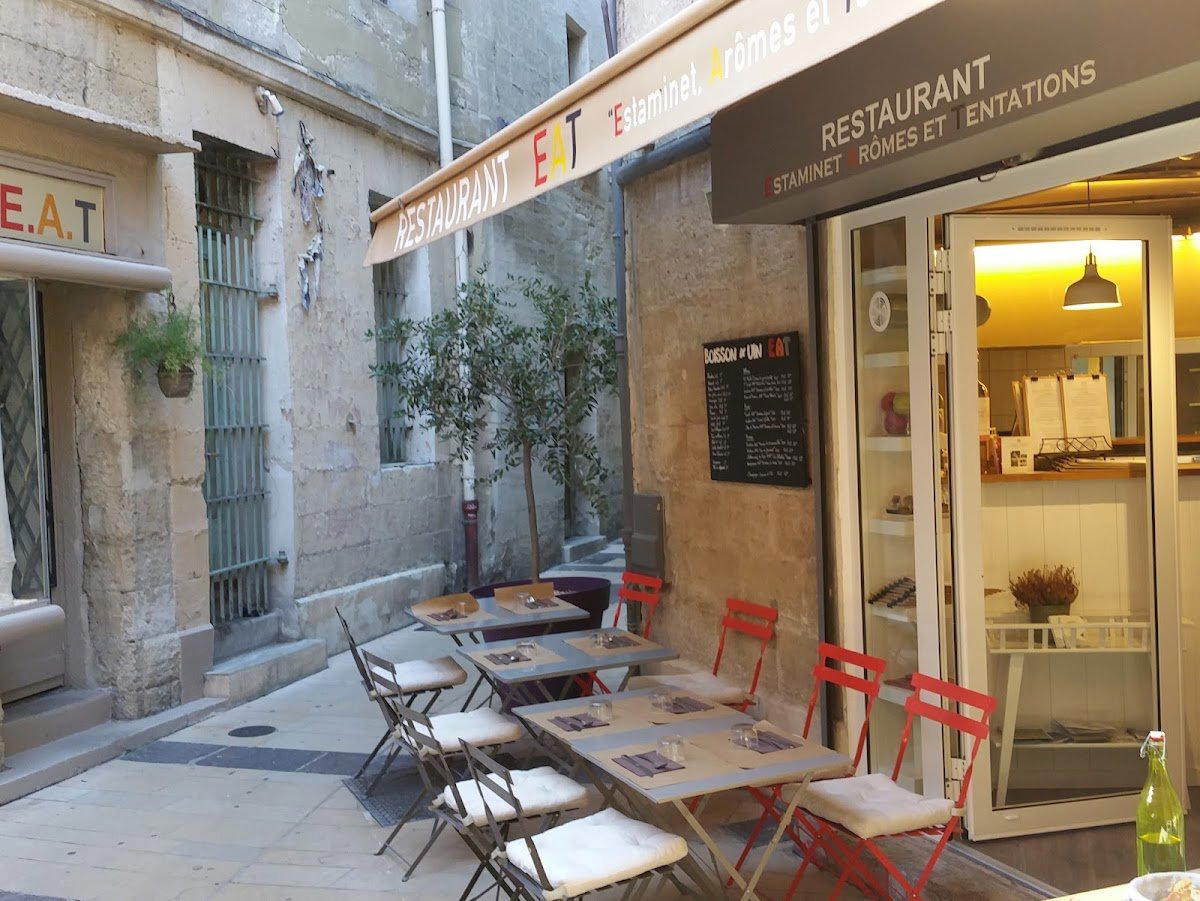
A Street-Level Address in a City That Takes Eating Seriously
Rue Mazan runs through central Avignon without announcing itself. It is not the Rue de la République, the city's main artery, nor the kind of postcard lane that draws tourists before they have read a menu. What it offers instead is a quieter register of the intra-muros, the walled city that contains one of the more concentrated restaurant scenes in southern France. Walking toward number 8, you are already inside a neighbourhood that communicates through texture rather than signage: old stone, heavy doors, the particular acoustic of a pedestrian street in a Provençal city on a warm evening.
Avignon's Dining Tiers and Where This Room Sits
The restaurants inside Avignon's walls sort into recognisable brackets. At the upper end, hotel dining at La Mirande and the long-standing prestige of La Vieille Fontaine represent what the city looks like when it dresses formally. Below that, a sharper, more contemporary tier has developed, led by places like Pollen, Acte 2, and Bibendum, which together reflect a broader shift in French provincial dining toward tighter menus, younger kitchens, and less ceremonial service. Restaurant EAT sits inside this second cohort, a generation of Avignon addresses that operate without the overhead of grand interiors or historic hotel affiliations, but that have built followings through consistent cooking and spatial confidence.
The Physical Container: What the Space Does
In French provincial dining at this price level, the room is often doing as much work as the kitchen. Particularly successful rooms in this tier communicate a clear point of view without resorting to heavy renovation or conceptual gimmickry. Interior restraint, when it is deliberate, signals kitchen confidence: the room is not compensating. This logic applies across many of the restaurants in Avignon's contemporary tier, and it applies to EAT's address on Rue Mazan. A room defined by the proportions of old Provençal stone, where seating arrangements create intimacy at scale, operates according to different social rules than a large brasserie. The distance between tables, the ceiling height, the way light falls in the evening: these are the physical conditions under which a meal becomes a conversation rather than a transaction. Restaurant EAT's spatial context on Rue Mazan suggests a format built around those conditions, a room that asks you to be present rather than to perform.
This is a recurring characteristic of the better contemporary addresses in Avignon's intra-muros. The city's medieval fabric means that most independent restaurants work within inherited architectural envelopes: the room is almost never purpose-built. The skill lies in reading the space and furnishing it with enough intelligence that the architecture works for the experience rather than against it. Comparing this to what happens at particularly considered addresses in France more broadly, from Bras in Laguiole, where the building itself is part of the culinary argument, to the disciplined modernism of Flocons de Sel in Megève, the relationship between architecture and cooking is rarely accidental at the summit of the French dining spectrum. At a smaller scale, that same attentiveness to physical environment distinguishes the better independent addresses from the indifferent ones.
The Broader French Context
Avignon is not Menton, where Mirazur commands international attention, nor Ouches, where Troisgros operates with multi-generational authority. It is a mid-sized southern French city with a festival profile that inflates demand for a few weeks each July and drops back to a steadier residential rhythm for the rest of the year. That rhythm shapes the economics and the ambition of independent restaurants like EAT. The kitchens that survive the festival surge and the off-season troughs tend to be the ones that have built a local following first, with the summer crowds as a bonus rather than a business model. This is a different operating reality from the destination dining of Auberge de l'Ill in Illhaeusern or the institutional weight of Paul Bocuse in Collonges-au-Mont-d'Or, and it produces a different kind of restaurant: leaner, more responsive, with a sharper need to earn the next booking rather than rely on inherited prestige.
The southern French corridor that runs from Marseille through Avignon and up toward Lyon has produced a number of technically serious modern kitchens in recent years. AM par Alexandre Mazzia in Marseille represents the corridor's most decorated recent example, and its emergence has raised the general critical visibility of the region. That visibility benefits smaller, less-awarded Avignon addresses by raising the baseline expectation of visitors arriving from Paris, London, or further. For context on what technically grounded cooking looks like at one decorated end of the French spectrum, Alléno Paris au Pavillon Ledoyen and Assiette Champenoise in Reims define the upper tier, with Au Crocodile in Strasbourg illustrating how a historically significant address can remain relevant through generational transition. International reference points for format and ambition extend further: Le Bernardin in New York and Atomix represent the kind of sustained critical recognition that independent French addresses aspire toward, even when operating at a fraction of the scale.
Planning a Visit
Restaurant EAT's address at 8 Rue Mazan places it within comfortable walking distance of the Palais des Papes and the central squares of Avignon's intra-muros. For anyone staying inside the walls or arriving by TGV at Avignon Centre station, the restaurant is reachable on foot without crossing the main traffic arteries. Booking in advance is sensible at any point in the year; during the Festival d'Avignon, which runs across the second half of July, tables at addresses of this calibre tend to be taken weeks ahead. Outside festival season, the city's pace is slower and availability more predictable, but the local following that sustains restaurants like EAT means that last-minute walk-ins carry risk.
A Lean Comparison
Comparable venues nearby, for context on price, style, and recognition.
| Venue | Cuisine | Price | Notes |
|---|---|---|---|
| Restaurant EATThis venue — the venue you are viewing | Historic Center, Modern French Bistro | $$ | Not listed |
| O'Papilles | Not listed | $$ | historic center, Traditional French Bistro with Local Produce |
| La Fourchette | Not listed | $$ | historic city centre, Provençal French Bistro |
| Simple Simon | Not listed | $$ | Old Town Avignon, British Tea House & Brunch |
| Napoli Mia | Not listed | $$ | . Concurrent, Neapolitan Italian Trattoria |
| Acte 2 | Not listed | $$$$ | Centre ville, Modern French Seasonal Tasting Menu |
Continue exploring
More in Avignon
Restaurants in Avignon
Browse all →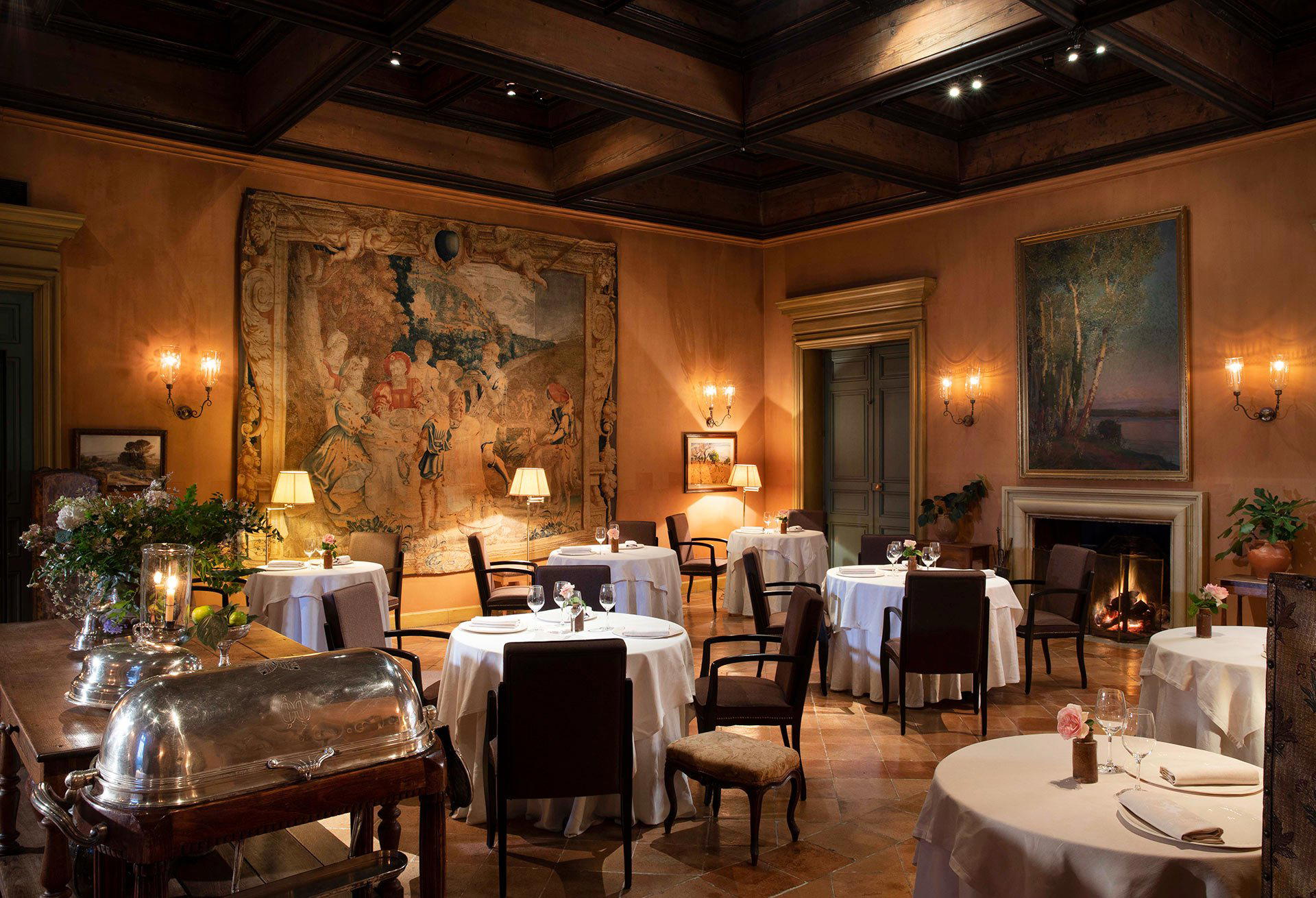
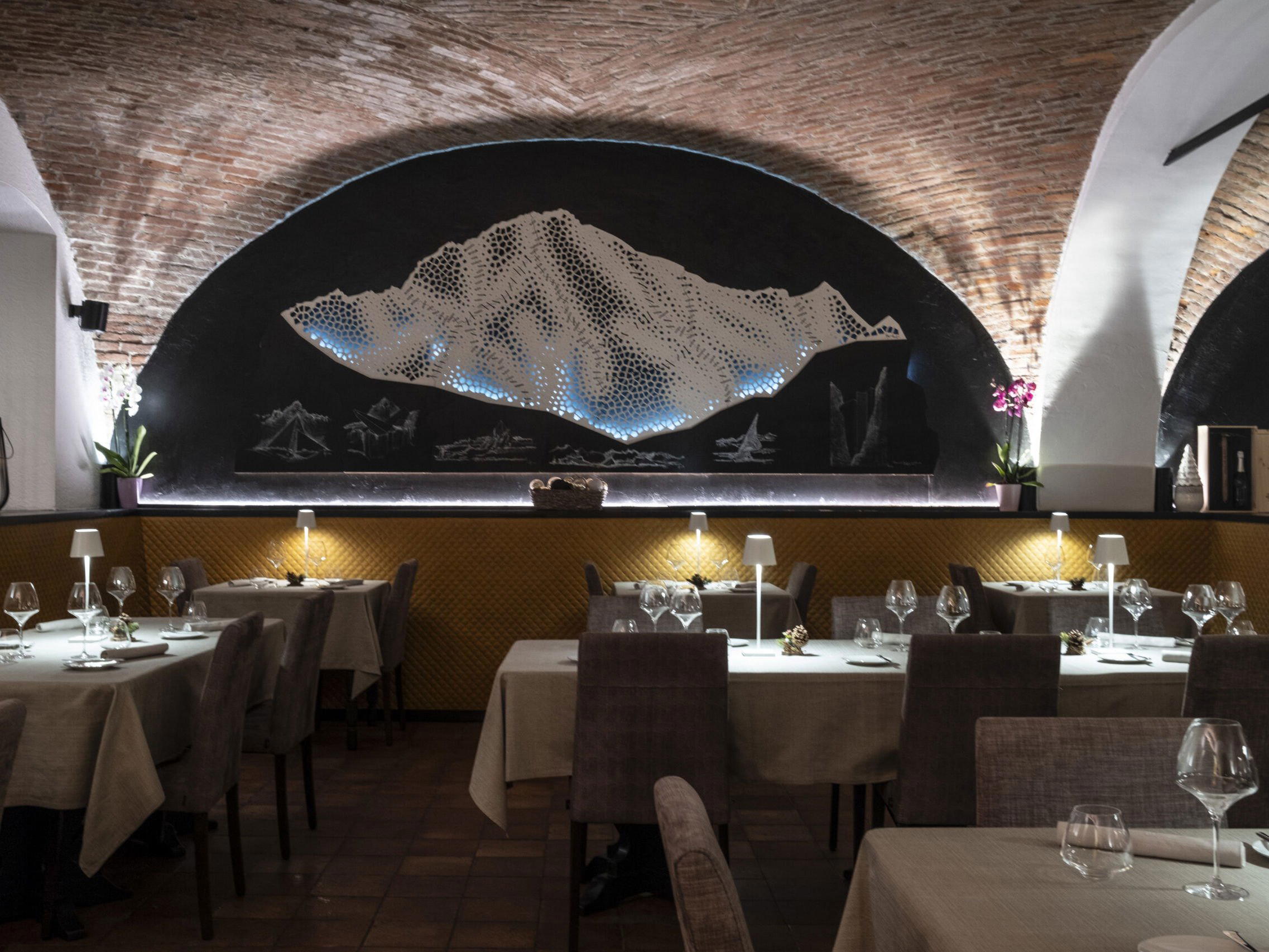
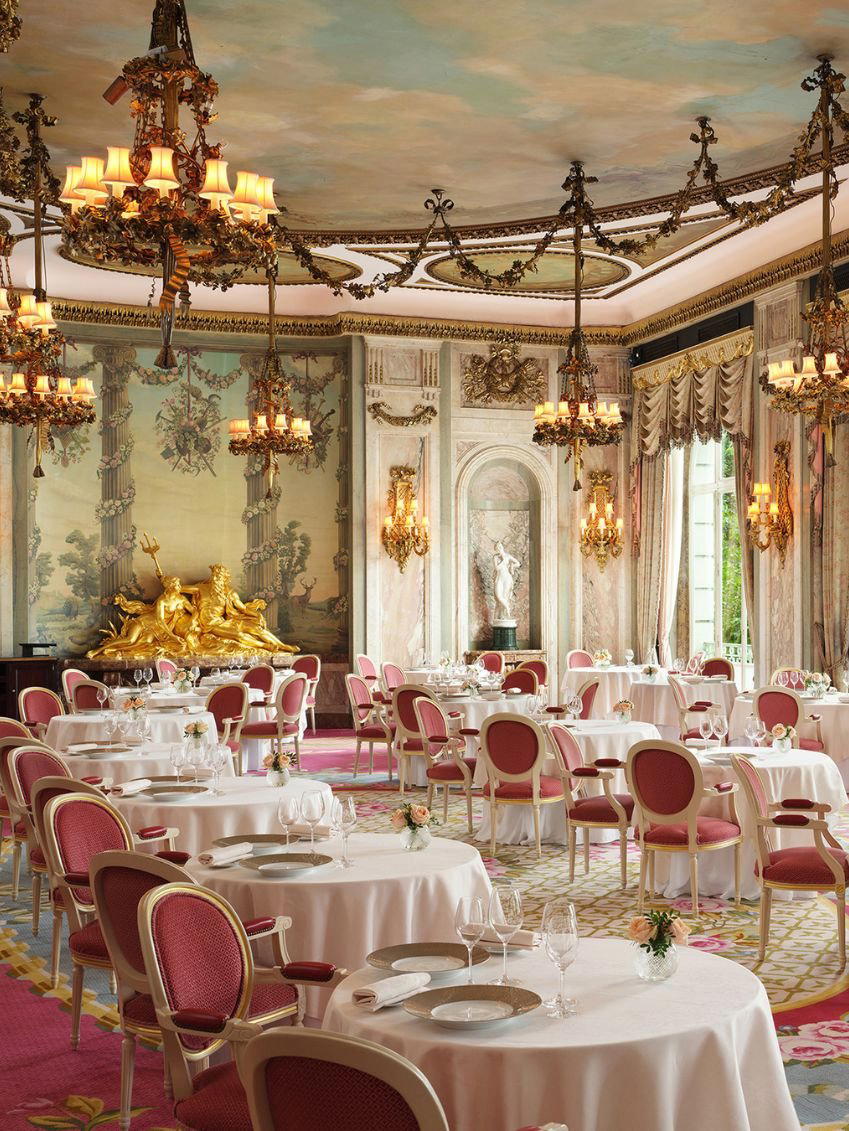
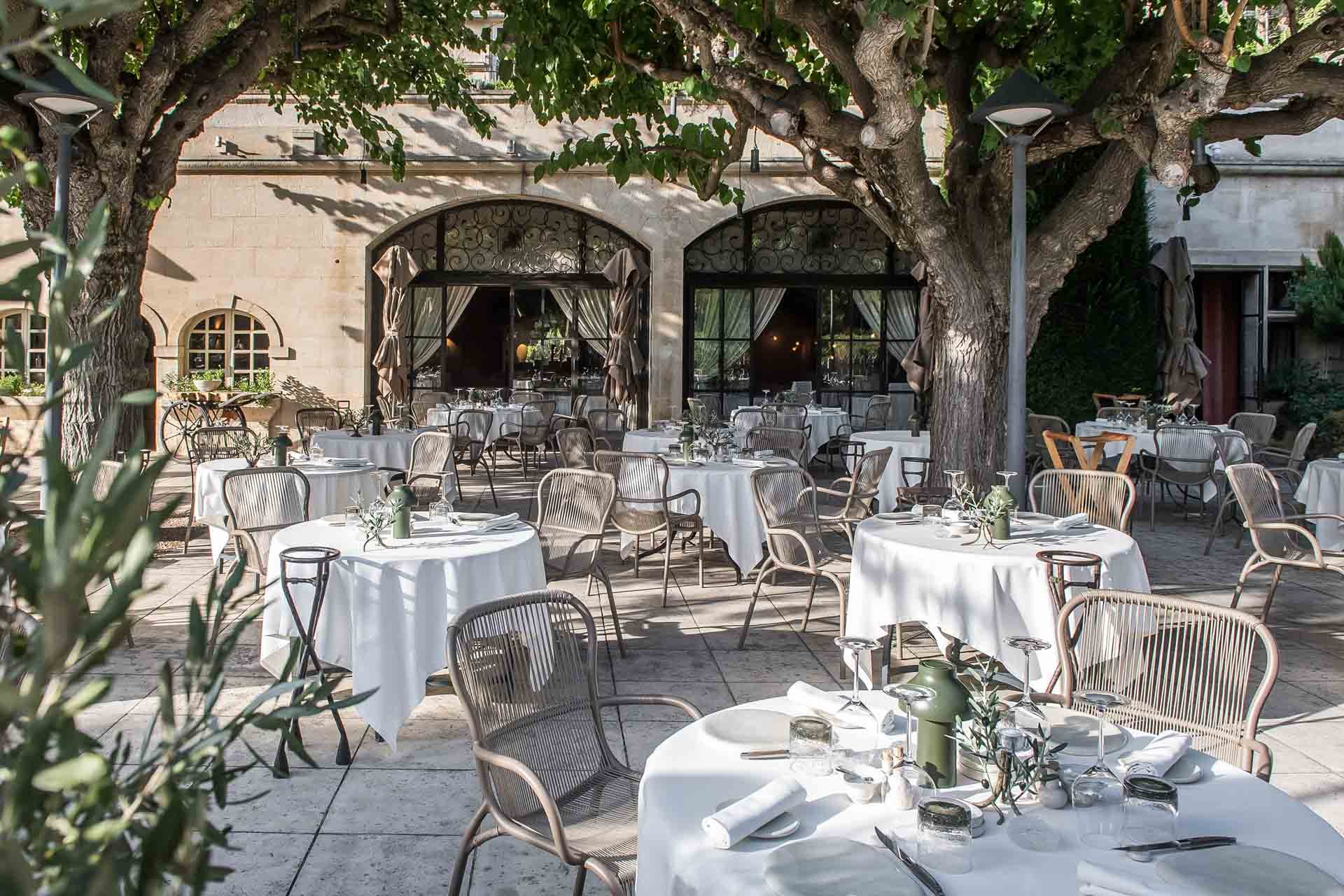
Bars in Avignon
Browse all →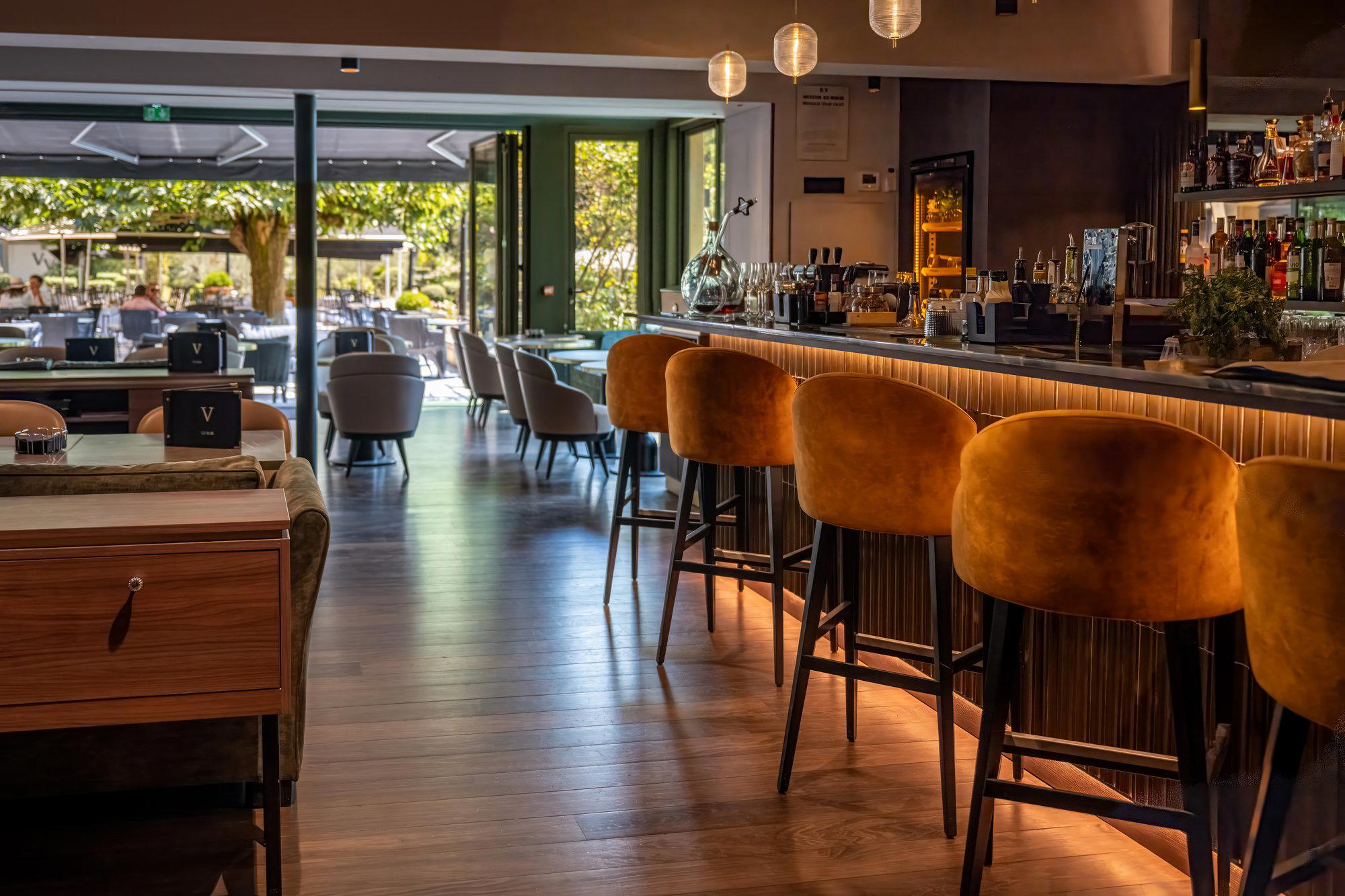
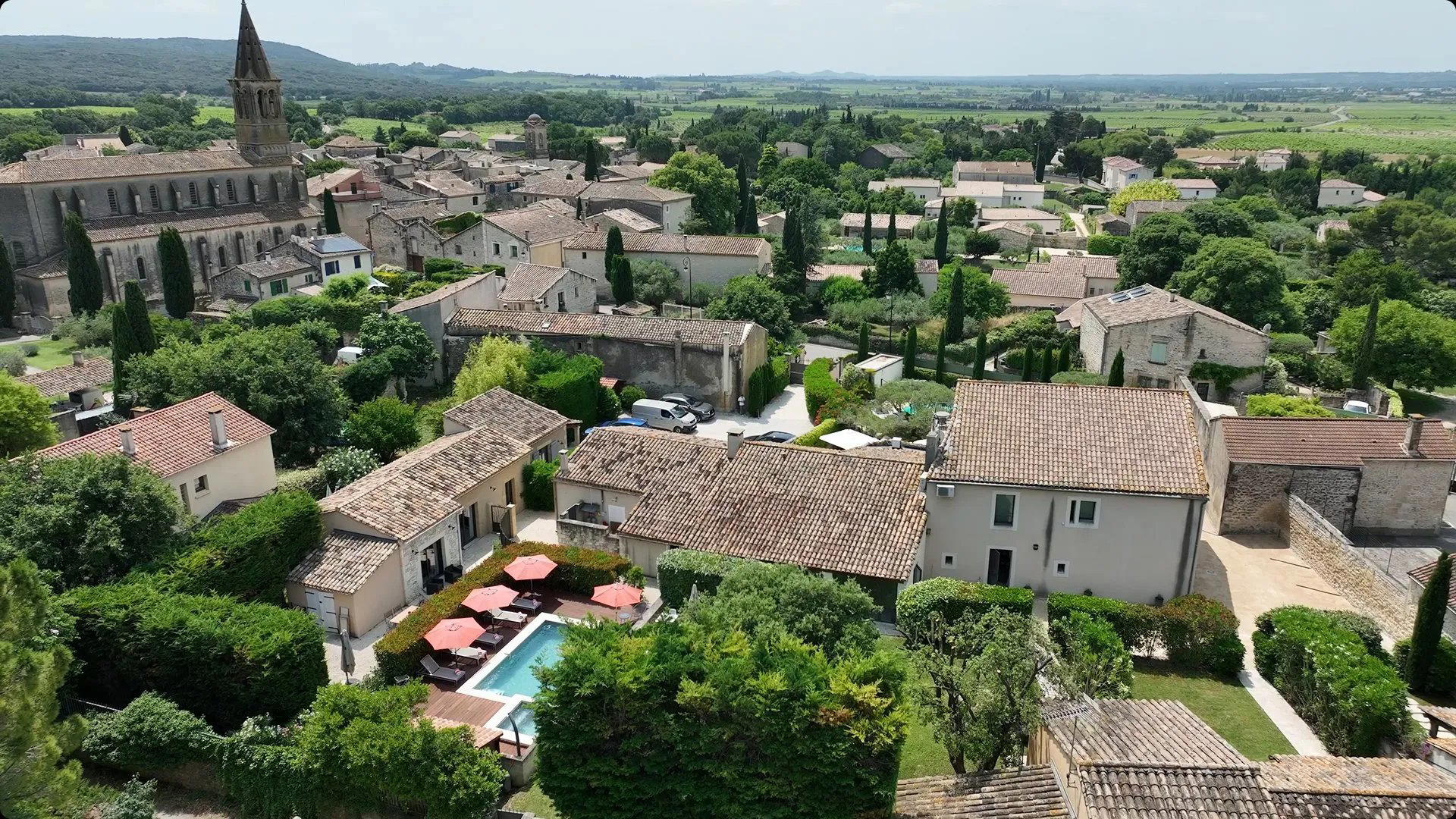
Hotels in Avignon
Browse all →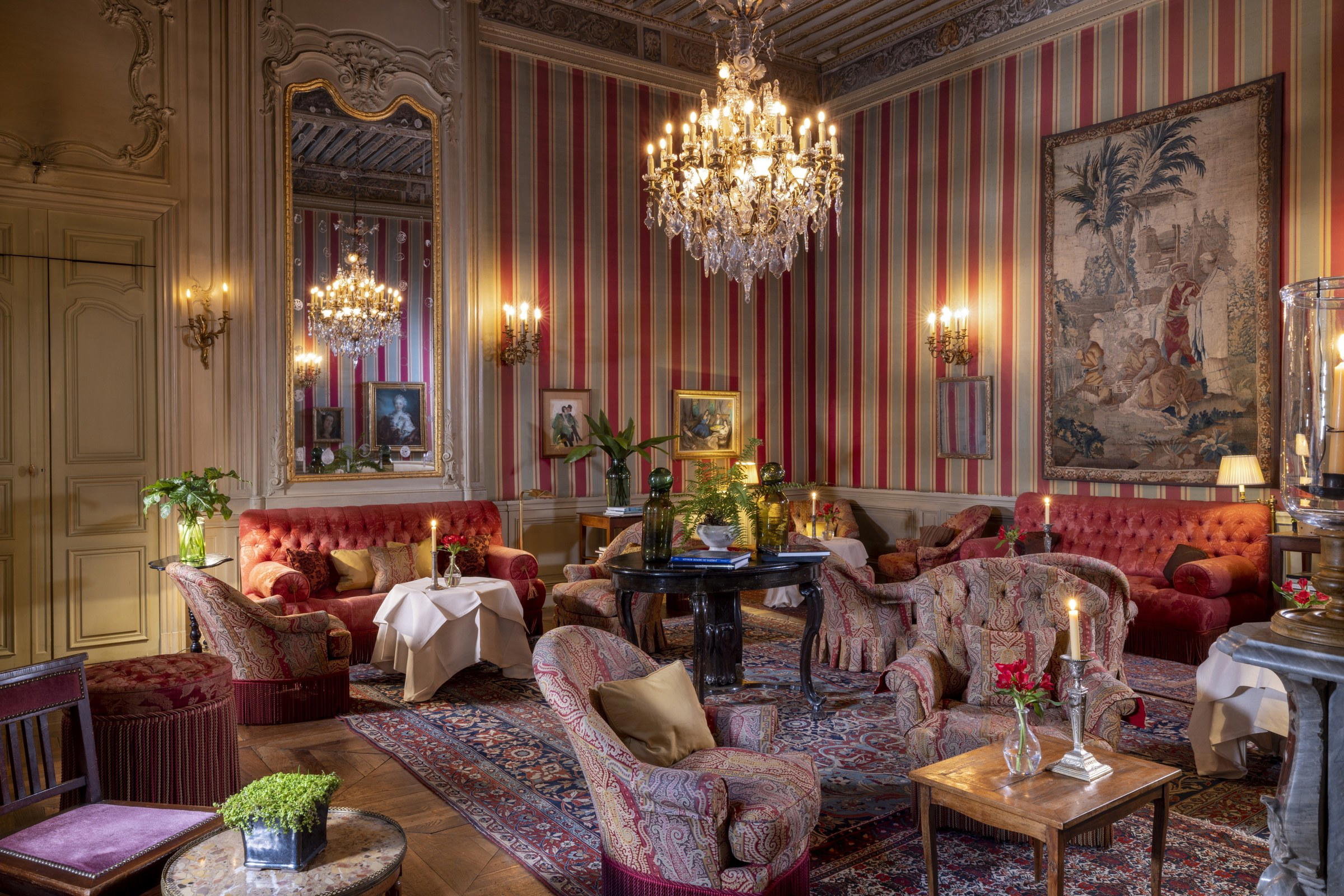
At a Glance
- Cozy
- Intimate
- Warm
- Date Night
- Casual Hangout
- Open Kitchen
- Terrace
- Local Sourcing
Current opening hours
- Monday
- 12–1:45 PM, 7–9:30 PM
- Tuesday
- 12–1:45 PM, 7–9:30 PM
- Wednesday
- Closed
- Thursday
- 12–1:45 PM, 7–9:30 PM
- Friday
- 12–1:45 PM, 7–9:30 PM
- Saturday
- 12–1:45 PM, 7–9:30 PM
- Sunday
- Closed
Hours can change for holidays and private events. Last verified .
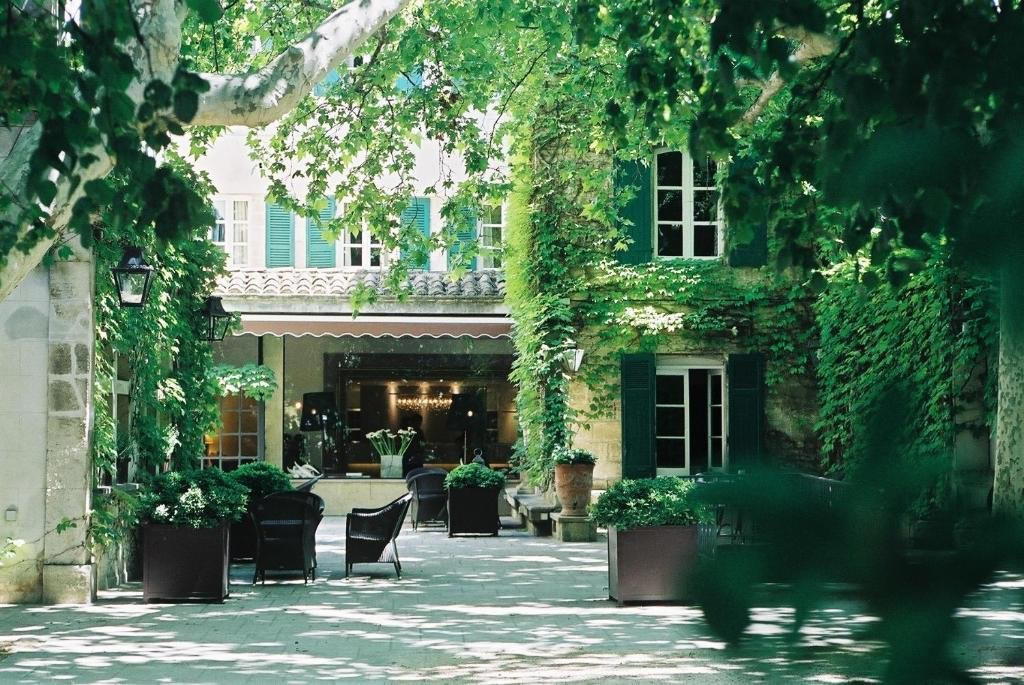
Small but warm dining room mixing old and modern styles with an open kitchen; colorful terrace on a quiet pedestrian street.