
1 Michelin Star
Our verdict
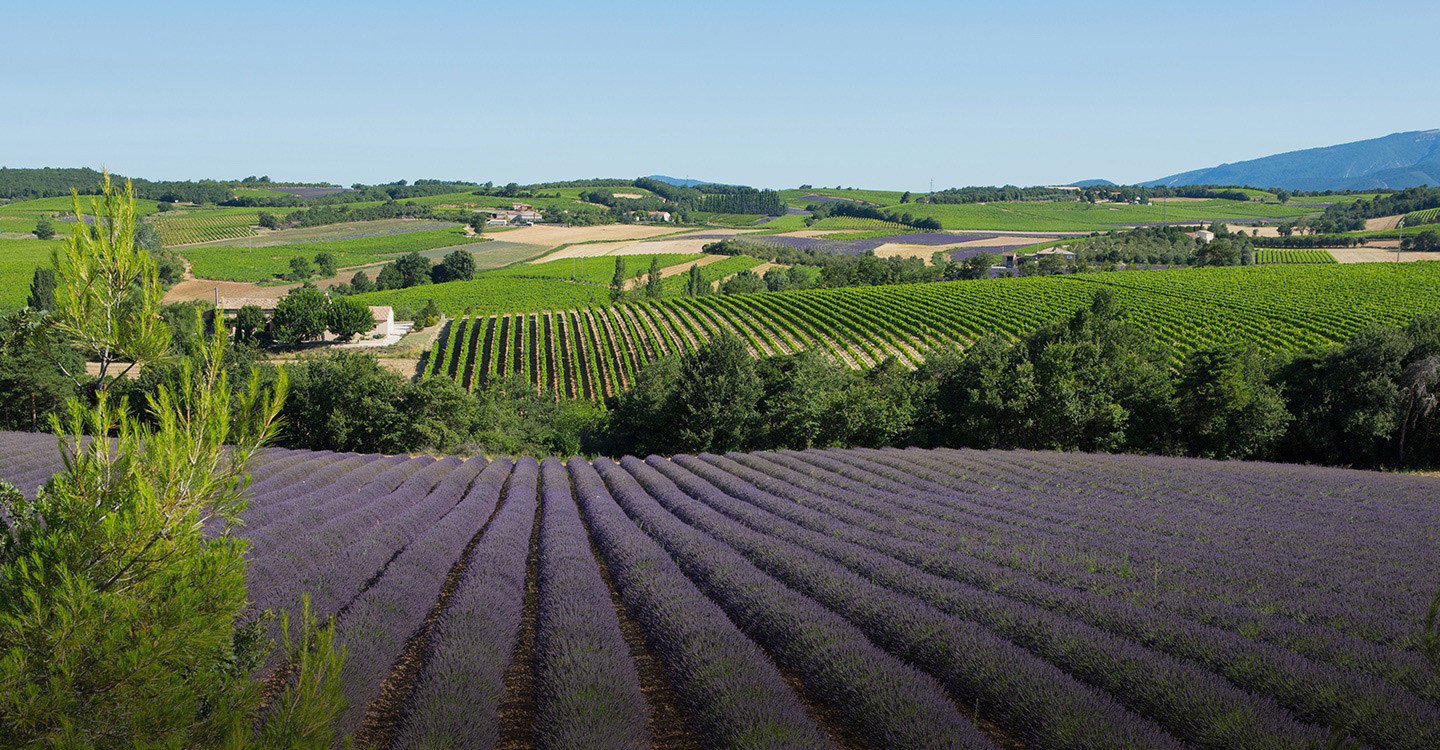
Inside a restored 16th-century château in the Drôme Provençale, Lavandin earns its 2024 Michelin Plate through cooking that treats the surrounding region as a pantry. Lavender fields frame the terrace; a vaulted dining room with a working hearth frames the meal. The kitchen's focus on locally sourced ingredients — lamb reared nearby, tomatoes handled with precision — makes this one of the southern Rhône Valley's more grounded fine dining addresses.

Pearl is the En Primeur Club membership app — saves, bookings, and concierge access live there. Same editors, same standards.
- Address
- 1205 Rte du Château, 26450 Charols, France
- Phone
- +33 4 75 00 19 30
- Directions
- Get directions
- Booking
- Book on TheFork
The menu
What to order
- Selle d’agneau rôtie
- Asperges vertes de région
- Merlu, asperges et morilles
Stone, Fire, and What the Land Provides
The Drôme Provençale sits in a productive tension between the Rhône Valley and the Provençal plateau to the south, and that geography shapes what ends up on the table at Lavandin. The approach here belongs to a well-established strand of French regional cooking: the kitchen functions as a processing point for what the immediate land produces, and the chef's role is to clarify rather than complicate. Lavender fields visible from the terrace, olive groves in the grounds, lamb from nearby farms — the sourcing radius is tight, and the menu reflects that constraint honestly. In the southern reaches of the Rhône corridor, where restaurants increasingly position themselves against peers in Lyon or Marseille, this kind of deliberate localism carries a specific editorial argument: the region itself is enough.
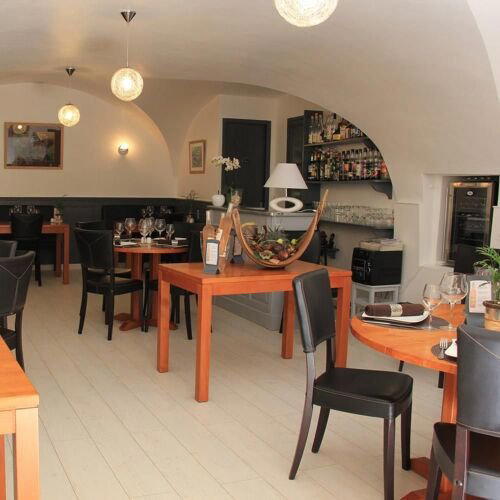
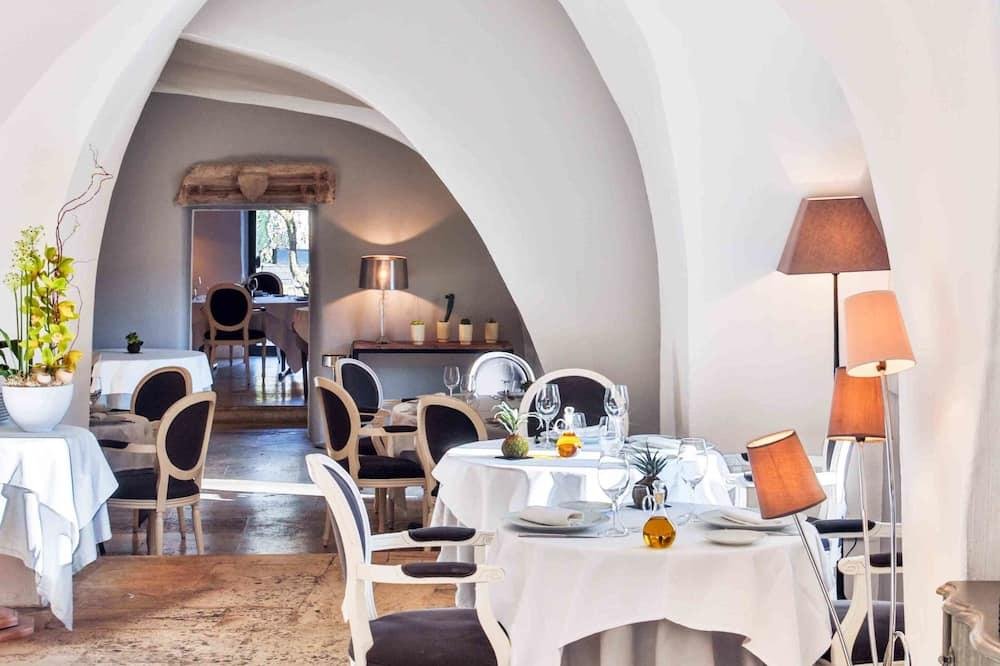
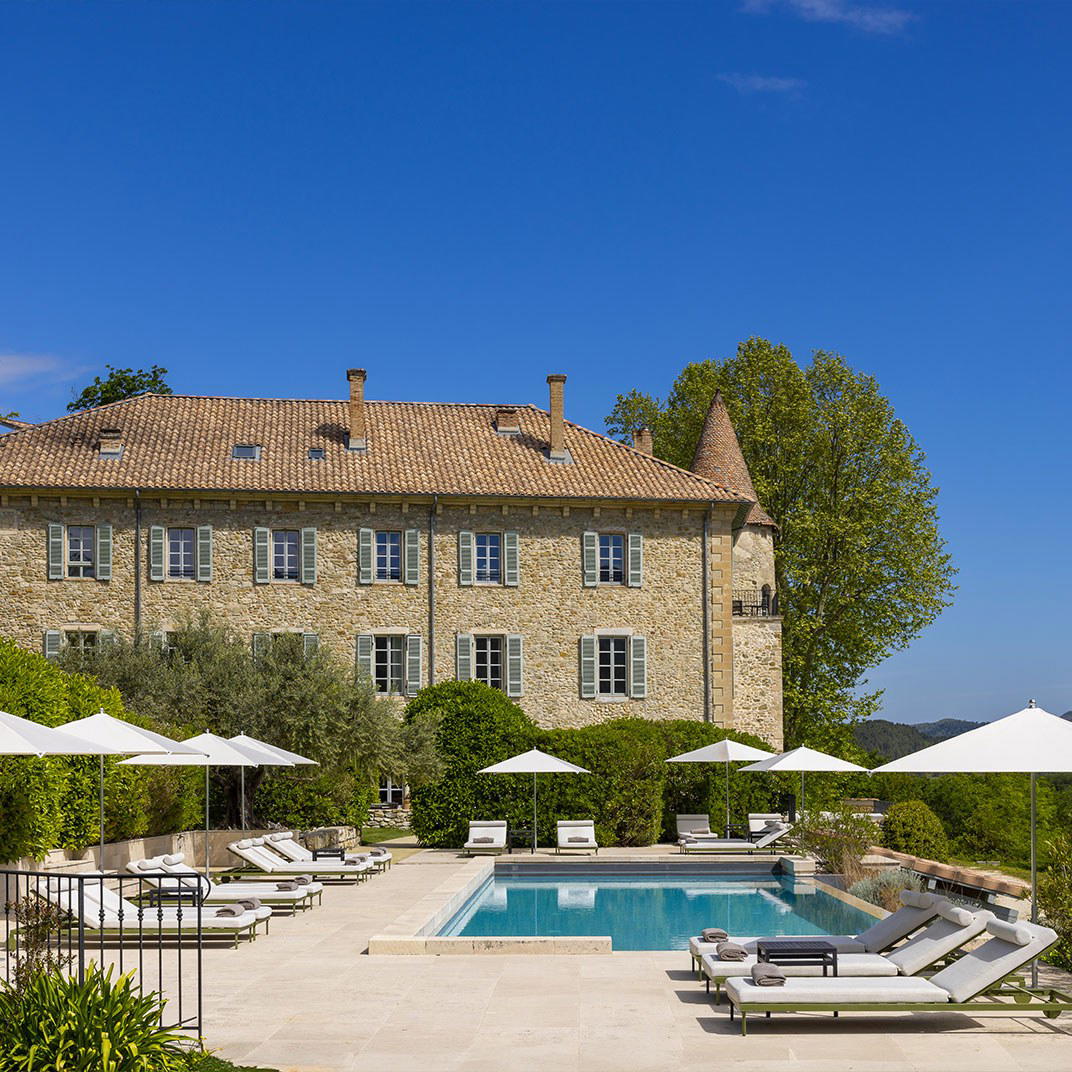
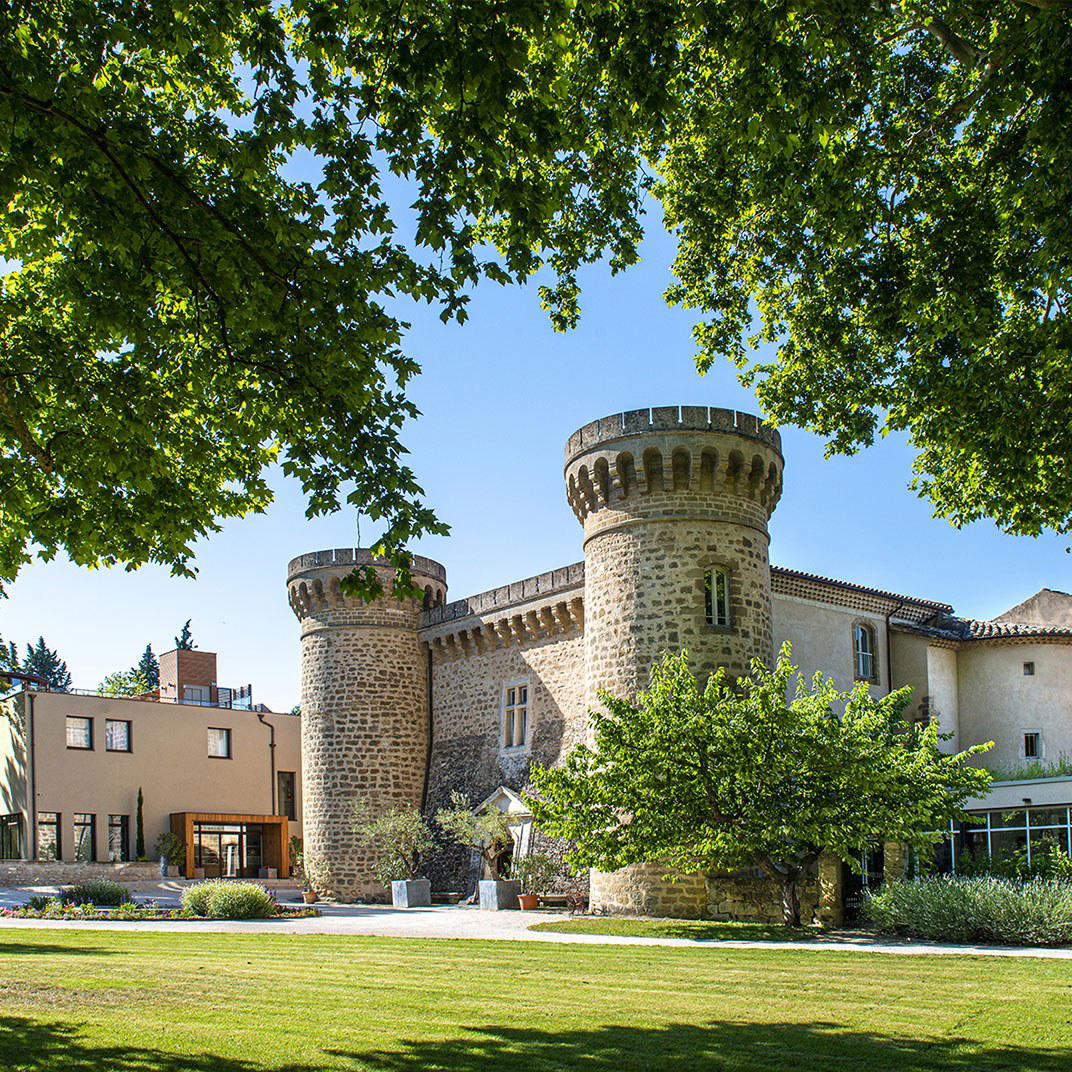
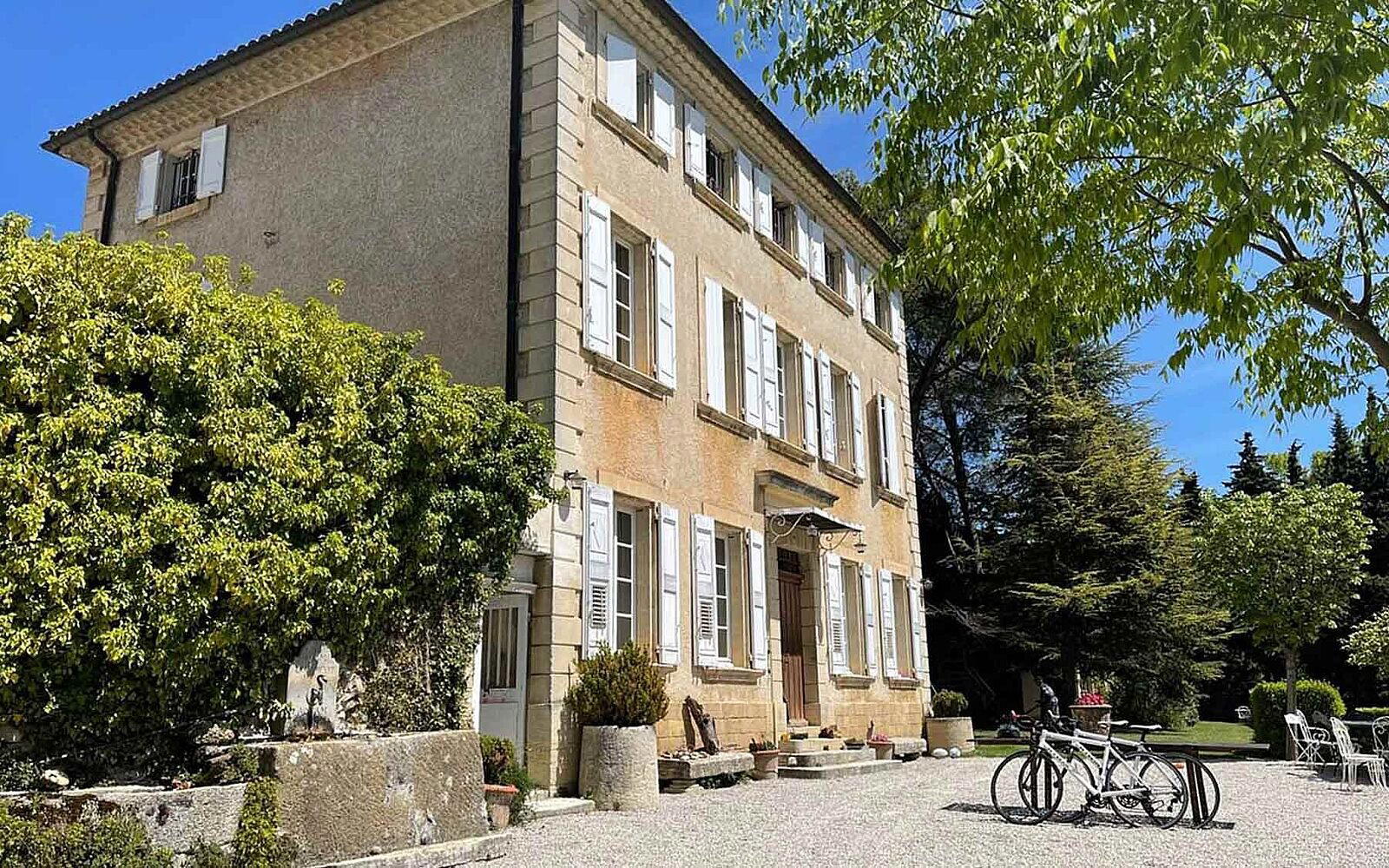
The château dates to the 16th century and has been restored to a standard that keeps the architecture legible without freezing it into a museum piece. That tension between preservation and livability runs through the dining experience at Lavandin. The vaulted ceiling and the hearth are structural facts, not decorative choices, and they set the acoustic and thermal conditions for a meal that is unhurried by design. The terrace, which looks out over the grounds and the lavender, works as a secondary dining environment when the season permits. Both spaces communicate something the menu reinforces: this is cooking tied to a specific place at a specific time of year.
The Michelin Plate and What It Signals in This Context
Michelin's Plate designation, which Lavandin holds for 2024, sits below the star tiers but carries a specific meaning worth parsing. A Plate indicates food preparation to a good standard — it is Michelin's acknowledgment that quality is present without the editorial argument that the kitchen has produced something distinctive enough to reward a dedicated journey. In France's fine dining hierarchy, that places Lavandin in a large but genuinely credentialled cohort: above the noise of the regional restaurant market, but operating at a price point and scale that the starred tier has left behind. For context, the most demanding expressions of French regional cooking, places like Bras in Laguiole or Auberge du Vieux Puits in Fontjoncouse, operate in a different tier of ambition and corresponding expectation. Lavandin does not compete there. It competes at the level of a serious country-house dining room that uses its setting and sourcing as the primary editorial argument.
The broader pattern of French château dining has shifted over the past decade. Properties that once relied on the building's status to carry the meal have had to sharpen their kitchen programs as travellers have grown more attentive to what's actually on the plate. The Michelin Plate at Lavandin suggests the kitchen has cleared that bar. Dishes described in the awards record, tomato prepared with notable precision, locally reared lamb in two preparations with chervil jus and olive seasoning, point to a cooking approach that keeps the ingredient as the sentence's subject. The technique serves the produce rather than the other way around. That is a specific philosophical position in French fine dining, and it aligns Lavandin with a wider movement visible across the southern French regions, from the Languedoc through the Var.
Ingredient Sourcing as Editorial Argument
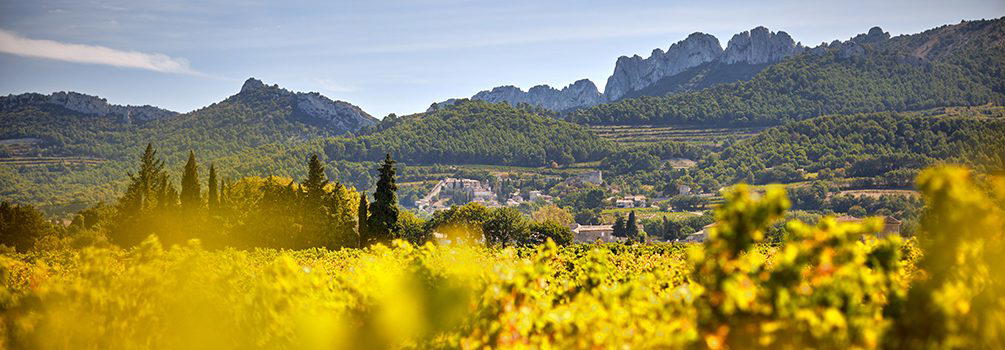
The sourcing logic at a property like Lavandin is worth examining because it shapes the menu's seasonal ceiling. When a kitchen commits to regional produce, it accepts the discipline of working within what's available. The Drôme Provençale delivers a substantial pantry: lamb that grazes at altitude, stone-fruit orchards in the valleys, olive oil pressed locally, aromatic herbs that grow without cultivation. These are not exotic ingredients; they are the ingredients of a cuisine that has been in place for centuries. What contemporary kitchens do with them is the variable, and the awards record suggests Lavandin's approach is to handle them with restraint, letting the tomato read as tomato and the lamb read as lamb.
This positions the kitchen's work differently from the more intervention-heavy programs you encounter at addresses like AM par Alexandre Mazzia in Marseille, where the southern French larder becomes raw material for something more architecturally complex. Neither approach is correct in the abstract; they serve different reader decisions. Travellers arriving at Lavandin should expect cooking that is grounded in its territory rather than in technical display.
Planning a Visit to Charols
Lavandin operates within Château Les Oliviers de Salettes, which functions as a hotel as well as a restaurant, and the property's structure rewards an overnight stay over a day-trip meal. The address is 1205 Route du Château in Charols, a small commune in the Drôme department of the Auvergne-Rhône-Alpes region. The price range falls in the €€€ tier, comparable to a serious regional table in France, substantially below the €€€€ positioning of the starred urban addresses in the comparison tier, such as Alléno Paris au Pavillon Ledoyen or Assiette Champenoise in Reims. That price gap matters: at €€€, the expectation is a properly executed regional fine-dining meal rather than a multi-course tasting of the kind those starred urban rooms deliver.
For those building a wider Drôme itinerary or looking at the region's dining scene in depth, our full Charols restaurants guide covers the local field. The Charols hotels guide is useful if you are comparing the château accommodation against other options in the area, and the Charols wineries guide is worth consulting given the Rhône Valley's density of serious wine production in the immediate region. If bars and after-dinner options matter to your planning, the Charols bars guide and Charols experiences guide round out the picture. The property's recommendation to book a room and stay longer is not marketing language, it reflects the practical reality that this is a remote address in a village of minimal infrastructure, and the château is the destination, not a stop on a denser itinerary.
Frequently asked questions
Is Lavandin - Château Les Oliviers de Salettes suitable for children?
The setting is a restored 16th-century château with a formal vaulted dining room and terrace overlooking lavender fields, which suits a quieter, occasion-led atmosphere rather than a casual family meal. The €€€ pricing and the kitchen's focus on precisely crafted regional dishes also position this as an adult-oriented experience. Families with older children who are comfortable in formal dining environments would find it more appropriate than those with very young ones.
What kind of setting is Lavandin - Château Les Oliviers de Salettes?
Lavandin occupies Château Les Oliviers de Salettes, a 16th-century château at 1205 Route du Château in Charols, restored to function as both a hotel and restaurant. Dining happens either in a vaulted stone room with an open hearth or on a terrace with views across the grounds and lavender fields. The property sits in the Drôme Provençale, the corridor between the Rhône Valley and the Provençal plateau, which gives it a distinctly rural, estate character rather than an urban restaurant feel.
Is Lavandin - Château Les Oliviers de Salettes award-winning?
Lavandin - Château Les Oliviers de Salettes has received recognition including: This peaceful 16C château, restored to the highest standards, is the quintessence of Drôme provençale. From the terrace overlooking the grounds and lavender fields or in the cosy dining room with its vaulted ceiling and a fire crackling in ….
What's the must-try dish at Lavandin - Château Les Oliviers de Salettes?
The Michelin documentation for the 2024 Plate award singles out two preparations as representative of chefs Kévin Vaubourg and Lucille Routin's approach: a tomato dish of notable delicacy and locally reared lamb prepared two ways, finished with chervil jus and olive seasoning. Both illustrate the kitchen's stated principle of letting regional ingredients define the plate rather than layering them under technique. Those two dishes are the clearest entry points into what this kitchen is actually doing.
At-a-Glance Comparison
| Venue | Cuisine | Price | Awards |
|---|---|---|---|
| Lavandin - Château Les Oliviers de SalettesThis venue — the venue you are viewing | Modern French Fine Dining | $50–100 | 1 Michelin Star |
| Alléno Paris au Pavillon Ledoyen | Creative | Not listed | Michelin 3 Star |
| Kei | Contemporary French, Modern Cuisine | Not listed | Michelin 3 Star |
| L'Ambroisie | French, Classic Cuisine | Not listed | Michelin 3 Star |
| Le Cinq - Four Seasons Hôtel George V | French, Modern Cuisine | Not listed | Michelin 3 Star |
| Plénitude | Contemporary French | Not listed | Michelin 3 Star |
Recognition history
Dated appearances from independent guides and award organizations, with the underlying list record or original source where available.
Michelin 1 Star
Michelin
Full recognition history (3 entries)
Michelin 1 Star
Michelin
Michelin Plate
Michelin
Details
- Romantic
- Elegant
- Rustic
- Intimate
- Scenic
- Date Night
- Special Occasion
- Terrace
- Historic Building
- Hotel Restaurant
- Extensive Wine List
- Sommelier Led
- Local Sourcing
- Farm To Table
- Garden
- Vineyard
- Prix Fixe
- Tasting Menu
- Wine
- Vegetarian Friendly
- Vegan Options
- Gluten Free Options
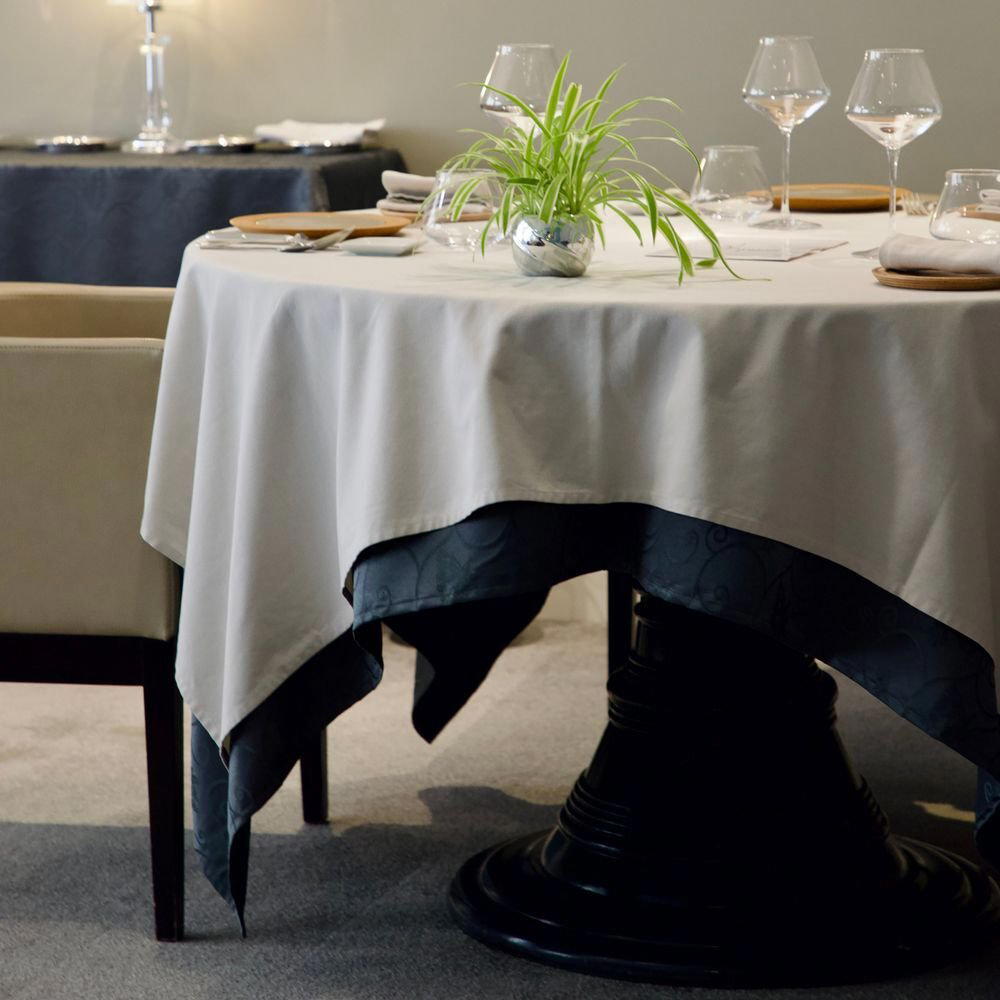
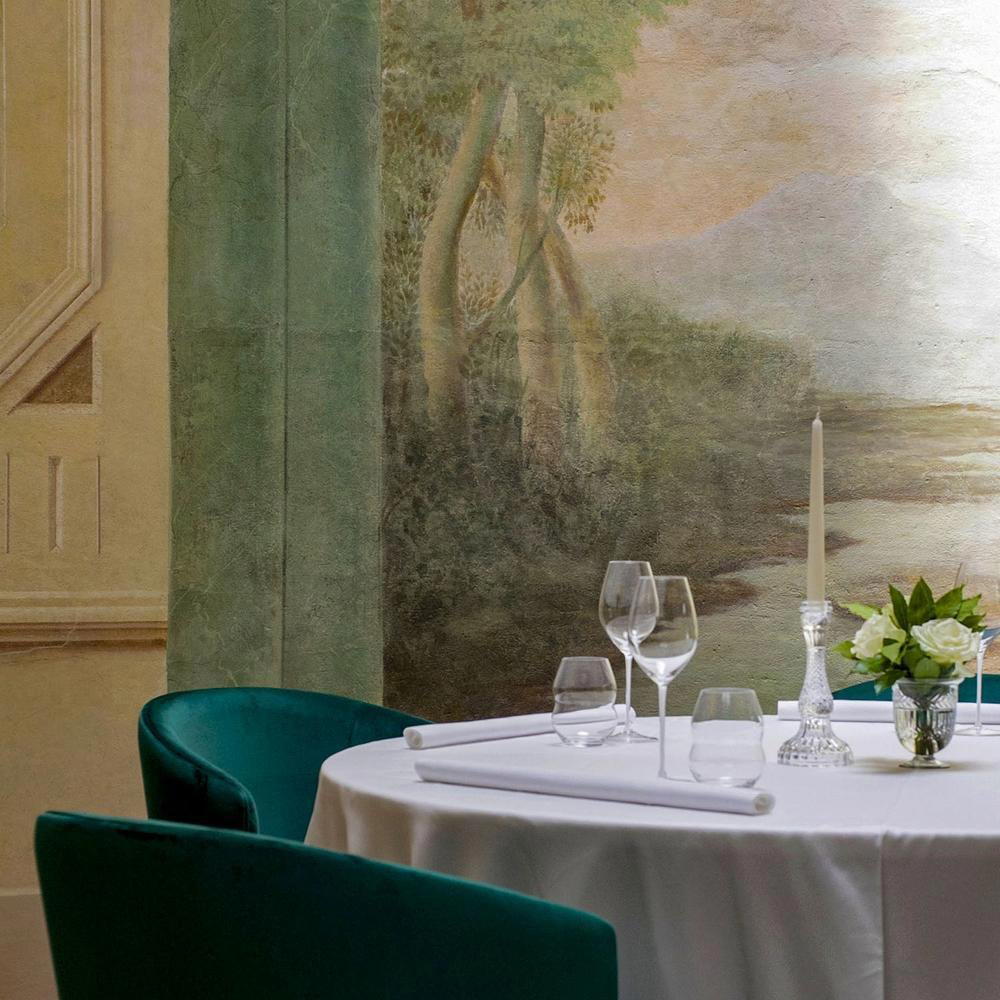
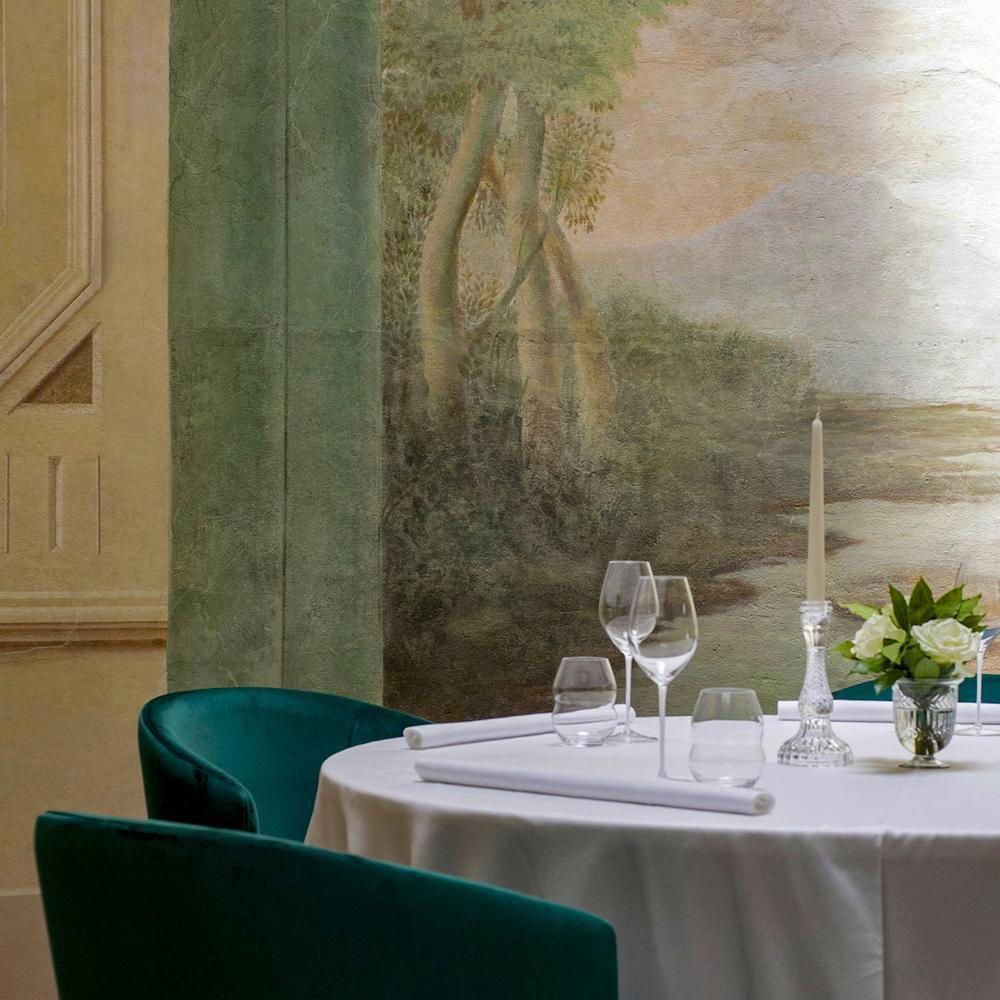
Warm vaulted stone dining room with a crackling fireplace in winter; panoramic terrace shaded by century-old trees overlooking park and lavender fields in summer.