
Michelin Selected
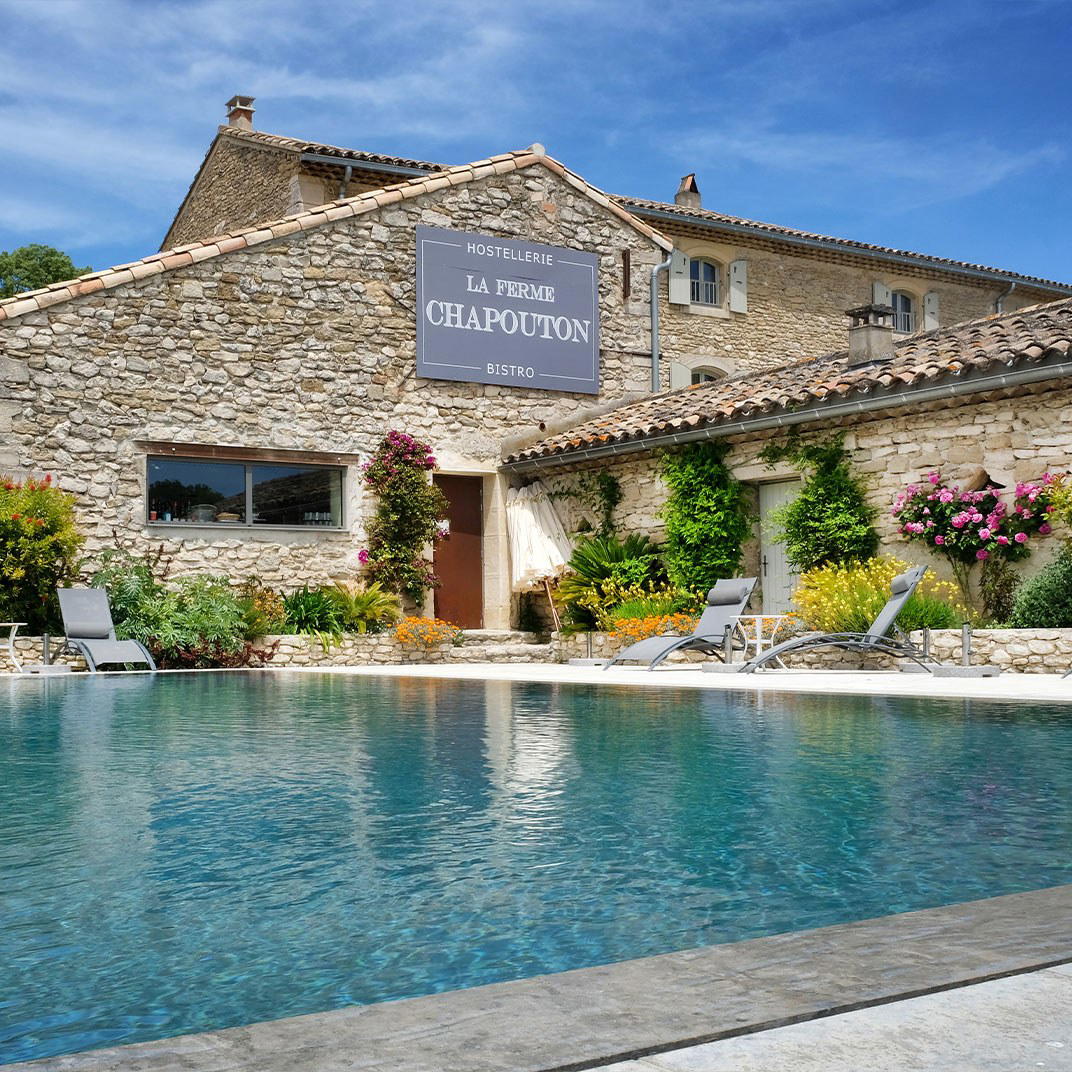
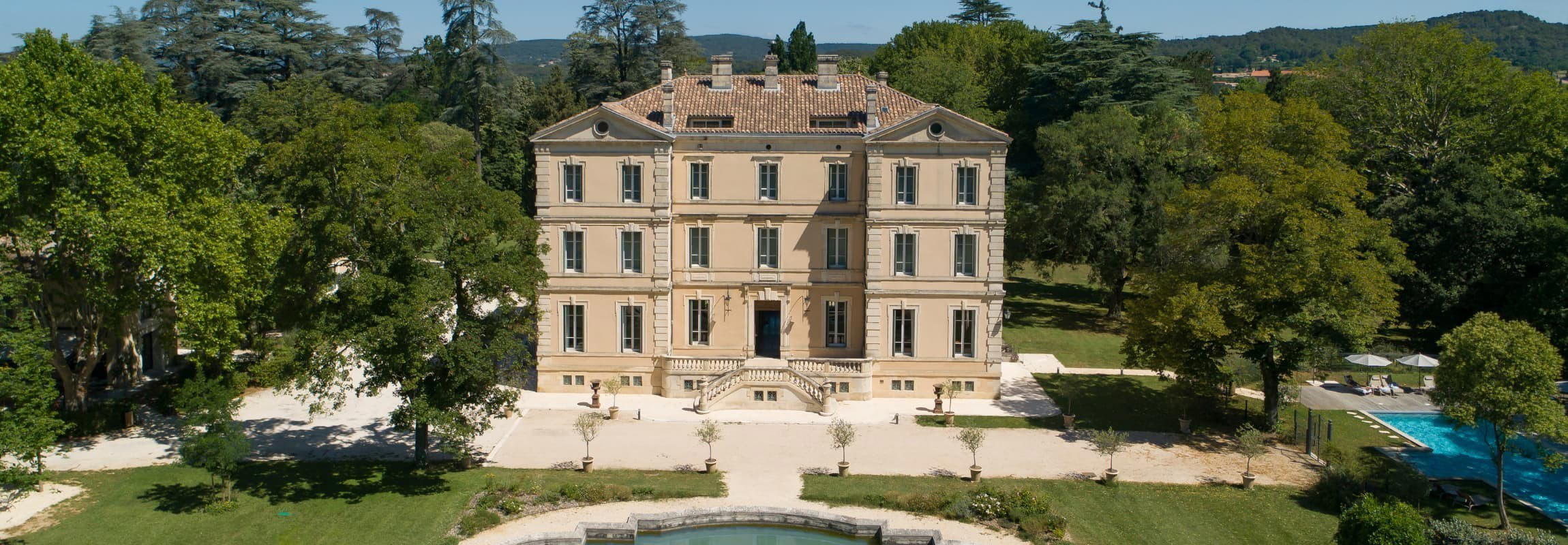
A Michelin Selected property in the Drôme Provençale, La Ferme Chapouton occupies a converted farmstead on the edge of Grignan, the hilltop village known for its 16th-century château. The architecture stays close to the agricultural vernacular of the region: stone, terracotta, and wide-open sightlines across lavender country. For travellers covering the Rhône Valley corridor, it sits in a different register from grand Provençal estates — quieter, more grounded, and shaped by its landscape rather than imposed upon it.

Pearl is the En Primeur Club membership app — saves, bookings, and concierge access live there. Same editors, same standards.
- Address
- 45 Rue du Grand Faubourg, 26230 Grignan, France
- Phone
- +33 4 75 00 01 01
- Website
- clairplume.com
- Directions
- Get directions
Stone, Terracotta, and the Drôme Provençale
The agricultural architecture of Provence's Drôme department has a particular grammar: thick limestone walls built to absorb summer heat, terracotta roof tiles the colour of dried clay, and fenestration sized for shade rather than spectacle. La Ferme Chapouton, positioned on the route de Montélimar just outside Grignan, reads as a working translation of that grammar into contemporary hospitality. The approach from the road gives little away — a converted farmstead does not announce itself the way a château does — but that restraint is the point. Properties that remake farmstead architecture for premium stays operate on the premise that the landscape is the dominant element, and the building is its frame.
Grignan itself provides a calibrating backdrop. The village's 16th-century château, which holds one of the most complete Renaissance facades in southern France, draws visitors who already understand that this part of the Drôme rewards slow attention. The château's association with Madame de Sévigné, whose 17th-century letters documented life here in forensic social detail, gives the village a literary pedigree that sits alongside its visual one. Arriving at a farmstead property in this context is not a compromise on location; it is a different argument about how to occupy the place. For context on the wider dining and accommodation scene in this town, see our full Grignan restaurants guide.
The Farmstead Aesthetic in French Rural Hospitality
Across France's premium rural hospitality tier, two competing design philosophies have emerged. One moves toward the fully restored grand estate, the kind of formal Provençal property represented by La Bastide de Gordes in Gordes, where medieval stonework meets interior polish and international guest profiles. The other stays closer to the working landscape, fewer architectural interventions, materials sourced or matched to the regional vernacular, spaces that reference agricultural function rather than erase it. La Ferme Chapouton sits in the second camp.
That approach carries its own logic in the Drôme Provençale. The region's identity is not built on glamour in the way that, say, the Luberon or the Var coast are. It is quieter, more agricultural, and the farms and truffle oak groves carry the visual weight. A property that works with that character rather than against it positions itself as a different kind of destination than La Réserve Ramatuelle or Hotel Du Cap-Eden-Roc in Cap d'Antibes, not inferior, simply calibrated for a different kind of trip.
The Michelin Selected designation for 2025 places La Ferme Chapouton within a quality tier that spans a range of property types across France, from urban palaces such as Le Bristol Paris to wine-country estates like Les Sources de Caudalie in Bordeaux and Royal Champagne Hotel & Spa in Champillon. What Michelin's hotel selection signals, above all, is a standard of hospitality consistent enough to recommend without qualification, not a specific architectural category or price point.
A Property in Its Landscape
The Drôme Provençale sits in a zone that French cartography and French travel instinct both tend to undercount. It is south of the Rhône Valley's wine appellations, Crozes-Hermitage, Saint-Joseph, Cornas, and north of the Luberon's better-known circuits. Grignan is roughly 80 kilometres north of Avignon and accessible from the A7 autoroute via Montélimar, which places it within viable range of both Lyon and Marseille for weekend trips without the congestion that afflicts the Alpilles or the Var in high summer.
That positioning is material for how a farmstead property functions. Guests arriving here are not on the standard Luberon circuit that draws travellers toward Baumanière Les Baux-de-Provence or the coastal registers of Hôtel & Spa du Castellet. The Drôme rewards a more exploratory approach: the truffle markets of Richerenches (weekly in winter), the lavender fields that peak in late June and early July, the Provençal markets at Nyons known for their olives. A property at the centre of this geography functions as a working base for that kind of programme.
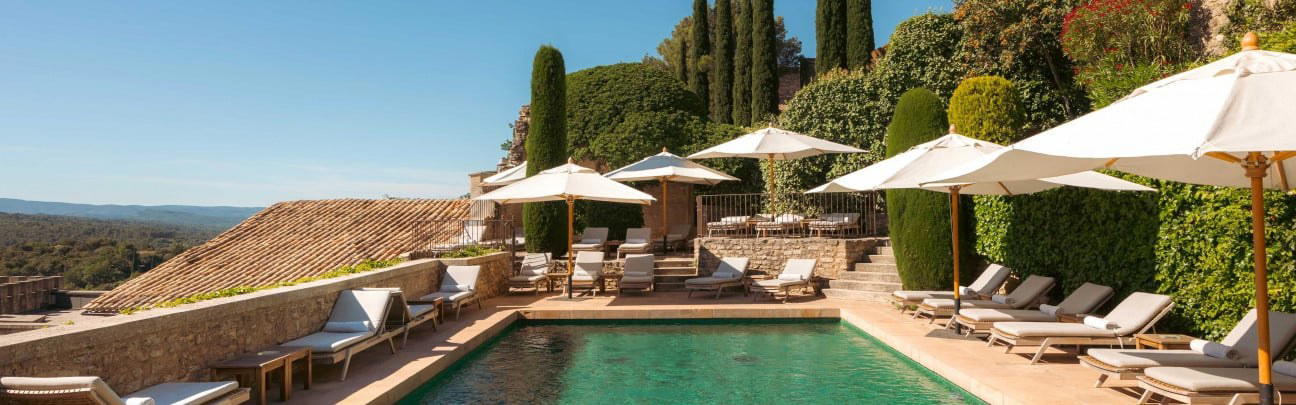
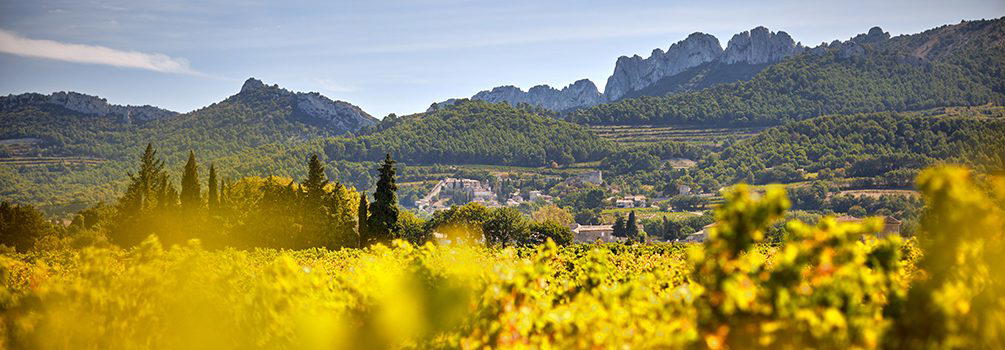
The farmstead format also tends to support a particular pacing. Unlike the formal hotel, where public spaces create their own social pressure, converted agricultural properties typically organise around gardens, terraces, and a slower exterior rhythm. The view from the Drôme's plateau country, wide, agricultural, with the Baronnies mountains visible to the east on clear days, provides that kind of passive programme that no curated activity list can replicate.
Where La Ferme Chapouton Sits in the Grignan Context
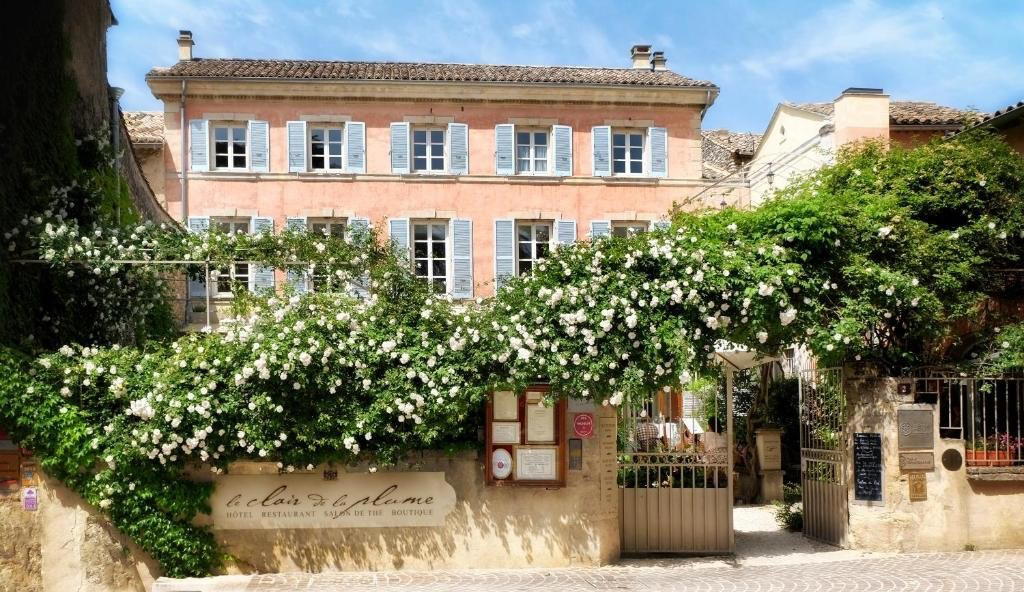
Grignan's accommodation tier is relatively limited in scale, which keeps the village from the kind of overtourism that has reshaped parts of the Luberon. The closest comparative property in the village itself is Le Clair de la Plume, which occupies a different format, a refined village property rather than a farmstead on the periphery. The two properties are not directly competitive; they serve slightly different trip structures, with La Ferme Chapouton better suited to guests who want separation from the village and a more landscape-oriented stay.
For travellers building a longer southern France itinerary, the Drôme Provençale connects logically with wine-country stays further afield. Villa La Coste in Le Puy-Sainte-Réparade and Château de la Chèvre d'Or in Èze represent the more architecturally authored end of Provençal luxury; Chapouton occupies a less theatrical register within the same broad geography. Travellers coming from alpine stays at Le K2 Palace in Courchevel or Four Seasons Megève would find the tonal contrast pronounced and deliberate.
Planning Your Stay
La Ferme Chapouton is located at 200 route de Montélimar, just outside the centre of Grignan. The property holds Michelin Selected status for 2025, which confirms baseline quality but does not indicate a specific price tier, enquiry direct to the property is the most reliable route to current rate and availability information. The Drôme's high season runs from late June through August, when lavender is in bloom and temperatures are at their peak; late spring (May to early June) and September offer comparable light and landscape quality with significantly fewer visitors. Grignan's château hosts an annual theatrical festival in the summer, which affects both local accommodation demand and village atmosphere for several weeks.
In Context: Similar Options
Comparable venues nearby, for context on price, style, and recognition.
| Venue | Cuisine | Price | Awards | Notes |
|---|---|---|---|---|
| La Ferme ChapoutonThis venue — the venue you are viewing | rustic farmhouse with contemporary updates | Not listed | Michelin Selected | Not listed |
| Le Clair de la Plume | Historic Provençal charm with contemporary comfort, distributed across multiple 17th and 18th-century buildings in a preserved village setting. | $200–300 | 1 Michelin Key | Grignan village center |
| Chalet Hôtel Kaya | Comforting 4-star signature where luxury encounters authenticity in a ski chalet setting. | $300–500 | Michelin Selected | Village de Reberty |
| Villa C | charming 19th-century mansion with modern boutique extensions | $100–200 | Michelin Selected | north side |
| ILY La Rosière | contemporary alpine luxury | $200–300 | Michelin Selected | La Rosière |
| Hôtel de Bouilhac | Historic boutique hotel blending 17th-century architecture with contemporary luxury in a curated collection property. | $200–300 | Michelin Selected | Montignac-Lascaux |
Recognition history
Dated appearances from independent guides and award organizations, with the underlying list record or original source where available.
Michelin Selected
Michelin
Details
- Romantic
- Rustic
- Scenic
- Cozy
- Elegant
- Romantic Getaway
- Weekend Escape
- Anniversary
- Historic Building
- Panoramic View
- Terrace
- Pool
- Wi Fi
- Restaurant
- Garden
- Parking
- Wheelchair Accessible
Charming Provencal atmosphere blending historic rustic charm with modern comfort, veranda dining with castle views, and peaceful countryside serenity.