
Michelin Plate · Macarfi 8.9 Food Rating · Guía Repsol 2 Soles
Our verdict
In Chamberí, one of Madrid's most residential and food-serious neighbourhoods, Lakasa has built a following around market-driven Spanish cooking that shifts constantly with the season. Chef César Martín's approach — half-portions available, produce sourced with precision — keeps the menu in motion. A Michelin Plate holder since at least 2024, it fills almost every day the doors are open.

Pearl is the En Primeur Club membership app — saves, bookings, and concierge access live there. Same editors, same standards.
- Address
- Pl. del Descubridor Diego de Ordás, 1, Chamberí, 28003 Madrid, Spain
- Phone
- +34 915 33 87 15
- Hours
- Mon ClosedTue–Sat 1:30–11 PMSun Closed
- Website
- lakasa.es
- Directions
- Get directions
- Booking
- Book on CoverManager
The menu
What to order
- Idiazabal cheese fritters
- Beef Wellington
- Baby squid with artichokes
- Presa de Ibérico puro
- Lamb shank ras al hanout
A Dining Room With Something to Prove
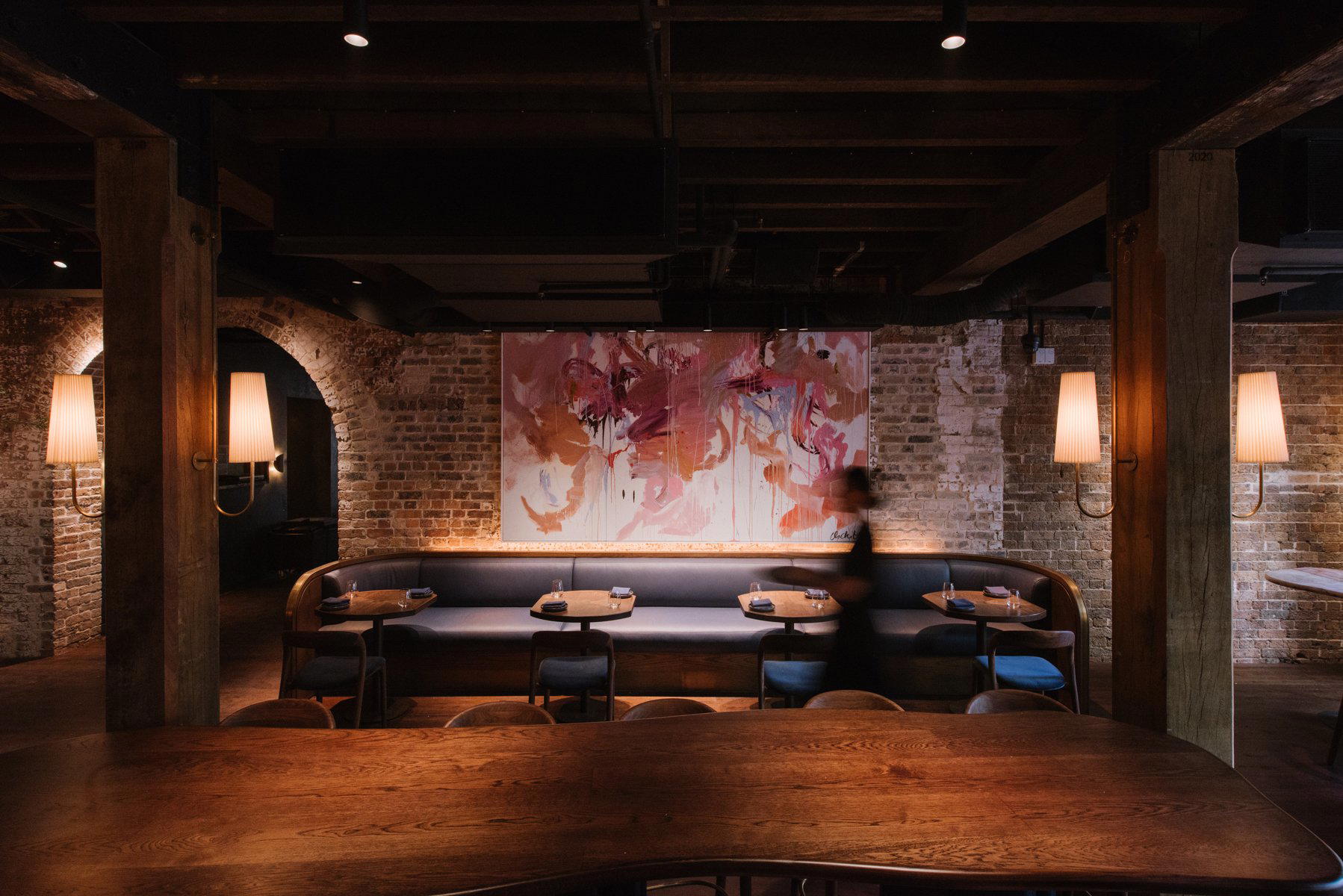
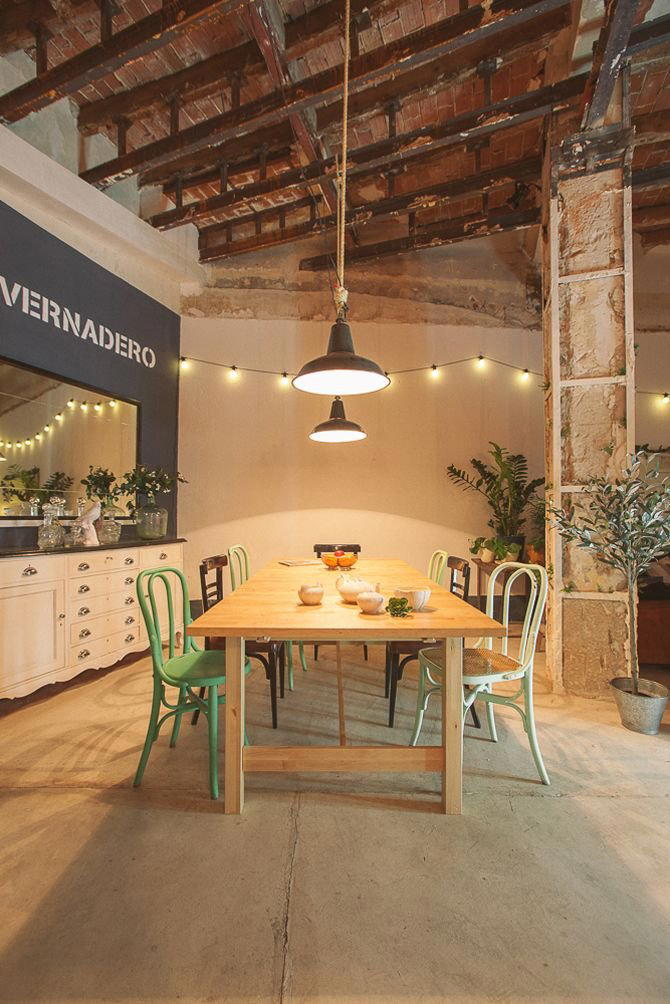
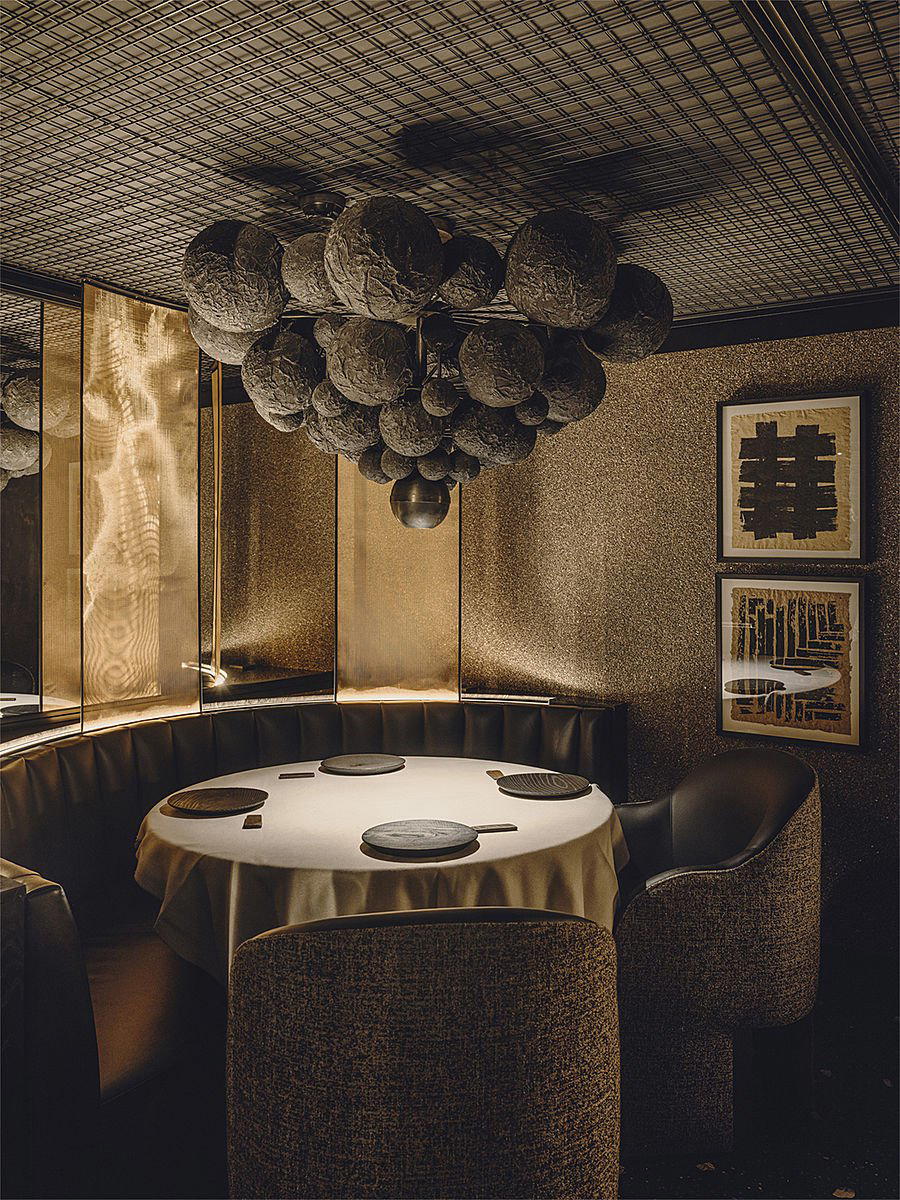
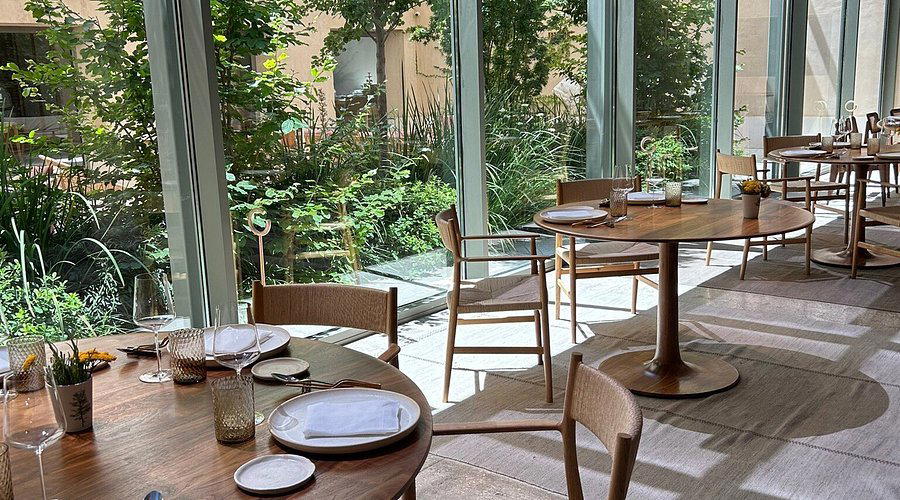
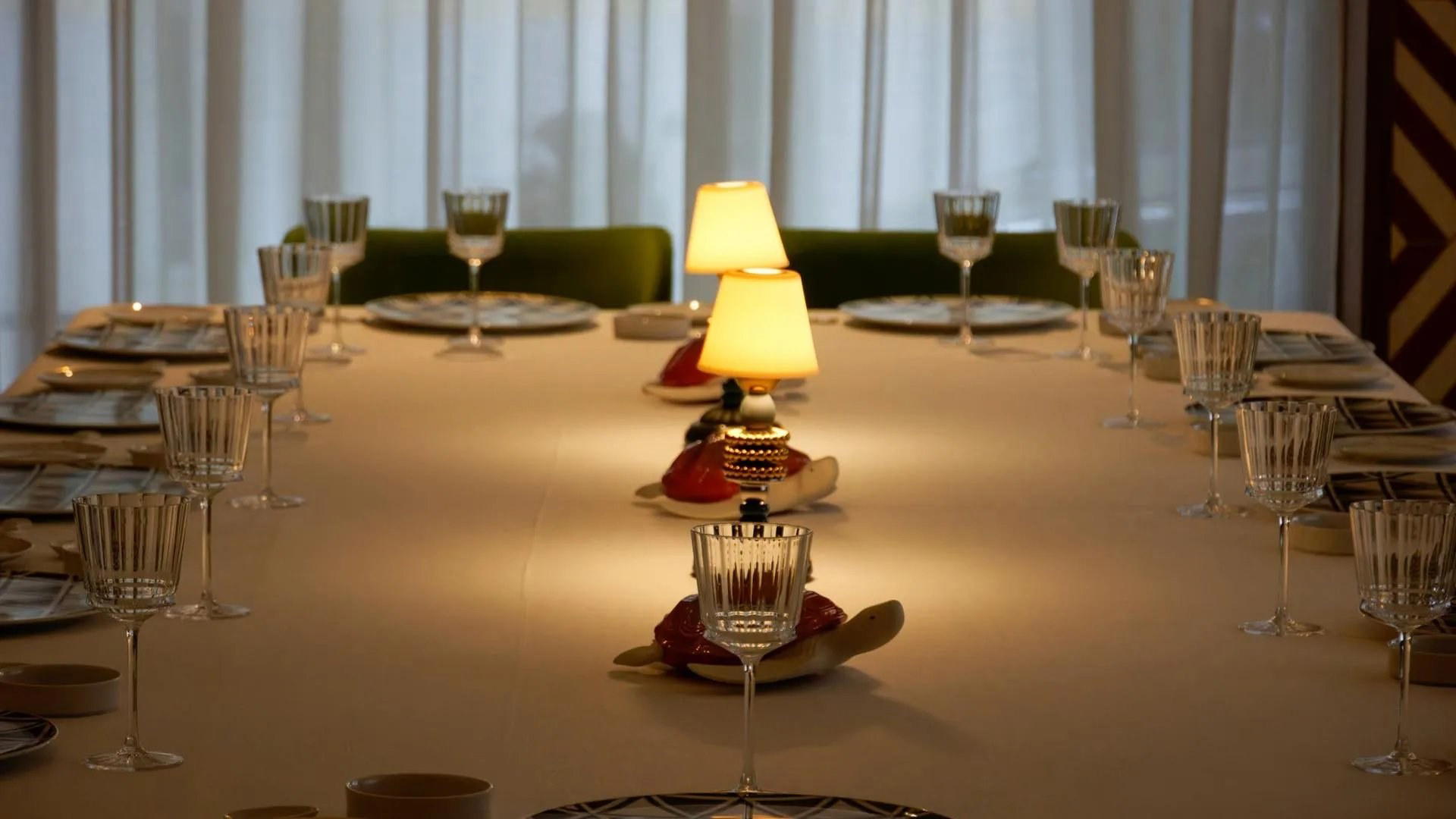
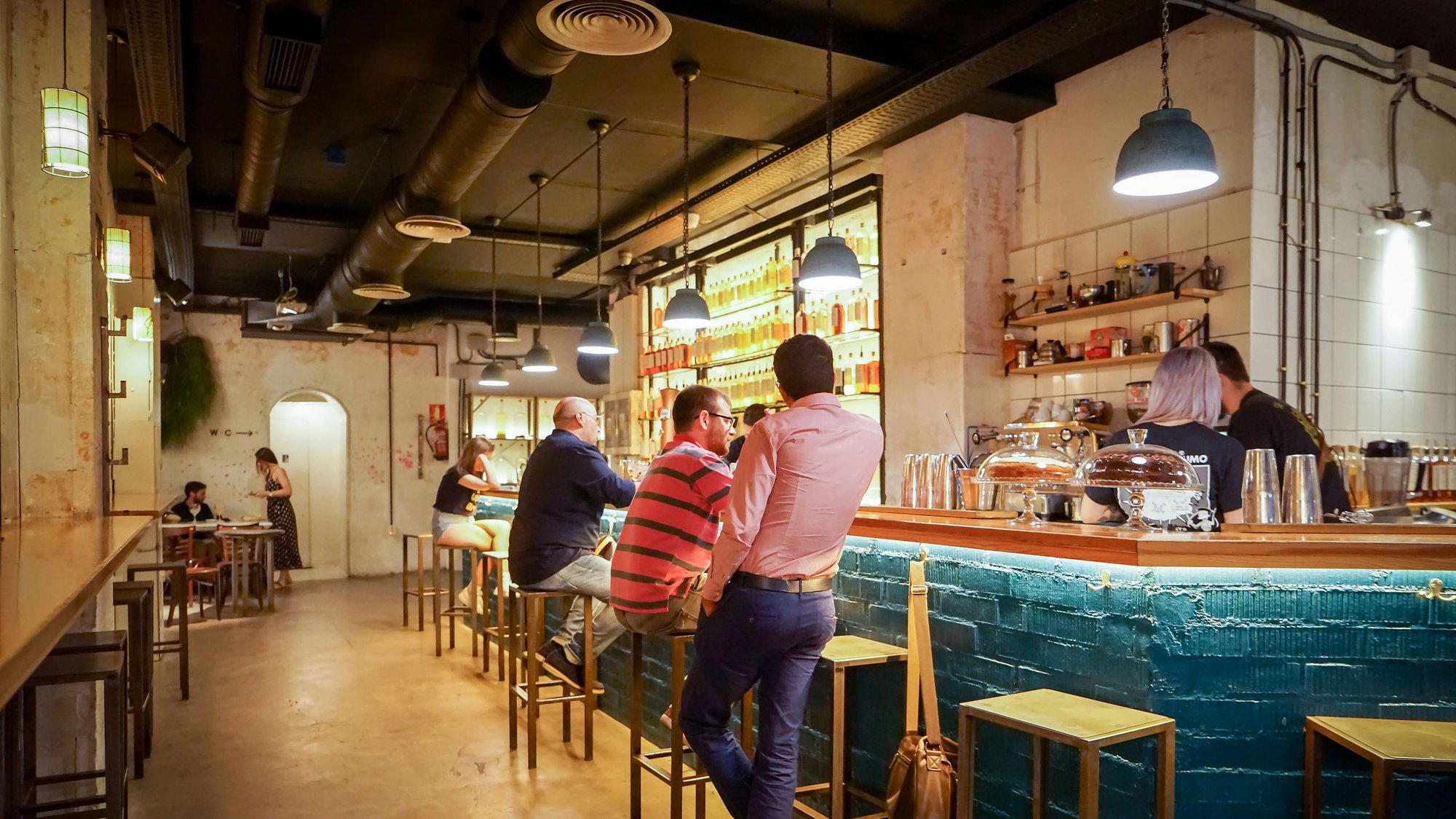
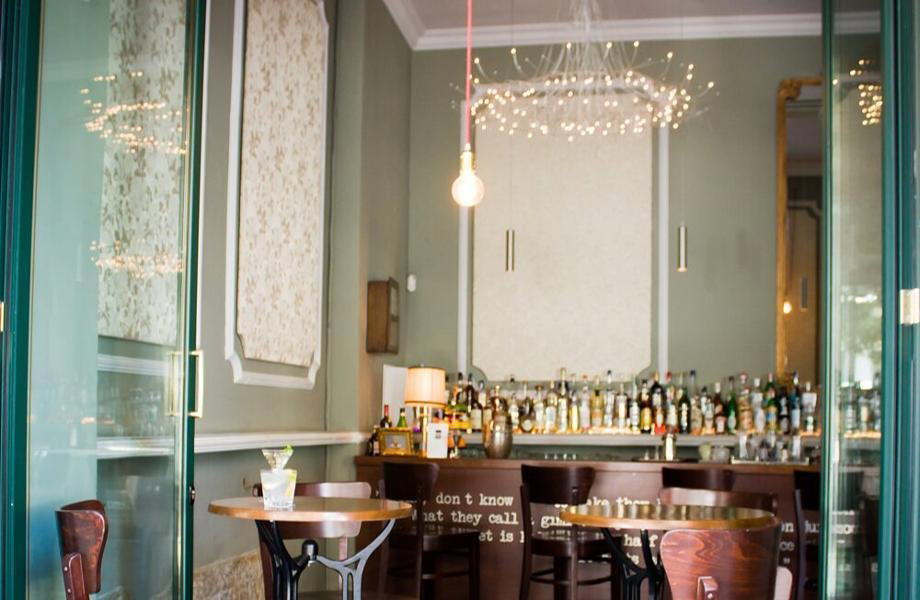
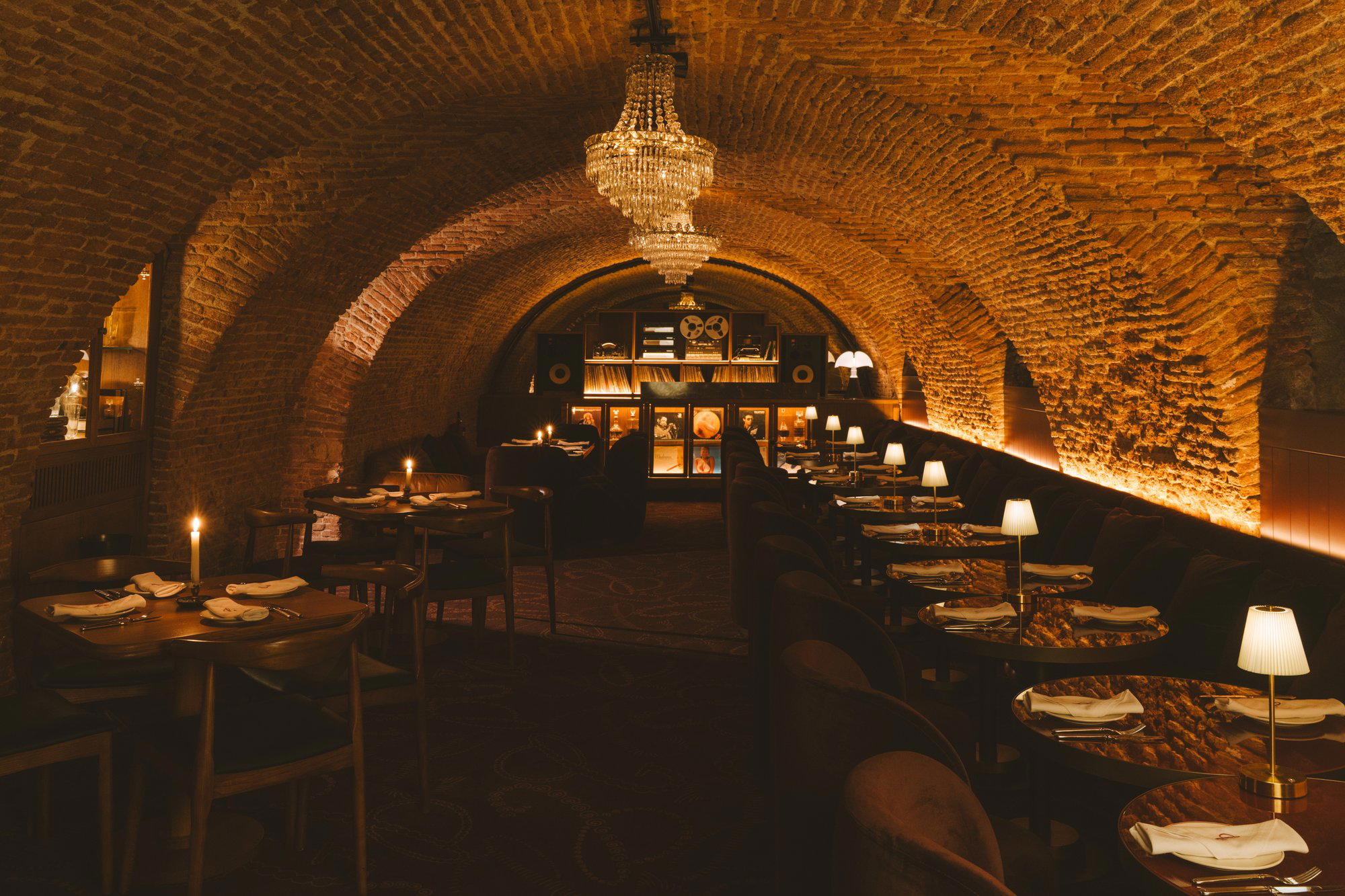
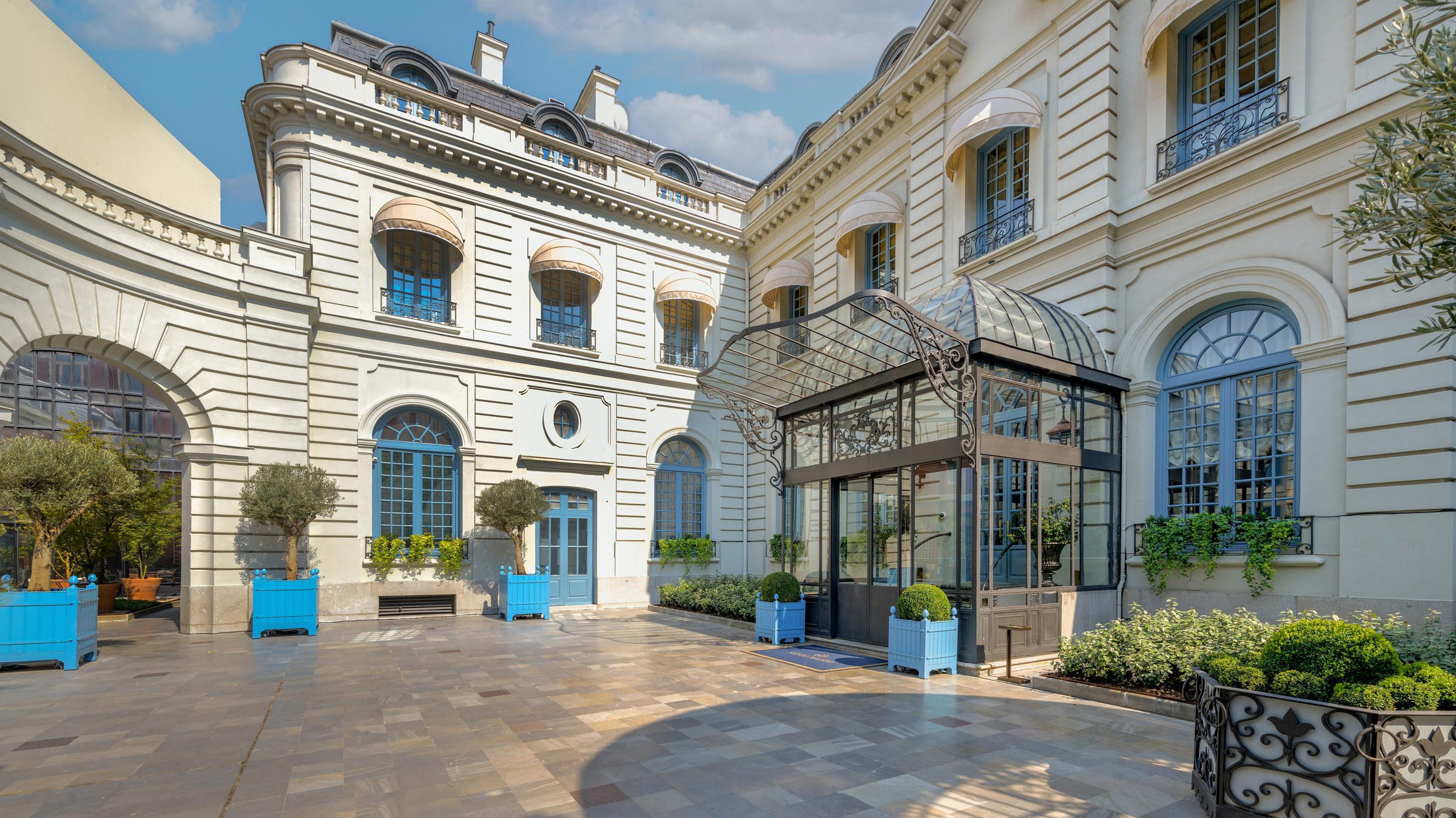
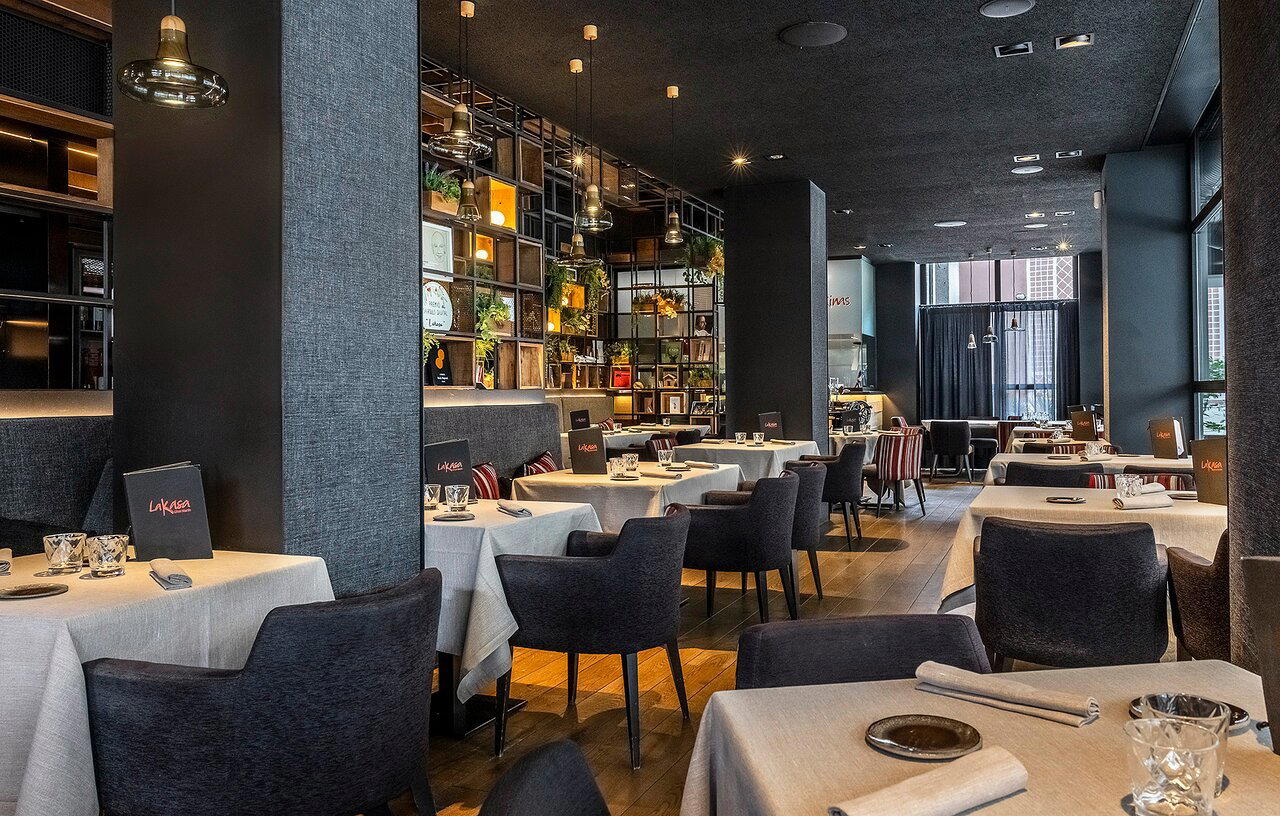
Chamberí does not announce itself the way that Madrid's more tourist-facing barrios do. The plaza fronting Lakasa — Pl. del Descubridor Diego de Ordás — is the kind of quiet, slightly formal square that belongs to the neighbourhood rather than to passing foot traffic. Arriving here, you are not following a crowd; you are following a recommendation. The building's facade reads as residential Madrid: stone, proportion, the kind of address that implies permanence without performing it. Inside, the room settles into that same register, materials and proportions that suggest a kitchen taking its work seriously, not a room designed to distract from it.
This physical container matters because it sets the terms of the meal. Madrid's more theatrical end of the spectrum, DiverXO, Coque, Deessa, Paco Roncero, operates at €€€€ price points and stages the dining experience as something closer to performance. Lakasa operates one tier below in price, and several registers away in atmosphere. The focus lands on the plate rather than on the architecture of the experience around it.
The Market-Kitchen Tradition in Madrid
Spanish market-based cooking has a clear logic: the menu is not fixed, it is foraged, from whatever the market offers that morning, that week, that season. This tradition runs deep in the country's culinary culture, predating the celebrity-chef era by generations. What changed in the last two decades is the degree to which chefs began treating market sourcing not as a practical constraint but as a creative discipline: a way to force constant invention and resist menu calcification.
Lakasa sits squarely in that second mode. Chef César Martín's kitchen operates on an updated reading of traditional market-based cuisine, with the menu in consistent revision. This is not a restaurant where the same three dishes have anchored the card for fifteen years.
The half-portion option is worth noting as a structural choice, not just a convenience. In market-driven kitchens, offering half-portions signals that the kitchen is confident enough in its sourcing to let diners range across more of the menu. It also reflects the Spanish tradition of abundance-through-variety: more dishes, smaller quantities, a table that builds its own arc through the meal rather than following a pre-set tasting sequence.
How Lakasa Sits in the Madrid Dining Scene
Madrid's serious restaurant scene now splits fairly cleanly between two modes. The first is the flagship creative restaurant, operating at the highest price tier and positioned for international recognition: DSTAgE, DiverXO, Coque, Deessa. These are restaurants where a reservation is an event in itself and where the Michelin star count anchors identity.
The second mode, and arguably the one that defines daily dining for Madrid residents rather than visiting food tourists, is the accomplished neighbourhood restaurant: technically serious, seasonally driven, accessible in price without being accessible in the sense of easy or generic. Lakasa operates in this second mode. Its Michelin Plate recognition in both 2024 and 2025 signals consistent quality acknowledged by the guide, without placing it in the starred tier where the competitive set and the price logic shift entirely.
That positioning is a choice, not a limitation. Farm-to-table Spanish cooking at this level sits in a peer group that includes La Bombi in Santander and Llisa Negra in València, restaurants working within regional produce traditions rather than against them. The comparison with Spain's headline names, Arzak in San Sebastián, El Celler de Can Roca in Girona, Quique Dacosta in Dénia, Azurmendi in Larrabetzu, Disfrutar in Barcelona, Aponiente in El Puerto de Santa María, is instructive: Spain's culinary culture produces serious cooking at multiple price tiers, and the Michelin Plate designation exists precisely to mark the tier below starred without dismissing it.
The Room as Editorial Statement
In Madrid's more celebrated creative restaurants, the dining room is often a designed argument: the architecture tells you something about the chef's concept before a single plate arrives. At DiverXO, the room signals controlled chaos. At Coque, it signals ceremony. The physical container is part of the proposition.
Lakasa's room makes a different argument. The plaza address, the residential scale, the absence of theatrical staging, these are deliberate signals that the cooking will carry the weight without scenic support. Seating arrangements in rooms like this tend toward the functional-comfortable: enough space to have a conversation, enough proximity to the kitchen's rhythm to feel the service flow. This is a dining room built for the long Madrid lunch or the extended Tuesday dinner, not for a two-hour choreographed sequence.
That the restaurant fills almost every day it opens, Tuesday through Friday and Monday, with Saturday and Sunday closed, without the amplification of a starred profile or a media moment is the clearest indicator of what this kind of room and this kind of cooking produces: genuine repeat custom from a neighbourhood that knows its restaurants well.
Know Before You Go
| Detail | Information |
|---|---|
| Address | Pl. del Descubridor Diego de Ordás, 1, Chamberí, 28003 Madrid |
| Open | Monday to Friday, 1:30 pm to 11:00 pm. Closed Saturday and Sunday. |
| Price range | €€€ |
| Cuisine | Spanish, farm-to-table, market-driven |
| Recognitions | Michelin Plate 2024, Michelin Plate 2025 |
| Note | Half-portions available. Full almost every day. Book ahead. |
For more options across the city, see our full Madrid restaurants guide, our full Madrid hotels guide, our full Madrid bars guide, our full Madrid wineries guide, and our full Madrid experiences guide.
Frequently asked questions
What style of cooking does Lakasa do?
Is Lakasa open every day?
Hours at Lakasa: Hours: Monday 1:30–11 pm Tuesday 1:30–11 pm Wednesday 1:30–11 pm Thursday 1:30–11 pm Friday 1:30–11 pm Saturday Closed Sunday Closed.
What distinctions does Lakasa have?
Lakasa has received recognition including: A restaurant that is on the tip of everyone’s tongue and as such is full almost every day. Its updated take on traditional market-based cuisine is constantly being updated and includes the option of half-portions. Don’t miss the signature I….
What do regulars order at Lakasa?
The Idiazabal cheese fritters are the dish most consistently cited in connection with this kitchen — singled out by Michelin's own inspectors as a signature worth ordering. Idiazabal is a smoked sheep's-milk cheese from the Basque Country and Navarre, and the fritter format is a recurring test of a kitchen's technical control. César Martín's menu shifts with the market, so the surrounding dishes change, but the fritters have become a fixed reference point for returning guests.
How much does it cost to eat at Lakasa?
Pricing at Lakasa is listed as €€€.
What part of town is Lakasa in?
Lakasa is located at Pl. del Descubridor Diego de Ordás, 1, Chamberí, 28003 Madrid, Spain, Madrid.
Reputation First
| Venue | Cuisine | Price | Awards | Notes |
|---|---|---|---|---|
| LakasaThis venue — the venue you are viewing | Modern Spanish Market Cuisine | $50–100 | Michelin Plate · Macarfi 8.9 Food Rating | Not listed |
| DiverXO | Avant-Garde Spanish Tasting Menu | $300–500 | 3 Michelin Stars · World's 50 Best #4 | Progressive - Asian, Creative |
| Deessa | Modern Valencian Fine Dining | $150–200 | 2 Michelin Stars · La Liste Top Restaurants | Modern Spanish, Creative |
| Smoked Room | Modern Japanese Fire Omakase | $200–300 | 2 Michelin Stars · La Liste Top Restaurants | Progressive Asador, Contemporary |
| Coque | Modern Spanish Fine Dining | $300–500 | 2 Michelin Stars · La Liste Top Restaurants | Spanish, Creative |
| Paco Roncero | Avant-Garde Spanish Fine Dining | $150–200 | 2 Michelin Stars · La Liste Top Restaurants | Creative |
Recognition history
Dated appearances from independent guides and award organizations, with the underlying list record or original source where available.
Michelin Plate
Michelin
Guía Repsol 2 Soles
Guía Repsol
Macarfi 8.9 Food Rating
Macarfi
Full recognition history (5 entries)
Michelin Plate
Michelin
Michelin Plate
Michelin