

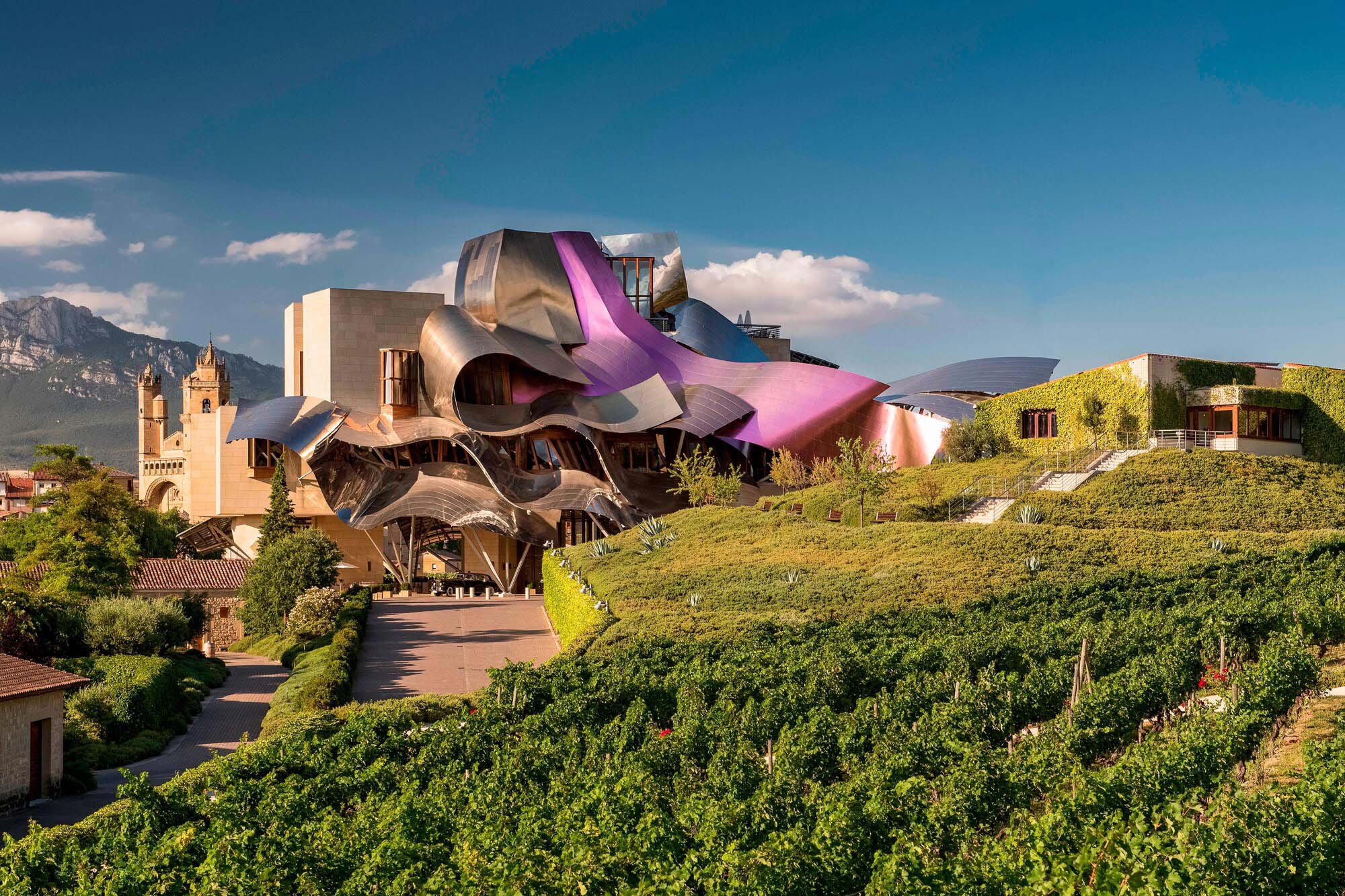
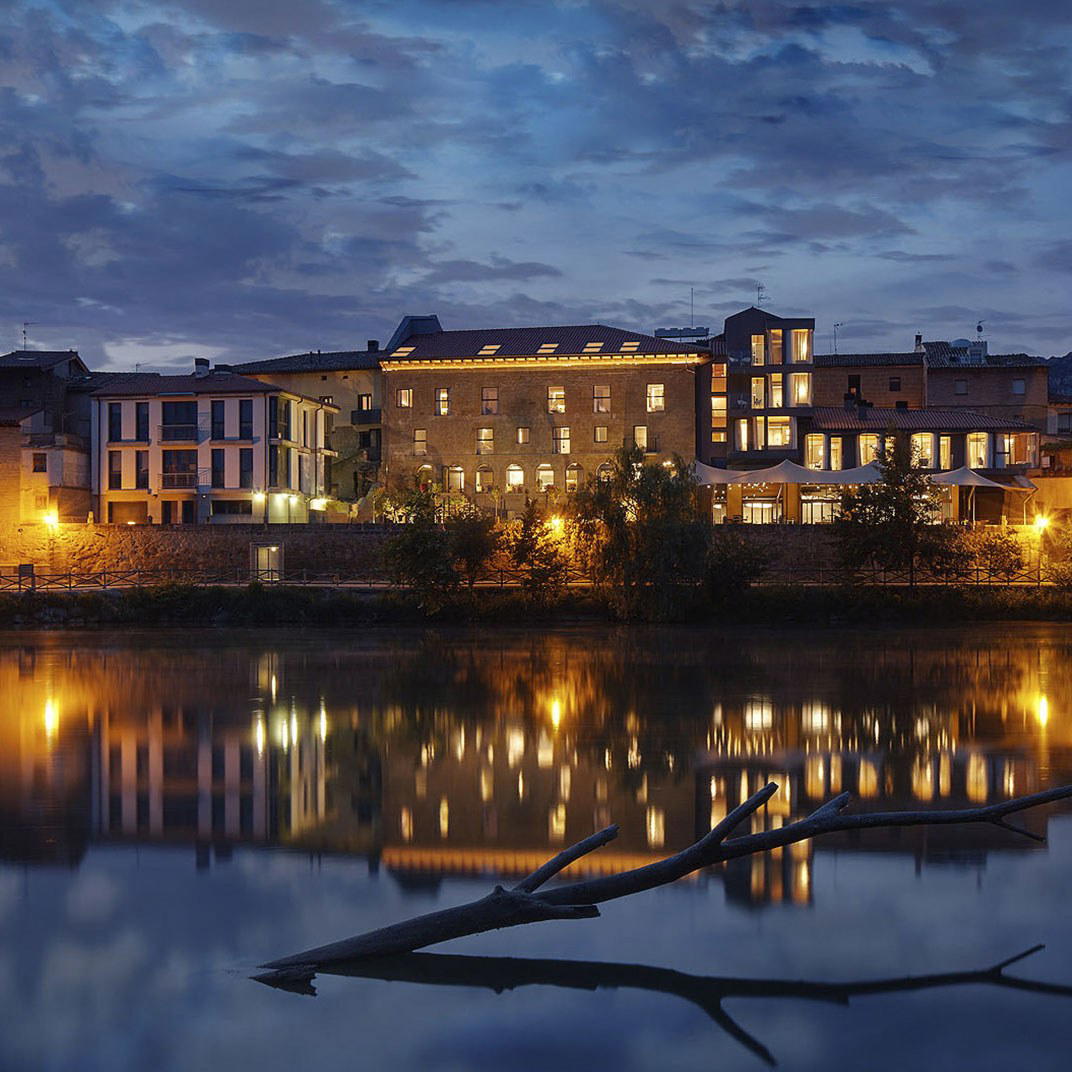
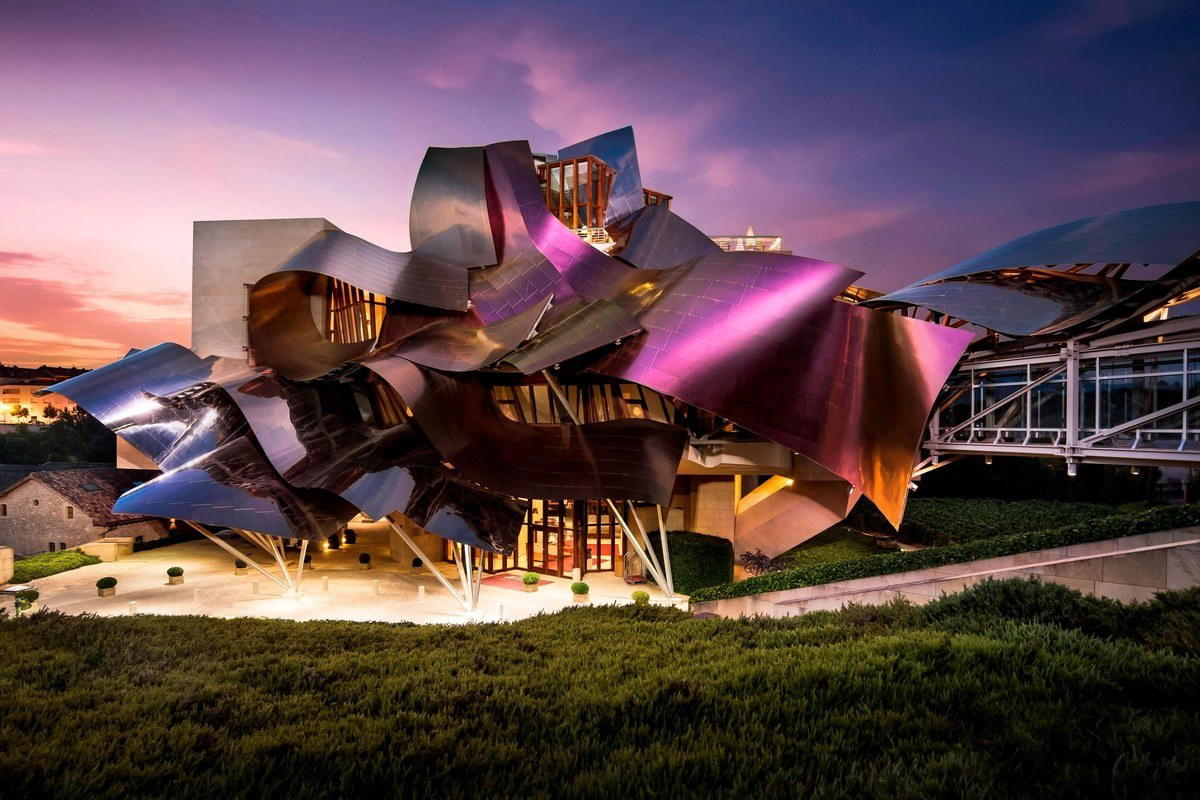
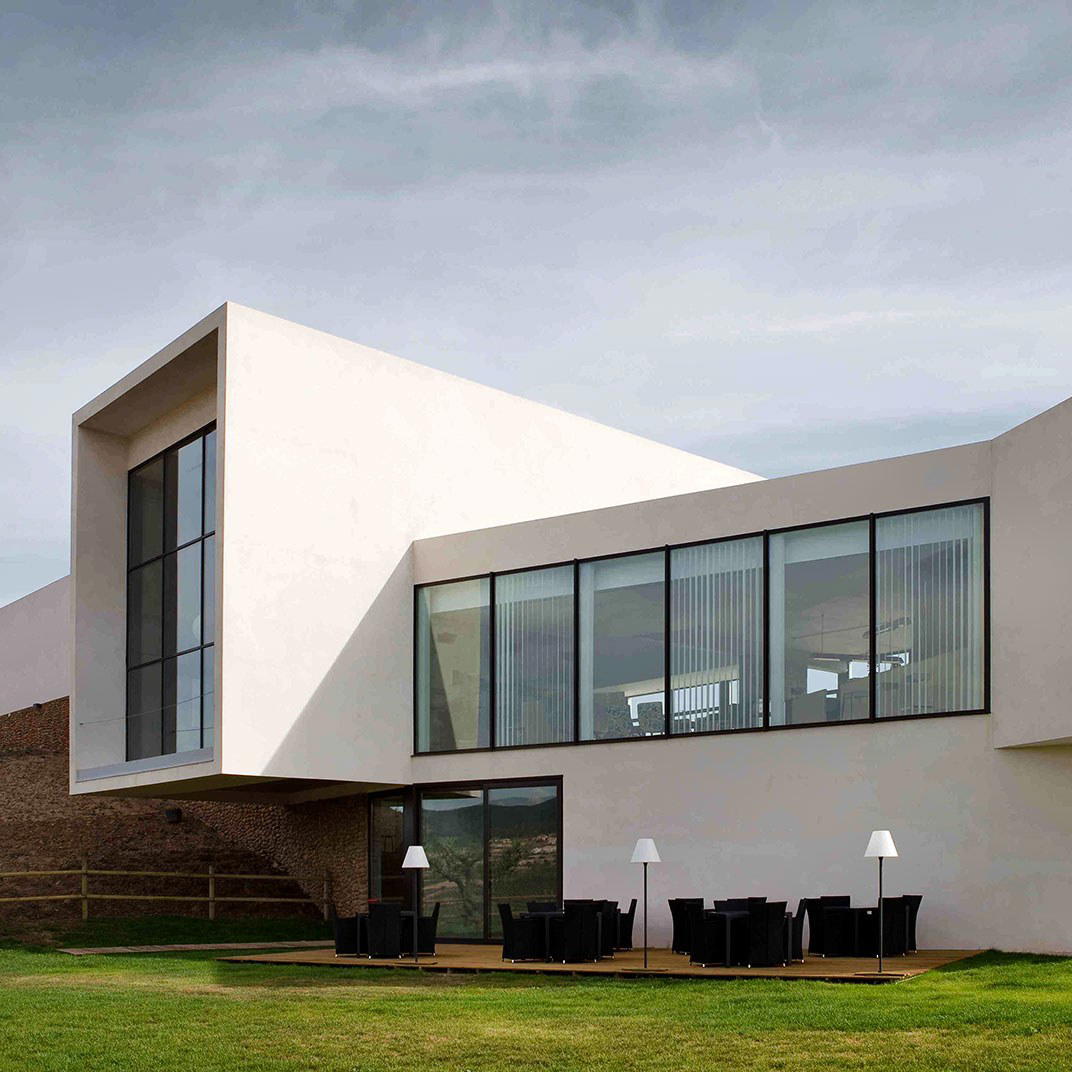
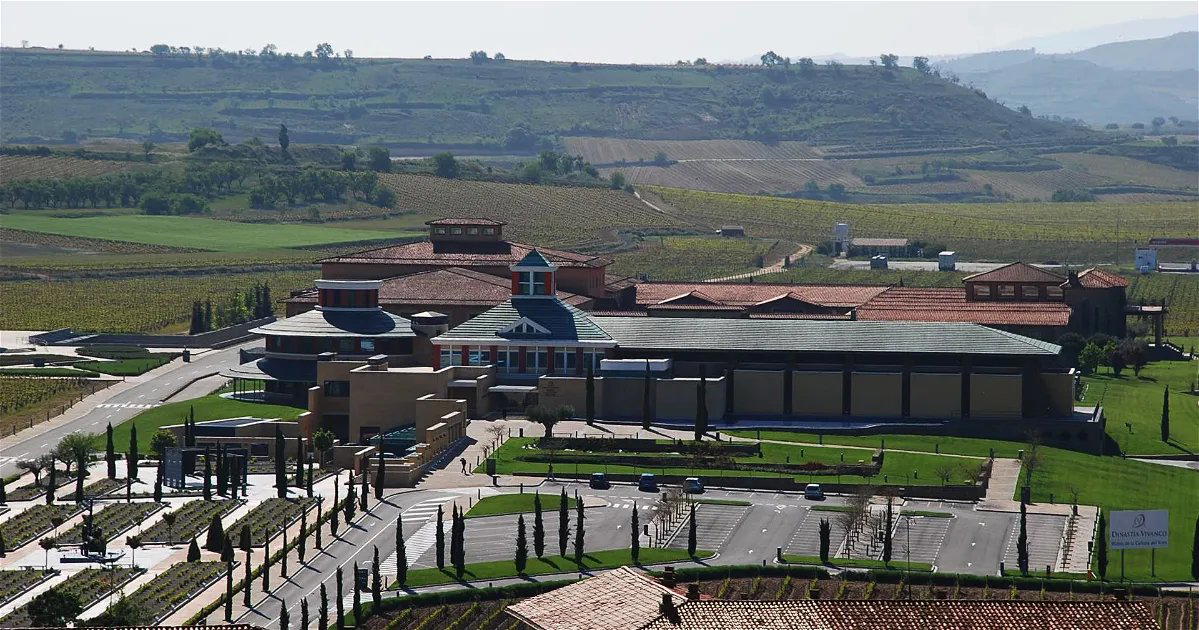
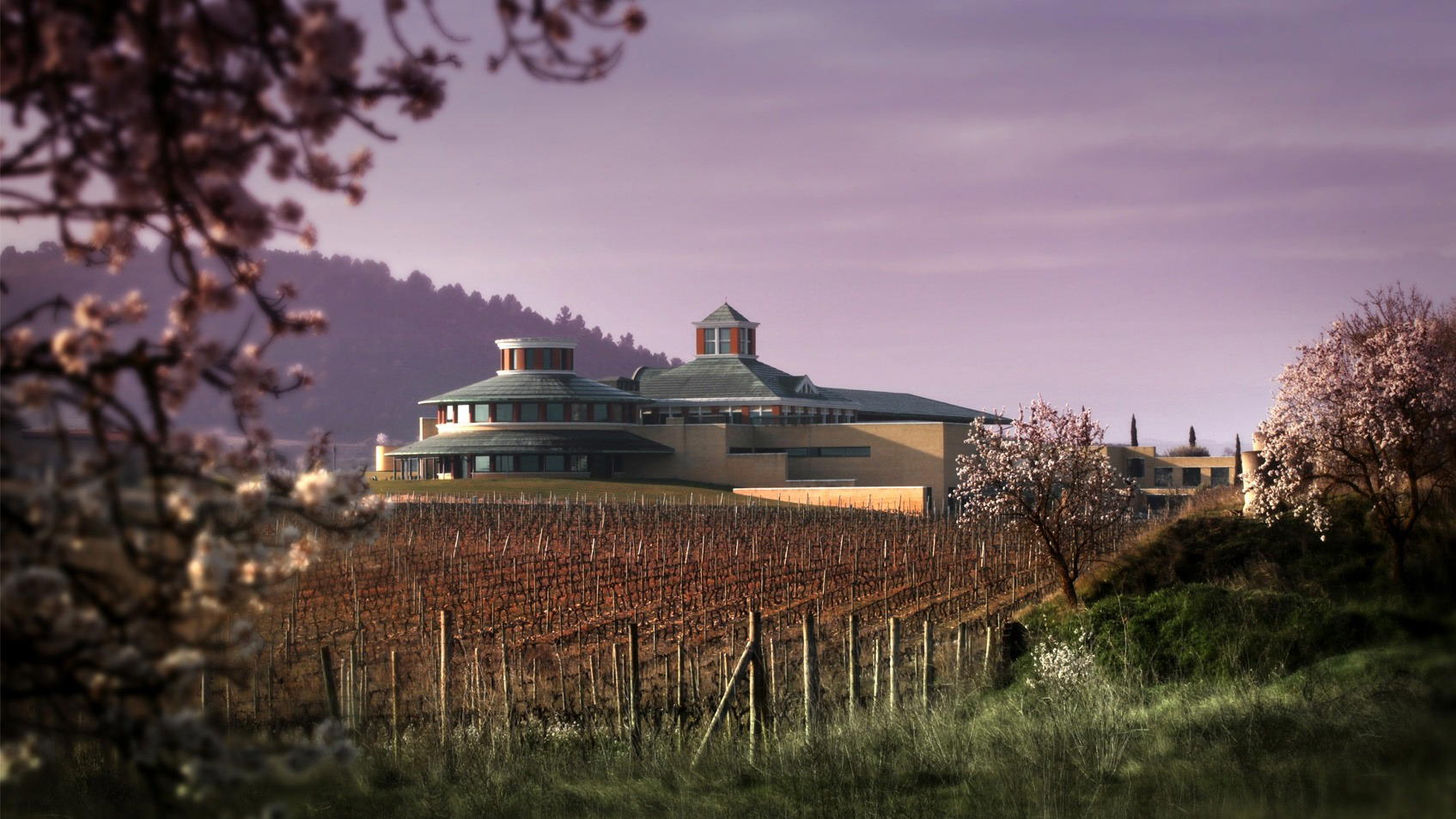
Inside the Santa María Briones hotel in one of Spain's most celebrated medieval villages, Allegar takes its name from the Rioja word for scraping the plate clean, a signal of intent rather than mere charm. The kitchen updates Riojan cooking through intense regional flavours and the occasional trompe-l'oeil, anchored by a traditional wine cellar known as a calado. A Michelin Plate holder in both 2024 and 2025, it pairs well with the nearby Vivanco bodega-museum.
Pearl is the En Primeur Club membership app — saves, bookings, and concierge access live there. Same editors, same standards.
- Address
- Briones, Rioja, Spain
- Phone
- +34 941 99 15 99
- Website
- santamariabriones.com
- Directions
- Get directions
 Saves & bookings on Pearl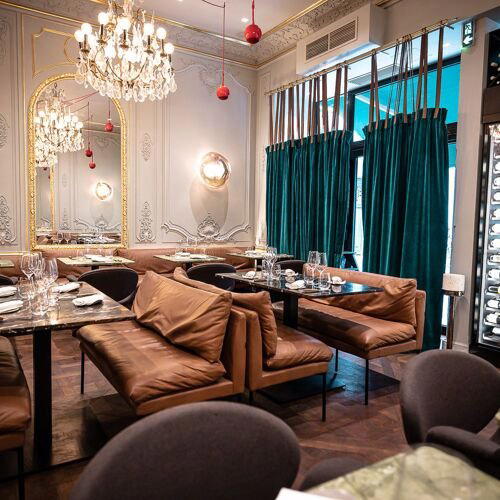
Briones and the Weight of What It Grows
Allegar is a restaurant in Briones, Rioja, Spain, serving Modern Spanish Rioja Fine Dining at around $70 per person. Briones sits in the second category. Perched above the Ebro valley in La Rioja Alta, it holds one of Spain's better-preserved medieval street grids and serves as home to the Vivanco bodega-museum, among the more serious wine culture institutions on the Iberian Peninsula. It is also, in the quiet logic of villages that take their land seriously, a place where the cooking is shaped by what the surrounding territory produces rather than by what trends happen to be circulating in Spain's larger cities. Allegar, inside the Santa María Briones hotel, reflects that orientation directly.
The restaurant's name comes from a Riojan dialect word meaning to scrape the plate clean, the kind of approval that belongs to a tradition where wasting what the land provides would be its own form of disrespect. That etymology is not incidental. It sets the terms for how the kitchen positions itself: rooted in regional identity, focused on flavour density, and attentive enough to technique to include the occasional trompe-l'oeil without losing the thread back to its source material.
Rioja on the Plate, Not Just in the Glass
The dominant story of Rioja in international culinary conversation is vinous. Tempranillo-based reds, the aging hierarchy from Joven through Gran Reserva, the village appellations, these occupy far more column space than what gets cooked and eaten in the region's towns. That asymmetry is worth correcting, because Riojan cuisine operates with the same raw-material logic as the winemaking: the valley's clay-limestone soils, the continental climate that produces concentrated vegetables and fruit, and a tradition of preserving and intensifying those ingredients through techniques built up over centuries.
Updated Riojan cooking, the category Allegar works within, treats those traditional foundations as constraints that generate creativity rather than limitations to apologise for. The cuisine of this region historically emphasised lamb, chorizo, peppers, white beans, artichokes, and the kind of slow-cooked preparations that extract maximum depth from ingredients grown in a climate of extremes. A kitchen that takes this seriously and applies contemporary technique to it is working with material that rewards the approach, the flavours are already intense before the chef intervenes. For visitors who have spent time at Spain's benchmark restaurants (Arzak in San Sebastián, Azurmendi in Larrabetzu, Mugaritz in Errenteria, or El Celler de Can Roca in Girona), the register here is different: quieter ambition, deeper regional specificity, and a price point at €€ that places it outside the tasting-menu tier entirely.
The Calado and What It Signals
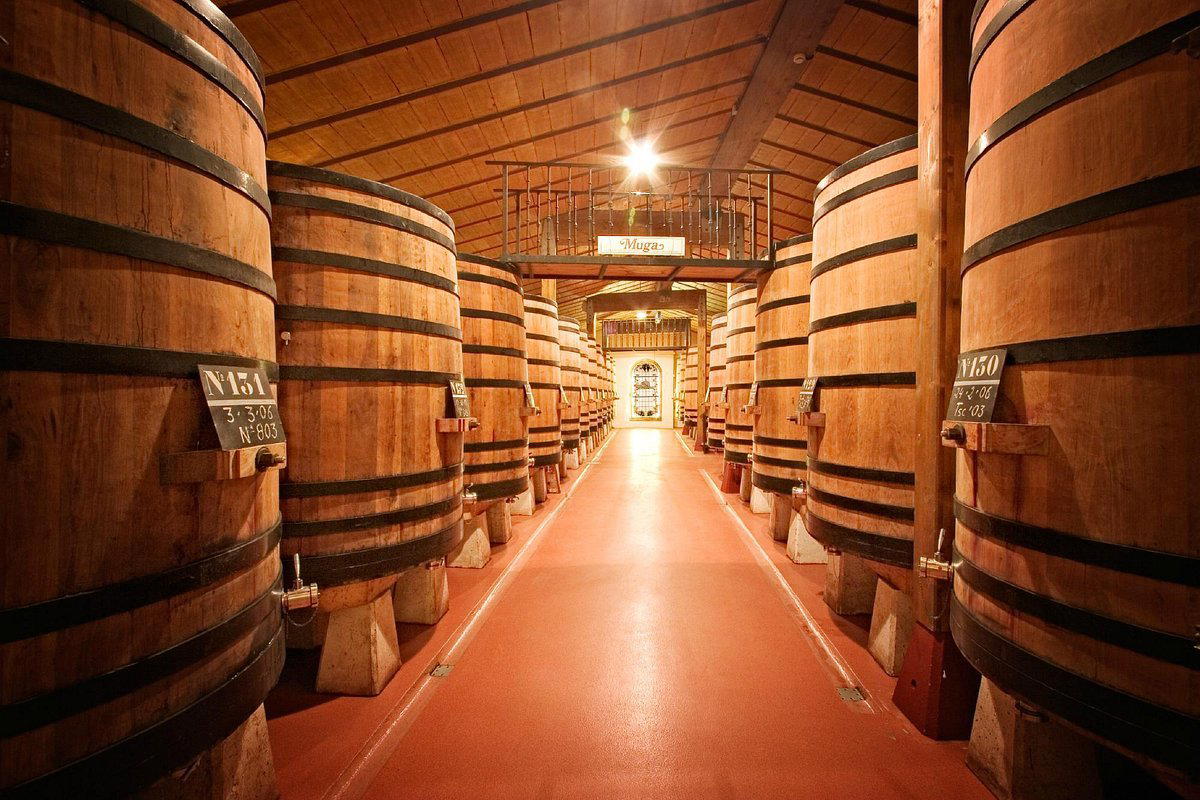
The physical setting at Allegar adds a layer of meaning that matters for how the meal reads. The restaurant includes access to an old calado, the traditional underground wine cellar common to Rioja's wine-producing villages. Calados are not decorative, they were, and in many cases remain, functional storage environments cut into hillside rock, maintaining the low temperatures necessary for fermentation and aging before modern refrigeration made that engineering redundant. The presence of one inside a hotel restaurant signals a specific kind of institutional memory: this is a building that has had a relationship with wine and its production for longer than the current hospitality operation.
That connection to place is part of what makes the dining experience coherent rather than assembled. In smaller Spanish wine towns, the gap between what comes out of the ground and what appears on the table has historically been narrow, and restaurants that maintain that connection through their sourcing and their physical infrastructure offer something that urban fine dining, however technically accomplished, cannot easily replicate. Spain's three-star tier (DiverXO in Madrid, Aponiente in El Puerto de Santa María, Martin Berasategui in Lasarte - Oria) operates at a different scale and with different ambitions. Allegar operates inside a tradition of place rather than a tradition of spectacle.
Recognition and Where It Places This Kitchen
Michelin's Plate designation, awarded to Allegar in both 2024 and 2025, sits below star level but above the guide's basic listing threshold. It indicates a kitchen producing food worth a deliberate visit, technically sound, ingredient-focused, and consistent enough to hold the designation across consecutive years. In the context of La Rioja's restaurant scene, which is dominated at its upper end by producers feeding their own clientele rather than destination-dining establishments, a Michelin Plate in a village of Briones' size carries weight. It positions Allegar in a comparable set that includes Auga in Gijón and Auberge Grand'Maison in Mûr-de-Bretagne: Plate-level kitchens in smaller, non-metropolitan settings where regional identity does significant structural work.
For Spain's wider fine-dining context, it is worth noting that restaurants such as Cocina Hermanos Torres in Barcelona, Quique Dacosta in Dénia, Ricard Camarena in València, and Atrio in Cáceres represent a different tier, star-level kitchens with international booking pipelines. Allegar is not competing in that tier, nor does its positioning suggest it is trying to. The €€ price range and hotel-restaurant format suggest an audience that is staying in or passing through Briones, likely combining the meal with the Vivanco museum or a wider La Rioja Alta wine itinerary.
Planning a Visit
Briones sits in La Rioja Alta, roughly 10 kilometres from Haro, a town with its own cluster of serious bodegas and easy rail connections to Logroño. Arriving by car from the Haro direction gives a useful approach over the Ebro, with the village's medieval profile visible before you reach it. Allegar operates within the Santa María Briones hotel, which means table access is likely easier for hotel guests, though the restaurant serves non-residents. Booking ahead is advisable. The €€ price range makes this one of the more accessible entry points to serious Riojan cooking in the region, not a concession in quality, but a reflection of the local economic register.
Quick Comparison
Comparable venues nearby, for context on price, style, and recognition.
| Venue | Cuisine | Price | Awards | Notes |
|---|---|---|---|---|
| AllegarThis venue — the venue you are viewing | Modern Spanish Rioja Fine Dining | $$$ | Michelin Plate | Not listed |
| Héctor Oribe | Modern Basque Seasonal Tasting Menu | $$$ | Michelin Plate | Páganos |
| Juan Carlos Ferrando | Contemporary Spanish Rioja Cuisine | $$$ | Michelin Plate | tapas area |
| Zapirain | Traditional Basque Seafood | $$$ | Michelin Plate | Abando |
| El Puntido | Contemporary Spanish Tasting Menus | $$$ | Michelin Plate | Páganos |
| Ronquillo | Modern Spanish Regional | $$$ | Michelin Plate | Ramales de la Victoria |
Recognition history
Dated appearances from independent guides and award organizations, with the underlying list record or original source where available.
Macarfi 8.4 Food Rating
Macarfi
Michelin Plate
Michelin
Michelin Plate
Michelin
Michelin Plate
Michelin
At a Glance
- Elegant
- Cozy
- Rustic
- Sophisticated
- Intimate
- Date Night
- Special Occasion
- Celebration
- Historic Building
- Wine Cellar
- Private Dining
- Extensive Wine List
- Local Sourcing
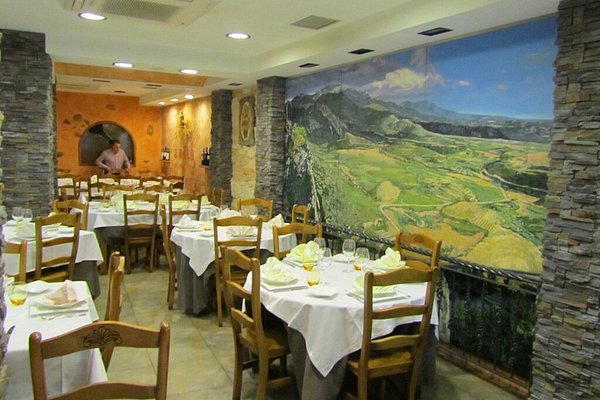
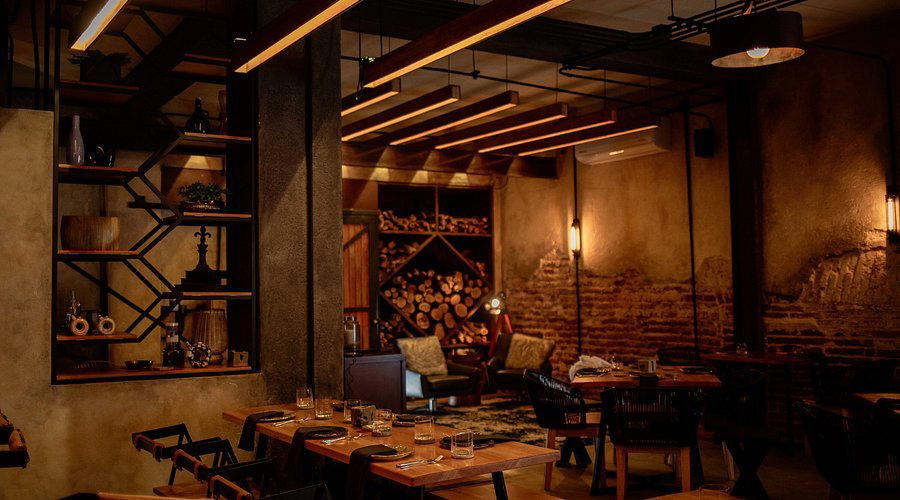
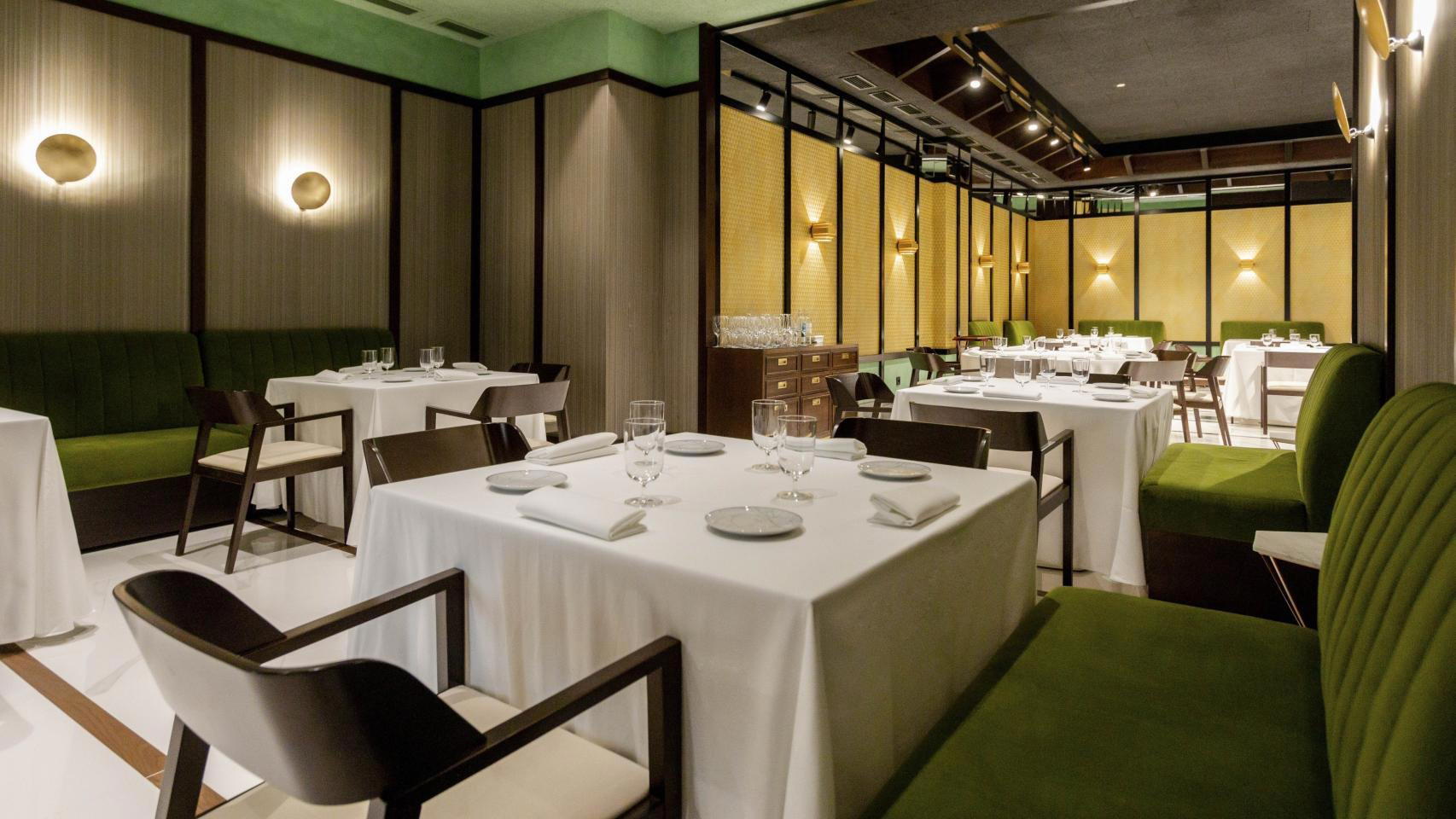
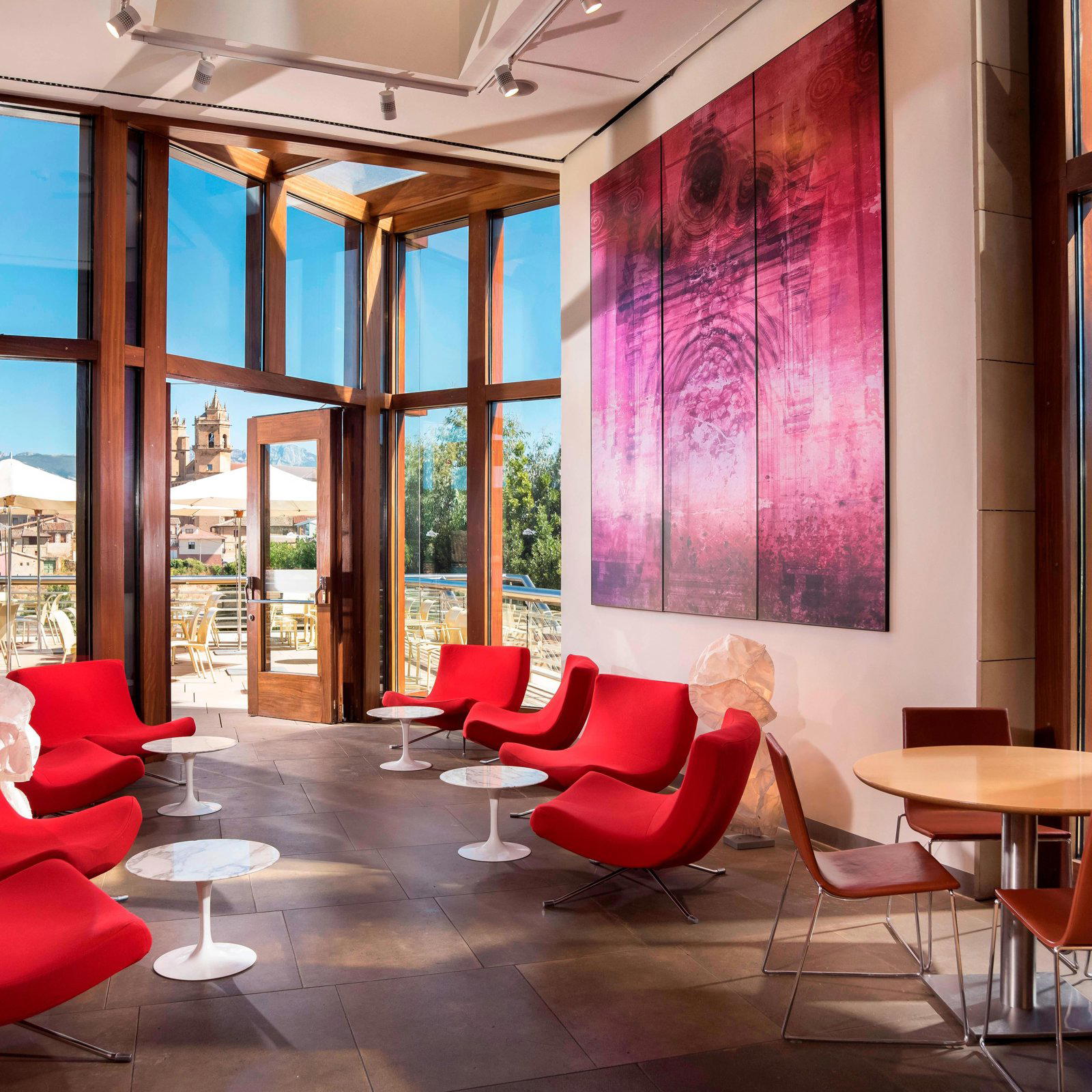
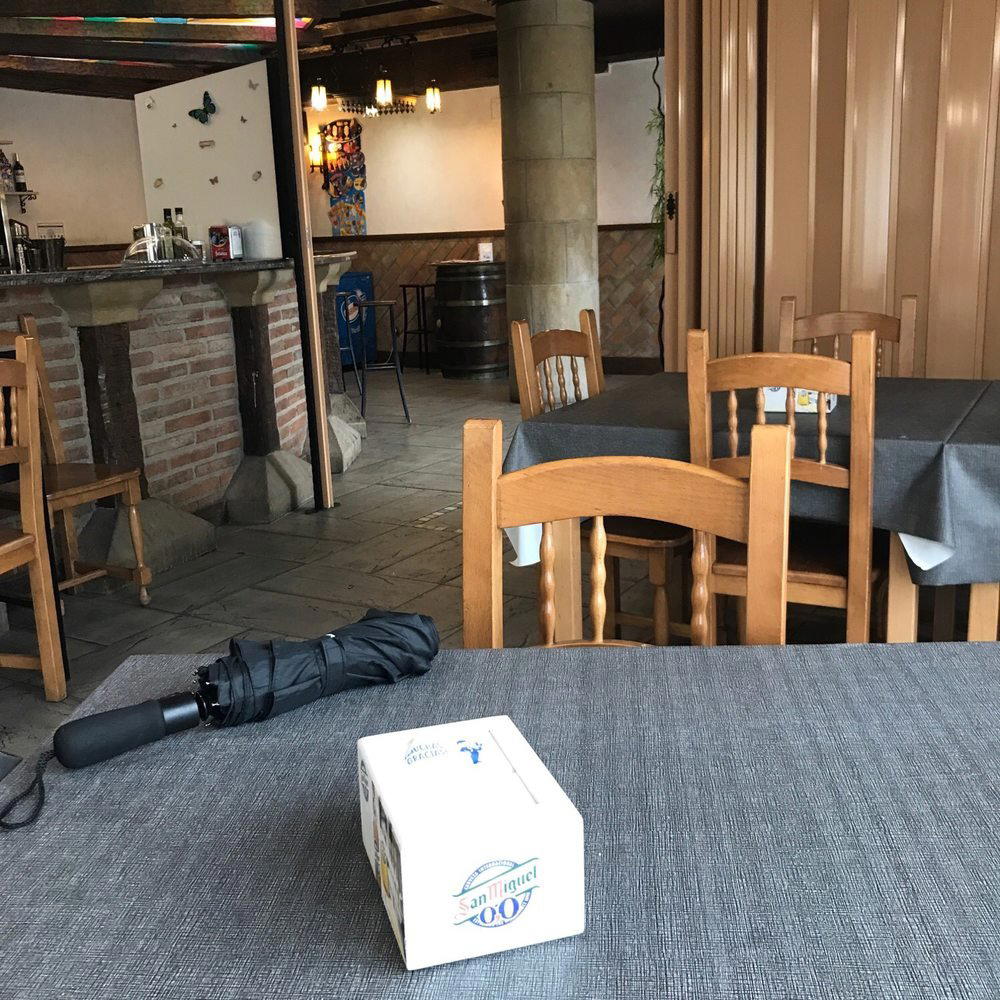
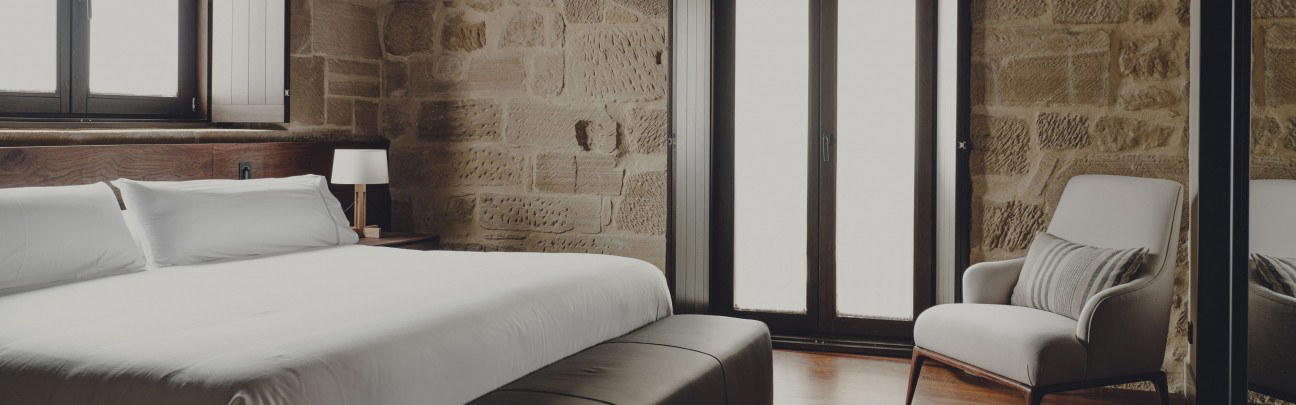
Cozy and elegant atmosphere in a beautifully restored historic space blending traditional and modern elements with soft lighting and intimate seating.