La Vallée Verte

1 Michelin Star
Our verdict
La Vallée Verte holds a Michelin star in consecutive years (2024 and 2025) under chef Peter Niemann, making it the most formally recognised table in Herleshausen. Priced at the €€€€ tier and rooted in modern cuisine, it occupies a rare position: a destination-level kitchen in a small Hessian village that draws guests prepared to travel for the food itself.

Pearl is the En Primeur Club membership app — saves, bookings, and concierge access live there. Same editors, same standards.
- Address
- Hohenhaus 1, 37293 Herleshausen, Germany
- Phone
- +49 5654 9870
- Website
- hohenhaus.de
- Directions
- Get directions
- Booking
- Book on OpenTable
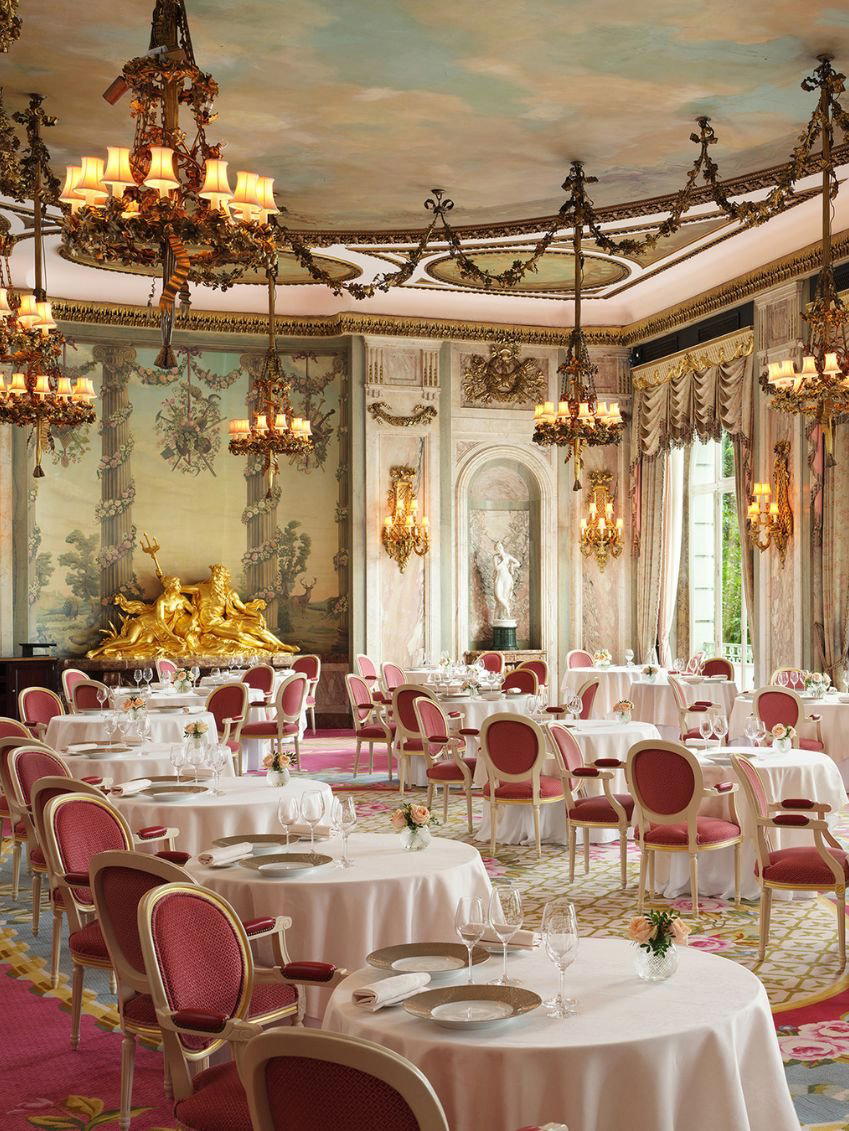
The menu
What to order
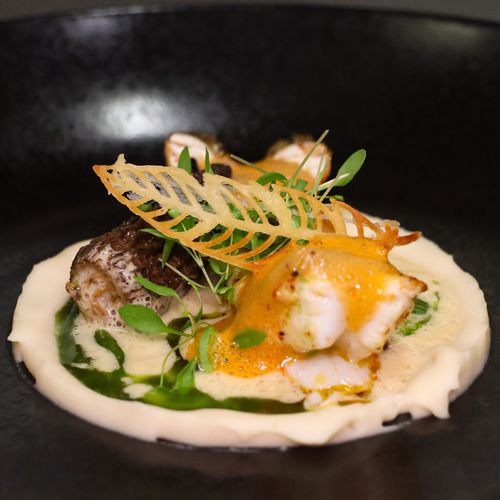
- 10-course tasting menu
- Amuse Bouche with Breton apple sparkling wine
- Linseed bread
A Destination Kitchen in the Werra Valley
There is a particular kind of restaurant that only makes sense if you understand German fine dining's relationship with the countryside. The country's most decorated kitchens are not concentrated in Frankfurt or Berlin in the way that Paris dominates French gastronomy. They are distributed across the regions, often in villages and market towns, attached to inns or hotels, sustained by a tradition of destination dining that treats the journey as part of the experience. Herleshausen, a small community in north Hesse near the former East-West German border, sits squarely within that tradition. La Vallée Verte, holding a Michelin star in both 2024 and 2025 under chef Peter Niemann, is the kind of address that pulls guests from Kassel, Göttingen, and further afield, not because of urban convenience but because of what arrives on the plate.
The broader setting matters here. The Werra valley — the geographic frame for the green valley the restaurant's name references — is agricultural territory, with the forested Hessian hills forming a backdrop that shapes both the visual character of the area and, in kitchens that choose to work this way, the sourcing logic behind the menu. Modern cuisine in this register means technically precise cooking that draws on classical French foundations while anchoring itself to regional produce and seasonal availability. It is a format that has produced some of Germany's most serious restaurants, from Waldhotel Sonnora in Dreis to Schanz in Piesport, each operating from a rural or small-town base and drawing guests specifically because geography and sourcing are part of the culinary argument.
Where the Food Comes From, and Why It Shapes the Experience
The editorial angle on a kitchen like La Vallée Verte is not primarily about technique or presentation, though both matter at the Michelin level. It is about what the location makes possible. Rural Hessian kitchens working at this price tier have access to a supply chain that urban restaurants often cannot replicate: farmers, foresters, and producers within direct driving distance, with relationships built over seasons rather than through wholesale intermediaries. This is not a romantic abstraction. It is a structural advantage that shows up in what a kitchen can actually do with seasonal windows, the gap between when something is picked or harvested and when it reaches the pass is compressed in ways that a city restaurant sourcing through distribution channels cannot match.
This sourcing logic places La Vallée Verte in the same broad tradition as kitchens such as ES:SENZ in Grassau, where Alpine proximity shapes what appears on the menu, or Schwarzwaldstube in Baiersbronn, where the Black Forest itself is a larder. The German countryside, from the Werra valley to the Bavarian foothills, has produced a model of fine dining in which the regional environment is not decorative context but an active ingredient. At the €€€€ tier, this translates into menus that reward guests who understand the seasonal moment they are eating in.
Chef Peter Niemann operates within this tradition. The Michelin inspectors' consecutive recognition in 2024 and 2025 signals consistency, the standard the guide weights most heavily: that a kitchen delivers reliably across multiple visits by multiple inspectors rather than peaking on a single night. For a restaurant at this price point in a village of this size, that consistency is a credential that carries weight beyond the star itself.
The Tier La Vallée Verte Occupies
Germany's Michelin-starred restaurant count runs into the hundreds, but the distribution within that count matters. Single-star kitchens in rural settings represent a specific and somewhat competitive sub-tier: addresses that cannot rely on walk-in traffic or tourist density and must therefore earn repeat visits and destination bookings on culinary merit alone. This is a different operating environment from a starred restaurant in Hamburg's Altstadt or Berlin's Mitte, where a restaurant benefits from a surrounding hospitality economy.
Kitchens at comparable star level and price tier include addresses that have built reputations over years of consistent work: Restaurant Haerlin in Hamburg and Vendôme in Bergisch Gladbach operate in a different geographic register but reflect the same price-tier expectations around service format, wine programme depth, and kitchen ambition. The two-star and three-star cohort, Aqua in Wolfsburg sits three levels above on the Michelin scale, represents the bracket La Vallée Verte is working towards rather than its current competitive set. Internationally, single-starred modern cuisine kitchens in rural or small-town European settings operate by a similar logic: Frantzén in Stockholm and its export format at FZN by Björn Frantzén in Dubai represent a different scale entirely, but the underlying principle, that technical ambition combined with sourcing rigour builds the case for destination dining, translates across contexts.
Within Herleshausen itself, the contrast is direct. The Hohenhaus Grill operates at the other end of the formality register, with a country cooking approach that serves a different audience and occasion. The two coexist without overlap: La Vallée Verte is a deliberate dining choice, the Hohenhaus Grill a casual one.
Planning a Visit
Getting to Herleshausen requires planning that urban fine dining does not. The village sits in north Hesse, approximately equidistant from Kassel to the north and Eisenach to the east, making it most accessible by car. Guests arriving from major German cities should factor the drive into their itinerary; the nearest large rail hub is Eisenach, which connects to the ICE network. Given the travel involved, an overnight stay makes practical sense: our full Herleshausen hotels guide covers accommodation options in the area. For those who want to explore the village's full hospitality offer before or after dinner, bars, wineries, and experiences in Herleshausen are all mapped in our guides.
At the €€€€ tier, the expectation is a multi-course tasting format with a full wine programme. Guests should book well in advance; starred rural kitchens in Germany typically run at near-capacity on weekend service, with weekday availability somewhat easier. Checking the restaurant's current booking window directly is advisable, as lead times at this level vary by season. For a broader picture of where La Vallée Verte sits among all formal dining options in the area, our full Herleshausen restaurants guide provides the complete context. For comparison with the broader German starred scene at a higher level of recognition, JAN in Munich and CODA Dessert Dining in Berlin illustrate how the Michelin tier above operates in an urban format. Victor's Fine Dining by Christian Bau in Perl offers another point of comparison: a decorated kitchen in a small German border town, demonstrating that rural location is no constraint on serious ambition.
Frequently asked questions
Is La Vallée Verte appropriate for children?
At the €€€€ price tier in a formal fine dining setting in Herleshausen, La Vallée Verte is not structured for young children; this is a destination kitchen with the format and pacing of a multi-course tasting experience.
How would you describe the atmosphere at La Vallée Verte?
The atmosphere at La Vallée Verte follows the pattern of Germany's rural starred restaurants: formal without being metropolitan, with the setting in the Werra valley providing a quieter register than city fine dining at the same €€€€ price point. Consecutive Michelin recognition in 2024 and 2025 signals a kitchen that has settled into its identity, which tends to produce a confident, unhurried service environment rather than the high-energy buzz of an urban address.
What does Michelin recognition tell us about what to order at La Vallée Verte?
At a Michelin-starred kitchen under chef Peter Niemann, the inspector's logic points toward the tasting menu as the format that leading demonstrates the kitchen's range. Modern cuisine at this tier is built around a progression of courses rather than à la carte selection, and the consecutive star recognition in 2024 and 2025 suggests the full menu format is where the cooking makes its strongest case. Sourcing from the surrounding region is central to how kitchens in this tradition build their seasonal argument, so what is on the menu will reflect the time of year more directly than at kitchens with longer supply chains.
Budget and Context
| Venue | Cuisine | Price | Awards | Notes |
|---|---|---|---|---|
| La Vallée VerteThis venue — the venue you are viewing | Modern French Haute Cuisine with Regional German & Breton Influences | $200–300 | 1 Michelin Star | Not listed |
| Schwarzwaldstube | French, Classic French | Not listed | Michelin 3 Star | Not listed |
| Aqua | Not listed | Not listed | Michelin 3 Star | Contemporary German, Italian/Japanese, Creative |
| CODA Dessert Dining | Creative | Not listed | Michelin 2 Star | Not listed |
| Tantris | Modern French, French Contemporary | Not listed | Michelin 2 Star | Not listed |
| Vendôme | Modern European, Creative | Not listed | Michelin 2 Star | Not listed |
Recognition history
Dated appearances from independent guides and award organizations, with the underlying list record or original source where available.
Michelin 1 Star
Michelin
Full recognition history (3 entries)
Michelin 1 Star
Michelin
Michelin 1 Star
Michelin
Continue exploring
More in Herleshausen
Restaurants in Herleshausen
Browse all →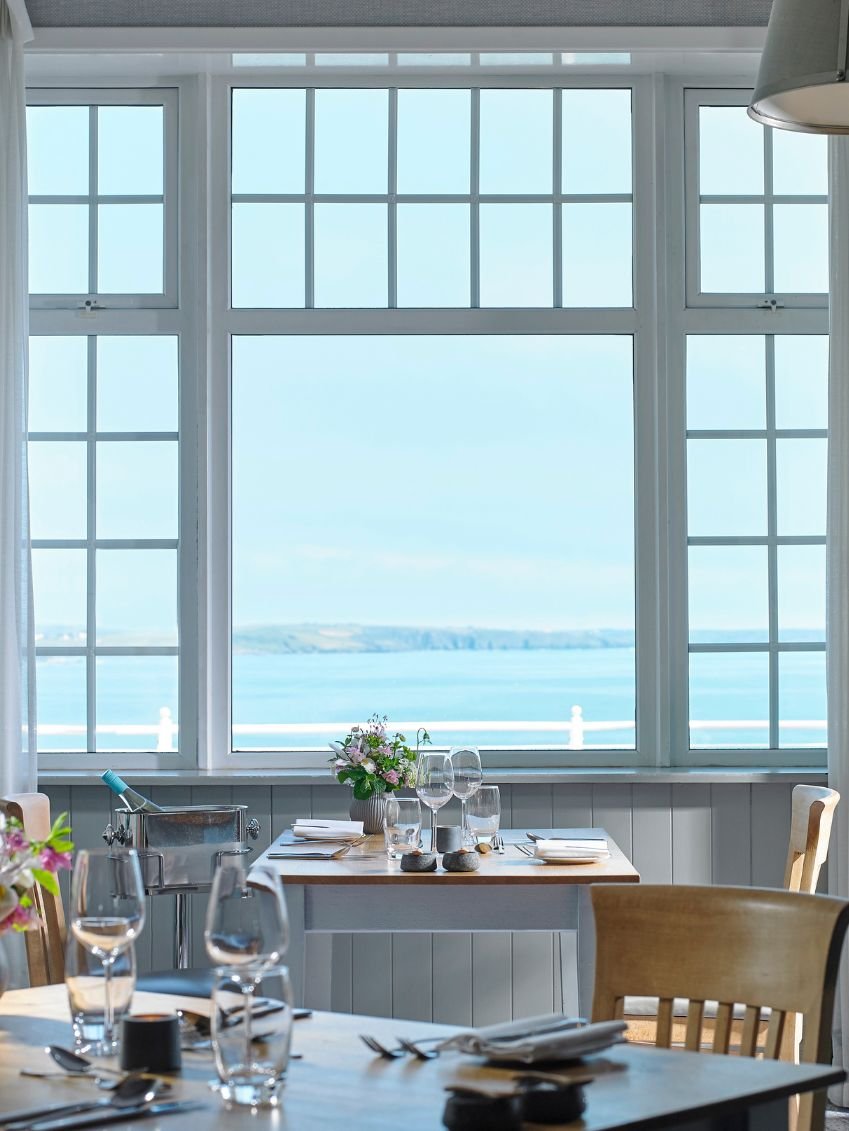
Bars in Herleshausen
Browse all →

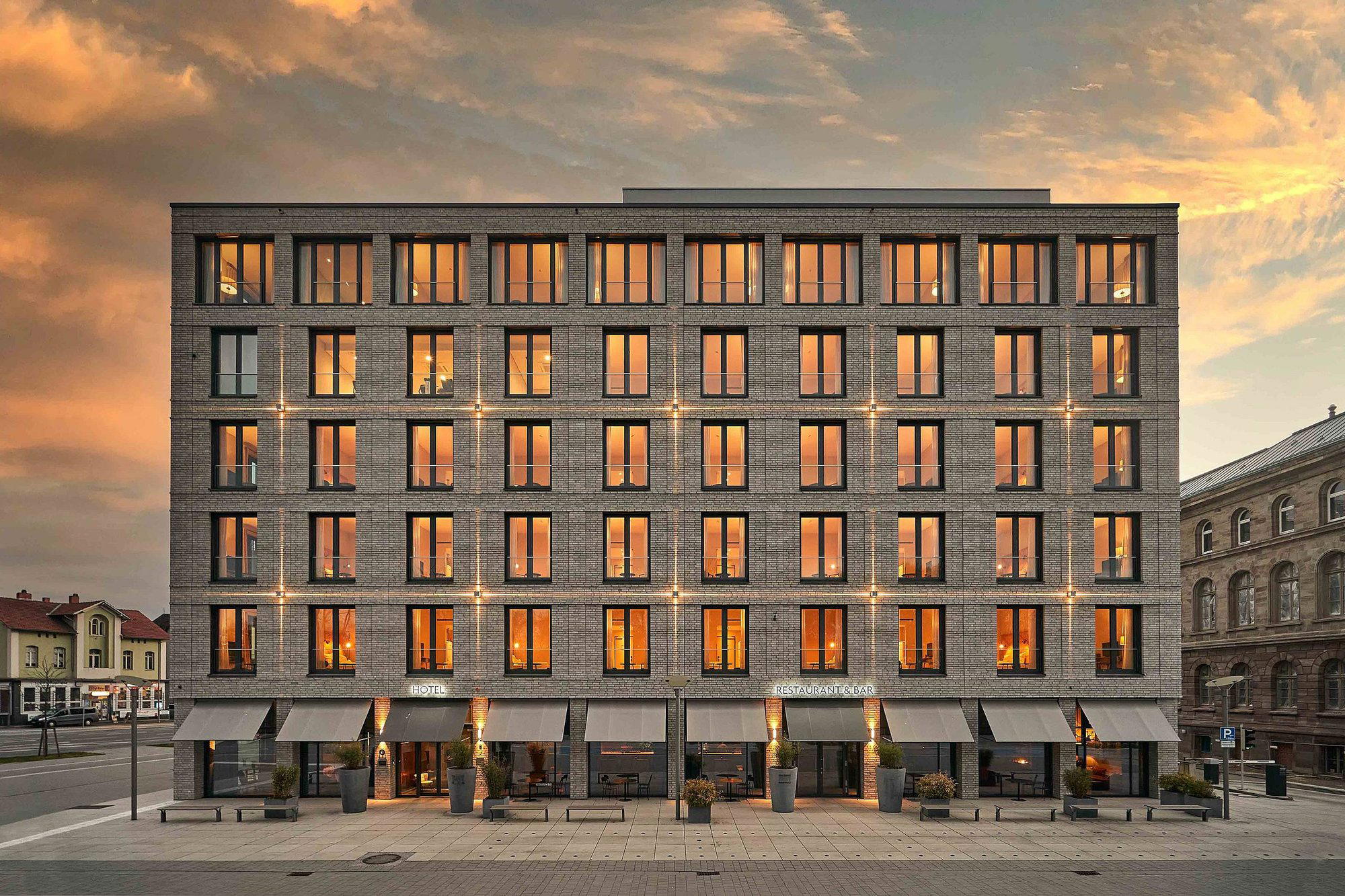
La Vallée Verte
The wine
- Wine program
- Curated wine list
- Extensive wine list
- Sommelier-led
Details
- Romantic
- Elegant
- Intimate
- Quiet
- Sophisticated
- Special Occasion
- Date Night
- Celebration
- Private Dining
- Terrace
- Garden
- Historic Building
- Hotel Restaurant
- Sommelier Led
- Extensive Wine List
- Farm To Table
- Local Sourcing
- Organic
- Garden
- Tasting Menu
- Set Menu
- Wine Pairing
- Sommelier Recommendations
- Vegetarian Friendly
- Allergy Accommodating
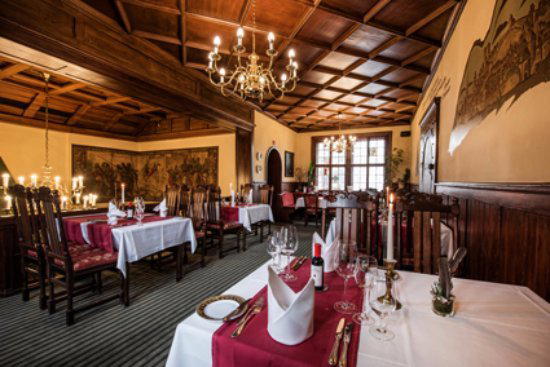
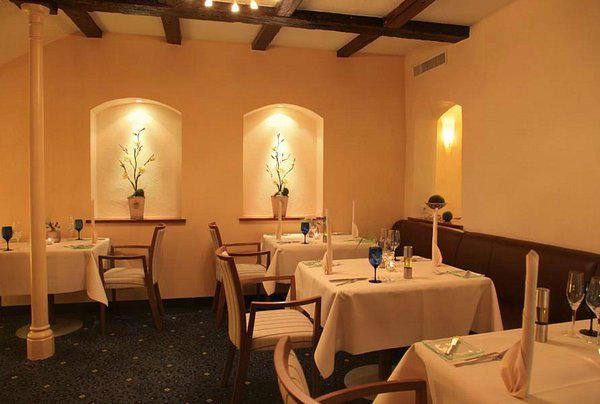
Cozy and refined with fireplace warmth, set within an elaborately designed castle premises surrounded by forest and meadows, creating a serene countryside atmosphere.